k tip hair extensions pros and cons
K tip hair extensions—also known as keratin tip, fusion, or pre-bonded extensions—remain one of the most sought-after methods in the professional salon industry. Loved for their natural look, long-lasting results, and discreet installation, they are often considered the gold standard for clients seeking a seamless transformation.
However, like any hair extension method, K tip extensions come with both advantages and limitations. This comprehensive guide explores the pros and cons of K tip hair extensions, along with performance analysis, application techniques, maintenance requirements, cost considerations, and comparisons with other popular methods.
What Are K Tip Hair Extensions?
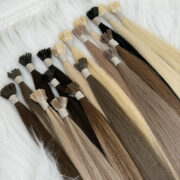
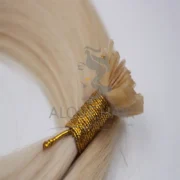
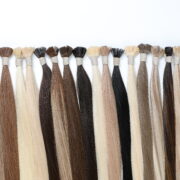
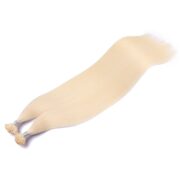
K tip hair extensions are individual strands of hair pre-bonded with a keratin-based adhesive tip. These tips are attached to natural hair using a heat fusion tool, which melts the keratin and bonds it securely to the client’s hair.
Key Features
- Individual strand-by-strand application
- Keratin protein bond (similar to natural hair structure)
- Long-lasting hold (8–12 weeks or longer)
- Highly customizable placement
How K Tip Extensions Work
The installation process involves:
- Sectioning the natural hair
- Placing a keratin-tipped extension strand near the root
- Using a heat tool to soften the keratin
- Rolling the bond to secure it
This process creates a small, discreet bond that blends naturally with the client’s hair.
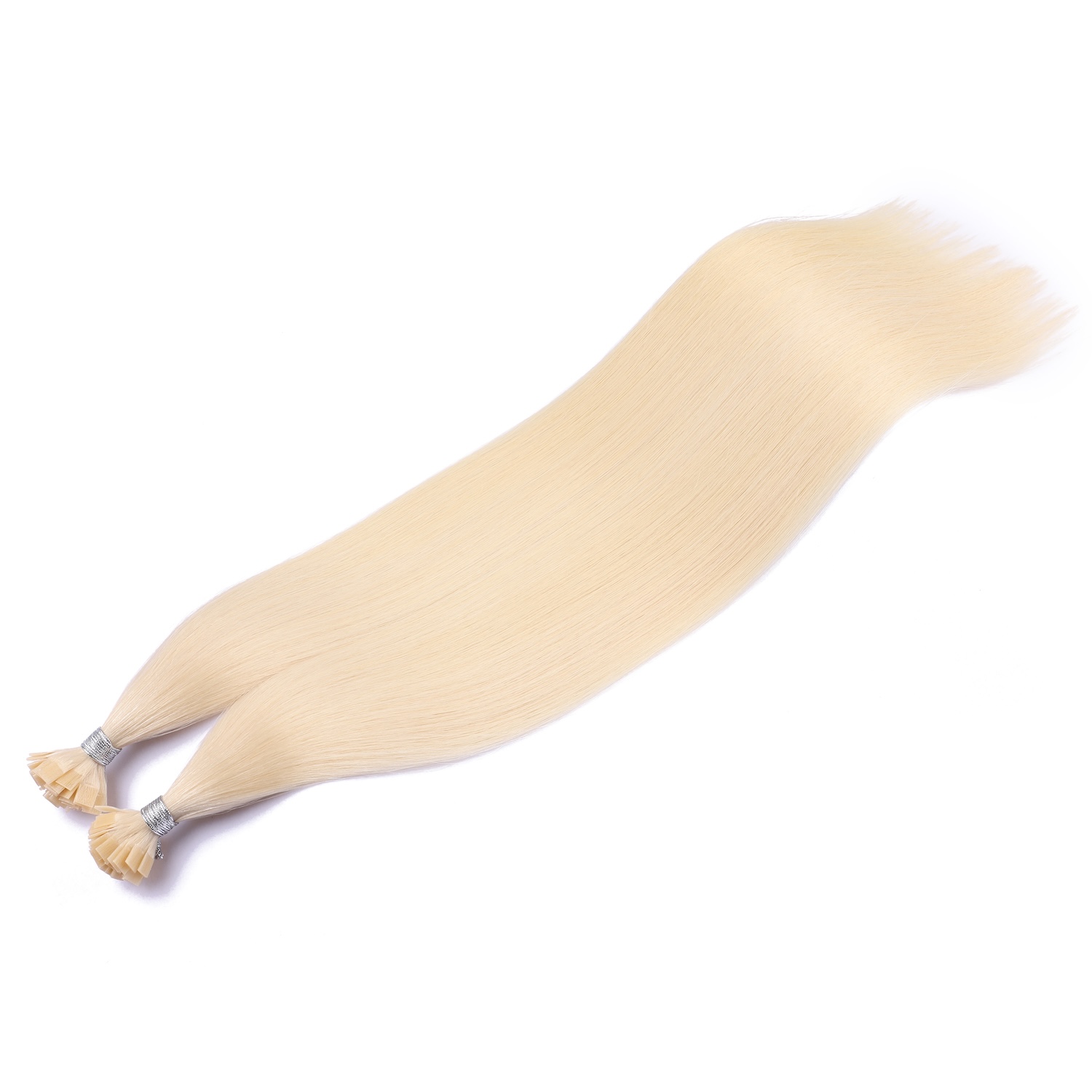
K-tip Extensions
Pros of K Tip Hair Extensions
1. Extremely Natural Appearance
K tip extensions are known for their invisible finish. Because they are applied strand by strand:
- They move naturally with the hair
- Bonds are small and discreet
- Ideal for fine or thin hair
👉 This makes them one of the most undetectable extension methods available.
2. Long-Lasting Results
Compared to other methods:
- Lifespan: 3–5 months (with proper care)
- Strong keratin bond prevents slipping
- Suitable for long-term wear
👉 Perfect for clients who want a semi-permanent solution.
3. 360° Styling Flexibility
K tip extensions allow:
- High ponytails
- Braids
- Updos
- Heat styling
Because there are no wefts or tapes, styling options are unlimited.
4. Lightweight and Comfortable
Each strand is small and evenly distributed, resulting in:
- Less tension on the scalp
- Natural weight distribution
- Comfortable long-term wear
5. Strong Bonding Technology
Keratin bonds are:
- Durable
- Resistant to heat and humidity
- Less likely to slip compared to tape-ins
6. Customizable Volume and Placement
Stylists can:
- Add volume where needed
- Blend layers seamlessly
- Customize density and length
👉 Ideal for precision styling and high-end results.
Cons of K Tip Hair Extensions
1. Time-Consuming Installation
- Installation time: 2–4 hours
- Requires skilled professionals
👉 Not ideal for clients seeking quick application.
2. Higher Cost
K tip extensions are one of the most expensive options:
- Hair cost: Premium Remy hair
- Labor cost: High due to detailed work
👉 Total cost can range from $300 to $1,500+
3. Heat Application Risk
The installation process uses heat, which may:
- Cause minor damage if done incorrectly
- Be unsuitable for extremely fragile hair
👉 Professional application is essential.
4. Difficult Removal Process
Removal requires:
- Special solution to break keratin bonds
- Professional tools
👉 Improper removal can damage natural hair.
5. Not Reusable
Unlike some other methods:
- K tip extensions are single-use
- Cannot be reinstalled after removal
👉 Increases long-term cost.
6. Maintenance Requirements
Clients must:
- Avoid oil near bonds
- Brush carefully
- Schedule regular salon visits
👉 Requires more commitment than temporary methods.
K Tip vs Other Hair Extension Methods
K Tip vs Tape-In Extensions
| Feature | K Tip | Tape-In |
|---|---|---|
| Longevity | 3–5 months | 6–8 weeks |
| Reusability | No | Yes |
| Installation Time | Long | Short |
| Appearance | More natural | Slightly visible |
👉 Winner: K tip for natural look, tape-in for convenience
K Tip vs Sew-In Wefts
| Feature | K Tip | Sew-In |
|---|---|---|
| Comfort | High | Medium |
| Installation | Individual | Braided base |
| Flexibility | High | Moderate |
👉 Winner: K tip for flexibility
K Tip vs Clip-In Extensions
| Feature | K Tip | Clip-In |
|---|---|---|
| Permanence | Semi-permanent | Temporary |
| Daily Use | No removal needed | Remove daily |
| Cost | Higher | Lower |
👉 Winner: Depends on lifestyle
Who Should Choose K Tip Extensions?
Ideal For:
- Clients seeking long-term results
- Those who want natural, invisible extensions
- Fine or thin hair types
- High-end salon clients
Not Ideal For:
- Clients on a budget
- Those wanting quick installation
- Very damaged or weak hair
Cost Analysis
Initial Cost Breakdown
- Hair extensions: $150 – $800
- Installation: $150 – $700
Maintenance Cost
- Salon visits every 6–8 weeks
- Professional removal costs
Long-Term Cost
Higher than reusable methods due to single-use nature.
Maintenance Tips
To maximize lifespan:
- Use sulfate-free shampoo
- Avoid oils near bonds
- Brush gently with extension brushes
- Tie hair loosely while sleeping
Common Mistakes to Avoid
- DIY installation
- Using excessive heat tools
- Skipping maintenance appointments
- Improper removal
👉 These can lead to hair damage or bond failure.
Professional Insights
Stylists often recommend K tip extensions for:
- Bridal styling
- Luxury salon services
- Clients wanting maximum realism
They are considered:
“The most natural-looking but also the most skill-dependent extension method.”
Market Trends (2026)
- Increasing demand for keratin-based extensions
- Growth in premium salon services
- Shift toward cuticle-aligned Remy hair
- Focus on client comfort and natural results
Pros and Cons Summary
Pros
- Ultra-natural appearance
- Long-lasting
- Flexible styling
- Comfortable wear
- Strong bonding
Cons
- Expensive
- Time-consuming installation
- Not reusable
- Requires professional removal
- Maintenance intensive
Final Recommendation
K tip hair extensions are best suited for:
- Clients who prioritize quality over cost
- Stylists offering premium services
- Long-term wear without frequent adjustments
If you want:
- Maximum realism → choose K tip
- Lower cost & flexibility → consider tape-ins or wefts
Conclusion
The pros and cons of K tip hair extensions clearly show why they remain a top-tier option in the beauty industry.
They offer:
- Exceptional natural appearance
- Long-lasting results
- Professional-grade performance
But require:
- Higher investment
- Skilled installation
- Proper maintenance
In the end, K tip extensions are not just a beauty upgrade—they are a precision-crafted solution for clients who want flawless, long-term results.
👉 Because when it comes to hair extensions, the difference between “good” and “wow” is often just a tiny keratin bond away.

Alove Hair is a professional Chinese manufacturer of premium 100% Remy human hair extensions, wigs, and hair systems. Established in 2014, the company specializes in supplying global salons and distributors with high-quality, cuticle-intact hair products and offers comprehensive OEM/ODM private label services.