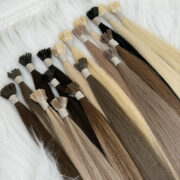
How much does a k tip hair extensions cost?
K tip hair extensions have become one of the most popular premium hair extension methods in the beauty industry. Loved by celebrities, hairstylists, influencers, and salon professionals, K tip extensions are known for their natural appearance, long-lasting results, and flexible styling options.
However, one of the most common questions buyers ask before investing in this hair extension method is: How much do K tip hair extensions cost?
The answer is not always simple because the total price depends on many factors, including hair quality, hair length, salon installation fees, maintenance costs, and the number of strands required.
In this complete guide, we will explain everything you need to know about K tip hair extension pricing, what affects the cost, how long they last, whether they are worth the investment, and how to choose the right K tip extensions for your needs.
By the end of this article, you will have a clear understanding of the real cost of K tip hair extensions and how to make a smart purchasing decision.
What Are K Tip Hair Extensions?
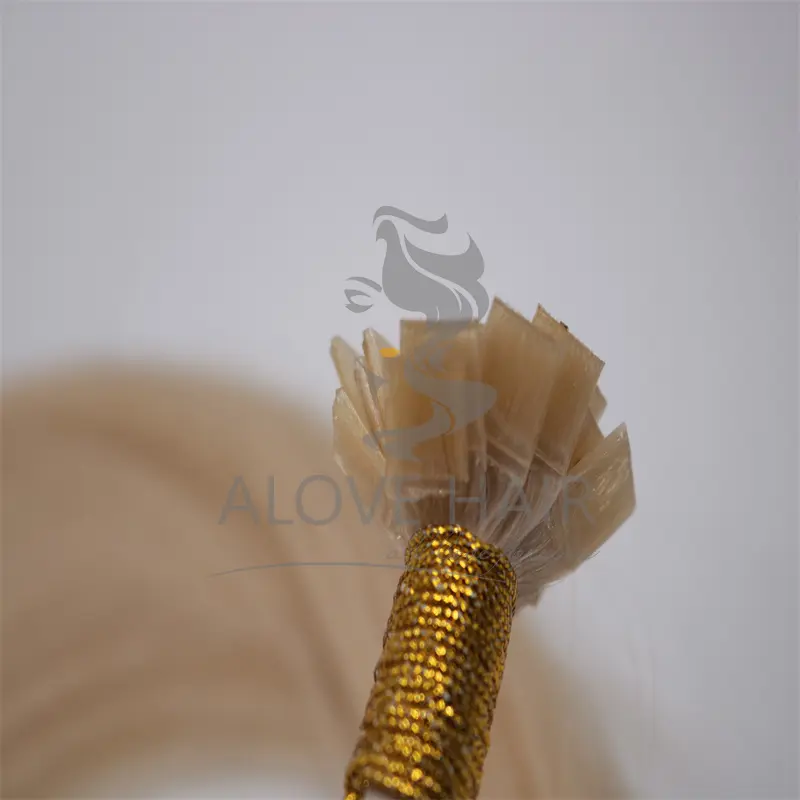
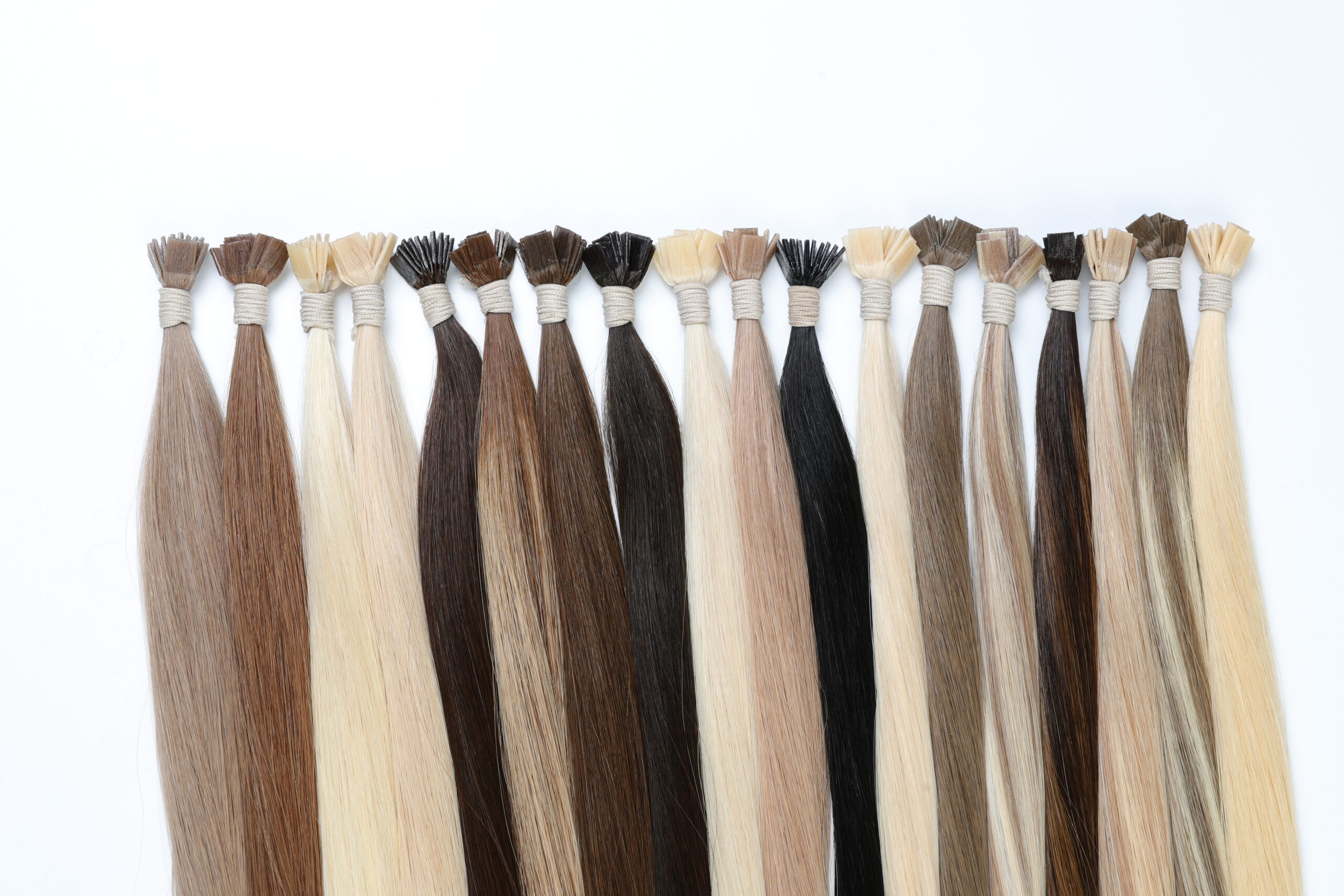
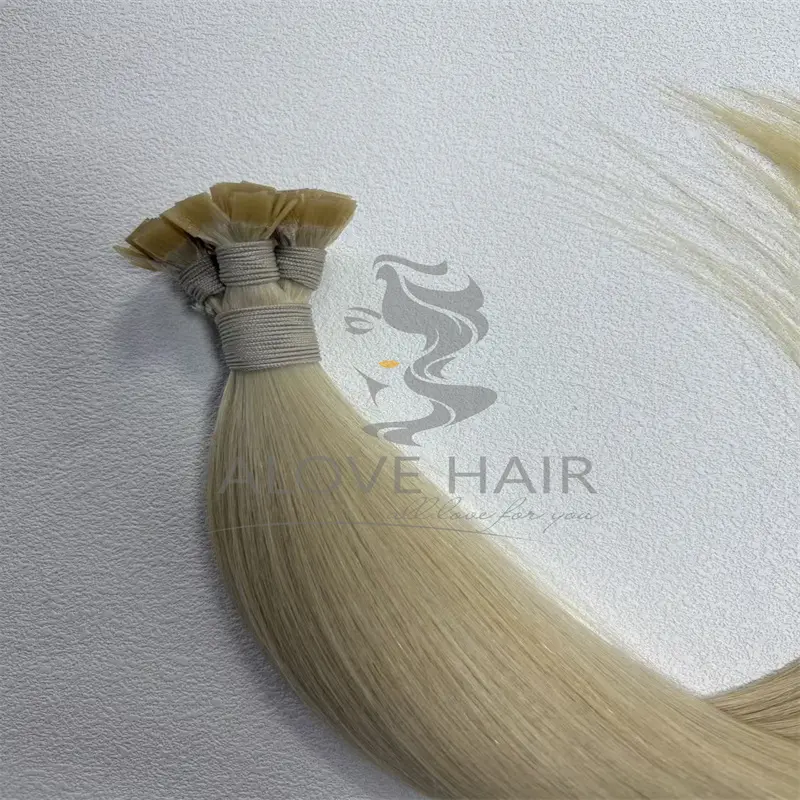
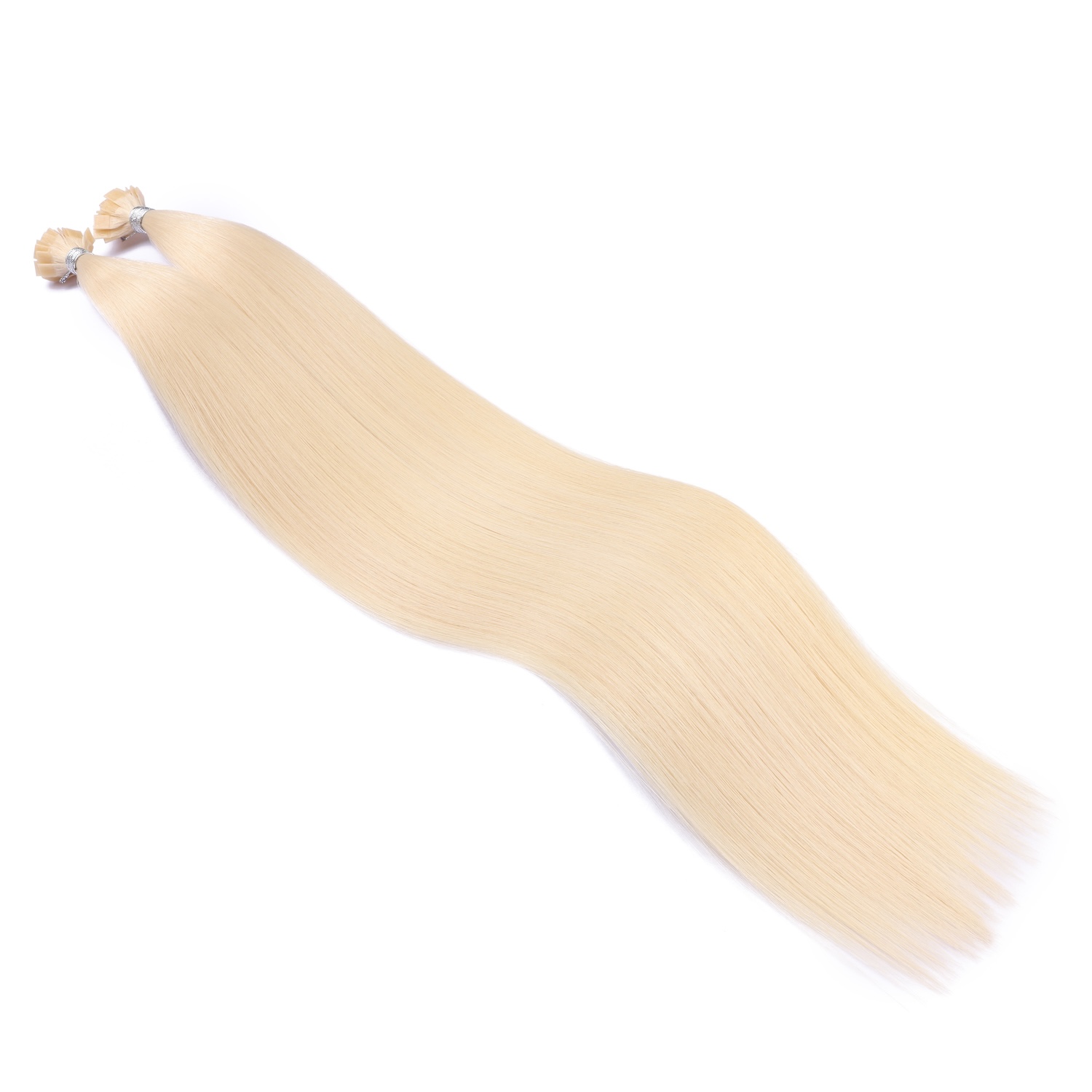
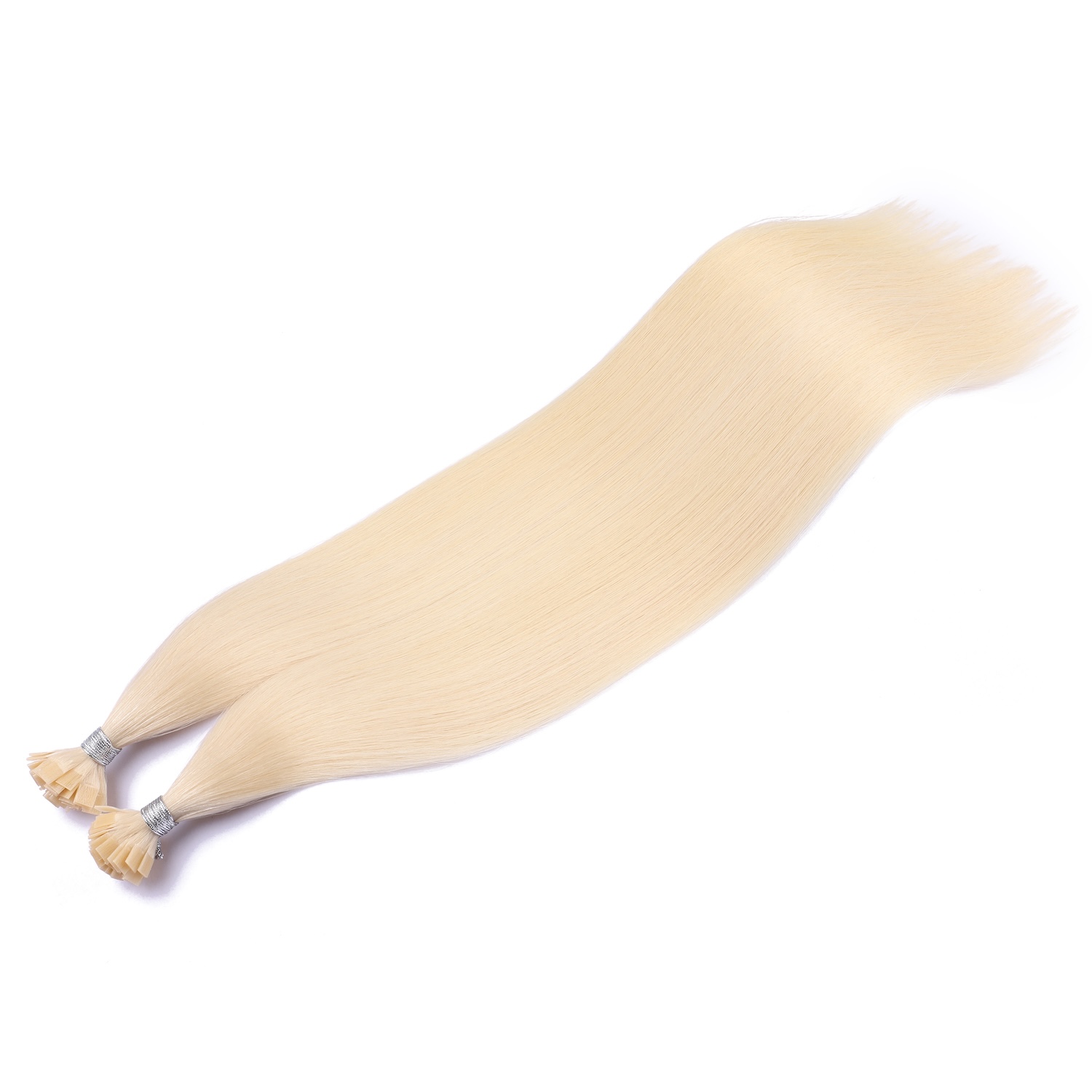
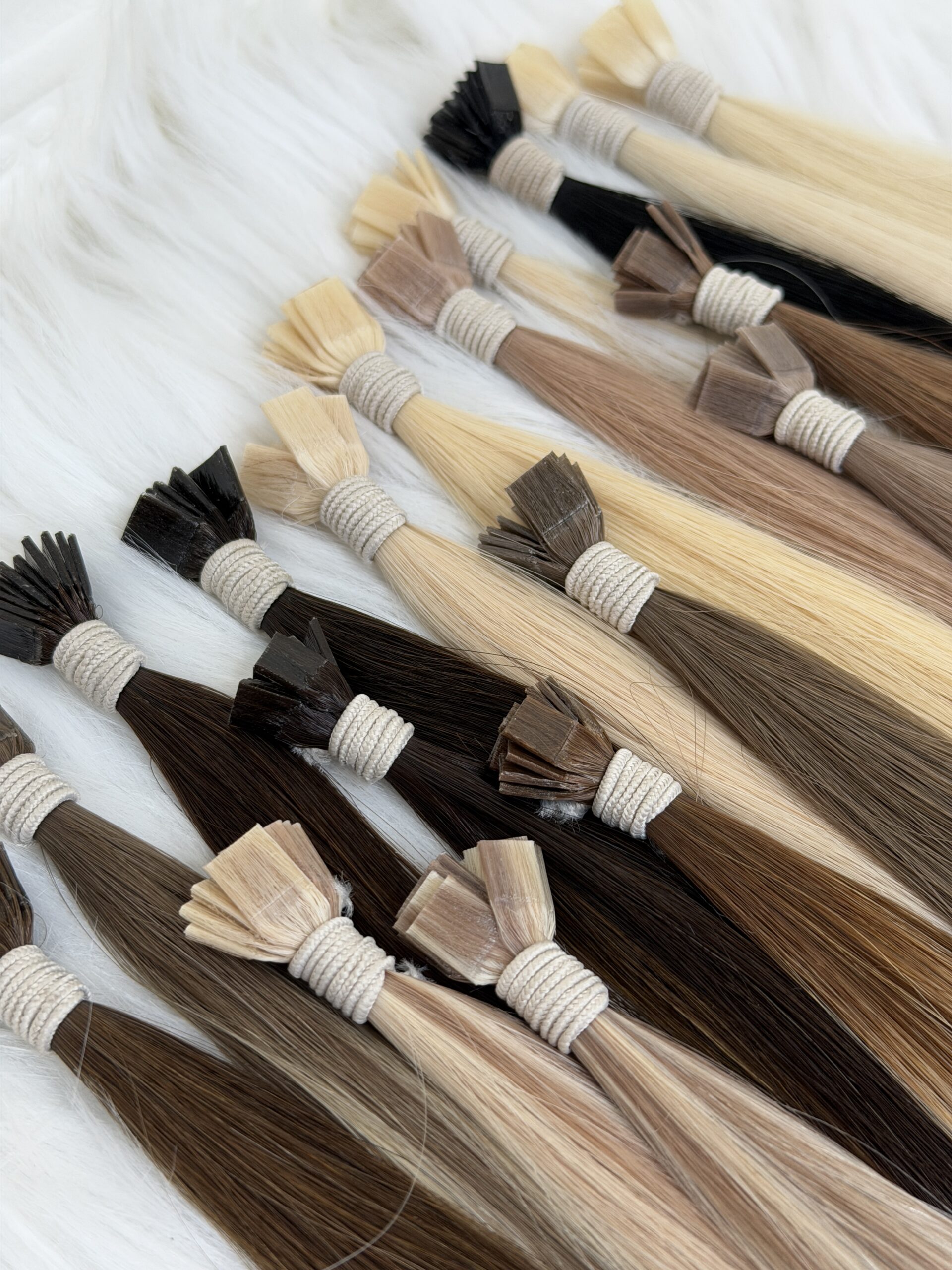
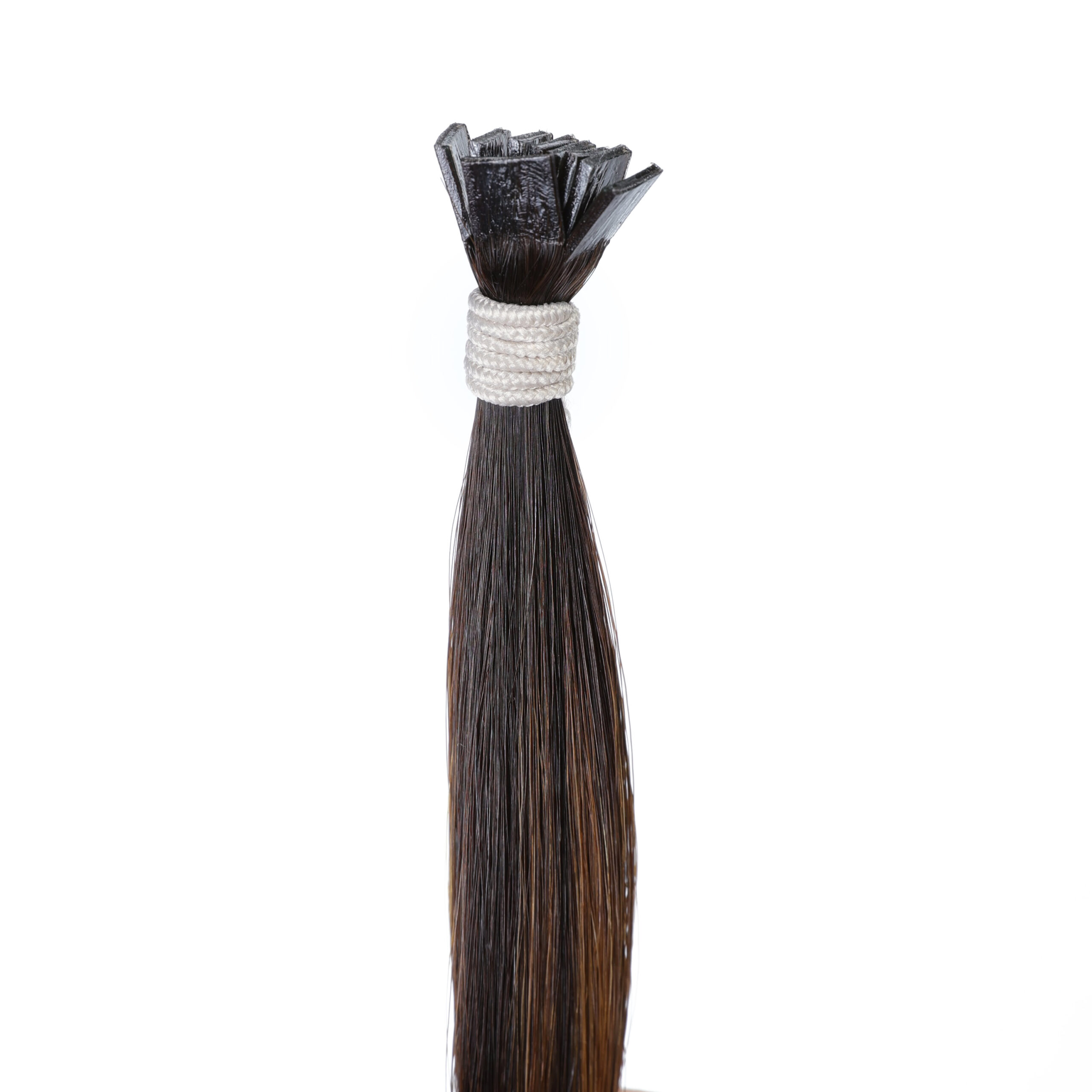
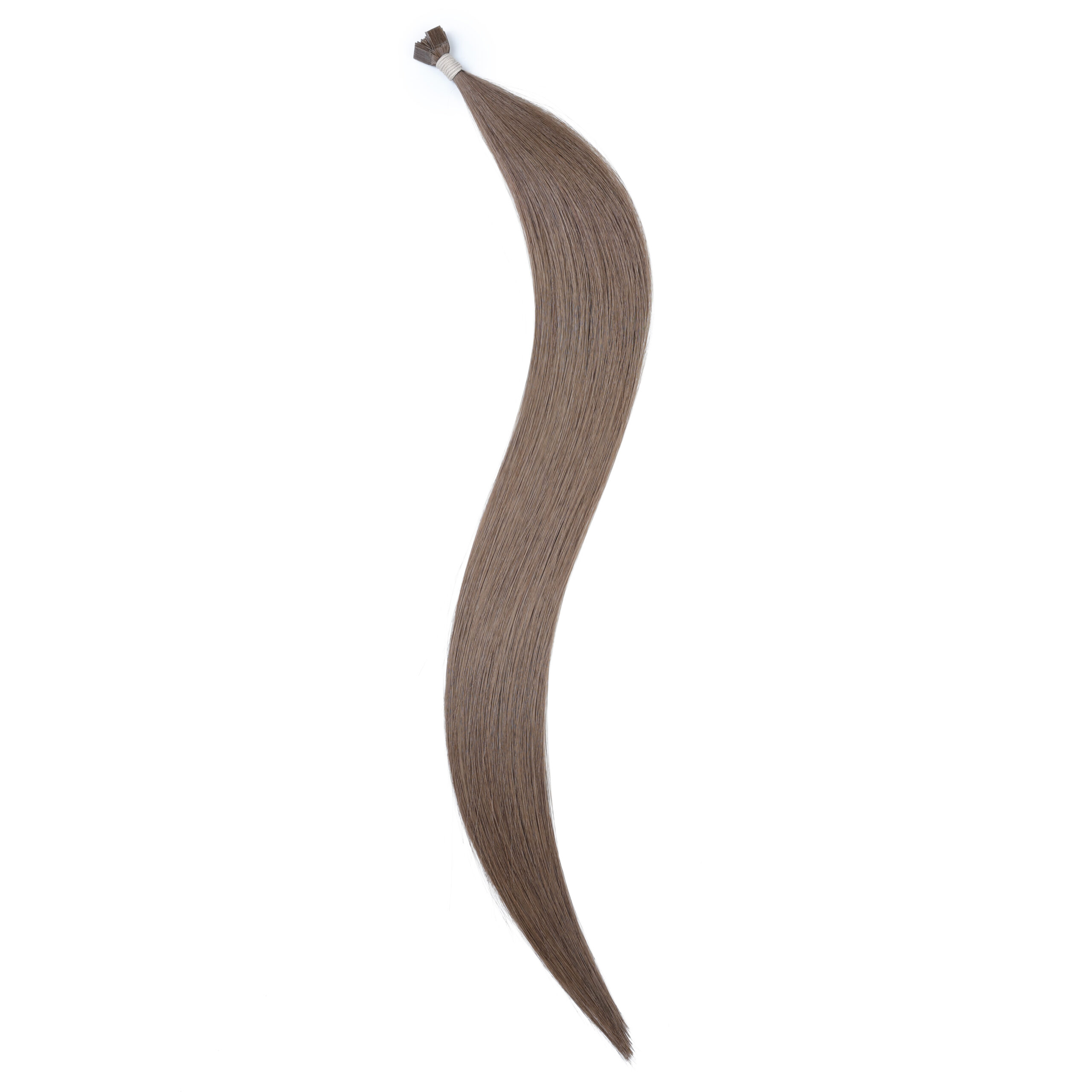
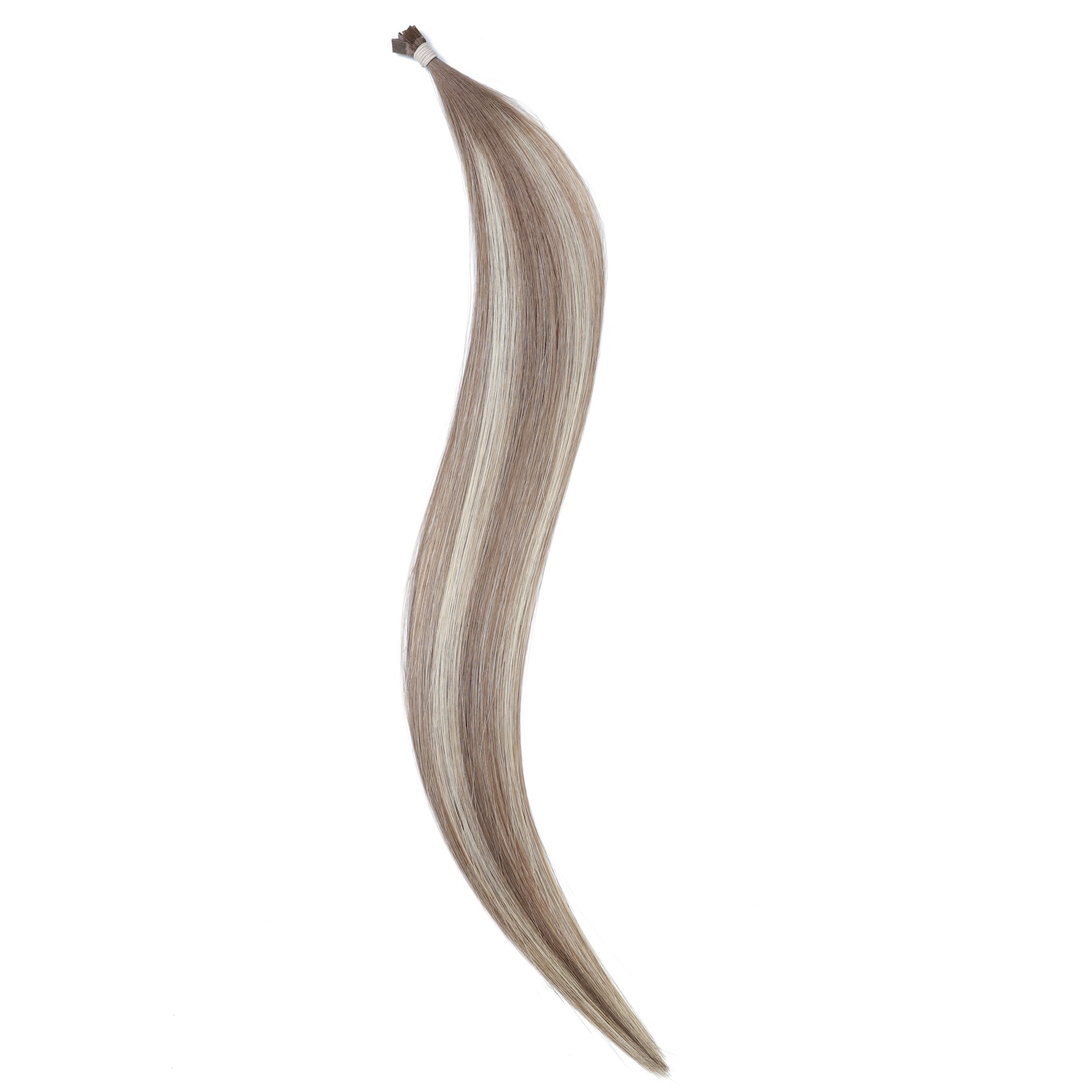
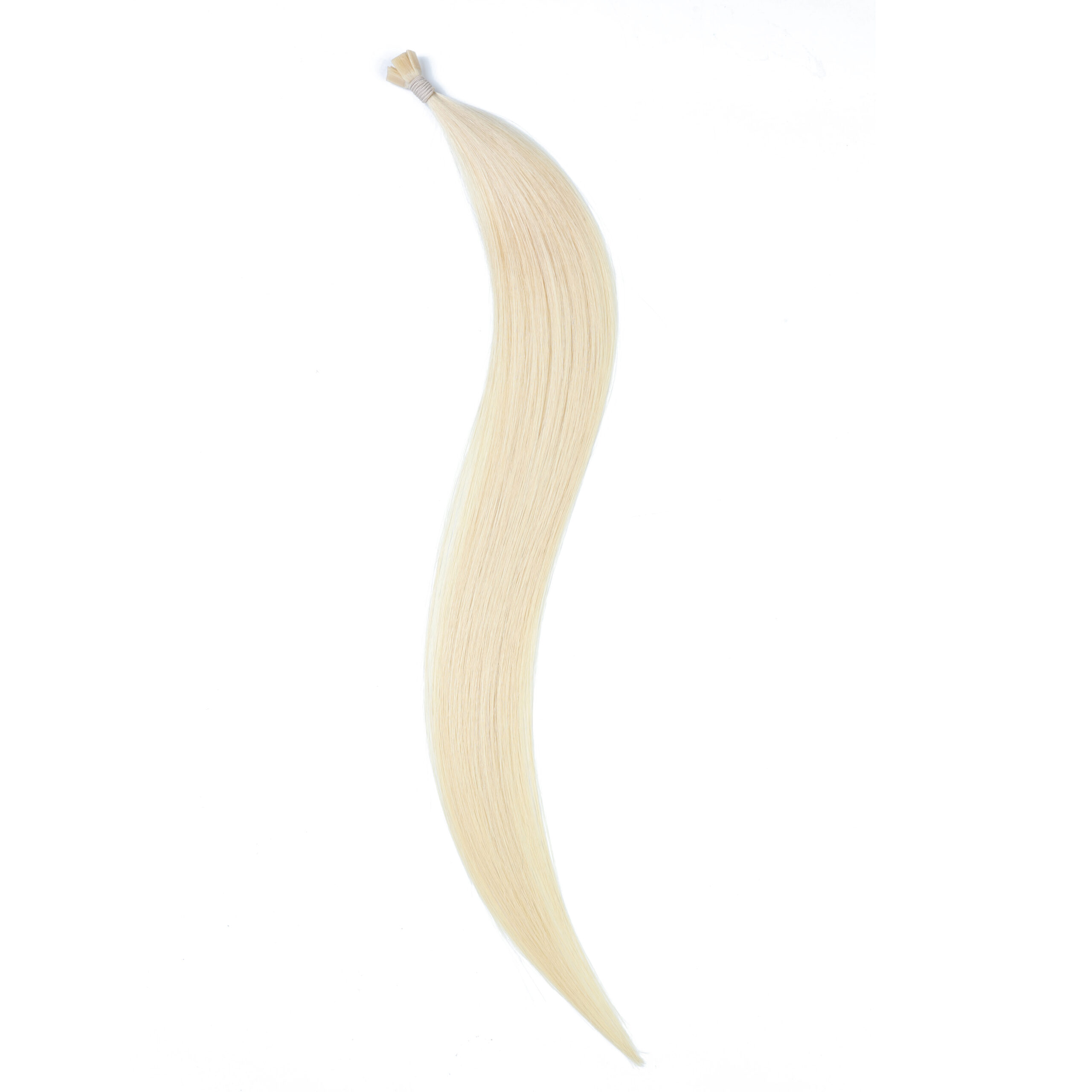
K tip hair extensions, also called keratin tip extensions or fusion hair extensions, are individual hair strands attached to natural hair using keratin-based adhesive bonds.
The “K” stands for keratin, a protein naturally found in human hair.
Each extension strand has a small keratin tip that is melted using a heat tool and fused to sections of natural hair.
Unlike clip-ins or tape-ins, K tip extensions are considered a semi-permanent hair extension method.
They are popular because they provide:
- Natural movement
- Long-lasting wear
- Invisible bonds
- 360-degree styling flexibility
- Lightweight comfort
K tip extensions are widely used for:
- Hair length enhancement
- Volume improvement
- Color blending
- Thin hair transformation
- Luxury hairstyling
Average Cost of K Tip Hair Extensions
The total cost of K tip hair extensions usually includes:
- Hair extension price
- Installation labor cost
- Maintenance expenses
- Removal and reinstallation fees
On average, professional K tip hair extensions cost between:
| Service Type | Average Price |
|---|---|
| Hair Only | $150–$800 |
| Installation Only | $200–$1,000 |
| Full Professional Service | $400–$2,000+ |
Luxury salons in major cities may charge even higher prices.
Why Are K Tip Extensions Expensive?
K tip hair extensions are considered one of the most labor-intensive extension methods.
Several factors contribute to the higher price:
- Individual strand installation
- Long application time
- Premium human hair quality
- Skilled stylist requirements
- Long-lasting results
A full-head K tip installation may require:
- 100–250 strands
- 3–6 hours of salon work
That level of detail and craftsmanship increases the overall cost significantly.
Factors That Affect K Tip Hair Extension Cost
Understanding pricing factors helps buyers avoid confusion and unrealistic expectations.
Hair Quality
Hair quality is one of the biggest pricing factors.
Synthetic Hair
Synthetic K tip extensions are cheaper but less common.
Price range:
- $50–$150
Disadvantages:
- Less natural appearance
- Limited heat styling
- Short lifespan
- Tangling issues
Most professional salons do not recommend synthetic K tip extensions.
Human Hair
Human hair extensions are the industry standard.
Price range:
- $150–$800+
Advantages:
- Natural look
- Heat styling capability
- Better durability
- Longer lifespan
Human hair is available in several grades.
Remy Hair vs Non-Remy Hair
Remy Hair
Remy hair keeps all cuticles aligned in the same direction.
Advantages:
- Smooth texture
- Less tangling
- Longer lifespan
- More natural shine
Premium Remy hair costs more but performs significantly better.
Non-Remy Hair
Non-Remy hair is cheaper but lower quality.
Problems may include:
- Tangling
- Dryness
- Shorter lifespan
Many buyers regret choosing cheap non-Remy extensions after only a few weeks.
Hair Length
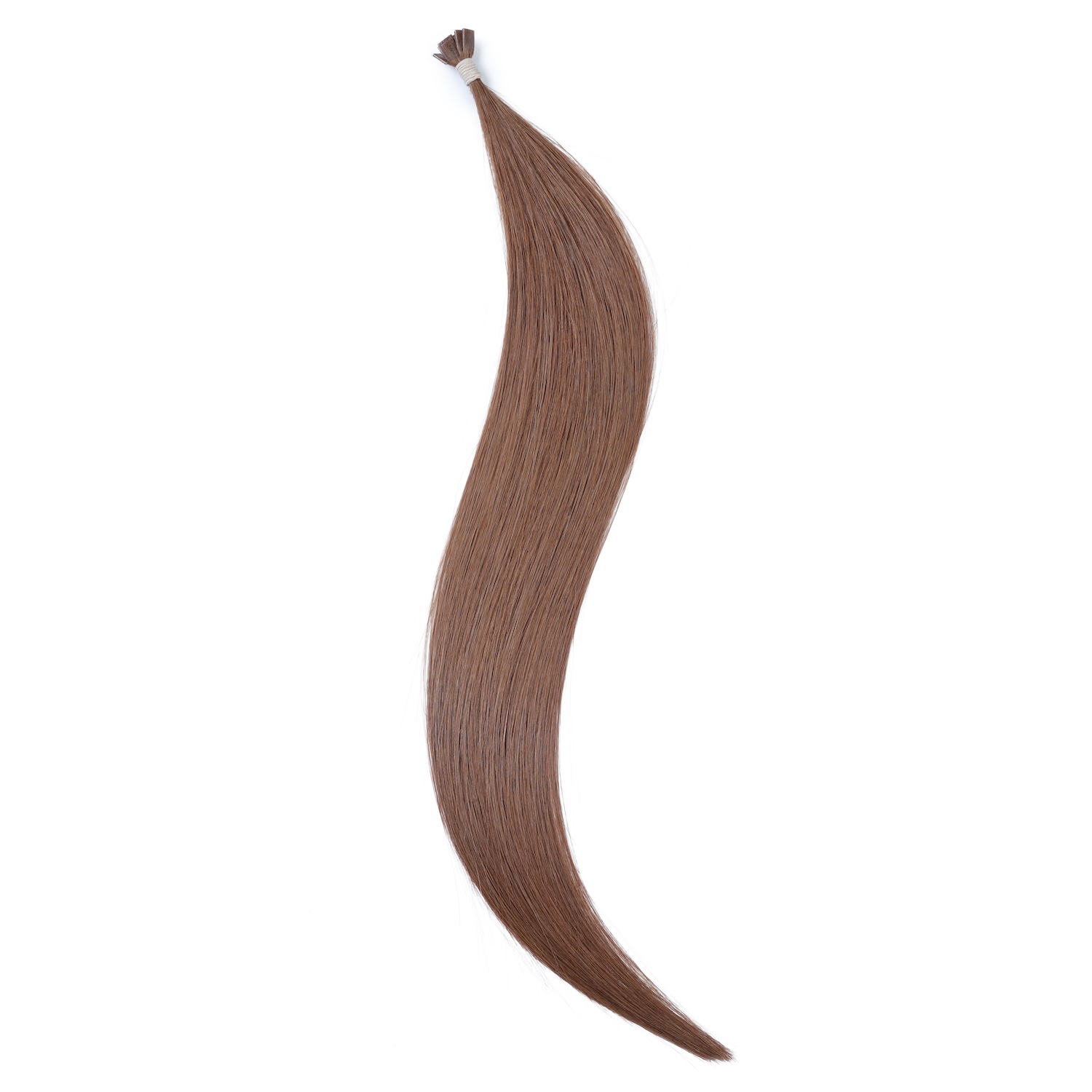
Longer hair extensions require more raw hair material and therefore cost more.
Typical pricing increases by length:
| Hair Length | Average Hair Cost |
|---|---|
| 14 inch | $120–$250 |
| 18 inch | $180–$400 |
| 22 inch | $300–$600 |
| 24–30 inch | $500–$1,000+ |
Very long extensions are especially expensive because long healthy donor hair is rare.
Hair Density and Fullness
Thicker hairstyles require more extension strands.
Typical quantities:
- Volume enhancement: 50–100 strands
- Standard full head: 100–180 strands
- Ultra-full glamour look: 200–300 strands
More strands mean:
- More hair cost
- More labor time
- Higher installation fees
Hair Color
Certain hair colors cost more due to processing complexity.
Premium pricing often applies to:
- Balayage colors
- Platinum blonde
- Custom mixed shades
- Ombre styles
- Fashion colors
Custom coloring increases production and salon costs.
Installation Cost
Installation fees vary dramatically depending on:
- Stylist experience
- Salon reputation
- Geographic location
- Installation complexity
Average Salon Installation Costs
| Salon Level | Installation Cost |
|---|---|
| Budget Salon | $200–$400 |
| Mid-Range Salon | $400–$700 |
| Luxury Salon | $800–$1,500+ |
Highly experienced stylists charge more because proper installation affects:
- Comfort
- Bond durability
- Natural appearance
- Hair safety
Cheap installation often leads to expensive problems later. Bad K tip installations can look uneven, damage natural hair, or create visible bonds that resemble tiny rice grains hiding in your hairline like shy little villains.
Geographic Price Differences
Location strongly affects salon pricing.
United States
Major cities such as:
- New York
- Los Angeles
- Miami
- Chicago
often have premium salon pricing.
Full K tip services may exceed:
- $1,500–$2,500
Europe
Luxury European salons also charge premium prices, especially in:
- London
- Paris
- Milan
Asia
China and Southeast Asia may offer lower labor costs, but imported premium hair still increases pricing.
Maintenance Costs
K tip extensions require regular maintenance.
Common maintenance expenses include:
- Professional brushing
- Bond checks
- Hair treatments
- Styling products
- Salon maintenance visits
Maintenance visits usually cost:
- $50–$300 per appointment
Proper maintenance extends extension lifespan significantly.
Removal Costs
K tip extensions cannot simply be pulled out.
Professional removal uses:
- Keratin bond remover
- Pliers
- Specialized tools
Removal fees typically range from:
- $100–$400
Improper removal may damage natural hair.
Reinstallation Costs
Unlike tape-ins, K tips are usually not reused multiple times.
Most users purchase new hair after removal.
This makes K tips more expensive long term than some reusable extension systems.
How Long Do K Tip Extensions Last?
One reason people accept the higher price is longevity.
With proper care, K tip extensions typically last:
- 3–6 months
Some premium installations last even longer.
Factors affecting lifespan include:
- Hair quality
- Installation quality
- Daily maintenance
- Heat exposure
- Hair growth rate
Are K Tip Hair Extensions Worth the Cost?
For many users, yes.
K tip extensions offer:
- Extremely natural appearance
- Long-lasting wear
- Strong bond security
- Full styling flexibility
- Lightweight feel
Unlike clip-ins, K tips become part of your daily hairstyle routine.
Many users consider them a luxury beauty investment similar to:
- Designer handbags
- Professional skincare
- Premium salon coloring
K Tip Extensions vs Other Hair Extension Methods
To understand pricing better, it helps to compare K tips with other extension methods.
K Tip vs Tape-In Extensions
| Feature | K Tip Extensions | Tape-In Extensions |
|---|---|---|
| Installation Time | Long | Faster |
| Cost | Higher | Moderate |
| Lifespan | Longer | Moderate |
| Reusability | Limited | High |
| Styling Flexibility | Excellent | Good |
| Bond Visibility | Very low | Slightly visible |
Tape-ins are often cheaper but less durable.
K Tip vs Clip-In Extensions
| Feature | K Tip | Clip-In |
|---|---|---|
| Permanence | Semi-permanent | Temporary |
| Daily Removal | No | Yes |
| Natural Appearance | Excellent | Moderate |
| Installation Cost | High | Low |
| Comfort | Lightweight | Heavier |
Clip-ins are more budget-friendly but less seamless.
K Tip vs Sew-In Weaves
| Feature | K Tip | Sew-In |
|---|---|---|
| Best For | Fine to medium hair | Thick hair |
| Weight Distribution | Individual strands | Braided tracks |
| Natural Movement | Excellent | Good |
| Scalp Tension | Lower | Higher |
K tips are generally considered more discreet.
Who Should Choose K Tip Extensions?
K tip extensions are ideal for people who:
- Want long-term wear
- Prefer invisible bonds
- Need maximum styling freedom
- Want a luxury hair experience
- Are willing to invest in maintenance
They work especially well for:
- Fine hair
- Medium-density hair
- Professional styling
- Bridal hair
- Influencer and celebrity looks
Who May Not Be a Good Candidate?
K tip extensions may not be ideal for:
- Extremely damaged hair
- Very oily scalps
- Tight budgets
- People unwilling to maintain them
Because installation uses heat, severely weakened hair should be evaluated carefully.
How to Save Money on K Tip Hair Extensions
There are ways to reduce costs without sacrificing quality.
Buy High-Quality Hair Directly from Manufacturers
Many salons mark up extension hair significantly.
Buying from reputable manufacturers can reduce costs.
Chinese hair manufacturers are major global suppliers of:
- Remy hair
- Virgin hair
- K tip extensions
- Custom colors
Avoid Extremely Cheap Hair
Cheap extensions often lead to:
- Tangling
- Shedding
- Dryness
- Short lifespan
Replacing poor-quality hair repeatedly often costs more overall.
Choose the Right Length
Ultra-long hair dramatically increases costs.
Sometimes 18–22 inch extensions provide the best balance between beauty and affordability.
Maintain Extensions Properly
Good maintenance extends lifespan and reduces replacement frequency.
How to Care for K Tip Hair Extensions
Proper care is essential for protecting your investment.
Recommended care includes:
- Sulfate-free shampoo
- Gentle brushing
- Avoiding oil near bonds
- Sleeping with braided hair
- Regular salon checkups
Never pull or tug on the keratin bonds.
Common Problems That Increase Costs
Poor maintenance may cause:
- Bond slippage
- Hair tangling
- Shedding
- Natural hair breakage
Repairing these issues often requires expensive salon corrections.
Future Trends in K Tip Hair Extensions
The industry continues evolving rapidly.
Popular trends include:
- Nano keratin bonds
- Invisible K tips
- Lightweight bonds
- Eco-friendly processing
- Ultra-flat keratin tips
- Customized color blending
Manufacturers are focusing on improving:
- Comfort
- Longevity
- Installation speed
- Hair sustainability
Conclusion
So, how much do K tip hair extensions cost?
The total cost typically ranges from $400 to over $2,000 depending on hair quality, length, installation expertise, salon location, and maintenance requirements.
Although K tip extensions are more expensive than many other hair extension methods, they are also considered one of the most natural-looking, durable, and luxurious options available.
For users seeking:
- Long-lasting results
- Invisible bonds
- Full styling freedom
- Premium hair appearance
K tip extensions are often worth the investment.
Understanding the differences in hair quality, salon pricing, maintenance costs, and installation methods allows buyers to make smarter decisions and avoid unnecessary expenses. With proper care and professional installation, high-quality K tip hair extensions can provide beautiful, confidence-boosting results for months.

Alove Hair is a professional Chinese manufacturer of premium 100% Remy human hair extensions, wigs, and hair systems. Established in 2014, the company specializes in supplying global salons and distributors with high-quality, cuticle-intact hair products and offers comprehensive OEM/ODM private label services.