What Are K-Tip Hair Extensions?
K-tip hair extensions—also known as keratin tip extensions or fusion hair extensions—are one of the most durable and natural-looking semi-permanent extension methods available. They are widely used by professional stylists and premium salons because they deliver seamless blending, long wear time, and flexible styling.
This guide explains exactly what K-tip hair extensions are, how they work, their specifications, ideal use cases, and how they compare with other popular methods like I-tip, tape-in, clip-in, and weft extensions. It also breaks down the key pain points they solve and the selling points that make them a top choice for long-term hair enhancement.
What Are K-Tip Hair Extensions?
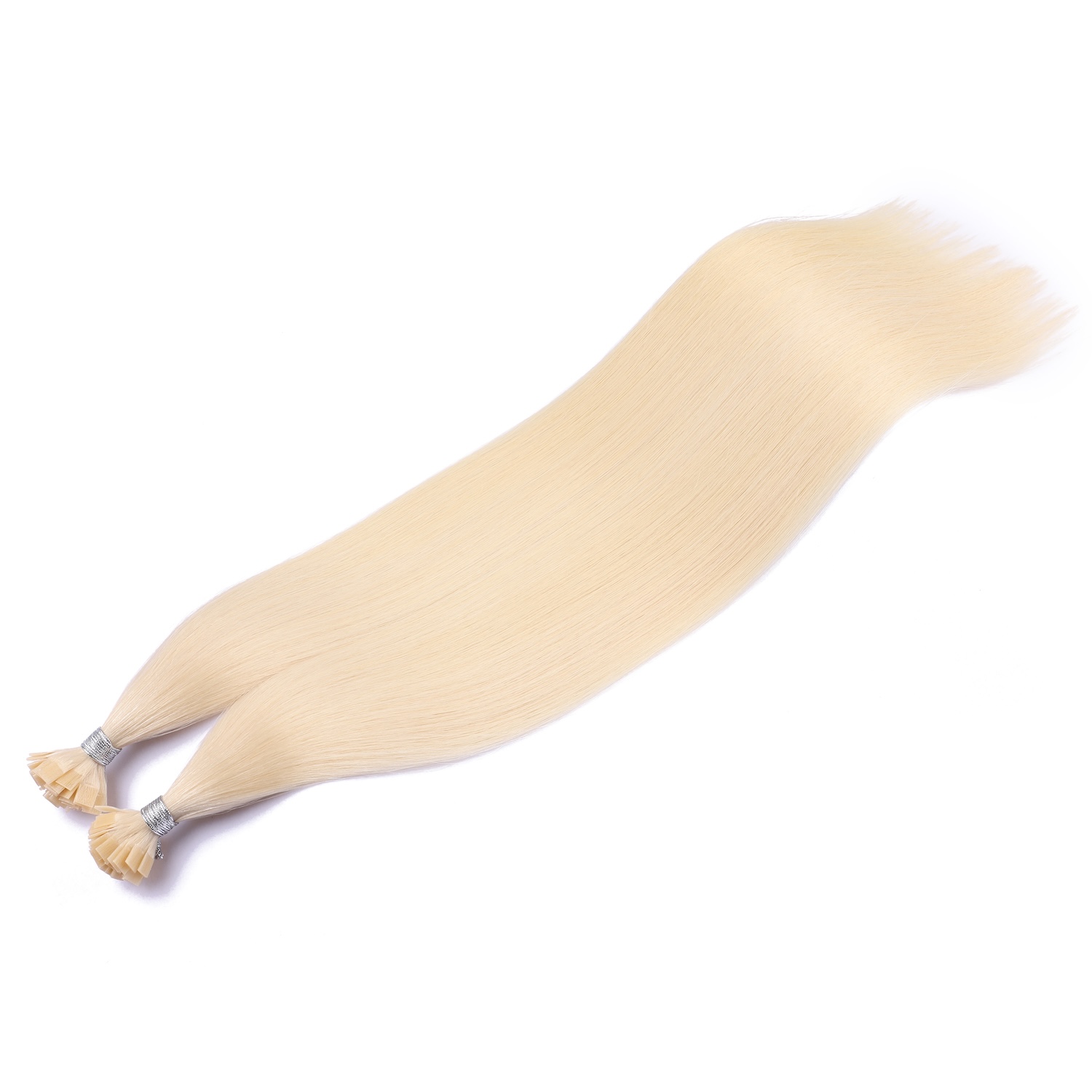
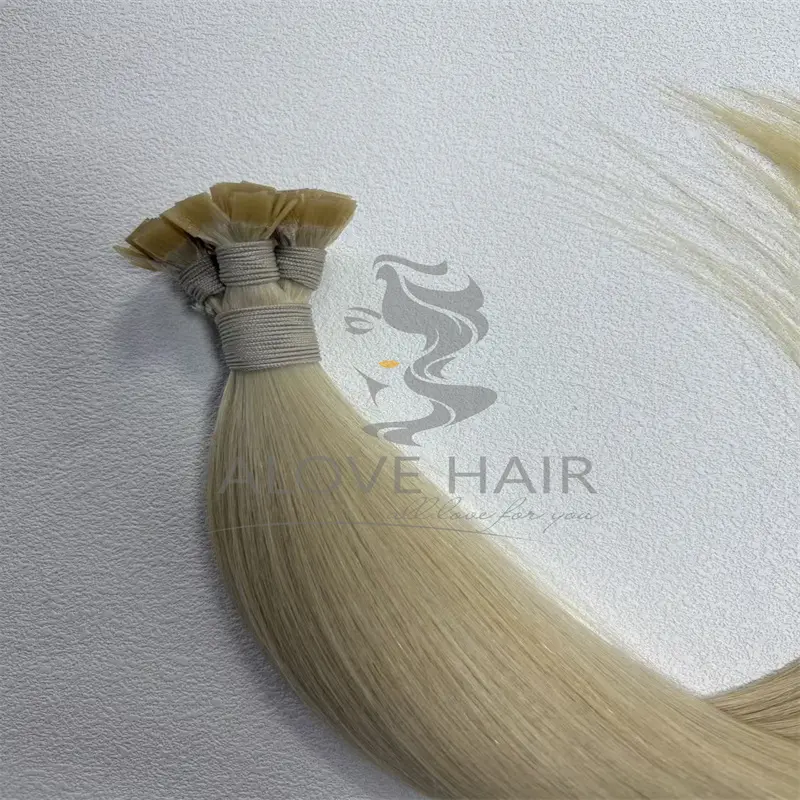
K-tip hair extensions are individual strands of extension hair bonded to natural hair using keratin adhesive. The tip of each extension is shaped like a small “K” or flat bond made of keratin protein, which is similar to the natural structure of human hair.
Key Concept
- “K” stands for keratin bond
- Applied using a heat fusion tool
- Each strand is attached individually for precise placement
👉 Unlike temporary extensions, K-tips are semi-permanent, typically lasting 3–5 months with proper care.
How K-Tip Extensions Work
Application Process
- A small section of natural hair is separated
- The K-tip bond is placed near the root
- A heat tool melts the keratin adhesive
- The bond is rolled and fused to natural hair
Result
- Strong, discreet bond
- Natural movement
- Long-lasting hold
👉 The keratin bond becomes nearly invisible when applied correctly.
If you want to learn about the pros and cons of K-tip hair extension, you can read our article: k tip hair extensions pros and cons.
Specifications of K-Tip Hair Extensions
1. Hair Type
- 100% human hair (Remy or non-Remy)
- Virgin hair (highest quality)
2. Length Options
- 12 inches (30 cm)
- 16 inches (40 cm)
- 20 inches (50 cm)
- 24 inches (60 cm)
3. Weight per Strand
- Typically 0.5g – 1g per strand
4. Strand Quantity
- Full head: 100–200 strands
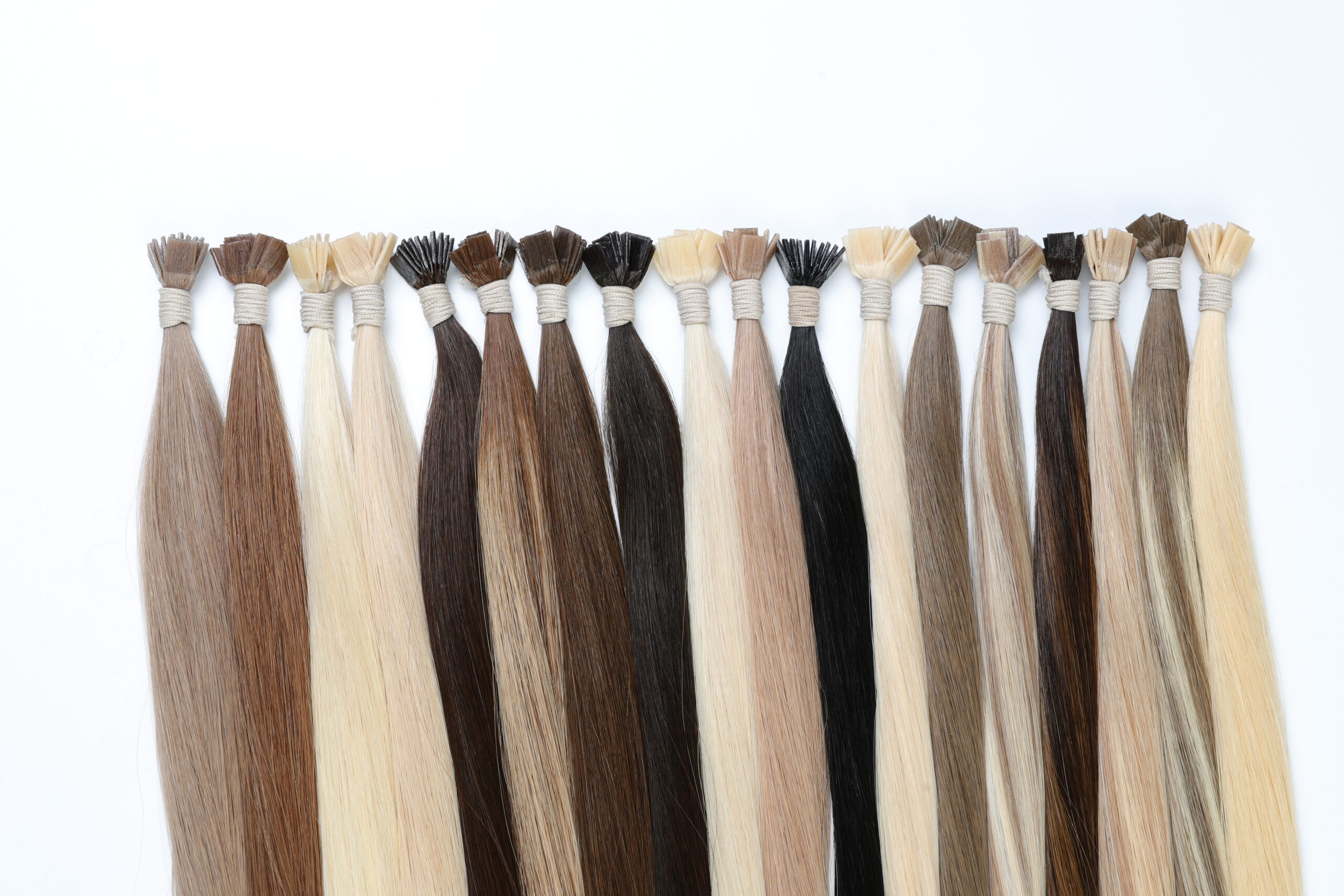
5. Color Options
- Natural black
- Brown shades
- Blonde tones
- Ombre and balayage
6. Bond Type
- Flat keratin bond
- Pre-shaped tip
7. Lifespan
- 3–5 months per installation
- Hair can last longer with reuse (depending on quality)
Types of K-Tip Extensions
1. Flat Tip (Standard K-Tip)
- Most common
- Easy application
- Strong hold
2. Micro K-Tip
- Smaller bond
- Ideal for fine hair
3. Double Drawn K-Tip
- Thick from root to tip
- Premium appearance
Key Advantages of K-Tip Hair Extensions
1. Natural Look
- Individual strand application
- Seamless blending
👉 No bulky tracks or visible tapes.
2. Long-Lasting Wear
- 3–5 months without reinstallation
- Strong keratin bond
3. Styling Flexibility
- Can be curled, straightened, dyed
- Suitable for updos and ponytails
4. Lightweight Feel
- Small bonds reduce scalp tension
- Comfortable for daily wear
5. High Durability
- Resistant to slipping
- Maintains position over time
Pain Points Solved by K-Tip Extensions
1. Visible Extension Lines
Tape and weft extensions can show through thin hair.
👉 K-tips are virtually invisible.
2. Short Wear Duration
Clip-ins and tape-ins:
- Require frequent adjustment
👉 K-tips last months.
3. Limited Styling Options
Some extensions restrict hairstyles.
👉 K-tips allow full styling freedom.
4. Bulky Feel
Wefts can feel heavy.
👉 K-tips are lightweight and natural.
5. Slippage Issues
Micro rings or tape can loosen.
👉 Keratin bonds provide secure attachment.
Application Scenarios
1. Thin or Fine Hair
- Micro bonds blend naturally
2. Long-Term Hair Enhancement
- Ideal for clients wanting semi-permanent results
3. Special Occasions
- Weddings
- Events
- Photoshoots
4. Professional Salon Use
- High-end service offering
5. Volume and Length Transformation
- Dramatic hair improvement
K-Tip vs I-Tip Extensions
| Feature | K-Tip | I-Tip |
|---|---|---|
| Attachment | Heat fusion | Micro bead |
| Durability | High | Medium |
| Reusability | Limited | High |
| Installation Time | Longer | Faster |
| Damage Risk | Low (if done correctly) | Low |
👉 K-tips offer stronger hold and more natural finish.
K-Tip vs Tape-In Extensions
| Feature | K-Tip | Tape-In |
|---|---|---|
| Visibility | Very low | Moderate |
| Wear Time | 3–5 months | 6–8 weeks |
| Maintenance | Low | Frequent |
| Comfort | High | Medium |
👉 K-tips are better for long-term wear.
K-Tip vs Clip-In Extensions
| Feature | K-Tip | Clip-In |
|---|---|---|
| Permanence | Semi-permanent | Temporary |
| Convenience | Salon required | DIY |
| Appearance | Natural | Less natural |
👉 K-tips are ideal for professional results.
K-Tip vs Weft Extensions
| Feature | K-Tip | Weft |
|---|---|---|
| Weight | Light | Heavy |
| Flexibility | High | Medium |
| Installation | Strand-by-strand | Sewn or taped |
👉 K-tips provide better movement and comfort.
Installation Time and Process
Time Required
- Full head: 2–4 hours
Tools Needed
- Fusion heat tool
- Sectioning clips
- Protective shields
Skill Level
- Requires professional stylist
Maintenance Tips
Daily Care
- Use sulfate-free shampoo
- Brush gently
- Avoid pulling
Styling Tips
- Avoid excessive heat on bonds
- Use heat protectant
Sleeping Tips
- Tie hair loosely
- Use silk pillowcase
Removal Process
- Use keratin bond remover
- Break down adhesive
- Slide out extension
👉 Must be done professionally to avoid damage.
Cost Overview
Average Pricing
- Hair cost: $100 – $400
- Installation: $200 – $600
Total Cost
- $300 – $1,000+ depending on quality and salon
Who Should Choose K-Tip Extensions?
Ideal for:
- Clients seeking long-term results
- Those wanting natural appearance
- People with medium to thick hair
- Professional salon clients
Who Should Avoid K-Tips?
- Very damaged hair
- People who prefer DIY solutions
- Those needing temporary styling
Key Selling Points
- Premium salon-quality result
- Long-lasting wear
- Natural blend
- Strong, secure bond
- Full styling freedom
Future Trends
- Improved keratin formulas
- Faster application tools
- Eco-friendly hair sourcing
- Custom color blending
Final Verdict
K-tip hair extensions remain one of the most premium and reliable extension methods in the market.
Why They Stand Out
- Natural appearance
- Long lifespan
- Strong bond
- High versatility
👉 While they require professional installation and higher upfront cost, they deliver superior long-term value and performance.
Conclusion
So, what are K-tip hair extensions?
They are a high-end, semi-permanent hair extension solution designed for those who want natural, long-lasting, and flexible hair enhancement.
Compared to I-tip, tape-in, clip-in, and weft extensions, K-tips offer a unique balance of durability, comfort, and aesthetics.
If your goal is a flawless, salon-quality transformation that lasts for months, K-tip extensions are one of the best choices available today.

Alove Hair is a professional Chinese manufacturer of premium 100% Remy human hair extensions, wigs, and hair systems. Established in 2014, the company specializes in supplying global salons and distributors with high-quality, cuticle-intact hair products and offers comprehensive OEM/ODM private label services.