
Jewish or Kosher wig
-
Purpose & Standards: Regular wigs serve aesthetic or medical needs, while sheitels fulfill a religious commandment, with style and construction governed by modesty principles and often requiring rabbinical approval for the hair source .
-
Quality & Craftsmanship: Sheitels prioritize exceptional quality. They use superior human hair and involve extensive handmade labor (e.g., hand-tied knots), making them more durable but also more expensive than many mass-produced wigs .
-
Style & Customization: While both can be styled, sheitels often favor natural, subtle looks over dramatic fashion trends to maintain modesty. Customization focuses on achieving a believable, personal yet conservative appearance .
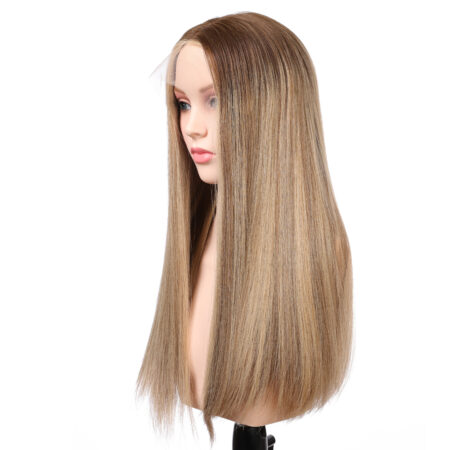
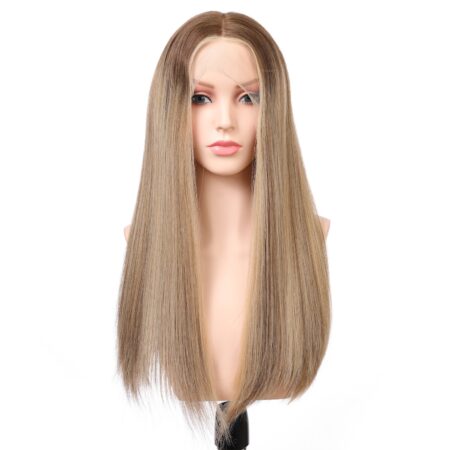
FAQ
What makes a wig "Kosher" or acceptable according to Halacha (Jewish law)?
A Kosher sheitel must meet two primary standards: modesty and permissible hair source. The style should be modest, and the human hair used must be sourced ethically and not from rituals or contexts forbidden by Jewish law. The most critical factor for many is a reliable hechsher (rabbinical certification) guaranteeing the hair’s origin.
What is a "Kosher Hair" certificate, and is it necessary?
A certificate, often called a “Hashgacha” or “B’shem” letter, is a document from a recognized rabbinical authority verifying the hair’s origin. It is not universally required by all communities, but for many—especially in strict Orthodox and Hasidic circles—it is a non-negotiable prerequisite for purchase, ensuring the wig meets all religious standards.
How do I choose the right seller or brand?
Research is key. Purchase from reputable, established vendors specializing in sheitels. Look for transparency about their hair sources and rabbinical supervision. Personal recommendations from within your community or from your rebbetzin (rabbi’s wife) are invaluable. Read reviews and confirm they have experience serving the Orthodox market.
What are the main types of Kosher wigs, and which is best for me?
The two main types are full lace (most natural, allows versatile parting, breathable, higher cost) and lace front with a wefted cap (more secure, often more affordable, less versatile for high updos). The best choice depends on your budget, activity level, desired styling flexibility, and personal comfort.
Why are Kosher sheitels often more expensive than regular high-end wigs?
The premium cost comes from: 1) Sourcing certified Kosher hair, which involves a specific supply chain, 2) Exceptional craftsmanship (often entirely hand-tied), 3) Higher quality materials (like Swiss lace), and 4) Rabbinical oversight costs. You are paying for both religious compliance and top-tier quality.
How do I ensure the wig looks natural and suits me?
Consult with a skilled sheitel macher (wig stylist). They will measure your head for a custom fit, help select a flattering cap construction, hair color, and density, and, most importantly, custom cut and style the wig to frame your face naturally, which is crucial for a believable look.
How is a Kosher wig different from a standard full lace wig?
While the construction (e.g., full lace) can be identical, the key difference is the certification and intent. A Kosher sheitel is purchased first for religious observance, with aesthetics secondary but still vital. A standard wig has no religious requirements for hair source or modesty guidelines.
What is a "double cap" and do I need it?
A double cap (or double mesh) features two layers of lace/netting at the crown. This addresses a specific modesty concern by providing an extra layer of separation between the hair and the wearer’s scalp, making the wig’s hair less visually connected to the wearer. Its necessity depends on your community’s or personal religious stringency.
How do I care for and maintain my sheitel?
Use professional, sulfate-free hair care products. Wash gently, detangle with a wide-tooth comb from ends to roots, and air dry on a wig stand. Limit heat styling. For major maintenance (re-coloring, deep conditioning, re-styling), take it to a professional sheitel macher to preserve its lifespan and appearance.
What is the typical process and timeline for getting a custom Kosher wig?


