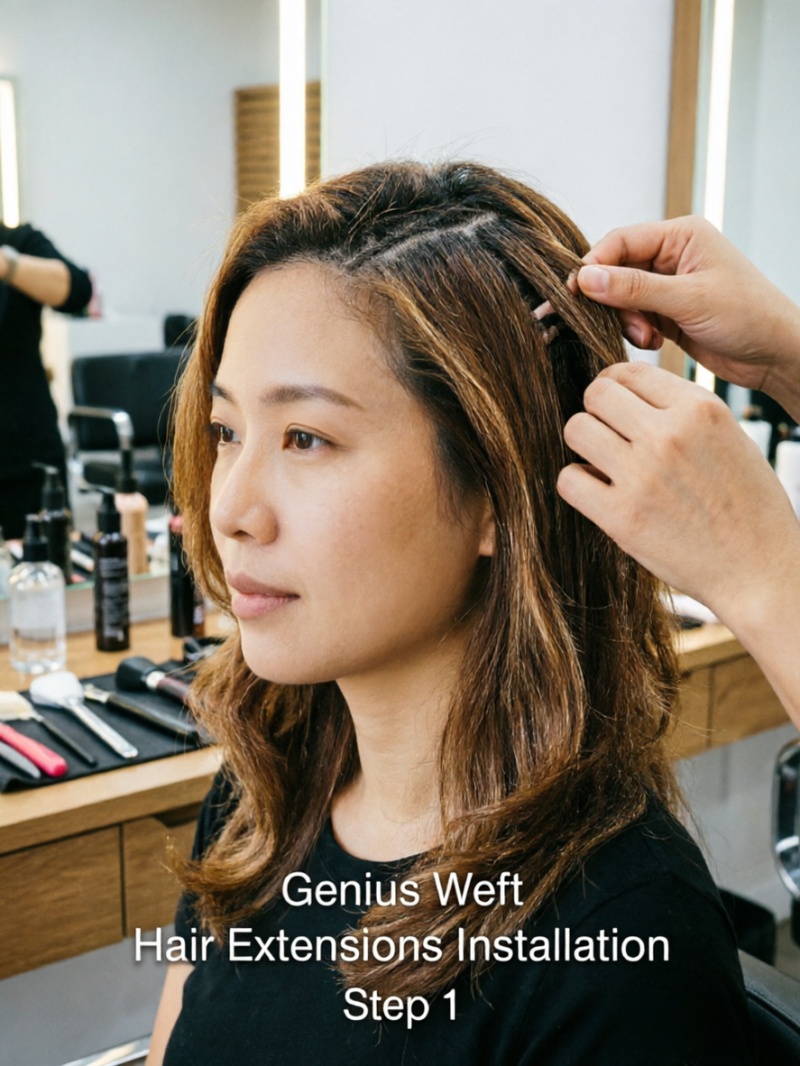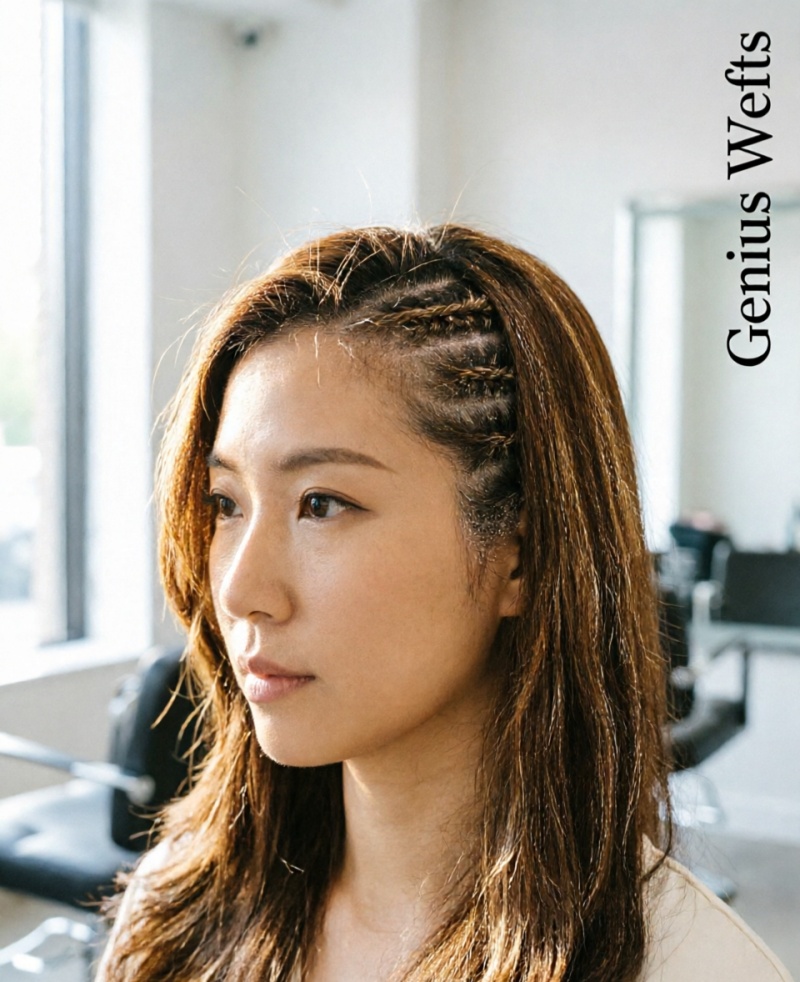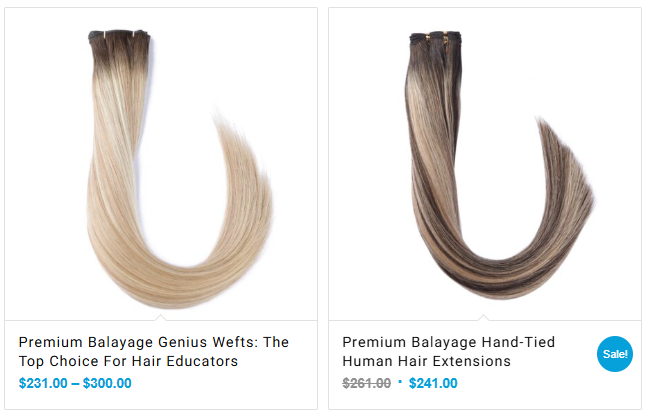
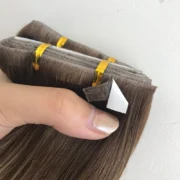
What Is Genius Weft? Complete Guide to Genius Weft Hair Extensions

Genius Weft hair extensions have become one of the fastest-growing products in the professional hair extension market. Many salons, hairstylists, wholesalers, and private label hair brands now consider Genius Wefts one of the best premium extension methods for clients who want invisible installation, lightweight comfort, and natural volume.

Compared with traditional machine wefts and hand tied wefts, Genius Wefts combine the advantages of both technologies while reducing many of their weaknesses. They are thinner, more flexible, easier to install, and can be cut without unraveling. Because of these features, Genius Wefts are especially popular in luxury salons and high-end hair extension markets in the United States, Europe, Canada, Australia, and the Middle East.

However, many buyers still do not fully understand this product. Some only compare prices, while ignoring the most important factors such as hair material, cuticle quality, weft construction, density, lifespan, and installation compatibility.

This guide explains everything about Genius Weft hair extensions, including how they are made, their advantages, disadvantages, quality standards, installation methods, lifespan, maintenance, and the most important questions buyers should ask before purchasing.


What Is Genius Weft Hair Extensions?

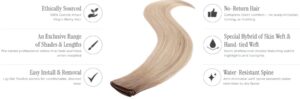
Genius Weft is an ultra-thin machine-sewn weft hair extension designed to provide the invisible appearance of hand tied wefts while offering the durability and flexibility of machine wefts.

The biggest feature of Genius Wefts is:

  • Extremely thin weft structure
  • Flat and invisible installation
  • Can be cut anywhere without shedding
  • Comfortable for long-term wear
  • Suitable for thin hair and fine hair

Traditional hand tied wefts cannot be cut because cutting them causes hair shedding and unraveling. Machine wefts can be cut, but they are often thick and bulky.

Genius Wefts solve both problems.

They provide:

  • The thinness of hand tied wefts
  • The flexibility of machine wefts
  • Better comfort
  • Better blending
  • Lower visibility

This is why many professional stylists consider Genius Wefts one of the most advanced weft extension technologies available today.


Why Are Genius Wefts So Popular?

The global hair extension market is moving toward lighter, more natural-looking products.
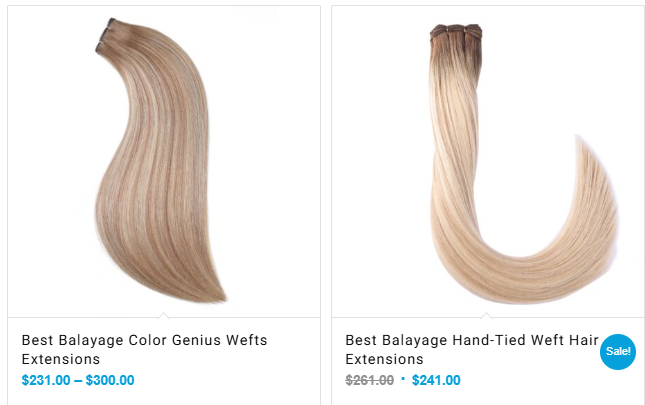
Modern clients want:

  • Invisible extensions
  • Lightweight feeling
  • Comfortable installation
  • Natural movement
  • Reusable hair
  • Minimal scalp tension

Genius Wefts meet all of these demands.

Unlike bulky traditional wefts, Genius Wefts sit very flat against the scalp, making them difficult to detect even in fine or thin hair.

For salons, they also reduce installation problems such as:

  • Bulky rows
  • Scalp discomfort
  • Visible tracks
  • Thick return hair
  • Limited customization

Many hairstylists now prefer Genius Wefts for luxury extension services because they create a more premium client experience.


How Are Genius Wefts Made?

The production process of Genius Wefts is more advanced than standard machine wefts.

High-quality Genius Wefts usually involve:

  1. Selecting premium human hair
  2. Aligning the cuticles
  3. Creating ultra-thin weft seams
  4. Reinforcing stitching technology
  5. Minimizing return hair
  6. Precision sewing

The goal is to produce a weft that is:

  • Strong
  • Thin
  • Flexible
  • Cuttable
  • Long-lasting

The quality of the final product depends heavily on:

  • Hair raw material
  • Sewing technology
  • Factory craftsmanship
  • Cuticle preservation process

This is why experienced buyers focus more on factory capability rather than only low pricing.


Hair Material: The Most Important Part of Genius Wefts

Hair quality determines whether Genius Wefts will remain soft and beautiful after months of use.

100% Human Hair vs Mixed Hair

High-quality Genius Wefts should use:

  • 100% human hair

Low-quality suppliers sometimes mix:

  • Animal hair
  • Synthetic fibers
  • Non-Remy hair

Mixed hair may look soft initially but often becomes dry, tangled, and difficult to manage after washing.


Remy Hair vs Non-Remy Hair

Professional buyers strongly prefer Remy hair.

Remy hair means:

  • All cuticles remain aligned in one direction

Advantages include:

  • Reduced tangling
  • Better shine
  • Longer lifespan
  • Easier maintenance

Non-Remy hair often requires acid processing to remove damaged cuticles, which weakens the hair over time.


Cuticle Intact Hair

Cuticle intact hair is considered the highest quality material for premium Genius Wefts.

Benefits include:

  • Natural shine
  • Long-lasting softness
  • Tangle-free performance
  • Better durability

Cuticle intact Genius Wefts can often last:

  • 1-2 years with proper care

This is one of the biggest differences between luxury extensions and cheap extensions.


Single Donor vs Mixed Donor Hair

Single donor hair is collected from one individual.

Advantages include:

  • Uniform texture
  • Consistent color
  • Better cuticle alignment
  • More natural appearance

Mixed donor hair is cheaper but usually less stable in quality.

Luxury salons often prefer single donor Genius Wefts because clients expect premium consistency.


Genius Weft Construction

Weft construction is one of the defining features of Genius Wefts.

Ultra-Thin Weft Design

Traditional machine wefts are thick and bulky.

Genius Wefts use advanced sewing technology to create:

  • Thin seams
  • Flexible structure
  • Flat installation

This improves comfort and makes extensions less visible.


Cuttable Design

One of the biggest advantages of Genius Wefts is:

  • They can be cut anywhere

Traditional hand tied wefts cannot be cut because cutting causes shedding and unraveling.

Genius Wefts solve this problem through reinforced stitching technology.

This allows stylists to:

  • Customize installation width
  • Fit smaller head areas
  • Create more natural placement

This feature is extremely valuable for professional salon work.


Minimal Return Hair

Return hair refers to short hair folded back into the weft seam.

Too much return hair can cause:

  • Scalp irritation
  • Itching
  • Bulkiness

Premium Genius Wefts minimize return hair for better comfort.


Double Drawn vs Single Drawn Genius Wefts

Density is another critical factor.

Double Drawn Genius Wefts

Double drawn hair contains thicker ends with more uniform density from top to bottom.

Advantages:

  • Fuller appearance
  • Luxury look
  • Better volume
  • Thick hair ends

Double drawn Genius Wefts are especially popular in:

  • Luxury salons
  • High-end extension markets
  • Western countries


Single Drawn Genius Wefts

Single drawn hair contains natural density variation.

Advantages:

  • More natural appearance
  • Lighter weight
  • Lower price

Single drawn wefts are suitable for clients who prefer softer natural blending.


Genius Wefts for Thin Hair

Genius Wefts are widely recommended for thin hair because they are:

  • Lightweight
  • Flat
  • Comfortable
  • Less bulky

Thick machine wefts can place excessive tension on fragile hair roots.

Genius Wefts distribute weight more evenly, reducing stress on natural hair.

Many stylists use Genius Wefts for clients with:

  • Fine hair
  • Thin crowns
  • Low-density hair
  • Sensitive scalp

However, installation technique still matters greatly.

Even lightweight extensions can damage hair if improperly installed.


Genius Wefts vs Hand Tied Wefts

Many buyers compare these two products.
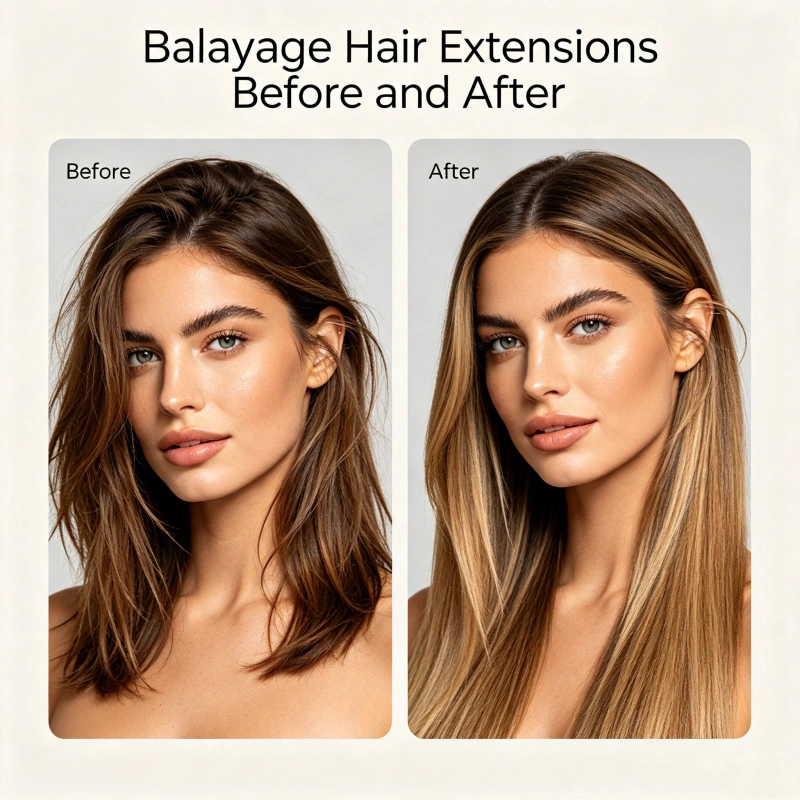
FeatureGenius WeftHand Tied Weft
Can Be CutYesNo
Weft ThicknessUltra thinVery thin
Shedding RiskLowHigher after cutting
Installation FlexibilityHighModerate
ComfortExcellentExcellent
ReusabilityHighHigh
BulkinessVery lowVery low

Hand tied wefts are still popular, but Genius Wefts provide more installation flexibility.

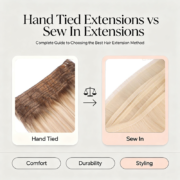
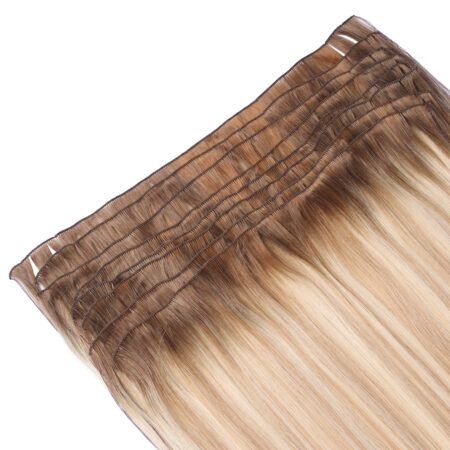
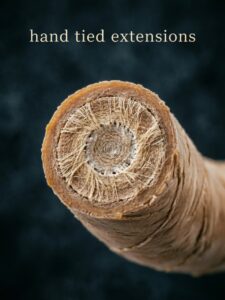
Hand tied wefts


Genius Wefts vs Machine Wefts

FeatureGenius WeftMachine Weft
ThicknessThinThick
ComfortHighModerate
VisibilityLowHigher
WeightLightweightHeavier
CuttableYesYes
Suitable for Thin HairExcellentLess suitable

Traditional machine wefts remain cheaper, but many salons now prefer Genius Wefts for premium services.


Genius Wefts Installation Methods

Genius Wefts can be installed using several methods.

Sew In Method

The weft is sewn onto braided natural hair.

Advantages:

  • Secure installation
  • Long-lasting hold

Beaded Weft Method

Small beads secure the weft without braiding.

Advantages:

  • Less scalp tension
  • More natural movement
  • Faster installation

This is one of the most popular methods for modern salons.


Hidden Bead Method

The hidden bead method conceals beads underneath the weft row.

Advantages:

  • Invisible appearance
  • Cleaner installation
  • Luxury finish

Many premium salons prefer this method for high-end clients.


Common Genius Weft Sizes

Popular specifications include:

LengthWeight
14 inch50g
18 inch100g
22 inch120g

Some factories also provide:

  • Custom weights
  • Custom widths
  • Custom colors

Popular Genius Weft Colors

Modern salons require large color selections.

Popular colors include:

  • Solid colors
  • Balayage colors
  • Ombre colors
  • Piano colors
  • Highlight colors
  • Rooted colors

Custom color matching is often available for private label brands.


How Long Do Genius Wefts Last?

High-quality Genius Wefts can last:

  • 8-12 months
  • Premium hair may last 1-2 years

Factors affecting lifespan include:

  • Hair quality
  • Installation quality
  • Maintenance routine
  • Heat styling frequency
  • Product care

Cuticle intact Remy hair typically lasts the longest.


Do Genius Wefts Shed or Tangle?

Premium Genius Wefts should have:

  • Minimal shedding
  • Low tangling
  • Strong stitching

However, poor-quality hair may still experience:

  • Dryness
  • Matting
  • Frizz
  • Tangling

Cheap suppliers often use silicone coatings to create temporary softness.

After several washes, the real quality becomes visible.

This is why professional buyers test products carefully before large orders.


Genius Wefts Maintenance Guide

Proper maintenance is essential.

Recommended care includes:

  • Sulfate-free shampoo
  • Hydrating conditioner
  • Gentle brushing
  • Heat protection
  • Silk pillowcases
  • Regular salon maintenance

Clients should avoid:

  • Excessive heat
  • Oil near installation points
  • Aggressive brushing

Good maintenance significantly extends lifespan.


Questions Buyers Should Ask Before Purchasing Genius Wefts

Professional buyers usually ask detailed questions before ordering.

Hair Quality Questions

  • Is it 100% human hair?
  • Is it Remy hair?
  • Is the cuticle intact?
  • Single donor or mixed donor?

Weft Construction Questions

  • Can the weft be cut?
  • Will it shed after cutting?
  • How thin is the weft?
  • Is return hair minimal?

Density Questions

  • Single drawn or double drawn?
  • What is the density percentage?
  • Are the ends full?

Factory Questions

  • Factory or trading company?
  • Monthly production capacity?
  • OEM/ODM available?
  • Private label packaging available?

Color Questions

  • How many colors available?
  • Can custom colors be made?
  • Is a color ring available?

How to Identify High-Quality Genius Wefts

High-quality Genius Wefts usually have:

  • Ultra-thin seams
  • Strong stitching
  • Soft texture
  • Full ends
  • Minimal shedding
  • Smooth cuticle alignment

Low-quality wefts often show:

  • Dry texture
  • Thick seams
  • Tangling
  • Weak stitching
  • Excessive short return hair

Testing samples before bulk purchase is highly recommended.


Genius Wefts for Salons and Hair Brands

Genius Wefts are extremely popular among:

  • Hair salons
  • Extension specialists
  • Hair wholesalers
  • Private label brands

Why?

Because clients increasingly demand:

  • Invisible results
  • Comfortable wear
  • Long-lasting hair
  • Luxury appearance

Salons also prefer reusable extensions because they improve long-term customer retention.


OEM and Private Label Genius Wefts

Many factories now offer:

  • OEM services
  • Custom packaging
  • Brand logo printing
  • Custom color production
  • Marketing support

Private label Genius Wefts are becoming a major business opportunity in the global beauty industry.

Reliable suppliers help brands build long-term extension businesses with stable quality and competitive pricing.


Conclusion

Genius Weft hair extensions are one of the most advanced weft extension technologies available today. They combine the invisible appearance of hand tied wefts with the flexibility and durability of machine wefts.

Their biggest advantages include:

  • Ultra-thin construction
  • Flat and invisible installation
  • Cuttable design
  • Lightweight comfort
  • Long lifespan
  • Natural blending

However, product quality varies greatly between suppliers.

The most important factors buyers should evaluate include:

  • Hair material
  • Cuticle integrity
  • Weft craftsmanship
  • Density
  • Factory capability
  • Long-term consistency

High-quality Genius Wefts made from cuticle intact Remy human hair can provide exceptional softness, durability, and natural appearance for 1-2 years with proper maintenance.

For salons, hairstylists, wholesalers, and private label brands, Genius Wefts represent one of the best premium extension products for the modern hair market because they deliver the natural, lightweight, and invisible results today’s clients expect.

What is Sew-In Hair Extensions?

In the dynamic world of beauty and personal style, hair extensions have become an indispensable tool for instantly transforming one’s appearance. Among the many techniques available, sew-in hair extensions stand out as a classic, reliable, and versatile method for achieving dramatic length, volume, and even new textures or colors. But what exactly are they, and why have they remained a favorite among stylists and clients for decades?

This comprehensive guide will walk you through everything you need to know about sew-in hair extensions—from their basic structure and installation process to their pros and cons, maintenance tips, and how to choose the right type for your needs. Whether you’re a salon professional looking to expand your service offerings or a client considering your next hair transformation, this article is designed to be your go-to resource.

What Exactly Are Sew-In Hair Extensions?

At its core, a sew-in (also known as a weave) is a semi-permanent hair extension technique where wefts of hair are physically stitched onto your natural hair. The process begins with your stylist creating cornrows—tight, flat braids—along your scalp. These braids serve as a sturdy anchor or “track.” Using a needle and thread, the stylist then sews the wefted hair extensions directly onto these braided tracks.

View related products: Double Drawn Luxury Remy Sew In Clip In Extensions/PU Clip In Extensions

The result is a seamless blend that can add significant length and fullness, all while protecting your natural hair underneath. Because the extensions are sewn in, they are incredibly secure and can last for several weeks with proper care, making them a popular choice for those seeking a long-lasting solution.

The Anatomy of a Weft

The key component of a sew-in is the weft itself. A weft is a strip of hair where individual strands are sewn or tied together along one edge, creating a curtain-like piece of hair. There are different types of wefts, each with its own characteristics:

  • Machine Weft: Created by a sewing machine, these wefts are thicker and more durable at the top. They are cost-effective but can be bulkier.
  • Hand-Tied Weft: Crafted by hand, these wefts are significantly thinner and more flexible. They lie flatter against the scalp, offering a more natural look and feel, which is ideal for sew-ins.

For a flawless sew-in, hand-tied wefts are generally the preferred choice due to their lightweight and discreet nature.

Double drawn hand tied extensions are best choice for thin and short hair women .Thin knit hand sew-in extensions sell very well in USA and Canada market .

A Step-by-Step Look at the Installation Process

Getting a sew-in is a meticulous process that typically takes 2 to 4 hours in a professional salon. Here’s a detailed breakdown of what to expect:

  1. Consultation & Preparation: Your stylist will consult with you on your desired length, volume, and color. Your natural hair will then be washed and thoroughly dried.
  2. Sectioning & Braiding: Your hair is parted into sections, and your stylist will create neat, tight cornrows across your scalp. The pattern of these braids is crucial—it determines the final look and ensures the extensions lay smoothly.
  3. Sewing the Wefts: Starting from the bottom layer, the stylist uses a curved needle and strong thread to sew the weft of extensions onto the braided track. This is done row by row, working upwards.
  4. Blending & Styling: Once all the wefts are securely attached, any excess thread is trimmed. The stylist will then cut and style the extensions to perfectly blend with your face shape and desired look.

The entire process is non-damaging when performed correctly, as it doesn’t rely on heat, glue, or adhesives that can harm your natural hair.

Pros and Cons: Is a Sew-In Right for You?

Like any beauty treatment, sew-in extensions come with their own set of advantages and considerations. Understanding these will help you make an informed decision.

The Advantages

  • Longevity: A well-maintained sew-in can last anywhere from 6 to 8 weeks, offering great value for your investment.
  • Protective Styling: Your natural hair is tucked away and braided, shielding it from daily manipulation, heat styling, and environmental damage. This can be a fantastic way to promote healthy hair growth.
  • Versatility: Sew-ins provide a stable base for almost any hairstyle—you can wear your hair down, in a ponytail, a bun, or even braid the extensions themselves.
  • Full Coverage & Volume: This method is excellent for achieving a very full, voluminous look from root to tip.

The Considerations

  • Time Commitment: The installation process is lengthy, and removal also requires a professional to avoid damaging your natural hair.
  • Scalp Maintenance: Because your scalp is covered, it can be harder to wash and moisturize. Special care is needed to keep your scalp clean and healthy.
  • Potential for Traction: If the cornrows are braided too tightly, it can lead to traction alopecia over time. It’s essential to communicate with your stylist if you feel any discomfort.

To help you compare, here’s a table outlining how sew-ins stack up against other popular extension methods:

FeatureSew-InTape-InClip-InFusion (I-Tip)
Duration6-8 weeks6-8 weeksTemporary (1 day)3-6 months
Installation Time2-4 hours30-60 mins<5 mins3-5 hours
Natural LookVery NaturalVery NaturalLess NaturalExtremely Natural
Protective for Natural HairYesNoYesNo (Heat/Glue)
DIY FriendlyNoSomewhatYesNo
Cost (Initial)Medium-HighMediumLowHigh

To learn more about the differences between sew-in hair extensions and other categories, you can also read these two articles:

Tape-In vs Sew-In vs Genius Weft Hair Extensions

Sew-In vs. Flat Weft Hair Extensions: Key Differences & Which Is Better?

Who Is a Sew-In Right For? Understanding Hair Type and Suitability

Sew-in hair extensions are a versatile and transformative option, but they aren’t universally ideal for every individual. Understanding your hair type, scalp condition, and lifestyle is key to determining if this method is right for you.

Ideal Candidates for Sew-Ins:

  • Natural Hair Length: You should have at least 3–4 inches (7–10 cm) of natural hair to create secure cornrows that can support the weight of the extensions.
  • Healthy Scalp: A clean, irritation-free scalp is essential. If you’re prone to dandruff or occasional dryness, ensure it’s well-managed before installation.
  • Commitment to Maintenance: Sew-ins require regular washing, moisturizing, and professional upkeep every 6–8 weeks. Ideal users are those willing to invest time in proper care.
  • Desire for Protective Styling: Individuals looking to give their natural hair a break from heat, chemicals, or daily manipulation will benefit greatly from this method.

When to Avoid a Sew-In:

  • Severe Hair Thinning or Hair Loss: If you’re experiencing significant shedding, traction alopecia, or medical-related hair loss, adding tension from braids could worsen the condition.
  • Scalp Conditions: Active eczema, psoriasis, open sores, or fungal infections make sew-ins unsuitable until the scalp fully heals.
  • Extremely Fine or Fragile Hair: Very thin or weak strands may not withstand the tension of tight braiding, increasing the risk of breakage.
  • Limited Time for Upkeep: If you cannot commit to bi-weekly washing or salon visits for tightening, a more temporary option like clip-ins might be better.

Always consult with a licensed stylist before booking your appointment—they can assess your hair’s health and recommend the best approach.

ALOVE HAIR Genius Weft – Premium hand-tied, cuticle-intact human hair extensions in a natural ash blonde with dark root tips for seamless blending. 

Popular Sew-In Styles: Finding Your Perfect Look

Not all sew-ins are created equal. Depending on your desired aesthetic, maintenance level, and how much of your natural hair you’d like to incorporate, there are several popular styles to choose from:

1. Full Sew-In
In a full sew-in, all of your natural hair is braided down tightly against the scalp, and wefts of extension hair are sewn over the entire head. This style offers maximum coverage, volume, and length, and is ideal for those seeking a complete transformation or wanting to fully protect their natural hair. Since no natural hair is left out, the look is entirely dependent on the quality and styling of the extensions.

2. Leave-Out Sew-In
This is one of the most popular styles, especially for beginners. A small section of natural hair—typically along the front hairline or part—is left unbraided (“left out”) and used to blend seamlessly with the extensions. The leave-out acts as a natural-looking fringe or perimeter, camouflaging the braided base and creating a more realistic appearance. It’s perfect for clients who want versatility in parting and styling while maintaining authenticity.

3. Lace Front Sew-In
For the ultimate in realism, many stylists combine a lace front wig or closure with a traditional sew-in at the back. The lace front is carefully installed along the hairline, allowing for free parting and a scalp-like illusion, while the rest of the head is covered with sewn-in wefts for volume and length. This hybrid style delivers Hollywood-level results and is favored by influencers and professionals who demand flawless, camera-ready hair.

Each style has its own benefits, and your choice will depend on your budget, desired maintenance, and aesthetic goals. A skilled stylist can help you select the option that aligns perfectly with your vision—and using premium hand-tied wefts like ALOVE HAIR’s Genius Weft ensures every style looks effortlessly natural.

Essential Care & Maintenance Tips

To get the most out of your sew-in and keep both your extensions and your scalp in top condition, follow these key maintenance tips:

  • Washing: Wash your hair every 1-2 weeks using a sulfate-free shampoo. Focus the lather on your scalp and let it rinse through the extensions. Always wash in a downward motion to prevent tangling.
  • Drying: Gently squeeze out excess water with a microfiber towel. Avoid rubbing. Allow your hair to air dry or use a blow dryer on a cool setting. Make sure your roots are completely dry to prevent mildew.
  • Moisturizing: Use a lightweight, oil-free leave-in conditioner or a dedicated scalp oil to keep your scalp hydrated. Apply it directly to your partings and braids.
  • Night Care: Sleep on a satin or silk pillowcase, or better yet, tie your hair up in a loose satin scarf or bonnet to minimize friction and tangling.

Sew-In Hair Extensions: Busting Common Myths

Despite their popularity, sew-in hair extensions are surrounded by misconceptions that can deter potential users. Let’s set the record straight with facts backed by professional stylists.

MythFact
“Sew-ins always damage your natural hair.”When installed correctly by a skilled stylist and maintained properly, sew-ins are actually a protective style. Your natural hair is braided away from daily friction, heat, and manipulation, which can promote healthier growth. Damage typically occurs only from overly tight braiding or neglecting aftercare.
“You can’t wash your hair with a sew-in.”This is false and potentially harmful. Regular washing (every 1–2 weeks) is essential to keep your scalp clean, prevent buildup, and avoid issues like itching or mildew. Use a sulfate-free shampoo and focus on cleansing the scalp, then rinse thoroughly.
“Sew-ins are only for people with thick hair.”While having some natural hair length (3–4 inches) is necessary to create braided tracks, sew-ins can be adapted for various densities. A talented stylist can customize the braid pattern and weft placement to suit fine or medium hair textures.
“The extensions will look fake and bulky.”The final look depends entirely on the quality of the hair and the installation technique. Premium, thin hand-tied wefts—like ALOVE HAIR’s Genius Weft—lay flat against the scalp and blend seamlessly, creating an undetectably natural appearance.
“Once it’s in, I don’t need to do anything until it’s time to take it out.”Ongoing care is crucial. Nightly protection (satin bonnet), regular moisturizing of the scalp, and gentle detangling of the extensions are all part of maintaining a healthy, long-lasting sew-in.

Why Choose ALOVE HAIR for Your Sew-In Needs?

When it comes to the quality of your extensions, the source matters immensely. Qingdao ALOVE HAIR PRODUCTS Co., Ltd. has been a trusted name in the luxury human hair industry since the 1980s. Our journey from raw hair collectors to a specialized factory has been driven by a relentless pursuit of quality and innovation.

Our flagship product, the Genius Weft, is engineered specifically for the modern stylist and client who demand the best. Here’s what sets our Genius Weft apart:

  • 100% Cuticle Intact Human Hair: Our hair is meticulously processed to keep the cuticle layer aligned and intact. This results in hair that is naturally tangle-free, smooth, and retains its luster over time.
  • Expertly Colored: Our team of over 20 skilled workers specializes in coloring hair using a gentle, cuticle-intact process—no harsh ash baths. This means our colored extensions are just as healthy and durable as our natural shades.
  • Superior Construction: The Genius Weft is a premium hand-tied weft, designed to be ultra-thin and flexible for the most comfortable and natural-looking sew-in possible.

As a professional supplier, we don’t just sell hair; we provide a complete ecosystem for success. We offer a wide range of products—including flat wefts, tape-in, and I-tip extensions—as well as all the necessary tools like pliers, needles, and removers. Our end-to-end support and custom solutions make us the ideal partner for salons and stylists worldwide, from the USA and UK to Europe and Australia.

With a customer retention rate of over 90%, ALOVE HAIR’s commitment to superior quality, competitive pricing, and professional service is proven. When you choose ALOVE, you’re choosing a legacy of excellence that will elevate your craft and delight your clients.

Contact Qingdao ALOVE HAIR PRODUCTS Co., Ltd. today to collaborate with a reliable, high-quality hair extensions supplier!

What Are Butterfly Wefts ?

Hair extensions have evolved far beyond traditional clip-ins and bulky sewn tracks. Today’s salon clients want lightweight, invisible, comfortable, and reusable extension solutions that create natural volume without damaging the hair. One of the newest innovations attracting attention in professional salons is the Butterfly Weft.

Butterfly Wefts combine the softness of hand-tied wefts with the durability and flexibility of machine wefts. They are designed for people who want fuller hair with a seamless finish while avoiding the discomfort and thickness associated with older extension methods.

In this guide, you will learn:

  • What Butterfly Wefts are
  • How they are made
  • Main features and specifications
  • Installation methods
  • Pros and cons
  • Competitor analysis
  • Differences between Butterfly Wefts and Genius Wefts, Hand-Tied Wefts, Machine Wefts, and Tape-Ins
  • Pricing and market trends
  • How to choose a reliable supplier
  • Frequently asked questions

If you are a salon owner, wholesaler, hairstylist, or hair brand buyer, this article will help you fully understand the commercial and technical value of Butterfly Wefts.


What Are Butterfly Wefts?

Butterfly Wefts are a modern type of hair extension weft engineered with an ultra-thin sewing structure and soft return hairs that blend naturally into the client’s own hair. The name “Butterfly” comes from the lightweight and flexible design that spreads softly like butterfly wings when installed.

Unlike traditional bulky machine wefts, Butterfly Wefts are designed to:

  • Reduce scalp tension
  • Minimize visible tracks
  • Improve comfort
  • Create natural movement
  • Allow flexible customization

They are commonly manufactured using:

  • 100% Remy human hair
  • Cuticle-aligned hair
  • Double-drawn or single-drawn hair
  • Flat sewing technology
  • Reinforced stitching

Butterfly Wefts are especially popular for:

  • Thin hair clients
  • Luxury salon services
  • Invisible extension applications
  • High-end hair brands
  • Long-term reusable installations

Butterfly wefts are a ultra-thin, lightweight, flexible type of hair extension weft, made of 100% Remy human hair, designed to lay flat against the scalp for a seamless, natural look.They are a new-generation seamless hair weft made of 100% Remy human hair, crafted with a special ultra-thin breathable base and pre-punched holes along the weft.
The name “Butterfly” comes from its lightweight, wing-like flat shape that lies perfectly flush against the scalp—soft, flexible, and undetectable just like a butterfly wing.

Core Structure & Key Features

1. Ultra-thin Flat Base
Only 0.5–0.8mm thick
Made of soft medical-grade breathable mesh/PU material
Lies completely flat on the scalp, no bulk, no bumps, invisible even in high ponytails and updos
2. Pre-punched Holes (Signature Design)
Small uniform holes are pre-made along the entire weft.
This is the foundation of the Butterfly Installation Method—no sewing, no glue, no tape needed. Natural hair is simply pulled through the holes for installation.
3. Fully Cuttable & No Shedding
This is the biggest advantage over traditional wefts:
You can cut Butterfly Wefts anywhere, into any length or small pieces
The edge will not fray, unravel, or shed hair after cutting
Traditional hand-tied or machine wefts will fall apart if cut
4. 100% Remy Human Hair
Cuticle intact Remy hair, all hair flowing in the same direction
No tangling, no matting
Can be dyed, bleached, curled, and heat-styled just like your natural hair
5. Super Lightweight & Comfortable
Much lighter than machine wefts and standard hand-tied wefts
No heavy pulling or tension on the scalp
Sleeps comfortably, no bulky feeling
6. Breathable Base
Perforated & mesh design allows air circulation to the scalp, no sweating, no itchiness, perfect for all-day wear and hot weather.

AdvantageExplanation
Thin & FlatThe weft sits close to the scalp, creating a seamless appearance.
ComfortableLightweight construction reduces tension on the scalp.
DurableStronger stitching than hand-tied wefts helps prevent shedding.
Flexible InstallationWorks well with sew-in, beaded row, and hybrid methods.
Can Be CutUnlike many hand-tied wefts, butterfly wefts can often be cut without unraveling.
Natural MovementHair flows naturally and blends easily with natural hair.
Less BulkThe top seam is thinner than traditional machine wefts.
Good for Medium to Thick HairProvides volume without excessive heaviness.

Butterfly Wefts VS Machine-Tied Wefts VS Hand -Tied Wefts

FeatureButterfly WeftsMachine-Tied WeftsHand-Tied Wefts
ThicknessUltra-thin (flat)BulkyThin but rigid
CuttableYes (no shedding)NoNo (unravels)
WeightLightweightHeavyLight
InstallationMicro-beads, no sewSew-inSew-in

Installation

  • Butterfly Method: Pull natural hair through the weft’s holes, secure with micro-beads; fast (15 mins), no heat/glue.
  • Versatile: Can also be sewn, taped, or clipped.

Who They’re For

  • Great for fine/thin hair and sensitive scalps.
  • Perfect for styles needing a natural, invisible finish (high ponytails, updos).

Pros & Cons of Butterfly Wefts

  • Pros
    Ultra-seamless & invisible
    Super lightweight, no scalp pressure
    Freely cuttable without shedding
    Breathable base, no scalp irritation
    Reusable for multiple installs
    Full styling versatility (can be curled, dyed, toned)
    Cons
    More expensive than standard machine wefts
    Micro-bead installation needs basic skill for beginners
    Too thin for extreme heavy volume looks

Lifespan & Reusability

Adjust position every 2–3 months (standard extension maintenance)
With proper care, the wefts can be reused for 12-24 months
Remy hair quality keeps texture soft and tangle-free with regular care

How Butterfly Wefts Are Made

The manufacturing process directly affects the quality, durability, and softness of Butterfly Wefts.

Step 1: Raw Hair Selection

High-quality Butterfly Wefts usually use:

Hair TypeCharacteristics
Virgin HairUnprocessed, longest lifespan
Remy HairCuticles aligned in one direction
European HairFine texture, luxury market
Russian HairPremium softness and durability
Brazilian HairThick density and strength

Factories carefully sort the hair by:

  • Length
  • Texture
  • Color
  • Direction of cuticles

Poor sorting can lead to tangling and shedding.


Step 2: Cleaning and Disinfection

The raw hair undergoes:

  • Deep cleaning
  • Sterilization
  • Moisture balancing
  • Conditioning treatment

Premium manufacturers avoid excessive acid processing because it weakens the cuticle layer.


Step 3: Weft Sewing Technology

Butterfly Wefts use specialized stitching methods to create:

  • Thin top seams
  • Flexible tracks
  • Flat installation surfaces
  • Reinforced durability

Compared with traditional machine wefts, the stitching is usually:

  • Softer
  • Narrower
  • Less bulky
  • Easier to conceal

Step 4: Coloring and Texture Processing

Manufacturers may customize:

  • Balayage colors
  • Ombre shades
  • Piano colors
  • Root shadow effects
  • Curly textures
  • Body wave patterns

Professional coloring requires low-damage processing to maintain hair integrity.


Step 5: Quality Inspection

Each bundle is tested for:

  • Shedding
  • Tangling
  • Elasticity
  • Weft strength
  • Length accuracy
  • Density consistency

Premium Butterfly Wefts can often last 9–18 months with proper maintenance.

Butterfly Weft Specifications

Below is a typical specification table for professional Butterfly Wefts.

SpecificationDetails
Hair Material100% Remy Human Hair
Hair Grade8A–12A
Length14–30 inches
Weight40g–120g per bundle
TextureStraight, Body Wave, Curly
Color OptionsSolid, Ombre, Balayage, Piano
Lifespan9–18 months
Installation MethodSew-In, Beaded Row
ReusableYes
Shedding LevelLow
MOQ for WholesaleUsually 10–50 pieces
Production Time3–15 days

Installation Methods for Butterfly Wefts

Butterfly Wefts are compatible with multiple salon installation methods.

Sew-In Method

The stylist creates braids or bead foundations and sews the weft onto the base.

Advantages:

  • Secure hold
  • Long wear time
  • Good for thick hair

Invisible Beaded Row (IBR)

This is one of the most popular luxury salon methods.

Benefits include:

  • No glue
  • Minimal scalp tension
  • Natural finish
  • Comfortable wear

Butterfly Wefts work especially well with IBR because the wefts lie flat.


Hybrid Installation

Some salons combine Butterfly Wefts with:

  • Tape-ins
  • Keratin tips
  • Clip-ins

This creates customized volume distribution.


Advantages of Butterfly Wefts

Extremely Natural Appearance

Clients love Butterfly Wefts because the extensions are difficult to detect.

The thin seam blends smoothly with natural hair.


Comfortable for Long-Term Wear

Heavy extensions can cause headaches or scalp stress.

Butterfly Wefts reduce:

  • Pulling sensation
  • Weight pressure
  • Scalp irritation

Reusable

Professional-grade Butterfly Wefts can be reused multiple times.

This lowers long-term costs for clients.


Ideal for Thin Hair

Many traditional wefts are too bulky for fine hair.

Butterfly Wefts offer:

  • Better concealment
  • Lower tension
  • Natural density

Faster Salon Application

Compared with keratin fusion methods, Butterfly Wefts can reduce installation time significantly.


Disadvantages of Butterfly Wefts

No extension system is perfect.

Higher Price

Butterfly Wefts are usually more expensive than basic machine wefts.

Reasons include:

  • Premium hair material
  • Advanced sewing technology
  • Higher labor cost

Requires Professional Installation

Improper installation can lead to:

  • Slippage
  • Visibility
  • Uneven blending

Professional salon experience is important.


Maintenance Is Necessary

Clients must follow proper aftercare:

  • Sulfate-free shampoo
  • Gentle brushing
  • Heat protection
  • Regular repositioning

Butterfly Wefts vs Competitors

Competitor analysis is important for salons and distributors deciding which extension products to stock.


Butterfly Wefts vs Machine Wefts

FeatureButterfly WeftsMachine Wefts
ThicknessUltra-thinThick
ComfortHighModerate
VisibilityLowHigher
WeightLightweightHeavier
DurabilityHighVery high
CostHigherLower
Best ForLuxury salonsBudget installs

Analysis

Machine wefts remain popular because they are affordable and durable. However, they often feel bulky and are harder to conceal.

Butterfly Wefts target the premium salon market where invisibility and comfort matter more than low price.


Butterfly Wefts vs Hand-Tied Wefts

FeatureButterfly WeftsHand-Tied Wefts
FlexibilityHighHigh
ThicknessThinVery thin
Can Be CutUsually yesUsually no
DurabilityHigherModerate
Installation SpeedFasterSlower
CostModerate-HighHigh

Analysis

Hand-tied wefts are known for natural appearance but can unravel when cut.

Butterfly Wefts often provide:

  • Better durability
  • Easier customization
  • Faster installation

Many salons now choose Butterfly Wefts as a hybrid solution between machine and hand-tied wefts.


Butterfly Wefts vs Genius Wefts

FeatureButterfly WeftsGenius Wefts
Seam ThicknessThinUltra-thin
Cutting FlexibilityGoodExcellent
Shedding ResistanceHighVery high
ComfortExcellentExcellent
PriceModerateHigher
Luxury Market PositionPremiumUltra-premium

Analysis

Genius Wefts are currently considered one of the most advanced extension systems available.

However, Butterfly Wefts compete effectively because they offer:

  • Lower cost
  • Easier salon adoption
  • Good balance of softness and durability

For many salons, Butterfly Wefts provide better profit margins while still delivering premium results.


Butterfly Wefts vs Tape-In Extensions

FeatureButterfly WeftsTape-Ins
ReusabilityHighModerate
Installation TimeModerateFast
Heat ResistanceExcellentModerate
Adhesive NeededNoYes
MaintenanceModerateHigh
LifespanLongerShorter

Analysis

Tape-ins are popular for quick installations but may struggle with:

  • Adhesive residue
  • Slippage
  • Heat sensitivity

Butterfly Wefts provide a more durable long-term solution.


Why Salons Prefer Butterfly Wefts

Professional salons increasingly choose Butterfly Wefts because they help deliver luxury services with fewer client complaints.

Main reasons include:

Better Client Retention

Comfortable extensions lead to happier repeat customers.


Higher Profit Margins

Premium extension services can command higher pricing.


Reduced Maintenance Issues

Low shedding and strong stitching reduce service problems.


Social Media Appeal

Invisible installs perform very well on:

  • Instagram
  • TikTok
  • YouTube

Natural-looking transformations drive salon marketing.


Butterfly Weft Market Trends

The global hair extension industry continues to grow rapidly.

Major trends include:

Rising Demand for Invisible Extensions

Consumers increasingly prefer natural-looking hair enhancement.


Growth of Luxury Salon Services

Clients are willing to pay more for:

  • Comfort
  • Reusability
  • Premium appearance

Increased Focus on Hair Health

Low-damage methods are becoming more important than ever.

Butterfly Wefts align perfectly with this trend.


Expansion of Wholesale Customization

Factories now offer:

  • Private labeling
  • Custom packaging
  • Personalized color rings
  • OEM branding

This creates opportunities for salon brands and distributors.


How to Choose High-Quality Butterfly Wefts

Not all products on the market are equal.

Check Hair Quality

Look for:

  • Remy hair
  • Virgin hair
  • Cuticle alignment

Avoid overly processed hair.


Evaluate Weft Construction

High-quality wefts should have:

  • Tight stitching
  • Thin seams
  • Strong reinforcement

Test for Shedding

Run fingers gently through the hair.

Excessive shedding indicates poor construction.


Verify Thickness Consistency

Good bundles maintain consistent density from top to bottom.


Ask About Manufacturing Standards

Reliable factories usually provide:

  • Quality control reports
  • Factory audits
  • Hair sourcing transparency

Wholesale Buying Guide

If you plan to import Butterfly Wefts in bulk, consider the following.

MOQ Requirements

Typical MOQs:

Buyer TypeMOQ
Small Salon10–20 pcs
Distributor50–200 pcs
Private Label Brand100–500 pcs

Packaging Options

Popular choices include:

  • PVC bags
  • Luxury magnetic boxes
  • Satin storage bags
  • Custom logo packaging

Color Customization

Factories may offer:

  • 60+ color shades
  • Balayage customization
  • Piano color blending
  • Rooted colors

Delivery Time

Production time varies depending on order size.

Order SizeProduction Time
Small Orders3–7 days
Medium Orders7–15 days
OEM Orders15–30 days

Common Problems and Solutions

Tangling

Possible causes:

  • Non-Remy hair
  • Poor maintenance
  • Excessive dryness

Solution:

  • Use hydrating products
  • Brush carefully
  • Choose better-quality hair

Slippage

Usually caused by:

  • Incorrect installation
  • Weak bead tension

Professional installation solves most issues.


Dry Ends

Long extensions naturally lose moisture.

Use:

  • Leave-in conditioner
  • Hair oil
  • Heat protection spray

Future of Butterfly Wefts

Butterfly Wefts are likely to continue growing because they match modern salon demands:

  • Invisible appearance
  • Comfort
  • Lightweight wear
  • Reusability
  • Hair health protection

Future innovations may include:

  • Nano-seam technology
  • Eco-friendly manufacturing
  • AI color matching
  • Improved scalp comfort systems

As salons compete in the premium beauty market, extension systems that combine luxury appearance with practicality will dominate.


Conclusion

Butterfly Wefts represent a major advancement in modern hair extension technology. They combine the natural appearance of hand-tied wefts with the strength and flexibility needed for professional salon use.

Compared with traditional machine wefts, Butterfly Wefts provide:

  • Better comfort
  • Improved invisibility
  • Reduced scalp tension
  • More natural movement

When compared with competitors such as Genius Wefts, Hand-Tied Wefts, and Tape-Ins, Butterfly Wefts offer a strong balance between luxury performance and commercial affordability.

For salons, wholesalers, and private-label brands, Butterfly Wefts present a growing business opportunity driven by consumer demand for premium, reusable, and natural-looking hair extensions.

As the beauty industry continues moving toward low-damage, high-comfort extension systems, Butterfly Wefts are positioned to become one of the mostimportant products in the professional hair extension market.

Best 20 tape in hair extensions for thin hair

Thin hair creates unique challenges when choosing hair extensions. Heavy wefts, bulky clips, and thick bonds can easily become visible, uncomfortable, or even damage delicate strands. That is why tape in hair extensions have become one of the most recommended extension methods for fine and thin hair.

Professional stylists consistently recommend tape ins because they are lightweight, flat, flexible, and easier to blend naturally into low-density hair. Properly installed tape in extensions distribute weight evenly across the scalp, reducing tension and minimizing stress on fragile roots.

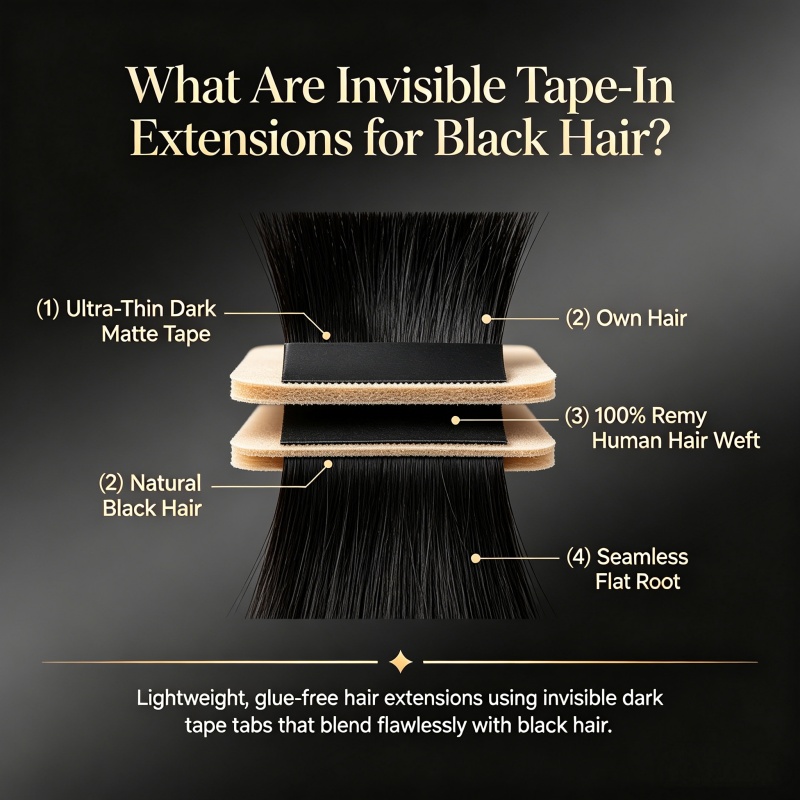
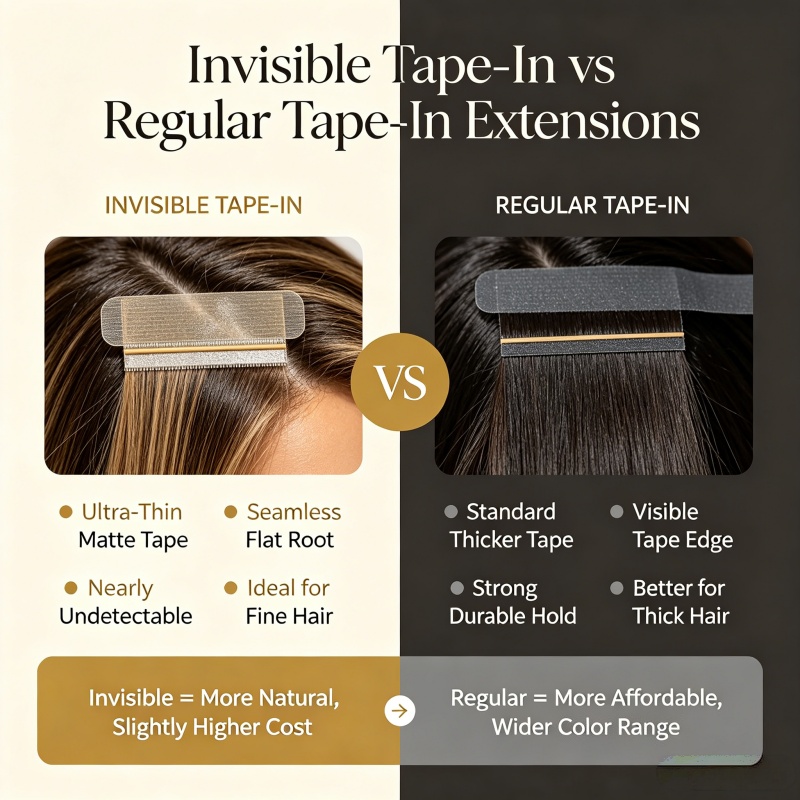
Modern invisible tape in extensions are specifically designed for thin hair. Their ultra-thin adhesive tabs sit flat against the scalp, making them nearly undetectable even around the crown and hairline.

This guide explains why tape in extensions work so well for thin hair, what features matter most, and the best 20 tape in hair extensions for achieving natural-looking volume and length without damaging fine hair.


Why Tape In Hair Extensions Are Best for Thin Hair

Not all extension methods are suitable for fine hair.

Heavy sew-ins, bulky clip-ins, and thick keratin bonds may create excessive pulling and tension. Stylists often recommend lightweight tape ins because they spread weight more evenly and create less stress on natural hair.

Main Advantages of Tape In Hair Extensions

Lightweight and Comfortable

Tape ins use thin adhesive panels rather than bulky clips or beads. This makes them significantly lighter than many other extension methods.

For thin hair, lightweight construction is critical because fragile strands cannot safely support heavy extensions.


Flat and Invisible Appearance

Modern seamless and invisible tape ins lie extremely flat against the scalp.

This helps prevent:

  • Visible extension lines
  • Bulky roots
  • Uneven blending
  • Obvious tracks

Invisible tape technology uses hair injected directly into the adhesive panel, creating a scalp-like appearance that blends naturally into thin hair.


Reduced Tension on Natural Hair

Tape in extensions distribute weight across a wider surface area instead of concentrating pressure on tiny strands.

This reduces the risk of:

  • Hair breakage
  • Root stress
  • Scalp irritation
  • Traction alopecia

When professionally installed and maintained, tape ins are considered one of the safest semi-permanent extension methods for fine hair.


Natural Volume Without Excessive Bulk

Thin-haired clients usually want natural fullness rather than dramatic celebrity-level volume.

Tape ins are ideal because they:

  • Blend naturally
  • Add soft fullness
  • Maintain movement
  • Avoid bulky stacking

The result looks more like naturally thick hair instead of obvious extensions.


Reusable and Cost Effective

High-quality Remy tape in extensions can often be reused multiple times with proper maintenance.

Most professional-grade tape ins last:

  • 6-8 weeks per installation
  • Up to 6-12 months total lifespan

depending on hair quality and care routine.


What Makes Tape In Extensions Good for Thin Hair?

Thin hair requires different extension characteristics than thick hair.

The best tape in extensions for fine hair should include:

  • Ultra-thin tape tabs
  • Lightweight density
  • Seamless or invisible design
  • 100% Remy human hair
  • Soft texture
  • Strong but gentle adhesive
  • Multi-dimensional color blending

Choosing thick or heavy extensions can make thin hair appear even thinner because the weight pulls natural strands downward.


Best 20 Tape In Hair Extensions for Thin Hair

1. Invisible Tape In Extensions

Invisible tape ins are widely considered the best option for thin hair.

Their hidden adhesive design makes the tape virtually invisible under fine strands.

Best for:

  • Ultra-thin hairlines
  • Fine crowns
  • Natural blending

Key Advantages

  • Seamless finish
  • Lightweight
  • Undetectable appearance
  • Minimal scalp visibility


2. Seamless tape hair extension

Seamless tape ins use ultra-thin polyurethane wefts that lay flat against the head.

They are excellent for:

  • Fine straight hair
  • Low-density hair
  • Natural everyday styling

Benefits

  • Comfortable wear
  • Flat installation
  • Soft movement
  • Easy blending


3. Remy Human Hair Tape In Extensions

100% Remy human hair remains the gold standard for premium tape ins.

Remy hair keeps the cuticle aligned, reducing:

  • Tangling
  • Frizz
  • Dryness

Best for:

  • Long-term wear
  • Heat styling
  • Coloring
  • Luxury appearance
Product Type100% Remy Human Hair Tape-In Extensions
Weight per Packet50 grams or 100 grams per packet
Tape Width4 cm per piece
Pieces per Packet20 pieces (or customized on request)
Lengths Available16, 18, 20, 22, 24 inches
Hair Types AvailableIndian, Chinese, Brazilian, Malaysian, Mongolian, Peruvian, European
Styles AvailableStraight, Body Wave, Curly
Tape TypesGlue tape, Double needle tape, Hand-tied skin weft
DurabilityLasts 8-12 weeks per application; reusable up to 4 times with proper care

Our tape-in extensions blend flawlessly with natural hair and are suitable for everyday wear. Since they are made from 100% Remy human hair, the cuticles remain intact, aligned, and tangle-free.


4. Double drawn tape hair extensions

Double drawn tape extensions are an ideal choice for women with thin or short hair because they create fuller volume from top to bottom while maintaining a natural appearance. The thick, even density helps fine hair look healthier and more luxurious without adding excessive weight.

We offer more than 50 popular colors, including solid shades, balayage, ombre, piano colors, and highlighted tones. Custom color matching and OEM/ODM orders are also available to meet different market and brand requirements.

Our tape in hair extensions use premium Italy white tape or American blue tape, both known for strong adhesive performance, secure installation, and comfortable wear. The tape lays flat against the scalp, creating an invisible and seamless finish. With proper care, customers only need to replace the tape every 3-6 months.

All extensions are made from 100% cuticle intact Remy human hair to ensure:

  • No shedding
  • Tangle free performance
  • Soft and silky texture
  • Natural movement
  • Long-lasting quality

Our Remy tape extensions can last 1-2 years with proper maintenance, making them a cost-effective and premium solution for salons, wholesalers, and hair extension brands.

As a reliable tape extensions supplier, we help customers build and expand their own branded hair extensions business through stable quality, custom production, private label services, and competitive factory pricing.


5. Injection Tape In Extensions

Injection tape technology injects hair into the tape panel to mimic natural hair growth.

Advantages include:

  • Realistic scalp effect
  • Invisible appearance
  • Ultra-flat design

These are among the most advanced tape in extensions available today.


6. Ombre tape in hair extensions

Ombre tape in hair extensions are one of the most popular choices for hair stylists and salons because they create natural color transitions and add fashionable volume and length instantly. As a professional China tape in hair extensions factory, we supply wholesale ombre tape in hair extensions made from 100% cuticle intact Remy human hair.

We collect hair material from single donors only, without mixing different hair sources. Using advanced cuticle protection technology, we keep the hair cuticle aligned in the same direction, which helps prevent tangling, shedding, and dryness. Our premium Remy tape in extensions can last 1-2 years with proper care.

In addition to ombre colors, we also offer balayage colors, piano colors, mix colors, highlighted shades, and custom color services. Our standard tape ins are 2.5g per piece and 40 pieces per pack, specially designed for professional salon use.

The regular tape size is 1×4cm, and we can also produce 0.8×4cm mini tape in hair extensions for thin hair and invisible installations. Double drawn tape in extensions are especially popular because they provide fuller ends and luxurious volume.

As a direct hair extensions factory, we provide competitive wholesale pricing, OEM/ODM customization, and private label services to help customers build their own hair extensions brand business.


7. Balayage tape in hair extensions

Balayage tape in hair extensions manufacturer wholesale cuticle intact remy tape in extensions . We collect hair material from one single donor young girl , no mix . so our tape in hair extensions are 100% human hair . We use super tape for tape in hair extensions . Our tape size is 1*4cm, also can do 0.8*4cm . Our tape ins are 2.5g/pc,40pcs/pack,one pack is 100 grams . We are hair extensions factory ,  so our price is competitive , help you build your own brand hair extensions business line .

Cuticle intact remy tape in extensions can last 1-2 years , no shedding,tangle free . We use advantage technology that keep cuticle on hair , so our hair can absorb nutrients through conditioner and shampoo.


8. Keratin Tape In Extensions

Keratin-infused tape extensions improve softness and shine.

Benefits include:

  • Smooth texture
  • Lower tangling
  • Better durability

9. European Hair Tape In Extensions

European hair extensions are known for their soft texture and fine density.

They blend especially well with naturally fine hair textures.

Best for:

  • Soft silky hair
  • Luxury extension installations
  • Natural movement


10. Russian Hair Tape In Extensions

Russian hair is considered one of the highest-quality extension materials available.

Advantages include:

  • Fine strands
  • Natural softness
  • Lightweight feel
  • Long lifespan

Perfect for premium invisible installations.


11. 22 inch Tape In Extensions

If you have short and thin hair, we recommend trying 22-inch tape-style hair extensions. They can give you thick, flowing long hair, making you even more beautiful and attractive. Each tape-style hair extension weighs 2.5 grams, and each pack contains 40 pieces. The tape size is either 1*4 cm or 0.8*4 cm, and custom sizes are also available.


12. 24 inch Hair Tape In Extensions

If your hair is short but you dream of glamorous waist-length or below-the-bust hairstyles, 24 inch tape-ins offer the fastest and most seamless transformation. Because each piece is thin, lightweight, and flexible, tape-ins blend smoothly even with short natural hair, creating an invisible transition between your bio hair and the extensions.


Buy 24 inch tape in hair extensions for short hair women ,if you want to have long length hair ,suggest you that try our 24 inch tape in extensions .
Because the cuticle layer stays intact, the hair:

Absorbs nutrients from conditioners and oils naturally

Maintains its strength and elasticity

Remains smooth, soft, and shiny even after months of wear

Avoids the frizzy, wiry texture seen in cheaply processed extensions

This is why full cuticle tape-ins can last 12–24 months—and even up to 2–3 years with excellent care.


13. Ultra Thin Tape Extensions

Ultra-thin tape tabs reduce visibility and improve comfort.

These are excellent for:

  • Fine blonde hair
  • Thin crowns
  • Flat hairstyles

14. Seamless Blonde Tape In Extensions

Blonde hair often reveals extension tabs more easily.

Seamless blonde tape ins are specifically designed to:

  • Reduce visibility
  • Blend with highlighted hair
  • Create natural brightness


15. Cuticle intact remy tape in human hair extensions

Our cuticle intact remy tape in human hair extensions can last more than 1 year.We supply different color tape in hair extensions ,also accept the customized made order .We also supply custom package service ,so we can help Australia hair salon and hair stylists build their own brand hair extensions business line . Our tape in hair extensions are 2.5g/pc,40pcs per pack ,one pack is 100 grams .our tape size is 4*1cm ,we also can do 4*0.8 cm.We supply different color tape in hair extensions ,like ombre color ,piano color,balayage color  and so on .


16. Short Hair Tape In Extensions

Short hair requires smaller tape panels and lighter weight extensions.

Professional short-hair tape ins create:

  • Fuller bob hairstyles
  • Better layering
  • Natural transitions

17. Volume Tape In Extensions

Some tape ins focus primarily on volume instead of length.

These are ideal for:

  • Thin flat hair
  • Crown thinning
  • Fine hair enhancement

18. 20 inch tape in hair extensions

Short hair clients often worry about visibility, stiffness, or unnatural blending when installing long extensions. However, 20 inch tape in hair extensions, when produced correctly, offer a seamless solution.

Tape-in extensions are thin, lightweight, and flexible, allowing them to lay flat against the scalp. This is especially important for short hair, where concealment and natural blending are critical.

Ombre tape ins create natural color transitions that visually increase hair density.

Dimensional color often makes thin hair appear thicker.


19. Virgin Hair Tape In Extensions

Virgin human hair extensions are chemically unprocessed.

Advantages include:

  • Better longevity
  • Higher shine
  • More styling flexibility
  • Natural texture

Premium salons often prefer virgin tape ins for luxury installations.


20. Medical Grade Tape In Extensions

Medical-grade tape systems are designed for:

  • Sensitive scalps
  • Hair thinning clients
  • Fragile hair conditions

These systems prioritize lightweight wear and reduced irritation.


Recommended Tape In Hair Extensions for Thin Hair

Several modern products are especially popular for fine hair because of their lightweight and invisible design.

Best Lightweight Tape Ins

Slim lightweight tape-ins designed to blend naturally into fine and thin hair.

These slim tape extensions use thin adhesive tabs that reduce bulk around the scalp.


Best Invisible Tape Extensions

Invisible tape-ins with flat seamless tabs ideal for ultra-fine hairlines and natural blending.

Invisible tape systems remain one of the top stylist recommendations for thin hair.


Best Seamless European Hair Tape Ins

European-style seamless tape-ins designed for soft blending and lightweight wear.

How Many Tape In Extensions Do You Need for Thin Hair?

Most thin-haired users require fewer extensions than thick-haired clients.

Typical recommendations:

GoalRecommended Weight
Volume Only40g – 80g
Volume + Length80g – 120g
Full Transformation120g – 180g

Using excessive hair weight may damage thin hair over time.

Professional stylists often recommend starting with lighter installations first.


Best Length for Thin Hair Tape Ins

Extremely long extensions may create too much tension on fine strands.

Recommended lengths:

  • 14 inch
  • 16 inch
  • 18 inch
  • 20 inch

Moderate lengths blend more naturally and reduce root stress.


How Long Do Tape In Extensions Last?

Professional tape in extensions usually last:

  • 6-8 weeks before reinstallation

High-quality Remy hair may be reused:

  • 2-4 times

Proper maintenance dramatically affects lifespan.


Tape In Extension Maintenance Tips for Thin Hair

To protect fine hair:

  • Use sulfate-free shampoo
  • Avoid oil near tape tabs
  • Brush gently
  • Sleep with loose braids
  • Avoid excessive heat
  • Never pull extensions aggressively

Professional removal is strongly recommended to reduce damage risk.


Are Tape In Extensions Safe for Thin Hair?

When properly installed, lightweight tape ins are generally considered one of the safest semi-permanent methods for fine hair.

However, poor installation may cause:

  • Tension
  • Breakage
  • Slipping
  • Scalp irritation

Choosing experienced stylists and lightweight extension systems is essential.


Conclusion

Tape in hair extensions remain one of the best solutions for thin hair because they provide natural-looking volume without excessive weight or bulk.

The best tape in extensions for fine hair usually include:

  • Invisible tape technology
  • Seamless construction
  • Lightweight density
  • 100% Remy human hair
  • Thin adhesive tabs

For most thin-haired users, invisible seamless tape ins provide the best balance of comfort, blending, safety, and long-term wear.

When professionally installed and properly maintained, tape in extensions can dramatically improve volume, confidence, and styling flexibility while remaining soft, lightweight, and virtually undetectable.

Korean Cold Technology Bleach and Dye Advantange

What is Korean Cold Technology Bleach and Dye ?

Cold dyeing technology is the core process in high-end human hair extensions production, which is specially optimized to adapt to the natural characteristics of human hair. Different from traditional hot dyeing, it completes pigment stripping and injection at a normal temperature of 20-25℃ without high-temperature heating equipment, fundamentally avoiding damage to human hair cuticles.
The process of cold dyeing in human hair factories follows strict standards. First, raw human hair is screened and pretreated to remove impurities and oil, ensuring even dye adhesion. Then, dyes suitable for human hair are accurately mixed according to customer color requirements, with the oxidant concentration strictly controlled to prevent hair damage. The mixed dye is evenly applied to hair wefts, which are then left at room temperature for 20-40 minutes. After dyeing, special fixatives are used to lock pigments, followed by repeated cleaning and low-temperature drying to maintain hair softness.
This technology has obvious advantages. Firstly, it causes minimal damage to human hair, retaining its natural softness, luster and toughness, thus extending the hair service life. Secondly, it ensures high dyeing uniformity and precise color reproduction, reducing the defective rate in mass production. Thirdly, it is environmentally friendly and energy-saving, saving water and electricity by avoiding high-temperature heating. Finally, it has wide adaptability, suitable for different types of human hair and various color needs, from natural tones to trendy colors.
As the market demands higher quality human hair wigs, cold dyeing technology has become an indispensable process, balancing production efficiency, product quality and environmental protection, and providing customers with natural and durable hair products.
Cold Dyeing Teachnology Advantage:

Cold Dyeing Advantages: Firstly, it delivers a matt finish, avoiding an overly shiny or artificial look that is common in other dyeing methods. Secondly, it can perfectly present an ash tone, a popular and high-demand color in the hair market, with a natural and elegant effect. Thirdly, it causes minimal damage to human hair; the normal-temperature operation protects the hair cuticle from damage, retaining its inherent structure and reducing dryness or brittleness. Fourthly, the dyed hair looks realistic and natural, closely simulating the texture and color of natural human hair, making the hair extensions undetectable when worn.
Fifthly, it enhances the hair’s (drooping sense), making the human hair strands smooth and neat, with a natural falling effect that improves the overall wearing experience. Sixthly, there is no color difference between the hair roots and ends; the slow and even penetration of dyes at normal temperature ensures consistent color throughout the entire hair strand, eliminating the problem of uneven dyeing. Finally, the dyed hair does not turn pink or orange, maintaining the desired color tone stably and avoiding unwanted discoloration after dyeing or long-term wearing.
These advantages make cold dyeing technology a preferred choice for human hair wig factories. It not only meets the market’s demand for high-quality, natural-looking human hair extensions but also ensures the durability and comfort of the products, laying a solid foundation for the factory’s market competitiveness.


How to Install Clip-In Hair Extensions: A Guide for Beginners

Clip-in hair extensions are one of the most popular and user-friendly ways to instantly add length, volume, or a pop of color to your natural hair. Unlike permanent methods like tape-ins or sew-ins, clip-ins offer a temporary solution that you can apply and remove in minutes—no salon appointment required. Whether you’re getting ready for a special event or just want to experiment with a new look, mastering the art of installing clip-in extensions is a valuable skill.

At Qingdao ALOVE HAIR PRODUCTS Co., Ltd., we’ve been supplying premium human hair extensions globally since the 1980s. Our expertise in cuticle-intact, double-drawn hair ensures that every strand looks and feels natural. In this comprehensive guide, we’ll walk you through everything you need to know about installing clip-in hair extensions like a pro—from preparation to styling—with practical tips, common mistakes to avoid, and expert advice tailored to different hair types.


Why Choose Clip-In Hair Extensions?

Before diving into installation, it’s helpful to understand why clip-ins are such a beloved choice among stylists and consumers alike:

  • Instant Transformation: Add inches or fullness in under 10 minutes.
  • Non-Permanent & Damage-Free: No glue, heat, or chemicals involved.
  • Reusable & Cost-Effective: With proper care, high-quality clip-ins can last 6–12 months.
  • Versatile Styling: Straight, wavy, curly, ombre—you name it.
  • Ideal for All Occasions: From weddings to casual weekends.

At ALOVE, our Genius Weft clip-in extensions are crafted from 100% cuticle-intact human hair, ensuring tangle-free wear and seamless blending with your natural texture.

View related products:Double Drawn Luxury Remy Sew In Clip In Extensions/PU Clip In Extensions


What You’ll Need Before You Start

Proper preparation is key to a flawless install. Gather these essentials:

Tool/ItemPurpose
Wide-tooth combGently detangles without breakage
Tail comb (rat-tail comb)Creates clean, precise partings
Heat protectant spray (optional)If you plan to style with heat tools
Mirror (preferably two)To check the back of your head
Your ALOVE clip-in setEnsure all clips are secure and wefts are intact

💡 Pro Tip: Always start with clean, dry hair. Oily roots can cause slippage, while damp hair may stretch and lead to improper placement.


Step-by-Step Installation Guide

Follow these simple steps for a natural-looking, secure fit.

Step 1: Section Your Hair Horizontally

Start at the nape of your neck. Using your tail comb, create a horizontal part from ear to ear. Clip the top section up and out of the way using hair clips or a scrunchie. This bottom layer is where you’ll place your first (and usually smallest) weft.

Why? Installing from the bottom up ensures each layer covers the clips of the one below, creating an invisible blend.

Step 2: Attach the First Weft

Take your shortest weft (typically 2–3 clips wide). Open all clips by pressing the levers. Position the weft directly under your part, as close to the scalp as possible without pinching. Press down firmly until you hear or feel the clips snap shut.

Gently tug downward to test security. If it slips, reposition closer to the root.

Step 3: Add Middle Layers

Release the next section of hair by making another horizontal part about 1–2 inches above the first. The exact distance depends on your hair thickness—thicker hair may need wider spacing.

Attach a medium-width weft (e.g., 4–5 clips). Repeat the process: open clips, position under the part, snap shut, and test.

📏 Spacing Guide:

  • Fine/thin hair: 1 inch between layers
  • Medium hair: 1.5 inches
  • Thick/coarse hair: 2 inches

Step 4: Install the Top Layer(s)

For the crown area, use your widest weft(s). These often come with extra clips for added hold. Make sure the part aligns with your natural hairline or desired part (side or middle).

If your set includes side pieces (for volume near the temples), attach them now by parting small vertical sections near your ears and clipping in.

Step 5: Blend and Style

Once all wefts are in place:

  1. Release all your natural hair over the extensions.
  2. Use a wide-tooth comb to gently blend from roots to ends.
  3. Avoid brushing too aggressively near the clips to prevent dislodging.
  4. Style as desired—curl, straighten, or leave natural.

🔥 Heat Styling Note: Since ALOVE extensions are 100% human hair, they can be heat-styled up to 350°F (177°C). Always use a heat protectant!

What it looks like after installing clip-in hair extensions.


Choosing the Right Clip-Ins for Your Hair Type

Not all extensions suit every hair type. Here’s how to match your natural texture and density:

Natural Hair TypeRecommended Extension TypeTips
Fine/ThinLightweight wefts (≤120g total)Opt for micro-clips; avoid heavy bundles that pull
MediumStandard weight (120–160g)Most versatile—works with most sets
Thick/CoarseHigh-density, double-drawn hair (160g+)Match texture exactly (e.g., coarse with coarse)
Curly/WavyCurly or wavy extensionsNever clip straight hair into curly natural hair—it won’t blend!

ALOVE offers a wide range of textures and colors, including expertly bleached shades that maintain cuticle integrity—no ash bath needed.

To find out which is better, synthetic or human clip-in hair extensions, check out this article:Synthetic Clip In Hair Extensions vs Human Hair Clip In Extensions


Clip-Ins for Every Occasion

Choosing the right clip-in set depends not only on your hair type but also on the event or lifestyle need. ALOVE’s versatile range ensures you’re ready for any moment—whether it’s a once-in-a-lifetime celebration or your daily coffee run.

OccasionRecommended SetWhy
Wedding/Bridal160g+ Natural Black/Brown, Seamless WeftsAdds fullness and length without bulk; lies flat under intricate updos and veils for an undetectable finish.
Everyday Wear100–120g Medium Brown, Micro-Clip WeftsLightweight and comfortable for all-day use—ideal for fine to medium hair seeking subtle volume.
Festival/PartyPastel Pink, Electric Blue, or Ombre SetsMake a statement with vibrant, salon-quality color. Unlike synthetic options that fade quickly, ALOVE’s pre-colored human hair retains brilliance through 20+ washes—no brassiness, no damage.

💡 Pro Stylist Note: Our colored extensions are processed using cuticle-intact bleaching techniques—never ash baths—so they stay soft, shiny, and tangle-free.


FAQs: Your Top Questions Answered

We get these questions all the time—from first-time users to seasoned stylists. Here’s what you need to know:

Q: Can I sleep with clip-in extensions?
A: No. Always remove them before bed. Sleeping in clip-ins can cause tangling, matting, and unnecessary tension on your natural roots.

Q: How many grams do I need?
A: It depends on your natural density and desired look:

  • Fine/Thin Hair: 80–120g (focus on volume, not weight)
  • Medium Hair: 120–160g (balanced fullness and comfort)
  • Thick/Coarse Hair: 160–220g (to match your natural density and avoid “floating” wefts)

Q: Are ALOVE clip-ins suitable for short hair?
A: Yes! As long as your natural hair is at least 6 inches long (shoulder-length or longer is ideal), our mini wefts (4–6″ wide) blend beautifully. For pixie cuts or very short styles, consider halo-style or crown-volume pieces instead.


Why ALOVE Genius Weft Outperforms Standard Remy Hair

Not all human hair extensions are created equal. Here’s how ALOVE’s craftsmanship sets us apart:

FeatureStandard Remy HairALOVE Genius Weft
Cuticle AlignmentPartially aligned (mixed directions)100% intact & unidirectional
Tangling After 1 MonthCommon—even with careRare, thanks to double-drawn, cuticle-aligned processing
Color ProcessingOften uses harsh ash baths that strip cuticlesExpert, cuticle-safe bleaching by 20+ skilled technicians
Clip Comfort & HoldPlastic clips, bulky and slipperySlim, anti-slip silicone-grip clips for secure, invisible wear

This attention to detail is why over 90% of our clients return for repeat orders year after year.


Common Mistakes to Avoid

Even experienced users can make these errors:

  1. Skipping the Prep: Dirty or tangled hair = poor adhesion.
  2. Placing Clips Too Low: Clips should sit under the part, not on top.
  3. Overloading Thin Hair: Too much weight causes discomfort and slippage.
  4. Brushing Harshly: Always start from the ends and work upward.
  5. Sleeping or Showering with Them In: This shortens lifespan and risks tangling.

Caring for Your Clip-In Extensions

Extend the life of your investment with proper maintenance:

  • Wash Sparingly: Every 15–20 wears is sufficient.
  • Use Sulfate-Free Shampoo: Preserves natural oils and color.
  • Air-Dry Flat: Never wring or hang wet—wefts can stretch.
  • Store Properly: Lay flat in a satin pouch or hang on a hanger.

With ALOVE’s cuticle-aligned hair, your extensions will resist tangling and retain shine far longer than standard Remy hair.


Why Stylists Trust ALOVE

As a professional supplier since the 1980s, Qingdao ALOVE HAIR PRODUCTS Co., Ltd. stands out for:

  • Cuticle-Intact Processing: Hair strands flow in the same direction = zero tangling.
  • Color Expertise: Over 20 skilled workers specialize in safe, vibrant coloring.
  • Global Reach: Trusted by salons in the USA, UK, Canada, Australia, and Europe.
  • End-to-End Support: From bulk orders to custom packaging and installation tools.

Our Genius Weft technology ensures even distribution and maximum comfort—perfect for daily wear or special occasions.


Salon & Wholesale Pro Tip

If you’re a stylist, salon owner, or distributor, turn clip-ins into a high-margin retail opportunity:

Offer your clients an ALOVE “Clip-In Trial Kit”—available in sample sizes (60g–100g) with your salon’s custom logo on the packaging. It’s a low-risk way for clients to test quality before investing in a full set, and perfect for impulse buys at checkout!

Contact us for private labeling, bulk pricing, and co-branded marketing materials.


Seasonal Care Reminder: Summer Edition

Summer fun shouldn’t compromise your extensions’ lifespan. Saltwater, chlorine, and UV rays can dry out even the highest-quality human hair.

After beach or pool days: Rinse your ALOVE clip-ins thoroughly with cool, fresh water. Follow with a sulfate-free conditioner and air-dry flat. Apply a lightweight argan or marula oil serum to restore moisture and protect against sun-induced brittleness.

With proper care, your Genius Weft extensions will stay radiant all season long—and beyond.


Final Thoughts

Installing clip-in hair extensions doesn’t have to be intimidating. With the right product, preparation, and technique, you can achieve salon-quality results at home. Remember: quality matters. Investing in premium human hair like ALOVE’s ensures your extensions look natural, last longer, and cause no damage to your own hair.

Ready to transform your look? Contact Qingdao ALOVE HAIR PRODUCTS Co., Ltd. today to explore our full range of clip-in extensions, tools, and wholesale solutions. Let your hair dreams become reality—with confidence, ease, and elegance.

Learn more about our quality products:


Qingdao ALOVE HAIR PRODUCTS Co., Ltd. – Professional Hair Supplier Since the 1980s
🌐 Global Markets: USA, UK, Canada, Australia, Germany, France, Italy & more
📧 Contact us for custom orders, samples, and partnership opportunities!

Tape In Hair Extensions Pros and Cons: The Complete Guide Before You Buy

Hair extensions can completely transform how your hair looks. They can add:

  • Length
  • Volume
  • Thickness
  • Highlights without dye
  • Confidence

Among all extension methods, tape in hair extensions have become one of the most popular options in salons worldwide.

Why?

Because they are:

  • Lightweight
  • Natural-looking
  • Faster to install than many other methods
  • More comfortable than bulky clip-ins

But tape ins are not perfect.

Some people absolutely love them. Others struggle with slipping, damage, oily roots, or maintenance costs because they didn’t fully understand what they were getting into.

This guide explains the real pros and cons of tape in hair extensions in detail so you can decide whether they are actually right for your hair type, lifestyle, and budget.


What Are Tape In Hair Extensions?

Tape in hair extensions are thin wefts of hair attached using medical-grade adhesive tape.

The stylist places:

  • One extension above a small section of your natural hair
  • Another below it

Your natural hair becomes “sandwiched” between the two tape wefts.

This creates:

  • A flat installation
  • Lightweight feel
  • Natural blending

Most tape extensions use:

  • Human Remy hair
  • PU tape tabs
  • Pre-cut wefts


Why Tape In Extensions Became So Popular

Tape ins exploded in popularity because they solved several major problems older extension methods had.

Traditional methods like:

  • Sew-ins
  • Glue-ins
  • Fusion extensions

Often caused:

  • Excessive tension
  • Long installation times
  • Visible attachment points

Tape ins introduced:

  • Faster installation
  • Better comfort
  • More discreet appearance

For many users, they feel almost invisible compared to older systems.


How Tape In Hair Extensions Work

The installation process is relatively simple.


Step 1: Section the Hair

The stylist separates clean, dry hair into sections.


Step 2: Apply Tape Wefts

One tape weft goes underneath the natural hair section.

Another goes above it.


Step 3: Press and Seal

The adhesive bonds together tightly.

This creates:

  • Secure attachment
  • Flat appearance

Step 4: Blend and Style

The extensions are trimmed and blended into natural hair.

The final result should look seamless.


Types of Tape In Hair Extensions

Not all tape ins are the same.


1. Human Hair Tape Ins

The most premium option.

Usually made from:

  • Remy human hair

Advantages:

  • Natural appearance
  • Heat styling capability
  • Long lifespan

Best for:

  • Long-term wear

2. Synthetic Tape Ins

Made from artificial fibers.

Advantages:

  • Lower price

Disadvantages:

  • Less natural
  • Cannot handle high heat well
  • Shorter lifespan

3. Invisible Tape In Extensions

These use ultra-thin skin wefts.

The tape area is covered with hair, making the attachment nearly invisible.

Best for:

  • Thin hair
  • Fine hair

4. Standard PU Tape Extensions

Traditional tape tabs using polyurethane backing.

Very common in salons.


Main Pros of Tape In Hair Extensions

Now let’s get into the real advantages.


1. Very Natural Appearance

This is the biggest reason people choose tape ins.

The tape tabs lay:

  • Flat against the scalp
  • Smooth under hair

This makes them:

  • Hard to detect
  • Easy to blend

Especially compared with:

  • Clip-ins
  • Bulky sew-ins

When installed correctly, most people cannot tell you’re wearing extensions.


2. Lightweight and Comfortable

Tape ins distribute weight evenly.

This reduces pulling on natural hair.

Compared with:

  • Fusion bonds
  • Heavy wefts

Tape extensions usually feel much lighter.

Many users forget they’re even wearing them after a few days.


3. Faster Installation

Tape ins are much quicker to install than many extension methods.

Typical salon installation:

  • 45 minutes to 2 hours

Compared with:

  • Fusion extensions: 4–6 hours
  • Sew-ins: 2–4 hours

This saves:

  • Time
  • Salon labor cost

4. Great for Thin Hair

Tape ins are often recommended for:

  • Fine hair
  • Thinning hair

Because:

  • The tabs are flat
  • Less bulky
  • Easier to hide

Invisible tape extensions work especially well here.


5. Reusable

Good-quality tape in extensions can usually be reused.

The stylist:

  • Removes old adhesive
  • Applies new tape
  • Reinstalls the hair

High-quality human hair tape ins may last:

  • 6–12 months or longer

With proper care.


6. Easy to Style

Human hair tape ins can usually be:

  • Curled
  • Straightened
  • Blow-dried
  • Colored (carefully)

This gives flexibility similar to natural hair.


7. Less Tension Than Some Methods

Compared with:

  • Tight sew-ins
  • Heavy micro beads

Tape ins generally create less scalp tension.

This reduces discomfort for many users.


8. Seamless Color Blending

Tape extensions are excellent for:

  • Balayage effects
  • Highlights
  • Ombre blending

Without chemical coloring damage.


Main Cons of Tape In Hair Extensions

Now the part many articles avoid.

Tape ins also have drawbacks.

And for some people, these drawbacks are serious.


1. Adhesive Can Slip

Oil, sweat, and incorrect maintenance can weaken adhesive.

This may cause:

  • Extensions slipping
  • Tabs separating

Especially common if:

  • Hair products contain oils
  • Hair isn’t cleaned properly before installation

2. Not Ideal for Very Oily Hair

People with oily scalps sometimes struggle with tape ins.

Why?

  • Oil breaks down adhesive faster

This can reduce wear time significantly.


3. Maintenance Is Required

Tape ins are not “install and forget.”

Most require salon maintenance every:

  • 6–8 weeks

As natural hair grows.

Maintenance includes:

  • Removal
  • Cleaning
  • Retaping
  • Reinstallation

4. Can Cause Damage If Removed Incorrectly

Improper removal is one of the biggest risks.

Pulling tape out carelessly may cause:

  • Hair breakage
  • Shedding
  • Traction damage

Professional removal is strongly recommended.


5. Certain Hairstyles Expose the Tape

High ponytails or tight updos may reveal:

  • Tape tabs
  • Extension placement

Especially if poorly installed.


6. Not Great for Frequent Swimming

Chlorine, saltwater, and excessive moisture can weaken adhesive.

Swimmers often experience:

  • Faster slippage
  • Shorter lifespan

7. Sleeping Requires Care

Sleeping with wet extensions can cause:

  • Tangling
  • Matting
  • Adhesive weakening

Many users braid hair loosely before bed.


8. Ongoing Cost

Tape ins are not cheap long term.

Costs include:

  • Hair purchase
  • Installation
  • Maintenance
  • Replacement tape
  • Hair care products

Premium human hair systems can become expensive over time.


Tape In Extensions vs Other Methods

Let’s compare realistically.


Tape Ins vs Clip In Extensions

FeatureTape InsClip Ins
InstallationSemi-permanentTemporary
Natural lookBetterModerate
Daily removalNoYes
ComfortHigherModerate

Clip-ins are better for:

  • Occasional use

Tape ins are better for:

  • Daily wear

Tape Ins vs Sew In Extensions

FeatureTape InsSew Ins
WeightLighterHeavier
Installation speedFasterSlower
TensionLowerHigher

Sew-ins may work better for:

  • Very thick/coarse hair

Tape Ins vs Fusion Extensions

FeatureTape InsFusion
Installation timeFasterMuch longer
FlexibilityModerateHigh
CostLowerHigher

Fusion extensions often:

  • Last longer
  • Offer smaller attachment points

But they cost significantly more.


Tape Ins vs Halo Extensions

FeatureTape InsHalo
Semi-permanentYesNo
Natural blendingBetterModerate
Daily wear comfortHigherModerate

Halo extensions are easier for beginners.

Tape ins look more professional long term.


Are Tape In Extensions Safe?

Generally yes—when:

  • Installed correctly
  • Maintained properly
  • Not overloaded

The biggest causes of damage are:

  • Poor salon installation
  • Cheap adhesive
  • Incorrect removal
  • Excessive weight on weak hair

Who Should Choose Tape In Hair Extensions?

Tape ins are usually ideal for:

  • Fine hair
  • Medium-density hair
  • People wanting natural results
  • Users comfortable with maintenance

Who Should Avoid Tape In Extensions?

They may not work well for:

  • Extremely oily scalps
  • Very active swimmers
  • People unwilling to do maintenance
  • Severely damaged hair

How Long Do Tape In Extensions Last?

The answer depends on:

  • Hair quality
  • Maintenance
  • Lifestyle

Installation Lifespan

Before repositioning:

  • Usually 6–8 weeks

Hair Lifespan

High-quality human hair:

  • 6–12 months
  • Sometimes longer

Synthetic hair:

  • Much shorter lifespan

How to Care for Tape In Hair Extensions

Proper maintenance dramatically affects lifespan.


1. Use Sulfate-Free Shampoo

Harsh shampoos weaken adhesive.


2. Avoid Oil Near Tape Tabs

Oil breaks down adhesive quickly.

Avoid:

  • Oil serums near roots
  • Heavy conditioners on tape area

3. Brush Carefully

Use:

  • Loop brush
  • Extension-safe brush

Avoid pulling at roots.


4. Dry Hair Completely

Never sleep with wet extensions.


5. Avoid Excessive Heat

Too much heat damages:

  • Hair fibers
  • Adhesive strength

Common Mistakes People Make


Choosing Cheap Hair

Low-quality extensions tangle faster and look unnatural.


Installing Too Much Hair

Overloading weak hair causes stress and shedding.


Ignoring Maintenance

Delayed salon maintenance increases tangling and matting.


DIY Removal

This causes major breakage surprisingly often.


Are Tape In Extensions Worth It?

For many people:

  • Absolutely yes

Especially if they want:

  • Natural volume
  • Longer hair
  • Lightweight extensions
  • Semi-permanent wear

But they require:

  • Maintenance
  • Budget
  • Proper care

They are not a “zero effort” beauty solution.


Cost Breakdown

Typical pricing varies by:

  • Hair quality
  • Length
  • Salon location

Average Costs

Hair:

  • $100–$600+

Installation:

  • $100–$300+

Maintenance:

  • Every 6–8 weeks

Premium Remy hair costs more but lasts significantly longer.


Future Trends in Tape In Extensions

The industry keeps improving.

Modern developments include:

  • Invisible tape systems
  • Ultra-thin tabs
  • Medical-grade adhesives
  • Lightweight seamless wefts

The trend is moving toward:

  • More comfort
  • More invisibility
  • Less damage

Final Thoughts

Tape in hair extensions became popular for good reason.

They offer:

  • Natural appearance
  • Lightweight comfort
  • Fast installation
  • Great blending

Especially for people with:

  • Fine hair
  • Thinning hair
  • Medium-density hair

But they are not perfect.

The biggest downsides are:

  • Maintenance requirements
  • Adhesive sensitivity
  • Long-term cost

The key to success is:

  • High-quality hair
  • Proper installation
  • Correct aftercare

When done properly, tape ins can look incredibly natural and dramatically improve hair volume and confidence.

When done poorly, they can become frustrating and damaging.


Bottom Line

Tape in hair extensions are one of the best choices for people who want:

  • Semi-permanent extensions
  • Natural-looking results
  • Lightweight comfort
  • Salon-quality blending

They are especially effective for:

  • Thin hair
  • Fine hair
  • Everyday wear

But they require:

  • Regular maintenance
  • Careful product selection
  • Professional installation and removal

If you understand both the pros and cons before starting, you’re far more likely to have a successful and beautiful extension experience.

K-Tips vs Weft: Which Hair Extension Method Is Best for You?

When it comes to premium hair extensions, the debate between K-tip extensions and weft extensions is one of the most discussed topics among hairstylists and clients. Both methods offer transformative results — fuller, longer, and more luxurious hair — but they differ significantly in terms of installation, maintenance, comfort, and cost.

As a leading manufacturer of human hair extensions in China, Qingdao ALOVE HAIR PRODUCTS Co., Ltd. will conduct a multi-dimensional comparative analysis of K-tips and Weft extensions in this article, supported by objective data, to provide a scientific reference for you to select suitable hair extension products. At the same time, we will also take you to an in-depth understanding of the procurement process and personalized customization solutions for high-quality human hair extensions, helping you to efficiently connect with high-quality supply chains and easily meet diverse needs.
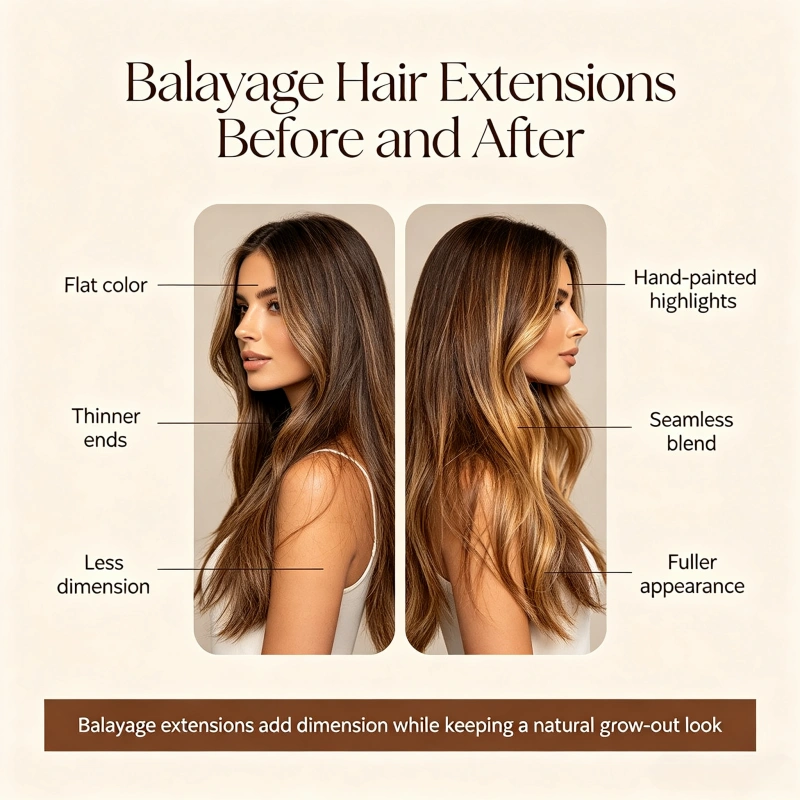

Understanding the Basics

Before diving into the comparison, let’s define each method clearly.

Hair Extension TypeDescriptionCommon MaterialInstallation MethodDuration
K-Tip (Keratin Tip)Individual hair strands pre-tipped with keratin glue, fused to natural hair using heat.100% human hairHeat fusion (keratin bonding)3–5 months
Weft Hair ExtensionsContinuous strips of hair sewn or taped into sections. Available as hand-tied or machine weft.100% human hairSewn, taped, or beaded6–8 weeks per installation

K-tip extensions, with their natural, flexible hair movement and versatility for various styling options, are the preferred choice for those seeking a natural look and styling freedom. Weft extensions, on the other hand, offer superior volume and quick, full-head installation, making them particularly popular among those seeking fuller, more time-saving styles.

Ultimately, which type of extension is best for you depends on your daily lifestyle (e.g., whether you exercise regularly, how often you style your hair), your natural hair type (fine/coarse, healthy/damaged), and your budget. Qingdao ALOVE Hair not only offers both types of high-quality extensions but also offers customized solutions tailored to your needs. If you prefer the natural, flexible feel of K-tips, we offer a wide range of custom colors. If you prefer the efficiency and volume of Weft extensions, we can also precisely match your hair length and color. These three factors, combined with ALOVE’s high-quality products, contribute to the optimal fit, durability, and value of your extensions, making it easy for you to choose your ideal extensions.


Popularity and Market Trends

According to a 2024 global market study by Statista, the professional hair extension market is projected to reach USD 4.2 billion by 2027, growing at a CAGR of 6.3%. Within that, fusion-based (K-tip) extensions and weft-based extensions account for over 70% of total salon installations globally.

Market Breakdown by Type

Extension TypeMarket Share (%)Primary RegionsKey Advantages
K-Tip Extensions38%USA, UK, ItalyLong-lasting, natural blending
Weft Extensions34%Australia, France, CanadaQuick install, reusable
Tape-in Extensions20%USA, JapanAffordable, low-commitment
Clip-in Extensions8%GlobalDIY, temporary styling

Qingdao ALOVE Hair Products’ K-tip hair extensions, with their 100% natural texture and naturally durable fit, have become the preferred choice for sophisticated styling in high-end salons worldwide. Our Weft extensions, while retaining the durability of premium human hair, also boast rapid installation times and cost-effective, reusable properties. They dominate the market among professional stylists and chain salons, perfectly suited to volume service and high-frequency styling needs.


Installation Time and Skill Requirement

One of the most practical differences between K-tips and wefts is installation time.

FactorK-Tip ExtensionsWeft Extensions
Installation Time3–5 hours1.5–2.5 hours
Skill Level RequiredAdvanced stylistIntermediate stylist
Tools NeededHeat fusion iron, keratin pliersNeedle, thread, beads, or tape
Maintenance FrequencyEvery 3–5 monthsEvery 6–8 weeks
Removal ProcessRequires heat/meltingEasy removal or reapplication

Drawing on decades of experience in manufacturing human hair extensions, Qingdao ALOVE Hair Products’ K-tips hair extensions adhere to precise hand-grafting. Despite the time-consuming process, they deliver an exceptionally invisible effect, complemented by the natural sheen of high-quality human hair, making them the top choice for detail-conscious customers. Our weft hair extensions, on the other hand, guarantee 100% human hair quality while offering the advantage of quick installation, effectively adapting to the time needs of busy customers and helping salon professionals efficiently handle multiple appointments, balancing service quality and efficiency.


Comfort and Natural Look

Comfort and aesthetics are top priorities for clients. Here’s how both methods compare.

Evaluation CriteriaK-Tip ExtensionsWeft Extensions
WeightLightweight; strands move naturallyHeavier if multiple rows used
Scalp ComfortSeamless, no tight pullingCan cause mild tension on thin hair
AppearanceInvisible bonds, perfect for updosSlightly visible if hair is thin
Styling Flexibility360° movement, suitable for ponytailsLimited in high hairstyles

According to Modern Salon Magazine’s 2023 salon survey, 72% of hairstylists approve of the natural-looking effects of K-tip extensions on thinning or fine hair, and also agree that weft extensions are effective in enhancing the volume and density of medium to thick hair. As a professional manufacturer of human hair extensions, Qingdao ALOVE perfectly meets these needs. Our K-tip extensions, with their delicate texture and precise grafting of high-quality human hair, naturally blend with thinning and fine hair. Weft extensions, with their volume and easy installation, help stylists quickly create fuller hair. Our high-quality products confirm the professional judgment of the hairstylists surveyed.


Longevity and Maintenance

Both types can last long if maintained properly, but their lifespans differ slightly.

Durability FactorK-Tip ExtensionsWeft Extensions
Lifespan of Hair8–12 months9–12 months
ReusabilityOne-time use (bonds break after removal)Reusable 2–3 times
Maintenance Interval3–5 months6–8 weeks
Hair Washing Routine2–3 times/week with sulfate-free shampoo2–3 times/week; avoid root pulling
Brush/CombingUse soft bristle brushUse loop brush to avoid weft lifting

If you want to maximize the lifespan of hair extensions, choosing real human hair extensions with intact cuticles is the core prerequisite. Qingdao ALOVE Hair Products Co., Ltd. (ALOVE), as a professional manufacturer with decades of experience in the industry, strictly adheres to this standard in the hair extension products it provides. Not only does it guarantee 100% complete cuticle alignment, but it also retains the original structure of the hair through a double-pulling process, avoiding tangles during daily wear and ensuring that the hair is always smooth and easy to manage. It can also extend the durability of the hair extensions from the root, allowing every investment to reap longer-term value.


Cost Comparison: Initial vs Maintenance

Cost often determines client decisions. K-tips are generally more expensive upfront, while wefts are cost-effective in the long run due to reusability.

Cost FactorK-Tip ExtensionsWeft Extensions
Initial Cost (Hair + Install)$600–$1,200$400–$900
Maintenance Cost$100–$200 every 3–5 months$150–$250 every 6–8 weeks
ReusabilityNoYes (2–3 installs)
Average Annual Cost$1,000–$1,400$800–$1,200

(Source: Hair Industry Cost Survey, 2024, North America sample size: 500 salons)

Cost is often a factor in customers’ decisions regarding hair extensions. ALOVE offers high-quality solutions tailored to different cost requirements. For those seeking a natural, authentic look, our K-tips extensions (made from 100% human hair using a double-drawing process) require a slightly higher initial investment but guarantee styling quality and durability. For those prioritizing long-term cost-effectiveness, ALOVE weft extensions offer not only quick installation but also high-quality reusability, significantly reducing investment over the long term and striking a perfect balance between cost and user experience.


Ideal Hair Type and Lifestyle Match

Hair Type / LifestyleBest MatchReason
Fine, thin, or short hairK-TipLightweight strands blend seamlessly
Thick or coarse hairWeftAdds strong volume and fullness
Active lifestyle (gym, swimming)WeftEasier to manage and reinstall
Low-maintenance preferenceK-TipLonger wear between appointments
Frequent hair styling (updos, curls)K-TipNatural 360° movement

Stylists often recommend combining methods — using K-tips for the crown and wefts for back sections — to achieve both natural blending and maximum volume.


Environmental and Ethical Considerations

Consumers today are increasingly conscious about the ethical sourcing and environmental sustainability of hair products.
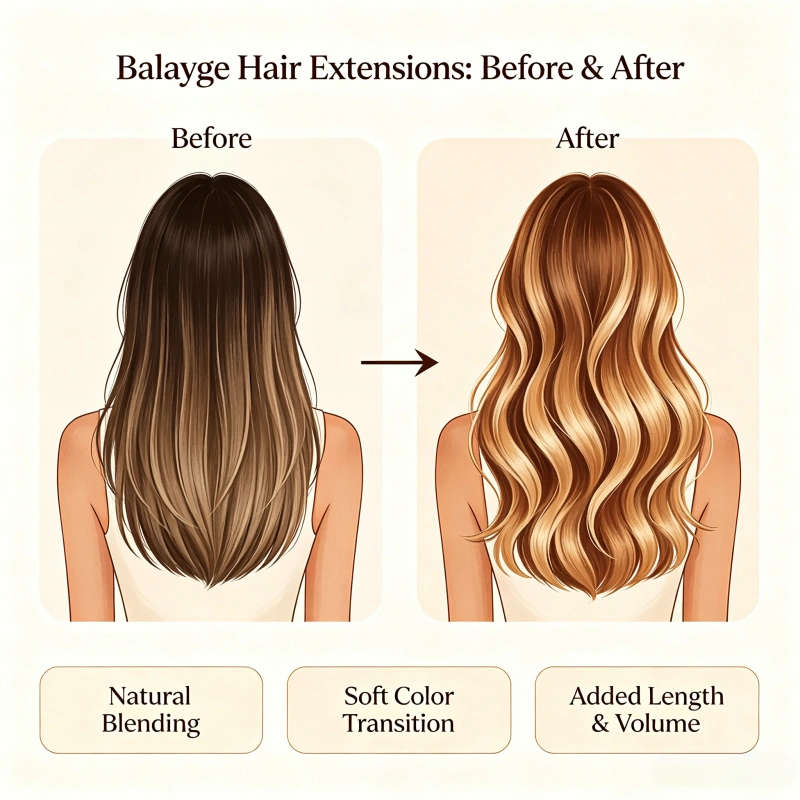
  • K-Tip extensions often use keratin derived from natural proteins, but low-quality suppliers may use synthetic glue.
  • Weft extensions can reduce waste through reusability, making them more eco-friendly when sourced responsibly.

Qingdao ALOVE HAIR PRODUCTS Co., Ltd. leads in ethical sourcing by collecting raw human hair directly from donors, ensuring traceability and cuticle alignment throughout production. The company’s non-acid bleaching process preserves hair health and reduces chemical waste — aligning with modern eco-conscious beauty trends.


Data-Driven Comparison Summary

CategoryK-Tip ExtensionsWeft ExtensionsBest For
AppearanceMost natural and seamlessAdds strong volumeThin to medium hair
InstallationTime-consumingQuickBusy professionals
CostHigherModerateCost-sensitive clients
LongevityUp to 5 months per install6–8 weeks per installLong-term use
ReusabilityOne-time2–3 usesSustainable use
MaintenanceLow frequencyFrequentStyle changers
Styling FlexibilityExcellentGoodActive stylists

Expert Insights from Stylists

According to a 2024 global hairstylist survey by Hair Professional Network:

  • 48% of stylists say K-tip extensions give the most natural blend for camera or film use.
  • 41% prefer wefts for clients seeking fast transformation.
  • 11% recommend hybrid installation (K-tips in front, wefts at back).

Stylists emphasize that the quality of hair plays a greater role than the installation method — 100% cuticle-intact human hair ensures smooth texture, longevity, and minimal tangling regardless of technique.


Choosing the Right Supplier Matters

Whether you’re a salon owner, stylist, or distributor, partnering with a trusted manufacturer guarantees consistent quality and long-term business growth.

About Qingdao ALOVE HAIR PRODUCTS Co., Ltd.

Qingdao ALOVE HAIR PRODUCTS Co., Ltd. has been a pioneer in the human hair extension industry since the 1980s, starting as a raw hair collector and evolving into a premium manufacturer and exporter of luxury extensions.

Why Choose ALOVE?

100% Cuticle-Intact Human Hair: Naturally aligned for silky texture, tangle-free use, and long lifespan.
Double Drawn Hair: Full from root to tip for superior density.
Expert in Color Processing: Over 20 skilled workers handle bleaching and coloring using non-acid techniques, preserving hair strength and luster.
Comprehensive Product Range:

  • K-Tip, I-Tip, U-Tip extensions
  • Hand-tied and flat wefts
  • Tape-in extensions
  • Colored and fantasy hair
    One-Stop Support: Tools, accessories, and custom packaging for stylists and distributors.
    Global Reach: Serving markets in the USA, UK, Canada, Australia, and Europe.
    Customer Loyalty: Over 90% retention rate, proof of trust and satisfaction.

K-Tips vs Weft — Which Should You Choose?

Both K-tip and weft extensions deliver outstanding beauty transformations, but your best choice depends on your hair type, maintenance habits, and budget.

  • Choose K-Tips if you want:
    • The most natural-looking, seamless extensions.
    • Long-term wear with minimal maintenance.
    • Freedom for updos and flexible styling.
  • Choose Wefts if you prefer:
    • Fast installation and reusability.
    • Maximum volume for thicker hair.
    • Budget-friendly options with regular reapplication.

Conclusion

The beauty of hair extensions lies not just in the method — but in the quality of the hair itself. By partnering with Qingdao ALOVE HAIR PRODUCTS Co., Ltd., stylists and distributors gain access to luxury-grade, ethically sourced, and precision-crafted extensions that enhance every client’s natural beauty.

Whether you’re crafting a full-glam transformation or a subtle enhancement, ALOVE’s premium K-tips and wefts are designed to deliver unmatched softness, shine, and durability — helping your business stand out in a competitive market.

If you need to order human hair extensions, welcome to contact us.

Weft Hair Extensions Pros and Cons: You Need to Know

Hair extensions have become an essential beauty solution for women seeking longer, fuller, and more versatile hair. Among the many extension methods available, weft hair extensions stand out for their natural look, durability, and styling flexibility. But like any beauty investment, they come with both benefits and drawbacks. This article provides a detailed look into the pros and cons of weft hair extensions, supported by research data, expert insights, and market statistics.


What Are Weft Hair Extensions?

Weft extensions consist of several sections of hair sewn together at the top to create a single strip or “weft.” Weft extensions are commonly found in machine extensions, hand extensions, Genius Wefts, and flat wefts. They are typically attached to natural hair by sewing, beading, or gluing, giving the wearer instant length and volume. We primarily recommend Genius Weft and Micro Weft extensions. Our Genius Weft line offers superior quality, being incredibly thin and lightweight, so they won’t weigh down your natural hair.

Types of Weft Extensions:

  • Machine Wefts – Thicker, durable, and easier to apply.
  • Hand-Tied Wefts – Thinner, lightweight, and natural-looking.
  • Flat Wefts – Flexible, comfortable, and designed for seamless blending.
  • Genius Wefts and Micro Wefts– Thinner, Natural and Invisible.

Market Research: Popularity of Weft Hair Extensions

The global hair extensions market is rapidly expanding. According to Grand View Research (2023), the global hair extensions market size was valued at USD 4.06 billion in 2022 and is expected to grow at a 9.3% CAGR from 2023 to 2030. Weft extensions are particularly popular among salons because they offer repeat services and long-lasting results.

Table 1. Global Hair Extensions Market by Type

Extension TypeMarket Share (%)Growth Trend
Weft Extensions42%High
Tape-In Extensions28%Moderate
Clip-In Extensions18%Stable
Others (I-tip, etc.)12%Moderate

In the early days, traditional film hair extensions often had drawbacks such as environmentally unfriendly adhesives, which were prone to residue and causing allergies. However, Genius Weft Hair Extensions have distinct advantages: they typically use high-quality, hypoallergenic medical-grade adhesives. As a result, they are highly popular in the market and much safer compared to early hair extension products.
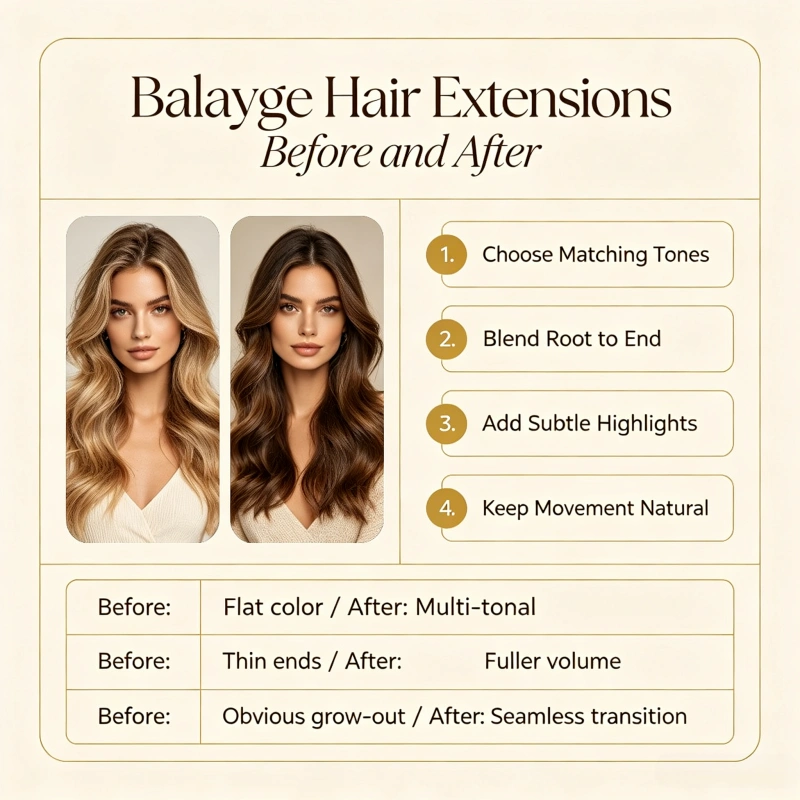
The Genius Weft Hair Extensions we provide are made of 100% real human hair with intact cuticles, and they do not cause “reversed hair” that irritates the scalp. That said, the application of Genius Weft Hair Extensions requires a higher level of skill from the technicians.


The Pros of Weft Hair Extensions

Weft hair extensions have gained popularity due to their longevity, versatility, and natural finish. Here are some of the key advantages:

1. Natural Appearance

High-quality weft extensions, especially hand-tied and flat wefts, blend seamlessly with natural hair. A study by Professional Beauty Association (PBA, 2022) found that 78% of salon clients choose wefts because they provide the most natural look compared to tape-in or clip-in options.

2. Durability

Weft extensions last longer than many other methods. With proper care, they can last 6–10 weeks per installation and be reused for up to a year.

3. Styling Versatility

They can be washed, curled, straightened, and colored just like natural hair. This makes them suitable for everyday styling or special events.

4. Comfort & Lightweight (for Hand-Tied/Flat Wefts)

Unlike bulky clip-ins, hand-tied wefts feel lighter and cause less scalp stress.

5. Cost-Effectiveness in the Long Run

Although the upfront cost is higher, the reusability of wefts makes them more economical over time.

Table 2. Average Lifespan of Different Hair Extension Types

Extension TypeInstallation LongevityReusability (Months)
Weft Extensions6–10 weeks9–12 months
Tape-In Extensions4–6 weeks6–8 months
Clip-In ExtensionsDaily wear12–18 months
Keratin/I-tip3–4 monthsNon-reusable

There are several types of weft extensions. The recommended Genius and Micro wefts have similar lifespans. This depends on hair growth and your regular hair care habits, but typically lasts 2-4 months. Micro weft extensions offer a higher reusability. Their rubber base is typically thicker and more resilient.


The Cons of Weft Hair Extensions

Despite their advantages, weft hair extensions also have limitations. It’s important for consumers and stylists to weigh these carefully.

1. Professional Installation Required

Unlike clip-ins, wefts cannot be applied at home. Professional installation can take 2–3 hours and costs between $200–$600 depending on region.

2. Potential Hair Damage

If applied too tightly or not maintained properly, wefts may cause tension alopecia (traction hair loss). A dermatology study published in JAMA Dermatology (2020) reported that 32% of long-term weft users experienced some degree of scalp irritation or breakage.

Genius Weft and Micro Weft extensions are generally more comfortable and safer on the scalp than other types of weft extensions.

3. Higher Upfront Cost

While reusable, the initial purchase and installation costs are higher compared to other extension types.

4. Maintenance Requirements

Wefts require regular salon visits every 6–8 weeks for adjustments, tightening, or reinstallation.

5. Scalp Discomfort (for Some Users)

Improper installation or thick machine wefts can cause discomfort, especially during sleep.

Table 3. Common Issues Reported by Weft Users

IssuePercentage of Users Affected
Scalp Irritation/Itching22%
Hair Breakage/Tension Damage18%
Discomfort During Sleep14%
Difficult Maintenance12%

Genius Wefts are more comfortable due to their ultra-thin base. Genius Wefts are inherently lighter, while Micro Wefts utilize an increased number of extension points to reduce the weight placed on each point. Both of these factors effectively minimize damage to virgin hair, resulting in virtually no scalp discomfort. However, Genius Wefts’ ultra-thin base reduces their reusability.


Cost Analysis of Weft Hair Extensions

The cost of weft extensions varies by quality, type, and stylist expertise. Premium cuticle-intact human hair wefts can be more expensive but provide better longevity and styling results.

Table 4. Average Cost of Weft Hair Extensions

RegionInstallation Cost (USD)Hair Bundle Cost (USD)
USA$300–600$150–400 per bundle
UK/Europe$250–500$120–350 per bundle
Australia$280–550$130–370 per bundle
Asia$150–300$80–200 per bundle

Genius wefts and micro wefts are usually more expensive than other weft extensions, but they also guarantee your scalp health and beauty requirements to a certain extent.


Practical Tips for Choosing Weft Extensions

  1. Choose 100% Human Hair – Synthetic wefts tangle easily and don’t last as long.
  2. Select the Right Type – Hand-tied or flat wefts are best for thin hair; machine wefts suit thicker hair.
  3. Work with a Professional Stylist – Correct installation ensures safety and comfort.
  4. Commit to Maintenance – Regular salon visits and proper haircare products are essential.

If you need high-quality weft hair extensions, there is one manufacturer worth mentioning – ALove


Qingdao ALOVE HAIR PRODUCTS Co., Ltd. – Your Trusted Weft Hair Extensions Partner

When it comes to premium weft hair extensions, Qingdao ALOVE HAIR PRODUCTS Co., Ltd. has been a global leader since the 1980s. With decades of expertise and advanced manufacturing, ALOVE provides luxury human hair extensions that are natural, durable, and trusted by salons worldwide.

Why Choose ALOVE Weft Extensions?

  • ✔ 100% Cuticle-Intact Human Hair – Double drawn, soft, and tangle-free.
  • ✔ Expert Coloring & Processing – No ash bath, ensuring healthier strands.
  • ✔ Wide Range of Products – Hand-tied wefts, flat wefts, tape-ins, I-tips, and more.
  • ✔ Professional Support – Tools, accessories, and installation guidance for stylists.
  • ✔ Global Reach – Trusted supplier in the USA, UK, Canada, Australia, Germany, France, and beyond.

With a 90%+ customer retention rate, ALOVE has built a reputation as a trusted wholesale supplier delivering consistent quality and competitive pricing.

We offer high quality genius weft and micro weft hair extensions. Whether you are a stylist, salon owner, or distributor, ALOVE offers tailored solutions to meet your business needs. Welcome to contact us to place an order.


Final Thoughts

Weft hair extensions are a versatile and long-lasting solution for those seeking fuller, longer hair. They provide a natural look, styling flexibility, and durability, but require professional installation and regular upkeep. By understanding the pros and cons of weft hair extensions, clients and stylists can make informed choices.

For salons and professionals seeking a reliable partner, Qingdao ALOVE HAIR PRODUCTS Co., Ltd. delivers world-class weft extensions with unmatched quality and service.

Different Types of Human Hair Extensions

Human hair extensions are no longer a niche beauty product; they are a multi-billion-dollar industry that has transformed the hairstyling landscape. According to a 2023 report by Grand View Research, the global hair extension market was valued at USD 5.3 billion and is projected to grow at a CAGR of 8.4% from 2023 to 2030. This rapid growth is fueled by increasing demand for versatile hairstyles, the influence of celebrities and social media, and advancements in extension technology.

In this article, we’ll dive into the different types of human hair extensions, with a special focus on genius weft and micro weft extensions—two trending methods gaining attention in the professional salon industry. We’ll also explore other popular types, provide comparison tables, and discuss how to choose the right extensions for your needs.


What Are Human Hair Extensions?

Human hair extensions are strands of 100% real human hair that are attached to natural hair to increase length, volume, or color variety. Unlike synthetic options, human hair extensions can be dyed, heat-styled, and treated just like natural hair.

Extensions can be temporary (clip-ins), semi-permanent (tape-ins, microbeads), or permanent (fusion, wefts), each catering to different lifestyles and budgets.


Market Overview and Growth Trends

Global Hair Extension Market Data

YearMarket Value (USD Billion)Projected CAGR
20204.07.9%
20235.38.4%
2030 (forecast)9.1
  • North America: Largest market, driven by salon services.
  • Europe: Growing demand for premium extensions with cuticle-intact quality.
  • Asia-Pacific: Rapid adoption due to rising disposable income and beauty awareness.

Types of Human Hair Extensions

Genius Weft Extensions

Overview:
Genius weft hair extensions are a new generation of wefts designed to be thinner, flatter, and more flexible than traditional machine-tied wefts. Unlike standard wefts, genius wefts have no return hair (short hair at the weft top), reducing tangling and matting.

Key Benefits:

  • Seamless blending with natural hair.
  • Can be cut at any point without unraveling.
  • Ideal for fine-haired clients.

Research Insight: In a 2022 salon survey across the U.S. and Europe, 68% of stylists reported preferring genius wefts over traditional machine-tied wefts due to ease of installation and reduced tangling.


Micro Weft Extensions

Overview:
Micro weft extensions use microbeads or rings to attach wefts to the client’s hair without glue, heat, or tape. They offer a secure, reusable method that is gentler on natural hair.

Key Benefits:

  • No adhesives or chemicals.
  • Easy to remove and reinstall.
  • Long-lasting (6–8 weeks before maintenance).

Research Insight: A market report by Professional Beauty Association (PBA) shows that micro wefts are the fastest-growing extension method in Europe, with a yearly growth rate of 12% in salon installations.


Tape-In Extensions

Overview:
Tape-in extensions are pre-taped wefts applied using adhesive strips. They are quick to install and popular in salons.

Pros: Lightweight, reusable, good for thin hair.
Cons: Require careful removal to avoid adhesive residue.


I-Tip (Microbead) Extensions

Overview:
Individual strands tipped with keratin are attached to natural hair using microbeads.

Pros: No glue or heat, reusable.
Cons: Requires regular maintenance to prevent bead slippage.


Hand-Tied Weft Extensions

Overview:
Hand-tied wefts are ultra-thin wefts sewn by hand, designed for a lightweight and natural look. They require professional installation and are ideal for clients who want volume without bulk.

Research Insight: In the U.S., hand-tied extensions saw a 35% increase in Google search interest between 2019–2023 (Google Trends data).


Fusion (Keratin Bond) Extensions

Overview:
Fusion extensions use keratin glue to bond small sections of hair to the natural strands. They are semi-permanent and can last 3–4 months.

Pros: Long-lasting, natural-looking.
Cons: Heat required for installation, removal can be time-consuming.


Comparison Tables

Installation Method Comparison

Extension TypeInstallation TimeLongevityHeat/Glue RequiredMaintenance
Genius Weft1–2 hours6–8 weeksNoMedium
Micro Weft1–2 hours6–8 weeksNoMedium
Tape-In30–45 minutes6–8 weeksYes (adhesive)Medium
I-Tip (Microbead)2–3 hours8–10 weeksNoHigh
Hand-Tied Weft2–3 hours6–8 weeksNoMedium
Fusion (Keratin)3–4 hours3–4 monthsYes (keratin)Low

Cost Range by Type (USD, Professional Installation)

Extension TypeAverage Cost (USA)Average Cost (Europe)
Genius Weft$300–$600€280–€550
Micro Weft$250–$500€240–€480
Tape-In$200–$450€190–€430
I-Tip (Microbead)$350–$700€320–€650
Hand-Tied Weft$400–$800€370–€750
Fusion (Keratin)$500–$1,000€450–€950

Prices may fluctuate due to various factors, please contact the supplier for a quote.


How to Choose the Right Type of Extensions

When choosing extensions, consider:

  • Hair type: Fine hair benefits from genius or tape-in wefts.
  • Lifestyle: Active lifestyles may prefer micro wefts or fusion.
  • Budget: Tape-ins are affordable, while fusion offers the longest wear.
  • Maintenance level: Choose based on how often you want to visit the salon.

Qingdao ALOVE HAIR PRODUCTS Co., Ltd. – A Trusted Supplier Since the 1980s

When it comes to sourcing premium human hair extensions, Qingdao ALOVE HAIR PRODUCTS Co., Ltd. stands out as one of the most reliable suppliers worldwide.

Why ALOVE Hair?

  • Over 40 years of expertise in the hair industry.
  • 100% cuticle intact human hair, double drawn, tangle-free.
  • Specialty in colored hair extensions—bleached by 20+ skilled workers with no ash bath.
  • Diverse product range: flat weft, genius weft, micro weft, tape-in, I-tip, and colorful extensions.
  • Premium tools & accessories for easy installation and maintenance.
  • Trusted by salons in the USA, UK, Canada, Australia, and Europe with a 90%+ customer retention rate.

With professional quality and competitive prices, ALOVE Hair is the go-to partner for salons and wholesale buyers worldwide. Contact ALOVE for a quote.


Final Thoughts

Human hair extensions come in many forms—genius weft, micro weft, tape-in, I-tip, hand-tied, and fusion—each with its own advantages. The choice depends on individual hair type, lifestyle, and budget.

As the hair extension industry continues to grow, salons and consumers alike are seeking high-quality, durable, and natural-looking solutions. With decades of expertise and a reputation for excellence, Qingdao ALOVE HAIR PRODUCTS Co., Ltd. is at the forefront of this global demand, providing products that stylists and clients trust.