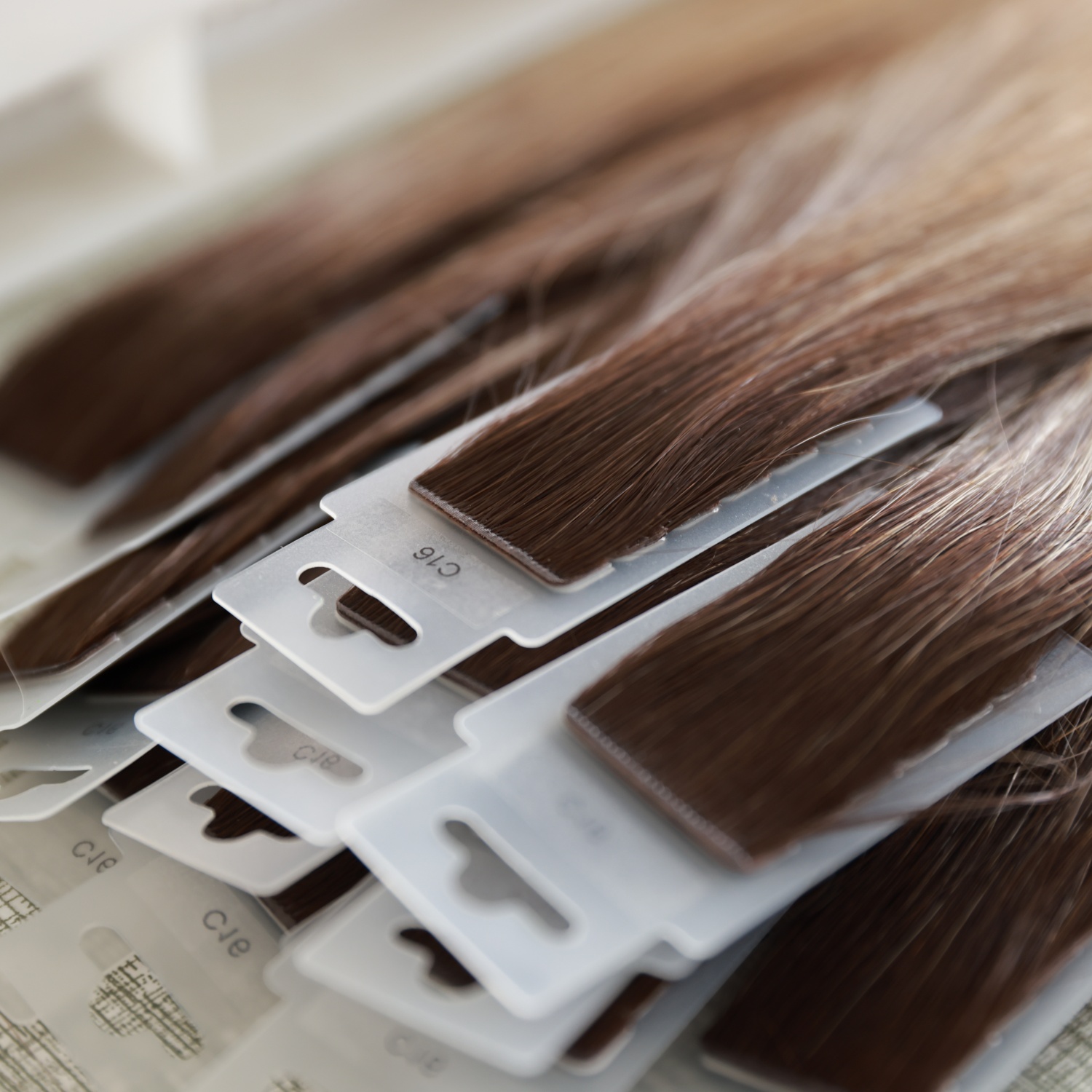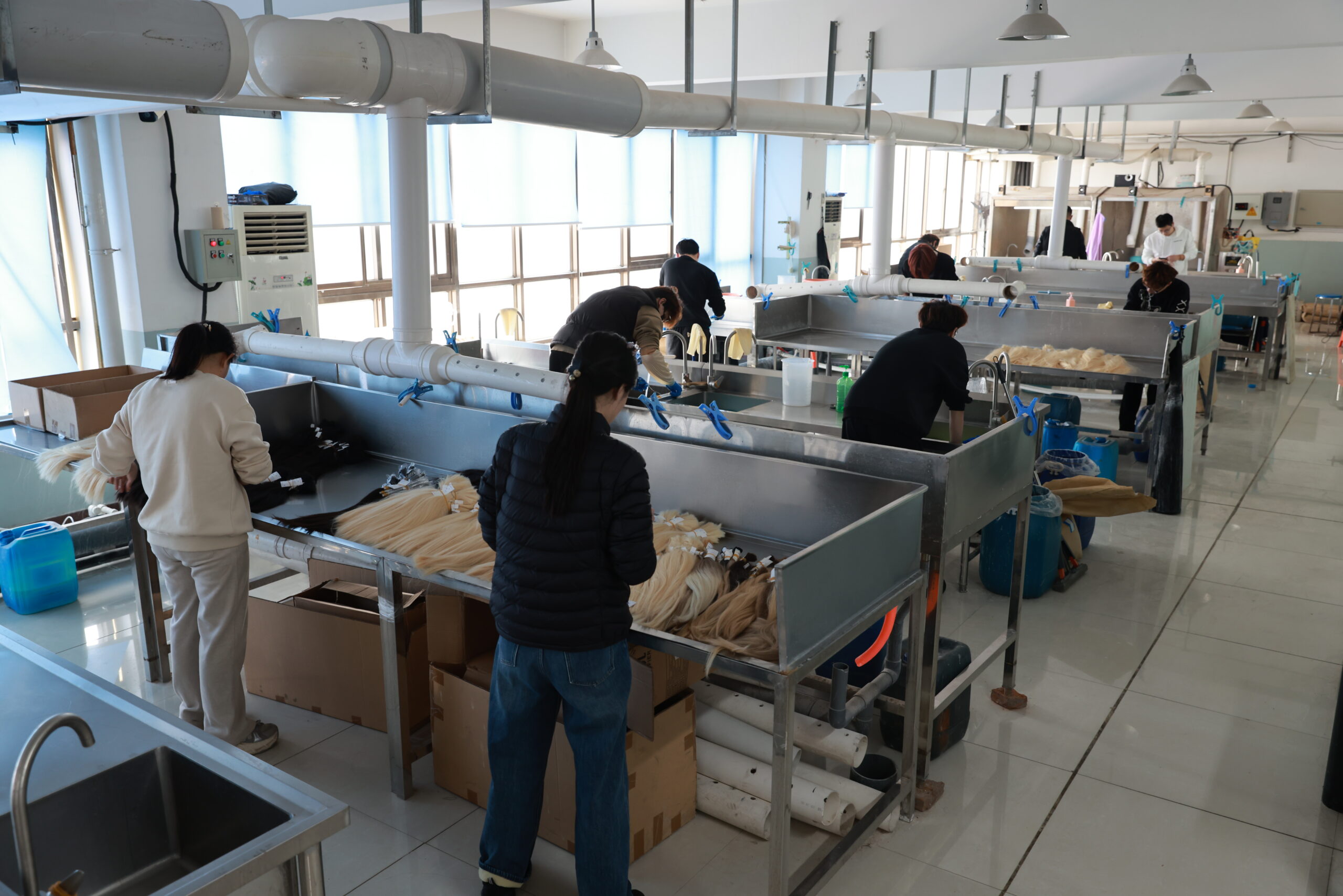
V Tip Hair Extensions vs. Tape-in Extensions: The Ultimate Comparison

Hair extensions have become a staple in the beauty industry, providing a quick and effective way to transform one’s hair. Whether you’re looking to add length, volume, or color, extensions offer endless possibilities to enhance your look. They allow individuals to experiment with different styles without making permanent changes, offering versatility and flexibility. The rise in popularity of hair extensions has given way to various methods and techniques, making it important for consumers to choose the right option for their specific needs and goals.

When considering hair extensions, it’s crucial to select the right method based on factors such as hair type, lifestyle, and desired outcome. With so many options available, the decision can be overwhelming, but two of the most commonly used methods are V Tip Hair Extensions and Tape-in Extensions. Both are effective, but they differ in their application, durability, comfort, and maintenance.

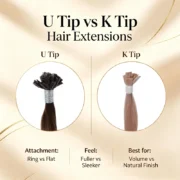
V Tip Hair Extensions use a keratin bond at the tip of the hair strands, which is fused to natural hair with heat. These extensions provide a more seamless look and feel, allowing for greater flexibility in styling. They’re ideal for those looking for a long-term solution, as they can last for several months with proper care.

On the other hand, Tape-in Extensions use a different approach: strips of adhesive are placed between sections of natural hair. These extensions are known for their relatively quick application time and lighter feel. Tape-ins are a great choice for those seeking a less permanent and more budget-friendly option.

In this article, we will explore the differences between V Tip Hair Extensions and Tape-in Extensions, comparing their application processes, longevity, comfort, and costs to help you make the best decision for your hair transformation. Whether you want a natural, long-lasting solution or a lighter, temporary option, we’ve got you covered.

What Are V Tip Hair Extensions?

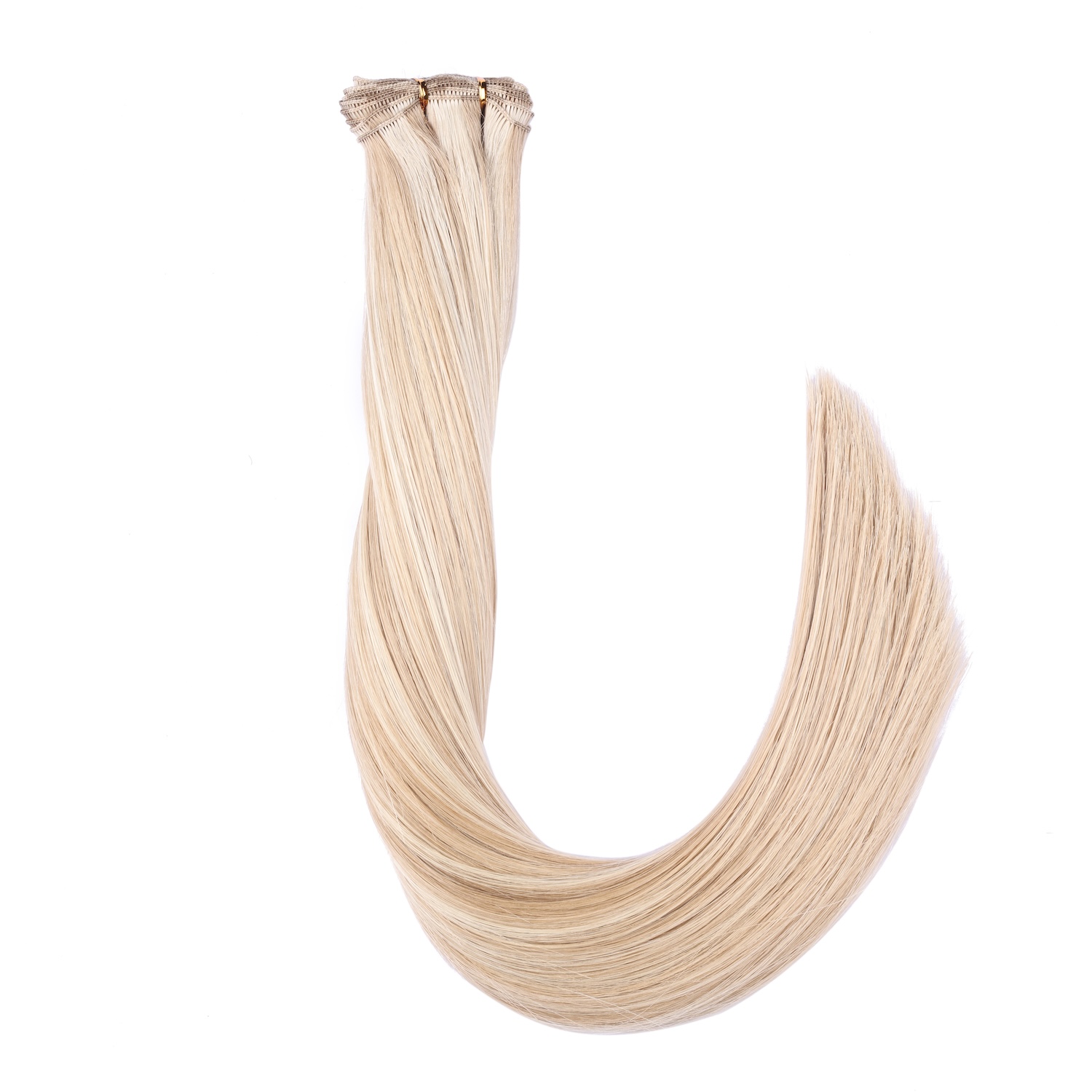
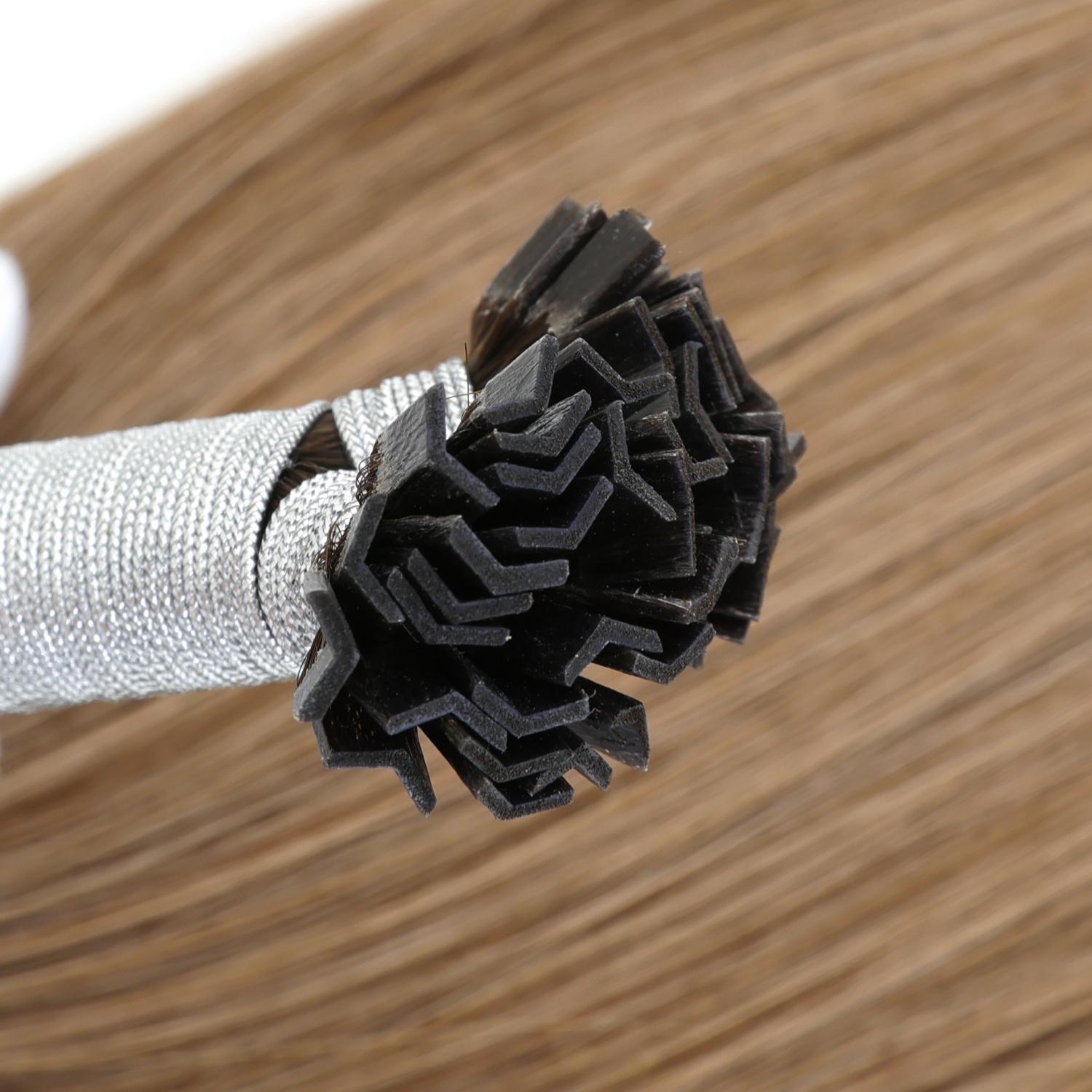
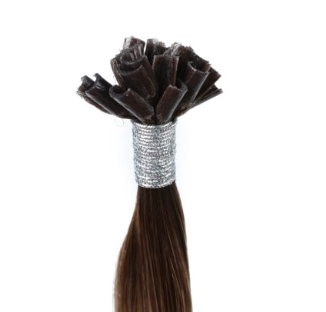
V Tip Hair Extensions are a popular method of hair extensions that use a keratin bond at the end of each strand to attach the extensions to natural hair. These extensions are named for their unique V-shaped tips, which are designed to make the application process smoother and more seamless. V Tip extensions are part of the fusion hair extension family, and they are known for their natural look and long-lasting results. The keratin bond used to attach the extensions is heat-activated, allowing the strands to fuse together securely and blend effortlessly with your natural hair.

V Tip extensions are crafted from 100% human hair, making them ideal for those who want a realistic, natural-looking result. Since the hair is sourced from natural human strands, the extensions can be styled, dyed, and treated like your own hair, offering versatility in terms of customization. This method is highly favored by individuals who desire a long-term solution to enhance their hair’s volume or length.

How V Tip Extensions Are Applied

The application of V Tip Hair Extensions involves a professional stylist who uses a fusion method to attach the extensions. Here’s a breakdown of the process:

Sectioning the Hair: The stylist begins by sectioning your natural hair into small, manageable pieces to ensure a precise application.

Heat Activation: Each V Tip extension has a keratin bond at the end. The stylist uses a heat tool to soften the keratin bond, which allows it to fuse securely with the natural hair. The heat is carefully controlled to avoid damage to both the natural hair and the extensions.

Attachment: The keratin bond is then pressed around a small section of natural hair. Once the bond cools and hardens, the extension is securely attached, creating a seamless blend between the natural hair and the extension.

Blending and Styling: After the application, the stylist will trim, layer, and style the extensions to ensure they blend perfectly with your natural hair. This step is crucial for achieving a uniform, natural look.

While the process requires a professional, the results are often worth the investment due to the long-lasting and natural finish.

Suitable Hair Types for V Tip Extensions

V Tip Hair Extensions are versatile and can be used on a variety of hair types. However, some factors can affect how well the extensions perform and how comfortable they are:

Fine to Medium Hair: V Tip extensions work best on fine to medium hair, as the keratin bond can blend easily without creating too much bulk. If you have fine hair, it’s important to make sure your stylist uses an appropriate amount of extensions to avoid weighing down your natural hair.

Thick Hair: V Tip extensions can also work well for individuals with thick hair, as the bond can support heavier extensions. The key is to use more extension strands to ensure a balanced and seamless look.

Straight to Wavy Hair: These extensions tend to blend best with straight to slightly wavy hair. If you have very curly hair, it may require more careful blending to achieve a natural look, and you may need a stylist with experience in managing textured hair.

Hair Condition: For V Tip extensions to adhere properly, it’s important that your natural hair is healthy and not excessively damaged. Individuals with brittle or very damaged hair might need to address these issues before getting V Tip extensions.

Average Lifespan and Maintenance Required

One of the standout features of V Tip Hair Extensions is their long lifespan, especially when compared to other methods. When applied correctly and maintained properly, these extensions can last between 3 to 6 months. Their durability is largely due to the strong keratin bond, which can withstand daily activities like washing, brushing, and styling.

However, proper maintenance is key to ensuring they last as long as possible:

Regular Maintenance Appointments: Over time, your natural hair will grow, causing the bonds to shift away from the roots. As a result, regular touch-ups every 6 to 8 weeks are recommended to maintain a seamless look.

Gentle Washing: When washing hair with V Tip extensions, it’s important to be gentle. Use sulfate-free shampoos and conditioners to avoid weakening the keratin bond. Avoid applying conditioner directly to the roots where the extensions are attached.

Heat Protection: Since V Tip extensions are made from human hair, they can be styled with heat tools. However, using a heat protectant spray is essential to prevent damage to both the extensions and your natural hair.

Avoiding Tugging: When brushing or styling, be sure to handle the extensions with care. Using a wide-toothed comb or a special brush designed for extensions helps minimize stress on the bonds.

Proper Removal: It’s crucial to have a professional remove the V Tip extensions when their lifespan is over. Attempting to remove them at home can cause damage to your natural hair.

In summary, V Tip Hair Extensions provide a durable, natural-looking solution for adding volume and length to your hair. While the application process requires professional assistance, the long lifespan and low-maintenance care make them a worthwhile investment for many individuals seeking a high-quality extension method.

What Are Tape-in Hair Extensions?

Tape-in Hair Extensions are a popular, semi-permanent method of adding length, volume, or color to your natural hair. They are widely favored for their quick application and lightweight feel. As the name suggests, tape-in extensions use a unique adhesive tape to attach small sections of extension hair to natural hair. Unlike other hair extension methods that require heat or fusion, tape-ins are applied using a gentle adhesive that bonds the extensions to the natural hair, making them a less invasive option for individuals looking for a non-permanent, yet long-lasting solution to enhance their hairstyle.

Tape-in extensions are typically made from high-quality, 100% human hair, which allows them to be styled and treated just like your own hair. These extensions offer a natural look because they lay flat against the scalp, creating a seamless blend between the extension hair and your natural hair. Due to their relatively discreet appearance and ease of application, tape-in extensions have become a popular choice for individuals seeking a low-maintenance way to achieve fuller, longer hair.

How Tape-in Extensions Are Applied

The process of applying Tape-in Hair Extensions is relatively quick and easy compared to other methods, such as V Tip extensions or microbead extensions. Here’s an overview of how the application works:

Sectioning the Hair: The stylist starts by sectioning your natural hair into small, manageable pieces. This allows for precise placement of the tape-in extensions and ensures a uniform result.

Application of Adhesive Tape: Each tape-in extension has a layer of adhesive on both sides. The stylist will place a thin section of natural hair between two strips of extension hair. The adhesive side of the extension will bond with your natural hair, securing the extension in place.

Pressing and Sealing: Once the tape is in place, the stylist will press down on the extension to ensure a strong bond. Some stylists use a special tool to seal the tape more firmly, ensuring that it stays in place even with regular movement and styling.

Blending and Cutting: After the extensions are applied, the stylist will blend them into your natural hair. This may involve trimming the extensions to match your hair length and texture, ensuring that the extensions look as natural as possible.

The application process for tape-in extensions is quick—typically taking about 1 to 2 hours, depending on the number of extensions being applied. The extensions can be removed and re-applied easily, making them a popular choice for those who like to change up their look periodically.

Suitable Hair Types for Tape-in Extensions

Tape-in extensions are suitable for a wide range of hair types and textures, but they tend to work best for individuals with fine to medium hair. Here’s a breakdown of the ideal hair types for tape-ins:

Fine to Medium Hair: Tape-in extensions are ideal for individuals with fine or medium-density hair, as the adhesive strips can bond seamlessly without adding too much bulk. The thin strips of tape provide a flat, natural look that blends well with fine hair, offering volume and length without overwhelming the hair.

Thick Hair: Tape-in extensions can also work for individuals with thick hair. However, more extension strips may be required to create a full, blended look. Thick hair may require some extra care to ensure the tapes stay secure, as heavier hair may put more strain on the adhesive.

Straight to Wavy Hair: Tape-in extensions generally work best with straight to slightly wavy hair. They blend well with these textures, creating a smooth and seamless transition. For individuals with very curly hair, additional blending and possibly a different method may be necessary for a natural look.

Healthy Hair: For tape-in extensions to bond properly, your natural hair should be in healthy condition. Extremely damaged or overly oily hair may cause the adhesive to lose its grip. It’s important to ensure your natural hair is clean and free from excess product buildup before applying tape-ins.

Average Lifespan and Maintenance Required

One of the reasons Tape-in Hair Extensions are so popular is their moderate lifespan and relatively low maintenance compared to other methods. On average, tape-in extensions last around 6 to 8 weeks before they need to be moved up or replaced. The lifespan of tape-in extensions depends largely on how well they are cared for and the rate of natural hair growth.

Here’s a breakdown of the average lifespan and maintenance required for tape-in extensions:

Regular Maintenance Appointments: Since your natural hair grows and the adhesive weakens over time, it’s important to schedule maintenance appointments every 6 to 8 weeks to reposition the extensions. During these appointments, the extensions are carefully removed, re-taped, and applied closer to the roots to ensure a seamless look.

Gentle Washing and Care: To prolong the lifespan of your tape-in extensions, it’s important to wash your hair gently. Avoid applying conditioner directly to the roots where the tape is located, as this can weaken the adhesive. Use sulfate-free shampoos to prevent drying out the adhesive.

Avoid Excessive Heat: While tape-in extensions can be styled with heat tools, it’s important to use a heat protectant to prevent damage. Excessive heat can cause the adhesive to weaken or cause the hair to become dry and brittle.

Combing and Brushing: When brushing or combing, always use a wide-tooth comb or a brush designed specifically for hair extensions. Start from the tips and work your way up to avoid pulling or tugging at the adhesive.

Professional Removal: When the tape-in extensions reach the end of their lifespan, it’s essential to have a professional stylist remove them. Improper removal can damage your natural hair and cause breakage.

In conclusion, Tape-in Hair Extensions offer a semi-permanent solution for individuals seeking a quick, natural-looking hair transformation. While they are easy to apply and provide great flexibility in styling, maintaining them properly is key to ensuring they last for the full 6 to 8 weeks. With proper care, tape-in extensions can provide an effortless way to add length, volume, or even color to your hair without the commitment of permanent changes.

Application Process: V Tip vs. Tape-in

The application process is one of the most important factors when choosing between V Tip Hair Extensions and Tape-in Hair Extensions. Both methods offer unique benefits and cater to different preferences, so understanding the steps involved and the overall ease of application is crucial in making an informed decision.

V Tip Hair Extensions

Step-by-Step Application Process:

Sectioning the Hair: The stylist will begin by sectioning your natural hair into small, manageable layers. This step ensures the extensions are applied precisely and evenly throughout your hair, resulting in a seamless blend.

Preparing the V Tip Extensions: V Tip extensions come with keratin tips that need to be softened with heat before being attached to your natural hair. A special heating tool, usually a fusion iron, is used to warm the keratin bond.

Applying the Extension: The softened keratin tip is then wrapped around a small section of your natural hair. The stylist will press the bond to ensure the keratin fuses to your hair. This process requires care to ensure the bond is properly sealed, which will result in a longer-lasting extension.

Allowing the Bond to Cool: Once the bond is pressed and applied, the keratin hardens and cools down, securing the extension in place.

Blending and Trimming: After the extensions are applied, the stylist will trim and blend the extensions with your natural hair to create a uniform look. This ensures that the extensions seamlessly integrate with your natural hair.

Duration of Application:

The application process for V Tip Hair Extensions is more time-consuming compared to some other methods. Typically, it can take anywhere from 2 to 4 hours to apply a full set of extensions, depending on the number of extensions being used and the thickness of your hair. The stylist needs to carefully apply each extension one by one, making sure the bonds are properly fused and blended.

Professional vs. DIY Application:

Professional Application: Because the application process involves using heat tools and working with keratin bonds, V Tip Hair Extensions should be applied by a trained professional. An experienced stylist will know how to use the fusion tool safely and ensure the bonds are secure. Attempting a DIY application could result in improperly placed extensions, uneven blending, or even damage to your natural hair.

DIY Application: While DIY kits for V Tip extensions are available, it’s generally not recommended. The fusion technique requires precision and expertise to ensure the bonds are applied correctly without causing damage. Even if you’re confident in your ability to follow instructions, the risk of improper application or damage is high.

Tape-in Hair Extensions

Step-by-Step Application Process:

Sectioning the Hair: Similar to V Tip extensions, the stylist will begin by sectioning your hair into small layers. This allows for precise placement of the tape extensions and ensures a seamless application.

Placing the Tape-In Extensions: Tape-in extensions come with a pre-applied adhesive strip. The stylist will carefully place the extensions on either side of a small section of your natural hair. The adhesive strips are pressed onto the hair and then sealed in place.

Pressing the Tape-In Extensions: To ensure a secure bond, the stylist will press down firmly on the adhesive. In some cases, a special tool may be used to press and secure the tape more effectively, ensuring it stays in place even with regular styling.

Blending and Cutting: After the tape-in extensions are applied, the stylist will blend them with your natural hair by trimming and styling as needed. This ensures the extensions integrate seamlessly into your hair, giving you a natural look.

Styling: Once the extensions are applied and blended, you can style them just like your natural hair, whether you want to curl, straighten, or leave it as is. The application process is designed to allow for a lot of versatility.

Duration of Application:

Tape-in extensions are much quicker to apply than V Tip extensions. The entire process typically takes about 1 to 2 hours to complete, depending on the number of extensions being applied and the thickness of your hair. This makes tape-ins a faster option, especially if you’re looking for a quick transformation.

Professional vs. DIY Application:

Professional Application: While the application of tape-in extensions is simpler than V Tip extensions, it’s still recommended to have them applied by a professional. A stylist will ensure the extensions are applied correctly, the adhesive is properly secured, and the extensions blend naturally with your hair. The advantage of professional application is that the stylist has the skill to ensure a smooth, flawless result.

DIY Application: Unlike V Tip extensions, Tape-in extensions can be applied at home with a DIY kit, making them a more budget-friendly option for those who prefer a more hands-on approach. The application process is relatively simple, involving the placement of the adhesive strips and pressing them into place. However, if done incorrectly, it can result in the extensions not adhering properly, causing discomfort or an unnatural appearance. For best results, some people prefer to visit a stylist for the application.

Comparison of Ease, Time, and Comfort

Ease of Application:

V Tip Hair Extensions: The application of V Tip extensions is more complex and requires professional training. The fusion method involves the use of heat tools to apply keratin bonds, which requires precision. This makes the process more challenging for DIY applications.

Tape-in Hair Extensions: Tape-in extensions are easier to apply compared to V Tip extensions, especially for those who choose the DIY route. The adhesive strips simplify the process, and the application time is significantly shorter. However, for the best results, professional application is still recommended.

Time of Application:

V Tip Hair Extensions: The application of V Tip extensions can take 2 to 4 hours, depending on the number of extensions and hair thickness.

Tape-in Hair Extensions: Tape-in extensions are much quicker to apply, with an average application time of 1 to 2 hours.

Comfort:

V Tip Hair Extensions: The keratin bonds used in V Tip extensions are small, but they can feel heavier and may cause some discomfort, especially during the first few days after application as your scalp adjusts to the added weight. Over time, the extensions should feel natural, but the application process requires more meticulous attention to avoid discomfort.

Tape-in Hair Extensions: Tape-in extensions are generally lighter and feel more comfortable compared to V Tip extensions. The flat adhesive strips lie close to the scalp, reducing any bulk or weight that may cause discomfort. However, if the tape is not properly applied, it may cause slight irritation or discomfort, especially at the roots.

Both V Tip Hair Extensions and Tape-in Hair Extensions offer distinct benefits, and the choice between them depends largely on your preferences for application time, ease, and comfort. V Tip extensions provide a more natural, long-lasting result, but they require a more complex application process and professional expertise. Tape-in extensions, on the other hand, are faster, easier to apply, and more suited for DIY enthusiasts, although professional application can ensure a better outcome.

If you have limited time or prefer a less-invasive option, Tape-in extensions are the way to go. However, if you’re looking for a more durable, seamless solution and don’t mind spending extra time and money, V Tip extensions are an excellent choice.

Durability and Longevity: V Tip vs. Tape-in Hair Extensions

When choosing between V Tip Hair Extensions and Tape-in Hair Extensions, the longevity and durability of each method are key factors to consider. Both extension types have their unique lifespan, maintenance requirements, and potential issues. Understanding these differences can help you determine which method will best suit your needs and lifestyle.

V Tip Hair Extensions

How Long They Last with Proper Care:

V Tip Hair Extensions are known for their longevity, often lasting anywhere from 3 to 6 months with proper care. This long lifespan is mainly due to the keratin bonding method used to secure the extensions to your natural hair. When applied professionally and cared for correctly, V Tip extensions can withstand daily styling, washing, and the normal wear and tear of daily life. However, the lifespan of V Tip extensions can vary depending on how well they are maintained and the rate at which your natural hair grows.

The extensions remain securely attached for months because the keratin bond, once cooled and hardened, creates a strong hold that can endure daily activities, including brushing, washing, and even using heat tools. To extend the life of V Tip extensions, it’s important to follow a good maintenance routine and schedule regular appointments for adjustments.

Potential Issues (e.g., Damage to Natural Hair):

While V Tip extensions are durable, there are potential issues to be aware of:

Damage to Natural Hair: If the extensions are not applied or removed properly, they can cause damage to your natural hair. Over time, the added weight of the extensions can put strain on your hair, leading to breakage or thinning. Additionally, if the keratin bond isn’t applied correctly or the fusion tool is too hot, it may cause damage to the natural hair at the point of attachment.

Bond Wear and Tear: As your natural hair grows, the bonds may shift or loosen, leading to noticeable gaps or discomfort. This necessitates professional adjustments every few months to ensure the extensions stay secure and natural-looking.

Difficulty of Removal: The removal process for V Tip extensions is also a potential issue. The keratin bonds require a special removal solution and a professional to avoid causing damage to the natural hair. Improper removal can lead to tangling or breakage.

With proper application and regular maintenance, however, these issues can be minimized.

Tape-in Hair Extensions

How Long They Last with Proper Care:

Tape-in Hair Extensions typically last between 6 to 8 weeks with proper care, making them a slightly more temporary option than V Tip extensions. The longevity of tape-ins is affected by factors like the natural growth of your hair, the adhesive’s durability, and the care regimen followed.

Since tape-in extensions are applied using an adhesive strip, they can remain secure for several weeks before the tape begins to weaken, especially with frequent washing and styling. Regular maintenance and reapplication are required every 6 to 8 weeks to ensure the extensions stay secure and continue to blend seamlessly with your natural hair. This reapplication process involves removing the extensions, cleaning the adhesive, and reapplying them closer to the roots.

Potential Issues (e.g., Wear and Tear of Adhesive):

Despite being a popular choice for ease and comfort, Tape-in extensions come with a few potential issues:

Adhesive Wear and Tear: The adhesive used in tape-in extensions can wear down over time due to frequent washing, heat styling, and exposure to products like hairspray or conditioners. As the adhesive weakens, the extensions may start to slide or feel loose. If this happens, they will need to be re-taped or replaced. In some cases, if the adhesive is exposed to too much moisture or heat, it can lose its grip more quickly.

Risk of Scalp Irritation: Some people may experience mild irritation or discomfort due to the adhesive, especially if it comes into contact with the scalp. This can happen if the extensions are too tightly applied or if the adhesive is not applied properly.

Shorter Lifespan: Compared to V Tip extensions, tape-ins generally have a shorter lifespan. This is due to the nature of the adhesive used and the fact that they are re-applied more frequently. While the extensions themselves may last longer with proper care, the adhesive’s wear-and-tear means the extensions will need to be replaced more often.

Hair Growth and Reapplication: As your natural hair grows, the extensions may start to look less natural, especially at the roots. Regular reapplication appointments are necessary to maintain the look, which can add to the overall cost and effort of using tape-in extensions.

Side-by-Side Comparison of Durability and Maintenance

FeatureV Tip Hair ExtensionsTape-in Hair Extensions
Average Lifespan3 to 6 months6 to 8 weeks
Maintenance FrequencyRequires reapplication every 3 to 6 months.Requires reapplication every 6 to 8 weeks.
DurabilityVery durable with proper care, can withstand regular styling.Durable for a shorter period, dependent on adhesive strength.
Risk of Natural Hair DamagePossible damage due to weight, improper application/removal.Less damage risk, but can cause scalp irritation or product buildup.
Reapplication ProcessKeratin bond needs to be professionally removed and replaced.Tape is removed, cleaned, and reapplied professionally.
ComfortCan feel heavier, especially in the beginning.Generally lighter and more comfortable, no bulk or pressure.
Adhesive IssuesNo adhesive, bond can loosen with time.Adhesive can wear down, causing the extensions to loosen.
Time Between ReapplicationsLonger between reapplications (3-6 months).Shorter reapplication intervals (every 6-8 weeks).
CostTypically more expensive due to longer-lasting results.Lower initial cost but requires more frequent reapplication.

Durability and Longevity: Which is Better?

V Tip Extensions are more durable in the long run, offering a lifespan of several months before needing reapplication. If you’re looking for an option that will last longer and require fewer touch-ups, V Tip extensions are a great choice. They are ideal for those who want a more long-term solution with minimal reapplication. However, they may require more careful attention to avoid damage to your natural hair due to the weight of the extensions.

Tape-in Extensions, while offering a more budget-friendly and easier-to-apply option, require more frequent maintenance and replacement due to the adhesive wear. They are better suited for those looking for a temporary or semi-permanent solution. Tape-ins are perfect for individuals who want flexibility and easy removal or reapplication but may not want to commit to the longer duration that V Tip extensions offer.

Both V Tip Hair Extensions and Tape-in Hair Extensions offer durable and long-lasting results when properly maintained. V Tip extensions last longer overall, but they require more careful maintenance to avoid damaging natural hair. On the other hand, Tape-in extensions are quicker to apply, lighter in feel, and more affordable but need more frequent maintenance and reapplication.

Ultimately, the choice between V Tip and Tape-in extensions depends on your specific needs, lifestyle, and how much time you’re willing to invest in maintaining your hair extensions. If you prefer a more long-term, low-maintenance option, V Tip extensions may be the way to go. If you’re looking for a temporary, easy-to-apply solution, Tape-in extensions could be a better fit.

Comfort and Wearability: V Tip vs. Tape-in Hair Extensions

When it comes to choosing between V Tip Hair Extensions and Tape-in Hair Extensions, comfort and wearability are critical factors. Both methods have their own unique characteristics that affect how comfortable they are during daily activities and how the extensions feel over time. Let’s compare the comfort levels of each method to help you make a more informed decision.

V Tip Hair Extensions

Comfort During Daily Activities:

V Tip Hair Extensions are applied using a keratin bond, which is fused to your natural hair. These extensions can initially feel a bit heavier or bulkier compared to other methods because of the keratin bond and the weight of the extensions themselves. In the early days after application, you might notice some discomfort as your scalp adjusts to the added weight.

However, after the first few days, the extensions should feel much more natural as your scalp and hair get accustomed to them. V Tip extensions don’t require adhesive, so there’s no risk of stickiness or irritation from glue or tape, which can be a concern with other extension types.

How the Bond Feels Over Time:

The keratin bond used in V Tip extensions is relatively small and discreet, but it can feel more noticeable at the roots, especially during the first few days after application. Over time, as the bond naturally loosens due to hair growth, the extensions may feel more comfortable. However, if the extensions are applied too tightly, they can cause scalp tension, leading to discomfort.

Additionally, because V Tip extensions are attached to your natural hair with keratin bonds, they require some maintenance to keep the bonds from becoming too loose or causing tangling. If the bonds are not adjusted or replaced regularly, they can become uncomfortable over time. When well-maintained, though, V Tip extensions tend to remain relatively comfortable.

Tape-in Hair Extensions

Comfort During Daily Activities:

Tape-in Hair Extensions are applied using adhesive strips that bond to your natural hair. Because they are lightweight and have flat adhesive strips, they generally feel lighter and more comfortable compared to V Tip extensions, especially when first applied. Tape-ins lie flat against the scalp, which makes them feel more natural and less noticeable during everyday activities like brushing, running your fingers through your hair, or styling.

However, as the adhesive starts to weaken after a few weeks of wear, you may notice the extensions starting to feel less secure, which can lead to slight discomfort, particularly if they are not properly maintained. If the tape begins to shift or loosen, it can feel like your hair is tugging or pulling at the roots, especially when brushing or styling.

How the Adhesive Feels Over Time:

When Tape-in extensions are first applied, the adhesive feels secure and comfortable. The strips are thin and flexible, so they don’t cause bulk or discomfort around the roots. For many people, the initial feeling is very smooth and easy to get used to, with no heavy pressure at the scalp.

However, over time, as the adhesive weakens or the hair grows out, the extensions may begin to feel a little uncomfortable. If the adhesive becomes less effective, the tape-in extensions may start to feel looser and may not lie as flat against the scalp, which can cause them to move around or even slide out slightly. Some people also experience mild irritation or sensitivity if the adhesive comes into direct contact with the scalp after wearing the extensions for a while.

Comparison of Comfort Levels

FeatureV Tip Hair ExtensionsTape-in Hair Extensions
Initial ComfortCan feel heavier at the roots due to keratin bonds, causing mild discomfort in the first few days.Generally lightweight and comfortable right away due to the flat adhesive strips.
Comfort During Daily ActivitiesAfter initial adjustment, V Tip extensions feel natural, though some people may still feel the bonds at the roots.Very comfortable for daily activities due to the lightweight feel and the flat nature of the tape.
Scalp Discomfort Over TimeIf the bonds loosen or the extensions are applied too tightly, they can cause scalp tension or irritation.As the adhesive weakens, the extensions may feel loose or cause slight irritation around the roots.
Hair Growth EffectsAs natural hair grows, the bonds may start to feel tighter or pull slightly, requiring maintenance.As hair grows, the tape may shift, leading to a less natural feel and possible discomfort if not reapplied.
Overall ComfortCan be less comfortable in the first few days but becomes more natural with time.Generally more comfortable throughout, but may require adjustments due to adhesive wear.

Which is More Comfortable?

V Tip Hair Extensions tend to feel more natural as they blend into the hair with minimal visible attachments, but they can feel heavier at first due to the keratin bond. Over time, they generally become more comfortable, though there’s a risk of discomfort if the extensions are applied too tightly or not maintained properly.

Tape-in Hair Extensions are lighter and usually more comfortable from the start because the flat adhesive strips don’t create as much bulk around the roots. They are ideal for those seeking a lightweight, hassle-free extension method. However, over time, the adhesive can weaken, leading to potential discomfort or irritation. With regular maintenance and reapplication, tape-ins can remain comfortable and wearable for the duration of their lifespan.

In conclusion, if you prioritize immediate comfort and a lightweight feel, Tape-in extensions are likely the better choice. If you prefer long-term wear and don’t mind occasional maintenance, V Tip extensions might offer a more seamless solution, though they may feel slightly bulkier at first. Your personal comfort will ultimately depend on your hair texture, extension application, and maintenance routine.

Cost Comparison: V Tip vs. Tape-in Hair Extensions

The cost of hair extensions is an important consideration when deciding between V Tip Hair Extensions and Tape-in Hair Extensions. Both methods come with their own price range for the extensions themselves, installation, maintenance, and other associated costs. Below is a detailed comparison of the costs, along with an analysis of which method offers more value for money in the long run.

V Tip Hair Extensions

Price Range for V Tip Hair Extensions:

The price of V Tip Hair Extensions can vary based on the length, quality of hair, and whether they are purchased as pre-bonded extensions or in bulk to be bonded by a stylist. On average, you can expect to pay:

Extensions Cost: The price for V Tip Hair Extensions typically ranges from $300 to $800 for a full set, depending on the quality of the hair (synthetic vs. human hair) and the length. Premium, high-quality human hair extensions can be significantly more expensive.

Installation Costs: Professional installation for V Tip extensions is more labor-intensive due to the bonding process. You can expect to pay anywhere from $150 to $400 for installation, depending on your location, the salon’s pricing, and the number of extensions being applied.

Thus, the total initial cost (for both the extensions and installation) can range from $450 to $1,200 or more.

Maintenance and Removal Costs:

Maintenance: To maintain V Tip extensions, you’ll need to schedule regular salon visits for reapplication and adjustment. Typically, you’ll need to visit every 3 to 6 months. Maintenance costs can range from $100 to $300 per visit, depending on the salon and how many extensions need to be adjusted.

Removal Costs: The removal process requires a professional who uses a special solution to break down the keratin bond and remove the extensions without damaging your natural hair. Removal typically costs between $50 to $150, depending on your stylist and the complexity of the process.

Hidden Costs:

Special Care Products: To extend the lifespan of V Tip extensions, you may need to invest in special shampoos, conditioners, and hair oils that are designed for keratin-treated hair. These can cost anywhere from $20 to $50 for quality products.

Heat Styling Tools: If you plan to use heat styling tools, you may need to buy a heat protectant or a lower-temperature styling tool, which can add to your cost.

Tape-in Hair Extensions

Price Range for Tape-in Hair Extensions:

Tape-in Hair Extensions are typically more affordable upfront than V Tip extensions, but they come with their own pricing structure. The costs for tape-ins depend on the brand, hair quality, and length.

Extensions Cost: The price for Tape-in Hair Extensions generally ranges from $100 to $500 for a full set. As with V Tip extensions, the price will increase with longer lengths and higher-quality human hair.

Installation Costs: Tape-in extensions are easier and quicker to apply than V Tip extensions, so the installation cost tends to be lower. Professional installation usually ranges from $100 to $250, depending on the salon and the number of extensions being applied.

Thus, the total initial cost (extensions + installation) typically falls between $200 and $750, depending on the hair quality and salon pricing.

Maintenance and Removal Costs:

Maintenance: Tape-in extensions generally require maintenance every 6 to 8 weeks due to the natural growth of your hair, which causes the adhesive to loosen. Reapplication typically costs between $100 and $250, as the tape is cleaned and reapplied to a new section of your hair.

Removal Costs: Tape-in extensions are easier to remove than V Tip extensions, and most salons charge around $50 to $100 for removal.

Hidden Costs:

Special Care Products: Like V Tip extensions, you will need specific care products to maintain the quality of the hair and the adhesive, including sulfate-free shampoos and conditioners. These can cost around $20 to $50.

Additional Tape: Depending on the wear of your extensions, you might need to replace the tape used for application every few months. Tape refills typically cost around $30 to $80.

Which One Offers More Value for Money in the Long Run?

The decision of which type of extension offers better value for money depends on your preferences for durability, longevity, and how much time and money you’re willing to invest in maintenance.

V Tip Hair Extensions have a higher upfront cost and require more frequent maintenance, but they can last longer (up to 6 months with proper care). If you are looking for a long-lasting solution and are okay with spending more initially, V Tip extensions can be a good investment. However, the maintenance costs add up, and there is the potential for damage if not handled properly.

Tape-in Hair Extensions are less expensive upfront and have a shorter lifespan (6 to 8 weeks between reapplications). However, because they are more affordable and quicker to apply, they can be a great option if you’re looking for flexibility, a more temporary solution, or lower maintenance costs. While you’ll need to reapply them every couple of months, the overall cost of tape-in extensions (including installation and maintenance) can add up to a lower total long-term investment compared to V Tip extensions.

Summary of Costs:

Cost FactorV Tip Hair ExtensionsTape-in Hair Extensions
Initial Cost (Extensions + Installation)$450 – $1,200$200 – $750
Maintenance Cost (Every 3-6 Months)$100 – $300$100 – $250
Removal Cost$50 – $150$50 – $100
Hidden Costs (Care Products, etc.)$20 – $50 for special hair care products, tools$20 – $50 for care products, $30 – $80 for tape refills
Longevity3 – 6 months6 – 8 weeks

If you’re looking for a long-term, durable solution and are willing to invest more upfront, V Tip Hair Extensions offer a longer-lasting result, making them a better value for money in the long run for people who want a more permanent extension option. However, they do require higher maintenance and can result in more frequent costs over time.

On the other hand, Tape-in Hair Extensions are more affordable and offer flexibility. They are ideal for those who want a less expensive, temporary solution and are okay with more frequent reapplication. Overall, tape-ins provide better value for those who prefer a budget-friendly option with less commitment and lower overall maintenance costs.

Ultimately, your decision will depend on your desired hair goals, budget, and how much time and effort you’re willing to invest in upkeep.

Pros and Cons: V Tip vs. Tape-in Hair Extensions

Choosing between V Tip Hair Extensions and Tape-in Hair Extensions depends on what you prioritize in terms of longevity, cost, maintenance, and overall experience. Both methods have their strengths and drawbacks. Below is a detailed breakdown of the pros and cons of each type to help you make an informed decision.

V Tip Hair Extensions

Pros:

Long-Lasting:

V Tip Hair Extensions can last 3 to 6 months with proper care, making them a great long-term solution for people looking for extended wear. The keratin bonds remain securely attached to the natural hair for months, making it ideal for individuals seeking a semi-permanent extension solution.

Natural Look:

The small, discreet keratin bond provides a seamless and natural-looking result. The extensions blend well with your natural hair, offering a soft and smooth transition without visible attachment points, making them look more like your real hair.

Versatile Styling Options:

Because V Tip extensions are fixed with keratin bonds, they offer flexibility in styling. You can curl, straighten, or style them just like natural hair. The bonds don’t interfere with your styling tools, so you have full freedom to experiment with different looks.

Suitable for Various Hair Types:

V Tip extensions work well with different hair types, including thick, fine, or textured hair, as they are available in multiple lengths and colors to match your natural hair. They also don’t require any adhesive, reducing the chance of irritation or scalp sensitivity.

Cons:

More Time-Consuming Application:

The application of V Tip Hair Extensions is more time-consuming and intricate. Each bond needs to be carefully applied using a heated fusion tool, which can take several hours, especially for full coverage. This makes the process longer compared to other extension methods like Tape-ins.

Higher Cost:

The initial cost of V Tip extensions is higher due to the labor-intensive application and the higher quality of the hair. Prices can range from $450 to $1,200 for the full set, including the installation, making it a more expensive option upfront. Additionally, maintenance costs can add up, as the bonds need to be adjusted every 3 to 6 months.

Risk of Damage to Natural Hair:

If not applied or maintained correctly, the weight of the extensions or improper removal can cause strain on natural hair, leading to breakage or thinning. Additionally, the heat fusion process can cause potential damage to natural hair if done incorrectly.

Tape-in Hair Extensions

Pros:

Quicker Application:

Tape-in Hair Extensions offer a much quicker application process compared to V Tip extensions. The adhesive strips are applied directly to the natural hair, and the installation typically takes only 1 to 2 hours, making them a great option for people with a busy schedule.

More Affordable:

Tape-in extensions are generally more budget-friendly, with an initial cost ranging from $200 to $750, including installation. This makes them a more accessible option for individuals who want to add volume and length without a huge financial investment.

Lightweight and Comfortable:

Tape-ins are very lightweight compared to V Tip extensions, and the flat adhesive strips feel comfortable against the scalp. This makes them a great choice for individuals who are concerned about the weight or bulkiness of traditional extensions.

Natural Movement:

Because the adhesive strips are thin and flexible, Tape-in extensions move naturally with your hair. This offers a smooth, soft finish and allows for a more natural-looking flow and movement of the hair.

Cons:

Shorter Lifespan:

Tape-in extensions typically last 6 to 8 weeks before needing reapplication, which is shorter than V Tip extensions. The adhesive strips weaken over time due to washing and styling, leading to more frequent maintenance and reapplication. This can be a hassle if you’re looking for a long-term solution.

Potential Adhesive Issues:

One of the major drawbacks of tape-ins is the potential for adhesive wear and tear. The tape can weaken or loosen over time, especially with frequent washing, heat styling, or exposure to humidity. This can cause the extensions to slide or feel less secure, leading to discomfort.

Not Suitable for All Hair Types:

Tape-in extensions may not work as well for individuals with very thick, coarse, or textured hair. The adhesive strips may struggle to hold securely, especially in hair that is very thick or oily, requiring more frequent adjustments or reapplications.

Potential for Scalp Irritation:

The adhesive used in tape-ins can cause mild irritation or sensitivity on the scalp for some people, especially if the extensions are applied too tightly or the adhesive is exposed to excessive heat or moisture. This can result in itching or discomfort.

Summary of Pros and Cons

FeatureV Tip Hair ExtensionsTape-in Hair Extensions
Pros– Long-lasting (3 to 6 months)– Quicker application (1-2 hours)
– Natural, seamless look– More affordable than V Tip extensions
– Versatile styling options (curling, straightening)– Lightweight and comfortable
– Suitable for different hair types– Natural movement and flow
Cons– Time-consuming application process (several hours)– Shorter lifespan (6-8 weeks)
– Higher initial cost (up to $1,200)– Potential adhesive issues (slipping or loosening over time)
– Risk of natural hair damage if not applied/removed correctly– May not be suitable for very thick or coarse hair
– Potential for scalp irritation or discomfort with adhesive contact

V Tip Hair Extensions offer a long-lasting, natural look with great versatility and styling options, making them ideal for people looking for a more permanent extension solution. However, they are more time-consuming to apply and have a higher cost, both initially and for maintenance.

Tape-in Hair Extensions, on the other hand, are more affordable, quicker to apply, and lighter on the scalp, making them a more comfortable and budget-friendly option for those who want temporary extensions. However, they have a shorter lifespan and may require more frequent maintenance due to potential adhesive issues.

Ultimately, your choice will depend on your personal preferences, budget, and how much time and effort you’re willing to invest in maintenance. If you’re looking for a long-term solution with more styling flexibility, V Tip extensions are the better choice. If you’re after a quick, affordable, and comfortable option, Tape-in extensions might be the way to go.

Which One Should You Choose?

When deciding between V Tip Hair Extensions and Tape-in Hair Extensions, it’s important to consider several factors such as your hair type, lifestyle, budget, and maintenance preferences. Both types of extensions have their own advantages and drawbacks, so understanding your individual needs will help you make the best decision for your hair goals.

Who is Best Suited for V Tip Hair Extensions?

V Tip Hair Extensions are a great option for people who are looking for a long-lasting, seamless, and natural-looking extension that will hold up for several months. Here are the ideal candidates for V Tip extensions:

1. Individuals with Medium to Fine Hair:

V Tip extensions are ideal for those with fine or medium hair because they can blend well and provide volume without adding too much weight. They add natural-looking fullness and length, which is perfect for fine hair that doesn’t have as much volume.

For thicker hair, V Tip extensions are also suitable, but it may require more bonds to ensure a full, balanced look. It’s important to have the extensions applied by a professional to avoid excessive tension on the natural hair.

2. Those Seeking a Long-Term Solution:

If you are looking for long-lasting results and are willing to invest in a more permanent solution (lasting 3-6 months), V Tip Hair Extensions are a good choice. They require fewer touch-ups and can withstand daily styling and wear for a longer period.

They’re particularly beneficial for people who prefer low-maintenance options once installed, as they don’t require frequent reapplication.

3. People with Time for Maintenance:

While V Tip extensions have a longer lifespan, they do require professional maintenance every few months. This includes adjustments or reapplication to keep the keratin bonds secure.

If you don’t mind scheduling regular salon visits to maintain the extensions, V Tip extensions are ideal.

4. Those Who Prioritize a Natural Look:

If your goal is to have seamless, natural-looking hair that blends well with your own, V Tip extensions are a great choice. The small keratin bonds are discreet, offering a more natural appearance without visible attachment points.

5. Those with a Higher Budget:

Since V Tip Hair Extensions involve a more complex and time-consuming application, they tend to be more expensive. Therefore, individuals who are comfortable investing in higher-quality extensions and are willing to spend more for long-term wear will benefit from V Tip extensions.

Who is Best Suited for Tape-in Hair Extensions?

Tape-in Hair Extensions are a more affordable and quick solution for those who need temporary or medium-term extensions. They offer a lightweight and comfortable feel, making them ideal for individuals with different needs. Here are the ideal candidates for Tape-in extensions:

1. Those with Fine to Medium Hair:

Tape-ins are great for people with fine to medium hair as they provide volume without being too heavy. The flat adhesive strips are perfect for blending seamlessly with natural hair, creating a fuller, more voluminous look.

People with thick hair may also use tape-ins, but they may need more sections for the extensions to blend naturally. However, tape-ins may not be ideal for extremely coarse or thick hair, as the adhesive may not hold as securely.

2. Those Looking for an Affordable Option:

Tape-in extensions are generally more affordable than V Tip extensions, both in terms of the upfront cost and the maintenance. This makes them a great choice for individuals on a budget who want to add length and volume without committing to the higher costs of V Tip extensions.

They are also less expensive to maintain, as the installation process is quicker and the reapplication is simpler compared to keratin bonding.

3. People Seeking a Shorter-Term Solution:

Tape-in extensions are perfect for people who want a temporary extension solution or who like to change their look frequently. They last 6-8 weeks before needing reapplication, which is ideal for those who want a more flexible, short-term option.

Tape-ins are a great choice for people who like to change their look based on seasons or events without committing to something permanent.

4. Individuals with a Busy Lifestyle:

The application of Tape-in extensions is faster, typically taking 1-2 hours. This makes them an ideal choice for people with busy schedules who don’t have several hours to spend in the salon.

They also require less maintenance compared to V Tip extensions, as the reapplication process is less time-consuming. This can be appealing to those who want a beautiful, low-maintenance look.

5. Those Who Prefer Comfort:

Tape-in extensions are known for being lightweight and comfortable against the scalp. The adhesive strips lie flat, which reduces any potential discomfort caused by bulkier bonds, making them more comfortable for those who prioritize comfort in their hair extensions.

6. Those with a Lower Maintenance Preference:

Since Tape-in extensions only need to be re-applied every 6 to 8 weeks, they are a better option for individuals who prefer less frequent maintenance. However, keep in mind that the adhesive will weaken over time, and you will need to reapply them more often than V Tip extensions.

Factors to Consider When Choosing Between V Tip and Tape-in Hair Extensions

1. Hair Type:

If you have fine or medium hair, both V Tip and Tape-in extensions can work well, but V Tip extensions might provide more volume and length over the long term. For thicker hair, V Tip extensions are often better suited since they can support the weight of the extensions more securely.

Tape-in extensions work best for fine to medium hair and may not adhere as well to very thick or coarse hair.

2. Lifestyle:

If you’re someone with a busy schedule and need something that’s quick and easy to manage, Tape-in extensions are the better choice. They’re quick to apply and easy to maintain.

If you prefer a long-term commitment and don’t mind visiting the salon every few months, V Tip extensions may be a better fit.

3. Budget:

V Tip extensions tend to be more expensive both in terms of initial cost and maintenance. If you have a higher budget and want something long-lasting, they could be the right choice.

Tape-in extensions are more affordable, making them a great option for those who want quality extensions without breaking the bank.

4. Maintenance Preferences:

If you want low-maintenance extensions that require fewer visits to the salon, V Tip extensions are better, as they can last 3 to 6 months between appointments.

If you prefer a more flexible, temporary solution, Tape-in extensions are ideal. They need to be reapplied more frequently (every 6 to 8 weeks), but they are less involved in terms of maintenance overall.

V Tip Hair Extensions are best suited for those looking for a long-term solution with a natural look and are willing to invest in more expensive and time-consuming maintenance. They’re perfect for people who prioritize longevity and natural blending and have the budget to support the investment.

Tape-in Hair Extensions are perfect for those who need a quick, affordable solution with low maintenance and flexibility. If you prefer a more temporary option with less upkeep and are on a budget, tape-ins provide great value.

Ultimately, your decision should be based on your personal hair type, lifestyle, budget, and how much effort you want to dedicate to maintenance. Each method has its own strengths, so choose the one that best aligns with your goals and needs.

Conclusion

In summary, V Tip Hair Extensions offer a long-lasting, natural look with versatile styling options, making them ideal for individuals seeking a more permanent solution and who are willing to invest in maintenance. They provide a seamless blend and are suited for those with medium to fine hair. However, the application process is time-consuming and the cost is higher.

On the other hand, Tape-in Hair Extensions are quicker to apply, more affordable, and lightweight, making them a great choice for people on a budget or those looking for a temporary extension option. While they have a shorter lifespan, they require less maintenance and are perfect for those with a busy lifestyle.

Ultimately, the choice depends on your hair goals, budget, and lifestyle. It’s always a good idea to consult a professional stylist to get personalized recommendations and ensure the best results for your hair type and needs.

Step-by-Step Guide to Installing & Removing Invisible Tape Extensions

Invisible tape extensions are a modern hair enhancement solution featuring ultra-thin wefts with medical-grade adhesive tabs that create seamless, undetectable volume and length. Unlike traditional methods, these extensions use a unique sandwich technique where natural hair is secured between two adhesive strips, offering a flawless blend and comfortable wear. Their innovative design makes them virtually invisible when applied correctly, providing instant transformation without bulky clips or obvious attachment points.

The growing popularity of invisible tape extensions stems from their unbeatable combination of natural appearance, easy application, and reusability. They deliver the most undetectable results among all extension types, with no visible tracks or bulky seams. Application is quick and straightforward – often completed in under an hour by professionals – while their semi-permanent nature allows for weeks of continuous wear. With proper care, high-quality invisible tape extensions can be reused multiple times, offering excellent value compared to temporary alternatives.

Ideal for those with fine to medium hair textures, invisible tape extensions provide weightless volume without stressing delicate strands. They’re perfect for adding length (typically 14-22 inches), thickness, or dimensional color with minimal commitment. While suitable for most hair types, individuals with very short hair (under 3 inches) or excessively oily scalps should consult a stylist first. When properly installed and maintained, invisible tape extensions offer a comfortable, long-lasting solution for achieving gorgeous, salon-quality hair at home or professionally.


Pre-Installation Preparation for Invisible Tape Extensions

Proper preparation is essential for achieving flawless, long-lasting results with your invisible tape extensions. Follow these detailed steps to ensure your hair and tools are ready for application.

Tools You’ll Need:

Invisible Tape Extensions

Choose high-quality human hair extensions or synthetic extensions that match your hair color, texture, and desired length.

Ensure the adhesive tabs are fresh and sticky (not dried out).

Alcohol-Based Scalp Cleanser

Removes oils, dirt, and product buildup to help the adhesive bond securely.

Look for a gentle, non-drying formula to avoid scalp irritation.

Tail Comb & Sectioning Clips

A fine-tail comb helps create clean, precise sections for even placement.

Sectioning clips keep hair organized and out of the way during installation.

Hair Adhesive Remover (For Later Removal)

A specialized solvent to safely dissolve the adhesive when removing extensions.

Avoid harsh chemicals that could damage your natural hair.

Flat Iron (Optional for Sealing Bonds)

Some stylists recommend lightly heating the adhesive tabs with a flat iron (low heat) to strengthen the bond.

Use a heat protectant spray if applying heat.

Hair Preparation:

Wash Hair 24 Hours Before Application

Shampoo with a clarifying or sulfate-free shampoo to remove oils and residue.

Avoid conditioners, serums, or styling products, as they can weaken the adhesive.

Let hair air-dry or blow-dry completely—no moisture should remain.

Blow-Dry Thoroughly

Use a blow dryer on a medium heat setting to ensure hair is 100% dry.

Damp or oily hair will prevent the tape from adhering properly.

Avoid Styling Products

Skip leave-in conditioners, oils, or dry shampoo before application.

These can create a barrier between the tape and your natural hair.

Brush Hair Smoothly

Detangle gently with a wide-tooth comb or soft bristle brush.

Ensure no knots or tangles are present where extensions will be placed.

Pro Tips for Best Results:

✔ Work in a Clean, Well-Lit Space – Good visibility ensures precise placement.
✔ Do a Strand Test – Apply one weft first to check adhesion and comfort.
✔ Have a Mirror Handy – Helps with self-application if doing it at home.

By following these steps, your invisible tape extensions will adhere better, last longer, and look more natural.

How to Install Invisible Tape Extensions: Step-by-Step Guide

Achieving salon-perfect hair at home is easy with this detailed, professional installation method for invisible tape extensions. Follow these steps carefully for seamless, long-lasting results.

Step 1: Section Your Hair

Start at the Nape

Use a tail comb to create a horizontal parting about 1 inch above your neckline.

This will be your first row of hair extensions.

Clip Away Upper Layers

Secure the top section of your hair with sectioning clips to keep it out of the way.

Work with small, manageable sections (about 1-2 inches wide) for precision.

Step 2: Prepare the Tape

Peel the Backing

Take one weft and gently peel the protective backing off one side of the adhesive tape.

Avoid touching the sticky surface to maintain maximum adhesion.

Keep the Other Side Protected

Leave the backing on the opposite side until you’re ready to sandwich your natural hair.

Step 3: Apply the Weft

Sandwich Your Natural Hair

Take a thin section of your natural hair (about the same width as the weft).

Place the sticky side of the weft underneath your natural hair, close to the scalp but not touching it.

Press to Bond

Remove the second backing and fold down the top weft, sandwiching your hair in between.

Press firmly along the entire strip for 10 seconds to activate the adhesive.

Step 4: Repeat & Layer

Work Upward in Rows

Move upward in horizontal sections, leaving a 1 cm (0.5 inch) gap between each row.

This ensures even distribution and prevents tension on your scalp.

Avoid the Roots

Place extensions at least 1 cm away from your roots to prevent discomfort and visible lifting.

For a natural look, stagger wefts slightly instead of aligning them perfectly.

Final Checks & Styling

✔ Blend the Extensions

Lightly tease the roots of your natural hair at the crown for seamless blending.

Trim or layer if needed for a cohesive look.

✔ Wait Before Washing

Avoid washing or styling with heavy products for 24-48 hours to let the adhesive set fully.

✔ Brush Gently

Use a soft-bristle brush, starting from the ends and working upward to prevent tugging.

Pro Tip: For first-timers, practice with 2-3 wefts before doing a full head. If unsure, consult a stylist!

Styling & Caring for Your Invisible Tape Extensions After Installation

Now that your invisible tape extensions are perfectly installed, proper aftercare is crucial to maintain their flawless appearance and longevity. Follow these professional styling guidelines to keep your extensions looking fresh and beautiful for weeks to come.

Immediate Aftercare (First 48 Hours)

The first two days after installation are critical for ensuring your extensions bond securely:

Avoid washing your hair for at least 24-48 hours post-installation to allow the adhesive to fully set

Skip vigorous exercise or activities that cause excessive sweating

Sleep with your hair loosely braided or in a low ponytail to prevent tangling

Use a silk or satin pillowcase to reduce friction while sleeping

Washing Your Extensions

When it’s time for your first wash:

Use sulfate-free shampoo (sulfates can break down the adhesive)

Lukewarm water only – hot water weakens the tape bonds

Wash gently in downward motions – never scrub or rub the tape areas

Apply conditioner from mid-lengths to ends – keep it away from the bonds

Rinse thoroughly to remove all product residue

Styling Do’s and Don’ts

Do:

Use heat protectant sprays before styling

Blow-dry on medium heat, directing airflow downward

Style with ceramic tools at moderate temperatures (under 350°F/175°C)

Brush gently with a loop brush or extension-specific brush

Apply products sparingly and avoid the bonded areas

Don’t:

Use oil-based products near the tape bonds

Apply heavy styling creams or waxes near roots

Sleep with wet hair

Tie hair too tightly or use elastic bands directly on bonds

Swim without protecting hair (chlorine and saltwater damage adhesive)

Maintenance Routine

For optimal results:

Wash hair 2-3 times weekly – over-washing shortens lifespan

Use dry shampoo between washes to absorb oils at roots

Schedule maintenance appointments every 6-8 weeks

Inspect bonds weekly for any lifting or slippage

Troubleshooting Common Issues

If bonds feel loose: Avoid getting them wet and consult your stylist

For product buildup: Use a clarifying shampoo (avoiding bond areas)

When tangles occur: Always detangle from ends upward

By following these care instructions, your invisible tape extensions will maintain their beautiful, natural appearance throughout their lifespan. Remember that proper maintenance not only keeps your extensions looking great but also protects your natural hair underneath.

How to Remove Invisible Tape Extensions Safely Without Damage

Proper removal is just as important as installation when it comes to protecting your natural hair. Follow this detailed, professional technique to remove your tape-in extensions without breakage or discomfort.

Step 1: Apply Adhesive Remover

What You’ll Need:

Professional-grade tape extension remover (oil-free formula)

Spray bottle or small applicator brush

Timer (phone or clock)

Process:

Section Your Hair

Clip hair into 4-6 sections using sectioning clips

Start with the bottom-most row of extensions

Apply Remover Precisely

For spray formulas: Hold 2-3 inches from bonds and mist lightly

For liquid formulas: Dab carefully with cotton swabs or brush

Focus only on the adhesive tabs – avoid soaking your natural hair

Wait 2-3 Minutes

Set a timer for exactly 2-3 minutes (longer can dry out hair)

You’ll see the adhesive turn clear when ready

Step 2: Gently Release the Wefts

Proper Technique:

Start at the Outer Edge

Place thumb and forefinger on either side of the weft

Gently pinch the top and bottom tabs together

Slide Downward Slowly

Maintain steady pressure as you glide the weft down hair shaft

If resistance occurs, apply more remover and wait 1 additional minute

Never Pull Upward

Always move in the direction of hair growth

For stubborn bonds: Use a tail comb to help separate (never yank)

Step 3: Cleanse and Restore

Post-Removal Care:

Residue Removal

Soak a cotton pad with remover

Wipe each attachment area until no sticky residue remains

Cleansing Wash

Use clarifying shampoo to remove all adhesive traces

Follow with deep conditioner (avoiding roots)

Hair Recovery

Apply protein treatment if hair feels weak

Let hair rest 1-2 weeks before reapplication

Pro Tips for Perfect Removal

✔ Best Time to Remove: When bonds start lifting (typically 6-8 weeks)
✔ Never Use: Household oils or alcohol – these can damage hair
✔ Storage Tip: Clean removed wefts with remover before re-taping

Warning Signs to Stop:

If hair stretches or snaps during removal

If scalp feels irritated from remover

If excessive force is needed

Aftercare Essentials:
→ Use wide-tooth comb for first 3 days post-removal
→ Avoid heat styling while hair recovers
→ Schedule trim to remove any dry ends

The Complete Guide to Maintaining & Reusing Invisible Tape Extensions

Proper maintenance can double the lifespan of your tape extensions while keeping your natural hair healthy. Follow these professional care techniques to get the most value from your investment.

Cleaning & Re-Taping for Reuse

Step-by-Step Refresh Process:

Remove Old Adhesive

Lay wefts on clean towel, sticky side up

Spray with 99% isopropyl alcohol or specialized adhesive remover

Let sit 3 minutes until glue becomes rubbery

Scrub Gently

Use soft toothbrush to roll away old adhesive

Work in downward motions to prevent hair damage

Repeat until no sticky residue remains

Deep Clean Wefts

Fill basin with cool water and sulfate-free shampoo

Swish wefts gently (never rub or twist)

Rinse under running water until water runs clear

Re-Taping Procedure

Purchase professional-grade tape tabs (1mm thickness recommended)

Align new tape precisely with original placement lines

Press firmly for 30 seconds to ensure proper adhesion

Smart Storage Solutions

Between Uses:
✔ Climate Control

Store in breathable mesh bag (included with quality extensions)

Keep in dry area with stable temperature (60-75°F / 15-24°C)

✔ Moisture Prevention

Include silica gel packet in storage container

Never store in bathroom (humidity damages adhesive)

✔ Tangle Prevention

Lightly braid or loop wefts before storing

Use acid-free tissue paper to separate layers

Repositioning Schedule

Professional Timeline:

First Adjustment: 4 weeks after installation

Standard Reapplication: Every 6-8 weeks maximum

Emergency Situations:

If bonds start lifting prematurely

After excessive swimming/sweating

When natural hair grows >1.5 inches

Signs You Need Earlier Maintenance:
→ Visible adhesive when hair moves
→ Increased tangling at attachment points
→ Discomfort when brushing near roots

Extending Your Extensions’ Lifespan

Care Routine:

Weekly Bond Checks

Adhesive yellowing

Hair slippage

Thinning at bonds

Inspect 2-3 wefts randomly each week

Look for:

Professional Upkeep

Precision re-taping

Custom blending cuts

Bond realignment

Schedule salon visits for:

At-Home Care

Use extension-safe dry shampoo

Sleep in loose braid with silk scrunchie

Avoid alcohol-based products near tapes

Expected Lifespan:

Human Hair: 3-5 reuses with proper care

Synthetic: 1-2 reuses maximum

When to Retire Extensions:
✖ More than 30% hair loss from wefts
✖ Fraying or matting at tape points
✖ After 6 months total use

Troubleshooting Guide for Invisible Tape Extensions: Fixing Common Problems

Even with proper care, you may encounter some issues with your tape extensions. Here’s a detailed breakdown of solutions to the most common problems:

1. Extensions Slipping or Falling Out

Causes & Solutions:
✔ Oily Scalp/Skipped Prep

Fix: Wash hair with clarifying shampoo 24hrs before reapplication

Prevent: Use oil-absorbing dry shampoo between washes

✔ Improper Application

Fix: Ensure hair is 100% dry before installation

Prevent: Have a pro stylist do initial application

✔ Weak Adhesive

Fix: Use alcohol wipe on tabs before re-sticking

Prevent: Replace old tape (adhesive lasts 3-6 months unopened)

✔ Fine Hair Type

Solution: Use narrower wefts (1″ instead of 1.5″) for better hold

2. Tangled or Matted Extensions

Step-by-Step Detangling:

Pre-Treatment

Spray detangling solution (water + leave-in conditioner mix)

Let sit 5 minutes

Brushing Technique

Use loop brush or wide-tooth comb

Start at ends, work upward in small sections

Hold bonds steady while brushing

Deep Conditioning

Apply mask to mid-lengths/ends

Rinse with cool water to seal cuticles

Prevention Tips:

Braid hair before sleeping

Avoid chlorine/ocean water

Trim ends every 8 weeks

3. Visible Tabs or Bulky Appearance

Professional Solutions:

For Thin Hair:
→ Use 0.5mm ultra-thin tape
→ Install in zig-zag pattern instead of straight rows
→ Place wefts 1.5cm below part line

For Thick Hair:
→ Request “V-shaped” taping at salon
→ Use 2-3 thinner wefts layered together
→ Tease roots slightly before application

Color-Matching Hack:

Dust translucent powder on visible tabs

Use colored dry shampoo at roots

4. Discomfort or Tension

Immediate Relief:

Hot Compress

Soak washcloth in warm water

Hold on tight bonds for 60 seconds

Massage Technique

Use fingertips to gently loosen edges

Apply peppermint oil (diluted) for soothing effect

When to Remove:

If pain persists >24 hours

When redness/irritation appears

If headaches develop

5. Adhesive Residue in Hair

Removal Process:

Oil Treatment

Apply coconut/argan oil to residue

Let sit 15 minutes

Comb Out

Use fine-tooth comb in downward strokes

Wipe comb frequently with alcohol wipe

Final Wash

Use dawn dish soap (one-time only)

Follow with deep conditioner

Prevention Checklist

✅ Wash hair every 3-4 days max
✅ Avoid silicone-based products
✅ Schedule 6-week maintenance
✅ Use sulfate-free shampoo only
✅ Sleep on silk pillowcase

When to See a Professional:

If >3 wefts come loose in one week

When hair loss occurs at bonds

If allergic reaction develops

Conclusion

By following this comprehensive guide, you now understand how to properly install, maintain, and troubleshoot your invisible tape extensions for flawless, long-lasting results. Remember these key points:

Proper preparation ensures optimal adhesion

Gentle care extends your extensions’ lifespan

Timely maintenance prevents common issues

For first-time users, we strongly recommend consulting a professional stylist for initial application. This guarantees correct placement and helps you learn proper techniques. With the right care, your tape extensions can provide beautiful, natural-looking volume and length for months.

Ready to transform your hair? Book a consultation with a certified extension specialist or explore our recommended at-home kits for experienced users. Your perfect hair awaits!

How Much Do Hand Tied Weft Extensions Cost?

Hair extensions have dramatically evolved over the years, offering individuals the opportunity to transform their looks effortlessly. Among the most sought-after types today are hand tied weft extensions. Known for their natural appearance, comfort, and versatility, hand tied extensions are often considered a luxury option in the world of hair enhancement. However, with luxury comes a cost — and if you’re considering investing in hand tied wefts, it’s essential to understand exactly what you’re paying for.
In this article, we will explore the costs associated with hand tied weft extensions in depth, covering installation fees, maintenance costs, factors that influence pricing, regional variations, and whether the investment is worth it.

What Are Hand Tied Weft Extensions?

Hand tied weft extensions are a type of hair extension where small, delicate wefts of hair are sewn onto a foundation of beaded rows that are placed close to the scalp. Unlike machine-tied wefts, hand tied wefts are thinner, lighter, and create a flatter lay against the scalp, making them more natural-looking and less damaging to natural hair.

They are a popular choice for those seeking added volume, length, or color variation without the use of adhesives, heat, or harsh chemicals. However, because the process is labor-intensive and requires a high level of skill, the cost tends to be higher compared to other methods.

How Much Do Hand Tied Weft Extensions Cost?

Initial Installation Cost

The initial installation for hand tied weft hair extensions can range significantly based on several variables. On average, you can expect to pay anywhere from $600 to $2,500 or more for the first appointment. This price usually includes the cost of the hair itself and the stylist’s labor.

Basic Installation (1-2 rows, minimal length/volume): $600 – $1,200

Full Head Installation (2-4 rows for full volume and length): $1,200 – $2,500+

Luxury salons in metropolitan areas like Los Angeles, New York City, or Miami can charge well beyond $3,000, especially if you’re seeking premium, ethically sourced hair or a celebrity stylist.

Cost of the Hair

If you are purchasing the hair separately (some stylists require this), the cost of the hand tied wefts alone can range from $200 to $600 per bundle. Typically, multiple bundles are needed for a full installation — anywhere from 2 to 6 bundles, depending on your desired volume and length.

Standard Quality Hair: $200 – $350 per bundle

Premium/Remy Hair: $350 – $600 per bundle

Premium hair tends to last longer, look more natural, and require less frequent replacement, which may justify the upfront investment.

Factors That Influence the Cost

1. Quality of Hair

Hair quality is the most significant factor affecting the price. High-quality Remy hair (hair where the cuticles are aligned) or virgin hair (unprocessed and from a single donor) will cost considerably more than lower-quality, processed hair.

2. Stylist Expertise

Not all stylists are created equal. Those who specialize in hand tied extensions often undergo specific training and certification. A master stylist with years of experience and a strong reputation will charge higher fees.

3. Salon Location

Geographic location heavily influences cost. Salons in urban centers with high overhead costs typically charge more than rural or suburban salons.

CityAverage Cost for Full Installation
New York City$2,000 – $3,500+
Los Angeles$2,200 – $3,800+
Dallas$1,500 – $2,800
Miami$1,800 – $3,200
Chicago$1,600 – $2,700

4. Amount of Hair Needed

Thicker hair requires more rows and more hair bundles, driving up the total cost. Someone adding just a little volume will pay far less than someone adding 18 inches of length.

5. Hair Length and Color

Longer wefts cost more. Likewise, custom-colored or highlighted wefts (especially balayage or ombré) also come with a premium price tag.

Ongoing Maintenance Costs

Hand tied extensions aren’t a one-time investment. They require consistent upkeep to maintain their appearance and protect the integrity of your natural hair.

Move-Up Appointments

As your natural hair grows, the wefts will move farther down from the scalp. Typically, maintenance appointments are needed every 6 to 8 weeks.

  • Move-up appointments usually cost $150 to $400 per session.

If multiple rows are involved, the cost will be higher. Some stylists also charge per row, for instance, $75-$150 per row.

Replacement of Hair

While high-quality hair can last 6 to 12 months, it will eventually need to be replaced. Lower-quality hair might only last 3 to 6 months before looking dry, tangled, or worn out.

Expect to reinvest in new hair once a year, at a cost similar to your initial hair purchase ($400 – $2,000).

Hidden Costs to Consider

  • Specialized Products: Hand tied extensions require sulfate-free, extension-safe shampoos and conditioners, which can cost $20 – $50 per product.

  • Styling Tools: Heat protectants, wide-tooth combs, silk pillowcases, and special brushes add up to $100+.

  • Color Matching and Touch-Ups: If you dye your natural hair, regular color matching may be needed to ensure seamless blending.

  • Emergency Fixes: If wefts slip or beads loosen, a mini repair visit might cost $50 – $150.

Pros and Cons of Hand Tied Weft Extensions

Pros

  • Natural Appearance: Virtually undetectable when properly installed.

  • Less Damage: No heat, glue, or tape involved.

  • Comfortable: Lighter and more breathable than other extension types.

  • Longevity: High-quality hair can last up to a year with good care.

  • Styling Flexibility: Easy to wear in updos, braids, and ponytails.

Cons

  • High Upfront Cost: Significant initial investment.

  • Maintenance Requirements: Regular salon visits add ongoing costs.

  • Time-Consuming: Installations can take 3-6 hours.

  • Not DIY-Friendly: Requires professional installation and maintenance.

  • Potential for Breakage: If not maintained properly, the weight can stress natural hair.

Are Hand Tied Weft Extensions Worth It?

Whether hand tied extensions are “worth it” depends on your personal priorities. If you highly value a natural, full-bodied look, minimal damage to your natural hair, and the ability to style your hair flexibly, then the benefits often outweigh the cost. Many users report a huge boost in confidence and satisfaction with their appearance, finding that the investment pays off in how they feel daily.

However, if your budget is tight, or if you prefer low-maintenance beauty routines, you might want to consider alternative methods like clip-instape-ins, or halo extensions.

Tips for Getting the Best Value

  1. Choose a Certified Stylist: Verify their training in hand tied techniques to avoid poor installations.

  2. Invest in Premium Hair: It lasts longer and looks better, saving you money in the long run.

  3. Stick to a Maintenance Schedule: Prevents larger, costlier issues later.

  4. Use the Right Products: Protect your investment by using salon-recommended, extension-safe haircare products.

  5. Ask About Package Deals: Some salons offer discounts for bundling installation and maintenance services.

Final Thoughts

Hand tied weft extensions are a luxurious, beautiful way to achieve long, voluminous hair. While the cost can be significant — often totaling several thousand dollars over the course of a year — many people find the investment well worth the beauty, confidence, and versatility they gain.

Understanding the full scope of costs — from initial installation to regular maintenance — ensures you make an informed decision. If you prioritize working with an experienced stylist, using premium hair, and adhering to proper care routines, your hand tied extensions can be a seamless, rewarding part of your beauty journey for months to come.

Pros and Cons of Tape-In Hair Extensions: Is It Right for You?

Tape-in hair extensions have become one of the most popular semi-permanent extension methods for women seeking effortless length, volume, and a natural look. Unlike clip-ins, which require daily removal, or fusion extensions, which can be damaging, tape-ins offer a balance of convenience and low maintenance.

But are they the right choice for your hair type, lifestyle, and budget?

In this comprehensive guide, we’ll break down:
The key advantages of tape-in extensions
The potential drawbacks you should know
A data-driven comparison with other extension types
Expert recommendations on who should (and shouldn’t) get them

By the end, you’ll know exactly whether tape-ins are your best option—or if another method would work better.

Pros of Tape-In Hair Extensions

1. Natural Look & Undetectable Blend

Tape-ins consist of thin, flexible wefts with medical-grade adhesive tabs. Because they lie flat against the scalp, they blend seamlessly with natural hair—unlike bulky clip-ins or obvious bead extensions.

Example: Celebrities like Kim Kardashian and Jennifer Lopez often use tape-ins for red-carpet events because they mimic real hair growth.

2. Lightweight & Comfortable

Since the wefts are featherlight (only 0.5–1.5 grams each), they don’t pull on roots like heavy sew-in weaves or fusion extensions.

Weight Comparison of Hair Extensions:

Extension TypeAvg. Weight per WeftComfort Level (1-10)
Tape-Ins0.5–1.5g9
Clip-Ins2–4g7
Fusion/Bonded3–5g5
Sew-In Weaves5–8g4

3. Quick Application (30–60 Minutes)

Unlike sew-ins (which take 3+ hours) or keratin-bonded extensions (which require strand-by-strand attachment), tape-ins can be applied in under an hour by a professional.

4. Low Damage Risk (When Properly Maintained)

Because the adhesive doesn’t require heat or chemicals, tape-ins are gentler than fusion or micro-link extensions. A 2023 study in The Journal of Cosmetic Dermatology found that:

“Tape-in extensions caused 23% less hair breakage than fusion bonds when removed correctly.”

5. Longevity: Lasts 6–8 Weeks

With proper care, tape-ins can be reused 2–3 times before needing replacement.

Lifespan Comparison:

Extension TypeAvg. LifespanReusable?
Tape-Ins6–8 weeksYes (2–3x)
Clip-Ins1 dayYes
Fusion Bonds3–4 monthsNo
Sew-Ins6–8 weeksNo

Cons of Tape-In Hair Extensions

1. Requires Professional Installation & Removal

Unlike clip-ins, tape-ins should not be self-applied. Improper placement can lead to:

Visible tabs (if placed too close to the part)

Premature slippage (if adhesive isn’t pressed firmly)

2. High Maintenance (Special Shampoos, No Oils)

The adhesive weakens when exposed to:
Sulfates
Silicones
Heavy oils (e.g., coconut, argan)

Example: A client who used oily scalp treatments reported 50% faster slippage compared to those who followed aftercare guidelines.

3. Not Ideal for Very Thin/Fine Hair

Because the adhesive needs a strong anchor, those with fine hair (< 100 strands per square inch) may experience:

Slippage (tabs detaching prematurely)

Visibility (tabs showing through sparse hair)

Hair Density Recommendations:

Hair TypeRecommended Extension Method
Thin/FineClip-ins, Halo extensions
Medium DensityTape-ins, Micro-links
Thick/CoarseTape-ins, Sew-ins, Fusion

4. Cost Over Time (300–300–800 Every 2 Months)

While initial installation is cheaper than fusion, re-taping every 6–8 weeks adds up.

Estimated 6-Month Cost:

Extension TypeInitial CostMaintenance Cost (6 Months)Total
Tape-Ins$400$600 (3 re-tapes)$1,000
Clip-Ins$200$0$200
Fusion Bonds$1,200$300 (1 touch-up)$1,500

5. Not Swim/Sweat-Friendly

Chlorine, saltwater, and excessive sweat break down adhesive, leading to:

Slippage (extensions loosening after swimming)

Tangling (if adhesive weakens but doesn’t fully detach)

Who Should Get Tape-In Extensions? (Ideal Candidates)

Medium to thick hair (holds adhesive better)
Want long-term length/volume without daily removal
Can commit to salon visits every 6–8 weeks
Prefer a natural look over clip-in convenience

Celebrity Example: Hailey Bieber uses tape-ins for effortless, lived-in volume between salon visits.

Who Should Avoid Tape-Ins?

Very fine/thin hair (consider clip-ins or halo extensions)
Oily scalp types (adhesive breaks down faster)
Frequent swimmers/athletes (chlorine/sweat damages adhesive)
Budget-conscious users (clip-ins are cheaper long-term)

Final Verdict: Are Tape-Ins Right for You?

Choose Tape-Ins If You…

✔ Want a natural, long-lasting solution
✔ Have medium to thick hair
✔ Can invest in professional maintenance

Skip Tape-Ins If You…

✖ Have fine or thinning hair
✖ Need daily removal (e.g., for workouts)
✖ Prefer a low-maintenance, budget-friendly option

Next Steps

Consult a stylist for a hair density check.

Patch-test adhesive if you have sensitive skin.

Compare brands (e.g., Bellami, Luxy, Great Lengths).

Still unsure? Try clip-ins first to test if extensions suit your lifestyle before committing to tape-ins!

Premium Tape-In Hair Extensions Supplier – High Quality & Competitive Prices

Looking for a trusted tape-in hair extensions supplier? Choose us! As a leading hair extensions manufacturer in China, we specialize in high-quality, seamless tape-in extensions that blend naturally and last longer. Our products are crafted with 100% remy human hair, secure medical-grade adhesive, and customizable lengths/colors to meet your market needs. Enjoy competitive factory-direct pricing, low MOQs, and reliable OEM/ODM services. Partner with us to boost your beauty business with premium extensions your customers will love!

Why Choose Us?
100% Remy Human Hair – Soft, tangle-free, and durable
Strong & Safe Adhesive – No slippage, gentle on natural hair
Customization Options – Lengths (14-24 inches), colors, textures
Competitive Pricing – Factory-direct rates for higher profits
Reliable Supply – Fast production & shipping worldwide

Contact us to request samples or discuss your business needs!

How to Buy a Wig for the First Time: A Beginner’s Guide

Wigs have become a versatile and essential accessory for countless women worldwide. Whether for fashion, medical reasons like hair loss from alopecia or chemotherapy, or simply the convenience of switching up your look instantly, wigs offer endless possibilities. They allow you to experiment with different lengths, colors, and styles without committing to permanent changes, making them a favorite among beauty enthusiasts and those seeking practical solutions alike.

If you’re buying a wig for the first time, it’s normal to feel a little overwhelmed. With so many options—human hair vs. synthetic, lace front vs. basic cap, short vs. long—where do you even begin? You might worry about choosing the wrong style, struggling with fit, or making it look natural. But don’t stress! This guide is designed to walk you through every step, from understanding wig types to measuring your head, styling tips, and avoiding common beginner mistakes.

By the end of this guide, you’ll feel confident in selecting the perfect wig for your needs, budget, and lifestyle. Whether you’re looking for a glamorous transformation, a medical hair solution, or just a fun change, we’ve got you covered. Let’s dive in and find your ideal match!

Types of Wigs: Understanding Your Options

Choosing the right wig starts with understanding the different types available. Wigs vary in material, construction, and styling versatility, so selecting the best option depends on your budget, lifestyle, and desired look. Below, we break down the main categories: human hair wigs, synthetic wigs, heat-friendly synthetics, and different cap constructions (lace front, full lace, and basic cap).

1. Human Hair Wigs (Most Natural, Customizable, High Maintenance)

Why Choose Human Hair?

Human hair wigs are the gold standard for a natural appearance and styling flexibility. Made from 100% real hair, they mimic the look, movement, and texture of natural hair, making them nearly undetectable when properly worn.

Key Benefits:

✔ Most realistic – Blends seamlessly with your natural hairline.
✔ Fully customizable – Can be cut, colored, and heat-styled just like your own hair.
✔ Long-lasting – With proper care, they can last 1-3 years or more.
✔ Versatile styling – Works with curling irons, straighteners, and updos.

Drawbacks:

❌ Expensive – Typically range from 200to200to3,000+ depending on quality.
❌ High maintenance – Requires regular washing, conditioning, and styling.
❌ Fragile to heat/chemicals – Overprocessing can damage the hair.

Best For:

Those who want the most natural look.

People willing to invest in long-term wear.

Anyone who enjoys styling versatility.

2. Synthetic Wigs (Affordable, Pre-Styled, Less Natural Movement)

Why Choose Synthetic?

Synthetic wigs are budget-friendly, low-maintenance, and come pre-styled, making them ideal for beginners or those who want a hassle-free option.

Key Benefits:

✔ Affordable – Prices range from 30to30to150.
✔ Ready-to-wear – Holds its style without daily restyling.
✔ Low maintenance – Doesn’t require frequent washing.
✔ Great for occasional use – Perfect for costumes, travel, or temporary wear.

Drawbacks:

❌ Less natural movement – Can look shiny or stiff.
❌ Limited styling – Most can’t handle heat tools (unless labeled “heat-friendly”).
❌ Shorter lifespan – Lasts 4-6 months with regular wear.

Best For:

First-time wig buyers.

Those on a budget.

People who prefer easy, no-fuss styling.

3. Heat-Friendly Synthetic Wigs (More Styling Flexibility)

Why Choose Heat-Friendly Synthetic?

These wigs offer a middle ground between standard synthetic and human hair—more affordable than human hair but with some styling freedom.

Key Benefits:

✔ Can be heat-styled (up to a certain temperature, usually 300-350°F).
✔ More natural movement than regular synthetic wigs.
✔ More affordable than human hair (typically 80−80−250).

Drawbacks:

❌ Still not as natural as human hair.
❌ Heat damage risk – Excessive styling can melt fibers.
❌ Lifespan shorter than human hair (around 6-12 months).

Best For:

Those who want some styling options without the high cost of human hair.

Wig wearers who like to switch up their look occasionally.

4. Wig Cap Constructions: Lace Front vs. Full Lace vs. Basic Cap

The wig cap determines comfort, breathability, and realism. Here’s a breakdown:

A. Lace Front Wigs

Features: A sheer lace panel at the front for a natural hairline; the rest is a wefted or machine-made cap.

Pros: More affordable than full lace, realistic at the front.

Cons: Less breathable at the back.

Best For: Everyday wear, those who want a natural hairline without the high cost of full lace.

B. Full Lace Wigs

Features: Entire cap is made of lace, allowing versatile parting & updos.

Pros: Most realistic, lightweight, breathable.

Cons: Expensive, delicate, requires adhesive for security.

Best For: Those who want maximum realism & styling freedom.

C. Basic Cap (Standard Wefted) Wigs

Features: Constructed with wefts sewn onto a cap; no lace.

Pros: Most affordable, durable.

Cons: Less natural hairline, can feel heavier.

Best For: Beginners, budget shoppers, or those who prioritize comfort over ultra-realism.

Which Wig Type is Right for You?

Want the most natural look? → Human hair + lace front/full lace.

Need budget-friendly & easy care? → Synthetic or heat-friendly synthetic.

Desire styling flexibility without high cost? → Heat-friendly synthetic + lace front.

Understanding these options will help you make an informed decision for your first wig purchase.

Choosing the Right Wig for Your Needs

Selecting the perfect wig depends on four key factors: purpose, budget, style, and color matching.

Purpose

Everyday wear? Opt for durable, breathable wigs like lace front human hair or heat-friendly synthetics.

Special occasions? Glamorous long, wavy, or curly styles add instant drama.

Medical hair loss? Prioritize soft, lightweight caps (monofilament or full lace) for comfort.

Budget

Synthetic wigs: 30–30–150 (great for beginners).

Human hair wigs: 200–200–3,000+ (long-term investment).

Style & Length

Short (pixie, bob): Low-maintenance, chic.

Medium/Long: Versatile for styling (straight, wavy, curly).

Color Matching

Cool skin tones? Ash blondes, cool browns.

Warm skin tones? Golden blondes, rich chocolates.

Undertone test: Check your veins (blue = cool, green = warm).

Pro Tip: Bring photos of your desired look when shopping!

How to Measure Your Head for a Perfect Wig Fit

A well-fitted wig stays secure and looks natural. Follow these steps:

Step-by-Step Measuring Guide

Circumference: Wrap a soft tape measure around your hairline (forehead → behind ears → nape).

Front to Nape: Measure from hairline center to the base of your skull.

Ear to Ear:

Across forehead: From ear top, over hairline.

Over crown: From ear, over head’s widest part.

Wig Cap Sizes

Petite (21.5″ circumference): Fits teens/small heads.

Average (22.5″): Most common; adjustable straps often accommodate 21.5–23.5″.

Large (23.5″+) For fuller hair or larger heads.

Security Tips

Use adjustable straps inside the cap for a snug fit.

Wig grips/glue prevent slipping, especially for active wear.

Pro Tip: If between sizes, size up—you can always tighten straps!

5. Where to Buy a Wig: Online vs. In-Store Guide

Choosing where to buy your wig is just as important as selecting the right style. Here’s a breakdown of the best options, trusted sellers, and red flags to avoid.

Buying Online: Pros & Cons

Pros:

More options – Access to thousands of styles, colors, and cap constructions.

Competitive prices – Often cheaper than physical stores due to lower overhead costs.

Convenience – Shop from home, read reviews, and compare brands easily.

Recommended Online Retailer: Alove Hair – Known for high-quality human hair wigs, lace fronts, and great customer service.

Cons:

Can’t try before buying – Color/texture may differ from photos.

Shipping delays/returns – May take time to exchange if the fit isn’t right.

Best Places to Buy Wigs

Online:

Alove Hair (Premium human hair wigs)

Amazon (Budget-friendly synthetics, check seller ratings)

Wig-specific retailers (e.g., Elevate Styles, UNice, Mayvenn)

In-Store:

Beauty supply stores (e.g., Sally Beauty)

Specialty wig boutiques (Best for custom fittings)

Salons (Higher-end human hair wigs with professional help)

Red Flags to Avoid

Fake reviews – Check for repetitive phrasing or unverified purchases.
“Too good to be true” prices – Extremely cheap human hair wigs are often synthetic or low-quality.
No return policy – Reputable sellers offer at least a 7-30 day return window.
Stock images only – Legit sellers show real customer photos/videos.

Pro Tip: If buying online, order a color ring (sample swatch) first to check hair shades!

Trying On & Testing a Wig: How to Ensure the Perfect Fit

Buying a wig is an investment, so if you have the chance to try it on before purchasing—whether in-store or at home—here’s how to assess comfort, realism, and fit like a pro.

1. Checking for Comfort

A good wig should feel secure but not tight or itchy. Test for:
✔ Scalp Pressure – No excessive tension (headaches = too small).
✔ Breathability – Lace fronts/monofilament caps allow airflow.
✔ Ear Placement – Wig tabs shouldn’t fold or dig behind ears.
✔ Weight – Human hair wigs are heavier; synthetics feel lighter.

Fix It: If too tight, loosen adjustable straps or size up. For itchiness, wear a wig cap underneath.

2. Assessing Realism (Key for Undetectable Wear)

Hairline Test:

Lace Fronts: Hold the wig up to light—the lace should be nearly invisible with knots bleached (tiny dark dots = less realistic).

Baby Hairs: Slightly uneven, wispy strands at the forehead mimic natural growth.

Parting Space: For synthetic wigs, the part should not show obvious wefts or a “grid” pattern.

Movement Test:

Human Hair: Should flow/sway naturally when you shake your head.

Synthetic: Stiffer movement is normal, but shouldn’t look “plastic-y.”

Pro Tip: Use concealer or powder on the lace to blend with your skin tone.

3. Adjusting for a Snug Fit

Even with correct measurements, minor tweaks ensure security:

Adjust Straps – Most wigs have 2-3 hooks at the nape. Tighten until snug (1 finger should fit between wig and scalp).

Wig Grips/Adhesives – For active wear, use:

Velvet wig bands (no glue, reusable).

Lace glue/tape (for lace fronts; lasts 1-2 weeks).

Customize the Cap – If gaps remain:

Sew in elastic bands at the temples.

Add silicone padding for extra grip.

Warning: Avoid over-tightening—this can cause traction alopecia!

Final Checks Before Buying

✅ Mirror Test: Walk under different lighting (natural, indoor).
✅ Movement Test: Tilt head forward/backward—wig shouldn’t shift.
✅ Style Test: Try a high ponytail (if applicable)—does the cap show?

Remember: If buying online, check return policies in case the wig doesn’t meet expectations.

Wig Care Basics for Beginners: Keep Your Wig Looking New

Proper care extends your wig’s lifespan and keeps it looking fresh. Here’s how to maintain synthetic and human hair wigs with easy, beginner-friendly steps.

1. Synthetic Wig Care (Low Heat, Special Shampoos)

✔ Washing:

Use cold water and synthetic wig shampoo (avoid regular shampoos—they damage fibers).

Soak for 5 mins, gently swirl, then rinse. Never rub or twist.

✔ Drying & Styling:

Air-dry on a wig stand (never blow-dry).

Use low-heat tools (only if labeled heat-friendly).

✔ Detangling:

Wide-tooth comb or fingers only—start from ends to roots.

Pro Tip: Spray synthetic wig conditioner to reduce frizz and static.

2. Human Hair Wig Care (Washing, Conditioning, Heat Protection)

✔ Washing:

Use sulfate-free shampoo & conditioner every 7-14 wears.

Soak in lukewarm water, gently cleanse scalp area, then rinse.

✔ Heat Styling:

Always apply heat protectant before using hot tools.

Keep flat irons/curling wands below 350°F to prevent damage.

✔ Deep Conditioning:

Use a hydrating hair mask monthly to prevent dryness.

Warning: Avoid sleeping or showering in your wig—it shortens its life!

3. Storage Tips for All Wigs

✔ Short-Term: Place on a wig stand to maintain shape.
✔ Long-Term: Store in a breathable hair net + satin bag (prevents dust/tangling).
✔ Traveling: Use a hard wig case to avoid crushing.

Never:

Hang wigs by the straps (stretches the cap).

Store near heat/humidity (causes frizz/mold).

Pro Tip: For curly wigs, use curl spray and finger-coil to refresh definition.

Common First-Time Wig Mistakes to Avoid

Buying your first wig is exciting, but beginners often make these key mistakes. Here’s how to avoid them for a flawless wig-wearing experience.

1. Buying the Wrong Cap Size

The Mistake:
Getting a wig that’s too tight (causes headaches) or too loose (slips constantly).

How to Avoid It:
✔ Measure your head correctly (circumference, front-to-nape, ear-to-ear).
✔ Check size charts—most brands list petite (21.5″), average (22.5″), or large (23.5+”).
✔ If between sizes, size up—you can tighten straps.

Pro Tip: Look for wigs with adjustable straps & ear tabs for a customizable fit.

2. Choosing an Unnatural Color or Style

The Mistake:
Picking a wig color that clashes with your skin tone or a style that doesn’t suit your face shape.

How to Avoid It:
✔ Match your skin’s undertone:

Cool tones? Try ash blondes, cool browns.

Warm tones? Go for golden blondes, caramel highlights.
✔ Start with a natural-looking style (e.g., soft layers, side-swept bangs).
✔ If experimenting, order a color ring/swatch first.

Pro Tip: For a seamless blend, choose a lace front wig with baby hairs.

3. Improper Maintenance Leading to Damage

The Mistake:
Washing with harsh products, skipping heat protection, or storing incorrectly—leading to frizz, shedding, or a shortened lifespan.

How to Avoid It:
✔ For synthetic wigs:

Use synthetic-safe shampoo + air-dry only.

Never apply high heat (unless labeled heat-friendly).
✔ For human hair wigs:

Wash with sulfate-free shampoo + deep condition monthly.

Always use heat protectant before styling.
✔ Storage: Keep on a wig stand or in a satin bag—never crumpled in a drawer.

Pro Tip: Detangle gently with a wide-tooth comb, starting from the ends.

Bonus: Other Common Mistakes

Not securing properly: Use wig grips or adhesive if active.

Overwashing: Human hair wigs need washing every 7-14 wears (not daily!).

Ignoring the return policy: Always check in case the wig doesn’t work out.

By avoiding these pitfalls, your first wig will look natural, stay secure, and last longer!

Frequently Asked Questions (FAQ) About Wigs

Here are answers to the most common wig-related questions, whether you’re a first-time buyer or a seasoned wearer.

1. How Do I Make My Wig Look Natural?

✔ Choose the right hairline: Lace front or full lace wigs with bleached knots mimic scalp realism.
✔ Customize the part: Use concealer or powder to blend the parting with your skin tone.
✔ Trim baby hairs: Slightly uneven, wispy edges create a natural hairline.
✔ Style appropriately: Avoid overly stiff or perfect styles—soft layers and slight frizz help.

Pro Tip: Pluck a few hairs from the parting for a more realistic density.

2. Can I Sleep or Shower in My Wig?

Not recommended!

Sleeping in a wig causes friction, leading to tangling, matting, or cap stretching.

Showering in a wig (especially human hair) weakens the fibers and loosens adhesives.
Exception: If necessary, wear a satin bonnet to protect the wig while sleeping.

3. How Often Should I Replace My Wig?

Synthetic wigs: 4–6 months with regular wear (fibers degrade faster).

Human hair wigs: 1–3 years if well-maintained (depends on washing frequency).
Signs you need a new wig:

Excessive shedding or bald spots.

Tangling that won’t smooth out.

Faded color or frizz beyond repair.

4. How Do I Keep My Wig from Slipping?

✔ Wig grips/bands: Velvet headbands provide friction.
✔ Adhesives: Lace glue or tape (for lace fronts).
✔ Adjust straps: Tighten hooks at the nape for a snug fit.
✔ Silicone-lined caps: Help grip natural hair underneath.

5. Can I Dye or Bleach My Wig?

Human hair wigs: Yes, but use gentle dye and avoid overprocessing.

Synthetic wigs: No—chemicals melt the fibers. Only heat-friendly synthetics can be temporarily tinted with fabric dye.
Warning: Always strand-test first!

6. How Often Should I Wash My Wig?

Synthetic: Every 10–15 wears (or when dull/dirty).

Human hair: Every 7–14 wears (or after heavy sweating/product buildup).
Overwashing strips moisture, leading to dryness!

7. Can I Work Out in My Wig?

✅ Yes, but take precautions:

Secure with a wig grip + headband.

Opt for lightweight, breathable caps (monofilament or lace front).

Wash sooner if sweating heavily to prevent odor/bacteria.

8. What’s the Best Wig for Hot Weather?

Lace front or full lace wigs (most breathable).

Short/medium styles (less heat trapped).

Human hair (sweat won’t damage it like synthetics).

Pro Tip: Spritz with cooling scalp spray to stay fresh.

9. How Do I Travel with My Wig?

✔ Use a hard wig case or satin travel bag.
✔ Pack on top of luggage (never crushed under items).
✔ Bring a portable wig stand to air it out at your destination.

10. Why Is My Wig Tangling So Much?

Synthetic wigs: Static or friction (use anti-static spray).

Human hair wigs: Lack of moisture (apply leave-in conditioner).

Solution: Detangle gently with fingers or a wide-tooth comb, starting from the ends.

Bonus Tip: Sleep on a satin pillowcase to reduce friction.

When in doubt, consult a wig specialist or stylist—especially for cuts or complex styling. With proper care, your wig can stay beautiful for its full lifespan!

Conclusion

Choosing your first wig doesn’t have to be overwhelming. By following this guide—from measuring your head and selecting the right type to avoiding common mistakes—you’re now equipped to make a confident choice. Remember: the best wig complements your lifestyle, budget, and personal style, whether you’re seeking glamorous lengths, medical hair solutions, or a fun temporary change.

Don’t be afraid to experiment! Try different colors, textures, and cap constructions until you find your ideal match. Ready to start shopping? Explore trusted retailers like Alove Hair for premium human hair wigs or local salons for personalized fittings. Your journey to flawless, natural-looking hair begins now—rock your wig with confidence!

20-inch-hair-extensions

20 Inch Hair Extensions Before and After

Introduction

This article will provide a detailed analysis of the changes before and after using 20-inch hair extensions, how to distinguish between high-quality and low-quality extensions, and how to find reliable suppliers from China.

Part 1: The Amazing Transformation Before and After 20-Inch Hair Extensions

1. Before Getting Extensions

Before deciding on extensions, many people face the following hair issues:

  • Insufficient length: Growing hair naturally to 20 inches (about 50 cm) takes years, while extensions provide instant length.
  • Thin hair: Sparse hair or a receding hairline can make hairstyles appear flat.
  • Limited styling options: Short or medium-length hair makes it difficult to try intricate braids, voluminous waves, or high ponytails.

2. The Stunning After-Effects of Extensions

20-inch extensions deliver immediate results:

  • Increased length and volume: Hair instantly reaches waist-length or longer, creating a more elegant look.
  • More styling versatility: Easy to experiment with various long hairstyles, such as curls, straight hair, or hime cuts.
  • Boost in confidence: Thick, long hair often enhances femininity and overall charm.

Real-Life Examples: Before-and-After Experiences

  • Sunny (25 years old, originally shoulder-length hair):
    • Before extensions: Hair tended to cling to the scalp, making ponytails look thin.
    • After extensions: Hair became fuller and more layered, easily achieving a “high crown” effect for a voluminous look.
  • Cassie (30 years old, fine hair texture):
    • Before extensions: Hair tangled easily and lacked shine.
    • After extensions: High-quality extensions provided smoothness and manageability, even better than her natural hair.

20-inch-hair-extensions


Part 2: How to Choose 20-Inch Hair Extensions? High-Quality vs. Low-Quality Comparison

Prices for 20-inch extensions range from tens to thousands of dollars, with significant quality differences. Here’s how to distinguish between high-quality and low-quality extensions:

1. Hair Source

  • High-quality: 100% human hair (Remy Hair), with cuticles aligned to prevent tangling.
  • Low-quality: Mixed with synthetic fibers or non-Remy human hair, prone to frizz and tangling, with a short lifespan.

2. Texture and Shine

  • High-quality: Soft to the touch, with natural shine, resembling healthy real hair.
  • Low-quality: Feels rough, may appear overly glossy (like synthetic hair) or dull.

3. Elasticity and Durability

  • High-quality: Stretches well without breaking.
  • Low-quality: Prone to breakage and excessive shedding when combed.

4. Compatibility with Application Methods

  • High-quality: Suitable for various attachment methods (e.g., micro rings, glue-in, braiding).
  • Low-quality: May not withstand heat styling or frequent changes in application techniques.

5. Lifespan

  • High-quality: With proper care, lasts 6 months to 1 year.
  • Low-quality: Becomes frizzy or sheds within 1–3 months.

20-inch-hair-extensions


Part 3: How to Find Reliable 20-Inch Hair Extension Suppliers in China?

China is the world’s largest producer of hair extensions, with major manufacturing hubs in Xuchang (Henan) and Qingdao (Shandong). To find trustworthy suppliers, consider the following:

1. Professional B2B Platforms

  • Alibaba: Search for “20 inch Remy hair extensions” and filter for “Gold Supplier” or “Verified Supplier.”
  • Global Sources: Ideal for bulk purchases; contact factories directly for samples.
  • Made-in-China: Suitable for small to medium wholesalers, allowing comparisons between suppliers.
  • Google: Search for “20 inch Remy hair extensions supplier/manufacturer/factory.”

2. How to Identify Reliable Suppliers?

  • Check factory credentials: Do they have ISO certification? An official website and social media presence?
  • Request samples: Reputable suppliers usually provide samples (may require a fee).
  • Shipping speed: Fast delivery indicates strong inventory management, reflecting supplier reliability.

3. Common Pitfalls to Avoid

  • False claims: Some sellers advertise “100% human hair” but mix in synthetic fibers. Use a burn test (real hair turns to ash, synthetic melts into hard lumps).
  • Too-good-to-be-true prices: Extremely cheap extensions (e.g., $20 per bundle) are likely low-quality with a short lifespan.
  • Underweight bundles: Some suppliers reduce hair weight per bundle, resulting in insufficient volume.

4. Recommended High-Quality Chinese Suppliers

  • Rebecca: A globally recognized brand with guaranteed quality, though prices are higher.
  • Ares Hair: Specializes in exports to Europe and the U.S., offering custom colors and lengths.
  • Alove Hair: A well-known manufacturer of premium human hair extensions.
  • Organic Hair: A reputable hair extension factory in China.

20-inch-hair-extensions


Part 4: Maintenance Tips for 20-Inch Hair Extensions

Even high-quality extensions require proper care to extend their lifespan:

  1. Use sulfate-free shampoo: Prevents cuticle damage.
  2. Avoid excessive heat styling: Keep curling irons below 180°C (356°F).
  3. Deep-condition regularly: Apply hair masks or oils to maintain softness.
  4. Braid hair before bed: Prevents tangling.

hair-extensions


Conclusion

20-inch hair extensions can create a dramatic transformation, but choosing high-quality products is essential. By comparing hair sources, texture, and supplier credibility, you can avoid common pitfalls. China’s hair extension supply chain is well-established, but careful selection is key. We hope this guide helps you find the perfect 20-inch extensions to achieve your dream hairstyle!

20-inch-hair-extensions

men-topper

How Much Do Men’s Hair Systems Cost? A Complete Guide for International Wholesale Buyers

As a leading manufacturer and exporter of men’s hair systems, we specialize in providing high-quality, cost-effective, and customizable solutions for wholesale buyers worldwide. We understand that different businesses have unique needs, whether you are a distributor, salon owner, or e-commerce retailer. That’s why we offer competitive pricing, consistent product quality, and efficient global shipping to help you scale your business successfully.

Wholesale Pricing Structure for Men’s Hair Systems

Pricing varies based on hair quality, base material, order quantity, and customization level. Below is an estimated wholesale price range based on bulk orders:

Product TypeRetail Price (USD)Wholesale Price (MOQ 10 pcs)Wholesale Price (MOQ 50 pcs)Wholesale Price (MOQ 100+ pcs)
Synthetic Hair System$150 – $400$50 – $120$30 – $100$25 – $90
Human Hair (Standard)$300 – $800$100 – $250$80 – $200$70 – $180
Human Hair (Premium)$800 – $1,500$300 – $500$250 – $450$200 – $400
Custom Hair Systems$1,000 – $3,000$500 – $1,200$400 – $1,000$350 – $900

Note: Prices depend on hair length, density, and additional customizations (e.g., bleached knots, injected hair, PU thickness).

Key Cost Factors for Exported Hair Systems

Hair Quality & Material Costs

The quality of hair used in men’s hair systems plays a crucial role in determining the overall cost, durability, and appearance. As a manufacturer, we offer synthetic, Remy human hair, and virgin human hair options to cater to different market segments and budgets.

1. Synthetic Hair: Affordable & Short-Term Use

Synthetic hair systems are made from high-quality heat-resistant fibers, offering a budget-friendly alternative to human hair. These systems are:

Cost-effective ($20 – $100 per unit wholesale)

Low maintenance (pre-styled and retains shape)

Ideal for short-term use (2–6 months lifespan)

However, synthetic hair lacks the natural movement and feel of real human hair and is less durable compared to human hair systems.

2. Remy Human Hair: Natural Look with Longevity

Remy hair is cuticle-aligned, meaning all hair strands face the same direction, reducing tangling and increasing lifespan. It is:

Mid-range in pricing ($100 – $400 per unit wholesale)

Soft, smooth, and natural-looking

Long-lasting (6–12 months lifespan with proper care)

Remy hair systems are popular among salons and high-end retailers looking for a balance between cost and quality.

3. Virgin Human Hair: Premium & Unprocessed

Virgin human hair is the highest-quality option, as it has never been chemically treated or processed. It is:

The most expensive option ($250 – $800 per unit wholesale)

Extremely durable (12–24 months lifespan)

Ideal for premium clientele seeking natural, undetectable results

Virgin hair retains its natural shine, softness, and strength, making it the best choice for luxury hair systems.

Detailed Price Breakdown by Hair Length and Density

The length and density of the hair system significantly impact pricing. Longer and denser hair requires more raw materials and labor, increasing production costs. Below is a detailed wholesale price breakdown based on hair type, length, and density.

1. Pricing by Hair Length
Hair Type8” – 10”12” – 14”16” – 18”20” – 22”24” – 26”
Synthetic Hair$20 – $50$30 – $70$40 – $90$50 – $120$60 – $150
Non-Remy Human Hair$60 – $100$80 – $140$100 – $180$120 – $220$150 – $280
Remy Human Hair$100 – $180$130 – $250$160 – $300$200 – $400$250 – $500
Virgin Human Hair$250 – $350$300 – $500$400 – $700$500 – $900$600 – $1,200

Note:

Longer hair (18”+) is more expensive due to scarcity and higher processing costs.

Virgin hair is the most expensive because it is unprocessed and maintains its original quality.

2. Pricing by Hair Density

Hair density refers to how thick or full the hair system appears. Higher density requires more hair strands, increasing production costs.

Hair DensityDescriptionSynthetic HairNon-Remy Human HairRemy Human HairVirgin Human Hair
Light (80% – 100%)Thin, natural look+$0+$0+$0+$0
Medium (120% – 130%)Standard density+$5 – $10+$10 – $20+$20 – $40+$30 – $50
Heavy (150% – 180%)Thick, voluminous+$10 – $20+$20 – $50+$50 – $100+$80 – $150
Extra Heavy (200%+)Very dense, luxury look+$20 – $40+$50 – $100+$100 – $200+$150 – $300

Note:

Most men’s hair systems are 100% – 130% density for a natural appearance.

150%+ density is often custom-made for clients who want extra fullness.

3. Additional Customization Costs

If buyers require specific customizations, pricing can be adjusted accordingly:

CustomizationExtra Cost
Bleached Knots (Undetectable Hairline)+$10 – $30
Injected Hair (No Knots, Skin Base)+$20 – $50
Highlight/Two-Tone Color+$20 – $60
Grey Hair Mix (Human or Synthetic Grey)+$15 – $50
Silk Top (Realistic Scalp)+$30 – $80

How to Choose the Right Hair Length & Density?

For stock hair systems, 10” – 14” length with 100% – 120% density is the most popular.

For premium customers, 16” – 20” Remy or Virgin Hair with 130% – 150% density offers a high-end look.

For high-volume wholesale buyers, we recommend ordering a mix of lengths and densities to match different customer preferences.

If you would like a custom quote based on your preferred hair specifications, please contact us!

Base Construction & Pricing Impact

The base material of a hair system significantly affects its comfort, durability, and realism, which in turn influences pricing. We offer three main types of bases: lace, skin (PU), and monofilament, each catering to different user needs.

1. Lace Base ($5 – $30/unit) – Lightweight & Natural Hairline

Lace bases are made from breathable mesh material, making them one of the most comfortable options. They provide:

Natural hairline: Lace blends seamlessly with the scalp.

High breathability: Ideal for hot climates or active users.

Lightweight feel: Comfortable for extended wear.

Pricing Factors:

Swiss Lace: Thinner, more natural, but less durable ($10 – $30/unit).

French Lace: Stronger and lasts longer ($5 – $20/unit).

Hybrid Lace (Lace + PU): Adds durability while maintaining a natural look ($15 – $35/unit).

2. Skin (PU) Base ($10 – $40/unit) – Realistic Scalp Look & Easy Maintenance

Skin (polyurethane or PU) bases mimic the scalp, creating an undetectable appearance. They are:

Highly realistic: Hair strands are injected or knotted for a seamless finish.

Easy to clean: Ideal for users who remove and reattach hairpieces frequently.

Available in different thicknesses: Ranges from ultra-thin (0.03mm) to thick PU (0.10mm+).

Pricing Factors:

Ultra-Thin Skin (0.03mm – 0.06mm): Most natural but fragile ($10 – $30/unit).

Medium-Thick Skin (0.08mm – 0.10mm): Balances realism and durability ($15 – $35/unit).

Thick Skin (0.12mm+): Long-lasting but slightly less natural ($20 – $40/unit).

3. Monofilament Base ($15 – $50/unit) – Durable for Long-Term Wearers

Monofilament bases use a strong, breathable mesh material, designed for users who prioritize longevity over ultra-realism. These bases are:

Durable: Lasts 6+ months, ideal for regular wearers.

Breathable: Provides better airflow than skin bases.

Great for high-density hairpieces: Can support 150%+ hair density.

Pricing Factors:

Single-Layer Monofilament: Lightweight, more breathable ($15 – $30/unit).

Double-Layer Monofilament: Stronger but slightly thicker ($20 – $40/unit).

Monofilament with PU Perimeter: Combines durability and easy attachment ($25 – $50/unit).

Which Base is Best for Wholesale Buyers?

For natural hairlines & breathability: Lace base.

For realistic scalp appearance & easy maintenance: Skin base.

For long-term durability & high-density styles: Monofilament base.

Customization & OEM/ODM Services

As a wholesale hair systems manufacturer, we offer flexible customization and branding solutions to help our partners stand out in the market. Whether you need private-label branding (OEM) or fully customized hair systems (ODM), we provide tailored solutions to meet your business needs.

Stock vs. Custom Hair Systems

We offer both ready-to-ship stock hair systems and fully customized options:

TypeAdvantagesWholesale Price RangeProduction Time
Stock Hair SystemsFast shipping, lower cost, best for quick sales.$50 – $300 per unit3 – 7 days
Semi-Custom SystemsModified stock designs (color, size, density).$100 – $500 per unit2 – 4 weeks
Fully Custom SystemsDesigned from scratch to match customer needs.$500 – $1,500 per unit4 – 8 weeks

Custom orders require additional labor and materials, making them more expensive than stock systems. However, they allow businesses to differentiate their products in competitive markets.

Private Label (OEM) – Build Your Brand

We help businesses create their own branded hair systems with custom packaging and labeling.

  1. Logo Printing – Add your brand logo on packaging and marketing materials.
  2. Custom Packaging – Premium boxes, silk bags, or eco-friendly options.
  3. Instruction Guides & Marketing Inserts – Enhance customer experience with branded materials.
  4. OEM is ideal for e-commerce stores, salons, and distributors looking to build a unique brand identity.
  5. ODM Customization – Unique Hairpiece Designs for Different Markets
  6. Our ODM services allow businesses to create customized hair systems based on market trends.
  7. Exclusive Base Designs – Custom lace, PU, or hybrid bases.
  8. Hair Type & Texture Customization – Tailored to different ethnicities (Asian, African, European markets).
  9. Special Color Matching – Unique blends to match customer preferences.

ODM is best for high-end distributors, retail chains, and brands wanting exclusive designs.

Logistics & Shipping Costs

We offer multiple shipping options to meet different budget and time requirements.

Air Freight – Fast but Expensive

  1. Cost: $5 – $20 per kg
  2. Delivery Time: 5 – 10 days
  3. Best For: Medium-sized wholesale orders (50 – 500 pieces)
  4. Shipping Methods: Commercial air cargo or express air freight

Air freight is ideal for urgent orders but can be costly for large shipments.

Sea Freight – Cost-Effective for Large Orders

  1. Cost: $1 – $5 per kg
  2. Delivery Time: 20 – 45 days
  3. Best For: Bulk shipments (500+ pieces)
  4. Shipping Methods: Full Container Load (FCL) or Less than Container Load (LCL)

Sea freight is the best option for cost savings but requires longer transit times.

Express Shipping (DHL, FedEx, UPS) – Small Bulk Orders

  1. Cost: $10 – $50 per shipment
  2. Delivery Time: 3 – 7 days
  3. Best For: Small orders (10 – 50 pieces) and sample shipments

Express shipping is recommended for sample orders or small-volume restocks.

Import Taxes & Customs Duties

Import taxes and duties vary by country, impacting the final cost for buyers.

Country/RegionImport Duty RateAdditional Notes
USA0% – 5%Low import taxes, popular for bulk imports.
European Union (EU)5% – 12%VAT may also apply.
United Kingdom (UK)5% – 10%Subject to post-Brexit import regulations.
Canada5% – 9%GST/HST may apply.
Australia5% – 10%Lower duties for small shipments.
Brazil20%+High import duties, additional taxes may apply.

Some buyers prefer FOB (Free on Board) pricing, where they handle their own shipping and customs clearance. Others opt for CIF (Cost, Insurance, and Freight) pricing, where we manage shipping and insurance.

International Market Trends & Demand

Top Markets for Men’s Hair Systems

USA & Canada – Strong demand for natural-looking systems, custom orders preferred.

Europe (Germany, UK, France, Italy) – High-quality lace-based systems are popular.

Australia & New Zealand – Customers prefer ultra-thin skin hairpieces.

Middle East – High demand for durable and breathable systems.

Japan & Korea – Lightweight, natural-looking systems with premium quality hair.

Pricing & Consumer Preferences by Region

RegionPreferred Hair TypeAverage Retail PriceCustomization Demand
USA & CanadaRemy Human Hair$400 – $1,500High
EuropeVirgin Human Hair$500 – $2,000Medium
Middle EastRemy & Synthetic Mix$200 – $800Medium
Japan & KoreaUltra-Thin PU Skin$600 – $2,500High
Africa & South AmericaSynthetic & Low-Cost$100 – $500Low

Profit Margins for Wholesale Buyers

Typical Profit Margins

CategoryWholesale CostRetail PriceProfit Margin
Synthetic Hair System$50$200300%
Standard Human Hair$150$600300%
Premium Custom System$400$1,500275%

Tip: Many successful distributors achieve 3X – 5X markup by offering additional services like styling, installation, and maintenance products.

Best Business Models for Wholesale Buyers

Choosing the right business model is essential for maximizing profit and efficiency when selling men’s hair systems. Here are the top three wholesale models to consider:

1. Dropshipping – No Inventory, Low Risk

  • Dropshipping allows retailers to sell hair systems without holding inventory. Orders are shipped directly from the manufacturer to the customer, eliminating storage costs.
  • No upfront inventory costs – Pay only when you make a sale.
  • Easy to scale – Expand product offerings without financial risk.
  • Ideal for e-commerce sellers (Amazon, Shopify, eBay, etc.).
  • Best for: Startups, online entrepreneurs, and businesses testing new markets.

2. Stock & Retail – Bulk Purchase, Higher Profit Margins

  • Buying in bulk and holding stock allows for faster order fulfillment and better pricing control.
  • Lower cost per unit – Wholesale discounts increase profit margins.
  • Faster shipping – Customers receive products quickly.
  • Works for both physical stores & online shops.
  • Best for: Established retailers, beauty supply stores, and online sellers with warehouse space.

3. Private Label (OEM) – Build Your Own Hair Brand

  • With OEM (Original Equipment Manufacturer) services, businesses can create branded hair systems with custom packaging.
  • Exclusive branding – Your logo, packaging, and marketing materials.
  • Higher customer loyalty – Unique products set you apart from competitors.
  • Great for premium & luxury markets.
  • Best for: Salon owners, influencers, and e-commerce brands looking to establish a unique identity.

Why Choose Us as Your Supplier?

As a leading manufacturer and exporter of men’s hair systems, we provide high-quality products, competitive pricing, and flexible business solutions to help our wholesale partners succeed. Here’s why we are the best choice for your business:

1. Factory-Direct Pricing – No Middlemen, Best Wholesale Rates

We manufacture hair systems in-house, allowing us to offer factory-direct pricing with no extra distributor fees. This means:

Lower costs compared to resellers or middlemen.

Higher profit margins for your business.

Custom bulk pricing available for large orders.

Whether you order 10 pieces or 1,000+ pieces, we guarantee cost-effective pricing tailored to your needs.

2. Strict Quality Control – 100% Inspection Before Shipping

We follow a strict quality control process to ensure every hair system meets high standards. Our quality assurance steps include:

Raw Material Inspection – Only the best hair is selected.

Hand-Tied & Ventilation Checks – Ensuring natural hair density.

Final Inspection Before Shipment – Each unit is examined for consistency.

This guarantees that our hair systems are long-lasting, realistic, and comfortable for end users.

3. Flexible MOQ (Minimum Order Quantity) – Scalable for Any Business

We understand that different businesses have different needs, so we offer flexible order quantities:

Low MOQ (10+ pieces) – Perfect for startups or new buyers.

Bulk Discounts (100+ pieces) – Ideal for distributors and retailers.

Large Volume Orders (1,000+ pieces) – Best rates for established brands.

No matter your business size, we have wholesale pricing structures that work for you!

4. Fast Global Shipping – Door-to-Door Delivery

We ship worldwide with trusted carriers like DHL, FedEx, and UPS, ensuring:

Fast delivery (3–7 days for express shipping).

Secure packaging to prevent damage during transit.

Flexible shipping options (air, sea, or express).

Whether you need sample shipments or bulk container orders, we provide efficient logistics solutions to meet your timeline.

5. Custom Orders & OEM Branding – Build Your Own Hair System Brand

Looking to create a unique, branded product? We offer:

OEM Services – Custom packaging, logo printing, and product labeling.

ODM Services – Fully customized hair systems tailored to your specifications.

Exclusive Designs – Special bases, hair textures, and color blends for different markets.

This allows you to sell premium, private-label hair systems under your own brand and stand out from competitors.

Partner with Us for Long-Term Success!

With over 40 years of experience in the hair system industry, we provide premium quality, competitive pricing, and reliable service to help our wholesale clients succeed.

Before and After Hair Extensions for Thin Hair on Top: Complete Guide

Thin hair on the top of the head is one of the most common and frustrating hair concerns. Unlike overall thinning, top-area hair loss is highly visible, difficult to style, and often resistant to volumizing products. This is where hair extensions for thin hair on top deliver dramatic “before and after” transformations—turning flat, sparse crowns into full, natural-looking styles within hours.

This guide breaks down everything: real transformation results, best extension types, technical specifications, installation methods, comparisons, and how to choose the right solution for your exact hair condition.


What Does “Before and After” Really Mean for Thin Hair on Top?

Before Hair Extensions (Typical Problems)

People with thinning hair on top often face:

  • Visible scalp at the crown or part line
  • Lack of volume even after styling
  • Hair that separates easily under light or wind
  • Difficulty holding curls or shape
  • Limited hairstyle options

After Hair Extensions (Expected Results)

A proper extension solution can instantly:

  • Increase density at the crown by 200%–400%
  • Fully cover visible scalp areas
  • Create a natural hairline and parting
  • Add structure for styling (waves, ponytails, layers)
  • Improve overall confidence and appearance

The key difference is not just more hair, but strategic volume placement where it matters most—the top.


Best Hair Extension Types for Thin Hair on Top (Comparison Guide)

Choosing the wrong extension type can damage already fragile hair. Below is a professional comparison:

1. Hair Toppers (Best Overall Solution)

What it is:
A partial hairpiece designed specifically to cover thinning areas on top.

Specifications:

  • Base size: 2”×3” to 8”×9”
  • Base materials: Lace, silk, mono, PU
  • Density: 120%–180%
  • Attachment: Clips, tape, or integration

Before vs After Impact:

  • Before: Visible scalp and flat crown
  • After: Full coverage, natural scalp illusion

Advantages:

  • Designed specifically for crown thinning
  • Minimal damage to natural hair
  • Instant transformation

Best for: Mild to advanced thinning on top


2. Clip-In Extensions (Quick Fix Option)

What it is:
Temporary wefts clipped into natural hair.

Specifications:

  • Length: 12”–24”
  • Weight: 80g–200g
  • Clips: Pressure-sensitive

Before vs After Impact:

  • Before: Flat volume
  • After: Adds overall fullness, limited top coverage

Limitations:

  • Not ideal for very thin crowns
  • Clips may be visible

Best for: Slight thinning + quick styling


3. Tape-In Extensions (Low-Profile Solution)

What it is:
Thin adhesive wefts applied close to the scalp.

Specifications:

  • Width: 3–5 cm per tape
  • Lifespan: 6–8 weeks per install
  • Reusable: Yes (with new tape)

Before vs After Impact:

  • Before: Thin layers
  • After: Blended volume but limited scalp coverage

Advantages:

  • Lightweight
  • Natural movement

Limitations:

  • Not designed for exposed scalp areas

Best for: Diffuse thinning, not bald spots


4. Micro Bead / I-Tip Extensions

What it is:
Strands attached with beads (no glue).

Specifications:

  • Strand weight: 0.5–1g
  • Application time: 2–4 hours

Before vs After Impact:

  • Before: Weak density
  • After: Fuller length, moderate crown improvement

Limitations:

  • Requires strong natural hair
  • Can stress fragile roots

Best for: Medium-density hair, not severe thinning


5. Integration Systems (Advanced Solution)

What it is:
A mesh system integrated with natural hair for full coverage.

Specifications:

  • Base: Breathable mesh
  • Attachment: Sewn or bonded
  • Maintenance: Every 4–6 weeks

Before vs After Impact:

  • Before: Severe thinning or patchiness
  • After: Complete transformation

Advantages:

  • Long-term solution
  • Very secure

Best for: Advanced hair thinning


Real Before and After Scenarios (Detailed Breakdown)

Scenario 1: Mild Thinning at Part Line

Before:

  • Slight scalp visibility
  • Hair lacks lift

Solution: Small silk-base topper (3”×5”)

After:

  • Invisible part line
  • Natural shine and density

Scenario 2: Moderate Crown Thinning

Before:

  • Noticeable thinning under lighting
  • Styling doesn’t hold

Solution: Medium lace topper (5”×6”)

After:

  • Full crown coverage
  • Volume holds for entire day

Scenario 3: Advanced Hair Loss on Top

Before:

  • Large visible scalp area
  • Hair looks separated and weak

Solution: Full topper or integration system

After:

  • Complete scalp coverage
  • Natural density restored


How to Choose the Right Hair Extension (Step-by-Step Strategy)

Step 1: Identify Thinning Severity

  • Mild: Slight scalp visibility → small topper
  • Moderate: Noticeable thinning → medium topper
  • Severe: Large bald spots → full topper or integration

Step 2: Choose Base Material

Base TypeLookBreathabilityBest Use
LaceNaturalHighHot climates
SilkMost realistic scalpMediumPremium look
MonoDurableHighLong-term wear
PUInvisible edgeLowStrong hold

Step 3: Match Density

  • 120% → Natural, subtle
  • 150% → Balanced volume
  • 180% → Full glam

For thin hair, 130%–150% is ideal to avoid an unnatural contrast.


Step 4: Select Hair Type

  • Remy human hair → best quality
  • Virgin hair → premium durability
  • Synthetic → budget option

Step 5: Color Matching

  • Match mid-lengths, not roots
  • Consider highlights for blending
  • Custom coloring gives best results

Installation Process (Professional Overview)

For Hair Toppers:

  1. Section natural hair
  2. Position topper over thinning area
  3. Secure clips or tape
  4. Blend with natural hair
  5. Style for seamless finish

Time required: 5–15 minutes


For Tape-In Extensions:

  1. Section hair horizontally
  2. Sandwich natural hair between tapes
  3. Press and seal
  4. Blend layers

Time required: 1–2 hours


Maintenance Guide (Critical for Longevity)

Daily Care

  • Use sulfate-free shampoo
  • Brush gently with loop brush
  • Avoid pulling at roots

Weekly Care

  • Deep conditioning
  • Check attachment points

Lifespan

TypeLifespan
Clip-ins6–12 months
Tape-ins6–8 weeks per install
Toppers6–18 months
IntegrationLong-term with maintenance

Common Mistakes to Avoid

  • Choosing extensions too thick → unnatural contrast
  • Incorrect color matching → obvious difference
  • Overloading fragile hair → breakage
  • Poor installation → visible base or clips

Key Benefits of Hair Extensions for Thin Hair on Top

1. Instant Transformation

No waiting months for regrowth.

2. Non-Surgical Solution

No medical procedures required.

3. Customizable Results

Density, color, and style tailored to user.

4. Scalp Coverage

Specifically solves visible thinning areas.

5. Confidence Boost

Immediate aesthetic improvement.

Best Types of Hair Extensions for Thin Hair on Top

Not all extensions are suitable for thin hair. The wrong choice can worsen hair loss. Below is a data-driven comparison:

Extension TypeWeightVisibilitySuitability for Thin Top
Genius WeftsUltra-lightVery low★★★★★
Hand-tied weftUltra-lightVery low★★★★★
Flat weftLightLow★★★★
Tape-inLightMedium★★★★
I-tipMediumLow★★★
Clip-inHeavyHigh★★

Pain Points Solved

ProblemSolution
Visible scalpFull coverage toppers
Flat crownVolume-focused design
Styling difficultyAdded structure
Hair fragilityLightweight systems
Uneven densityCustom blending

FAQ (Top 10 Buyer Questions)

1. Will extensions damage thin hair?
Not if lightweight options like toppers are used correctly.

2. How natural do they look?
High-quality silk or lace bases mimic real scalp perfectly.

3. Can I wear them daily?
Yes, especially toppers and tape-ins.

4. Are they noticeable?
Proper installation makes them virtually undetectable.

5. Can I style them with heat?
Yes, if using human hair extensions.

6. How long do they last?
6 months to over a year depending on care.

7. Can I swim with them?
Yes, but secure attachment is required.

8. Do they match all hair types?
Yes, with proper customization.

9. Are they suitable for very thin hair?
Toppers are specifically designed for this.

10. How much do they cost?
Ranges from $100 to $1000+ depending on quality.


Final Verdict: Which Option Is Best?

For thin hair on top, the clear winner is:

👉 Hair toppers – best balance of coverage, safety, and natural appearance

For additional volume:
👉 Combine with tape-ins or clip-ins


Conclusion

The “before and after” difference with hair extensions for thin hair on top is not subtle—it’s transformational. The right solution restores not just volume, but also styling freedom and confidence.

If your goal is natural-looking fullness without damage, focus on lightweight, targeted solutions like toppers, rather than heavy full-head extensions.

In the world of hair restoration, this is one of the fastest and most effective upgrades you can make—no waiting, no compromises, just immediate results.

What Are K-Tip Hair Extensions?

K-tip hair extensions—also known as keratin tip extensions or fusion hair extensions—are one of the most durable and natural-looking semi-permanent extension methods available. They are widely used by professional stylists and premium salons because they deliver seamless blending, long wear time, and flexible styling.

This guide explains exactly what K-tip hair extensions are, how they work, their specifications, ideal use cases, and how they compare with other popular methods like I-tip, tape-in, clip-in, and weft extensions. It also breaks down the key pain points they solve and the selling points that make them a top choice for long-term hair enhancement.


What Are K-Tip Hair Extensions?

K-tip hair extensions are individual strands of extension hair bonded to natural hair using keratin adhesive. The tip of each extension is shaped like a small “K” or flat bond made of keratin protein, which is similar to the natural structure of human hair.

Key Concept

  • “K” stands for keratin bond
  • Applied using a heat fusion tool
  • Each strand is attached individually for precise placement

👉 Unlike temporary extensions, K-tips are semi-permanent, typically lasting 3–5 months with proper care.


How K-Tip Extensions Work

Application Process

  1. A small section of natural hair is separated
  2. The K-tip bond is placed near the root
  3. A heat tool melts the keratin adhesive
  4. The bond is rolled and fused to natural hair

Result

  • Strong, discreet bond
  • Natural movement
  • Long-lasting hold

👉 The keratin bond becomes nearly invisible when applied correctly.

If you want to learn about the pros and cons of K-tip hair extension, you can read our article: k tip hair extensions pros and cons.


Specifications of K-Tip Hair Extensions

1. Hair Type

  • 100% human hair (Remy or non-Remy)
  • Virgin hair (highest quality)

2. Length Options

  • 12 inches (30 cm)
  • 16 inches (40 cm)
  • 20 inches (50 cm)
  • 24 inches (60 cm)

3. Weight per Strand

  • Typically 0.5g – 1g per strand

4. Strand Quantity

  • Full head: 100–200 strands

5. Color Options

  • Natural black
  • Brown shades
  • Blonde tones
  • Ombre and balayage

6. Bond Type

  • Flat keratin bond
  • Pre-shaped tip

7. Lifespan

  • 3–5 months per installation
  • Hair can last longer with reuse (depending on quality)

Types of K-Tip Extensions

1. Flat Tip (Standard K-Tip)

  • Most common
  • Easy application
  • Strong hold

2. Micro K-Tip

  • Smaller bond
  • Ideal for fine hair

3. Double Drawn K-Tip

  • Thick from root to tip
  • Premium appearance


Key Advantages of K-Tip Hair Extensions

1. Natural Look

  • Individual strand application
  • Seamless blending

👉 No bulky tracks or visible tapes.


2. Long-Lasting Wear

  • 3–5 months without reinstallation
  • Strong keratin bond

3. Styling Flexibility

  • Can be curled, straightened, dyed
  • Suitable for updos and ponytails

4. Lightweight Feel

  • Small bonds reduce scalp tension
  • Comfortable for daily wear

5. High Durability

  • Resistant to slipping
  • Maintains position over time

Pain Points Solved by K-Tip Extensions

1. Visible Extension Lines

Tape and weft extensions can show through thin hair.

👉 K-tips are virtually invisible.


2. Short Wear Duration

Clip-ins and tape-ins:

  • Require frequent adjustment

👉 K-tips last months.


3. Limited Styling Options

Some extensions restrict hairstyles.

👉 K-tips allow full styling freedom.


4. Bulky Feel

Wefts can feel heavy.

👉 K-tips are lightweight and natural.


5. Slippage Issues

Micro rings or tape can loosen.

👉 Keratin bonds provide secure attachment.


Application Scenarios

1. Thin or Fine Hair

  • Micro bonds blend naturally

2. Long-Term Hair Enhancement

  • Ideal for clients wanting semi-permanent results

3. Special Occasions

  • Weddings
  • Events
  • Photoshoots

4. Professional Salon Use

  • High-end service offering

5. Volume and Length Transformation

  • Dramatic hair improvement

K-Tip vs I-Tip Extensions

FeatureK-TipI-Tip
AttachmentHeat fusionMicro bead
DurabilityHighMedium
ReusabilityLimitedHigh
Installation TimeLongerFaster
Damage RiskLow (if done correctly)Low

👉 K-tips offer stronger hold and more natural finish.


K-Tip vs Tape-In Extensions

FeatureK-TipTape-In
VisibilityVery lowModerate
Wear Time3–5 months6–8 weeks
MaintenanceLowFrequent
ComfortHighMedium

👉 K-tips are better for long-term wear.


K-Tip vs Clip-In Extensions

FeatureK-TipClip-In
PermanenceSemi-permanentTemporary
ConvenienceSalon requiredDIY
AppearanceNaturalLess natural

👉 K-tips are ideal for professional results.


K-Tip vs Weft Extensions

FeatureK-TipWeft
WeightLightHeavy
FlexibilityHighMedium
InstallationStrand-by-strandSewn or taped

👉 K-tips provide better movement and comfort.


Installation Time and Process

Time Required

  • Full head: 2–4 hours

Tools Needed

  • Fusion heat tool
  • Sectioning clips
  • Protective shields

Skill Level

  • Requires professional stylist

Maintenance Tips

Daily Care

  • Use sulfate-free shampoo
  • Brush gently
  • Avoid pulling

Styling Tips

  • Avoid excessive heat on bonds
  • Use heat protectant

Sleeping Tips

  • Tie hair loosely
  • Use silk pillowcase

Removal Process

  • Use keratin bond remover
  • Break down adhesive
  • Slide out extension

👉 Must be done professionally to avoid damage.


Cost Overview

Average Pricing

  • Hair cost: $100 – $400
  • Installation: $200 – $600

Total Cost

  • $300 – $1,000+ depending on quality and salon

Who Should Choose K-Tip Extensions?

Ideal for:

  • Clients seeking long-term results
  • Those wanting natural appearance
  • People with medium to thick hair
  • Professional salon clients

Who Should Avoid K-Tips?

  • Very damaged hair
  • People who prefer DIY solutions
  • Those needing temporary styling

Key Selling Points

  • Premium salon-quality result
  • Long-lasting wear
  • Natural blend
  • Strong, secure bond
  • Full styling freedom

Future Trends

  • Improved keratin formulas
  • Faster application tools
  • Eco-friendly hair sourcing
  • Custom color blending

Final Verdict

K-tip hair extensions remain one of the most premium and reliable extension methods in the market.

Why They Stand Out

  • Natural appearance
  • Long lifespan
  • Strong bond
  • High versatility

👉 While they require professional installation and higher upfront cost, they deliver superior long-term value and performance.


Conclusion

So, what are K-tip hair extensions?

They are a high-end, semi-permanent hair extension solution designed for those who want natural, long-lasting, and flexible hair enhancement.

Compared to I-tip, tape-in, clip-in, and weft extensions, K-tips offer a unique balance of durability, comfort, and aesthetics.

If your goal is a flawless, salon-quality transformation that lasts for months, K-tip extensions are one of the best choices available today.

How to Put on Lace Front Wigs?

Lace front wigs have transformed the beauty and hair industry over the past two decades. Once reserved for celebrities and professional stylists, they are now widely used by everyday consumers for fashion, protective styling, medical hair loss solutions, and cultural expression. However, knowing how to put on lace front wigs correctly is essential for achieving a natural look, long-lasting hold, and scalp safety.

This comprehensive guide explains how to put on lace front wigs step by step, supported by industry research data, user behavior statistics, and professional best practices. Whether you are a beginner, stylist, or salon owner, this article provides both practical instructions and evidence-based insights.


What Is a Lace Front Wig?

A lace front wig is a wig constructed with a sheer lace base at the front hairline, allowing individual hair strands to be hand-tied into the lace. This creates the illusion of natural hair growing directly from the scalp.

Learn about related products:

Key Features of Lace Front Wigs

  • Natural-looking hairline
  • Breathable lace material
  • Versatile styling (middle part, side part, pulled-back styles)
  • Available in human hair and synthetic options

Market Growth Data

YearGlobal Wig Market Value (USD)Lace Front Wig Share
2018$6.5 Billion32%
2021$8.1 Billion41%
2024$10.2 Billion49%

Source: Global Hair Products Market Report

The data shows that lace front wigs now dominate the premium wig segment due to their realism and styling flexibility.


Why Proper Installation Matters

Understanding how to put on lace front wigs properly is not just about appearance—it affects durability, comfort, and scalp health.

Research-Based Benefits of Proper Installation

BenefitImpact Percentage
Increased wig lifespan+35%
Improved natural appearance+48%
Reduced scalp irritation+42%
Lower lace damage risk+39%

Improper installation often leads to:

  • Lifted lace
  • Visible hairlines
  • Skin irritation
  • Premature shedding

Tools and Products Needed Before Installation

Preparation is critical. Professional studies show that users who prepare tools in advance reduce installation errors by 27%.

Essential Tools Checklist

ToolPurpose
Lace front wigMain product
Wig cap (nude or black)Scalp coverage
Lace adhesive or wig glueSecure hold
Adhesive spray (optional)Beginner-friendly option
ScissorsTrim lace
TweezersCustomize hairline
Alcohol wipesClean skin
Hair dryerCure adhesive


Step-by-Step Guide: How to Put on Lace Front Wigs

Step 1: Prepare Your Natural Hair

Before installing a lace front wig, flatten your natural hair to create a smooth base.

Recommended methods:

  • Cornrows (best for long hair)
  • Flat twists
  • Slicked-back low bun

Research Insight:
According to salon surveys, 63% of professional stylists prefer cornrows for lace wig installs due to better tension distribution.


Step 2: Apply the Wig Cap

Put on a wig cap that matches your skin tone for a seamless scalp illusion.

Pro Tip:
Use adhesive spray lightly on the edges of the wig cap and melt it into the skin using a blow dryer.


Step 3: Clean the Hairline Area

Use alcohol wipes or toner to remove oil, sweat, or makeup.

Why this matters:
Adhesives bond 52% more effectively on oil-free skin.


Step 4: Trim the Lace Carefully

Place the wig on your head without glue and adjust the positioning.

Best Practices:

  • Trim lace in small zigzag motions
  • Leave 1–2 mm of lace beyond the hairline
  • Avoid cutting straight lines

Step 5: Apply Adhesive or Glue

Apply a thin layer of lace glue or adhesive spray along your natural hairline.

Adhesive TypeHold TimeSkill Level
Lace glue2–4 weeksAdvanced
Adhesive spray1–3 daysBeginner
Wig tape5–10 daysIntermediate

Allow adhesive to become tacky before placing the lace.


Step 6: Secure the Lace Front Wig

Carefully press the lace into the adhesive, starting from the center and moving outward.

Use:

  • Rat-tail comb
  • Melt band
  • Blow dryer on cool setting

Stat Insight:
Users who melt lace with a band experience 45% better hairline blending.


Step 7: Style and Customize

Customize the wig to suit your face shape and style preferences.

Optional Enhancements:

  • Pluck hairline for realism
  • Add baby hairs
  • Apply foundation on lace

Common Mistakes to Avoid

MistakeResult
Using too much glueVisible residue
Cutting lace too far backExposed wig line
Skipping skin prepPoor hold
Wearing overnight without careLace damage

Avoiding these errors can increase wig usability by up to 40%.


How Long Should a Lace Front Wig Last?

Durability depends on hair quality and installation method.

Wig TypeAverage Lifespan
Synthetic lace front3–6 months
Human hair lace front12–24 months
Cuticle-intact human hair18–36 months

High-quality cuticle hair significantly outperforms processed alternatives.


Lace Front Wigs and Hair Health

Contrary to myths, lace front wigs can protect natural hair when worn correctly.

Health Impact Study Results

FactorProper InstallationImproper Installation
Hair breakageLowHigh
Scalp irritationMinimalSevere
Edge thinningRareCommon

This highlights why learning how to put on lace front wigs properly is essential.


Professional Tips from Industry Experts

  • Always remove wigs gently using remover solutions
  • Never rip lace off dry
  • Clean lace after every 7–10 wears
  • Rotate wigs to reduce stress on hairline

Why Hair Quality Matters as Much as Installation

Even perfect installation cannot compensate for poor-quality hair. Research shows:

Hair QualityUser Satisfaction Rate
Cuticle intact human hair92%
Non-cuticle hair61%
Synthetic blends48%

This is why professionals emphasize sourcing from trusted manufacturers.


Recommended Supplier: Qingdao ALOVE HAIR PRODUCTS Co., Ltd.

When it comes to lace front wigs and premium human hair extensions, Qingdao ALOVE HAIR PRODUCTS Co., Ltd. stands out as a trusted global supplier.

Why Choose ALOVE HAIR?

  • Professional Hair Supplier Since the 1980s
  • Over 40 years of raw hair sourcing experience
  • 100% Cuticle Intact Human Hair, double drawn and tangle-free
  • Industry-leading expertise in colored hair extensions
  • 90%+ customer retention rate due to consistent quality
  • Supplies salons and stylists across the USA, UK, Europe, Canada, and Australia
  • Full range of installation tools, accessories, and custom packaging

ALOVE HAIR’s mature techniques ensure hair that blends naturally, installs smoothly, and lasts significantly longer—making lace front wig installation easier and more professional.


Conclusion

Learning how to put on lace front wigs is a skill that combines technique, preparation, and high-quality products. Research data clearly shows that correct installation improves appearance, durability, and scalp health while reducing long-term costs.

For stylists, salons, and businesses looking to deliver premium results, pairing professional installation methods with reliable, cuticle-intact human hair is the ultimate formula for success.

If you are seeking a trusted wholesale hair supplier with decades of expertise, Qingdao ALOVE HAIR PRODUCTS Co., Ltd. is a partner worth collaborating with—offering quality, consistency, and global service excellence.