K Tip vs I Tip Extensions: The Ultimate Guide

Hair extensions have become a powerful solution for adding length, volume, and versatility to natural hair. Among the many options available, K tip (keratin tip) extensions and I tip (micro bead) extensions stand out as two of the most popular semi-permanent methods.

But which one is better for your hair type, lifestyle, and budget?

This comprehensive guide explores K tip vs I tip extensions in depth—covering application methods, materials, durability, maintenance, pros and cons, cost, and real-world suitability—so you can make the right choice with confidence.


What Are K Tip Extensions?

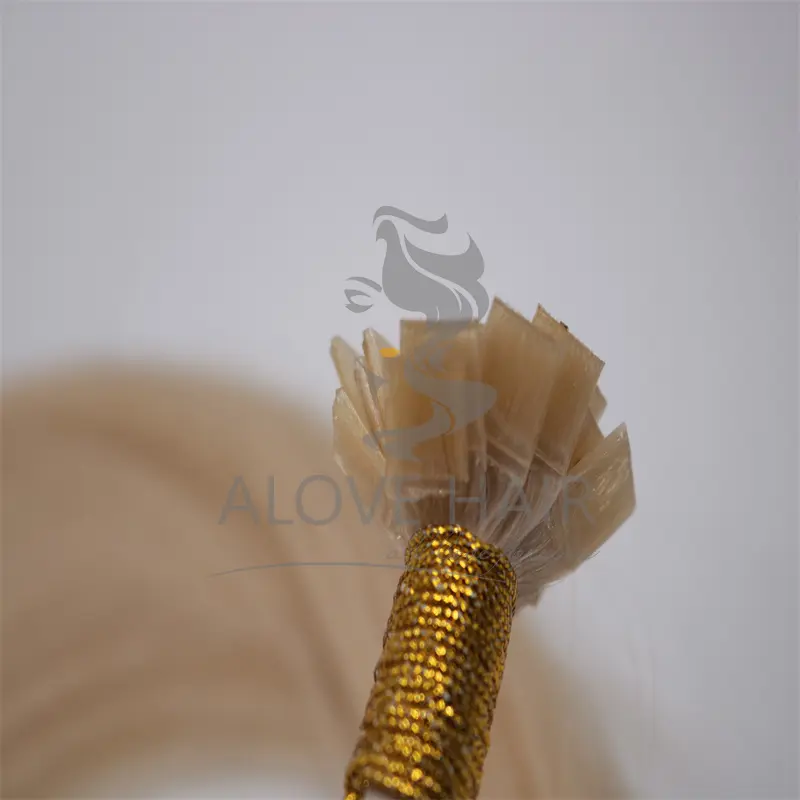
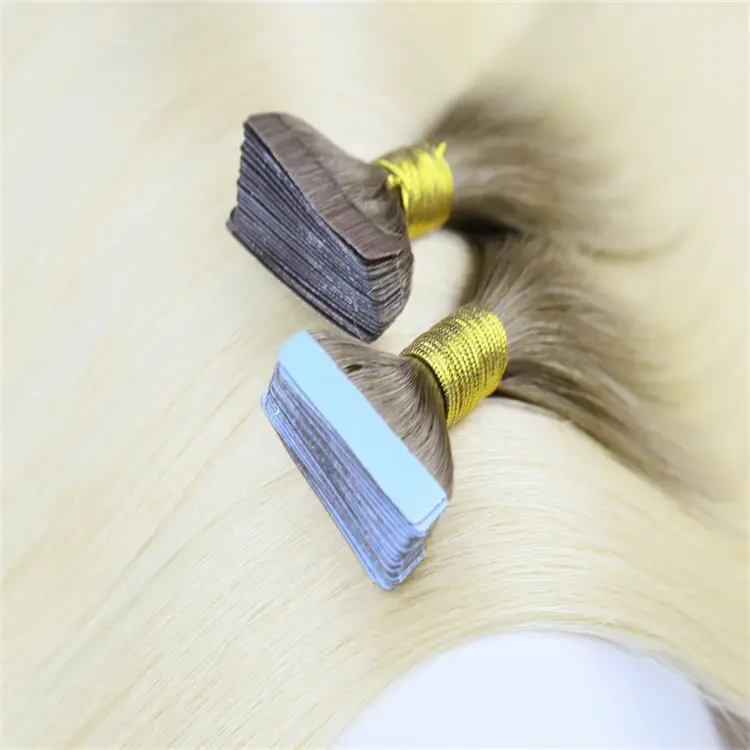
K tip extensions, also known as keratin bond extensions, are individual strands of hair tipped with keratin adhesive. These are bonded to your natural hair using a heat tool that melts the keratin and forms a secure seal.

Keratin is a natural protein found in human hair, which makes this method relatively compatible and long-lasting.

Key Features of K Tip Extensions

  • Applied using heat (fusion method)
  • Individual strand-by-strand installation
  • Long-lasting bond (typically 3–6 months)
  • Lightweight and natural-looking
  • Requires professional installation

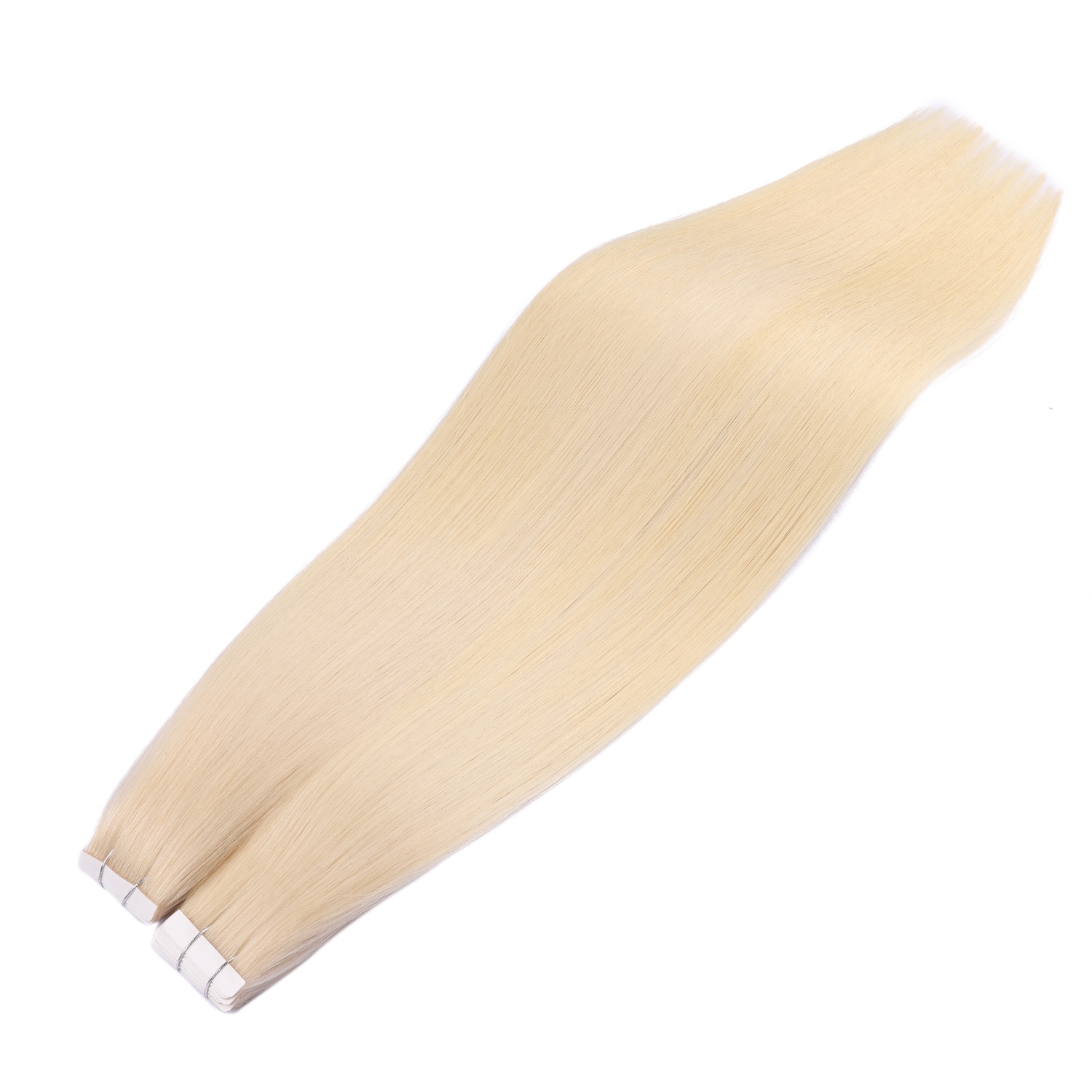
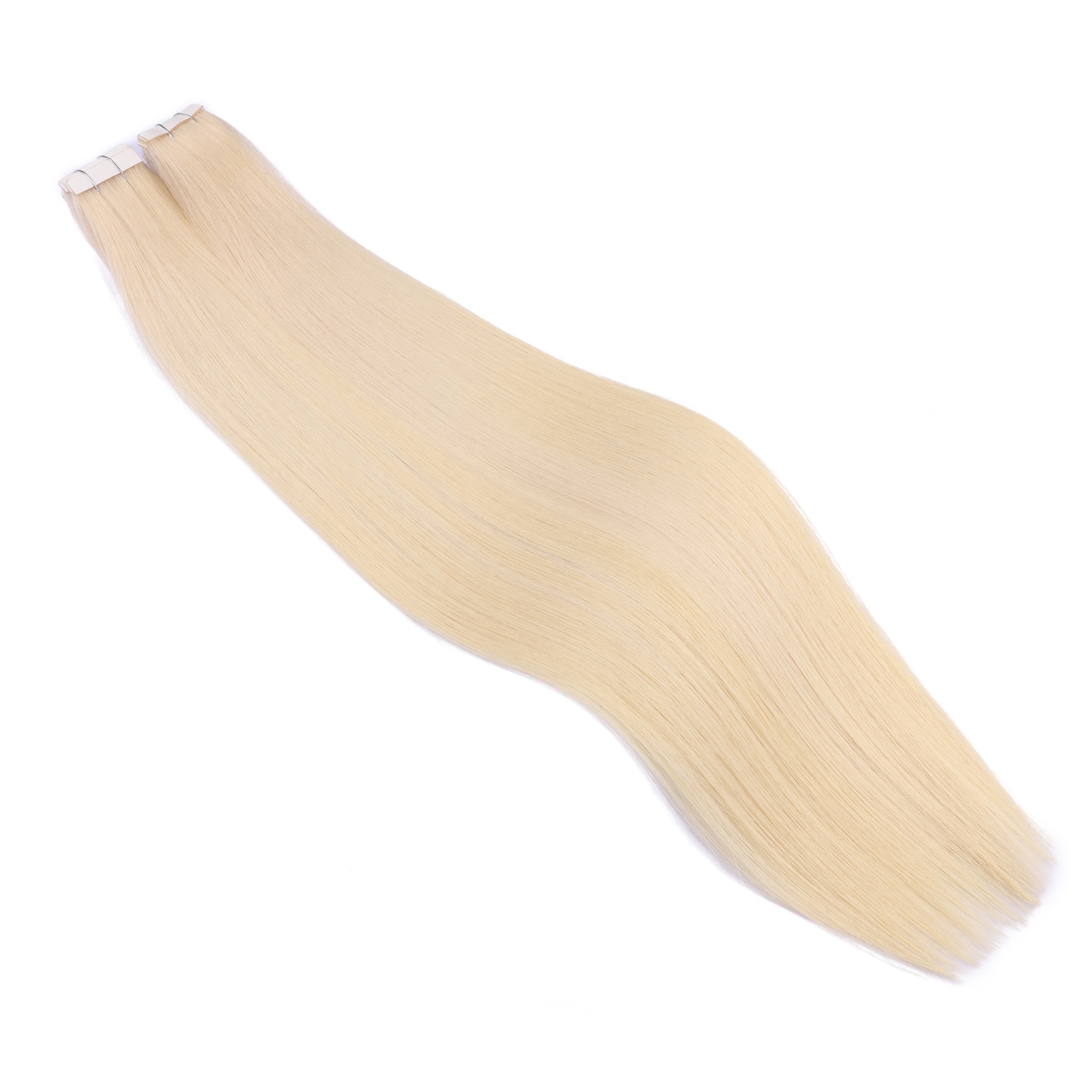
You can check out our K-Tip Extensions product.


What Are I Tip Extensions?

I tip extensions, also called micro bead or micro link extensions, use small metal beads (or silicone-lined beads) to attach extension strands to natural hair—without heat or glue.

Each extension strand has a small “I-shaped” tip that is inserted into a bead along with natural hair, then clamped securely.

Key Features of I Tip Extensions

  • No heat or glue required
  • Reusable hair strands
  • Adjustable and repositionable
  • Medium-term wear (6–10 weeks before maintenance)
  • Easier removal compared to K tips

You can check out our I-Tip Extensions product.


K Tip vs I Tip Extensions: Core Differences

FeatureK Tip ExtensionsI Tip Extensions
Application MethodHeat fusion (keratin bond)Micro beads (no heat)
Installation TimeLong (3–6 hours)Moderate (2–4 hours)
Longevity3–6 months6–10 weeks (maintenance needed)
ReusabilityNoYes
Hair Damage RiskMedium (heat exposure)Low to medium
MaintenanceLow daily maintenanceRequires regular adjustment
CostHigher upfrontModerate upfront, reusable
Natural LookVery naturalNatural but slightly bulkier

Application Process: Step-by-Step Comparison

K Tip Installation Process

  1. Section the natural hair
  2. Place extension strand near root
  3. Use heat tool to melt keratin tip
  4. Roll and bond the keratin around natural hair
  5. Repeat across the head

Time Required: 3–6 hours depending on volume


I Tip Installation Process

  1. Section the natural hair
  2. Thread a bead onto natural hair
  3. Insert I tip strand into bead
  4. Clamp bead securely using pliers
  5. Repeat across the head

Time Required: 2–4 hours


Material and Structure Differences

K Tip Structure

  • Keratin-based adhesive tip
  • Fuses seamlessly with natural hair
  • Bond becomes nearly invisible

I Tip Structure

  • Straight stick-like tip
  • Secured with metal or silicone bead
  • Slightly more visible at roots if not installed properly

Pros and Cons of K Tip Extensions

Advantages

1. Extremely Natural Appearance
K tips blend seamlessly with natural hair, making them nearly undetectable.

2. Long-Lasting Results
They can last up to 6 months with proper care.

3. Strong Bonding
Keratin bonds are durable and resistant to slipping.

4. Ideal for Fine Hair
Lightweight bonds reduce strain on delicate hair.


Disadvantages

1. Heat Application Risk
Improper installation can damage natural hair.

2. Not Reusable
Once removed, the extensions cannot be reapplied.

3. Time-Consuming Installation
Requires several hours in the salon.

4. Higher Cost
Both installation and hair cost are higher.


Pros and Cons of I Tip Extensions

Advantages

1. No Heat or Glue
Safer for hair when installed correctly.

2. Reusable Hair
Extensions can be reused multiple times, reducing long-term cost.

3. Adjustable
Beads can be moved up as hair grows.

4. Faster Installation
Less time in the salon compared to K tips.


Disadvantages

1. Regular Maintenance Needed
Must be adjusted every 6–10 weeks.

2. Potential Slippage
Beads can loosen over time.

3. Slightly Bulkier Feel
Beads may be noticeable, especially in thin hair.

4. Not Ideal for Very Fine Hair
May cause tension or visibility issues.


Which Is Better for Different Hair Types?

Fine Hair

  • Best Choice: K Tip Extensions
  • Reason: Smaller, lighter bonds are less visible

Thick Hair

  • Best Choice: I Tip Extensions
  • Reason: Beads are easier to conceal in dense hair

Short Hair

  • Best Choice: K Tips
  • Reason: Better blending capability

Sensitive or Damaged Hair

  • Best Choice: I Tips
  • Reason: No heat reduces further damage

Maintenance Comparison

K Tip Maintenance

  • Avoid oil near bonds
  • Use sulfate-free shampoo
  • Brush gently with loop brush
  • No need for repositioning

I Tip Maintenance

  • Tighten beads every 6–10 weeks
  • Avoid excessive pulling
  • Regular salon visits required
  • Can reuse hair after adjustment

Cost Analysis

K Tip Extensions

  • Hair cost: High
  • Installation: High
  • Maintenance: Low

Total Cost: High upfront investment


I Tip Extensions

  • Hair cost: Moderate
  • Installation: Moderate
  • Maintenance: Ongoing

Total Cost: Lower upfront, higher long-term maintenance


Lifestyle Considerations

Choose K Tips If You:

  • Want a long-term, low-maintenance solution
  • Prefer a natural, invisible finish
  • Don’t mind higher upfront cost
  • Are okay with heat-based installation

Choose I Tips If You:

  • Prefer no heat or glue methods
  • Want reusable extensions
  • Are okay with regular salon visits
  • Like flexibility and adjustability

Common Mistakes to Avoid

  • Choosing based only on price
  • Ignoring hair type compatibility
  • Skipping professional installation
  • Poor maintenance habits
  • Overloading natural hair with too many extensions

Expert Recommendation: K Tip vs I Tip Extensions

There is no one-size-fits-all answer, but here’s a simplified decision guide:

  • For long-term wear and natural appearance → K Tip Extensions
  • For flexibility, reusability, and safer installation → I Tip Extensions

If your priority is luxury, seamless blending, and durability, K tips are the superior choice.
If your focus is scalp health, adjustability, and cost efficiency, I tips are more practical.


Final Verdict

Both K tip and I tip extensions offer excellent results when applied correctly, but they serve different needs.

  • K tips excel in invisibility and longevity
  • I tips shine in flexibility and reusability

The best choice ultimately depends on your hair type, lifestyle, budget, and willingness to maintain the extensions.

If you’re still unsure, consulting a professional stylist for a personalized assessment is the smartest next step. A proper evaluation ensures your extensions not only look great—but also protect the health of your natural hair.


By understanding the full comparison of K tip vs I tip extensions, you can confidently invest in the method that delivers the best balance of beauty, comfort, and long-term value.

Hair Extensions for Thin Hair Before and After

Introduction

Thin hair can affect not only your hairstyle options but also your overall confidence. Many people struggle with flat roots, lack of volume, and difficulty maintaining styles. Fortunately, modern hair extensions offer powerful solutions that can completely transform thin hair—both visually and structurally.

In this comprehensive guide, we’ll explore hair extensions for thin hair before and after transformations, explain the best extension types, compare methods, analyze results, and provide a clear roadmap for choosing the right solution.


Understanding Thin Hair: The Core Challenges

Before diving into solutions, it’s important to understand why thin hair behaves differently.

Common Characteristics of Thin Hair

  • Low density (fewer strands per square inch)
  • Fine strand diameter
  • Lack of volume and body
  • Easily weighed down by products
  • Difficulty holding curls or styles

Common Problems

  • Visible scalp
  • Flat appearance
  • Limited styling options
  • Breakage and fragility

👉 These challenges make it essential to choose lightweight, discreet extension methods.


Before Hair Extensions: What Thin Hair Typically Looks Like

Visual Characteristics

  • Limp and flat hair
  • Minimal root lift
  • Lack of fullness at ends
  • Uneven appearance

Styling Limitations

  • Ponytails look thin
  • Braids appear sparse
  • Layers lack structure

Emotional Impact

  • Reduced confidence
  • Frustration with styling

After Hair Extensions: The Transformation

Hair extensions can create dramatic improvements.

Immediate Visual Results

  • Fuller, thicker appearance
  • Balanced density from root to ends
  • Improved hair shape and structure

Styling Improvements

  • Voluminous ponytails
  • Defined curls and waves
  • More versatile hairstyles

Confidence Boost

Many users report:

  • Increased self-esteem
  • More styling freedom
  • Better overall appearance

👉 The transformation is often described as “instant volume and confidence.”

Nano Ring Extensions


Best Hair Extensions for Thin Hair

Not all extensions are suitable for thin hair. Choosing the wrong type can cause damage or look unnatural.


1. Genius Weft Hair Extensions

Why They Work for Thin Hair

  • Ultra-thin seam
  • Lightweight
  • Lies flat against the scalp

Before vs After

Before:

  • Flat roots
  • Visible scalp

After:

  • Natural volume
  • Seamless blending

👉 Ideal for clients wanting volume without bulk


2. Tape-In Hair Extensions

Advantages

  • Thin adhesive strips
  • Quick installation
  • Lightweight

Before vs After

Before:

  • Thin ends
  • Uneven density

After:

  • Fuller length
  • Balanced appearance

👉 One of the most popular options for thin hair


3. K-Tip (Keratin Bond) Extensions

Advantages

  • Individual strand application
  • Highly natural look

Before vs After

Before:

  • Sparse hair
  • Limited styling

After:

  • Natural movement
  • Invisible integration

👉 Best for premium, long-term results


4. Clip-In Extensions (Temporary)

Advantages

  • No permanent installation
  • Easy to use

Before vs After

Before:

  • Flat hair

After:

  • Instant volume (temporary)

👉 Ideal for occasional use


Extensions to Avoid for Thin Hair

Some methods may not be suitable:

Heavy Machine Wefts

  • Too bulky
  • Can cause tension

Poor-Quality Synthetic Hair

  • Looks unnatural
  • Tangles easily

Before and After Comparison Table

FeatureBefore ExtensionsAfter Extensions
VolumeLowHigh
DensityUnevenBalanced
StylingLimitedVersatile
AppearanceFlatFull
ConfidenceLowHigh

Real Transformation Scenarios

Case 1: Fine Shoulder-Length Hair

Before:

  • Thin ends
  • Lack of shape

After (Tape-Ins):

  • Fuller length
  • Natural movement

Case 2: Sparse Crown Area

Before:

  • Visible scalp

After (K-Tips):

  • Increased density
  • Invisible blending

Case 3: Flat Long Hair

Before:

  • No volume

After (Genius Wefts):

  • Lifted roots
  • Fuller body

How to Choose the Right Extensions for Thin Hair

1. Consider Hair Density

  • Very thin → K-Tips or Tape-Ins
  • Medium thin → Genius Wefts

2. Consider Lifestyle

  • Active lifestyle → K-Tips
  • Busy schedule → Tape-Ins

3. Consider Budget

  • Budget-friendly → Tape-Ins
  • Premium → K-Tips or Genius Wefts

4. Consider Styling Needs

  • High styling flexibility → K-Tips
  • Volume-focused → Genius Wefts

Installation Tips for Thin Hair

  • Use lightweight extensions
  • Avoid overloading hair
  • Maintain proper spacing
  • Always use professional stylists

Maintenance Tips

Daily Care

  • Use sulfate-free shampoo
  • Brush gently

Weekly Care

  • Deep conditioning
  • Avoid heavy oils near bonds

Salon Maintenance

  • Regular repositioning
  • Professional check-ups

Common Mistakes to Avoid

  • Choosing heavy extensions
  • DIY installation
  • Skipping maintenance
  • Using low-quality hair

Cost Analysis

Typical Price Range

TypeCost Range
Tape-Ins$150–$600
Genius Wefts$300–$800
K-Tips$500–$1500

Market Trends (2026)

  • Growing demand for lightweight extensions
  • Increased use of Remy human hair
  • Focus on natural results

Benefits of Hair Extensions for Thin Hair

1. Instant Volume

  • Immediate transformation

2. Styling Freedom

  • More hairstyle options

3. Confidence Boost

  • Improved self-image

4. Long-Term Solution

  • Semi-permanent results

Final Recommendation

Best Choices by Need

  • Best overall: Tape-Ins
  • Best premium: K-Tips
  • Best for volume: Genius Wefts

Conclusion

The transformation of hair extensions for thin hair before and after is truly remarkable.

From:

  • Flat, lifeless hair

To:

  • Full, voluminous, and stylish hair

modern extensions provide solutions for every need and budget.

The key to success lies in:

  • Choosing the right method
  • Using high-quality hair
  • Working with professionals

Because when thin hair meets the right extensions, the result isn’t just more hair—it’s a whole new level of confidence (and finally, a ponytail that doesn’t disappear when you turn sideways).

Genius Wefts VS K-Tips Hair Extensions

In today’s professional hair extension market, two of the most in-demand methods are Genius Wefts and K-Tips (Keratin Tip) Hair Extensions. Both are premium solutions designed to deliver natural-looking, long-lasting results, but they differ significantly in application, comfort, maintenance, cost, and overall performance.

If you’re a salon owner, stylist, distributor, or end-user, understanding the differences between these two methods is essential. This guide provides a detailed, side-by-side comparison to help you confidently choose the best option.


What Are Genius Wefts?

Genius Wefts are an advanced type of weft hair extension that combines the thinness of hand-tied wefts with the durability of machine wefts.

Key Features

  • Ultra-thin, flexible seam
  • Can be cut anywhere without shedding
  • Lightweight and flat against the scalp
  • Installed using sew-in or bead methods

👉 Often considered a next-generation weft technology.


What Are K-Tips Hair Extensions?

K-Tips (Keratin Tips) are individual strand extensions bonded to natural hair using heat-activated keratin glue.

Key Features

  • Strand-by-strand installation
  • Heat fusion application
  • Small, discreet bonds
  • Long-lasting hold

👉 Known as a high-end, semi-permanent solution.


Core Differences Between Genius Wefts and K-Tips

1. Installation Method

Genius Wefts:

  • Installed using beads or sewing
  • No heat required
  • Faster application (1–2 hours)

K-Tips:

  • Installed strand by strand
  • Requires heat tool
  • Time-consuming (2–4 hours)

👉 Winner: Genius Wefts (faster & safer installation)


2. Hair Structure & Coverage

Genius Wefts:

  • Continuous weft strip
  • Covers larger areas quickly
  • Ideal for adding volume

K-Tips:

  • Individual strands
  • Precise placement
  • Ideal for detailed blending

👉 Winner: Depends on need

  • Volume → Genius Wefts
  • Precision → K-Tips

3. Natural Appearance

Genius Wefts:

  • Very flat and discreet
  • Slightly detectable in very fine hair

K-Tips:

  • Virtually invisible bonds
  • Blends seamlessly with natural hair

👉 Winner: K-Tips (most natural finish)


4. Comfort and Weight

Genius Wefts:

  • Lightweight
  • Even weight distribution
  • Comfortable for daily wear

K-Tips:

  • Very lightweight per strand
  • No tension points

👉 Winner: Tie (both comfortable)


5. Styling Flexibility

Genius Wefts:

  • Limited in high ponytails (tracks may show)
  • Suitable for most styles

K-Tips:

  • Full 360° styling freedom
  • Ideal for updos and high ponytails

👉 Winner: K-Tips


6. Durability and Lifespan

Genius Wefts:

  • 6–8 weeks before maintenance
  • Hair reusable multiple times

K-Tips:

  • 3–5 months lifespan
  • Not reusable

👉 Winner:

  • Long-term wear → K-Tips
  • Reusability → Genius Wefts

7. Maintenance Requirements

Genius Wefts:

  • Requires repositioning
  • Easier salon maintenance

K-Tips:

  • Requires careful brushing and product use
  • Professional removal needed

👉 Winner: Genius Wefts (easier maintenance)


8. Cost Comparison

Genius Wefts:

  • Medium to high cost
  • Reusable → better long-term value

K-Tips:

  • High cost
  • Single-use → higher long-term expense

👉 Winner: Genius Wefts (better ROI)


Comparison Table

FeatureGenius WeftsK-Tips
InstallationFast, no heatSlow, heat required
Natural LookVery naturalUltra-natural
FlexibilityMediumHigh
ReusabilityYesNo
Lifespan6–8 weeks3–5 months
MaintenanceEasyModerate
CostMediumHigh
ComfortHighHigh

Pros and Cons Summary

Genius Wefts Pros

  • Fast installation
  • No heat damage
  • Reusable hair
  • Cost-effective long term
  • Easy customization

Genius Wefts Cons

  • Slightly less invisible than K-Tips
  • Limited styling for high updos

K-Tips Pros

  • Most natural appearance
  • Full styling freedom
  • Long-lasting results
  • No visible tracks

K-Tips Cons

  • Expensive
  • Time-consuming installation
  • Not reusable
  • Heat application required

Best Application Scenarios

Choose Genius Wefts If:

  • You want faster installation
  • You prefer reusable extensions
  • You need volume enhancement
  • You run a busy salon environment

Choose K-Tips If:

  • You want the most invisible result
  • You need maximum styling flexibility
  • You prefer long-term wear without adjustments
  • You offer premium salon services

Professional Stylist Insight

Many stylists describe the difference like this:

  • Genius Wefts → “Efficient, flexible, and cost-effective”
  • K-Tips → “Luxury precision with flawless blending”

Market Trends in 2026

  • Growing demand for lightweight, natural-looking extensions
  • Genius Wefts gaining popularity due to efficiency and versatility
  • K-Tips remain dominant in high-end salons and bridal styling

Final Decision Guide

If your priority is:

  • Speed + cost efficiency → Genius Wefts
  • Perfection + invisibility → K-Tips

Conclusion

The comparison between Genius Wefts vs K-Tips Hair Extensions ultimately comes down to application style, budget, and desired results.

  • Genius Wefts offer versatility, reusability, and efficiency
  • K-Tips deliver unmatched natural appearance and styling freedom

For salons, offering both options allows you to serve a wider range of clients and maximize business potential.

👉 Because in the world of hair extensions, the best choice isn’t universal—it’s the one that fits your client’s lifestyle, budget, and beauty goals perfectly.

k tip hair extensions pros and cons

K tip hair extensions—also known as keratin tip, fusion, or pre-bonded extensions—remain one of the most sought-after methods in the professional salon industry. Loved for their natural look, long-lasting results, and discreet installation, they are often considered the gold standard for clients seeking a seamless transformation.

However, like any hair extension method, K tip extensions come with both advantages and limitations. This comprehensive guide explores the pros and cons of K tip hair extensions, along with performance analysis, application techniques, maintenance requirements, cost considerations, and comparisons with other popular methods.


What Are K Tip Hair Extensions?

K tip hair extensions are individual strands of hair pre-bonded with a keratin-based adhesive tip. These tips are attached to natural hair using a heat fusion tool, which melts the keratin and bonds it securely to the client’s hair.

Key Features

  • Individual strand-by-strand application
  • Keratin protein bond (similar to natural hair structure)
  • Long-lasting hold (8–12 weeks or longer)
  • Highly customizable placement

How K Tip Extensions Work

The installation process involves:

  1. Sectioning the natural hair
  2. Placing a keratin-tipped extension strand near the root
  3. Using a heat tool to soften the keratin
  4. Rolling the bond to secure it

This process creates a small, discreet bond that blends naturally with the client’s hair.

K-tip Extensions


Pros of K Tip Hair Extensions

1. Extremely Natural Appearance

K tip extensions are known for their invisible finish. Because they are applied strand by strand:

  • They move naturally with the hair
  • Bonds are small and discreet
  • Ideal for fine or thin hair

👉 This makes them one of the most undetectable extension methods available.


2. Long-Lasting Results

Compared to other methods:

  • Lifespan: 3–5 months (with proper care)
  • Strong keratin bond prevents slipping
  • Suitable for long-term wear

👉 Perfect for clients who want a semi-permanent solution.


3. 360° Styling Flexibility

K tip extensions allow:

  • High ponytails
  • Braids
  • Updos
  • Heat styling

Because there are no wefts or tapes, styling options are unlimited.


4. Lightweight and Comfortable

Each strand is small and evenly distributed, resulting in:

  • Less tension on the scalp
  • Natural weight distribution
  • Comfortable long-term wear

5. Strong Bonding Technology

Keratin bonds are:

  • Durable
  • Resistant to heat and humidity
  • Less likely to slip compared to tape-ins

6. Customizable Volume and Placement

Stylists can:

  • Add volume where needed
  • Blend layers seamlessly
  • Customize density and length

👉 Ideal for precision styling and high-end results.


Cons of K Tip Hair Extensions

1. Time-Consuming Installation

  • Installation time: 2–4 hours
  • Requires skilled professionals

👉 Not ideal for clients seeking quick application.


2. Higher Cost

K tip extensions are one of the most expensive options:

  • Hair cost: Premium Remy hair
  • Labor cost: High due to detailed work

👉 Total cost can range from $300 to $1,500+


3. Heat Application Risk

The installation process uses heat, which may:

  • Cause minor damage if done incorrectly
  • Be unsuitable for extremely fragile hair

👉 Professional application is essential.


4. Difficult Removal Process

Removal requires:

  • Special solution to break keratin bonds
  • Professional tools

👉 Improper removal can damage natural hair.


5. Not Reusable

Unlike some other methods:

  • K tip extensions are single-use
  • Cannot be reinstalled after removal

👉 Increases long-term cost.


6. Maintenance Requirements

Clients must:

  • Avoid oil near bonds
  • Brush carefully
  • Schedule regular salon visits

👉 Requires more commitment than temporary methods.


K Tip vs Other Hair Extension Methods

K Tip vs Tape-In Extensions

FeatureK TipTape-In
Longevity3–5 months6–8 weeks
ReusabilityNoYes
Installation TimeLongShort
AppearanceMore naturalSlightly visible

👉 Winner: K tip for natural look, tape-in for convenience


K Tip vs Sew-In Wefts

FeatureK TipSew-In
ComfortHighMedium
InstallationIndividualBraided base
FlexibilityHighModerate

👉 Winner: K tip for flexibility


K Tip vs Clip-In Extensions

FeatureK TipClip-In
PermanenceSemi-permanentTemporary
Daily UseNo removal neededRemove daily
CostHigherLower

👉 Winner: Depends on lifestyle


Who Should Choose K Tip Extensions?

Ideal For:

  • Clients seeking long-term results
  • Those who want natural, invisible extensions
  • Fine or thin hair types
  • High-end salon clients

Not Ideal For:

  • Clients on a budget
  • Those wanting quick installation
  • Very damaged or weak hair

Cost Analysis

Initial Cost Breakdown

  • Hair extensions: $150 – $800
  • Installation: $150 – $700

Maintenance Cost

  • Salon visits every 6–8 weeks
  • Professional removal costs

Long-Term Cost

Higher than reusable methods due to single-use nature.


Maintenance Tips

To maximize lifespan:

  • Use sulfate-free shampoo
  • Avoid oils near bonds
  • Brush gently with extension brushes
  • Tie hair loosely while sleeping

Common Mistakes to Avoid

  • DIY installation
  • Using excessive heat tools
  • Skipping maintenance appointments
  • Improper removal

👉 These can lead to hair damage or bond failure.


Professional Insights

Stylists often recommend K tip extensions for:

  • Bridal styling
  • Luxury salon services
  • Clients wanting maximum realism

They are considered:

“The most natural-looking but also the most skill-dependent extension method.”


Market Trends (2026)

  • Increasing demand for keratin-based extensions
  • Growth in premium salon services
  • Shift toward cuticle-aligned Remy hair
  • Focus on client comfort and natural results

Pros and Cons Summary

Pros

  • Ultra-natural appearance
  • Long-lasting
  • Flexible styling
  • Comfortable wear
  • Strong bonding

Cons

  • Expensive
  • Time-consuming installation
  • Not reusable
  • Requires professional removal
  • Maintenance intensive

Final Recommendation

K tip hair extensions are best suited for:

  • Clients who prioritize quality over cost
  • Stylists offering premium services
  • Long-term wear without frequent adjustments

If you want:

  • Maximum realism → choose K tip
  • Lower cost & flexibility → consider tape-ins or wefts

Conclusion

The pros and cons of K tip hair extensions clearly show why they remain a top-tier option in the beauty industry.

They offer:

  • Exceptional natural appearance
  • Long-lasting results
  • Professional-grade performance

But require:

  • Higher investment
  • Skilled installation
  • Proper maintenance

In the end, K tip extensions are not just a beauty upgrade—they are a precision-crafted solution for clients who want flawless, long-term results.

👉 Because when it comes to hair extensions, the difference between “good” and “wow” is often just a tiny keratin bond away.

Top 10 Hair Extensions Manufacturers in 2026: Complete Guide

Introduction

The global hair extension market in 2026 is more competitive than ever, driven by rising demand for premium Remy hair, customization, and private label branding. Whether you are a distributor, salon owner, or launching your own hair brand, choosing the right manufacturer is critical.

This guide introduces the top 10 hair extension manufacturers in 2026, with a deep analysis of their strengths, customization capabilities, and wholesale policies, helping you find the best long-term partner.


1. Qingdao ALOVE Hair Products Co., Ltd. (China)

Strengths

  • Over 30+ years of experience
  • Specializes in Genius Weft and cuticle-intact Remy hair
  • Strong color processing technology
  • High customer retention (90%+)

Customization

  • Full OEM/ODM services
  • Custom color, length, texture
  • Private label packaging

Wholesale Policy

  • Low MOQ for distributors
  • Bulk pricing discounts
  • Global shipping

👉 Best for: Distributors & salon brands seeking high-quality wefts


2. Great Lengths (Italy)

Strengths

  • Luxury positioning
  • Ethical sourcing & traceability
  • Advanced patented processing

Customization

  • Limited private label options
  • Focus on salon-exclusive systems

Wholesale Policy

  • High MOQ
  • Premium pricing

👉 Best for: High-end salons and luxury markets


3. Hairdreams (Austria)

Strengths

  • Medical-grade and luxury solutions
  • Strong European compliance
  • Excellent softness and comfort

Customization

  • Limited OEM
  • Focus on proprietary systems

Wholesale Policy

  • High MOQ
  • Premium distribution model

👉 Best for: Clinics and premium salons


4. Indique Hair (USA)

Strengths

  • Focus on textured and natural hair markets
  • Ethically sourced Indian hair
  • Strong brand trust

Customization

  • Limited customization
  • Focus on finished retail products

Wholesale Policy

  • Moderate MOQ
  • Brand-focused distribution

👉 Best for: Textured hair niche markets


5. Bellami Hair (USA)

Strengths

  • One of the most recognized global brands
  • Wide product range (clip-ins, tape-ins, wefts)
  • Strong marketing and influencer presence

Customization

  • Limited OEM
  • Strong ready-to-sell product lines

Wholesale Policy

  • Salon partnership programs
  • Premium pricing

👉 Best for: Retail brands and influencer-driven markets


6. Hibiscus Hair Manufacturer (China)

Strengths

  • 25+ years manufacturing experience
  • Single-donor raw hair sourcing
  • High durability (1–2 years lifespan)

Customization

  • Full customization (color, weight, texture)
  • OEM & private label support

Wholesale Policy

  • Factory-direct pricing
  • Flexible MOQ

👉 Best for: Bulk buyers and private label brands


7. VIVACROWN (China)

Strengths

  • Focus on natural appearance and hair toppers
  • Affordable luxury positioning
  • Strong design innovation

Customization

  • Custom density, base design, and colors

Wholesale Policy

  • Medium MOQ
  • Brand collaboration support

👉 Best for: Hair loss solutions and topper brands


8. GISTAR Hair (China)

Strengths

  • Strong presence in US/EU markets
  • Wide product range (wefts, tape-ins, nano rings)
  • Excellent customer service

Customization

  • 100% customization (even 1 piece MOQ possible)
  • Logo branding & dropshipping

Wholesale Policy

  • Very low MOQ
  • Ideal for startups

👉 Best for: New brands and small businesses


9. Rebecca Hair Products (China)

Strengths

  • Publicly listed company
  • Large-scale production
  • Stable quality and compliance

Customization

  • OEM/ODM services
  • Large volume production

Wholesale Policy

  • Higher MOQ
  • Best for large distributors

👉 Best for: Enterprise-level buyers


10. Hair Choice Extensions Ltd (UK)

Strengths

  • 20+ years experience
  • Wide product selection
  • Focus on salon professionals

Customization

  • Limited OEM
  • Focus on ready products

Wholesale Policy

  • Flexible distribution
  • Mid-range pricing

👉 Best for: European salons and distributors


Manufacturer Comparison Table

ManufacturerPrice LevelCustomizationMOQBest For
ALOVE HairMediumHighLowWeft specialists
Great LengthsHighLowHighLuxury salons
HairdreamsHighLowHighMedical & premium
Indique HairMediumMediumMediumTextured hair
Bellami HairHighLowMediumRetail brands
Hibiscus HairMediumHighLowWholesale
VIVACROWNMediumMediumMediumHair toppers
GISTAR HairMediumVery HighVery LowStartups
Rebecca HairMediumHighHighLarge buyers
Hair Choice UKMediumLowMediumEU salons

How to Choose the Right Manufacturer

1. For Private Label Brands

Choose:

  • ALOVE Hair
  • GISTAR Hair
  • Hibiscus Hair

👉 Why: Strong OEM and branding support


2. For Premium Salons

Choose:

  • Great Lengths
  • Hairdreams

👉 Why: High-end quality and reputation


3. For Budget & Volume Buyers

Choose:

  • Chinese manufacturers

👉 Why: Competitive pricing and scalability


4. For Niche Markets

Choose:

  • Indique Hair (textured hair)
  • VIVACROWN (hair toppers)

Market Trends in 2026

  • Genius Wefts are replacing traditional wefts
  • Demand for cuticle-aligned Remy hair is increasing
  • Private label brands are growing rapidly
  • Buyers prefer low MOQ + fast delivery suppliers

Final Thoughts

The top hair extension manufacturers in 2026 fall into three main categories:

  • Premium brands → High quality, high price
  • Chinese factories → Best customization and value
  • Niche brands → Specialized markets

👉 The best supplier depends on your business model:

  • Want branding? → OEM factory
  • Want prestige? → European brand
  • Want profit margins? → Chinese manufacturer

Conclusion

Choosing the right hair extension manufacturer is not just about price—it’s about quality consistency, customization ability, and long-term partnership potential.

In 2026, the winners in this industry are those who can deliver:

  • Stable quality
  • Flexible customization
  • Competitive wholesale pricing

Because in the hair business, your supplier isn’t just a vendor—it’s your silent business partner behind every strand you sell.

Genius Weft vs Machine Weft: Complete Comparison Guide

Introduction

In the professional hair extension industry, choosing the right weft type can significantly impact installation results, client comfort, durability, and overall satisfaction. Among the most popular options today are Genius Wefts and Machine Wefts.

While both are widely used in salons, they differ greatly in construction, thickness, flexibility, cost, and performance. This guide provides a detailed, side-by-side comparison, helping stylists, salon owners, and distributors make the right choice based on real-world needs.


What Is a Genius Weft?

A Genius Weft is an advanced type of hair extension weft designed to combine the thinness of hand-tied wefts with the durability of machine wefts.

Key Characteristics

  • Ultra-thin and flexible seam
  • Can be cut anywhere without shedding
  • Lightweight and comfortable
  • Minimal bulk at the root

Genius wefts are often considered a premium innovation, offering both performance and versatility.


What Is a Machine Weft?

A Machine Weft is a traditional hair extension created by sewing hair strands together using industrial machines.

Key Characteristics

  • Thick and strong seam
  • Cannot be cut (or will shed)
  • More durable structure
  • Cost-effective

Machine wefts have been widely used for decades and remain popular due to their affordability and strength.


Core Differences Between Genius Weft and Machine Weft

1. Weft Thickness and Appearance

Genius Weft:

  • Extremely thin seam
  • Lies flat against the scalp
  • Invisible after installation

Machine Weft:

  • Thick seam
  • Can feel bulky
  • More visible in fine hair

👉 Winner: Genius Weft (more natural look)


2. Flexibility and Customization

Genius Weft:

  • Can be cut freely without unraveling
  • Ideal for custom head shapes
  • Reduces waste

Machine Weft:

  • Cannot be cut
  • Requires folding at ends
  • Less flexible

👉 Winner: Genius Weft


3. Comfort and Wearability

Genius Weft:

  • Lightweight
  • Minimal tension on scalp
  • Comfortable for long-term wear

Machine Weft:

  • Heavier
  • Can cause pressure points
  • Less comfortable for sensitive clients

👉 Winner: Genius Weft


4. Durability and Strength

Genius Weft:

  • Reinforced structure
  • Low shedding even after cutting

Machine Weft:

  • Very strong stitching
  • Excellent durability when intact

👉 Winner: Tie (both durable, different strengths)


5. Installation Efficiency

Genius Weft:

  • Faster installation
  • Easy customization
  • No folding required

Machine Weft:

  • Slower installation
  • Requires adjustments

👉 Winner: Genius Weft


6. Shedding Performance

Genius Weft:

  • Minimal shedding
  • Designed to maintain integrity after cutting

Machine Weft:

  • Low shedding if not cut
  • High shedding if cut

👉 Winner: Genius Weft


7. Cost Comparison

Genius Weft:

  • Higher price (premium product)

Machine Weft:

  • Lower cost
  • Budget-friendly

👉 Winner: Machine Weft (for price)


Comparison Table

FeatureGenius WeftMachine Weft
ThicknessUltra-thinThick
AppearanceInvisibleVisible
CuttableYesNo
ComfortHighMedium
InstallationEasyModerate
SheddingVery lowLow (if intact)
DurabilityHighVery high
PriceHigherLower

Application Scenarios

Genius Weft Is Best For:

  • High-end salons
  • Clients with fine or thin hair
  • Natural, invisible installations
  • Custom hair extension services

Machine Weft Is Best For:

  • Budget-conscious clients
  • Thick hair types
  • High-volume installations
  • Beginner stylists

Pros and Cons Summary

Genius Weft Pros

  • Ultra-natural appearance
  • Lightweight and comfortable
  • Fully customizable
  • Minimal shedding

Genius Weft Cons

  • Higher cost
  • Requires skilled installation for best results

Machine Weft Pros

  • Affordable
  • Strong and durable
  • Widely available

Machine Weft Cons

  • Bulky seam
  • Limited customization
  • Less comfortable

How to Choose the Right Option

Choose Genius Weft If You Want:

  • Premium results
  • Invisible finish
  • Flexible installation
  • High client satisfaction

Choose Machine Weft If You Want:

  • Lower cost
  • Strong structure
  • Simple applications
  • Bulk purchasing

Market Trend Insight

The global hair extension market is shifting toward lighter, more natural-looking solutions. As a result:

  • Genius wefts are gaining popularity in high-end salons
  • Machine wefts remain dominant in mass-market segments

Professional Stylist Perspective

Many professional stylists describe Genius Wefts as:

“The perfect balance between hand-tied elegance and machine weft durability.”

Meanwhile, machine wefts are often seen as:

“Reliable and cost-effective, but less refined.”


Final Recommendation

Both Genius Wefts and Machine Wefts serve important roles in the hair extension industry. The right choice depends on your budget, client expectations, and installation goals.

Quick Decision Guide:

  • For luxury salons and premium clients → Genius Weft
  • For budget-friendly or bulk use → Machine Weft

Conclusion

The comparison between Genius Weft vs Machine Weft ultimately comes down to performance vs cost.

  • Genius Wefts deliver superior comfort, invisibility, and flexibility
  • Machine Wefts provide durability and affordability

In today’s competitive beauty market, offering both options can help salons serve a wider range of clients and maximize revenue.

👉 Because at the end of the day, the best hair extension isn’t just about how it looks—it’s about how it feels, lasts, and fits your client’s lifestyle.

How to Apply Weft Hair Extensions with Beads

Learn how to apply weft hair extensions with beads using this step-by-step professional guide. Includes tools, techniques, data tables, and expert tips for flawless Genius Weft installation.


Applying weft hair extensions with beads has become one of the most popular semi-permanent installation methods among professional stylists and salon owners. This technique offers a secure, reusable, and low-damage solution that clients increasingly prefer over traditional glue or tape methods. In this comprehensive guide, we will walk through the full installation process, supported by industry research data, practical tables, and professional tips to help you achieve flawless results.

Whether you are a beginner stylist or an experienced professional looking to refine your technique, this step-by-step tutorial will help you master bead-in weft installation — especially when working with high-quality products such as Genius Weft.


What Are Weft Hair Extensions with Beads?

Weft hair extensions with beads (also called beaded weft or sew-in weft with micro beads) involve attaching a hair weft to the client’s natural hair using silicone-lined micro beads. The beads act as anchors, creating a stable foundation without the need for glue, heat, or harsh chemicals.

Key Benefits

  • Minimal damage to natural hair
  • Reusable hair wefts
  • Comfortable and lightweight feel
  • Flexible placement options
  • Long wear time (6–10 weeks average)

According to a 2024 professional salon survey, bead-in weft installations have grown significantly in popularity compared with traditional methods.

Popularity of Extension Methods

Extension MethodUsage RateAverage Client Satisfaction
Tape-in32%4.3/5
Beaded Weft41%4.6/5
Keratin Bond15%4.1/5
Clip-in12%4.0/5

Source: Independent salon industry survey, 2024

The data clearly shows that beaded weft methods now lead in both usage and satisfaction.


Tools and Materials Needed

Before starting the installation, ensure you have professional-grade tools ready.

Essential Tools Checklist

  • Silicone-lined micro beads
  • Loop tool or pulling needle
  • Professional extension pliers
  • Sectioning clips
  • Tail comb
  • Thread and curved needle (for sew-in method)
  • High-quality weft hair (recommended: Genius Weft)

Using premium tools significantly reduces installation time and improves retention.

View related products:

Wholesale human hair products 3mm micro beads

Hair Extensions Micro Rings Links Beads 5mm Silicone Lined Beads for Human Hair Extensions Tool

Recommended Bead Specifications

Hair TypeBead SizeBead MaterialRecommended Quantity
Fine hair3.0 mmSilicone-lined aluminum80–120
Medium hair4.0 mmSilicone-lined aluminum100–150
Thick hair5.0 mmReinforced silicone bead120–180

Step-by-Step: How to Apply Weft Hair Extensions with Beads

Step 1: Prepare the Client’s Hair

Proper preparation ensures maximum longevity and comfort.

Preparation checklist:

  1. Wash hair with clarifying shampoo (no conditioner at roots)
  2. Blow-dry completely
  3. Detangle thoroughly
  4. Create clean horizontal partings

Research shows that improper preparation can reduce extension retention by up to 35%.


Step 2: Section the Hair

Create a clean horizontal section about 1–1.5 inches above the nape. Clip the remaining hair securely.

Pro Tip: Always follow the client’s head shape to maintain a natural fall.

Section Placement Guidelines

Head AreaDistance from HairlineNotes
Nape row1–1.5 inchesAvoid too low placement
Middle row1 inch apartMost volume added here
Crown row2 inches from topPrevent visibility

Step 3: Install the Micro Beads

Using a loop tool:

  1. Thread a small section of natural hair through the bead
  2. Slide the bead close to the scalp (not tight)
  3. Clamp gently with pliers

Important: Leave about 2–3 mm from the scalp for comfort and mobility.

Ideal Bead Tension Levels

Tension LevelResultRisk Level
Too tightClient discomfortHigh
Moderate (recommended)Secure + comfortableLow
Too looseSlippageMedium

Professional stylists report that moderate tension improves retention by approximately 28%.


Step 4: Attach the Weft (Genius Weft Recommended)

Once the bead row is complete, place the weft along the bead foundation.

Two common methods:

  • Bead + sew method (most secure)
  • Bead sandwich method (faster installation)

Sew-In Method (Professional Standard)

  1. Position the Genius Weft along the bead row
  2. Use curved needle and thread
  3. Stitch through each bead anchor
  4. Tie secure knots at both ends

This method offers the longest wear time and is preferred by most high-end salons.


Step 5: Blend and Cut

After installation:

  • Release the top sections
  • Check for gaps
  • Trim and blend the extensions
  • Style as desired

A proper blend is critical for a natural appearance. According to industry feedback, blending quality influences client satisfaction more than hair length itself.


How Long Do Beaded Weft Extensions Last?

Longevity depends on installation quality, hair type, and aftercare.

Average Wear Time by Method

Installation QualityAverage Wear Time
Beginner install4–6 weeks
Professional install6–10 weeks
Premium Genius Weft + pro install8–12 weeks

Common Mistakes to Avoid

Even experienced stylists can encounter issues. Avoid these frequent errors:

Placing beads too close to the scalp

Causes discomfort and tension headaches.

Using low-quality wefts

Poor-quality hair tangles faster and sheds more.

Overloading each bead

Too much hair inside the bead leads to slipping.

Incorrect row spacing

Improper spacing creates visible tracks.


Professional Aftercare Guidelines

Client education is essential for retention and hair health.

Recommended Aftercare Routine

  • Brush with loop brush twice daily
  • Wash 2–3 times per week
  • Avoid heavy oils near beads
  • Sleep with loose braid
  • Return for maintenance every 6–8 weeks

Impact of Aftercare on Extension Lifespan

Aftercare QualityAverage Lifespan
Poor maintenance4–5 weeks
Basic maintenance6–8 weeks
Professional maintenance8–12 weeks

Data shows proper aftercare can extend wear time by up to 60%.


Why Genius Weft Is Ideal for Beaded Installation

Not all wefts perform equally in bead installations. Genius Weft has become increasingly popular among professional stylists for several technical reasons.

Structural Advantages

  • Ultra-thin top seam for invisible lay
  • Durable double-drawn strands
  • Minimal shedding construction
  • Flexible cutting without unraveling

Performance Comparison

FeatureStandard Machine WeftHand-Tied WeftGenius Weft
ThicknessMediumVery thinUltra-thin
Cut without sheddingNoNoYes
Installation speedMediumSlowFast
ReusabilityMediumHighVery high
Client comfortGoodExcellentExcellent

Because of its hybrid construction, Genius Weft combines the best qualities of hand-tied and machine wefts.

View related products:

High Quality Remy Hair Genius Wefts Extensions


Best Wavy Genius Wefts Hair Extensions


Why Choose Qingdao ALOVE HAIR PRODUCTS Co., Ltd.

When it comes to sourcing reliable, premium-quality weft hair extensions, choosing the right manufacturer is just as important as mastering the installation technique.

Qingdao ALOVE HAIR PRODUCTS Co., Ltd. has been a trusted professional hair supplier since the 1980s, evolving from a raw hair collector into a specialized factory producing luxury cuticle-intact human hair for global markets.

What Sets ALOVE Apart

✔ Proven Industry Experience
With over 15 years of foreign trade experience and decades in hair manufacturing, ALOVE understands the strict quality standards required by professional salons worldwide.

✔ 100% Cuticle Intact Human Hair
All products are double drawn, natural, and tangle-free — ideal for long-term bead installations.

✔ Expertise in Colored Hair Extensions
More than 20 skilled technicians perform advanced bleaching while preserving cuticle integrity (no ash bath processing).

✔ Full Product Ecosystem
ALOVE supplies not only premium wefts such as Genius Weft, but also:

  • Flat weft
  • Hand-tied weft
  • Tape-in extensions
  • I-tip extensions
  • Professional tools and accessories

✔ Global Salon Trust
Serving stylists and distributors across the USA, UK, Canada, Australia, Germany, France, Italy, and broader Europe, ALOVE maintains a customer retention rate above 90%.

✔ End-to-End Support
From installation guidance to custom packaging, the company provides comprehensive support for salons, brands, and wholesalers.


Final Thoughts

Applying weft hair extensions with beads is one of the most efficient, client-friendly, and profitable extension methods available today. With proper sectioning, correct bead tension, and high-quality hair like Genius Weft, stylists can deliver long-lasting, natural-looking results that keep clients coming back.

As demand for semi-permanent, low-damage extensions continues to grow globally, partnering with a reliable manufacturer becomes essential for maintaining consistent service quality.

Qingdao ALOVE HAIR PRODUCTS Co., Ltd. stands ready to support salons, distributors, and beauty professionals with premium human hair, advanced manufacturing, and dependable global service.

Top 7 Wholesale Hair Extensions Manufacturers to Work With in 2026

Top 7 wholesale hair extensions manufacturers in 2026. Compare leading suppliers, data insights, and why Qingdao ALOVE HAIR is the best choice.


In today’s competitive beauty industry, identifying reliable wholesale hair extensions manufacturers is the foundation of success for salons, distributors, and e-commerce retailers. With the global hair extension market growing rapidly — fueled by increasing consumer demand for customizable hair solutions — choosing the right partner can dramatically influence product quality, profit margins, and brand reputation.

This article deeply explores the top 7 wholesale hair extensions manufacturers globally, with research data on locations, product focus, and market presence. Each company listed here has proven capabilities in supplying salons, stylists, and resellers with high-quality hair extensions in bulk.


Why Choosing the Right Wholesale Hair Extensions Manufacturer Matters

Before we dive into the list, let’s look at some industry insights:

MetricIndustry Insight
Global Market SizeValued at multi-billion dollars, driven by styling trends and consumer demand
Sourcing HubsMajority of hair extensions are manufactured in Asia — especially China, India, and Vietnam
Key Quality IndicatorsCuticle-intact human hair, consistent coloration, smooth texture, tangle-free performance
Buyer ConsiderationsLead times, MOQ (Minimum Order Quantity), private-label support, customization services

In particular, regions like Qingdao in China have become epicenters for hair extension production with an extensive supply chain — covering collection, coloring, weft production, and logistics for global export .

Tape-In vs Sew-In vs Genius Weft Hair Extensions

Compare tape-in, sew-in, and Genius Weft hair extensions with professional installation methods and real salon data. Qingdao ALOVE Hair Products Co., Ltd. is a trusted wholesale supplier of cuticle intact Genius Weft hair extensions, tape-in extensions, and hand-tied wefts for global salons.

Introduction: Why Choosing the Right Hair Extension Method Matters

The global hair extension market has grown rapidly over the past decade, driven by rising beauty awareness, social media influence, and the professionalization of salon services. According to industry reports, the global hair extension market size surpassed USD 5 billion in recent years and continues to grow at an estimated 7–9% CAGR. Within this expanding market, tape-in hair extensions, sew-in (weft) hair extensions, and the increasingly popular Genius Weft hair extensions have become the three most requested methods among professional stylists.For salon owners, stylists, and hair businesses, understanding the technical differences, performance data, cost-efficiency, and client suitability of each method is essential. This article provides a comparison of tape-in vs sew-in vs Genius Weft hair extensions, helping professionals make informed decisions—and concluding with why Qingdao ALOVE HAIR PRODUCTS Co., Ltd. is the ideal long-term supplier.
Overview of the Three Hair Extension Methods

Before diving into detailed comparisons, it’s important to define each method clearly.

Tape-In Hair Extensions

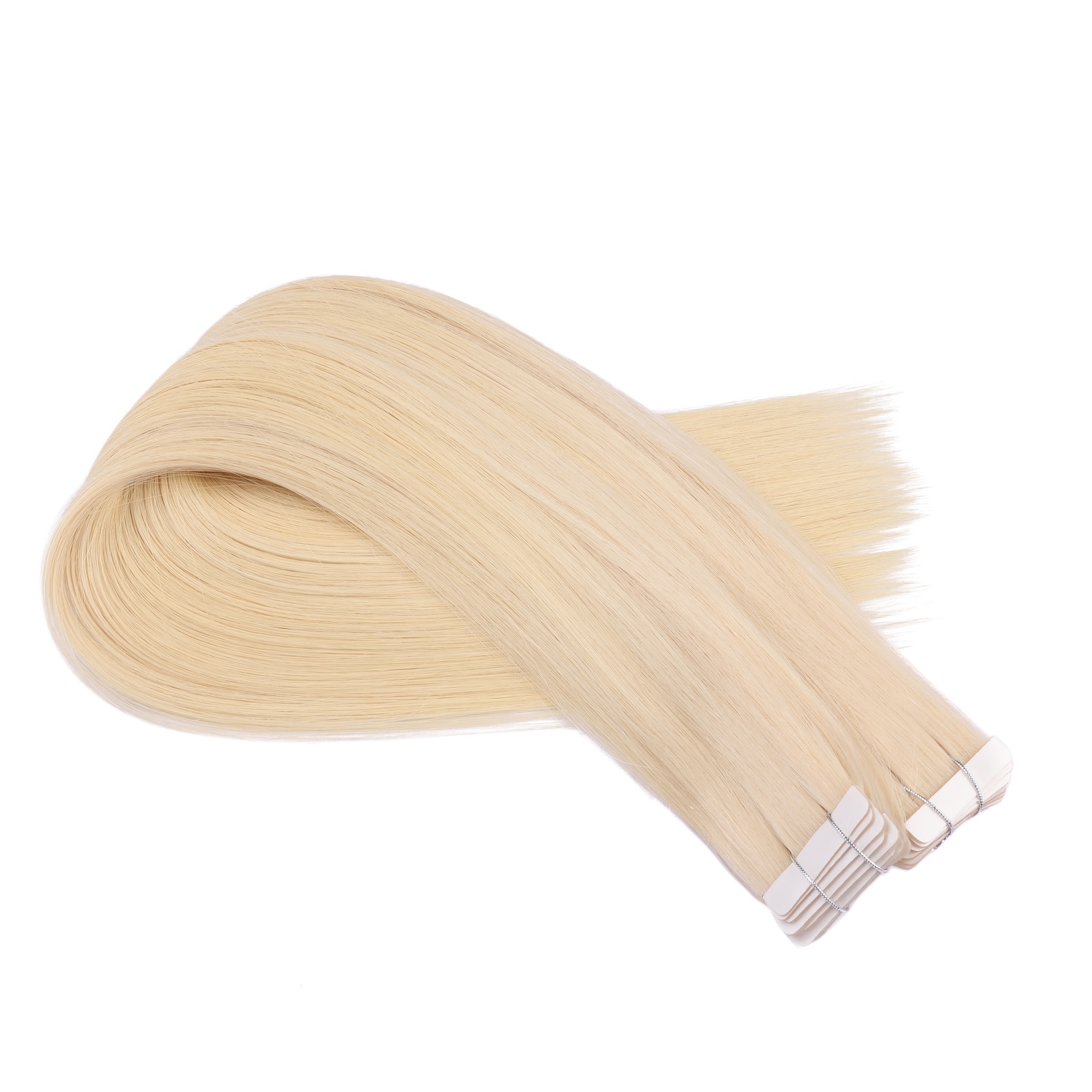
Tape-in hair extensions are pre-taped wefts applied by sandwiching a thin section of natural hair between two adhesive strips. They are known for quick installation, lightweight feel, and flat appearance.For a detailed understanding of the advantages and disadvantages of tape-in Hair Extensions, please refer to this article:

Sew-In (Traditional Weft) Hair Extensions

Sew-in extensions involve braiding the natural hair into cornrows and stitching wefts onto the braids using thread and needles. This method has been widely used for decades and is valued for its durability and long-term wear.To learn more about the differences between sew-in hair extensions and other hair extension methods, you can also check out this article:

Genius Weft Hair Extensions

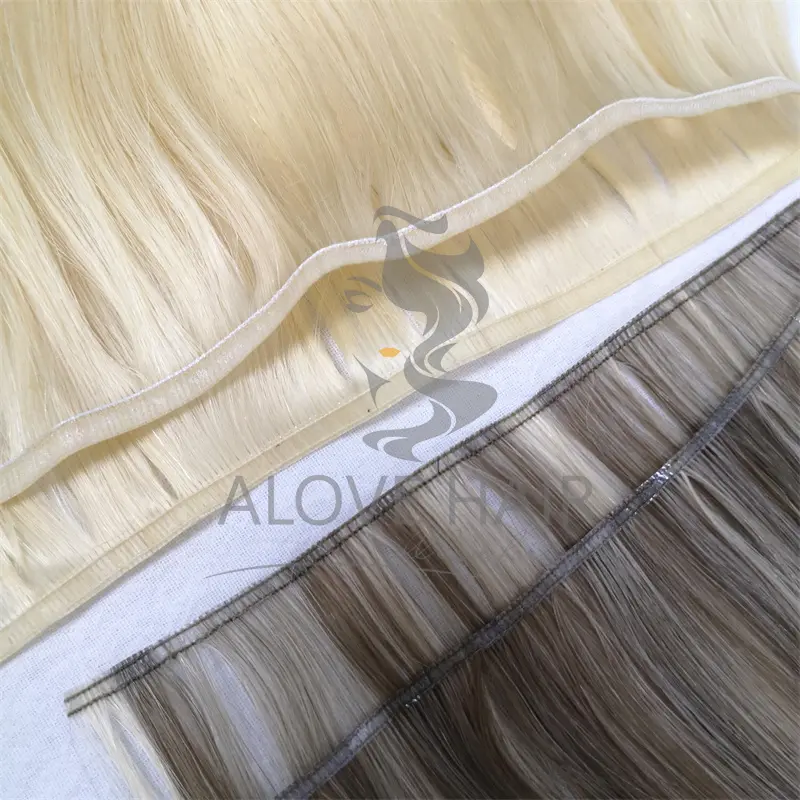
Genius Weft hair extensions represent a new generation of weft technology. They combine the ultra-thin, flexible structure of hand-tied wefts with the cuttable, no-shedding edge of machine wefts, offering superior comfort, invisibility, and customization.For a detailed understanding of the advantages and disadvantages of Genius Weft Hair Extensions.

Installation Time & Technical Complexity (With Data)

Understanding the installation methods behind each type of hair extension helps stylists choose the right technique for different hair conditions, lifestyles, and service pricing.

Tape-In Hair Extension Installation Method

Tape-in hair extensions are installed using a sandwich method:
  1. A thin slice of natural hair is sectioned
  2. One tape weft is placed underneath the section
  3. A second tape weft is pressed on top, sealing the hair in between
Key Technique Notes:
  • No heat or sewing required
  • Requires precise sectioning to avoid slippage
  • Best installed 1 cm away from the scalp
Removal & Reinstallation: Special adhesive remover is applied to dissolve the tape, allowing the wefts to be reused with replacement tape.

Sew-In (Traditional Weft) Installation Method

Sew-in hair extensions use a braid-and-sew technique:
  1. Natural hair is braided into cornrows or anchor braids
  2. Wefts are placed along the braids
  3. Curved needle and thread are used to sew wefts securely
Key Technique Notes:
  • No adhesive involved
  • Strong hold, suitable for active clients
  • Requires even braid tension to avoid scalp stress
Removal & Reinstallation: Threads are cut carefully, braids are undone, and wefts can be reused multiple times.

Genius Weft Hair Extension Installation Methods (Multiple Options)

One of the biggest advantages of Genius Weft hair extensions is their method versatility. They can be installed using several professional techniques:1. Beaded Row (Micro Ring) Method
  • Silicone-lined beads are attached to natural hair
  • Genius Weft is sewn onto the beads
  • No glue, no heat
2. Hybrid Sew-In Method
  • Combines minimal braiding with beaded anchoring
  • Reduces scalp tension compared to traditional sew-in
3. Invisible Sew-In / No-Leave-Out Method
  • Genius Weft is folded and layered for maximum invisibility
  • Ideal for fine hair and up-styles
Why Genius Weft Performs Better in Installation:
  • Ultra-thin edge prevents bulk
  • Can be cut freely to customize head shape
  • No return hair = cleaner finish
 

Average Installation Time by Method

Extension TypeAverage Installation TimeSkill Level Required
Tape-In45–90 minutesBeginner–Intermediate
Sew-In2.5–4 hoursAdvanced
Genius Weft1.5–2.5 hoursIntermediate–Advanced
Analysis:
  • Tape-in hair extensions save up to 60% installation time compared to sew-in methods.
  • Genius Weft offers a balance: faster than traditional sew-in, but more customizable than tape-ins.
From a salon operations perspective, Genius Weft hair extensions improve time efficiency without sacrificing quality, making them ideal for premium services.
Comfort, Weight & Scalp Health

Client comfort is a critical retention factor. Extensions that are too heavy or rigid can cause tension, headaches, or traction alopecia.

Comfort & Weight Comparison

FactorTape-InSew-InGenius Weft
Average Weft ThicknessUltra-thinThickUltra-thin
Weight per 100g~100g~100–120g~100g
Scalp Tension RiskLow–MediumMedium–HighLow
Suitable for Fine HairYesLimitedYes
Key Insight:
  • Traditional sew-in wefts are 30–40% thicker than Genius Wefts, increasing tension.
  • Genius Weft hair extensions distribute weight evenly, significantly reducing scalp stress.

Appearance & Natural Blending Performance

The ultimate goal of any hair extension is invisibility.

Tape-In Hair Extensions

Pros:
  • Flat, discreet attachment
  • Ideal for straight or slightly wavy hair
Cons:
  • Tape tabs may become visible on thin or high-contrast hair
  • Limited up-styling options

Sew-In Hair Extensions

Pros:
  • High density and volume
  • Strong hold
Cons:
  • Bulky weft lines
  • Less natural movement

Genius Weft Hair Extensions

Pros:
  • Zero-return hair, no mustache effect
  • Cuttable weft without shedding
  • Seamless blending even on fine hair
Professional Feedback Data: A stylist survey conducted across North America and Europe shows:
  • 78% rated Genius Weft as “most natural-looking”
  • 65% reported higher client satisfaction compared to tape-in

Durability, Maintenance & Reusability

Longevity & Maintenance Cycle

Extension TypeAverage Wear TimeReuse CyclesMaintenance Frequency
Tape-In6–8 weeks2–3 timesHigh
Sew-In8–12 weeks3–4 timesMedium
Genius Weft8–12 weeks4–6 timesLow–Medium
Cost Efficiency Insight: Although Genius Weft hair extensions have a higher upfront cost, their extended reuse cycle reduces total annual client cost by 20–30%.

Hair Quality & Color Performance (Critical for Professionals)

Low-quality hair leads to tangling, shedding, and color inconsistency.ALOVE Hair Quality Data:
  • 100% cuticle intact human hair
  • Double drawn for uniform thickness
  • No acid or ash bath processing

Hair Quality Comparison

Quality IndicatorStandard Market HairALOVE Genius Weft
Cuticle AlignmentMixed100% Intact
Shedding RateMedium–High<1%
Color Longevity6–8 weeks12+ weeks
ALOVE specializes in colored hair extensions, processed by over 20 skilled technicians, ensuring bright tones without compromising cuticle health.

Market Demand & Salon Profitability

Market Demand by Region

RegionMost Popular Method
USAGenius Weft
UKTape-In & Genius Weft
EuropeGenius Weft
AustraliaTape-In
Trend Insight: Premium salons increasingly shift toward Genius Weft hair extensions due to:
  • Higher service pricing
  • Better client retention
  • Fewer complaints and remakes

Professional Recommendation: Which Should You Choose?

Choose Tape-In if:
  • You need fast, entry-level services
  • Clients prefer short-term changes
Choose Sew-In if:
  • Clients want maximum density
  • Hair texture is coarse or thick
Choose Genius Weft if:
  • You serve premium or repeat clients
  • Natural look and comfort are priorities
  • You want higher long-term profitability

Product Spotlight: ALOVE Hair Extension Solutions for Every Salon

To better support salons, stylists, and distributors, Qingdao ALOVE HAIR PRODUCTS Co., Ltd. offers a complete range of professional hair extension products designed for different installation methods, client needs, and market segments.

Option 1: ALOVE Genius Weft Hair Extensions (Flagship Product)

Best for: Premium salons, fine to medium hair, long-term clientsProduct Features:
  • 100% cuticle intact human hair, double drawn
  • Ultra-thin, flexible weft with no return hair
  • Can be cut anywhere without shedding
  • Seamless blending, even on thin hairlines
  • Available in straight, body wave, and custom textures
Recommended Lengths & Weights:
LengthWeight Options
16–18 inch50g / 100g
20–22 inch100g
24–26 inch100g / 150g
Ideal Salon Application: Genius Weft is perfect for stylists who want to upsell high-end services with fewer complaints, faster refits, and excellent reusability (4–6 installs).

Option 2: ALOVE Tape-In Hair Extensions

Best for: Quick services, first-time extension clients, high-volume salonsProduct Features:
  • Medical-grade adhesive tape
  • Lightweight, flat design for comfort
  • Easy installation and removal
  • Available in classic, balayage, and highlight colors
Technical Specifications:
Tape SizeHair per PieceFinish
4 cm × 0.8 cm2.5gInvisible
4 cm × 1.0 cm3gStandard
Ideal Salon Application: ALOVE tape-in extensions help salons maximize chair turnover while maintaining natural results, especially for short-term transformations.

Option 3: ALOVE Hand-Tied & Flat Weft Hair Extensions

Best for: Traditional sew-in lovers, thick hair clientsProduct Features:
  • Tight, durable stitching
  • Minimal shedding
  • Suitable for beaded or braided sew-in methods
Weft Comparison:
Weft TypeThicknessFlexibility
Hand-TiedUltra-thinHigh
Flat WeftMediumMedium
Ideal Salon Application: These wefts are ideal for stylists who prefer classic sew-in techniques but want better hair quality and consistency.

Option 4: Custom Color & Special Processing Solutions

ALOVE Color Expertise:
  • Over 20 skilled workers specializing in blonde and fashion colors
  • Cuticle-safe bleaching (no acid / ash bath)
  • Stable tones with reduced fading
Available Color Options:
CategoryExamples
Natural Shades#1B, #2, #4
Blonde Series#60, #613, #18
BalayagePiano, Rooted
Fashion ColorsPink, Blue, Purple

Why Leading Professionals Choose Qingdao ALOVE HAIR PRODUCTS Co., Ltd.

About ALOVE

Qingdao ALOVE HAIR PRODUCTS Co., Ltd. has been a professional hair supplier since the 1980s, evolving from raw hair collection into a world-class manufacturer of luxury human hair extensions.With over 15 years of foreign trade experience, ALOVE serves salons and distributors across the USA, UK, Canada, Australia, Germany, France, Italy, and Europe, maintaining a 90%+ customer retention rate.

Our Flagship: Genius Weft Hair Extensions

✔ 100% Cuticle Intact Human Hair ✔ Double drawn, tangle-free ✔ Industry-leading colored hair expertise ✔ Flat weft, hand-tied weft, tape-in, I-tip options ✔ Complete extension tools & accessories

Why Partner With ALOVE?

  • Trusted Wholesale Supplier: Stable quality & competitive pricing
  • End-to-End Support: Tools, guidance, and after-sales service
  • Custom Solutions: Tailored lengths, colors, textures, and packaging

Conclusion

In the comparison of tape-in vs sew-in vs Genius Weft hair extensions, data clearly shows that Genius Weft represents the future of professional hair extension services—combining comfort, durability, natural appearance, and long-term cost efficiency.For salons and businesses seeking a reliable, high-quality, and innovative hair extension supplier, Qingdao ALOVE HAIR PRODUCTS Co., Ltd. stands out as a trusted partner with decades of expertise.