
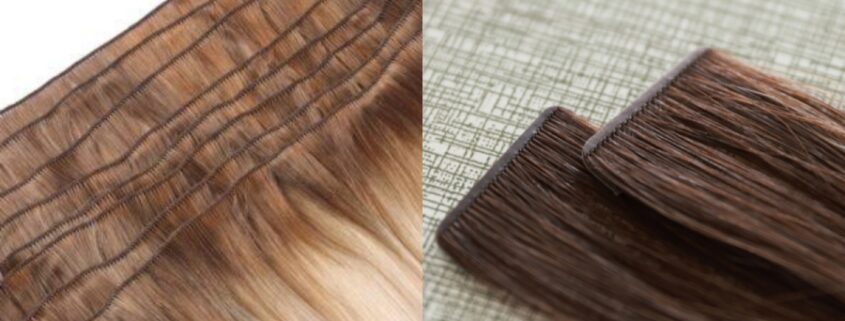
Hand Tied Extensions vs Tape In Extensions
When choosing professional hair extensions, two methods dominate today’s premium salon market: Hand-Tied Extensions and Tape-In Extensions. Both create beautiful, natural-looking hair transformations, but they differ significantly in installation, comfort, maintenance, longevity, pricing, and ideal customer profiles.
For salon owners, hair extension brands, distributors, and professional stylists, understanding these differences is essential for recommending the right solution to clients while maximizing customer satisfaction.
This guide provides a comprehensive comparison from multiple perspectives—including history, application, installation, appearance, maintenance, durability, cost, and future market trends.
The Evolution of Hair Extension Technology
Hair extensions have existed for thousands of years.
Ancient Egyptians wore wigs and braided hairpieces made from human hair and plant fibers to symbolize wealth and social status. Throughout Europe during the 17th and 18th centuries, elaborate wigs became a fashion necessity among royalty.
Modern professional extensions began evolving during the late 20th century.
Traditional Sew-In Extensions
The earliest commercial systems primarily relied on:
- Braided tracks
- Machine wefts
- Sewing techniques
While durable, these systems often felt bulky and required considerable stylist expertise.
Tape In Extensions
Around the early 2000s, tape technology emerged as a faster installation solution. Medical-grade adhesive tapes replaced sewing, dramatically reducing installation time.
Tape-ins quickly became popular because they offered:
- Lightweight wear
- Flat appearance
- Fast salon appointments
- Affordable pricing
Hand Tied Extensions
Hand tied wefts originated from traditional hand-knotting craftsmanship but became increasingly popular after 2015 as luxury salons pursued thinner, more natural-looking extension systems.
Today, hand-tied extensions are widely considered one of the most premium extension methods available for clients seeking maximum comfort and seamless blending.
What Are Hand Tied Extensions?
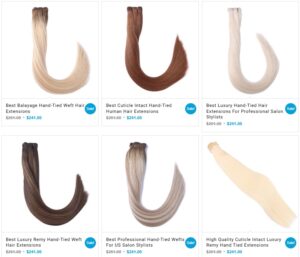
Hand tied extensions consist of ultra-thin wefts created by manually tying strands of Remy human hair onto a reinforced thread.
Unlike machine wefts, the stitching remains extremely fine, allowing the weft to lie almost flat against the scalp.
The installation process involves:
- Creating small bead rows
- Securing silicone-lined beads
- Sewing hand tied wefts onto the bead foundation
No glue, tape, or heat is applied directly to the hair.
Because of their flexibility, hand tied wefts move naturally with the client’s own hair.
What Are Tape In Extensions?
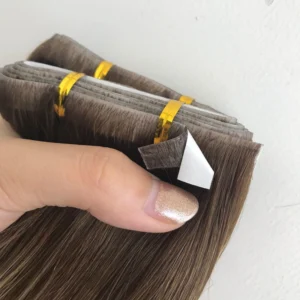
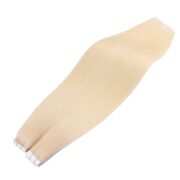
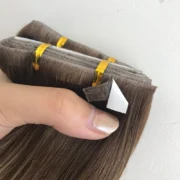
Tape in extensions consist of thin panels of human hair attached to transparent polyurethane strips coated with medical-grade adhesive.
Installation is simple:
One extension panel is placed underneath a section of natural hair while another panel is placed above it, creating a “sandwich.”
Pressure activates the adhesive, securely attaching the extensions.
The process requires:
- No sewing
- No heat
- No keratin bonding
This makes tape-ins one of the fastest professional extension methods.
Manufacturing Differences
Hand-Tied Extensions
Production is labor-intensive.
Manufacturing includes:
- Manual hair alignment
- Double drawing
- Cuticle alignment
- Hand knotting
- Weft reinforcement
- Quality inspection
One experienced worker may produce only a limited number of wefts per day.
This contributes to their premium pricing.
Tape In Extensions
Manufacturing combines manual craftsmanship with automation.
Key steps include:
- Hair sorting
- PU tape preparation
- Hair pressing
- Adhesive application
- Heat sealing
- Trimming
- Quality testing
Because production efficiency is higher, tape-ins generally cost less than hand tied extensions.
Installation Comparison
| Feature | Hand Tied Extensions | Tape In Extensions |
|---|---|---|
| Installation Time | 2–4 hours | 45–90 minutes |
| Uses Glue | No | Yes |
| Uses Heat | No | No |
| Uses Beads | Yes | No |
| Requires Sewing | Yes | No |
| Installation Difficulty | High | Moderate |
| Stylist Training | Advanced | Moderate |
Hand-tied systems require greater technical skill, while tape-ins offer faster appointments.
Comfort Comparison
Comfort depends largely on installation quality.
Hand Tied
Advantages include:
- Flexible movement
- Even weight distribution
- No sticky adhesive
- Minimal scalp pressure
- Nearly invisible wefts
Many clients forget they are wearing extensions after a few days.
Tape In
Tape-ins also feel lightweight.
However, some clients may notice:
- Slight stiffness initially
- Tape edges during styling
- Mild adhesive sensation
If installed correctly, tape-ins remain comfortable for everyday wear.
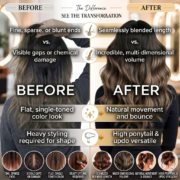
Appearance and Natural Blending
This is one of the biggest deciding factors.
Hand-Tied Extensions
Professional advantages include:
- Extremely thin wefts
- Excellent movement
- Natural volume
- Invisible finish
- Perfect for fine hair
Because the wefts are narrow, they disappear within natural hair.
Tape In Extensions
Tape-ins also blend well.
However:
- Tape tabs may become visible in very fine hair.
- Incorrect placement can expose adhesive strips.
- Ponytails sometimes reveal tape panels.
For maximum invisibility, hand tied extensions generally perform better.
Hair Movement
Movement greatly influences realism.
Hand Tied
Hair flows naturally because the wefts flex with head movement.
Ideal for:
- Loose curls
- Beach waves
- Layered hairstyles
- High-end salon styling
Tape In
Movement remains good but slightly more restricted because of adhesive attachment points.
Durability
Hand Tied Extensions
With proper care:
- Hair lifespan: 8–12 months
- Reinstallation every 6–10 weeks
High-quality Remy hair may last over one year.
Tape In Extensions
Typically:
- Hair lifespan: 4–9 months
- Reinstallation every 6–8 weeks
Adhesive replacement is required during each maintenance appointment.
Maintenance Requirements
Hand Tied
Maintenance includes:
- Bead tightening
- Weft repositioning
- Professional salon adjustments
No adhesive residue requires cleaning.
Tape In
Maintenance involves:
- Tape removal
- Adhesive cleaning
- Retaping
- Reinstallation
Proper adhesive replacement is essential for long-term performance.
Hair Health Impact
Many clients ask which method is healthier.
The answer depends on professional installation.
Hand Tied
Pros:
- No glue
- No heat
- Less chemical exposure
Potential concerns:
- Over-tight sewing can create tension.
- Improper bead placement may stress hair.
Tape In
Pros:
- Lightweight
- Even weight distribution
- Fast installation
Potential concerns:
- Adhesive removal requires professional solvents.
- Incorrect removal may pull natural hair.
When performed by experienced stylists, both methods are considered safe.
Styling Flexibility
Hand Tied
Excellent for:
- Ponytails
- Updos
- Braids
- Wedding hairstyles
- Curly looks
The hidden wefts remain virtually invisible.
Tape In
Works well for:
- Straight hair
- Blowouts
- Casual styling
High ponytails require careful placement to conceal tape tabs.
Swimming and Exercise
Hand Tied
Suitable for:
- Gym workouts
- Yoga
- Running
- Swimming
No adhesive means less concern about glue breakdown.
Tape In
Swimming is possible, but:
- Saltwater shortens adhesive life.
- Chlorine weakens tape.
- Excessive oil exposure affects adhesion.
Frequent swimmers often prefer hand tied systems.
Cost Comparison
Average salon pricing varies by region.
Hand Tied Extensions
Hair:
$300–$900
Installation:
$300–$800
Total:
$600–$1,700+
Tape In Extensions
Hair:
$150–$500
Installation:
$100–$300
Total:
$250–$800
Tape-ins are generally more budget-friendly.
Best Client Types
Hand Tied Extensions
Ideal for:
- Luxury salon clients
- Long-term wearers
- Brides
- Influencers
- Fine hair clients
- Clients seeking maximum volume
Tape In Extensions
Best for:
- First-time extension users
- Budget-conscious clients
- Medium-density hair
- Seasonal transformations
- Quick appointments
Pros and Cons
Hand Tied Extensions
Advantages
- Premium appearance
- Excellent movement
- Long lifespan
- Comfortable
- No adhesive
- Reusable multiple times
Disadvantages
- Higher cost
- Longer installation
- Requires experienced stylists
Tape In Extensions
Advantages
- Affordable
- Fast installation
- Lightweight
- Easy maintenance
- Excellent for beginners
Disadvantages
- Adhesive maintenance
- Tape visibility in very fine hair
- Shorter lifespan
- Less flexibility for certain hairstyles
Which Extension Method Is Better for Salons?
For salon businesses, offering both methods creates the greatest market coverage.
Hand tied extensions provide:
- Higher service revenue
- Premium branding
- Loyal repeat customers
- Luxury positioning
Tape in extensions provide:
- Faster appointments
- Higher daily client volume
- Lower service pricing
- Easier stylist training
Many successful salons use tape-ins for entry-level clients while recommending hand tied extensions as an upgrade.
Choosing the Right Hair Manufacturer
Whether purchasing hand tied or tape in extensions, selecting a reliable manufacturer is equally important.
Professional buyers should prioritize suppliers offering:
- 100% Remy human hair
- Cuticle-aligned strands
- Double-drawn thickness
- Consistent color matching
- Custom lengths from 14–30 inches
- OEM and private label services
- Stable inventory
- Strict quality control
- Ethical sourcing
- Low shedding and minimal tangling
Factories with experienced craftsmanship, transparent production processes, and strong after-sales support help salons maintain consistent quality while strengthening their own brands. Alove Hair is a real hair extension manufacturer from China. Contact us for competitive prices.
Future Trends
The global professional hair extension market continues to expand as consumers seek non-permanent ways to add length and volume without damaging natural hair.
Several trends are shaping the industry:
- Growing demand for invisible extension systems
- Wider adoption of premium Remy hair
- Increased interest in reusable extensions
- Expansion of private-label manufacturing
- More eco-friendly packaging and sustainable sourcing
- Greater demand for customized colors, textures, and lengths
Hand tied extensions are expected to remain the preferred choice for premium salons because of their comfort, durability, and natural appearance. Tape in extensions will continue to dominate the entry-level and fast-service segment due to their affordability and efficiency.
Conclusion
The comparison between hand-tied extensions and tape-in extensions is not about determining a universal winner—it is about selecting the right solution for each client’s needs.
Hand-tied extensions excel in comfort, longevity, invisibility, and luxury results, making them ideal for clients seeking a long-term investment and the most natural finish. Tape-in extensions stand out for their speed, affordability, and ease of application, making them an excellent option for first-time users and clients who prefer quicker salon visits.
For salons, distributors, and hair brands, offering both systems allows them to serve a broader customer base while adapting to different budgets and styling preferences. By partnering with a trusted manufacturer that provides premium Remy human hair, consistent quality, and customizable solutions, businesses can deliver exceptional results and build lasting customer loyalty in the growing professional hair extension market.

Jgs is a professional with 12 years of experience in hair extensions, primarily helping importers better understand hair extensions, wigs, toupee, and other related products.



Leave a Reply
Want to join the discussion?Feel free to contribute!