Hand Tied Extensions vs Sew In Extensions
Introduction: Hand Tied Extensions vs Sew In Extensions
Choosing the right hair extension method can be confusing, especially when many professional extension terms sound similar. Two of the most popular salon methods today are hand tied extensions and sew in extensions. Both are designed to add length, volume, and thickness while creating a natural appearance, but they differ significantly in construction, installation, comfort, maintenance, and suitability for different hair types.
For clients, choosing the wrong method may result in discomfort, excessive maintenance, or an unnatural finish. For hairstylists and salon owners, selecting the right extension type directly affects client satisfaction, repeat business, and service quality.
This guide provides a complete comparison of hand tied extensions vs sew in extensions, including:
- How each method works
- Key differences
- Pros and cons
- Installation process
- Maintenance requirements
- Cost comparison
- Hair type suitability
- Professional stylist considerations
- Industry competitor analysis
- How premium suppliers like Qingdao ALOVE HAIR PRODUCTS Co., Ltd. are improving extension quality with advanced human hair technology
Whether you are a hair extension customer, salon professional, or wholesale buyer, this guide will help you make a smarter decision.
What Are Hand Tied Extensions?
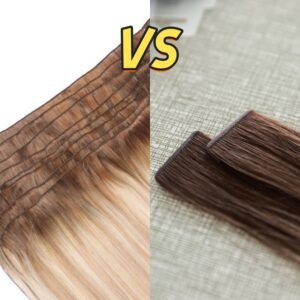
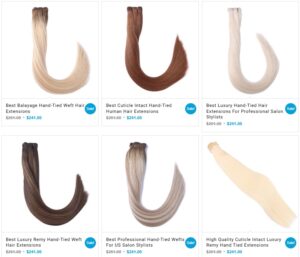
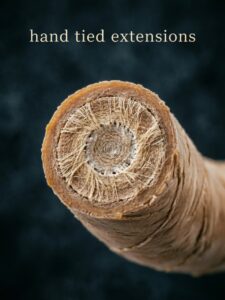
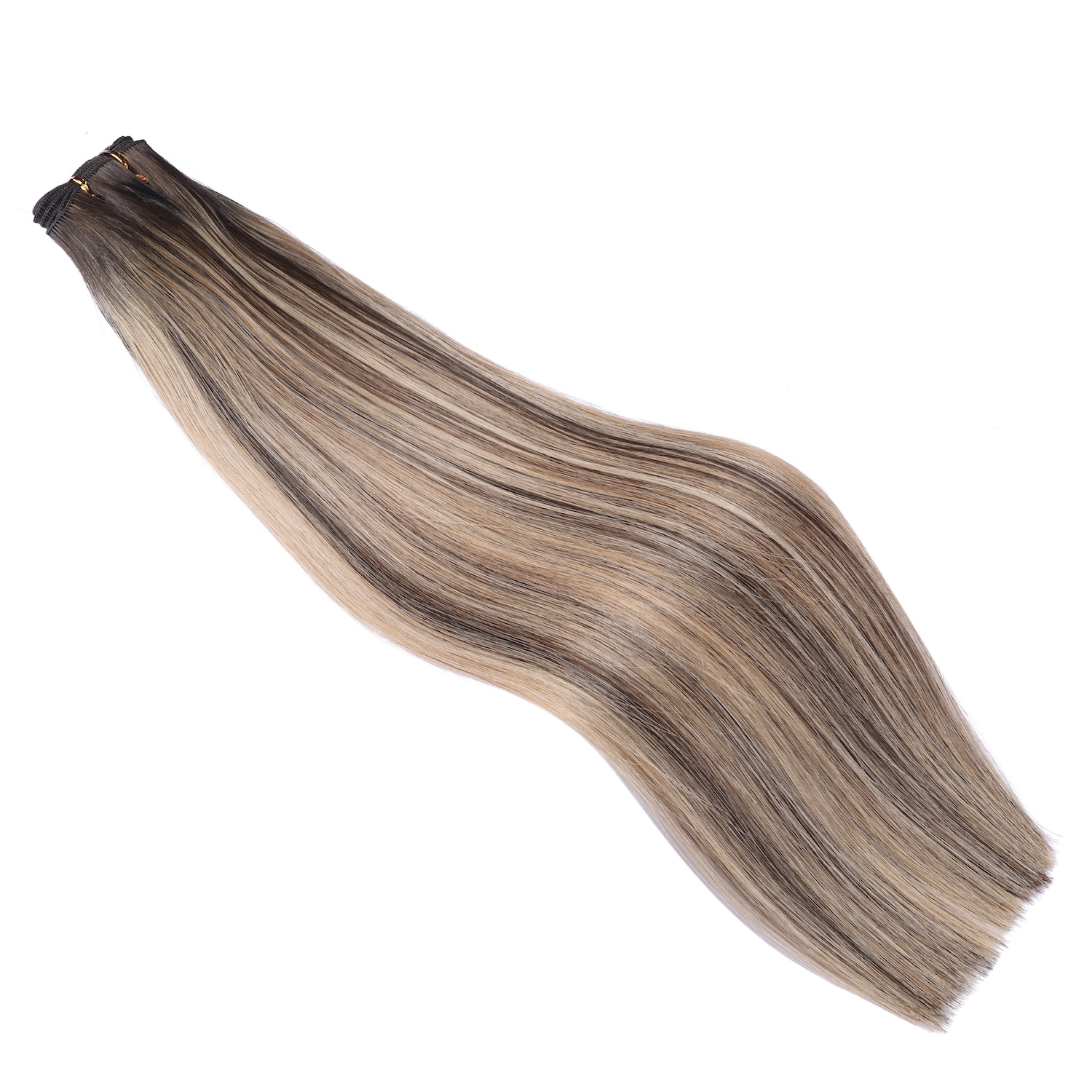
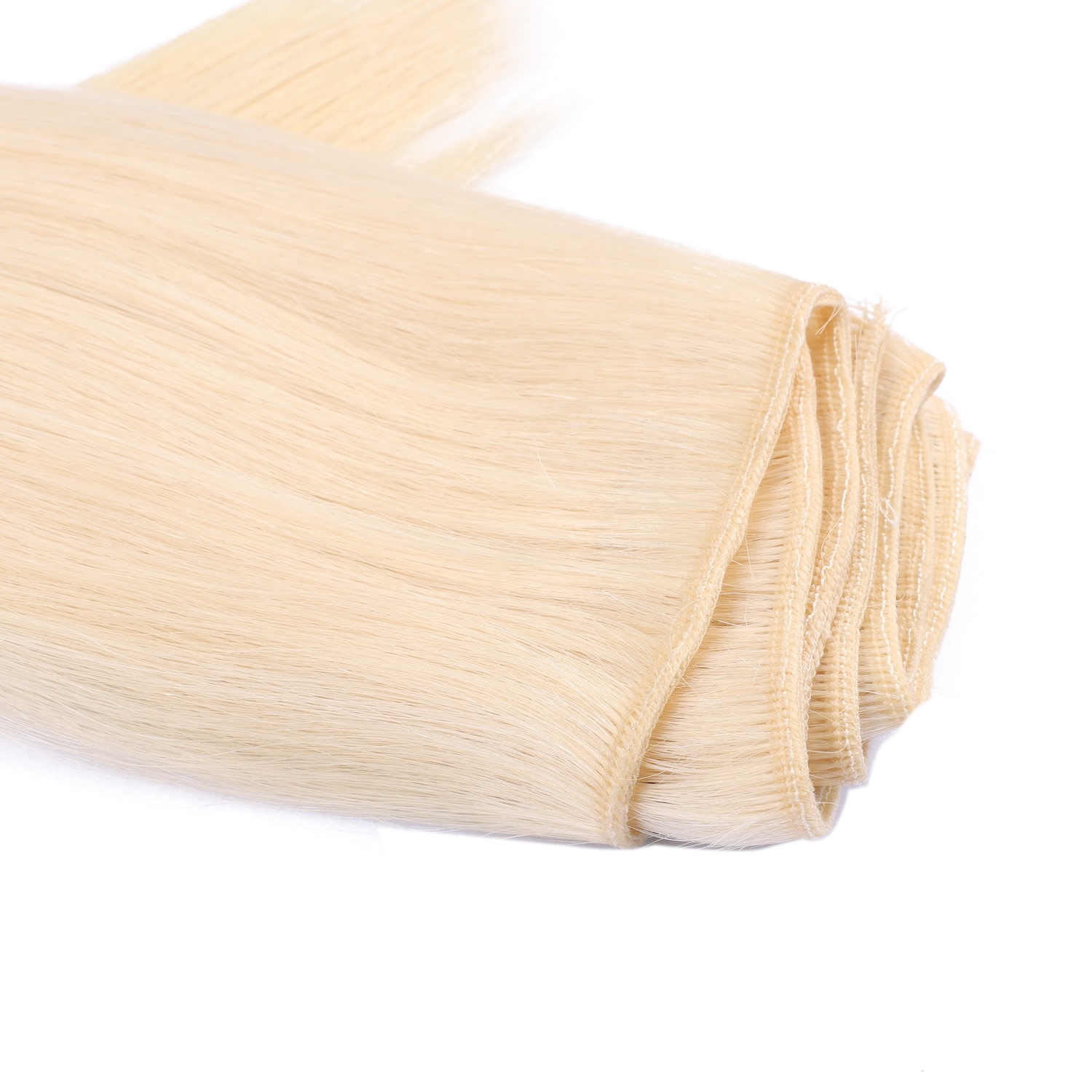
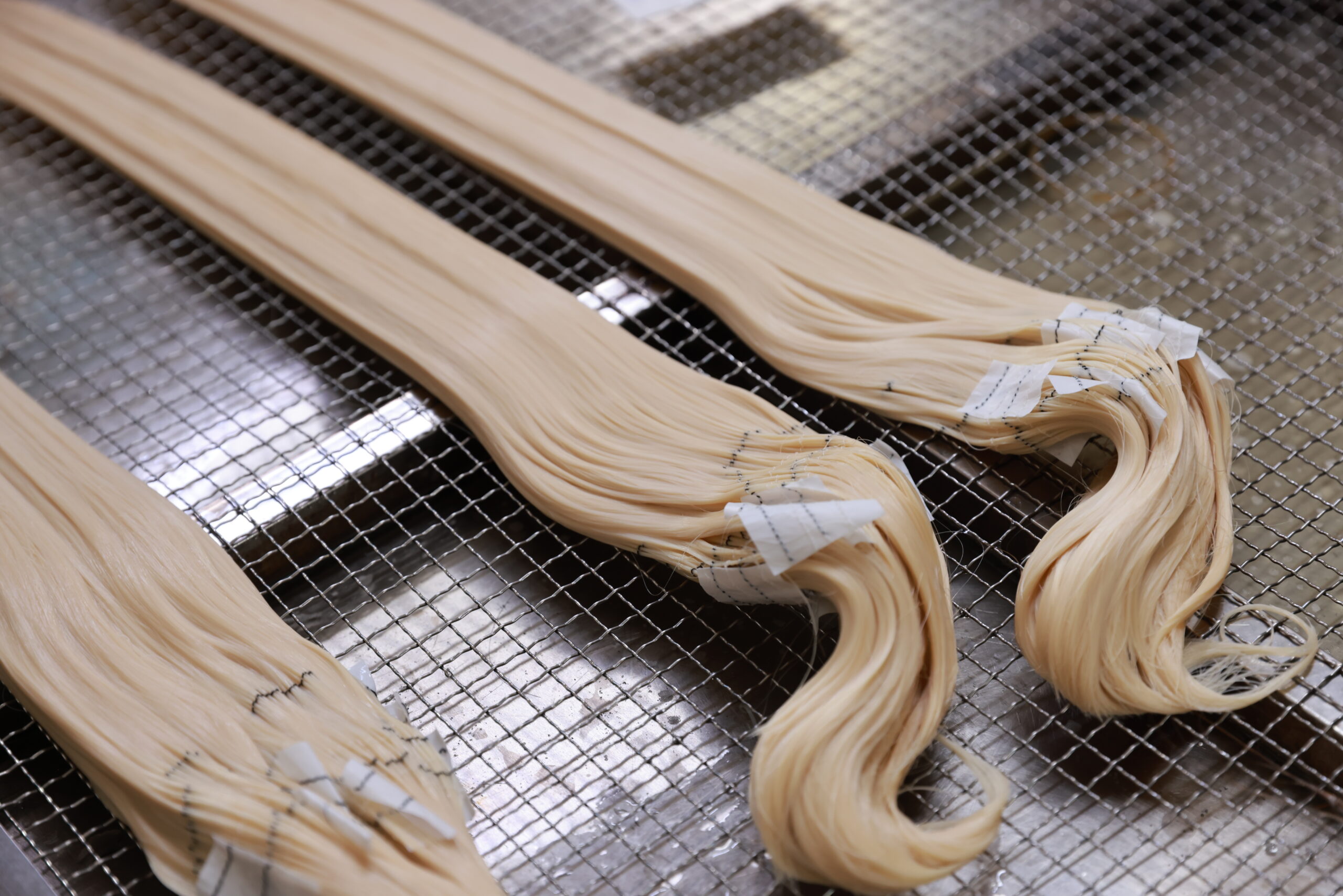
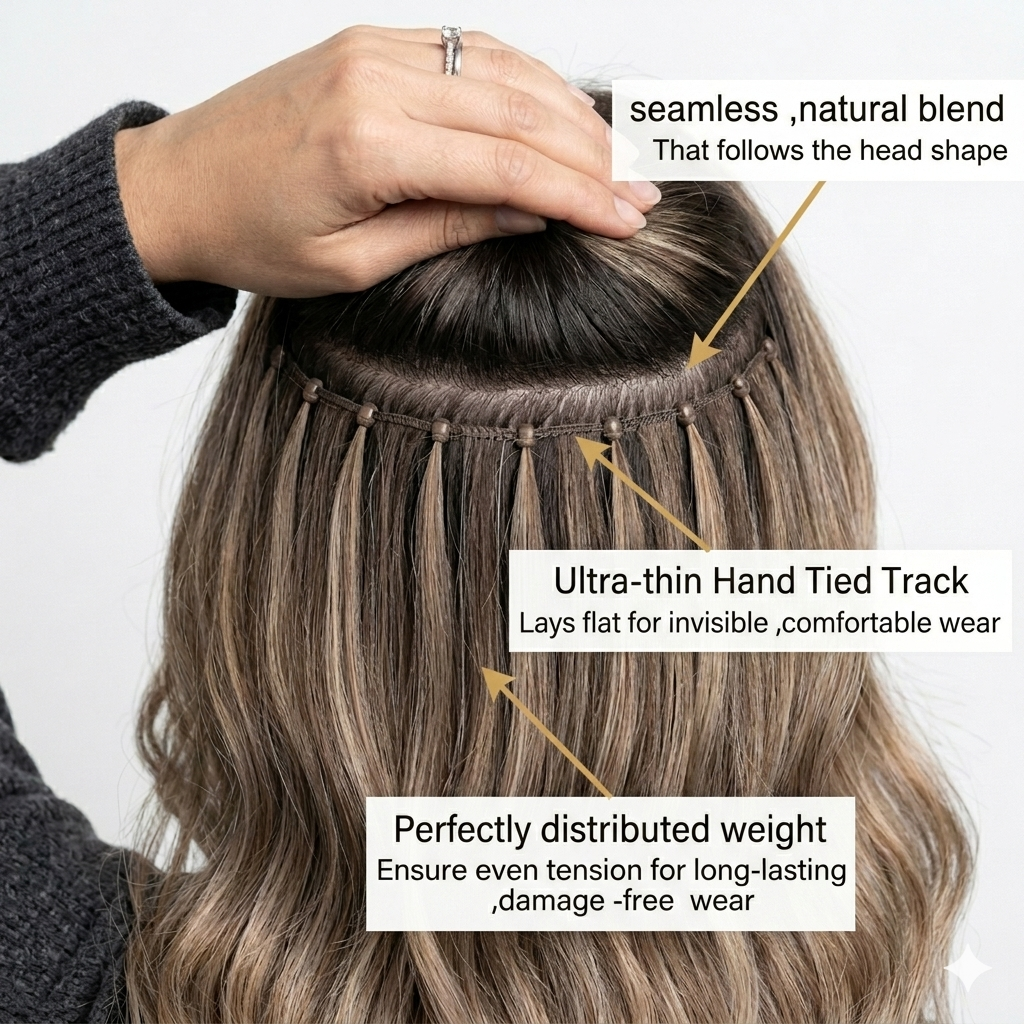
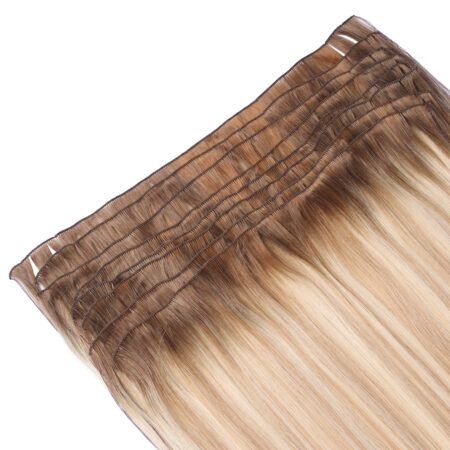
Hand tied extensions are a type of human hair weft extension created by manually tying individual strands of hair onto a thin, lightweight base. Because each hair strand is carefully attached by hand, the weft is extremely flat and flexible.
Unlike thicker machine-made wefts, hand tied wefts are designed to sit closer to the scalp, creating a seamless and natural appearance. They are especially popular among clients who want lightweight extensions that blend beautifully with their natural hair.
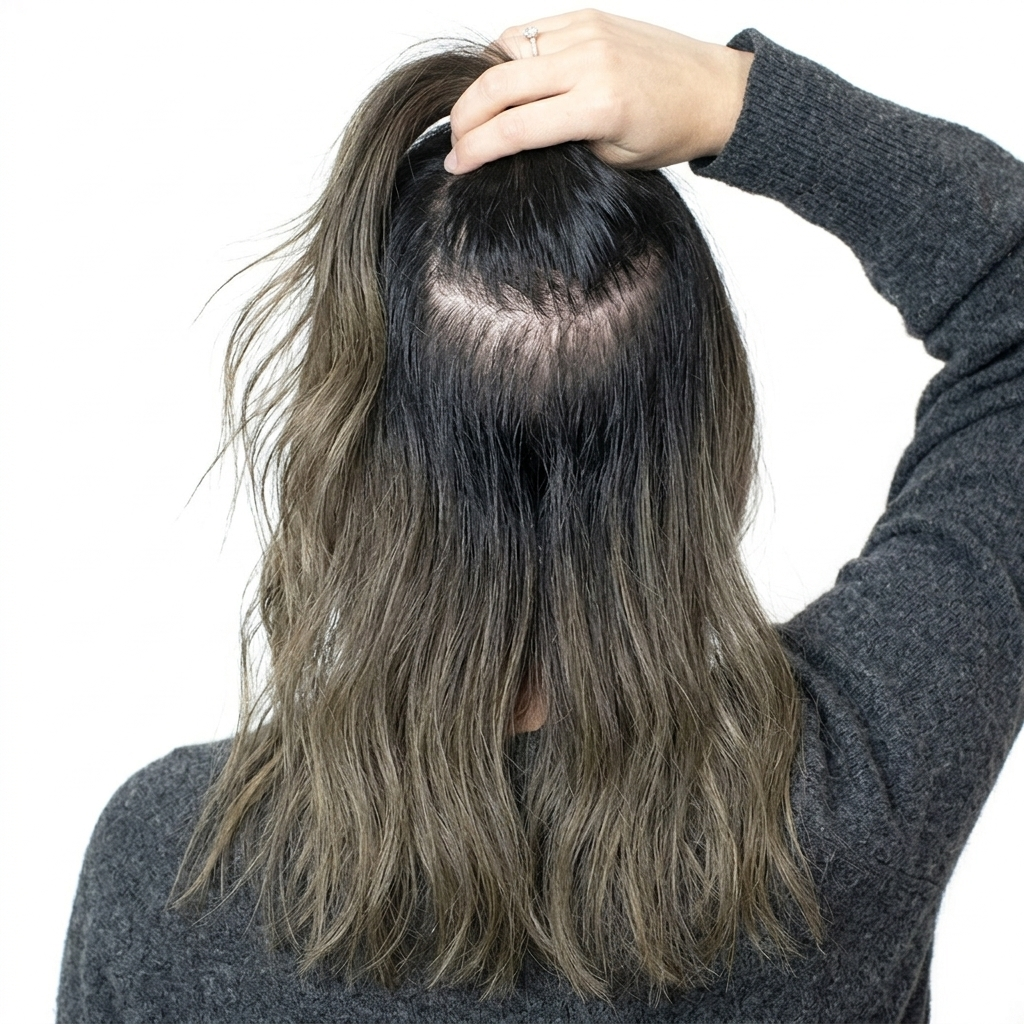
Professional stylists usually install hand tied extensions by sewing the weft onto a beaded row foundation. The method does not require glue, heat, or chemical bonding, making it a preferred choice for clients who want a gentler extension solution.
Premium hand tied extensions are usually made from 100% human hair, especially cuticle-intact Remy hair. Maintaining the natural cuticle direction helps reduce tangling, improves softness, and allows the extensions to behave similarly to natural hair.
What Are Sew In Extensions?
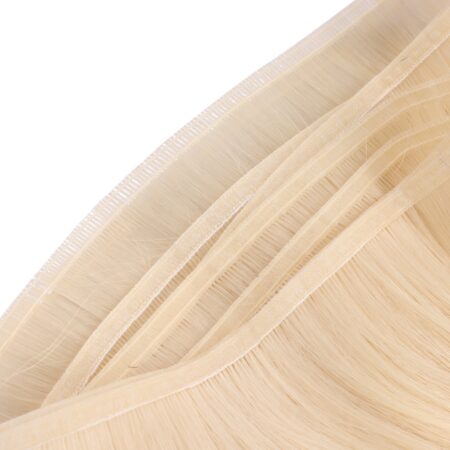
Sew in extensions are one of the oldest and most widely used professional hair extension methods. The technique involves creating a foundation using natural hair, beads, braids, or other supporting structures, then sewing a hair weft onto that foundation using specialized thread and a needle.
The term “sew in extensions” describes the installation method rather than a specific type of hair construction. A sew-in can use:
- Machine wefts
- Hand tied wefts
- Flat wefts
- Genius wefts
- Other professional weft designs
This means hand tied extensions can actually be installed as sew in extensions. The difference is that hand tied refers to how the hair weft is manufactured, while sew in refers to how the extension is attached.
This distinction is important because many customers compare “hand tied extensions vs sew in extensions” as if they are two completely different products. In reality, they represent two different aspects of the extension process.
Hand Tied Extensions vs Sew In Extensions: Main Differences
The biggest difference between hand tied extensions and sew in extensions comes down to construction, weight, flexibility, and installation technique.
| Feature | Hand Tied Extensions | Sew In Extensions |
|---|---|---|
| Definition | A lightweight hair weft made by manually tying hair strands | An installation method where extensions are sewn onto a foundation |
| Hair Construction | Hand-knotted weft | Usually machine weft, hand tied weft, or hybrid weft |
| Thickness | Extremely thin and flat | Depends on the weft type used |
| Weight | Lightweight | Can range from lightweight to heavy |
| Installation | Usually sewn onto beads | Sewn onto braids or bead foundations |
| Natural Appearance | Very natural and invisible | Depends on hair quality and installation |
| Best For | Fine to medium hair, natural blending | Medium to thick hair needing volume |
| Durability | Requires careful handling | Usually very durable |
| Customization | Easy layering and blending | Highly customizable |
Hand Tied Extensions: Advantages and Disadvantages
Benefits of Hand Tied Extensions
1. Extremely Natural Appearance
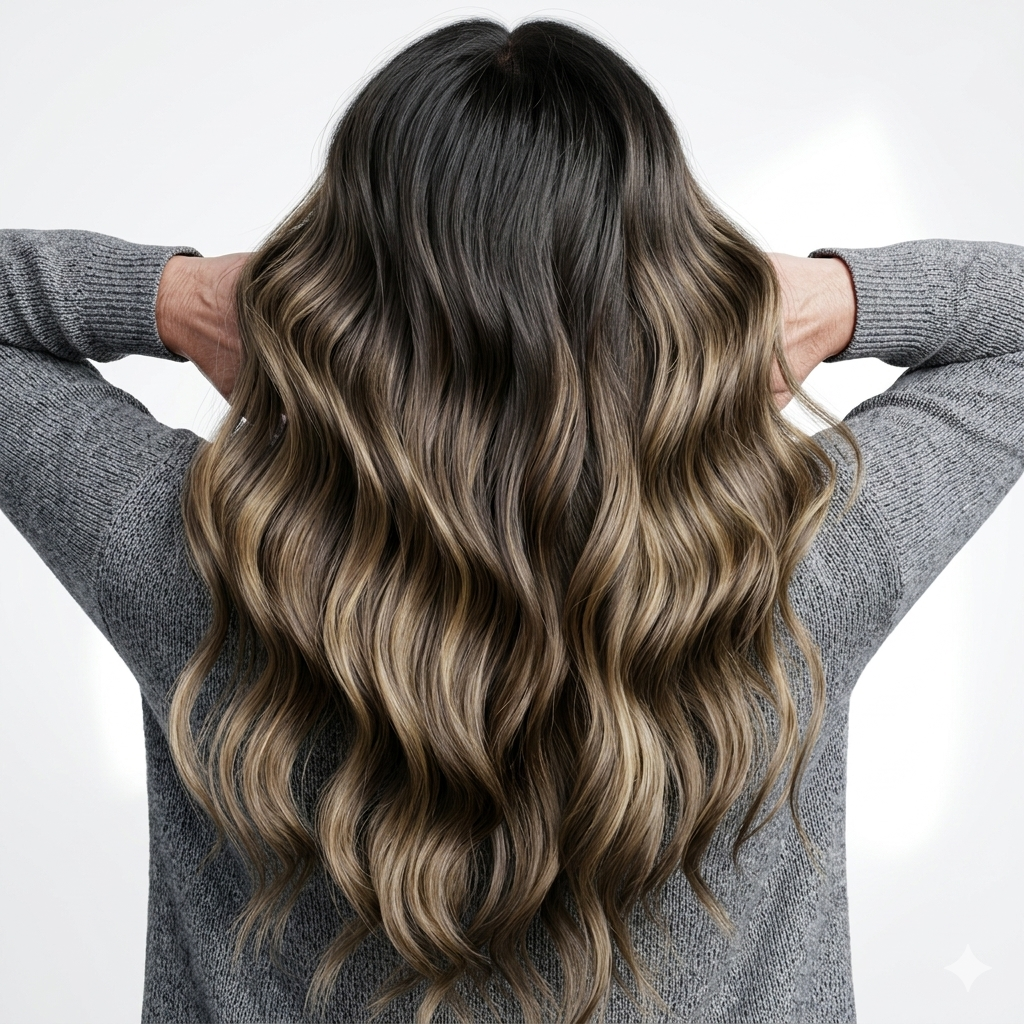
One of the biggest reasons clients choose hand tied extensions is their invisible finish.
The thin construction allows the extension to lay close to the scalp, reducing bulkiness. When installed correctly, the weft moves naturally with the client’s own hair.
For people with fine or thin hair, this can create a more realistic result compared with thicker extension methods.
2. Lightweight and Comfortable
Because hand tied wefts use less material, they are significantly lighter than many traditional machine wefts.
This makes them comfortable for long-term wear, especially for clients who dislike heavy extensions.
A lightweight extension system can also reduce tension on natural hair when properly installed by an experienced stylist.
3. Excellent Hair Movement
High-quality hand tied extensions provide excellent movement because the hair strands are individually secured.
The result is:
- Natural swing
- Soft texture
- Better blending
- Less visible extension lines
4. Perfect for Premium Human Hair
Hand tied extensions work especially well with luxury human hair.
At Qingdao ALOVE HAIR PRODUCTS Co., Ltd., premium hand tied wefts are manufactured using 100% cuticle intact human hair. Keeping the cuticles aligned helps maintain softness, shine, and durability.
The company has specialized in luxury human hair extensions since the 1980s and supplies professional salons and distributors worldwide.
Disadvantages of Hand Tied Extensions
Despite their benefits, hand tied extensions also have some limitations.
| Disadvantage | Explanation |
|---|---|
| Higher Production Cost | Handmade construction requires more skilled labor |
| Less Suitable for Extremely Thick Hair | Multiple rows may be needed |
| Cannot Usually Be Cut Across the Weft | Cutting may cause unraveling |
| Requires Professional Installation | Not suitable for beginners |
Sew In Extensions: Advantages and Disadvantages
Benefits of Sew In Extensions
1. Strong and Long-Lasting Installation
Sew in extensions are popular because they provide secure attachment.
When installed correctly, they can handle:
- Daily styling
- Washing
- Heat styling
- Active lifestyles
Many professional salons prefer sew-in methods because they offer reliable results.
2. Great for Adding Volume
For clients who want dramatic transformations, sew in extensions provide excellent density.
They are commonly used for:
- Thickening fine hair
- Adding significant length
- Creating fuller hairstyles
- Special event styling
3. Flexible Product Choices
Because sew in describes the installation method, stylists can select different wefts depending on the client’s needs.
Options include:
- Machine weft extensions
- Hand tied wefts
- Flat wefts
- Genius Weft extensions
This flexibility allows salons to customize every installation.
Disadvantages of Sew In Extensions
| Disadvantage | Explanation |
|---|---|
| Installation Takes Time | Professional application is required |
| Requires Maintenance Appointments | Extensions need adjustment as hair grows |
| Poor Installation Can Cause Tension | Incorrect placement may stress natural hair |
| Heavier Options May Feel Bulky | Depends on weft construction |
Installation Comparison: Hand Tied vs Sew In
Both methods require professional skills, but the experience can vary.
| Step | Hand Tied Extensions | Sew In Extensions |
|---|---|---|
| Consultation | Hair analysis and color matching | Hair analysis and extension planning |
| Preparation | Clean natural hair and create bead foundation | Create braid or bead foundation |
| Attachment | Sew lightweight weft onto foundation | Sew weft securely with thread |
| Styling | Blend and cut extensions | Blend and customize final look |
| Adjustment | Usually requires move-up appointments | Requires regular maintenance |
A professional installation is essential because even the highest-quality hair can perform poorly if installed incorrectly.
Which Looks More Natural: Hand Tied Extensions or Sew In Extensions?
For clients searching for the most natural-looking hair extensions, hand tied extensions often have an advantage because of their thinner construction.
However, the final result depends on several factors:
- Hair quality
- Extension color matching
- Stylist technique
- Proper placement
- Hair texture compatibility
A premium sew-in using high-quality hand tied or Genius Weft hair can look just as natural as other methods.
Many professional brands emphasize natural blending, multiple weft options, and stylist education as key factors in achieving seamless results. Industry leaders such as BELLAMI highlight professional weft systems and customization options designed for different hair densities and styling goals.
Maintenance and Lifespan Comparison: Hand Tied Extensions vs Sew In Extensions
Proper maintenance determines how long hair extensions remain beautiful, soft, and natural. Although both hand tied extensions and sew in extensions can provide long-lasting results, their maintenance routines are slightly different.
High-quality human hair extensions should always be treated similarly to natural hair. Regular brushing, professional adjustments, and proper hair products are essential for protecting both the extensions and the client’s natural hair.
| Maintenance Factor | Hand Tied Extensions | Sew In Extensions |
|---|---|---|
| Maintenance Appointment | Usually every 6–8 weeks | Usually every 6–8 weeks |
| Washing Frequency | Similar to natural hair | Similar to natural hair |
| Brushing Requirement | Gentle brushing with extension brush | Regular brushing to prevent tangling |
| Sleeping Care | Recommended braid or loose ponytail | Recommended braid or protective style |
| Reinstallation | Hair can often be reused | Hair can often be reused |
| Average Hair Lifespan | Around 6–12 months with proper care | Around 6–12 months depending on hair quality |
The lifespan of extensions depends more on hair quality and care routine than the installation method itself.
For example, premium cuticle-intact human hair generally lasts much longer than processed or non-Remy hair because the natural cuticle structure helps maintain softness, shine, and strength.
How to Care for Hand Tied Extensions and Sew In Extensions
Regardless of the extension method, following these professional care tips can significantly extend the life of your investment.
1. Use Extension-Friendly Hair Products
Avoid products containing excessive sulfates, alcohol, or harsh chemicals. These ingredients may dry out human hair extensions over time.
Recommended products include:
- Sulfate-free shampoo
- Moisturizing conditioner
- Leave-in treatments
- Lightweight hair oils
2. Brush Carefully
Extensions should never be pulled aggressively.
The correct brushing method:
- Hold the hair near the attachment area.
- Start brushing from the ends.
- Slowly move upward.
- Avoid excessive pulling on the weft area.
3. Protect Hair During Sleep
Sleeping with loose extension hair can create friction and tangling.
Professional recommendations:
- Use a silk or satin pillowcase
- Create a loose braid before sleeping
- Make sure hair is completely dry before bedtime
Hand Tied Extensions vs Sew In Extensions: Which Is Better for Different Hair Types?
There is no single “best” extension method for everyone. The right choice depends on hair thickness, lifestyle, desired result, and budget.
Best Choice for Fine Hair
Winner: Hand Tied Extensions
Fine hair clients usually benefit from lightweight extensions because heavy wefts can create unnecessary tension.
Hand tied extensions are often preferred because:
- They lay flatter
- They are less noticeable
- They provide natural volume without excessive weight
Best Choice for Medium Hair
Winner: Both Methods
Medium-density hair offers the most flexibility.
Clients can choose based on their goals:
| Goal | Recommended Option |
|---|---|
| Natural volume | Hand tied extensions |
| Maximum length | Sew in extensions |
| Invisible blend | Hand tied extensions |
| Dramatic transformation | Sew in extensions |
Best Choice for Thick Hair
Winner: Sew In Extensions or Advanced Weft Systems
Thicker hair usually requires more density to achieve balance.
Traditional hand tied extensions may require multiple rows, while stronger weft options can provide more coverage.
For professional stylists, newer products such as Genius Weft extensions combine the advantages of different weft technologies:
- Thin and flexible construction
- Easy customization
- High durability
- Suitable for multiple hair densities
Cost Comparison: Hand Tied Extensions vs Sew In Extensions
The total price of hair extensions includes several factors:
- Hair quality
- Length
- Density
- Installation time
- Stylist experience
- Maintenance frequency
| Cost Factor | Hand Tied Extensions | Sew In Extensions |
|---|---|---|
| Hair Price | Usually higher due to handmade production | Depends on weft quality |
| Installation Cost | Medium to high | Medium |
| Maintenance Cost | Regular move-ups required | Regular move-ups required |
| Long-Term Value | Excellent with premium hair | Excellent with proper care |
Hand tied extensions often have a higher initial price because handmade production requires skilled technicians and more detailed craftsmanship.
However, premium-quality extensions can be reused multiple times, making them a long-term investment.
What Professional Stylists Should Consider When Choosing Hair Extensions
For salon professionals, choosing the right extension supplier is just as important as choosing the right installation method.
A successful extension service depends on:
1. Hair Quality
The foundation of every successful extension installation is premium human hair.
Professional buyers should look for:
- 100% human hair
- Cuticle intact processing
- Consistent color quality
- Minimal shedding
- Natural texture
2. Product Variety
Different clients require different solutions.
A reliable supplier should provide multiple options, including:
- Hand tied wefts
- Genius Wefts
- Micro wefts
- Sew in extensions
- Flat wefts
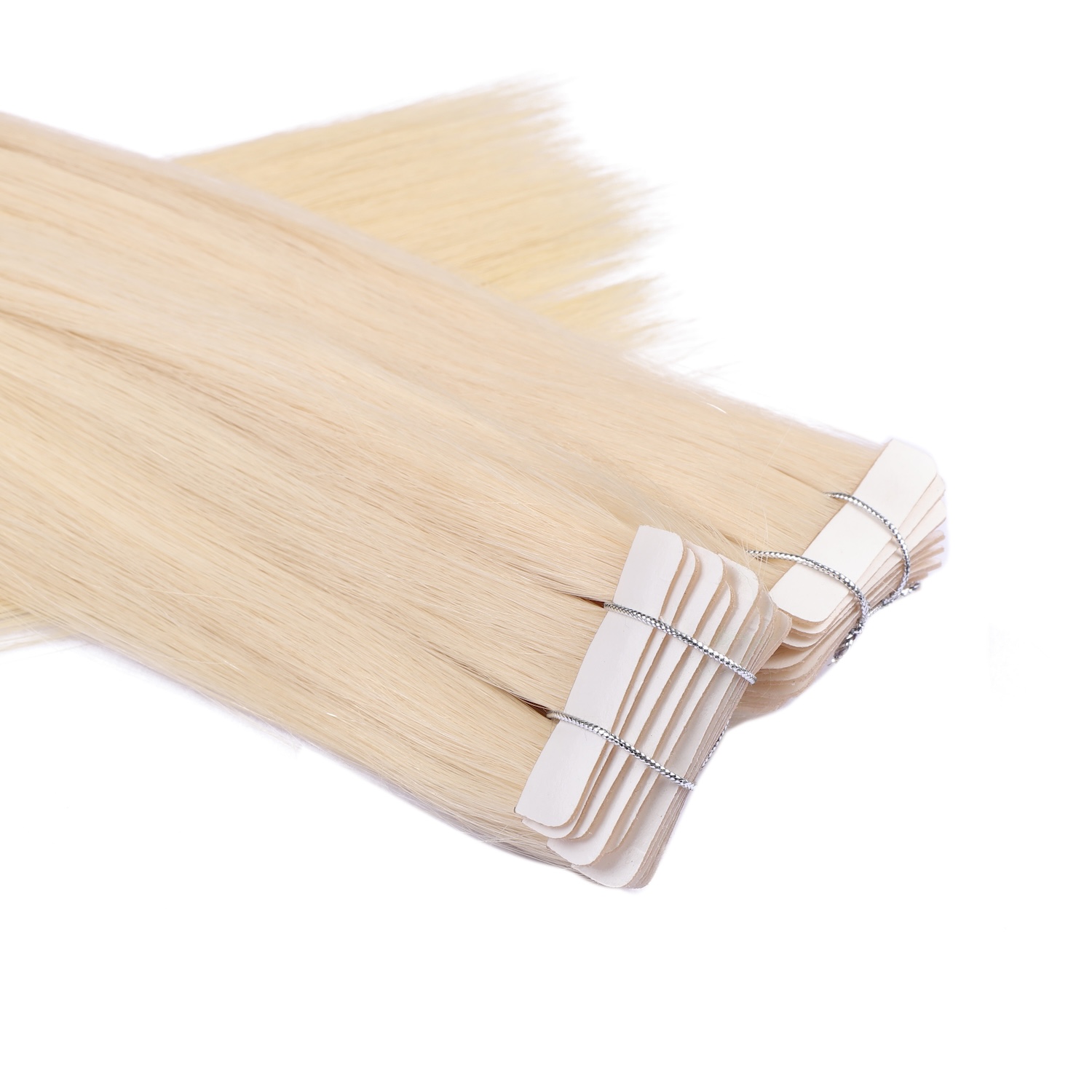
- Tape-in extensions
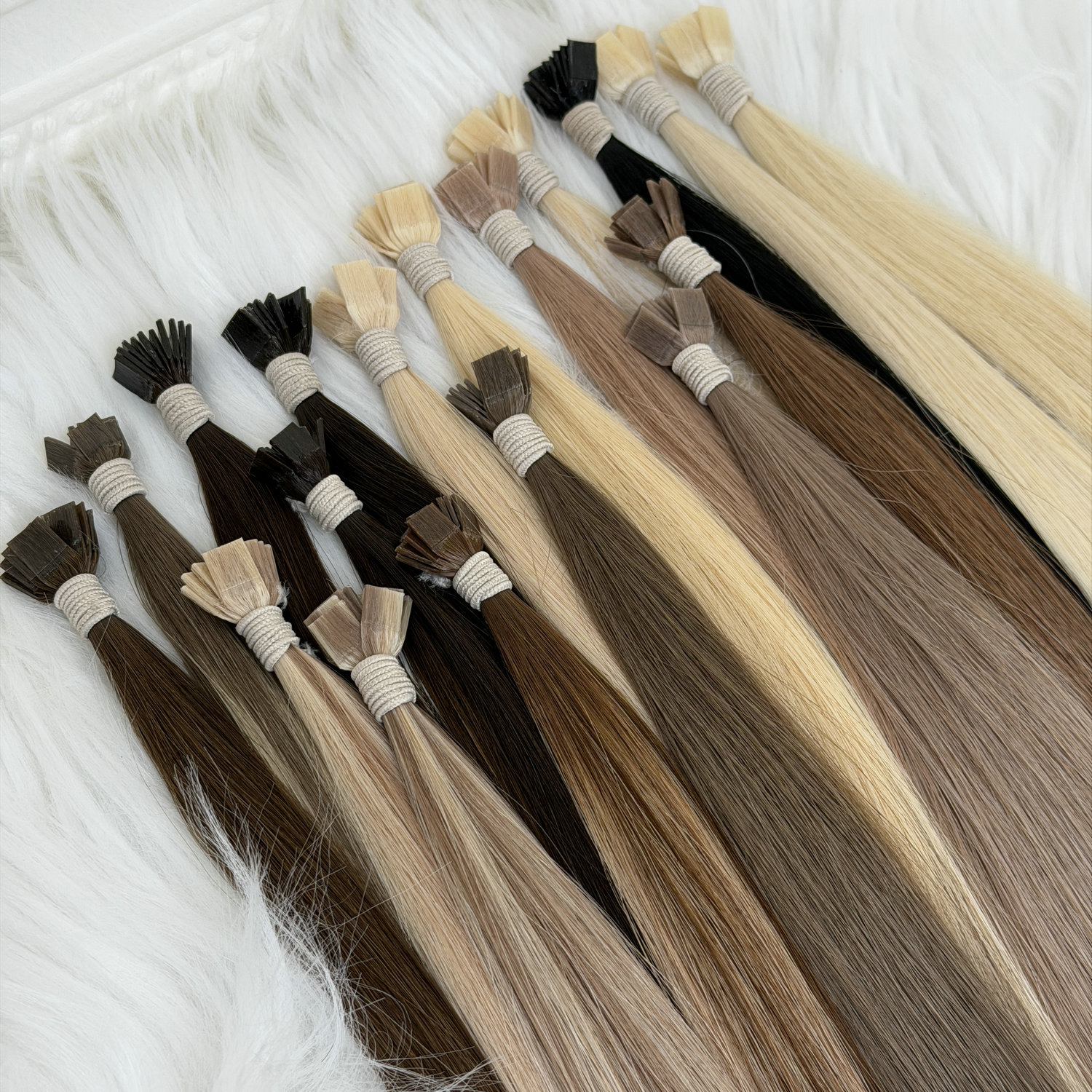
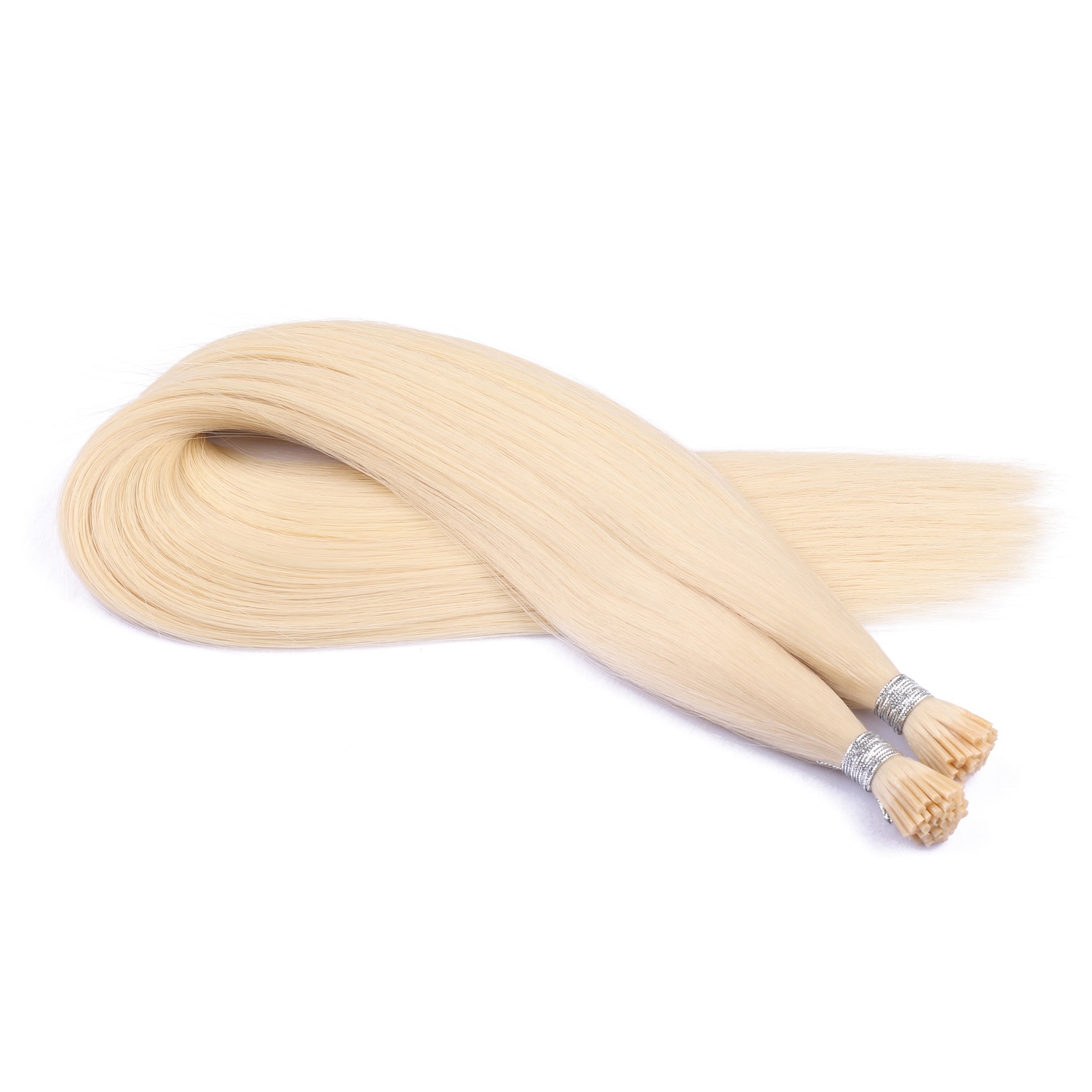
- I-tip extensions
- Colored extensions
This allows stylists to customize solutions instead of using a one-size-fits-all approach.
3. Manufacturing Experience
Extension quality depends heavily on manufacturing technology.
Experienced suppliers understand:
- Hair sourcing
- Cuticle preservation
- Coloring techniques
- Weft construction
- Quality control
Companies with decades of experience can usually provide more consistent products for professional salons and distributors.
Competitor Analysis: Hair Extension Brands and Market Positioning
The global hair extension market includes many professional brands competing through product innovation, education, and premium positioning.
Leading brands typically focus on:
- Professional salon partnerships
- Natural-looking results
- Multiple extension methods
- Stylist education
- Premium human hair quality
| Brand Positioning | Main Strategy | Strength |
|---|---|---|
| Premium Salon Extension Brands | Focus on stylist education and luxury positioning | Strong professional reputation |
| Online Direct-to-Consumer Brands | Focus on convenience and customer education | Easy purchasing experience |
| Wholesale Hair Suppliers | Focus on customization and competitive pricing | Flexible business solutions |
| Manufacturing-Based Suppliers | Focus on production quality and scalability | Stable supply chain |
Compared with many retail-focused brands, professional manufacturers offer important advantages for salon owners and distributors:
| Factor | Retail Brand | Professional Supplier |
|---|---|---|
| Custom Orders | Limited | Available |
| Wholesale Pricing | Limited | Better for businesses |
| Product Development | Standard products | Custom solutions |
| Packaging Options | Limited | Custom branding available |
| Direct Factory Support | Usually unavailable | Available |
For businesses looking to build their own extension brand, working directly with an experienced manufacturer provides greater flexibility.
Why Choose Qingdao ALOVE HAIR PRODUCTS Co., Ltd. for Hand Tied Extensions?
Qingdao ALOVE HAIR PRODUCTS Co., Ltd. has been a professional human hair supplier since the 1980s.
Starting as a raw hair collector and supplier, ALOVE has developed into a specialized manufacturer producing premium human hair extensions for global markets.
With more than 15 years of foreign trade experience, ALOVE supplies salons, distributors, and professional buyers across:
- United States
- United Kingdom
- Canada
- Australia
- Germany
- France
- Italy
- Europe
The company has achieved a customer retention rate of over 90% through consistent quality and professional service.
ALOVE Hair Product Advantages
1. 100% Cuticle Intact Human Hair
ALOVE specializes in premium cuticle-intact hair extensions.
Benefits include:
- Natural shine
- Soft texture
- Reduced tangling
- Longer lifespan
- Better coloring performance
2. Professional Hand Tied Extensions Manufacturing
ALOVE’s hand tied extensions are created with mature production techniques to achieve:
- Lightweight construction
- Natural movement
- Comfortable wearing experience
- Professional salon results
3. Expertise in Colored Hair Extensions
Coloring human hair while preserving quality requires advanced technology.
ALOVE has more than 20 skilled workers specializing in hair coloring processes.
Unlike lower-quality methods using ash bath processing, ALOVE focuses on maintaining cuticle integrity during color treatment.
4. Genius Weft: A Next-Level Extension Solution
ALOVE’s flagship product, Genius Weft, combines modern extension technology with professional performance.
Advantages include:
✔ Thin and flexible design
✔ Natural scalp appearance
✔ Easy installation
✔ Comfortable wearing experience
✔ Suitable for different hair densities
For salons looking for a versatile professional weft, Genius Weft provides an excellent balance between natural appearance and durability.
Frequently Asked Questions About Hand Tied Extensions vs Sew In Extensions
Are hand tied extensions better than sew in extensions?
Neither method is universally better. Hand tied extensions are usually better for clients who prioritize lightweight comfort and natural blending, while sew in extensions are ideal for clients who need strong attachment and more volume.
Can hand tied extensions be sewn in?
Yes. Hand tied extensions are commonly installed using a sew-in technique. The difference is that hand tied describes the weft construction, while sew-in describes the attachment method.
How long do hand tied extensions last?
With proper care, premium human hair hand tied extensions can last approximately 6–12 months or longer depending on usage, maintenance, and hair quality.
Are sew in extensions damaging?
When installed and maintained correctly by a professional stylist, sew in extensions can be a safe extension method. Poor installation or excessive tension may create problems.
What is the best human hair extension method?
The best method depends on:
- Natural hair condition
- Desired hairstyle
- Budget
- Maintenance preference
- Lifestyle
Professional consultation is the best way to select the right extension system.
Final Conclusion: Hand Tied Extensions vs Sew In Extensions
When comparing hand tied extensions vs sew in extensions, the most important factor is understanding that they are not always competing choices.
Hand tied describes the construction of the weft, while sew in describes the installation technique.
For clients who want lightweight, natural-looking extensions, hand tied extensions are an excellent option. For those seeking volume, flexibility, and strong attachment, sew in extensions remain one of the most trusted professional methods.
For salons, stylists, and wholesale buyers, choosing a reliable supplier is equally important. High-quality human hair, advanced manufacturing technology, and consistent customer support determine the final extension experience.
With decades of experience, professional manufacturing capabilities, and premium products such as Hand Tied Wefts, Sew In Extensions, and Genius Wefts, Qingdao ALOVE HAIR PRODUCTS Co., Ltd. continues to provide reliable extension solutions for the global hair industry.
Contact ALOVE Hair today to collaborate with a trusted professional hair extension supplier.

Alove Hair is a professional Chinese manufacturer of premium 100% Remy human hair extensions, wigs, and hair systems. Established in 2014, the company specializes in supplying global salons and distributors with high-quality, cuticle-intact hair products and offers comprehensive OEM/ODM private label services.