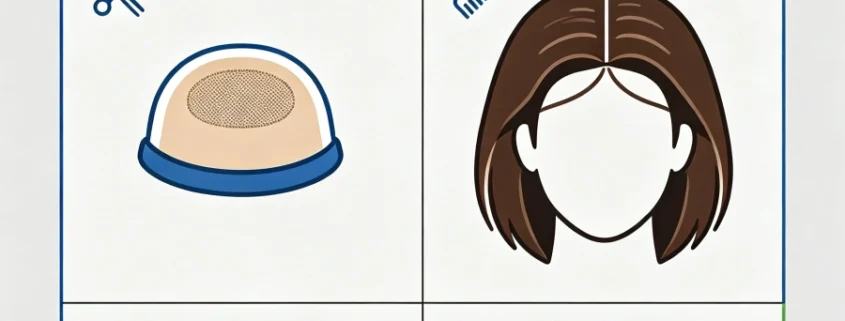
Toupee vs Hair System: The Complete Guide
Hair loss affects millions of men and women worldwide, and non-surgical hair replacement solutions have evolved dramatically over the years. Among the most commonly used terms are toupee and hair system—often used interchangeably, yet they are not exactly the same.
So what’s the real difference between a toupee and a hair system? Which one looks more natural? Which lasts longer? And most importantly—which one should you choose?
This comprehensive guide will break down everything you need to know about toupee vs hair system, including definitions, materials, construction, pricing, maintenance, and real-world performance.
What Is a Toupee?
A toupee traditionally refers to a small hairpiece designed to cover partial hair loss, typically on the crown or top of the head.
Historically, toupees were:
- Thick and unnatural-looking
- Made with synthetic hair
- Easily noticeable
However, modern toupees have significantly improved and now include:
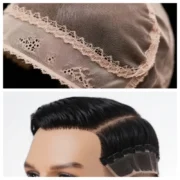
- Lace fronts
- Thin skin bases
- Human hair options
👉 Despite these improvements, the term “toupee” is still often associated with older, less natural hairpieces.
What Is a Hair System?
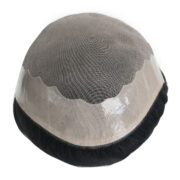
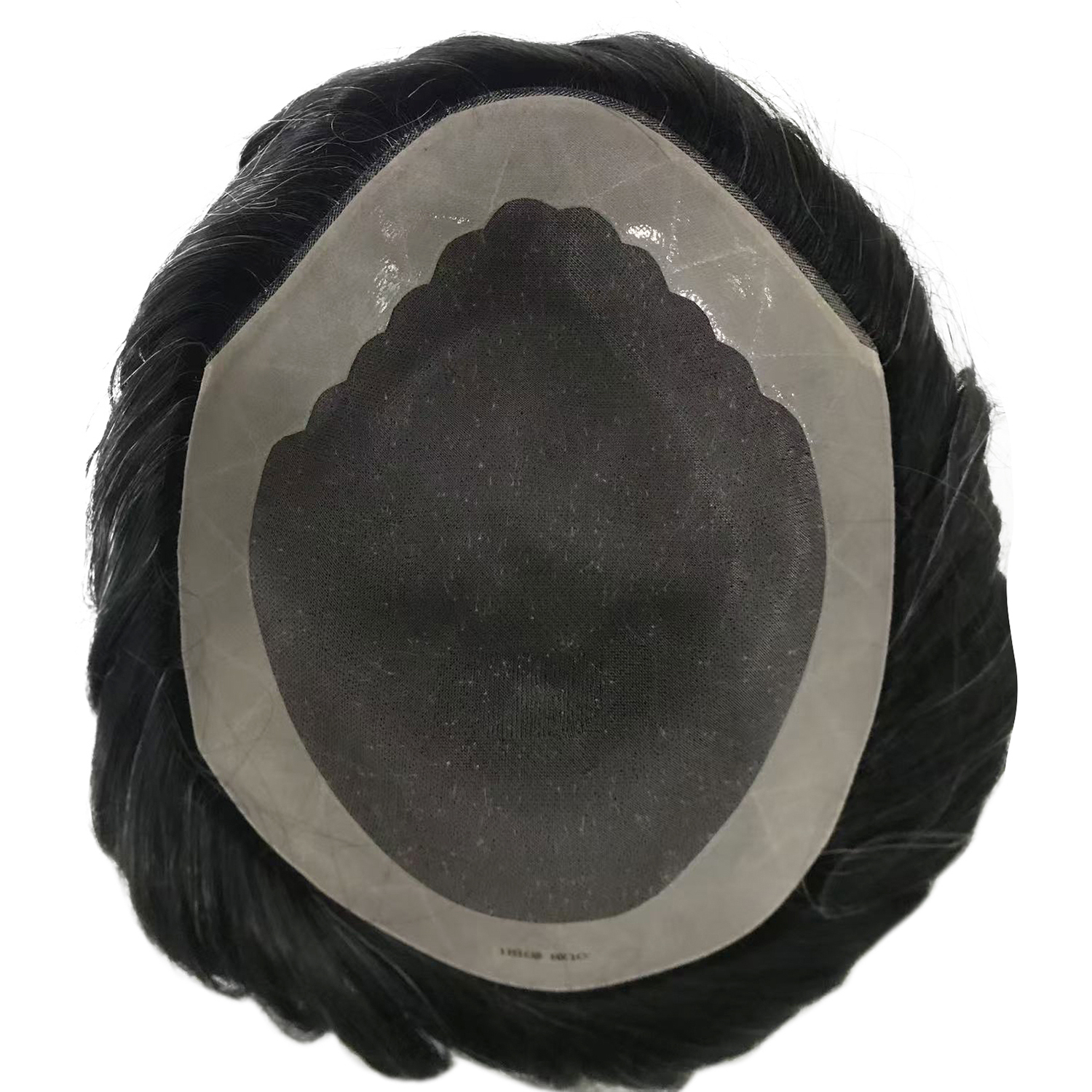
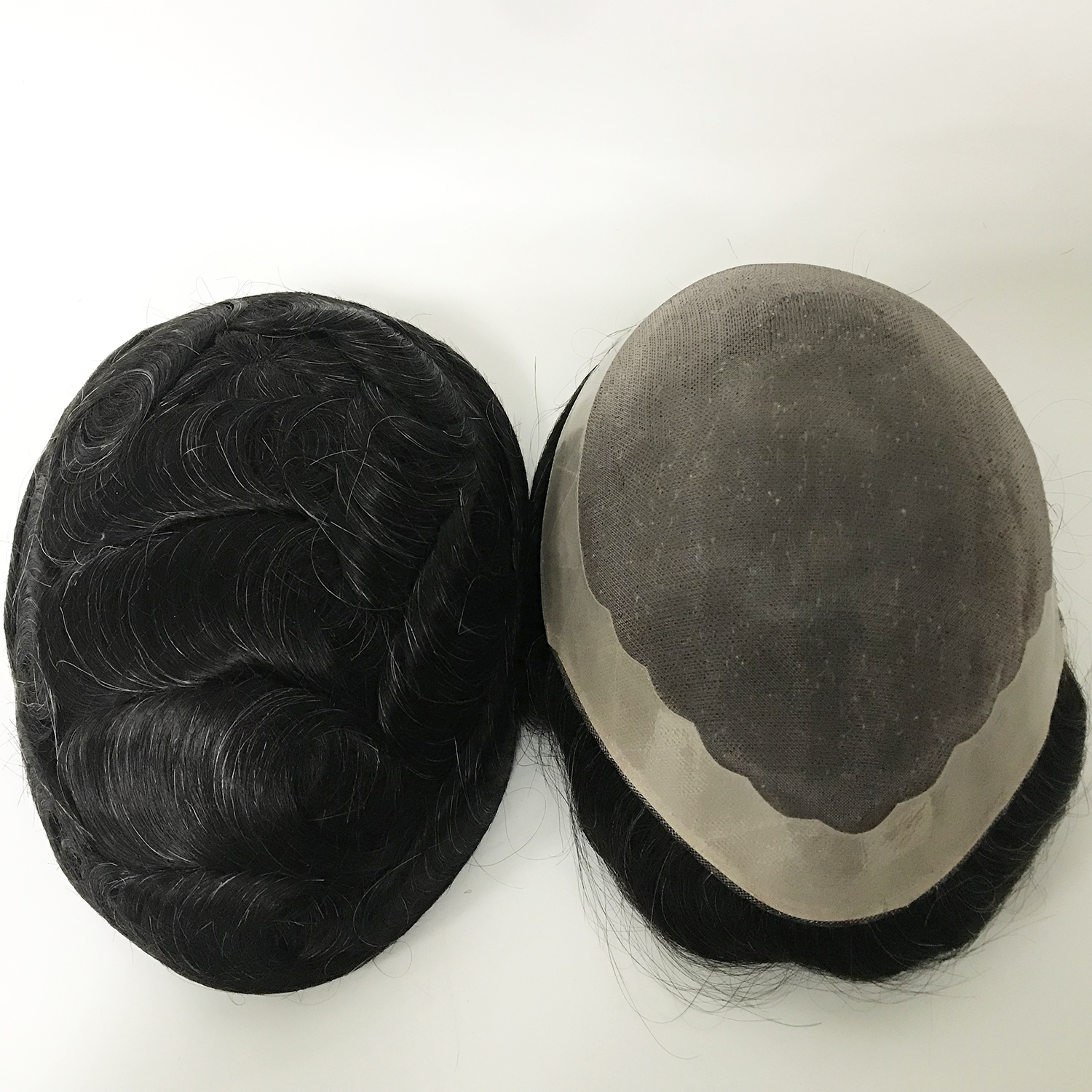
A hair system is a modern, advanced non-surgical hair replacement solution designed to replicate natural hair growth as closely as possible.
Hair systems are:
- Fully customized
- Made with high-quality human hair
- Designed for full or partial coverage
- Built with advanced base materials
👉 In today’s industry, “hair system” is the preferred term used by professionals because it reflects higher quality, realism, and technology.
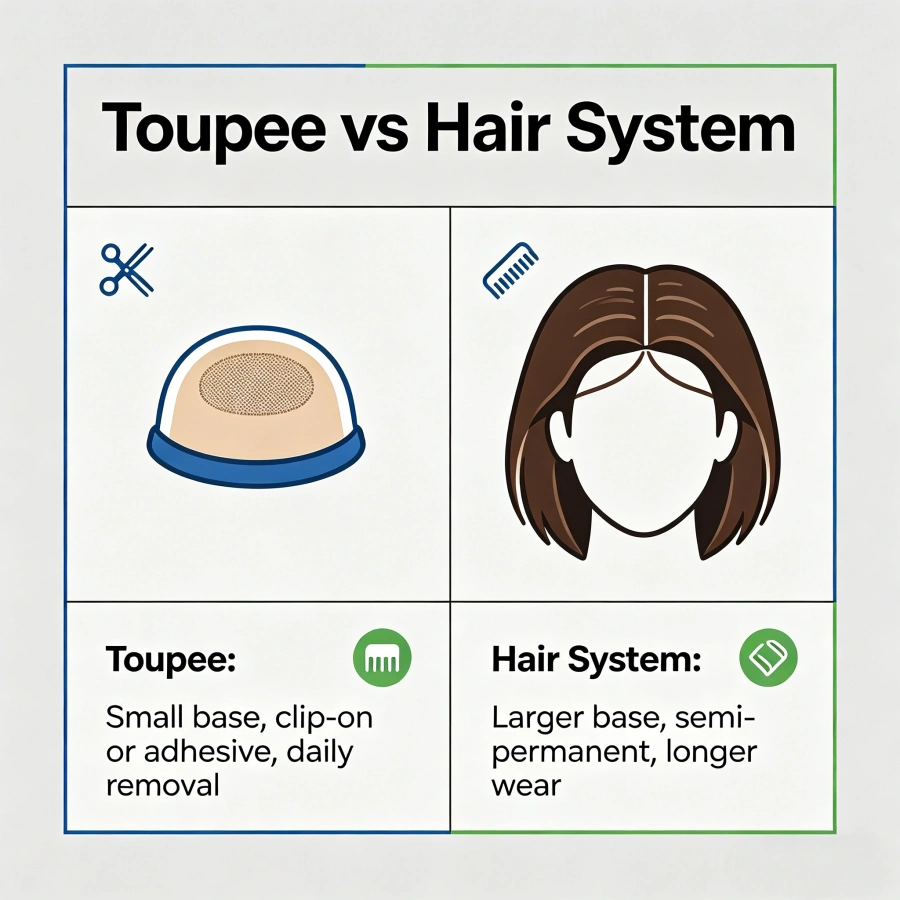
Toupee vs Hair System: Core Differences
| Feature | Toupee | Hair System |
|---|---|---|
| Definition | Traditional hairpiece | Modern advanced hair replacement |
| Appearance | Basic to moderate realism | Highly natural and undetectable |
| Materials | Often synthetic or basic human hair | Premium human or Remy hair |
| Customization | Limited | Fully customizable |
| Base Technology | Simple | Advanced (lace, mono, skin, hybrid) |
| Target Users | Partial hair loss | Partial or full hair loss |
| Industry Perception | Outdated term | Modern, professional solution |
Evolution: Why the Terminology Changed
The shift from “toupee” to “hair system” is not just marketing—it reflects real technological progress.
Modern hair systems feature:
- Ultra-thin bases (0.03–0.08 mm)
- Hand-tied hair strands
- Natural hairline design
- Breathable materials
👉 In simple terms:
- Toupee = older concept
- Hair system = upgraded, modern solution
Materials Comparison
Hair Type
Toupees:
- Synthetic hair (common in cheaper models)
- Basic human hair
Hair Systems:
- 100% human hair
- Remy hair (aligned cuticles for natural flow)
👉 Result: Hair systems look more natural and last longer.
Base Materials
Toupee Bases:
- Thick polyurethane (PU)
- Basic mesh
Hair System Bases:
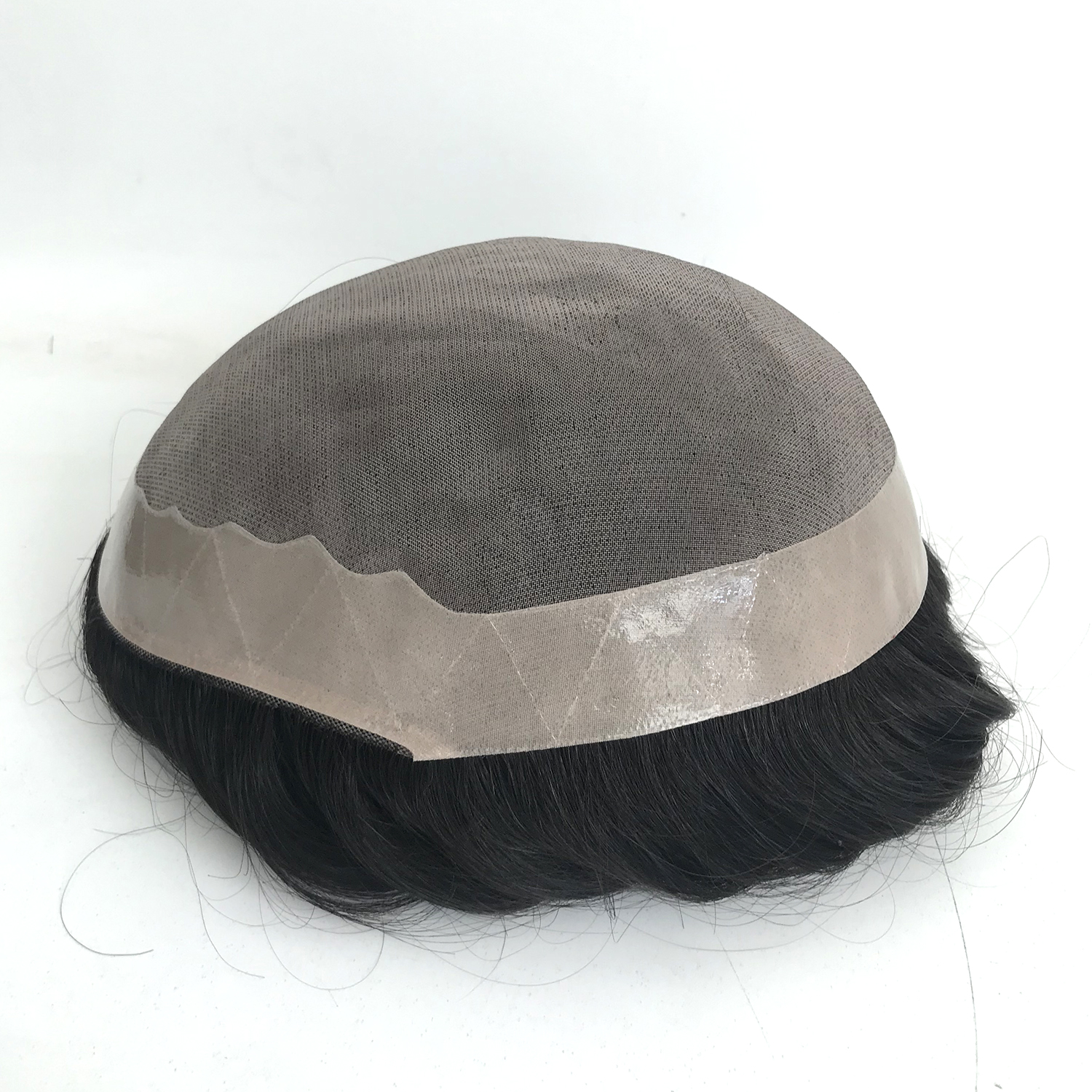
- Lace (French lace, Swiss lace)
- Monofilament
- Ultra-thin skin
- Hybrid combinations
👉 Result: Hair systems offer better comfort, breathability, and realism.
Appearance and Realism
Toupee
- Can look natural from a distance
- Hairline may appear artificial
- Less movement and styling flexibility
Hair System
- Virtually undetectable
- Natural hairline (especially lace front)
- Realistic density and movement
👉 Winner: Hair system, by a wide margin
Comfort and Breathability
Toupee
- Heavier base
- Less airflow
- May feel uncomfortable in hot weather
Hair System
- Lightweight materials
- Breathable lace options
- Comfortable for all-day wear
👉 Winner: Hair system, especially for active lifestyles
Durability and Lifespan
Toupee
- Synthetic: 1–2 months
- Basic human hair: 2–4 months
Hair System
- Lace systems: 3–6 months
- Skin systems: 2–5 months
- Premium systems: up to 9–12 months
👉 Winner: Hair system, depending on quality and maintenance
Customization Options
Toupee
- Limited sizes
- Standard colors
- Basic density options
Hair System
- Custom base size
- Personalized hairline
- Color matching
- Density control
- Curl pattern selection
👉 Winner: Hair system, ideal for tailored results
Attachment Methods
Both toupees and hair systems can use:
- Adhesive glue
- Double-sided tape
- Clips (temporary use)
However, hair systems offer more advanced bonding options, including:
- Long-term adhesive wear (2–4 weeks)
- Scalp-safe bonding systems
Maintenance Requirements
Toupee Maintenance
- Easier but shorter lifespan
- Less styling flexibility
Hair System Maintenance
- Requires proper cleaning and care
- Regular reattachment (every 2–4 weeks)
- Professional servicing recommended
👉 While hair systems require more care, they deliver better results.
Cost Comparison
Toupee Price
- Budget: $50–$150
- Mid-range: $150–$300
Hair System Price
- Mid-range: $200–$600
- Premium: $600–$1,500+
- Custom: $1,000–$2,500+
👉 Hair systems cost more but provide better long-term value.
Lifestyle Suitability
Choose a Toupee If You:
- Need a quick, low-cost solution
- Use it occasionally
- Are not concerned about maximum realism
Choose a Hair System If You:
- Want a natural, undetectable look
- Plan to wear it daily
- Value comfort and customization
- Are willing to invest in quality
Pros and Cons Summary
Toupee Pros
- Affordable
- Easy to use
- Good for temporary wear
Toupee Cons
- Less natural appearance
- Short lifespan
- Limited customization
Hair System Pros
- Extremely natural look
- Comfortable and breathable
- Highly customizable
- Longer lifespan
Hair System Cons
- Higher cost
- Requires maintenance
- Professional installation recommended
Common Misconceptions
“Toupee and Hair System Are the Same”
Not exactly. While they serve similar purposes, hair systems represent a more advanced evolution.
“Hair Systems Look Fake”
Modern hair systems are designed to be virtually invisible, especially when professionally installed.
“They Damage Natural Hair”
When properly applied and maintained, both options are safe.
How to Choose the Right Option
Step 1: Assess Your Hair Loss
- Small crown area → Toupee may work
- Larger or full coverage → Hair system recommended
Step 2: Set Your Budget
- Low budget → Toupee
- Medium to high budget → Hair system
Step 3: Consider Lifestyle
- Active lifestyle → Breathable hair system
- Occasional use → Toupee
Step 4: Evaluate Expectations
- Basic coverage → Toupee
- Natural, undetectable look → Hair system
Expert Recommendation
For most modern users, hair systems are the better choice.
Why?
- Superior realism
- Better comfort
- Longer lifespan
- Custom fit
Toupees still have a place in the market, but mainly for:
- Temporary use
- Budget-conscious buyers
Final Verdict: Toupee vs Hair System
The debate between toupee vs hair system ultimately comes down to quality vs cost.
- Toupee: Affordable, simple, functional
- Hair system: Advanced, natural, premium
👉 If your goal is confidence, natural appearance, and long-term wear, a hair system is the clear winner.
Conclusion
The hair replacement industry has evolved significantly, and the difference between toupees and hair systems reflects that progress. While toupees offer a basic solution, hair systems deliver a modern, high-performance experience.
Understanding the differences in materials, construction, pricing, and maintenance allows you to make an informed decision that fits your needs and lifestyle.
If you’re serious about achieving a natural, undetectable look, investing in a high-quality hair system is one of the best decisions you can make.

Alove Hair is a professional Chinese manufacturer of premium 100% Remy human hair extensions, wigs, and hair systems. Established in 2014, the company specializes in supplying global salons and distributors with high-quality, cuticle-intact hair products and offers comprehensive OEM/ODM private label services.