Toupee vs Wig: Cost, Maintenance, and Appearance Compared
Hair loss can affect anyone, and finding the right solution is essential for boosting confidence and improving appearance. Among the most common options are toupees and wigs, two types of hairpieces designed to address different levels of hair loss. A toupee typically covers a smaller area of the scalp, often targeting specific bald spots or thinning regions like the crown or hairline. In contrast, a wig provides full head coverage, suitable for those experiencing more extensive hair loss or seeking a complete change in hairstyle.
Knowing the distinctions between toupees and wigs is crucial because they offer different benefits depending on your needs. Each comes with its own considerations in terms of comfort, cost, upkeep, and natural look. Many people mistakenly use these terms interchangeably, but understanding their unique features can help you choose the most appropriate option that fits your lifestyle and budget.
This article will break down the key differences between toupee vs wig, focusing on cost, maintenance, and appearance. You’ll learn how much each typically costs, what kind of care is required to keep them looking their best, and how natural they appear once worn. With this information, you’ll be better equipped to select the ideal hair replacement solution that matches your personal preferences and restores your self-esteem.
What is a Toupee?
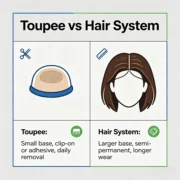
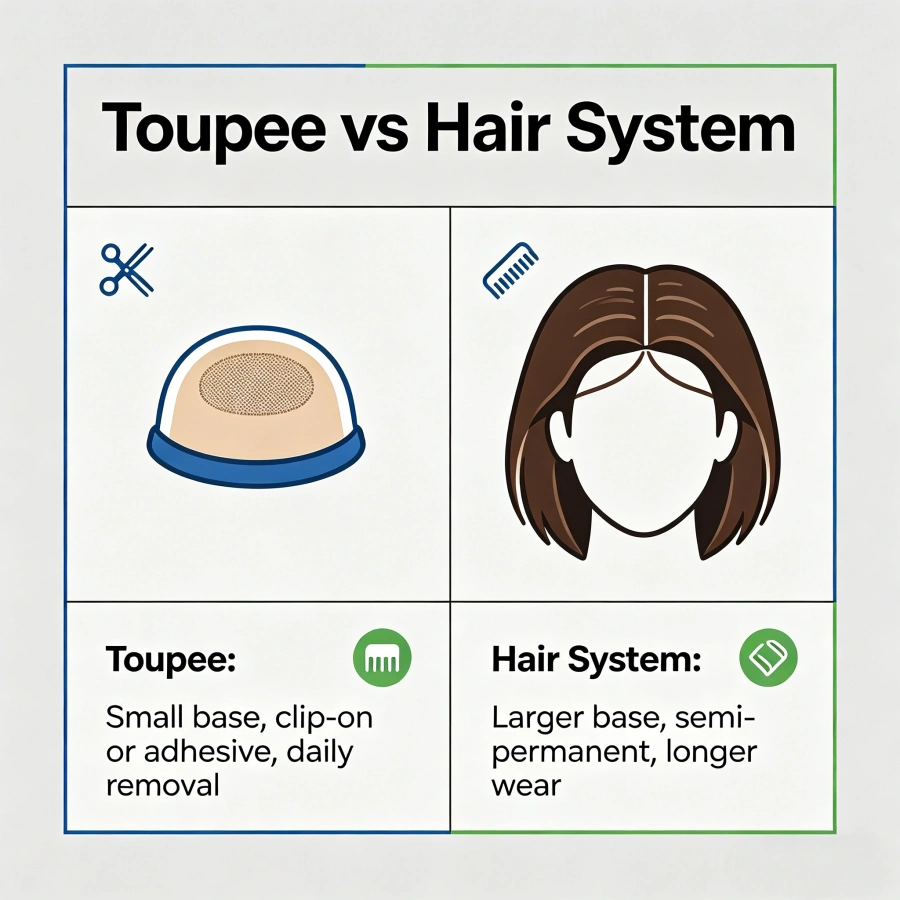
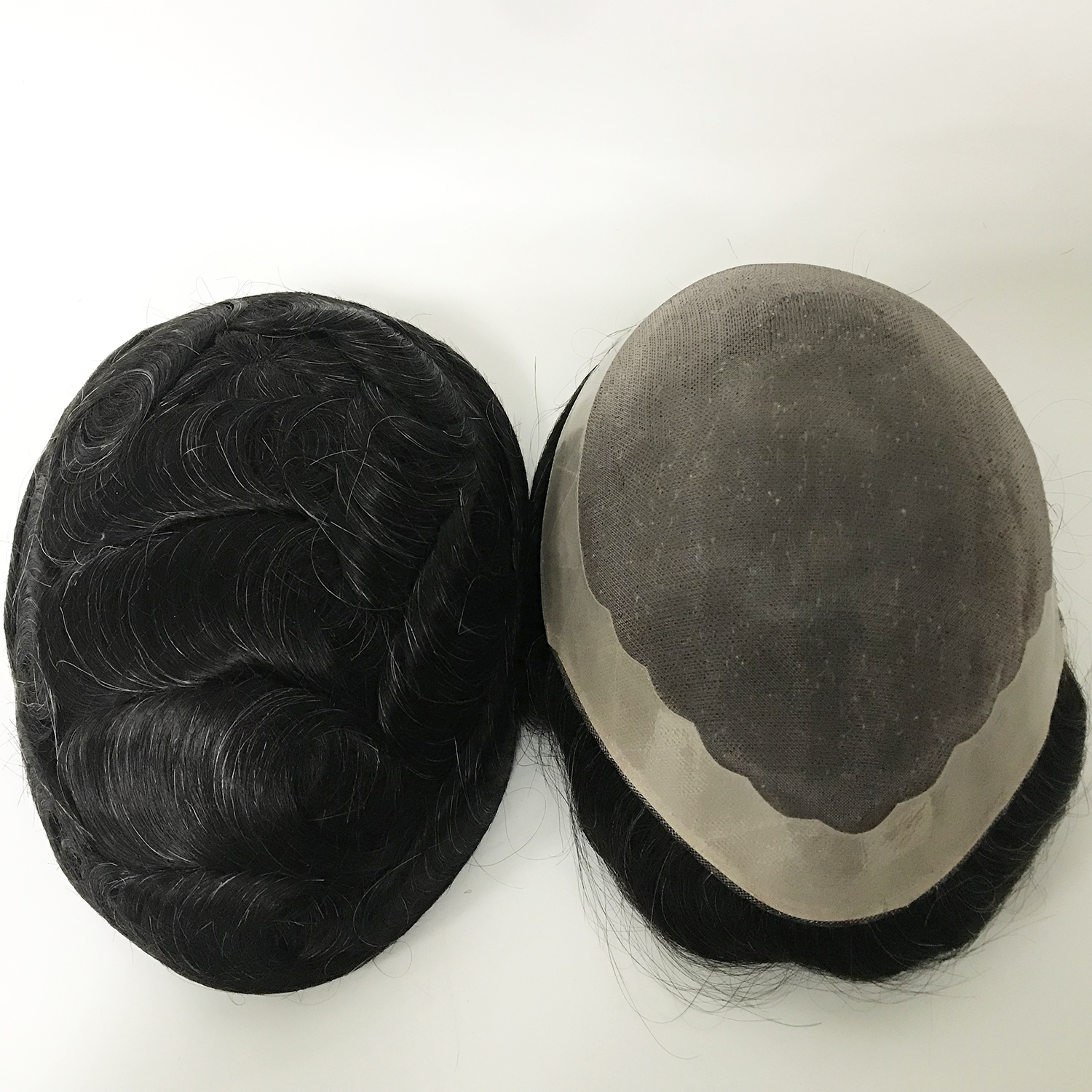
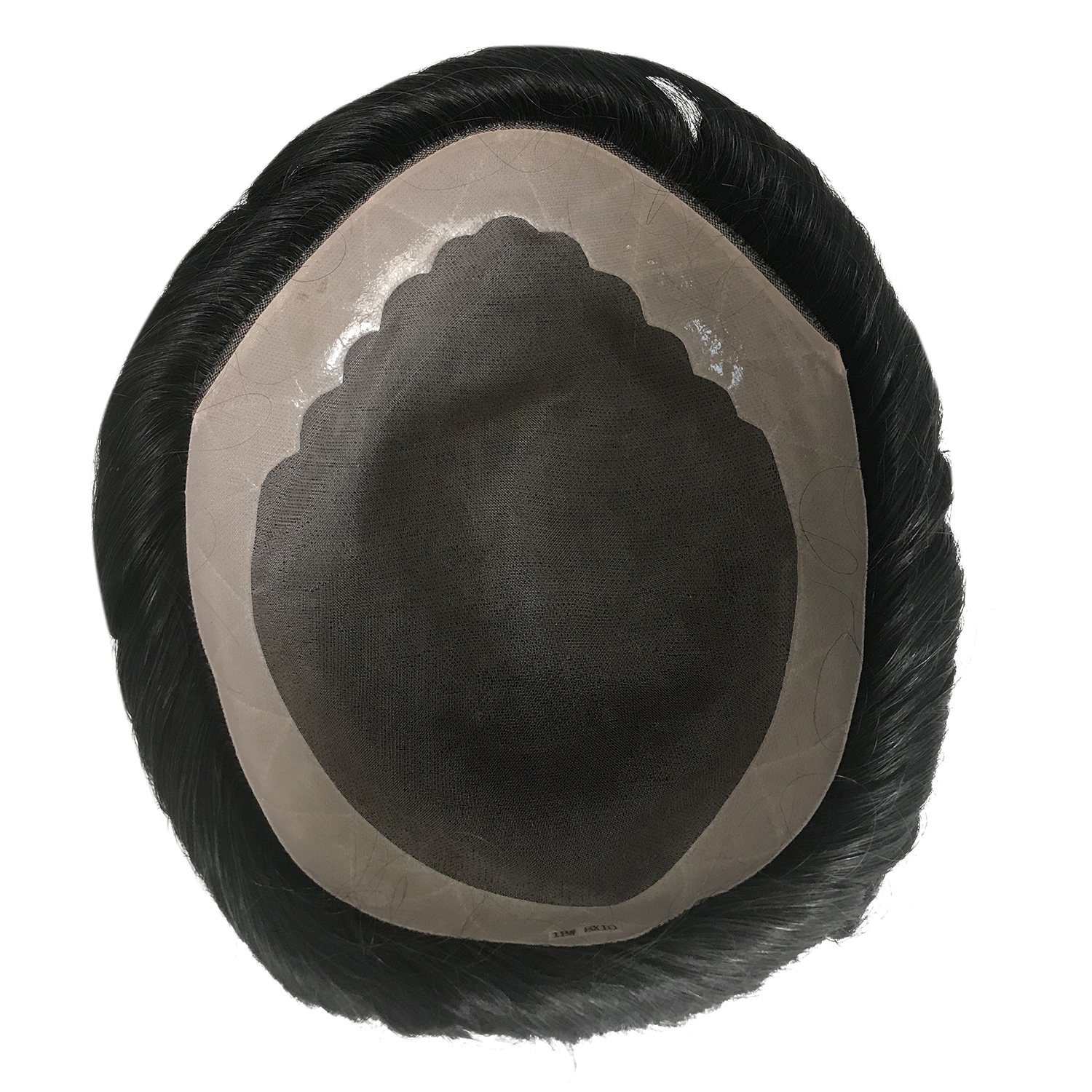
A toupee is a small hairpiece or partial wig designed primarily to cover areas of the scalp affected by hair loss, typically where thinning or balding is localized. Unlike full wigs that cover the entire head, toupees are made to blend seamlessly with the wearer’s existing hair, covering only specific spots such as the crown, top, or front hairline. Their main purpose is to restore the appearance of natural hair in these areas, helping individuals regain confidence and improve their overall look.
Toupees are commonly used by men experiencing male pattern baldness, especially those with receding hairlines or bald spots on the crown of the head. However, toupees can also be worn by women facing localized hair thinning or hair loss due to medical conditions or aging. While toupees have been popular for many decades, recent advances in materials and design have greatly improved their comfort, durability, and natural appearance.
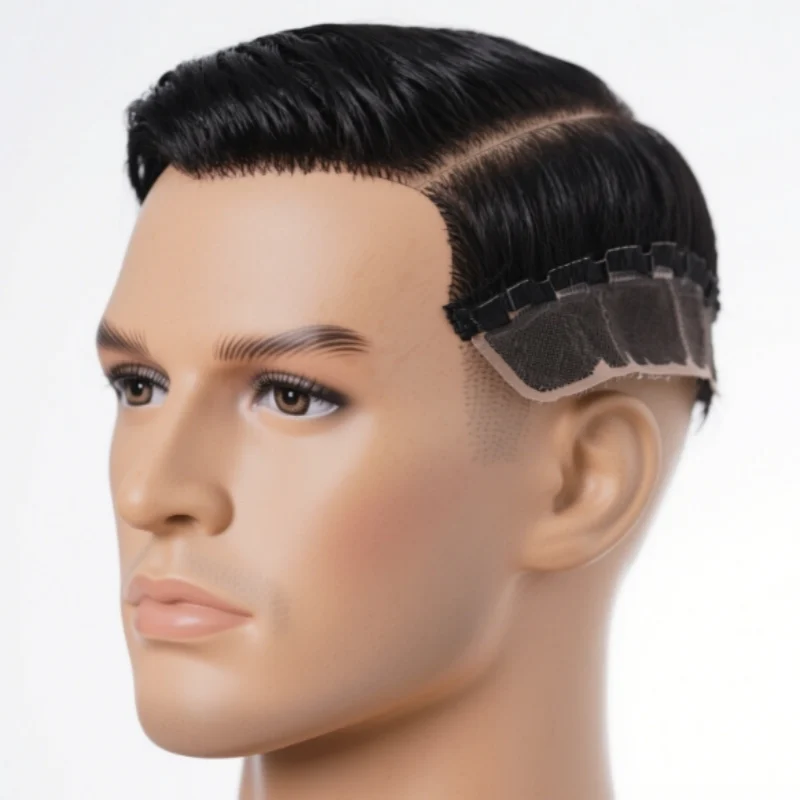
The primary users of toupees tend to be men who want to conceal partial hair loss without wearing a full wig. Male pattern baldness typically causes hair to recede from the front or thin on the top, leaving other areas relatively unaffected. A toupee offers a practical solution for these individuals because it can be customized to match their existing hair color, texture, and style. This allows the toupee to blend naturally with their own hair, making it less noticeable to others. Some men prefer toupees because they are less bulky and easier to manage than full wigs, and they can be styled just like real hair.
When it comes to materials, toupees can be made from either synthetic fibers or human hair. Synthetic toupees are generally more affordable and easier to maintain, but they may not look or feel as natural as those made from real human hair. Human hair toupees, although more expensive, offer a highly realistic appearance and can be styled with heat tools, dyed, or treated just like natural hair. High-quality toupees often use Remy human hair, where the cuticles are kept intact and aligned, reducing tangling and prolonging the lifespan of the hairpiece.
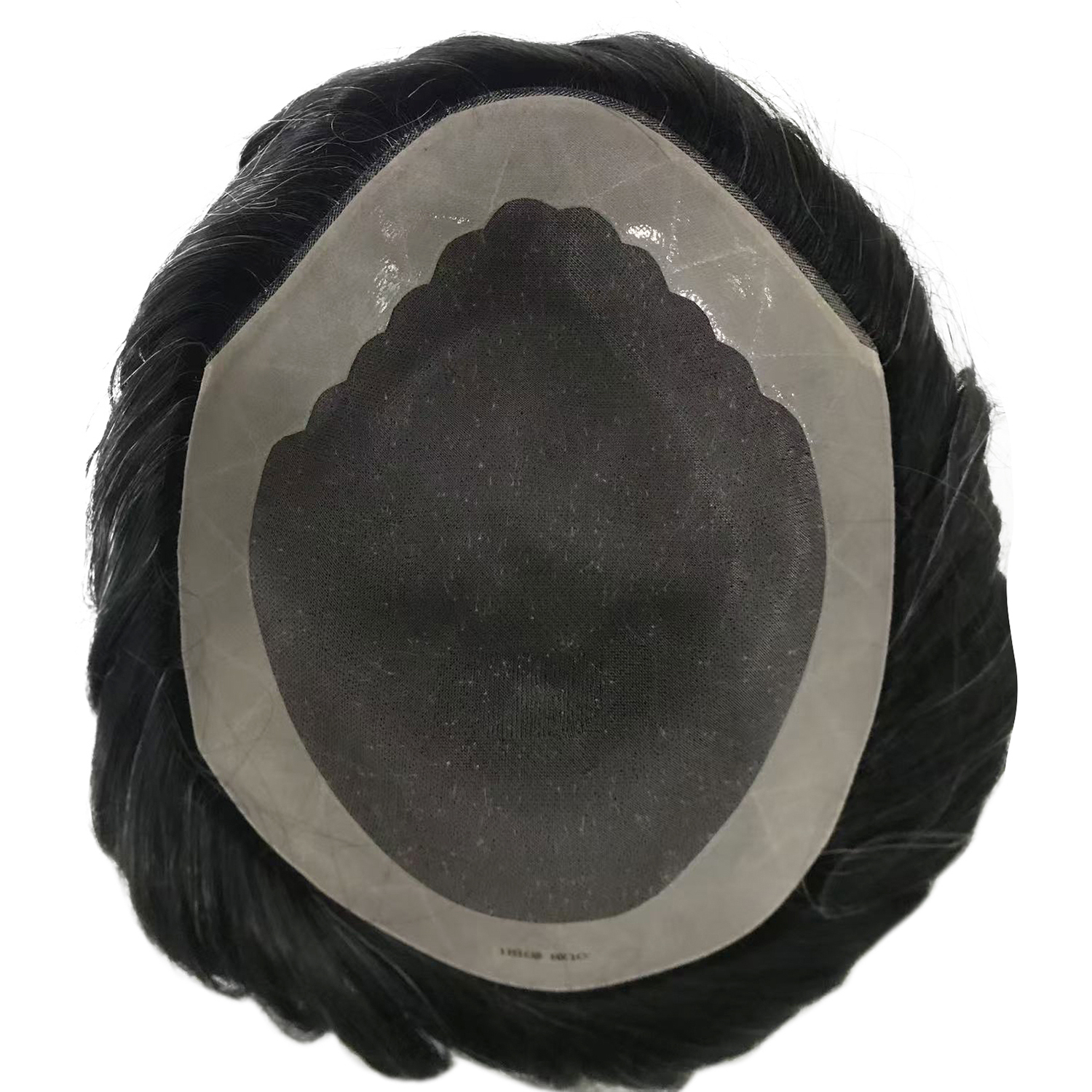
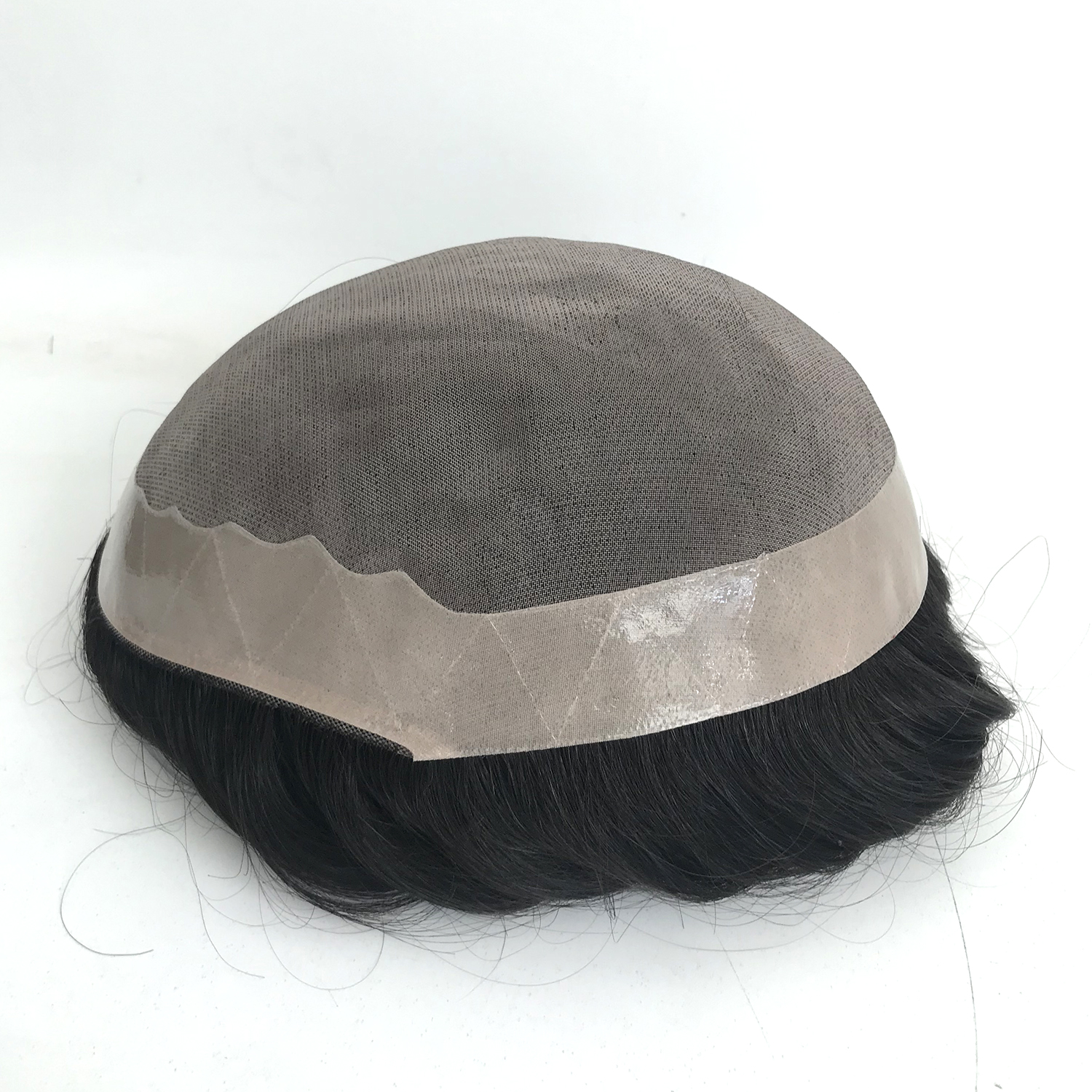
The design and construction of toupees have also evolved significantly. Modern toupees often feature breathable bases made from materials such as lace, polyurethane, or monofilament. Lace bases offer a lightweight and nearly invisible appearance at the hairline, making the toupee look more natural. Polyurethane bases provide durability and a skin-like finish, allowing toupees to be attached securely with adhesives or tapes. Monofilament bases simulate the scalp and give the illusion of hair growing directly from the scalp, enhancing realism.
Additionally, many toupees include features that improve comfort and fit. Adjustable straps, clips, or adhesive systems ensure the hairpiece stays securely in place during daily activities. Some toupees are also designed to be water-resistant, allowing users to wear them while swimming or exercising.
In summary, a toupee is a specialized hairpiece designed to cover partial hair loss, primarily used by men with receding hairlines or thinning hair. Made from synthetic fibers or real human hair, toupees are crafted with advanced materials and techniques to provide a natural look, comfortable fit, and durable performance. For those experiencing localized hair loss, a well-chosen toupee can be an effective and stylish solution to restore their hair’s appearance and confidence.
What is a Wig?
A wig is a full-head hairpiece designed to cover the entire scalp, replacing all of a person’s natural hair. Unlike toupees, which only cover partial hair loss, wigs provide complete hair coverage and are often used for both cosmetic and medical reasons. Wigs come in a wide variety of styles, lengths, colors, and materials, making them a versatile solution for anyone looking to change their appearance, conceal hair loss, or protect their natural hair.
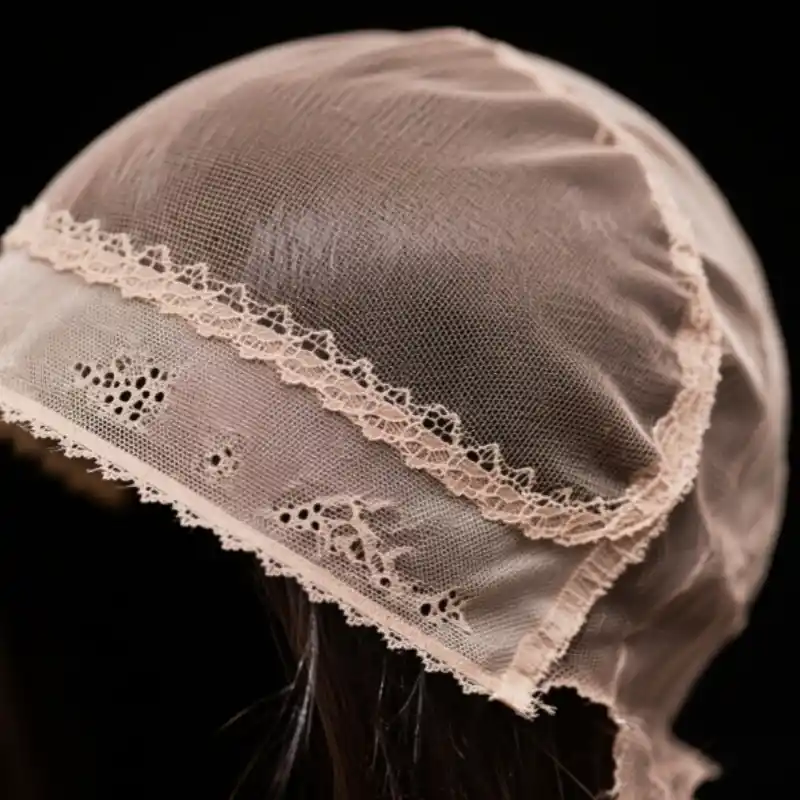
The primary purpose of a wig is to offer full scalp coverage, whether due to hair thinning, alopecia, chemotherapy, or simply a desire for a new look. Wigs can transform a person’s style instantly and provide confidence by restoring the appearance of a full head of hair. They are available in many styles—from natural and subtle to bold and dramatic—catering to diverse personal preferences and needs.
Typical users of wigs include both men and women across various age groups. Women often wear wigs to manage hair loss caused by medical treatments such as chemotherapy, alopecia, or other health conditions. Wigs can also be a fashion accessory, allowing women to experiment with different hairstyles, colors, and lengths without altering their natural hair. Men also use wigs, especially those experiencing significant hair loss or complete baldness, or those interested in changing their style. Additionally, wigs are popular in entertainment industries—actors, performers, and cosplayers frequently use wigs to achieve specific looks or characters.
Wigs are made from two main types of materials: synthetic fibers and human hair. Synthetic wigs are crafted from man-made fibers designed to mimic the look and feel of real hair. These wigs are usually more affordable, require less maintenance, and hold their style well even after washing. However, they can sometimes appear less natural, and their styling options are limited because heat can damage synthetic fibers.
Human hair wigs, on the other hand, are made from real human hair, offering the most natural appearance and texture. They allow for more styling versatility, including heat styling, coloring, and cutting, just like natural hair. Because of their realism and flexibility, human hair wigs tend to be more expensive and require more maintenance to keep them looking their best.
In terms of design, wigs come in a variety of cap constructions to suit different needs and budgets. Some popular types include lace front wigs, which have a sheer lace panel at the front to create a natural-looking hairline; full lace wigs, which are made entirely of lace for maximum styling versatility; and monofilament wigs, where each hair is individually hand-tied to a thin mesh base, giving a realistic scalp appearance. Traditional cap wigs use a machine-made base and are usually more affordable but may offer less natural movement.
Wigs are also available in countless styles, ranging from short pixie cuts and sleek bobs to long curls and waves. Colors span from natural shades like black, brown, and blonde to vibrant hues like red, blue, or purple. This variety allows individuals to express their personality and style preferences easily.
In summary, a wig is a full-head hairpiece designed to cover the entire scalp, providing a complete hair replacement solution for people experiencing hair loss or those wanting a new hairstyle. Made from synthetic or human hair, wigs come in many styles and cap constructions to suit diverse needs. Whether for medical reasons, fashion, or convenience, wigs offer an effective and versatile way to enhance one’s appearance and confidence.
Cost Comparison: Toupee vs Wig
When deciding between a toupee and a wig, one of the most important considerations is cost. The price of these hairpieces can vary widely depending on several factors such as material quality, customization, brand, and additional features. Understanding the typical price ranges and what influences costs can help you make a more informed and budget-friendly decision.
Typical Price Range of Toupees
Toupees generally cover smaller areas of the scalp and tend to be less expensive than full wigs. The typical price for a toupee ranges from $200 to $1,500. Synthetic toupees, which are made from man-made fibers, are on the lower end of this spectrum, often costing between $200 and $600. Human hair toupees, which provide a more natural look and greater styling flexibility, usually range from $600 to $1,500 or more, depending on the quality and customization.
Typical Price Range of Wigs
Wigs cover the entire scalp and are usually more complex to make, which reflects in their price. Synthetic wigs typically range from $100 to $1,000, with many affordable options available for casual or short-term use. High-quality human hair wigs can cost anywhere from $500 to $3,000 or more, especially if they are custom-made or come from luxury brands. The price increases with the length of the hair, density, and the craftsmanship involved in creating the wig cap.
Factors Affecting Cost
Several factors influence the final price of both toupees and wigs:
- Material Quality: Human hair is more expensive than synthetic fibers. Remy human hair, which preserves the cuticle alignment, costs more but offers better durability and appearance.
- Customization: Custom-made hairpieces tailored to the individual’s scalp shape, hair color, and style preferences cost significantly more than ready-to-wear options.
- Brand and Manufacturer: Established brands with a reputation for quality often charge premium prices. Luxury or designer wigs and toupees typically fall into a higher price bracket.
- Cap Construction: Advanced features like lace fronts, monofilament tops, or breathable bases can increase the price due to the complexity and comfort they offer.
- Length and Density: Longer and thicker hairpieces require more material and labor, increasing the cost.
Budget Considerations and Value
While toupees are generally less expensive, they may require more frequent replacement due to their smaller size and frequent use, potentially adding to long-term costs. Wigs, particularly high-quality human hair wigs, are an investment that often lasts longer with proper care. It’s essential to balance upfront costs with durability, maintenance expenses, and the desired natural look.
| Hairpiece Type | Material | Typical Price Range | Customization | Durability | Maintenance Cost |
|---|---|---|---|---|---|
| Toupee | Synthetic | $200 – $600 | Low to Medium | Moderate | Low to Moderate |
| Toupee | Human Hair | $600 – $1,500+ | Medium to High | Moderate to High | Moderate |
| Wig | Synthetic | $100 – $1,000 | Low to Medium | Low to Moderate | Low to Moderate |
| Wig | Human Hair | $500 – $3,000+ | Medium to High | High | Moderate to High |
The choice between a toupee and a wig often comes down to your budget and specific needs. Toupees can be a cost-effective solution for partial hair loss, while wigs offer comprehensive coverage and styling versatility but at a higher price. Evaluating both upfront costs and long-term value will help you choose the best option that fits your lifestyle and financial plan.
Maintenance Requirements
Proper maintenance is essential to keep both toupees and wigs looking their best and to extend their lifespan. However, the care routines and time commitments for each can differ significantly depending on the type of hairpiece and its materials.
Daily Care of Toupees
Toupees require regular cleaning and careful handling, especially since they are often worn daily to cover partial hair loss. Cleaning a toupee typically involves gentle washing with specialized shampoos and conditioners designed for delicate hairpieces. Depending on usage, toupees should be cleaned every 1 to 2 weeks to remove oils, dirt, and product buildup.
Attachment methods also impact maintenance. Many toupees are secured with tapes, adhesives, clips, or combs, which require regular replacement or adjustment to maintain a secure and comfortable fit. Improper attachment can lead to discomfort, damage to natural hair, or slipping during wear.
The lifespan of a toupee depends on the materials and how well it is cared for. Synthetic toupees generally last about 3 to 6 months with regular use, while human hair toupees can last up to a year or more with proper maintenance. Given the frequent wear and partial coverage, toupees often need more attentive care to keep them looking natural and secure.
Maintenance of Wigs
Wigs, offering full head coverage, also demand consistent care but typically follow a slightly different routine. Washing wigs is recommended every 7 to 14 days depending on frequency of wear and exposure to environmental factors like sweat, dust, or styling products. Like toupees, wigs benefit from specially formulated shampoos and conditioners.
Storage is crucial for wigs to maintain shape and prevent tangling. When not worn, wigs should be placed on wig stands or mannequins to preserve their style and prevent damage. Proper storage also helps extend the wig’s lifespan.
Styling wigs varies based on the material. Synthetic wigs hold their shape well but usually cannot withstand heat styling, while human hair wigs can be styled with curling irons, straighteners, and colored or trimmed to suit personal preferences. This flexibility adds to the wig’s maintenance requirements but also its versatility.
Frequency and Difficulty of Upkeep
Overall, toupees often require more frequent maintenance due to their attachment systems and daily wear in localized areas. Wigs, while requiring regular washing and storage care, may involve less daily attention but can demand more effort if heat styling or color treatments are involved.
Convenience and Time Investment
For many users, toupees are convenient for quick partial coverage but require careful handling to avoid slippage. Wigs provide full coverage and styling versatility but may involve more preparation time each day. Ultimately, choosing between the two depends on personal lifestyle, how much time one can dedicate to upkeep, and desired appearance.
Appearance and Natural Look
One of the most important factors when choosing between a toupee and a wig is how natural they look once worn. Both hairpieces aim to restore a realistic hairline and scalp appearance, but they achieve this in different ways due to their design and coverage.
How Toupees Blend with Natural Hair
Toupees are designed to cover partial hair loss, which means they must seamlessly blend with the wearer’s existing hair. This blending is crucial for maintaining a natural look. Modern toupees often use lace fronts or monofilament bases that mimic the scalp’s appearance, allowing hair to appear as if it is growing directly from the skin. The edges of the toupee are carefully crafted to lay flat against the scalp and merge with natural hair, minimizing visible lines or gaps.
Because toupees cover only part of the scalp, matching the color, texture, and density of the wearer’s natural hair is essential. Skilled stylists often customize toupees by trimming, dyeing, or texturizing the hairpiece to ensure it integrates perfectly with the surrounding hair. When done well, toupees are nearly undetectable, giving a very natural and youthful appearance.
Appearance and Coverage of Wigs
Wigs provide full head coverage, which means they replace all natural hair and can completely transform a person’s look. High-quality wigs with lace fronts or full lace caps offer a realistic hairline and scalp simulation, making the wig appear as natural as possible. Monofilament wigs, where each hair strand is individually hand-tied to a mesh base, offer superior realism by mimicking the natural movement of hair.
Since wigs cover the entire scalp, they can be styled in any fashion, allowing users to experiment with different lengths, colors, and cuts without worrying about matching existing hair. This versatility can enhance the overall natural appearance, especially when the wig is chosen to complement the wearer’s face shape and skin tone.
Comfort and Breathability When Worn
Comfort plays a key role in the natural look of toupees and wigs. Breathable bases such as lace or monofilament allow air to circulate, preventing overheating and scalp irritation. Toupees, being smaller, generally feel lighter and cooler, while wigs may feel warmer due to full head coverage, especially in hot weather.
Advancements in materials have made many modern toupees and wigs lightweight and flexible, improving comfort and wearability. A well-fitted hairpiece also prevents unnatural movement or shifting, which is crucial for maintaining a natural look throughout the day.
Tips for Achieving the Most Natural Look
- Choose the right base: Opt for lace front or monofilament bases that mimic the scalp.
- Match hair color and texture: Customize the hairpiece to blend perfectly with natural hair or skin tone.
- Proper fitting: Ensure the toupee or wig fits snugly without gaps or bulges.
- Styling: Trim and style the hairpiece to suit your natural hair pattern or desired look.
- Use minimal adhesives: Avoid excessive glue or tape that can create unnatural edges.
- Regular maintenance: Keep the hairpiece clean and conditioned to maintain shine and softness.
By focusing on these factors, both toupees and wigs can provide a remarkably natural appearance that boosts confidence and comfort.
Pros and Cons Summary
Advantages of Toupees
- Natural Blending: Toupees cover only partial hair loss and blend with existing hair, offering a subtle, natural look.
- Lightweight and Comfortable: Smaller size makes them lighter and often more breathable than full wigs.
- Easier Daily Use: Quicker to put on and remove for those who want occasional coverage.
- Cost-Effective: Generally less expensive upfront compared to full wigs.
Disadvantages of Toupees
- Limited Coverage: Only suitable for localized hair loss, not for complete baldness.
- Attachment Maintenance: Requires adhesives or clips that need regular upkeep.
- Potential for Slippage: Risk of moving or lifting if not properly secured.
- Shorter Lifespan: Often replaced more frequently due to daily wear on small area.
Advantages of Wigs
- Full Coverage: Ideal for those with extensive hair loss or total baldness.
- Styling Versatility: Wide variety of lengths, colors, and styles to choose from.
- High Realism: Advanced cap constructions (lace fronts, monofilament) offer very natural appearances.
- Protects Natural Hair: Can shield natural hair from damage and environmental factors.
Disadvantages of Wigs
- Higher Cost: Quality human hair wigs can be quite expensive.
- More Maintenance: Requires regular washing, styling, and careful storage.
- Can Feel Warm: Full head coverage may feel less breathable, especially in hot weather.
- Daily Time Investment: Putting on and styling can take longer than toupees.
Which Option Suits Different Lifestyles and Needs?
- Toupees are best for:
Individuals with partial hair loss who want a lightweight, natural-looking option. Ideal for those who prefer minimal daily maintenance and quicker application. Good for men with receding hairlines or thinning crowns who want to blend with existing hair. - Wigs are best for:
People with extensive or complete hair loss, including those undergoing medical treatments like chemotherapy. Also great for anyone seeking a full change in hairstyle or color without altering natural hair. Suitable for those willing to invest time and money in maintenance and styling.
Toupees offer a cost-effective, comfortable solution for partial hair loss, while wigs provide full coverage and greater styling flexibility at a higher cost and care level. Choosing between the two depends on the extent of hair loss, lifestyle preferences, and budget.
Conclusion
Toupees and wigs serve different needs when it comes to hair replacement. Toupees provide partial coverage, blending seamlessly with natural hair and offering a lightweight, cost-effective solution for localized hair loss. Wigs, on the other hand, offer full scalp coverage, greater styling versatility, and a more dramatic transformation but often come with higher costs and maintenance demands.
When considering cost, toupees tend to be more affordable upfront, while wigs, especially human hair ones, require a larger investment but can last longer. Maintenance for toupees involves frequent attachment care, whereas wigs need regular washing, styling, and proper storage. In terms of appearance, both can look natural with the right fit and customization, but wigs allow for more style options.
Ultimately, the best choice depends on your lifestyle, budget, and personal preferences. Take time to evaluate your needs, and select the hairpiece that boosts your confidence and fits your daily routine best.

Alove Hair is a professional Chinese manufacturer of premium 100% Remy human hair extensions, wigs, and hair systems. Established in 2014, the company specializes in supplying global salons and distributors with high-quality, cuticle-intact hair products and offers comprehensive OEM/ODM private label services.