Hair toppers for thinning hair
Hair thinning is common—caused by genetics, aging, stress, hormones, or medical conditions. For many people, the challenge isn’t just coverage; it’s finding a solution that looks natural, feels comfortable, and fits daily life. That’s where hair toppers for thinning hair come in.
This guide explains what hair toppers are, the main types, how they’re made, their components, how they work, where they’re used, what problems they solve, and how they compare with alternatives—using clear, practical language.
What Are Hair Toppers for Thinning Hair?
A hair topper (also called a top piece or hair integration topper) is a partial hairpiece designed to cover thinning areas—typically on the crown, top, or part line—while blending with your existing hair.
Unlike full wigs, toppers:
- Cover only the thinning area
- Attach to your natural hair
- Blend seamlessly for a natural look
In simple terms:
A hair topper adds volume exactly where you need it—without replacing your whole hairstyle.
Who Should Use a Hair Topper?
Hair toppers are ideal for people who:
- Have mild to moderate hair thinning
- Want to add volume on the crown
- Have widening part lines
- Experience early-stage hair loss (e.g., androgenetic alopecia)
- Want a non-surgical, non-medical solution
Types of Hair Toppers
Hair toppers come in different base designs and materials. Choosing the right type depends on your hair loss pattern, lifestyle, and budget.
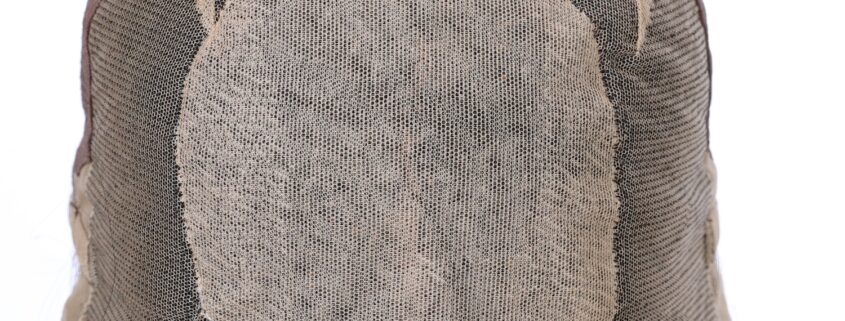
1. Lace Base Hair Toppers
What it is:
A breathable mesh base made from lace.
Pros:
- Lightweight and breathable
- Natural scalp appearance
- Comfortable for long wear
Cons:
- Less durable
- Requires careful handling
Best for:
Hot climates and sensitive scalps.
2. Mono Base (Monofilament) Toppers
What it is:
A fine mesh that allows hair to be individually hand-tied.
Pros:
- Natural hair movement
- Realistic parting
- Durable
Cons:
- Slightly thicker than lace
3. Silk Base Toppers
What it is:
Multi-layer base that hides knots completely.
Pros:
- Most realistic scalp appearance
- Invisible knots
Cons:
- Less breathable
- Higher cost
4. PU (Polyurethane) Base Toppers
What it is:
A thin skin-like material.
Pros:
- Strong and durable
- Easy to clean
- Good for adhesive use
Cons:
- Less breathable
5. Integration (Fishnet) Toppers
What it is:
A net system where natural hair is pulled through openings.
Pros:
- Blends perfectly with existing hair
- Adds volume without full coverage
Cons:
- Not suitable for severe hair loss
6. Clip-In Hair Toppers
What it is:
Toppers attached using clips.
Pros:
- Easy to use
- No adhesive required
- Beginner-friendly
7. Tape or Bonded Toppers
What it is:
Attached using adhesive tapes or glue.
Pros:
- More secure
- Longer wear time
Cons:
- Requires maintenance
- Professional installation often needed
How Hair Toppers Are Manufactured
Making a high-quality hair topper is a detailed process combining craftsmanship and precision.
1. Hair Sourcing
Hair is collected from:
- Human donors (Remy or non-Remy)
- Synthetic fiber manufacturers
Remy hair is preferred because:
- Cuticles are aligned
- Less tangling
- More natural look
2. Hair Processing
- Cleaning and sterilization
- Sorting by length and color
- Dyeing and texturing (if needed)
3. Base Construction
The base is created using:
- Lace
- Mono mesh
- Silk layers
- PU materials
4. Hair Ventilation (Knotting)
Hair is attached to the base by:
- Hand-tying individual strands
- Machine wefting (for some designs)
This step determines realism and durability.
5. Cutting and Styling
- Shape customization
- Layering
- Pre-styling
6. Quality Control
Each topper is checked for:
- Density consistency
- Knot strength
- Color accuracy
Key Components of a Hair Topper
1. Base Material
The foundation that holds the hair.
2. Hair Fiber
- Human hair (most natural)
- Synthetic hair (budget-friendly)
3. Attachment System
- Clips
- Tapes
- Adhesives
4. Hairline Design
Defines how natural the front looks.
5. Density
Refers to how thick the hair appears.
How Hair Toppers Work
The concept is simple but effective.
Step 1: Positioning
The topper is placed over the thinning area.
Step 2: Attachment
It is secured using clips, tape, or adhesive.
Step 3: Blending
Your natural hair is blended with the topper.
Step 4: Styling
You style it like your own hair.
Result:
Instant volume and coverage with a natural appearance.
Main Applications of Hair Toppers
1. Cosmetic Enhancement
Adds volume and fullness for everyday styling.
2. Hair Loss Solutions
Helps people with:
- Female pattern hair loss
- Alopecia
- Postpartum hair thinning
3. Medical Recovery
Used after:
- Chemotherapy
- Surgery
4. Fashion Styling
Quick hairstyle changes without commitment.
Pain Points Solved by Hair Toppers
1. Visible Thinning Areas
Provides immediate coverage.
2. Lack of Volume
Adds thickness and body.
3. Confidence Issues
Improves appearance and self-esteem.
4. Expensive Treatments
Cheaper than hair transplants.
5. Time-Consuming Styling
Reduces daily styling effort.
6. Damage from Extensions
Less stress on natural hair compared to some extensions.
Competitive Analysis: Hair Toppers vs Other Solutions
Hair Toppers vs Wigs
| Feature | Hair Toppers | Wigs |
|---|---|---|
| Coverage | Partial | Full |
| Comfort | More breathable | Can feel heavy |
| Natural Look | Blends with real hair | Depends on quality |
| Ease of Use | Easier | More complex |
Hair Toppers vs Hair Extensions
| Feature | Hair Toppers | Extensions |
|---|---|---|
| Purpose | Cover thinning | Add length/volume |
| Scalp Coverage | Yes | No |
| Suitability | Thinning hair | Healthy hair |
Hair Toppers vs Hair Transplant
| Feature | Hair Toppers | Transplant |
|---|---|---|
| Cost | Lower | Very high |
| Results | Instant | Long-term |
| Risk | Minimal | Surgical risks |
Hair Toppers vs Scalp Micropigmentation
| Feature | Hair Toppers | SMP |
|---|---|---|
| Volume | Adds real hair | Visual illusion only |
| Flexibility | High | Permanent |
How to Choose the Right Hair Topper
1. Base Type
Choose based on comfort and realism.
2. Hair Type
- Human hair for natural look
- Synthetic for budget
3. Size
Match the thinning area coverage.
4. Density
Choose density close to your natural hair.
5. Color Match
Accurate color blending is critical.
6. Attachment Method
Choose based on lifestyle and comfort.
Future Trends in Hair Toppers
1. More Realistic Materials
Improved lace and silk bases.
2. AI Customization
Personalized designs based on scans.
3. Lightweight Designs
Better comfort for long wear.
4. Sustainable Hair Sourcing
Ethical and eco-friendly practices.
Conclusion
Hair toppers for thinning hair offer a practical, non-invasive, and highly effective solution for adding volume and covering thinning areas. They combine natural appearance with flexibility, making them suitable for everyday use.
Whether you choose lace, silk, mono, or PU bases, the key is selecting a topper that matches your hair type, lifestyle, and comfort needs.
In a world where appearance and confidence matter, hair toppers provide a simple but powerful way to regain control—without surgery, long recovery times, or complicated routines.

Alove Hair is a professional Chinese manufacturer of premium 100% Remy human hair extensions, wigs, and hair systems. Established in 2014, the company specializes in supplying global salons and distributors with high-quality, cuticle-intact hair products and offers comprehensive OEM/ODM private label services.