Best Types of Hair Extensions for Thin Hair
Thin hair presents unique styling challenges. Many people struggle with flat roots, lack of volume, visible scalp areas, and difficulty achieving fuller hairstyles. While hair thickening products, volumizing shampoos, and styling techniques can help temporarily, hair extensions remain one of the most effective ways to instantly create fuller, longer, and more beautiful hair.
However, not all hair extensions are suitable for thin hair. Choosing the wrong extension type can cause discomfort, damage natural hair, create visible attachment points, or make hair look unnatural. The best hair extensions for thin hair should provide volume and length while remaining lightweight, discreet, and safe for delicate strands.
As professional hair extension manufacturers and industry experts, we have worked with salons, hairstylists, and extension wearers worldwide. Drawing on years of experience, this guide explains the best types of hair extensions for thin hair, their advantages and disadvantages, installation methods, maintenance requirements, and how to choose the perfect solution for different hair conditions.
Why Thin Hair Requires Special Hair Extensions
Thin hair differs from thick or medium-density hair in several important ways.
Characteristics of thin hair include:
- Fewer hair strands per square inch
- Less volume and density
- Greater scalp visibility
- Increased fragility
- Lower weight-bearing capacity
- Higher risk of breakage
Because of these characteristics, extension methods designed for thick hair may not be suitable for fine or thin hair.
The primary goals for thin-hair extensions are:
- Add volume naturally
- Avoid excessive tension
- Conceal attachment points
- Blend seamlessly
- Prevent damage to natural hair
Selecting the appropriate extension type is critical for achieving these goals.
What Makes a Hair Extension Suitable for Thin Hair?
Professional stylists generally evaluate several factors.
Lightweight Construction
Heavy extensions place stress on delicate strands.
Thin hair benefits from:
- Lightweight wefts
- Small attachment points
- Reduced bulk
Invisible Application
Thin hair offers less coverage to hide extension attachments.
The best options feature:
- Ultra-flat designs
- Transparent bases
- Seamless blending
Minimal Damage
The extension method should minimize:
- Pulling
- Tension
- Adhesive residue
- Heat exposure
Natural Appearance
The final result should look like naturally fuller hair rather than obvious extensions.
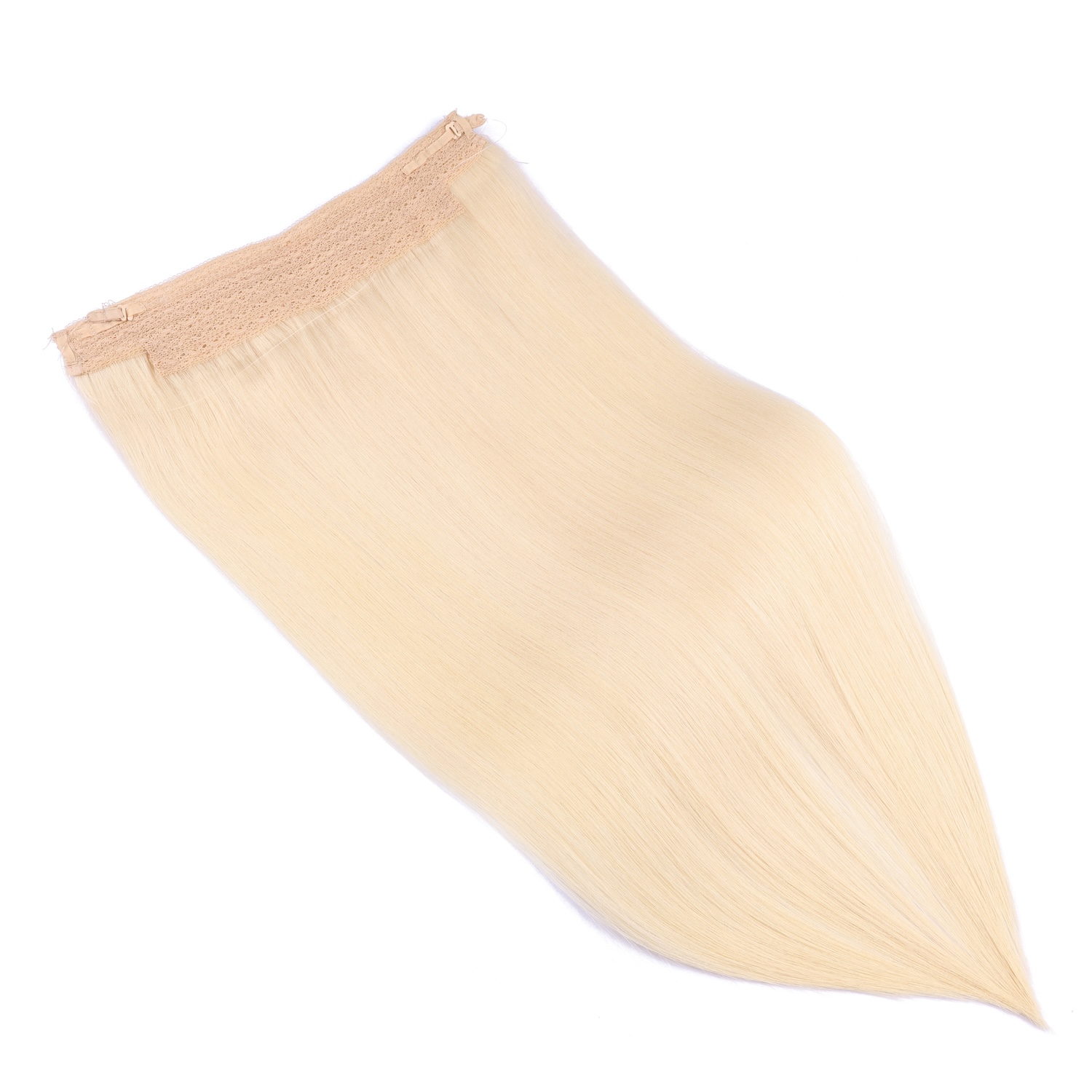
Halo Hair Extensions: One of the Best Solutions for Thin Hair
Many professionals consider halo extensions among the safest options for thin hair.
How Halo Extensions Work
Halo extensions use a nearly invisible wire that sits comfortably on the head.
The extension hair blends with the wearer’s natural hair without clips, tape, glue, or sewing.
Advantages
- No damage to natural hair
- Easy application
- Comfortable wear
- Beginner-friendly
- Instant volume
Disadvantages
- Limited styling versatility
- Not ideal for very active lifestyles
- Requires proper blending
Best For
- Fine hair
- First-time extension users
- Occasional wear
For many women with thin hair, halo extensions provide the lowest-risk solution.
Tape-In Hair Extensions: The Salon Favorite
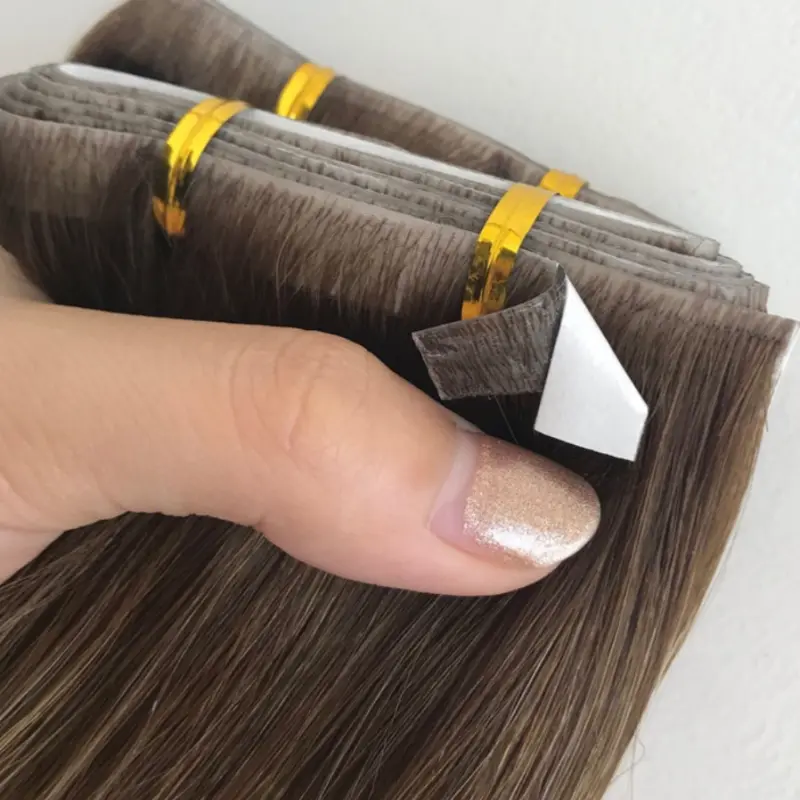
Tape-in extensions are often considered the gold standard for thin hair.
How Tape-Ins Work
Thin extension wefts are attached using medical-grade adhesive tape.
Natural hair is sandwiched between two tape pieces.
Advantages
- Extremely flat installation
- Lightweight feel
- Excellent blending
- Comfortable wear
- Professional appearance
Disadvantages
- Requires professional installation
- Periodic maintenance required
- Adhesive may weaken over time
Best For
- Fine to medium hair
- Long-term wear
- Natural-looking volume
Many professional stylists recommend tape-ins as the first choice for clients with thin hair.
Genius Weft Hair Extensions
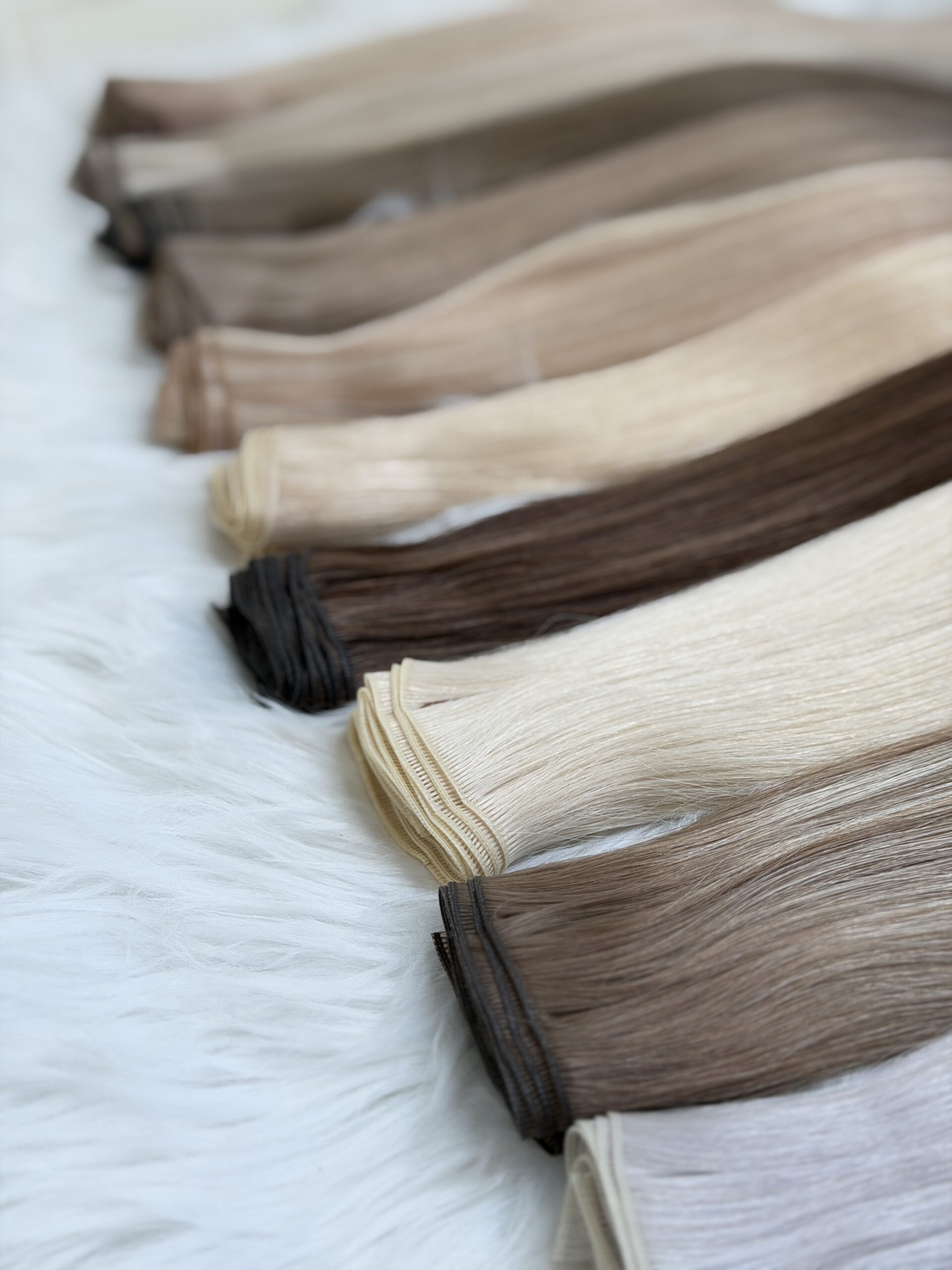
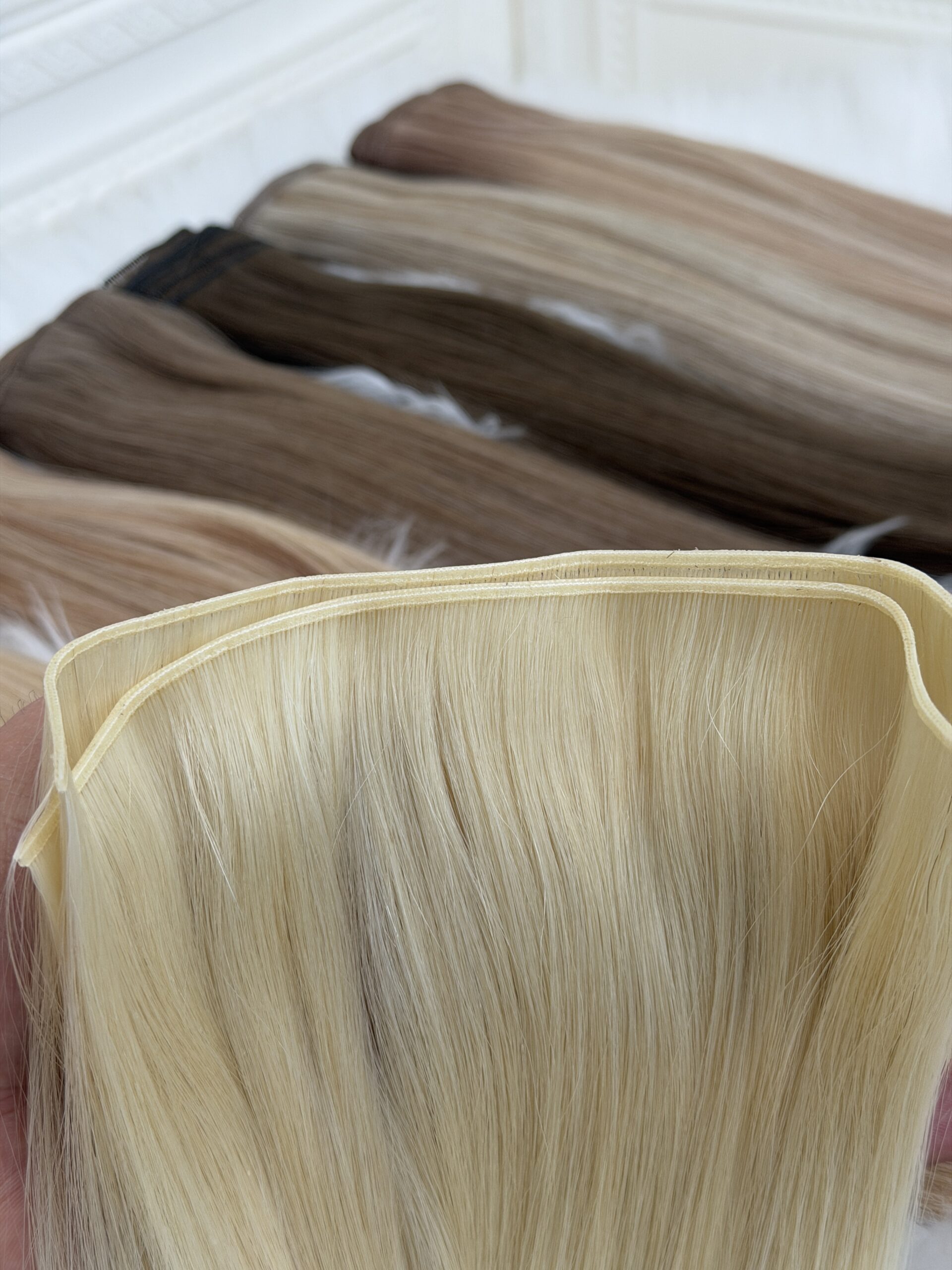
Genius wefts have become increasingly popular in recent years.
What Makes Genius Wefts Unique?
They combine the advantages of hand-tied wefts and machine wefts.
Benefits include:
- Ultra-thin construction
- No return hair
- Lightweight design
- Comfortable wear
Advantages
- Very discreet
- Suitable for fine hair
- Durable
- Minimal scalp irritation
Disadvantages
- Higher initial cost
- Professional installation required
Best For
- Thin hair seeking premium results
- Long-term wearers
Hand-Tied Weft Extensions
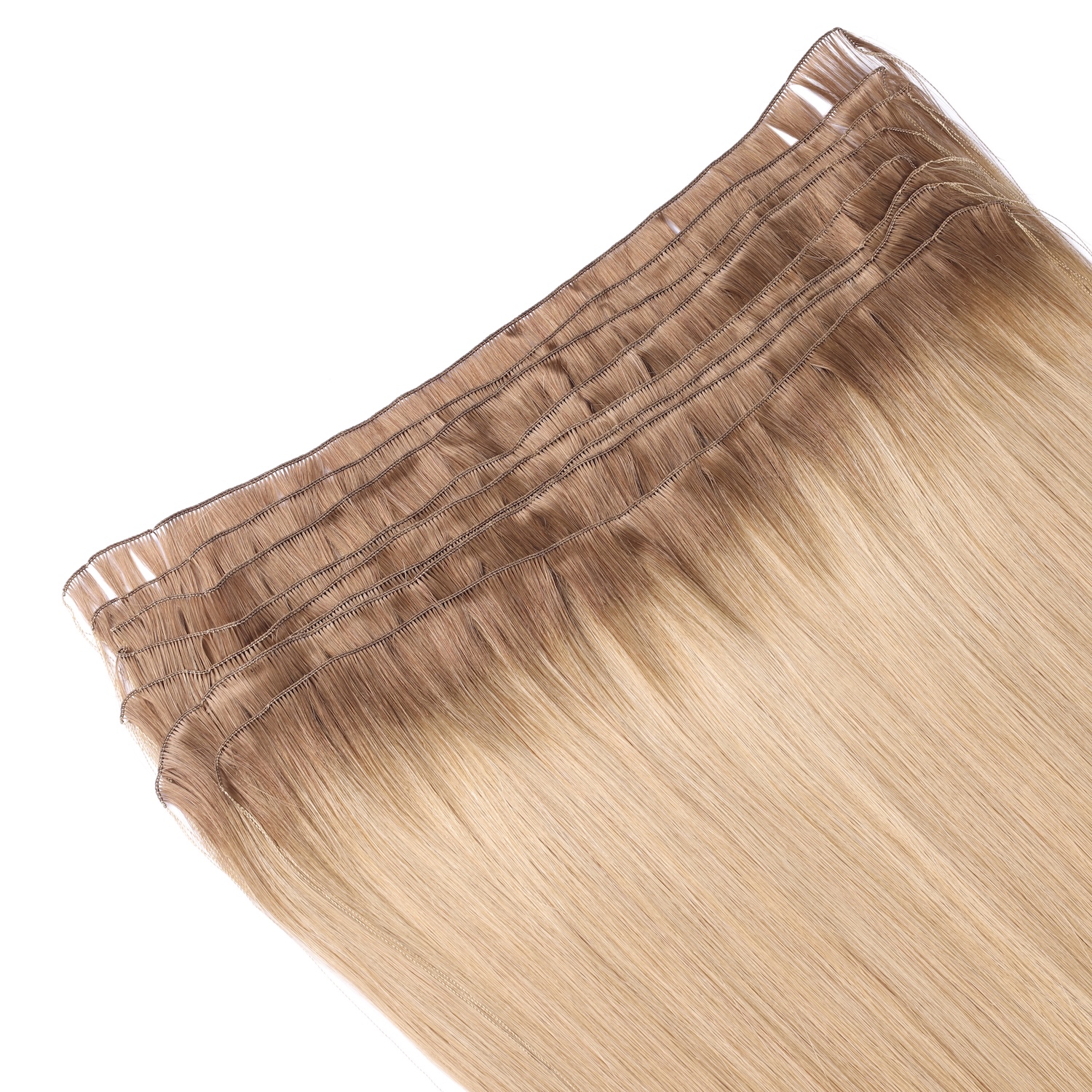
Hand-tied extensions are another excellent option for thin hair.
Features
Each weft is individually sewn by hand.
This creates:
- Thin attachment points
- Lightweight construction
- Natural movement
Advantages
- Excellent comfort
- Natural appearance
- Long lifespan
Disadvantages
- Professional installation needed
- More expensive than some alternatives
Best For
- Medium-thin hair
- Clients wanting luxury extension solutions
Butterfly Weft Hair Extensions
Butterfly wefts represent a newer innovation in the extension industry.
Benefits
- Ultra-flat profile
- Flexible construction
- Lightweight feel
- Easy blending
Advantages
- Comfortable wear
- Reduced tension
- Excellent for fine hair
Best For
Clients seeking maximum comfort and invisibility.
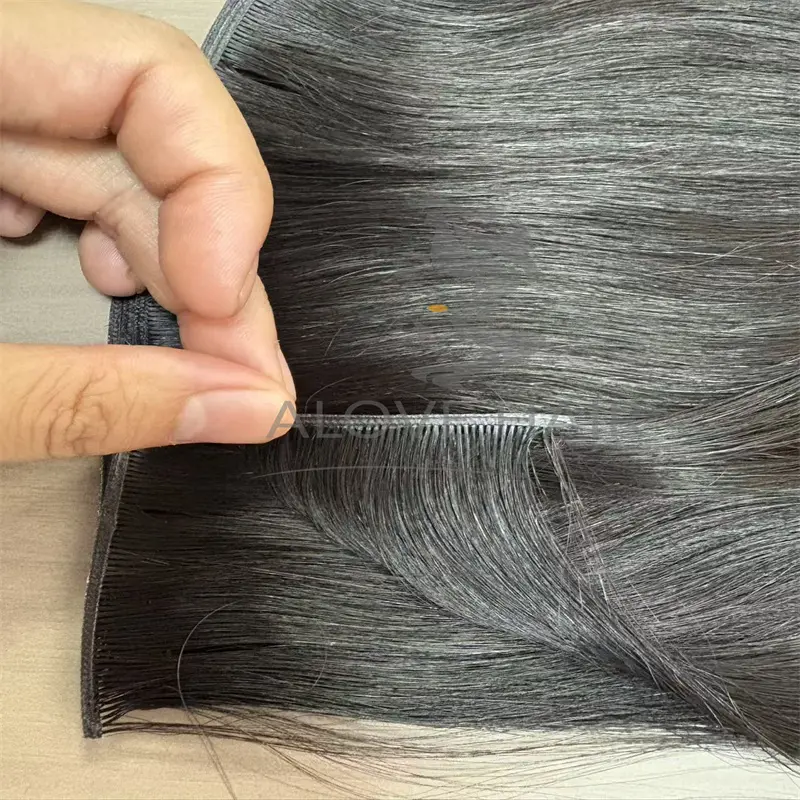
Clip-In Hair Extensions
Clip-ins remain one of the most popular extension types worldwide.
How They Work
Small clips attach extension wefts to natural hair.
Advantages
- Affordable
- Reusable
- Easy installation
- No salon visit required
Disadvantages
- Clips may be visible in thin hair
- Can create tension
- Not ideal for everyday use
Best For
- Special occasions
- Temporary volume
Thin-haired clients should choose seamless clip-ins rather than traditional bulky wefts.
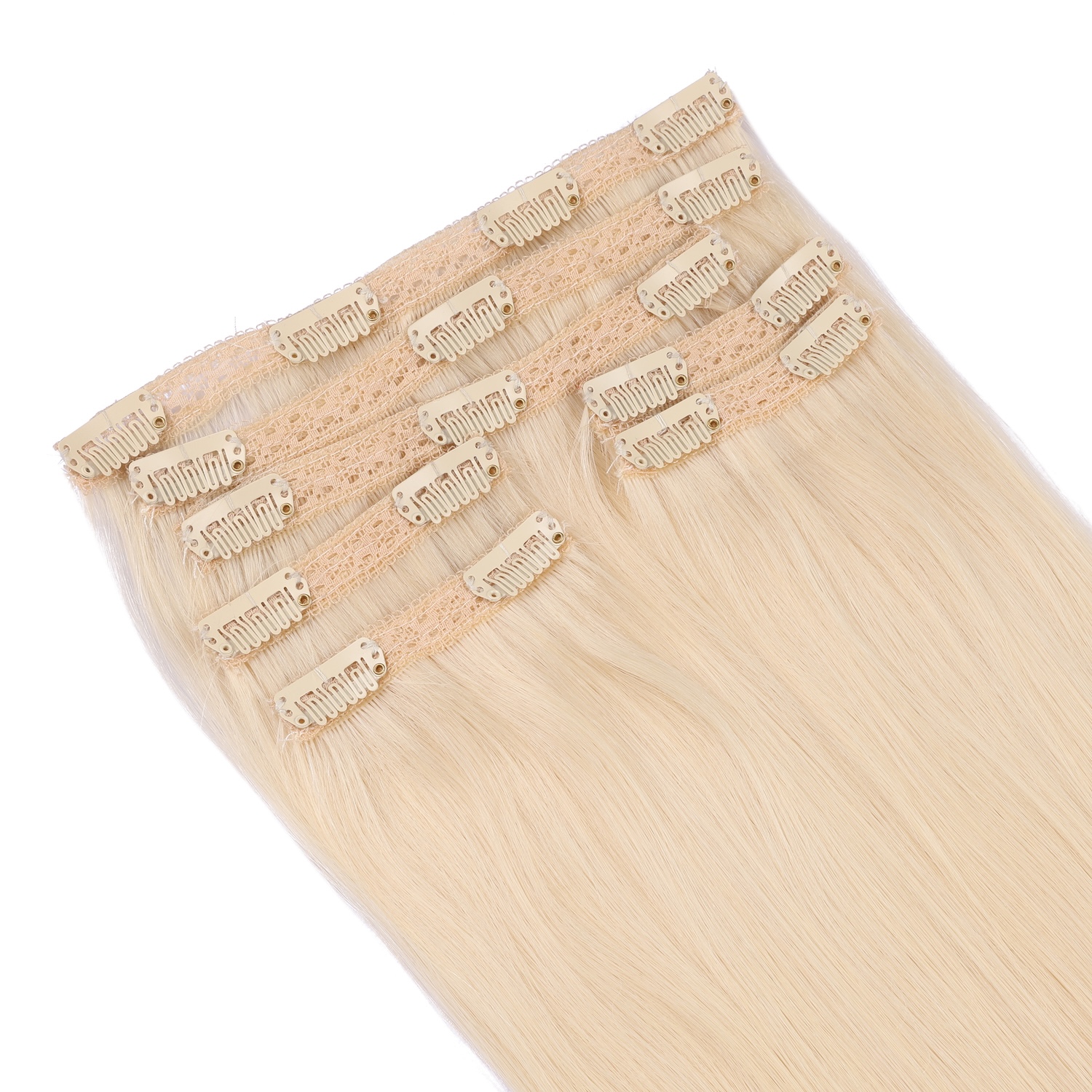
Seamless Clip-In Extensions
Seamless clip-ins were specifically developed to solve problems associated with traditional clip-ins.
Features
- Silicone-based wefts
- Thin attachment points
- Better scalp conformity
Advantages
- Less visible
- More comfortable
- Better blending
Best For
Fine hair and low-density hair.
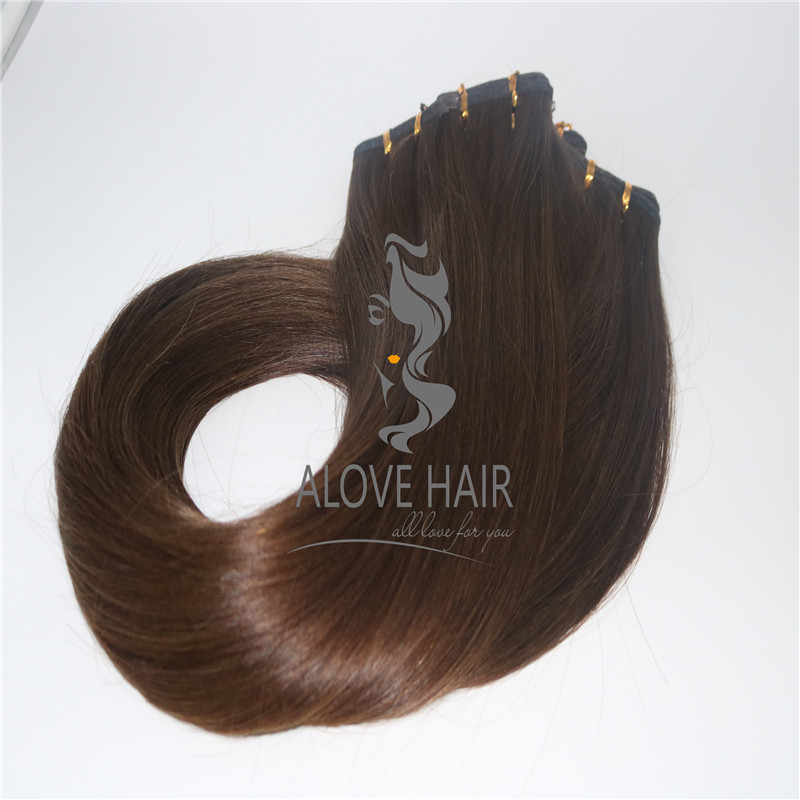
Keratin Bond Extensions
Also known as fusion extensions.
How They Work
Individual strands are attached using keratin bonds and heat.
Advantages
- Natural movement
- Long-lasting results
- Invisible appearance
Disadvantages
- Time-consuming installation
- More expensive
- Potential damage if improperly installed
Best For
Healthy thin hair with professional maintenance.
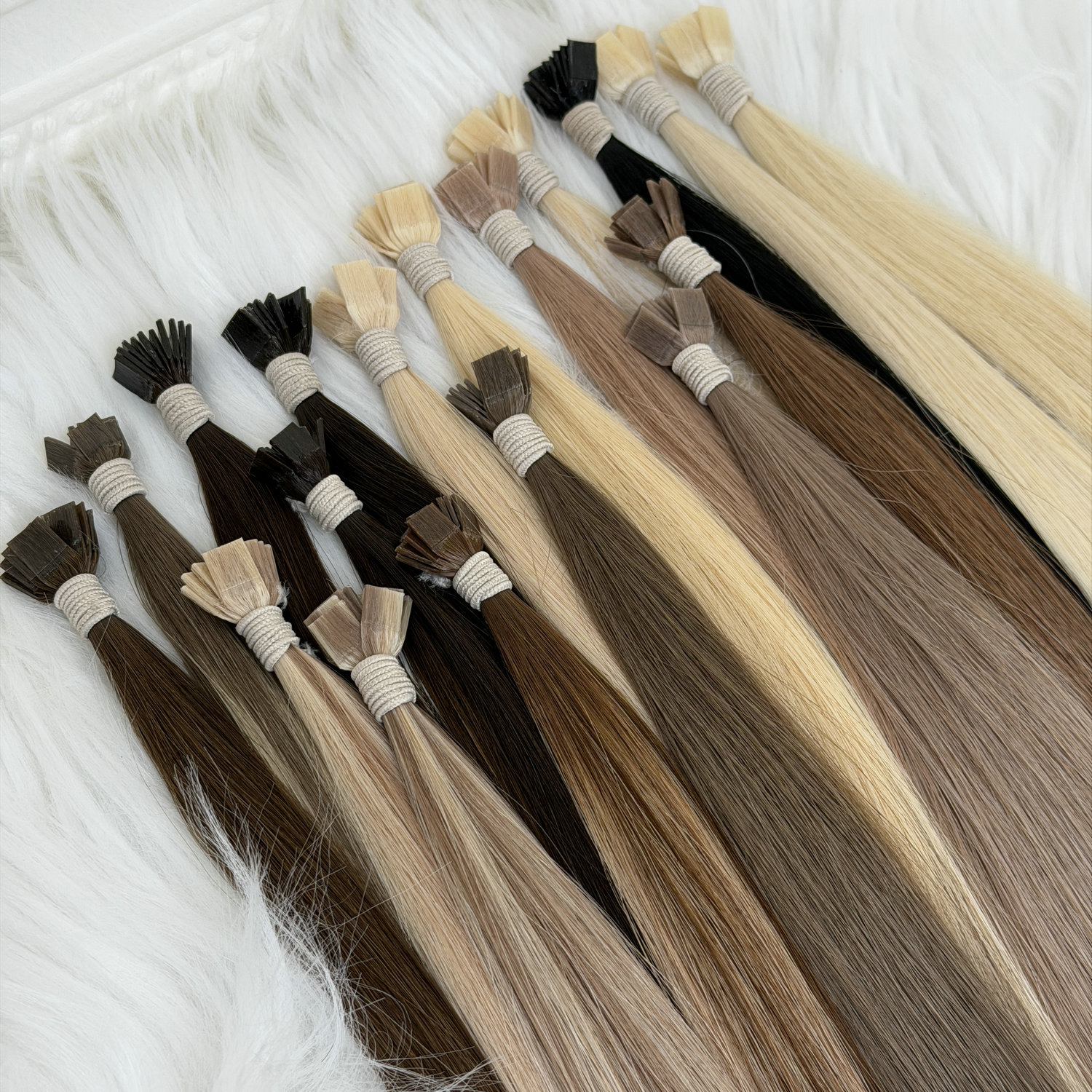
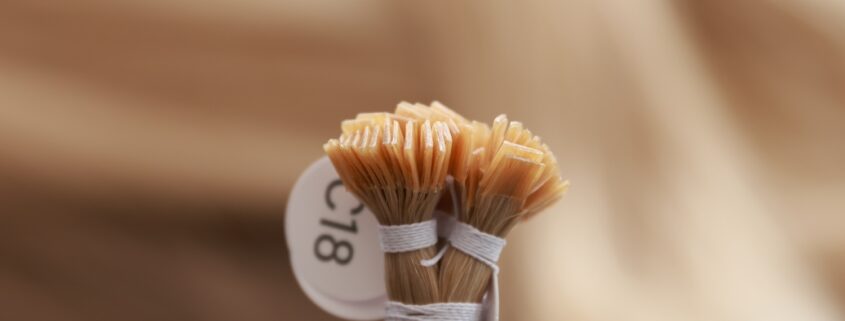
I-Tip Hair Extensions
I-tip extensions use tiny beads to secure extension strands.
Advantages
- No heat
- No glue
- Reusable
Disadvantages
- Beads may be visible in very thin hair
- Requires maintenance
Best For
Clients with moderate hair density.
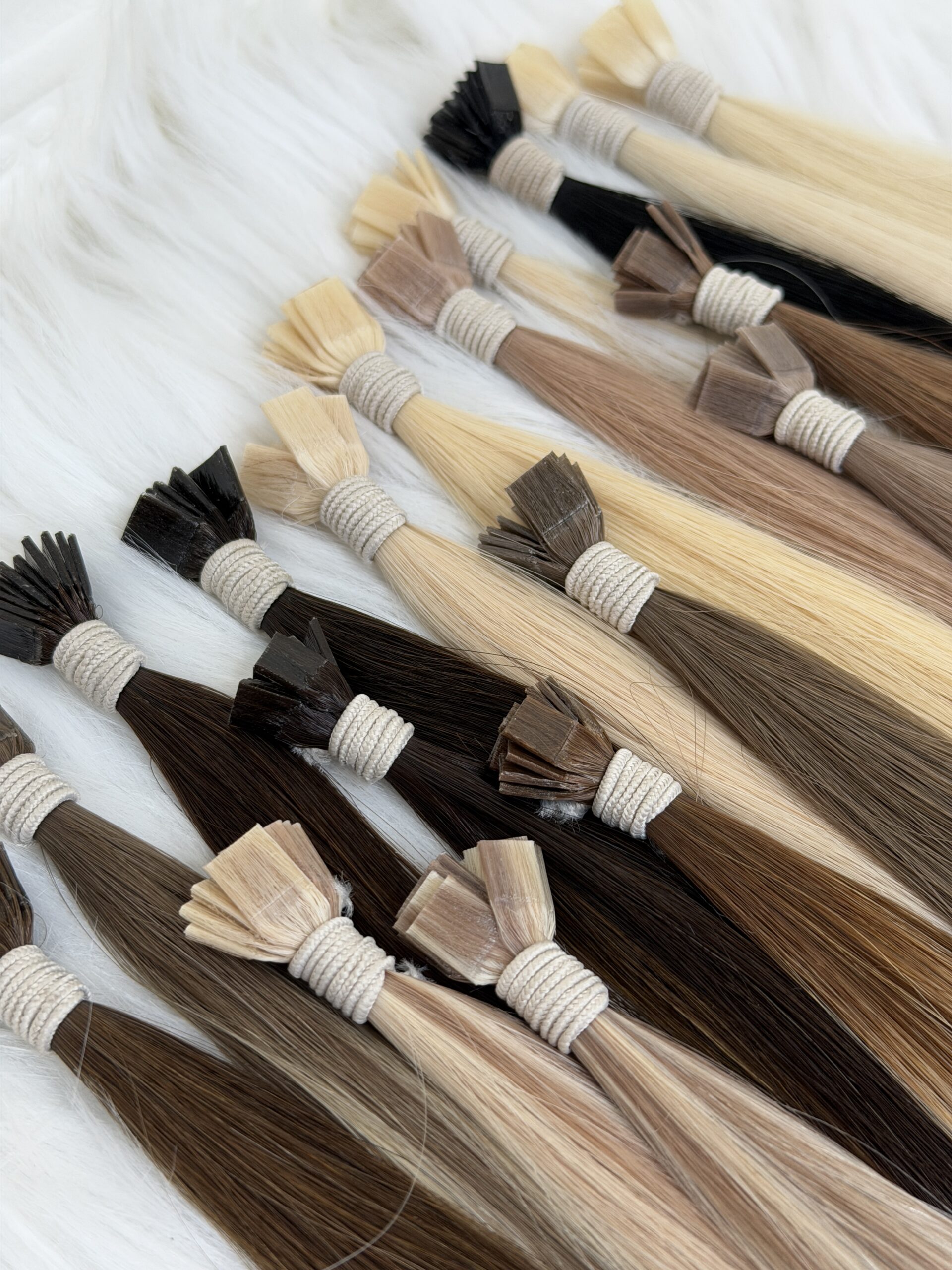
Micro Ring Extensions
Micro rings function similarly to I-tip extensions.
Advantages
- Reusable
- Chemical-free installation
Disadvantages
- May slip on very fine hair
- Beads can become noticeable
Not typically the first recommendation for extremely thin hair.
Extensions to Avoid for Extremely Thin Hair
Certain methods can create challenges.
Heavy Machine Wefts
Potential problems:
- Excessive weight
- Bulkiness
- Visible seams
Large Clip-In Sets
May create:
- Uneven blending
- Scalp tension
- Discomfort
Poor-Quality Extensions
Cheap synthetic products often:
- Tangle easily
- Look unnatural
- Have short lifespans
Investing in quality extensions typically produces better results and lower long-term costs.
Human Hair vs Synthetic Hair Extensions
Human Hair Extensions
Advantages:
- Natural appearance
- Heat styling compatibility
- Longer lifespan
- Better blending
Synthetic Hair Extensions
Advantages:
- Lower cost
- Pre-styled appearance
For thin hair, human hair extensions generally deliver superior results.
Best Hair Extension Length for Thin Hair
Longer is not always better.
Recommended lengths:
- 14 inches
- 16 inches
- 18 inches
- 20 inches
Excessively long extensions may overwhelm fine hair.
Balanced proportions create more natural-looking results.
Choosing the Right Hair Texture
Texture matching is critical.
Common textures include:
- Straight
- Natural straight
- Body wave
- Loose wave
- Deep wave
- Curly
The extension texture should closely match natural hair.
How Many Grams Are Needed for Thin Hair?
Volume requirements vary.
Light Volume Enhancement
50–80 grams
Moderate Volume
100–120 grams
Full Transformation
120–160 grams
Overloading thin hair with excessive weight should be avoided.
Common Mistakes When Buying Extensions for Thin Hair
Choosing Heavy Extensions
Weight can stress fragile hair.
Ignoring Color Matching
Poor color matching creates an unnatural appearance.
Using Low-Quality Hair
Cheap hair often tangles and sheds.
DIY Installation
Professional installation improves safety and appearance.
Maintenance Tips for Thin Hair Extensions
Gentle Brushing
Use extension-safe brushes.
Sulfate-Free Products
Reduce dryness and maintain hair quality.
Avoid Excessive Heat
Limit heat styling when possible.
Schedule Maintenance
Professional adjustments improve longevity.
Protect During Sleep
Use silk pillowcases or loose braids.
Professional Recommendation Based on Experience
After years of working with salons and extension specialists, the most successful solutions for thin hair are typically:
- Tape-In Extensions
- Halo Extensions
- Genius Weft Extensions
- Hand-Tied Wefts
- Seamless Clip-In Extensions
These methods consistently deliver the best balance of:
- Comfort
- Safety
- Appearance
- Durability
For extremely thin hair, halo and tape-in extensions are often the safest choices. For clients seeking long-term salon-quality results, genius wefts and hand-tied extensions are among the best premium options available today.
Conclusion
Finding the best types of hair extensions for thin hair requires more than simply selecting the most popular extension method. Thin hair demands lightweight, discreet, and carefully engineered solutions that add volume and length without compromising the health of natural strands.
Among all available options, tape-in extensions, halo extensions, genius wefts, hand-tied wefts, and seamless clip-ins consistently provide the most natural and comfortable results. By choosing high-quality human hair extensions, working with experienced professionals, and following proper maintenance practices, individuals with thin hair can enjoy fuller, thicker, and more confident hairstyles while protecting the long-term health of their natural hair.

Alove Hair is a professional Chinese manufacturer of premium 100% Remy human hair extensions, wigs, and hair systems. Established in 2014, the company specializes in supplying global salons and distributors with high-quality, cuticle-intact hair products and offers comprehensive OEM/ODM private label services.