How Does a Halo Hair Extension Work?
Hair extensions have transformed the beauty industry by enabling the creation of longer, fuller, and more voluminous hair in minutes. Among the many extension methods available today, Halo Hair Extensions have gained immense popularity because they are easy to apply, comfortable to wear, require no glue, tape, heat, or clips, and can be attached directly to your natural hair.
Whether you want extra volume for everyday wear, glamorous length for a special event, or a temporary hairstyle without damaging your natural hair, Halo Hair Extensions provide one of the safest and most beginner-friendly solutions available. Unlike permanent hair extension methods that require professional installation, halo extensions can be applied at home in just a few minutes.
In this comprehensive guide, you’ll learn what Halo Hair Extensions are, how they work, their history, the science behind their design, step-by-step application instructions, their advantages, maintenance tips, and how they compare with other popular hair extension methods.
What Is a Halo Hair Extension?
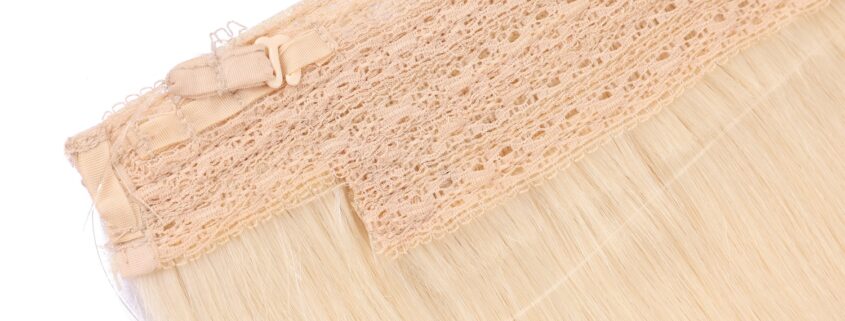
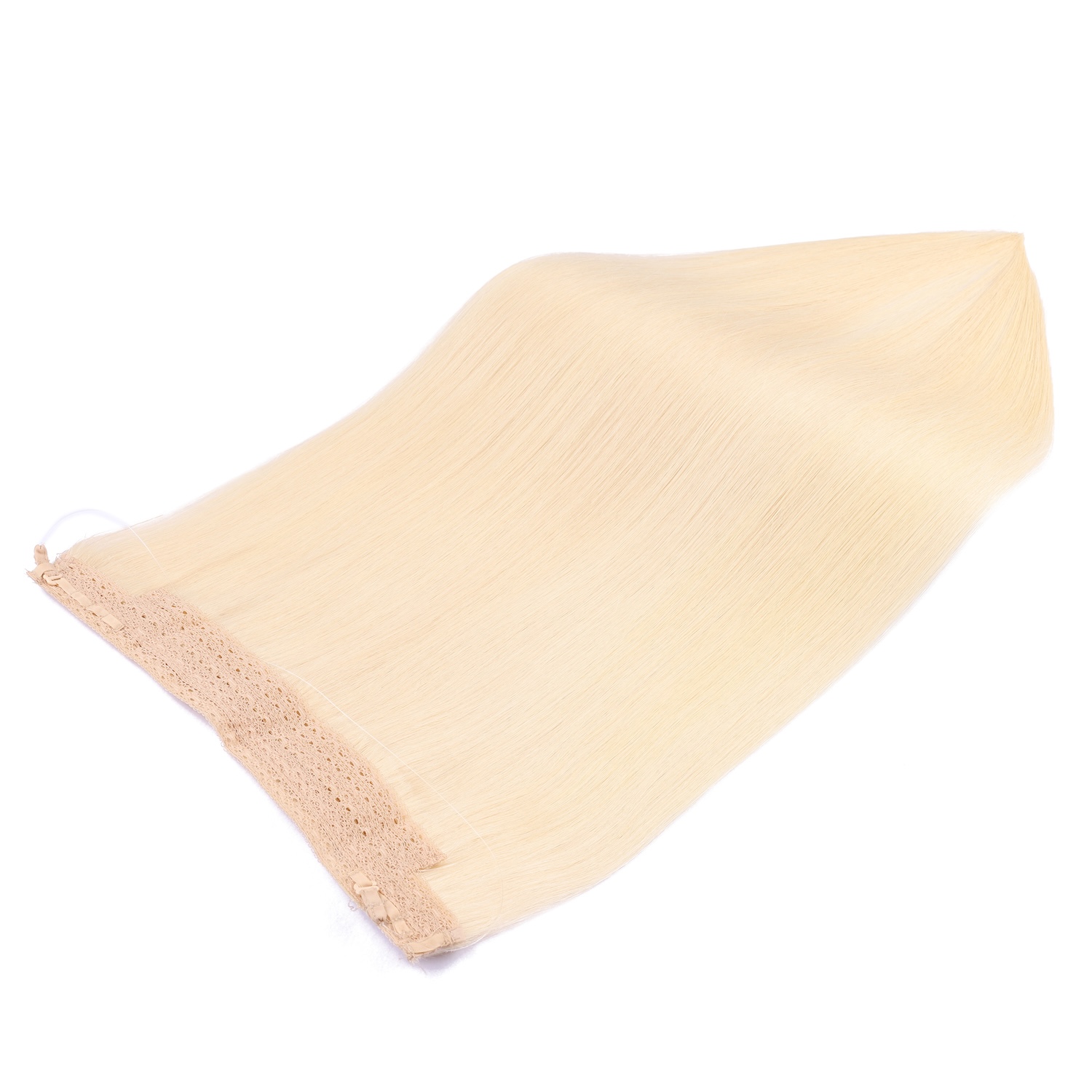
A Halo Hair Extension is a one-piece hair extension attached to a nearly invisible transparent wire, often made from durable nylon or polyurethane. Instead of being glued, taped, sewn, or clipped directly onto your natural hair, the extension sits comfortably around the crown of your head like a hidden halo—hence its name.
The extension itself consists of a hair weft attached to an invisible wire. Once positioned correctly, your natural hair is brushed over the wire, completely concealing it and allowing the extension to blend seamlessly with your own hair.
Halo extensions are commonly made from:
- 100% Remy human hair
- Virgin human hair
- Double-drawn human hair
- High-quality synthetic fibers
Premium human hair extensions provide the most natural appearance and can be washed, curled, straightened, and styled just like your own hair.
The History of Halo Hair Extensions
Hair extensions have been used for thousands of years, but traditional methods often involved sewing, gluing, or clipping additional hair onto natural strands.
As consumers increasingly sought less invasive and easier-to-use solutions, manufacturers developed the Halo Hair Extension concept in the early 2000s. The idea was simple but innovative: instead of attaching the extension directly to the hair, support it with an invisible wire that rests gently on the head.
This design offered several major advantages:
- No chemical adhesives
- No heat application
- No damage to natural hair
- Easy DIY installation
- Comfortable wear
- Quick removal
Today, halo extensions are among the most popular temporary hair extension systems worldwide, especially for beginners and those seeking a low-maintenance option.
How Does a Halo Hair Extension Work?
The effectiveness of a halo hair extension lies in its simple yet clever design.
The Invisible Wire
The transparent wire acts like a headband hidden beneath your natural hair. It rests securely around the crown of your head, distributing the extension’s weight evenly.
Because the wire is thin and transparent, it becomes virtually invisible once covered by your natural hair.
Natural Hair Conceals the Wire
After placing the halo on your head, a small section of your natural hair is gently pulled over the wire using a tail comb or your fingers. This hides the wire completely while blending your natural hair with the extension.
Gravity and Head Shape Keep It Secure
Unlike clip-in or tape-in extensions, halo extensions rely on the natural shape of your head and the weight of your own hair to hold the extension in place. The wire is designed to fit snugly without creating excessive pressure.
Because there is no attachment to individual strands, the extension feels lightweight and moves naturally with your hair.
Main Components of a Halo Hair Extension
Hair Weft
The weft is the main body of the extension and contains the added hair.
High-quality halo extensions typically use:
- Remy human hair
- Double-drawn hair for fuller ends
- Soft cuticles aligned in one direction to reduce tangling
Invisible Wire
Usually made from:
- Transparent nylon
- Flexible polyurethane
- Durable elastic-coated materials
Many halo extensions include adjustable wires to fit different head sizes.
Optional Stabilizing Clips
Some premium halo extensions include small pressure-sensitive clips for extra stability, although the extension can often be worn without using them.
Step-by-Step Guide: How to Apply a Halo Hair Extension
One of the biggest advantages of halo extensions is how quickly they can be installed.
Step 1: Brush Your Hair
Begin by thoroughly brushing your natural hair to remove knots and tangles.
Smooth hair makes blending much easier.
Step 2: Separate the Top Section
Using a tail comb, create a horizontal part approximately 1–2 inches above your ears. Clip the top section of hair out of the way.
Step 3: Position the Halo
Place the invisible wire over your head like a headband.
The wire should sit comfortably around the crown, while the hair weft rests against the back of your head.
Adjust the wire if necessary so that it feels secure without being too tight.
Step 4: Release Your Natural Hair
Unclip the top section and allow it to fall naturally over the wire and weft.
Step 5: Blend the Hair
Use a comb or your fingers to gently pull sections of your natural hair over the invisible wire.
Blend the extension with your own hair until the transition looks seamless.
Step 6: Style as Desired
You can now:
- Curl
- Straighten
- Blow dry (for human hair extensions)
- Add waves
- Create ponytails
- Style half-up looks
The extension should move naturally with your own hair.
Benefits of Halo Hair Extensions
1. No Damage to Natural Hair
One of the greatest advantages of halo extensions is that they do not require:
- Glue
- Tape
- Heat
- Sewing
- Micro rings
- Keratin bonds
This minimizes the risk of breakage and makes them an excellent option for individuals with fine or fragile hair.
2. Quick Application
Most users can install a halo extension in 2–5 minutes, making it ideal for busy mornings or last-minute events.
3. Comfortable to Wear
The weight of the extension is distributed across the head rather than concentrated on individual strands, reducing tension and discomfort.
4. Natural Appearance
When properly color-matched and blended, the invisible wire is concealed beneath your natural hair, creating a seamless look.
5. Instant Volume and Length
Halo extensions can dramatically increase both volume and length in just a few minutes without a salon appointment.
6. Beginner-Friendly
Unlike fusion or tape-in methods, halo extensions require no professional skills or special tools, making them perfect for first-time users.
7. Reusable
With proper care, high-quality human hair halo extensions can be worn repeatedly for months or even years, depending on usage and maintenance.
Who Should Use Halo Hair Extensions?
Halo extensions are suitable for many hair types, including:
- Fine hair
- Medium-density hair
- Straight hair
- Wavy hair
- Slightly curly hair
They are especially popular among people who:
- Want temporary length and volume
- Prefer a non-permanent solution
- Avoid adhesives and heat
- Need extensions for weddings, parties, or photoshoots
- Want to protect their natural hair
Individuals with very short hair or extremely thick, tightly coiled hair may require additional blending techniques or alternative extension methods for the most natural result.
Halo Hair Extensions vs Clip-In Extensions
| Feature | Halo Hair Extensions | Clip-In Extensions |
|---|---|---|
| Installation Time | 2–5 Minutes | 10–20 Minutes |
| Damage Risk | Very Low | Low |
| Heat or Glue Required | No | No |
| Comfort | Excellent | Good |
| Beginner Friendly | Excellent | Good |
| Styling Flexibility | High | High |
| Daily Removal | Yes | Yes |
Halo extensions are often preferred by users seeking the fastest and simplest installation process.
Halo Hair Extensions vs Tape-In Extensions
| Feature | Halo Extensions | Tape-In Extensions |
|---|---|---|
| Professional Installation | No | Yes |
| Daily Removal | Yes | No |
| Glue or Adhesive | No | Yes |
| Reusable | Yes | Yes (with new tape) |
| Maintenance | Minimal | Regular salon maintenance |
| Hair Damage Risk | Very Low | Moderate if improperly removed |
Tape-ins offer longer wear, while halo extensions excel in convenience and hair protection.
Halo Hair Extensions vs K Tip Extensions
| Feature | Halo | K Tip |
|---|---|---|
| Installation | DIY | Professional |
| Wear Time | Daily | 3–5 Months |
| Heat Required | No | Yes |
| Hair Attachment | None | Keratin Bonds |
| Cost | Lower | Higher |
| Maintenance | Minimal | Regular salon visits |
Halo extensions are ideal for temporary styling, whereas K Tip extensions are designed for long-term wear.
Caring for Halo Hair Extensions
Proper maintenance extends the life of your extensions and keeps them looking their best.
Wash Only When Necessary
Human hair halo extensions do not receive natural oils from the scalp, so they require less frequent washing. Clean them only when product buildup or dirt is noticeable.
Use Gentle Products
Choose sulfate-free shampoos and moisturizing conditioners designed for hair extensions to preserve softness and shine.
Detangle Carefully
Brush the extensions before and after each use with a wide-tooth comb or an extension-friendly brush, starting from the ends and working upward.
Store Properly
When not in use, keep the extension clean and dry, and store it in a protective bag or box to prevent tangling and dust accumulation.
Minimize Excessive Heat
Although Remy human hair can be heat-styled, frequent use of high temperatures may shorten its lifespan. Always apply a heat protectant before styling.
Common Mistakes to Avoid
To achieve the most natural look and extend the life of your halo extension, avoid these common errors:
- Choosing a color that does not match your natural hair.
- Positioning the wire too high or too low on the head.
- Failing to blend enough natural hair over the wire.
- Using excessive heat without protection.
- Sleeping or swimming while wearing the extension.
- Storing the extension while it is still damp.
Avoiding these mistakes will help maintain both the appearance of the extension and the health of your natural hair.
How Long Do Halo Hair Extensions Last?
The lifespan of a halo hair extension depends on the quality of the hair and how well it is maintained.
- Synthetic halo extensions typically last 3–6 months with occasional use.
- Premium Remy human hair halo extensions can last 12–24 months, and sometimes longer with proper care.
Factors that influence longevity include:
- Frequency of wear
- Washing routine
- Heat styling habits
- Product selection
- Storage conditions
- Overall maintenance
Investing in high-quality human hair and following recommended care practices will significantly extend the usable life of your halo extension.
Conclusion
Halo Hair Extensions have become one of the most innovative and user-friendly hair extension solutions available today. By using a transparent, adjustable wire rather than glue, tape, scalp-attached clips, or keratin bonds, they offer a simple way to achieve longer, fuller, and more voluminous hair without compromising the health of your natural strands.
Their lightweight design, quick application process, and virtually invisible appearance make them an excellent choice for everyday wear, special occasions, or anyone seeking a temporary, damage-free alternative to permanent extensions. Whether you’re new to hair extensions or looking for a convenient styling option, halo extensions provide an effective balance of comfort, natural aesthetics, and versatility.
With proper color matching, careful application, and regular maintenance, a high-quality halo hair extension can deliver beautiful, salon-worthy results in just minutes while remaining reusable for many months. For individuals who value simplicity, flexibility, and hair health, halo extensions remain one of the best choices in the modern hair extension market.

Alove Hair is a professional Chinese manufacturer of premium 100% Remy human hair extensions, wigs, and hair systems. Established in 2014, the company specializes in supplying global salons and distributors with high-quality, cuticle-intact hair products and offers comprehensive OEM/ODM private label services.