Posts

Tape In Hair Extensions Pros and Cons: The Complete Guide Before You Buy

Hair extensions can completely transform how your hair looks. They can add:

  • Length
  • Volume
  • Thickness
  • Highlights without dye
  • Confidence

Among all extension methods, tape in hair extensions have become one of the most popular options in salons worldwide.

Why?

Because they are:

  • Lightweight
  • Natural-looking
  • Faster to install than many other methods
  • More comfortable than bulky clip-ins

But tape ins are not perfect.

Some people absolutely love them. Others struggle with slipping, damage, oily roots, or maintenance costs because they didn’t fully understand what they were getting into.

This guide explains the real pros and cons of tape in hair extensions in detail so you can decide whether they are actually right for your hair type, lifestyle, and budget.


What Are Tape In Hair Extensions?

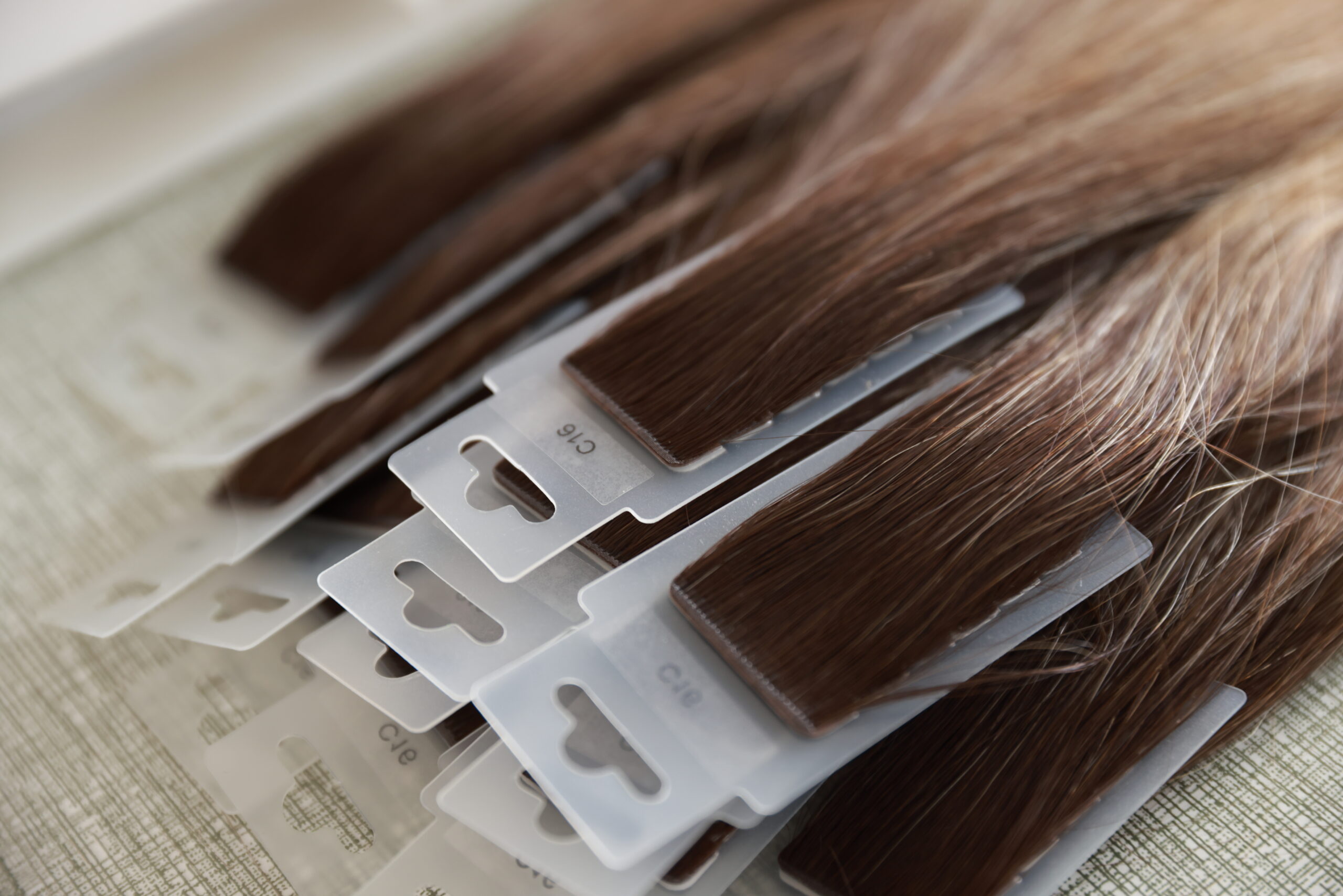
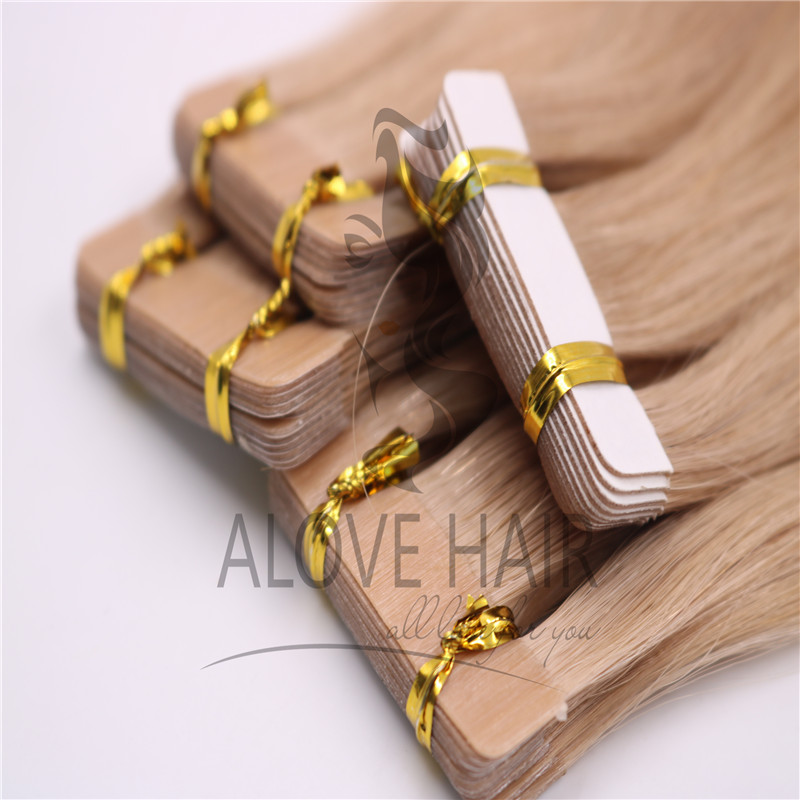
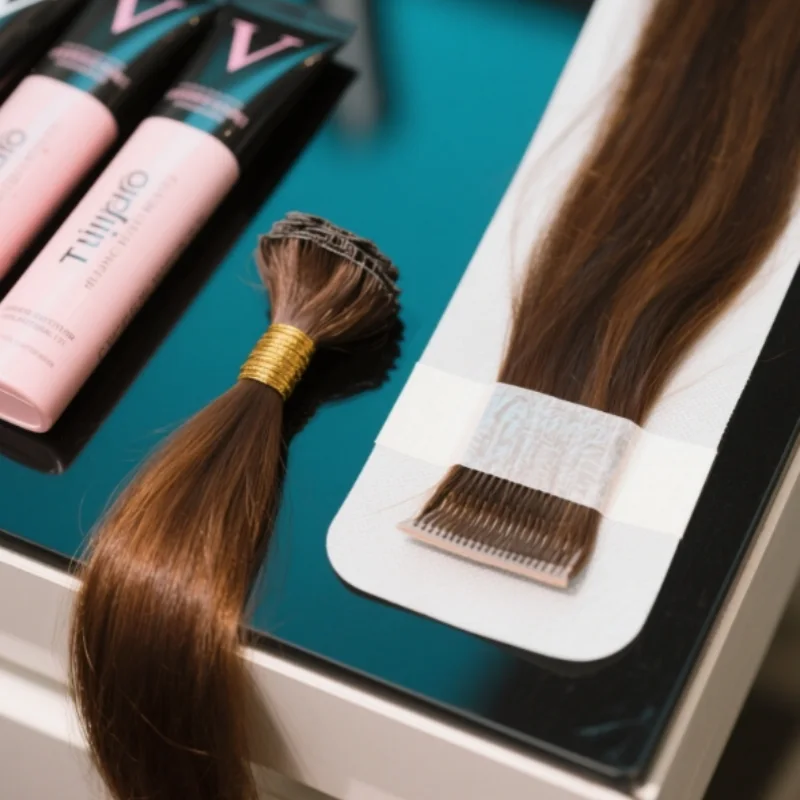
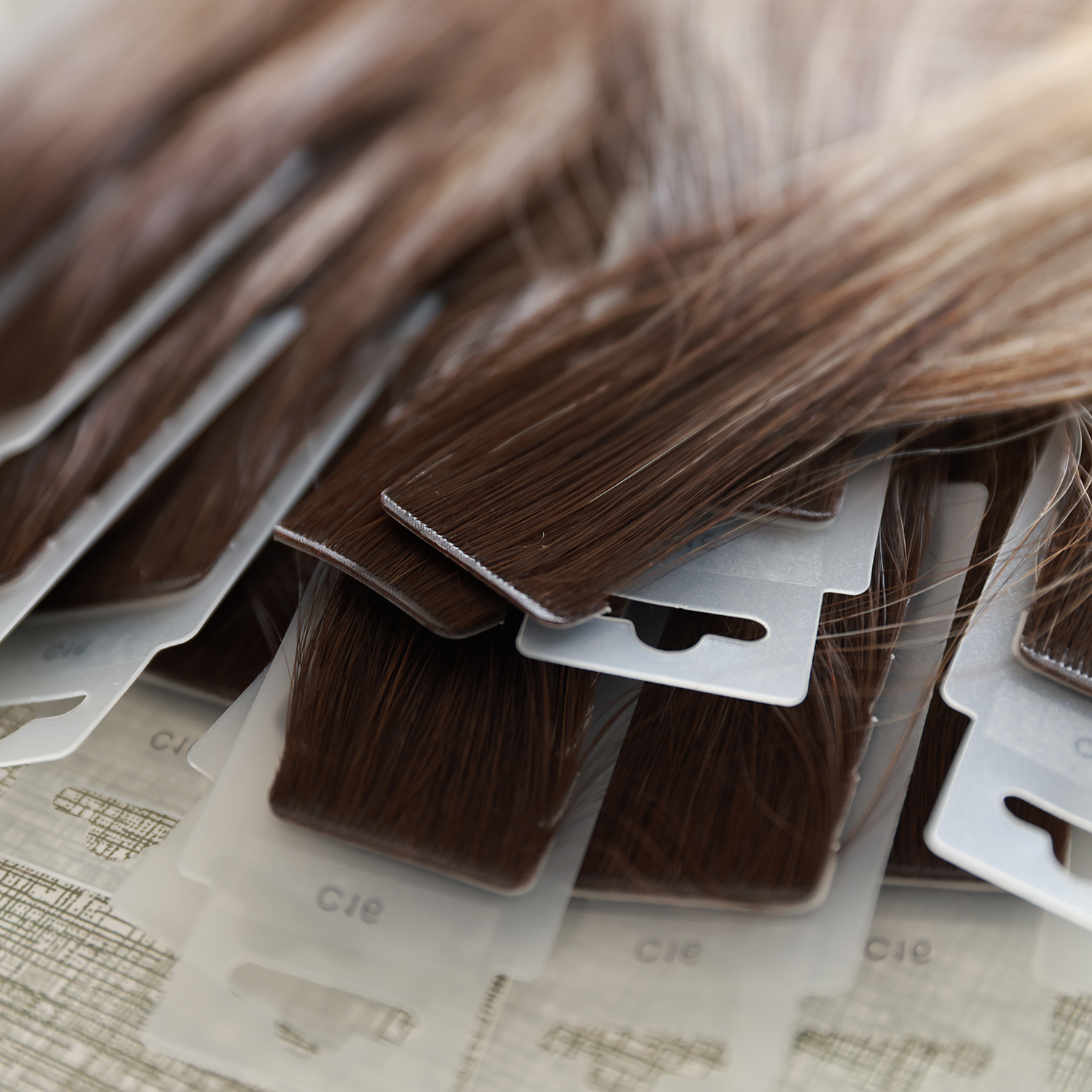
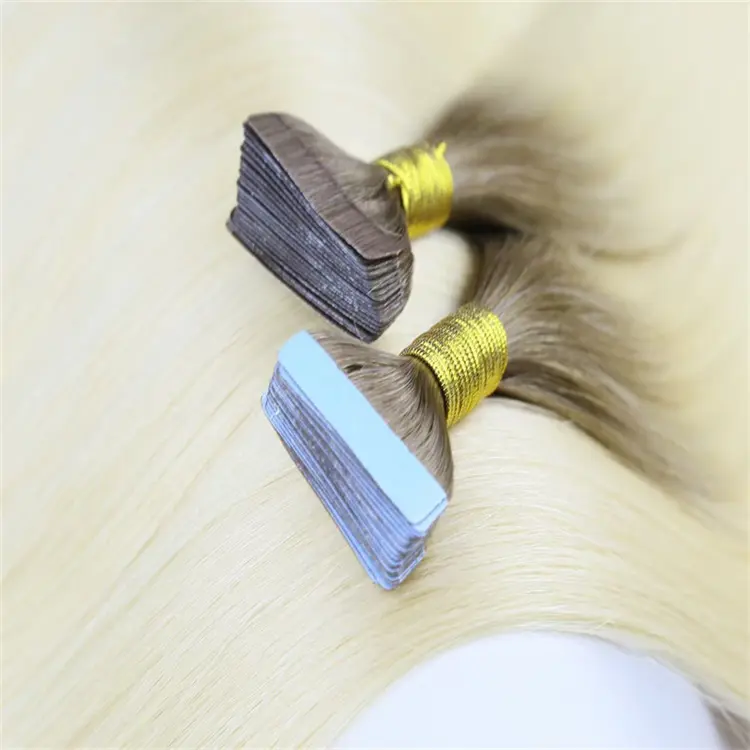
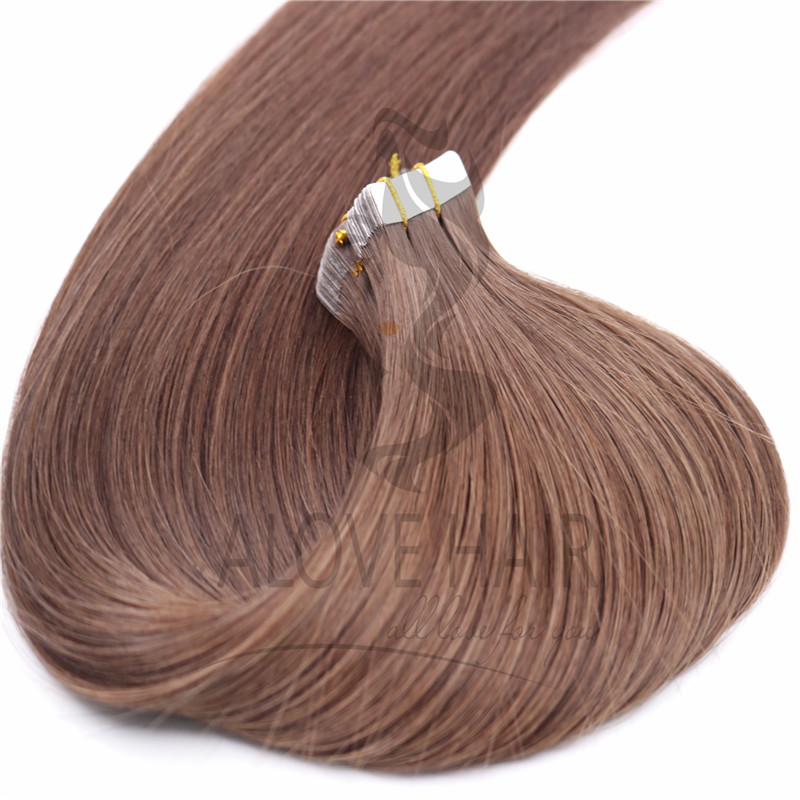
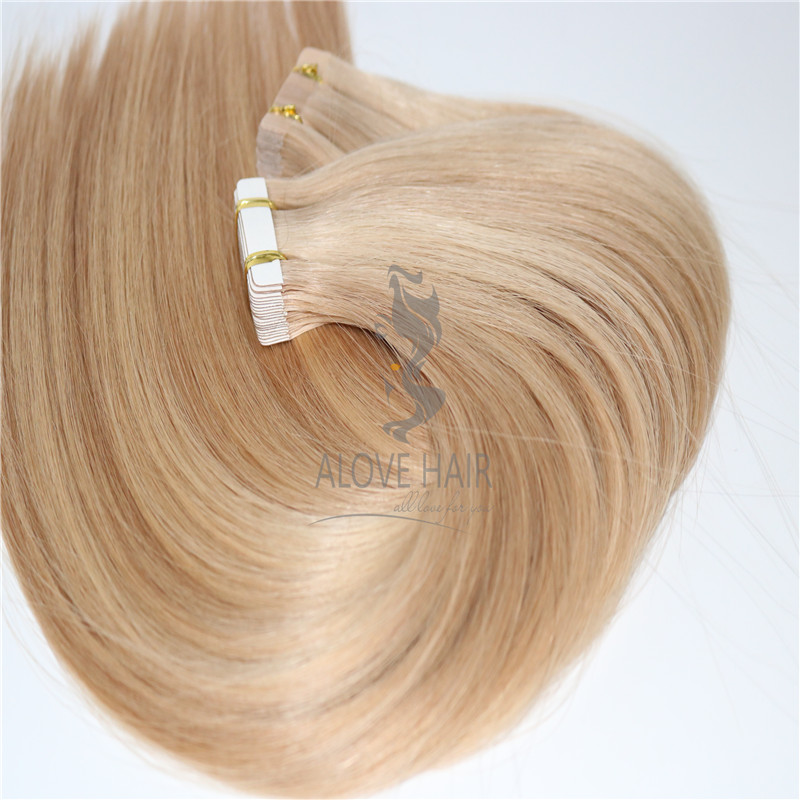
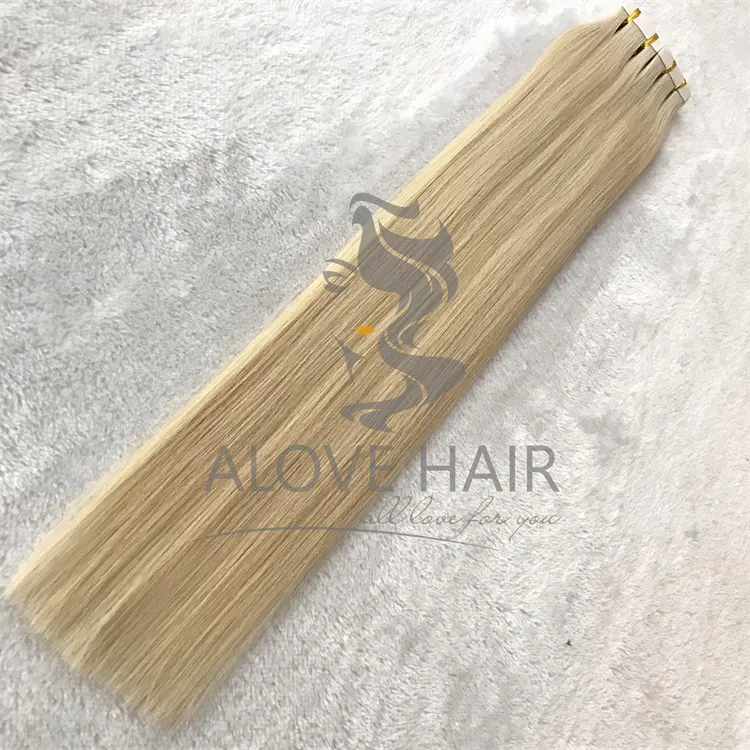
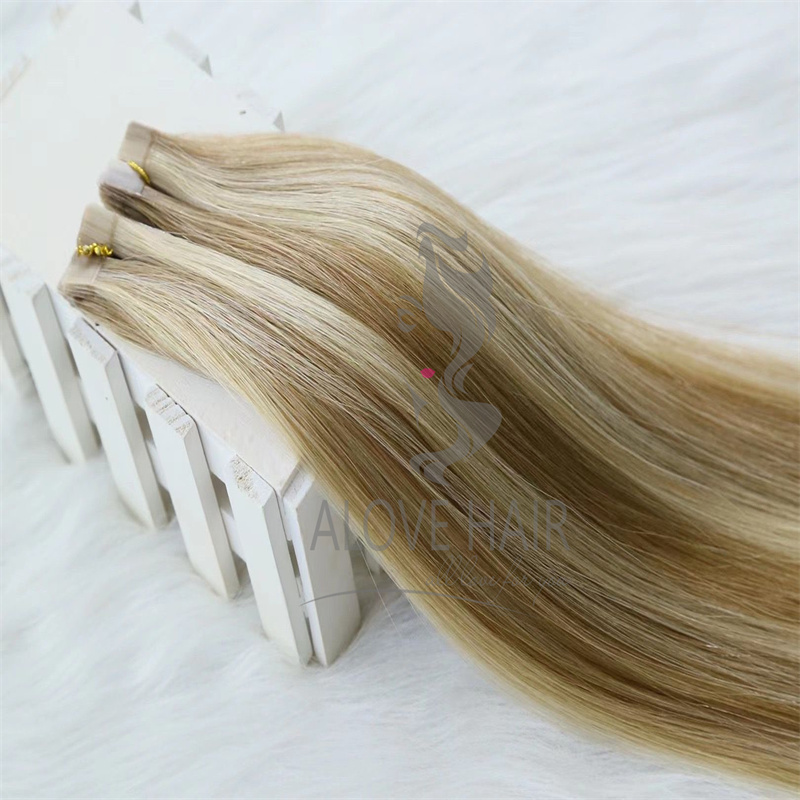
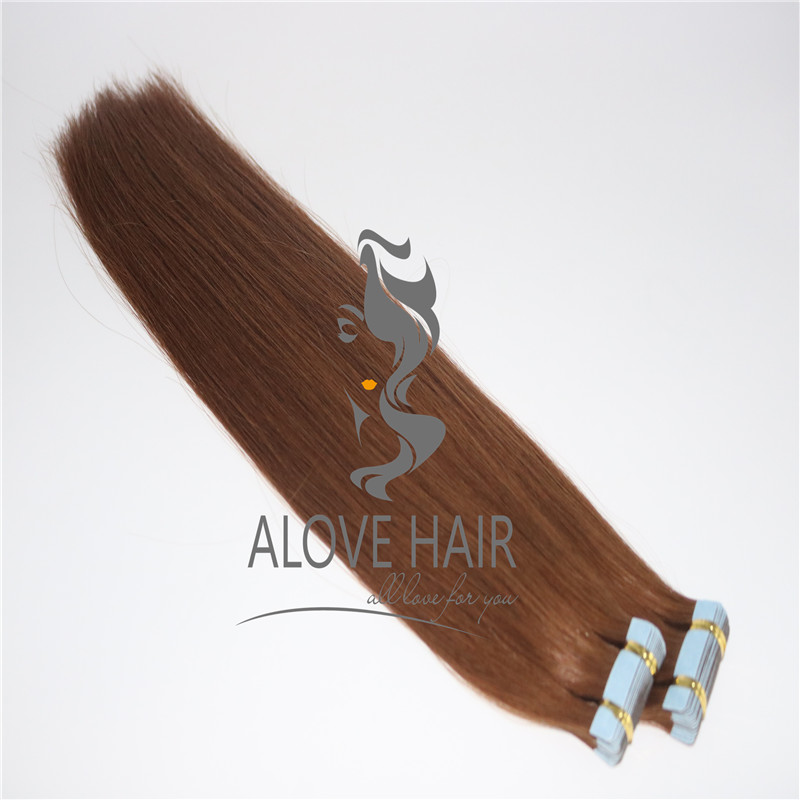
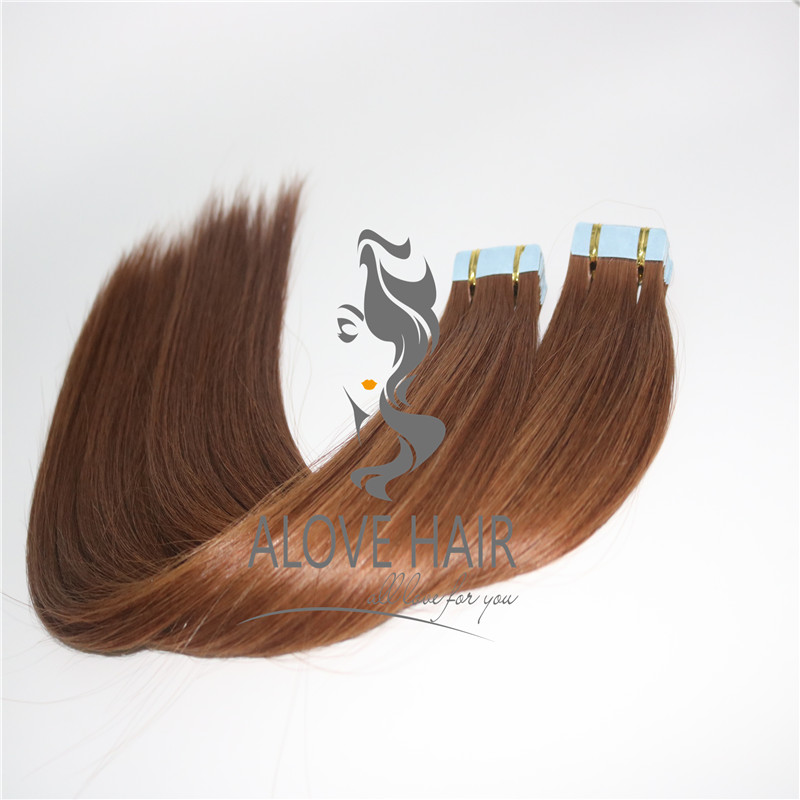
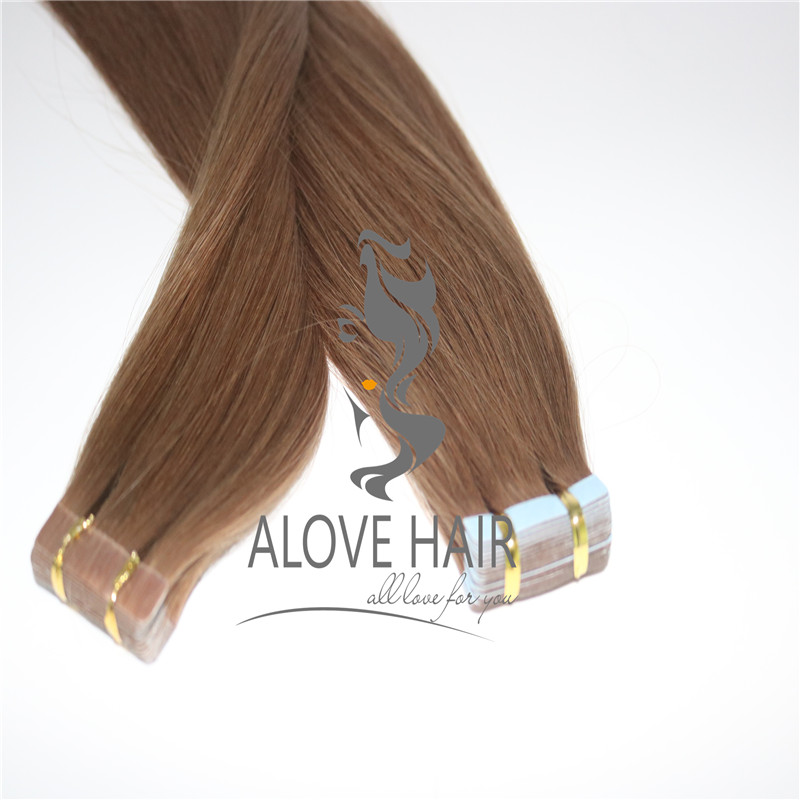
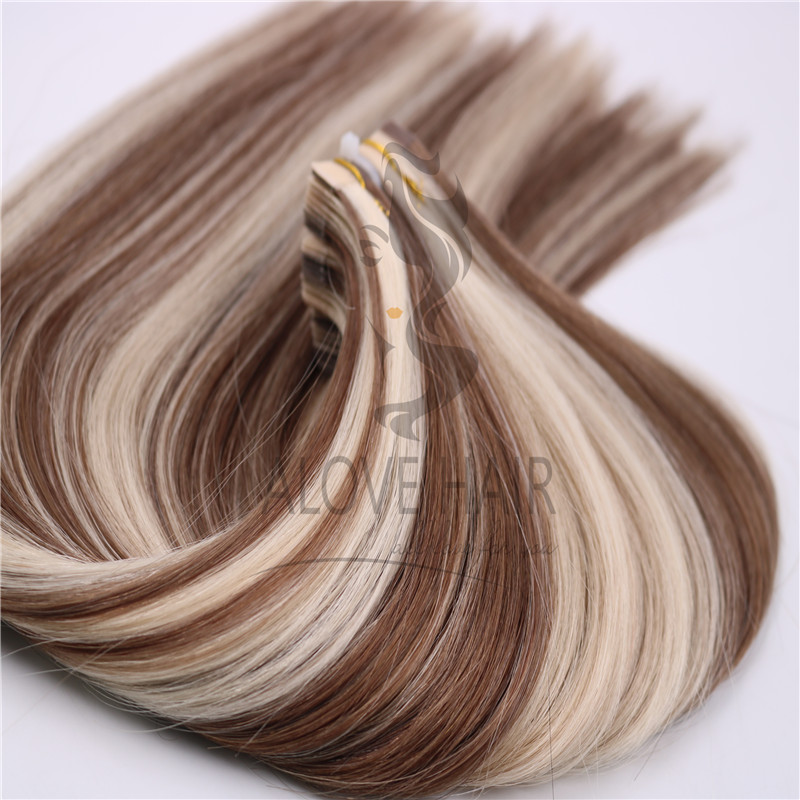
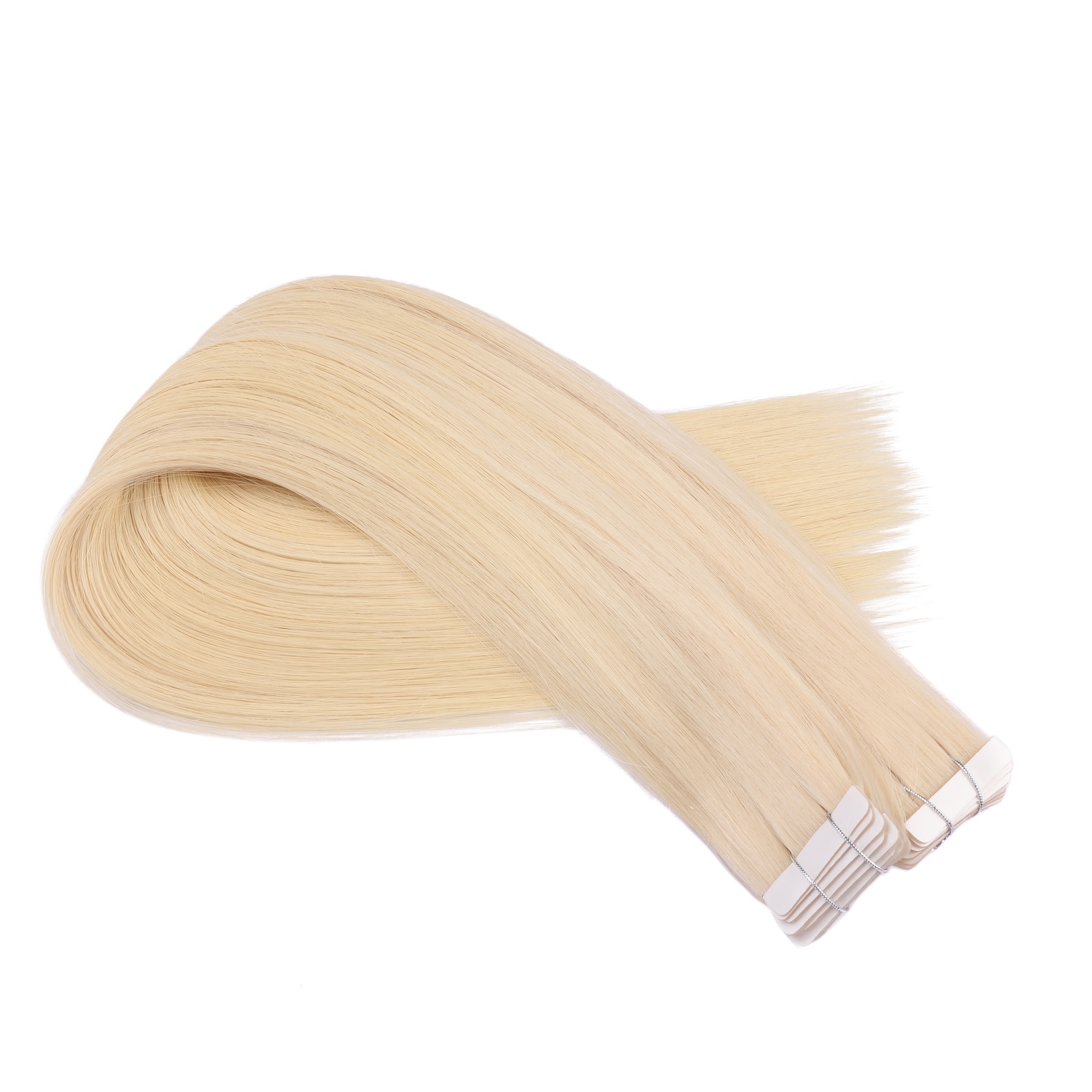
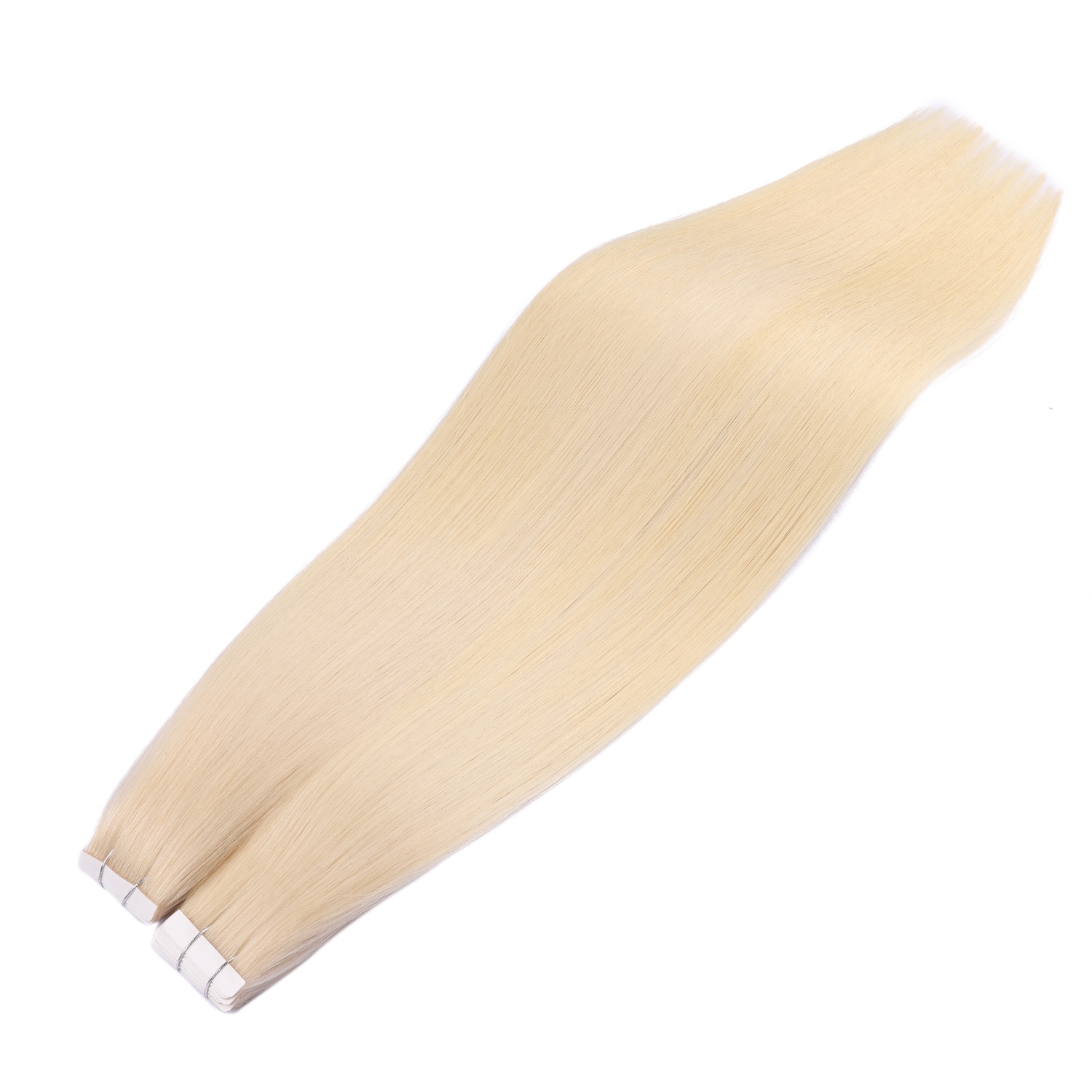
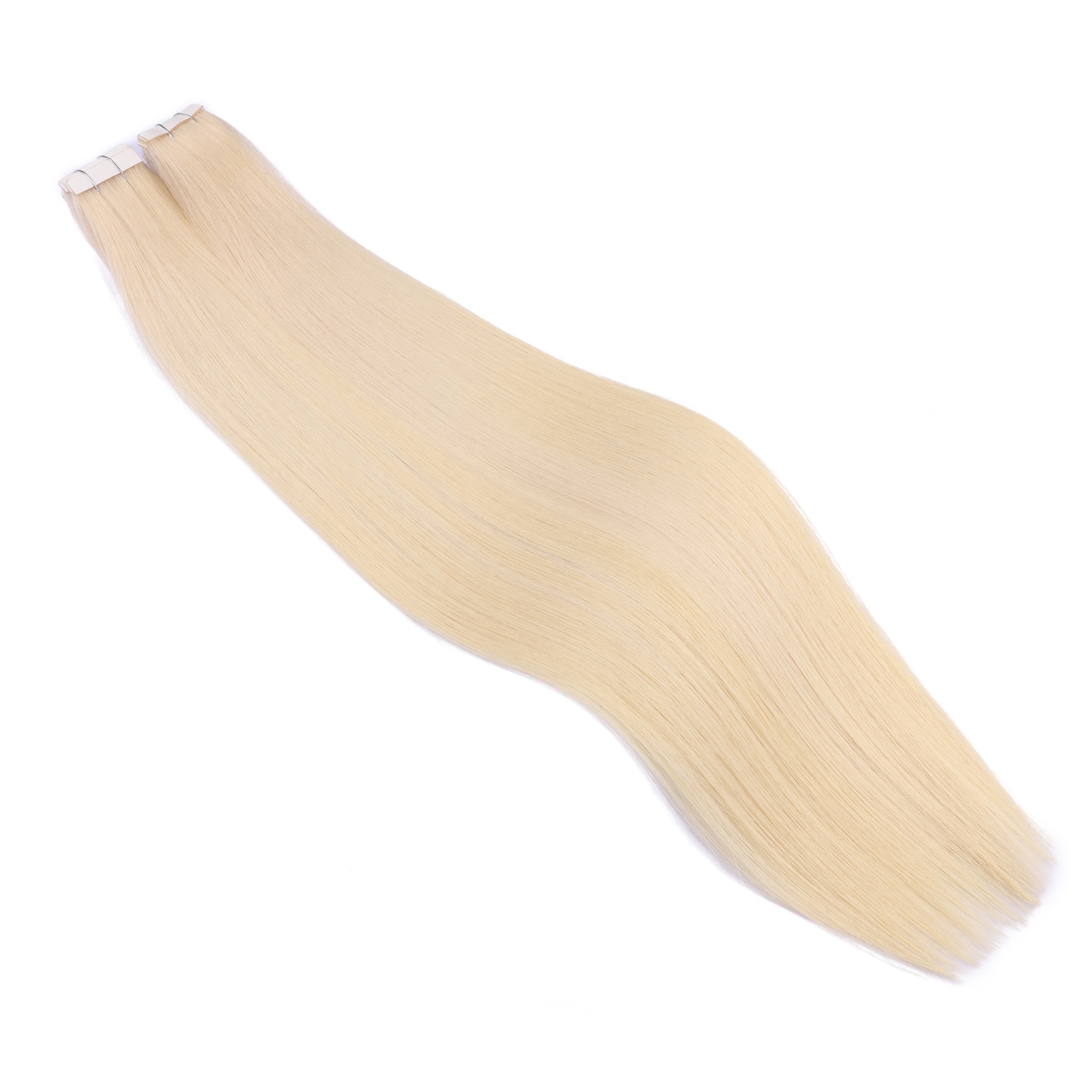
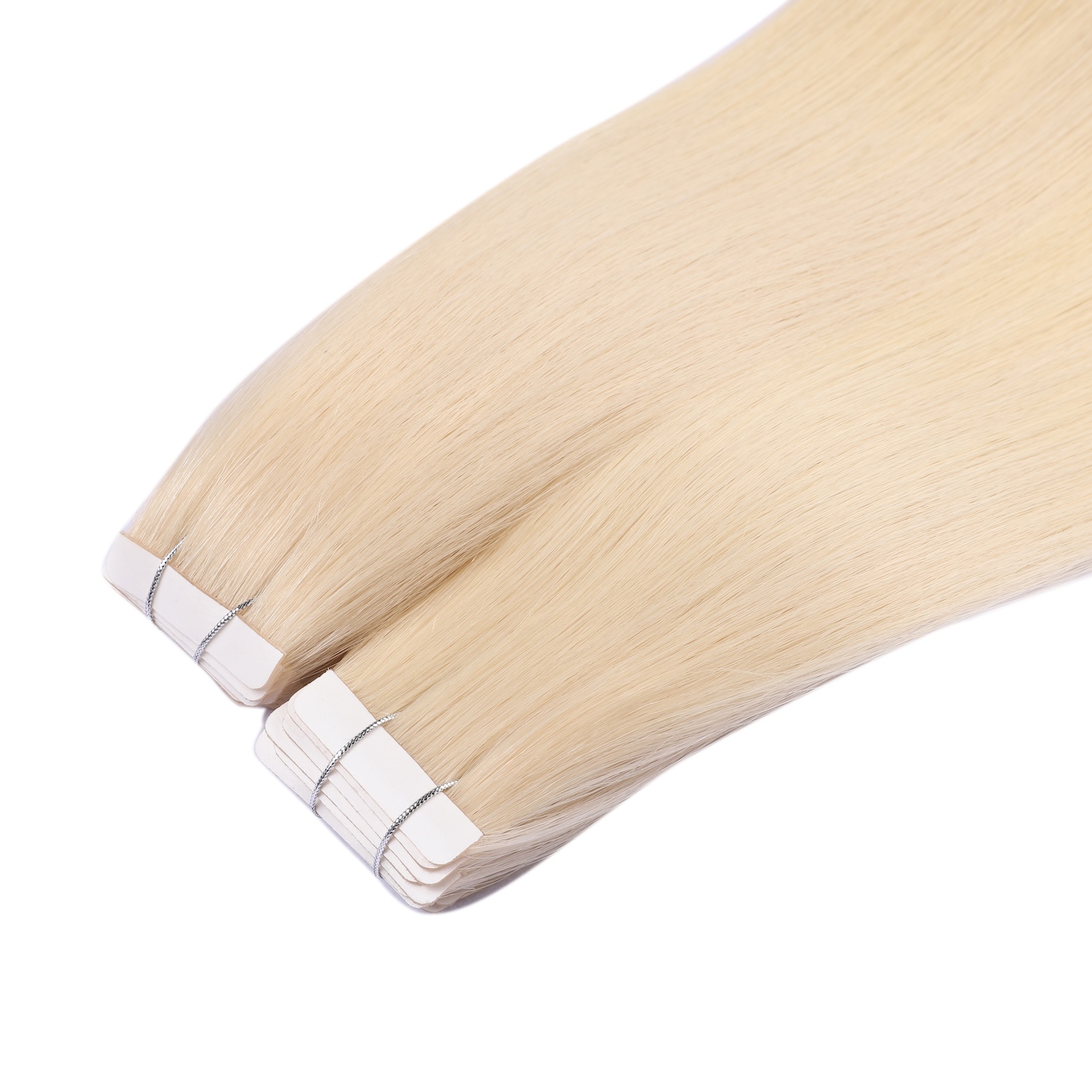
Tape in hair extensions are thin wefts of hair attached using medical-grade adhesive tape.

The stylist places:

  • One extension above a small section of your natural hair
  • Another below it

Your natural hair becomes “sandwiched” between the two tape wefts.

This creates:

  • A flat installation
  • Lightweight feel
  • Natural blending

Most tape extensions use:

  • Human Remy hair
  • PU tape tabs
  • Pre-cut wefts


Why Tape In Extensions Became So Popular

Tape ins exploded in popularity because they solved several major problems older extension methods had.

Traditional methods like:

  • Sew-ins
  • Glue-ins
  • Fusion extensions

Often caused:

  • Excessive tension
  • Long installation times
  • Visible attachment points

Tape ins introduced:

  • Faster installation
  • Better comfort
  • More discreet appearance

For many users, they feel almost invisible compared to older systems.


How Tape In Hair Extensions Work

The installation process is relatively simple.


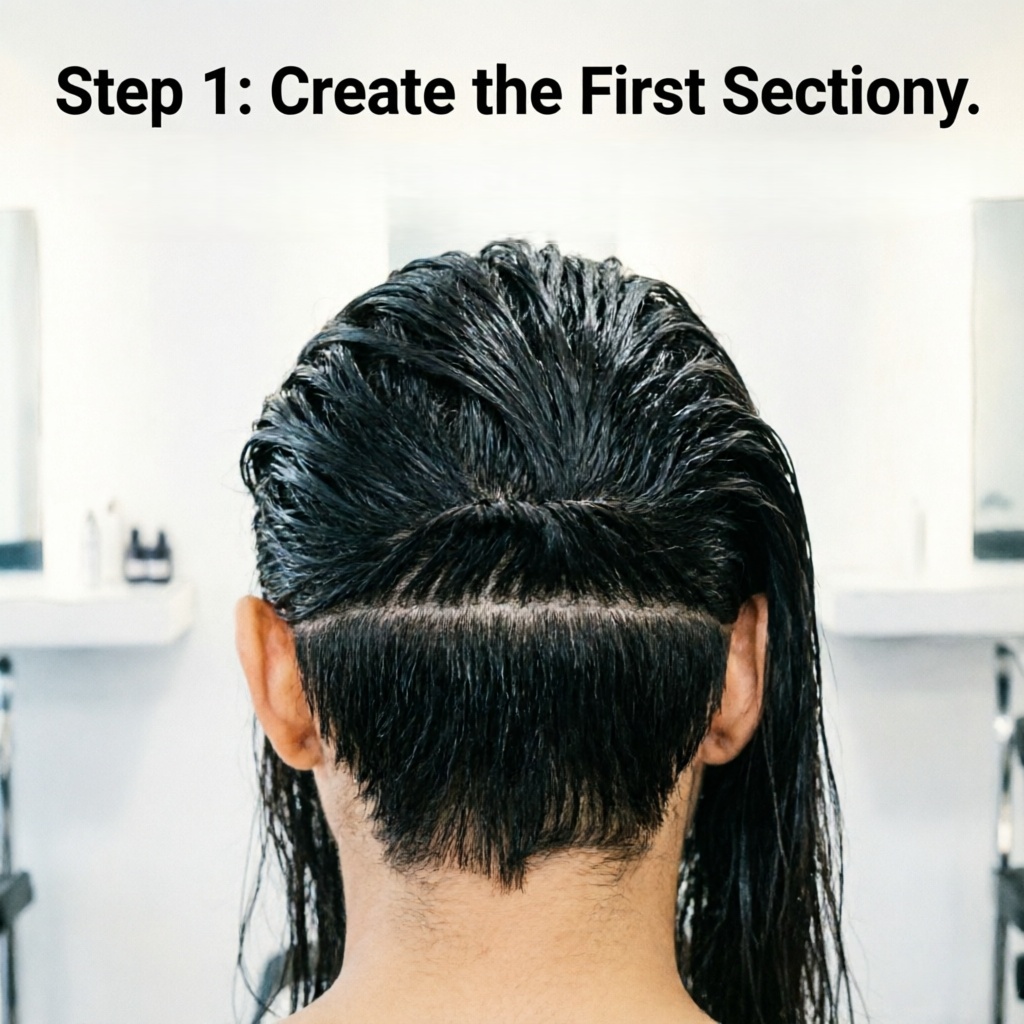
Step 1: Section the Hair

The stylist separates clean, dry hair into sections.


Step 2: Apply Tape Wefts

One tape weft goes underneath the natural hair section.

Another goes above it.


Step 3: Press and Seal

The adhesive bonds together tightly.

This creates:

  • Secure attachment
  • Flat appearance

Step 4: Blend and Style

The extensions are trimmed and blended into natural hair.

The final result should look seamless.


Types of Tape In Hair Extensions

Not all tape ins are the same.


1. Human Hair Tape Ins

The most premium option.

Usually made from:

  • Remy human hair

Advantages:

  • Natural appearance
  • Heat styling capability
  • Long lifespan

Best for:

  • Long-term wear

2. Synthetic Tape Ins

Made from artificial fibers.

Advantages:

  • Lower price

Disadvantages:

  • Less natural
  • Cannot handle high heat well
  • Shorter lifespan

3. Invisible Tape In Extensions

These use ultra-thin skin wefts.

The tape area is covered with hair, making the attachment nearly invisible.

Best for:

  • Thin hair
  • Fine hair

4. Standard PU Tape Extensions

Traditional tape tabs using polyurethane backing.

Very common in salons.


Main Pros of Tape In Hair Extensions

Now let’s get into the real advantages.


1. Very Natural Appearance

This is the biggest reason people choose tape ins.

The tape tabs lay:

  • Flat against the scalp
  • Smooth under hair

This makes them:

  • Hard to detect
  • Easy to blend

Especially compared with:

  • Clip-ins
  • Bulky sew-ins

When installed correctly, most people cannot tell you’re wearing extensions.


2. Lightweight and Comfortable

Tape ins distribute weight evenly.

This reduces pulling on natural hair.

Compared with:

  • Fusion bonds
  • Heavy wefts

Tape extensions usually feel much lighter.

Many users forget they’re even wearing them after a few days.


3. Faster Installation

Tape ins are much quicker to install than many extension methods.

Typical salon installation:

  • 45 minutes to 2 hours

Compared with:

  • Fusion extensions: 4–6 hours
  • Sew-ins: 2–4 hours

This saves:

  • Time
  • Salon labor cost

4. Great for Thin Hair

Tape ins are often recommended for:

  • Fine hair
  • Thinning hair

Because:

  • The tabs are flat
  • Less bulky
  • Easier to hide

Invisible tape extensions work especially well here.


5. Reusable

Good-quality tape in extensions can usually be reused.

The stylist:

  • Removes old adhesive
  • Applies new tape
  • Reinstalls the hair

High-quality human hair tape ins may last:

  • 6–12 months or longer

With proper care.


6. Easy to Style

Human hair tape ins can usually be:

  • Curled
  • Straightened
  • Blow-dried
  • Colored (carefully)

This gives flexibility similar to natural hair.


7. Less Tension Than Some Methods

Compared with:

  • Tight sew-ins
  • Heavy micro beads

Tape ins generally create less scalp tension.

This reduces discomfort for many users.


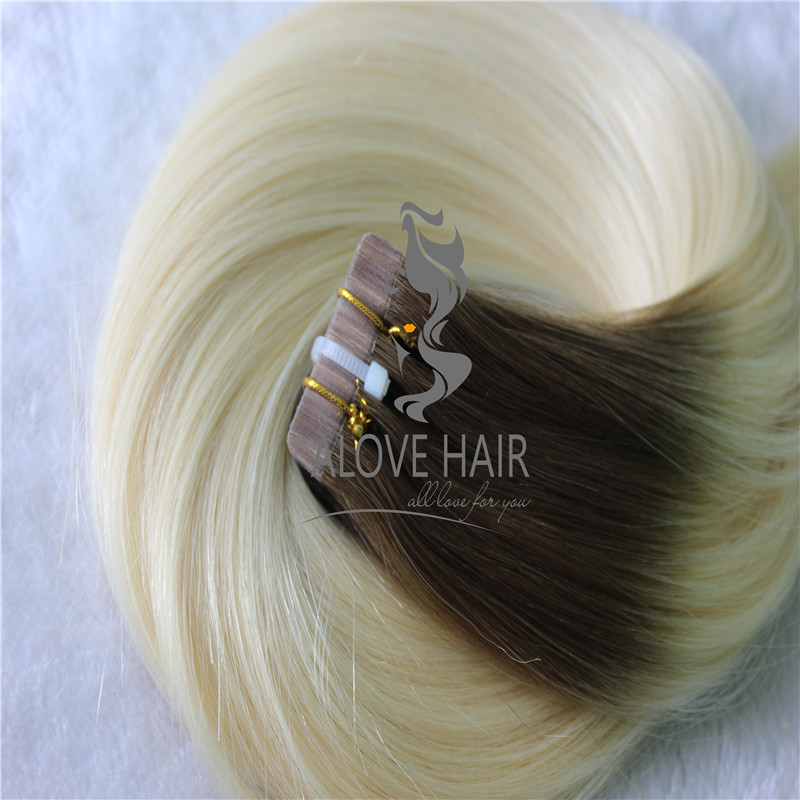
8. Seamless Color Blending

Tape extensions are excellent for:

  • Balayage effects
  • Highlights
  • Ombre blending

Without chemical coloring damage.


Main Cons of Tape In Hair Extensions

Now the part many articles avoid.

Tape ins also have drawbacks.

And for some people, these drawbacks are serious.


1. Adhesive Can Slip

Oil, sweat, and incorrect maintenance can weaken adhesive.

This may cause:

  • Extensions slipping
  • Tabs separating

Especially common if:

  • Hair products contain oils
  • Hair isn’t cleaned properly before installation

2. Not Ideal for Very Oily Hair

People with oily scalps sometimes struggle with tape ins.

Why?

  • Oil breaks down adhesive faster

This can reduce wear time significantly.


3. Maintenance Is Required

Tape ins are not “install and forget.”

Most require salon maintenance every:

  • 6–8 weeks

As natural hair grows.

Maintenance includes:

  • Removal
  • Cleaning
  • Retaping
  • Reinstallation

4. Can Cause Damage If Removed Incorrectly

Improper removal is one of the biggest risks.

Pulling tape out carelessly may cause:

  • Hair breakage
  • Shedding
  • Traction damage

Professional removal is strongly recommended.


5. Certain Hairstyles Expose the Tape

High ponytails or tight updos may reveal:

  • Tape tabs
  • Extension placement

Especially if poorly installed.


6. Not Great for Frequent Swimming

Chlorine, saltwater, and excessive moisture can weaken adhesive.

Swimmers often experience:

  • Faster slippage
  • Shorter lifespan

7. Sleeping Requires Care

Sleeping with wet extensions can cause:

  • Tangling
  • Matting
  • Adhesive weakening

Many users braid hair loosely before bed.


8. Ongoing Cost

Tape ins are not cheap long term.

Costs include:

  • Hair purchase
  • Installation
  • Maintenance
  • Replacement tape
  • Hair care products

Premium human hair systems can become expensive over time.


Tape In Extensions vs Other Methods

Let’s compare realistically.


Tape Ins vs Clip In Extensions

FeatureTape InsClip Ins
InstallationSemi-permanentTemporary
Natural lookBetterModerate
Daily removalNoYes
ComfortHigherModerate

Clip-ins are better for:

  • Occasional use

Tape ins are better for:

  • Daily wear

Tape Ins vs Sew In Extensions

FeatureTape InsSew Ins
WeightLighterHeavier
Installation speedFasterSlower
TensionLowerHigher

Sew-ins may work better for:

  • Very thick/coarse hair

Tape Ins vs Fusion Extensions

FeatureTape InsFusion
Installation timeFasterMuch longer
FlexibilityModerateHigh
CostLowerHigher

Fusion extensions often:

  • Last longer
  • Offer smaller attachment points

But they cost significantly more.


Tape Ins vs Halo Extensions

FeatureTape InsHalo
Semi-permanentYesNo
Natural blendingBetterModerate
Daily wear comfortHigherModerate

Halo extensions are easier for beginners.

Tape ins look more professional long term.


Are Tape In Extensions Safe?

Generally yes—when:

  • Installed correctly
  • Maintained properly
  • Not overloaded

The biggest causes of damage are:

  • Poor salon installation
  • Cheap adhesive
  • Incorrect removal
  • Excessive weight on weak hair

Who Should Choose Tape In Hair Extensions?

Tape ins are usually ideal for:

  • Fine hair
  • Medium-density hair
  • People wanting natural results
  • Users comfortable with maintenance

Who Should Avoid Tape In Extensions?

They may not work well for:

  • Extremely oily scalps
  • Very active swimmers
  • People unwilling to do maintenance
  • Severely damaged hair

How Long Do Tape In Extensions Last?

The answer depends on:

  • Hair quality
  • Maintenance
  • Lifestyle

Installation Lifespan

Before repositioning:

  • Usually 6–8 weeks

Hair Lifespan

High-quality human hair:

  • 6–12 months
  • Sometimes longer

Synthetic hair:

  • Much shorter lifespan

How to Care for Tape In Hair Extensions

Proper maintenance dramatically affects lifespan.


1. Use Sulfate-Free Shampoo

Harsh shampoos weaken adhesive.


2. Avoid Oil Near Tape Tabs

Oil breaks down adhesive quickly.

Avoid:

  • Oil serums near roots
  • Heavy conditioners on tape area

3. Brush Carefully

Use:

  • Loop brush
  • Extension-safe brush

Avoid pulling at roots.


4. Dry Hair Completely

Never sleep with wet extensions.


5. Avoid Excessive Heat

Too much heat damages:

  • Hair fibers
  • Adhesive strength

Common Mistakes People Make


Choosing Cheap Hair

Low-quality extensions tangle faster and look unnatural.


Installing Too Much Hair

Overloading weak hair causes stress and shedding.


Ignoring Maintenance

Delayed salon maintenance increases tangling and matting.


DIY Removal

This causes major breakage surprisingly often.


Are Tape In Extensions Worth It?

For many people:

  • Absolutely yes

Especially if they want:

  • Natural volume
  • Longer hair
  • Lightweight extensions
  • Semi-permanent wear

But they require:

  • Maintenance
  • Budget
  • Proper care

They are not a “zero effort” beauty solution.


Cost Breakdown

Typical pricing varies by:

  • Hair quality
  • Length
  • Salon location

Average Costs

Hair:

  • $100–$600+

Installation:

  • $100–$300+

Maintenance:

  • Every 6–8 weeks

Premium Remy hair costs more but lasts significantly longer.


Future Trends in Tape In Extensions

The industry keeps improving.

Modern developments include:

  • Invisible tape systems
  • Ultra-thin tabs
  • Medical-grade adhesives
  • Lightweight seamless wefts

The trend is moving toward:

  • More comfort
  • More invisibility
  • Less damage

Final Thoughts

Tape in hair extensions became popular for good reason.

They offer:

  • Natural appearance
  • Lightweight comfort
  • Fast installation
  • Great blending

Especially for people with:

  • Fine hair
  • Thinning hair
  • Medium-density hair

But they are not perfect.

The biggest downsides are:

  • Maintenance requirements
  • Adhesive sensitivity
  • Long-term cost

The key to success is:

  • High-quality hair
  • Proper installation
  • Correct aftercare

When done properly, tape ins can look incredibly natural and dramatically improve hair volume and confidence.

When done poorly, they can become frustrating and damaging.


Bottom Line

Tape in hair extensions are one of the best choices for people who want:

  • Semi-permanent extensions
  • Natural-looking results
  • Lightweight comfort
  • Salon-quality blending

They are especially effective for:

  • Thin hair
  • Fine hair
  • Everyday wear

But they require:

  • Regular maintenance
  • Careful product selection
  • Professional installation and removal

If you understand both the pros and cons before starting, you’re far more likely to have a successful and beautiful extension experience.

Pros and Cons of Tape-In Hair Extensions: Is It Right for You?

Tape-in hair extensions have become one of the most popular semi-permanent extension methods for women seeking effortless length, volume, and a natural look. Unlike clip-ins, which require daily removal, or fusion extensions, which can be damaging, tape-ins offer a balance of convenience and low maintenance.

But are they the right choice for your hair type, lifestyle, and budget?

In this comprehensive guide, we’ll break down:
The key advantages of tape-in extensions
The potential drawbacks you should know
A data-driven comparison with other extension types
Expert recommendations on who should (and shouldn’t) get them

By the end, you’ll know exactly whether tape-ins are your best option—or if another method would work better.

Pros of Tape-In Hair Extensions

1. Natural Look & Undetectable Blend

Tape-ins consist of thin, flexible wefts with medical-grade adhesive tabs. Because they lie flat against the scalp, they blend seamlessly with natural hair—unlike bulky clip-ins or obvious bead extensions.

Example: Celebrities like Kim Kardashian and Jennifer Lopez often use tape-ins for red-carpet events because they mimic real hair growth.

2. Lightweight & Comfortable

Since the wefts are featherlight (only 0.5–1.5 grams each), they don’t pull on roots like heavy sew-in weaves or fusion extensions.

Weight Comparison of Hair Extensions:

Extension TypeAvg. Weight per WeftComfort Level (1-10)
Tape-Ins0.5–1.5g9
Clip-Ins2–4g7
Fusion/Bonded3–5g5
Sew-In Weaves5–8g4

3. Quick Application (30–60 Minutes)

Unlike sew-ins (which take 3+ hours) or keratin-bonded extensions (which require strand-by-strand attachment), tape-ins can be applied in under an hour by a professional.

4. Low Damage Risk (When Properly Maintained)

Because the adhesive doesn’t require heat or chemicals, tape-ins are gentler than fusion or micro-link extensions. A 2023 study in The Journal of Cosmetic Dermatology found that:

“Tape-in extensions caused 23% less hair breakage than fusion bonds when removed correctly.”

5. Longevity: Lasts 6–8 Weeks

With proper care, tape-ins can be reused 2–3 times before needing replacement.

Lifespan Comparison:

Extension TypeAvg. LifespanReusable?
Tape-Ins6–8 weeksYes (2–3x)
Clip-Ins1 dayYes
Fusion Bonds3–4 monthsNo
Sew-Ins6–8 weeksNo

Cons of Tape-In Hair Extensions

1. Requires Professional Installation & Removal

Unlike clip-ins, tape-ins should not be self-applied. Improper placement can lead to:

Visible tabs (if placed too close to the part)

Premature slippage (if adhesive isn’t pressed firmly)

2. High Maintenance (Special Shampoos, No Oils)

The adhesive weakens when exposed to:
Sulfates
Silicones
Heavy oils (e.g., coconut, argan)

Example: A client who used oily scalp treatments reported 50% faster slippage compared to those who followed aftercare guidelines.

3. Not Ideal for Very Thin/Fine Hair

Because the adhesive needs a strong anchor, those with fine hair (< 100 strands per square inch) may experience:

Slippage (tabs detaching prematurely)

Visibility (tabs showing through sparse hair)

Hair Density Recommendations:

Hair TypeRecommended Extension Method
Thin/FineClip-ins, Halo extensions
Medium DensityTape-ins, Micro-links
Thick/CoarseTape-ins, Sew-ins, Fusion

4. Cost Over Time (300–300–800 Every 2 Months)

While initial installation is cheaper than fusion, re-taping every 6–8 weeks adds up.

Estimated 6-Month Cost:

Extension TypeInitial CostMaintenance Cost (6 Months)Total
Tape-Ins$400$600 (3 re-tapes)$1,000
Clip-Ins$200$0$200
Fusion Bonds$1,200$300 (1 touch-up)$1,500

5. Not Swim/Sweat-Friendly

Chlorine, saltwater, and excessive sweat break down adhesive, leading to:

Slippage (extensions loosening after swimming)

Tangling (if adhesive weakens but doesn’t fully detach)

Who Should Get Tape-In Extensions? (Ideal Candidates)

Medium to thick hair (holds adhesive better)
Want long-term length/volume without daily removal
Can commit to salon visits every 6–8 weeks
Prefer a natural look over clip-in convenience

Celebrity Example: Hailey Bieber uses tape-ins for effortless, lived-in volume between salon visits.

Who Should Avoid Tape-Ins?

Very fine/thin hair (consider clip-ins or halo extensions)
Oily scalp types (adhesive breaks down faster)
Frequent swimmers/athletes (chlorine/sweat damages adhesive)
Budget-conscious users (clip-ins are cheaper long-term)

Final Verdict: Are Tape-Ins Right for You?

Choose Tape-Ins If You…

✔ Want a natural, long-lasting solution
✔ Have medium to thick hair
✔ Can invest in professional maintenance

Skip Tape-Ins If You…

✖ Have fine or thinning hair
✖ Need daily removal (e.g., for workouts)
✖ Prefer a low-maintenance, budget-friendly option

Next Steps

Consult a stylist for a hair density check.

Patch-test adhesive if you have sensitive skin.

Compare brands (e.g., Bellami, Luxy, Great Lengths).

Still unsure? Try clip-ins first to test if extensions suit your lifestyle before committing to tape-ins!

Premium Tape-In Hair Extensions Supplier – High Quality & Competitive Prices

Looking for a trusted tape-in hair extensions supplier? Choose us! As a leading hair extensions manufacturer in China, we specialize in high-quality, seamless tape-in extensions that blend naturally and last longer. Our products are crafted with 100% remy human hair, secure medical-grade adhesive, and customizable lengths/colors to meet your market needs. Enjoy competitive factory-direct pricing, low MOQs, and reliable OEM/ODM services. Partner with us to boost your beauty business with premium extensions your customers will love!

Why Choose Us?
100% Remy Human Hair – Soft, tangle-free, and durable
Strong & Safe Adhesive – No slippage, gentle on natural hair
Customization Options – Lengths (14-24 inches), colors, textures
Competitive Pricing – Factory-direct rates for higher profits
Reliable Supply – Fast production & shipping worldwide

Contact us to request samples or discuss your business needs!

Tape-In vs Sew-In vs Genius Weft Hair Extensions

Introduction: Why Choosing the Right Hair Extension Method Matters

The global hair extension market has grown rapidly over the past decade, driven by rising beauty awareness, social media influence, and the professionalization of salon services. According to industry reports, the global hair extension market size surpassed USD 5 billion in recent years and continues to grow at an estimated 7–9% CAGR. Within this expanding market, tape-in hair extensions, sew-in (weft) hair extensions, and the increasingly popular Genius Weft hair extensions have become the three most requested methods among professional stylists.

For salon owners, stylists, and hair businesses, understanding the technical differences, performance data, cost-efficiency, and client suitability of each method is essential. This article provides a comparison of tape-in vs sew-in vs Genius Weft hair extensions, helping professionals make informed decisions—and concluding with why Qingdao ALOVE HAIR PRODUCTS Co., Ltd. is the ideal long-term supplier.


Overview of the Three Hair Extension Methods

Before diving into detailed comparisons, it’s important to define each method clearly.

Tape-In Hair Extensions

Tape-in hair extensions are pre-taped wefts applied by sandwiching a thin section of natural hair between two adhesive strips. They are known for quick installation, lightweight feel, and flat appearance.

For a detailed understanding of the advantages and disadvantages of tape-in Hair Extensions, please refer to this article:  Pros and Cons of Tape-In Hair Extensions: Is It Right for You?

Sew-In (Traditional Weft) Hair Extensions

Sew-in extensions involve braiding the natural hair into cornrows and stitching wefts onto the braids using thread and needles. This method has been widely used for decades and is valued for its durability and long-term wear.

To learn more about the differences between sew-in hair extensions and other hair extension methods, you can also check out this article: Sew-In vs. Flat Weft Hair Extensions: Key Differences & Which Is Better?

Genius Weft Hair Extensions

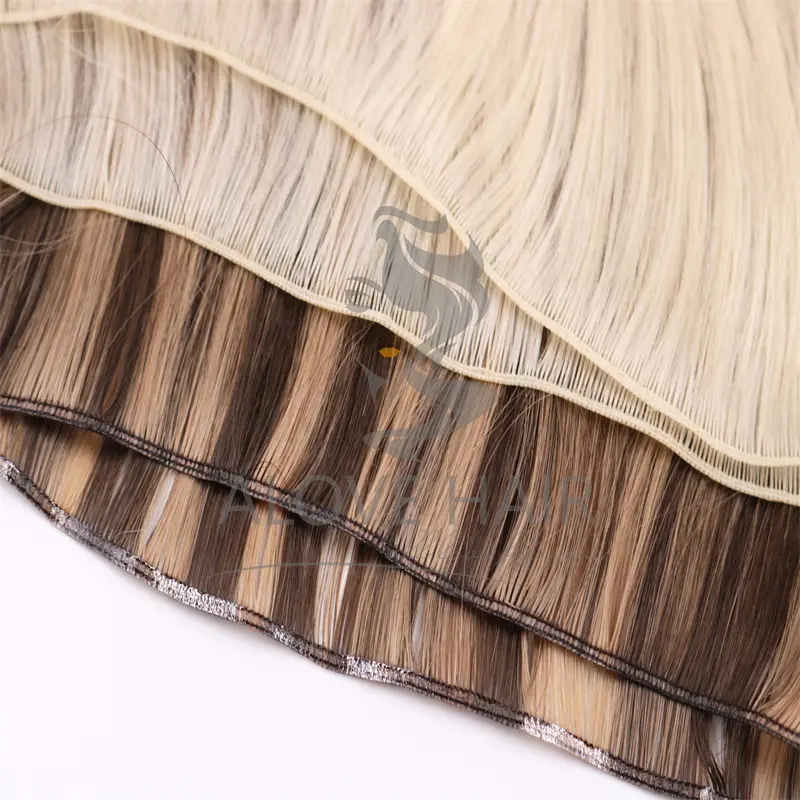
Genius Weft hair extensions represent a new generation of weft technology. They combine the ultra-thin, flexible structure of hand-tied wefts with the cuttable, no-shedding edge of machine wefts, offering superior comfort, invisibility, and customization.

For a detailed understanding of the advantages and disadvantages of Genius Weft Hair Extensions, please refer to this article: Genius Wefts hair extensions pros and cons


Installation Time & Technical Complexity (With Data)

Understanding the installation methods behind each type of hair extension helps stylists choose the right technique for different hair conditions, lifestyles, and service pricing.

Tape-In Hair Extension Installation Method

Tape-in hair extensions are installed using a sandwich method:

  1. A thin slice of natural hair is sectioned
  2. One tape weft is placed underneath the section
  3. A second tape weft is pressed on top, sealing the hair in between

Key Technique Notes:

  • No heat or sewing required
  • Requires precise sectioning to avoid slippage
  • Best installed 1 cm away from the scalp

Removal & Reinstallation:
Special adhesive remover is applied to dissolve the tape, allowing the wefts to be reused with replacement tape.


Sew-In (Traditional Weft) Installation Method

Sew-in hair extensions use a braid-and-sew technique:

  1. Natural hair is braided into cornrows or anchor braids
  2. Wefts are placed along the braids
  3. Curved needle and thread are used to sew wefts securely

Key Technique Notes:

  • No adhesive involved
  • Strong hold, suitable for active clients
  • Requires even braid tension to avoid scalp stress

Removal & Reinstallation:
Threads are cut carefully, braids are undone, and wefts can be reused multiple times.


Genius Weft Hair Extension Installation Methods (Multiple Options)

One of the biggest advantages of Genius Weft hair extensions is their method versatility. They can be installed using several professional techniques:

1. Beaded Row (Micro Ring) Method

  • Silicone-lined beads are attached to natural hair
  • Genius Weft is sewn onto the beads
  • No glue, no heat

2. Hybrid Sew-In Method

  • Combines minimal braiding with beaded anchoring
  • Reduces scalp tension compared to traditional sew-in

3. Invisible Sew-In / No-Leave-Out Method

  • Genius Weft is folded and layered for maximum invisibility
  • Ideal for fine hair and up-styles

Why Genius Weft Performs Better in Installation:

  • Ultra-thin edge prevents bulk
  • Can be cut freely to customize head shape
  • No return hair = cleaner finish


Average Installation Time by Method

Extension TypeAverage Installation TimeSkill Level Required
Tape-In45–90 minutesBeginner–Intermediate
Sew-In2.5–4 hoursAdvanced
Genius Weft1.5–2.5 hoursIntermediate–Advanced

Analysis:

  • Tape-in hair extensions save up to 60% installation time compared to sew-in methods.
  • Genius Weft offers a balance: faster than traditional sew-in, but more customizable than tape-ins.

From a salon operations perspective, Genius Weft hair extensions improve time efficiency without sacrificing quality, making them ideal for premium services.


Comfort, Weight & Scalp Health

Client comfort is a critical retention factor. Extensions that are too heavy or rigid can cause tension, headaches, or traction alopecia.

Comfort & Weight Comparison

FactorTape-InSew-InGenius Weft
Average Weft ThicknessUltra-thinThickUltra-thin
Weight per 100g~100g~100–120g~100g
Scalp Tension RiskLow–MediumMedium–HighLow
Suitable for Fine HairYesLimitedYes

Key Insight:

  • Traditional sew-in wefts are 30–40% thicker than Genius Wefts, increasing tension.
  • Genius Weft hair extensions distribute weight evenly, significantly reducing scalp stress.

Appearance & Natural Blending Performance

The ultimate goal of any hair extension is invisibility.

Tape-In Hair Extensions

Pros:

  • Flat, discreet attachment
  • Ideal for straight or slightly wavy hair

Cons:

  • Tape tabs may become visible on thin or high-contrast hair
  • Limited up-styling options

Sew-In Hair Extensions

Pros:

  • High density and volume
  • Strong hold

Cons:

  • Bulky weft lines
  • Less natural movement

Genius Weft Hair Extensions

Pros:

  • Zero-return hair, no mustache effect
  • Cuttable weft without shedding
  • Seamless blending even on fine hair

Professional Feedback Data:
A stylist survey conducted across North America and Europe shows:

  • 78% rated Genius Weft as “most natural-looking”
  • 65% reported higher client satisfaction compared to tape-in

Durability, Maintenance & Reusability

Longevity & Maintenance Cycle

Extension TypeAverage Wear TimeReuse CyclesMaintenance Frequency
Tape-In6–8 weeks2–3 timesHigh
Sew-In8–12 weeks3–4 timesMedium
Genius Weft8–12 weeks4–6 timesLow–Medium

Cost Efficiency Insight:
Although Genius Weft hair extensions have a higher upfront cost, their extended reuse cycle reduces total annual client cost by 20–30%.


Hair Quality & Color Performance (Critical for Professionals)

Low-quality hair leads to tangling, shedding, and color inconsistency.

ALOVE Hair Quality Data:

  • 100% cuticle intact human hair
  • Double drawn for uniform thickness
  • No acid or ash bath processing

Hair Quality Comparison

Quality IndicatorStandard Market HairALOVE Genius Weft
Cuticle AlignmentMixed100% Intact
Shedding RateMedium–High<1%
Color Longevity6–8 weeks12+ weeks

ALOVE specializes in colored hair extensions, processed by over 20 skilled technicians, ensuring bright tones without compromising cuticle health.


Market Demand & Salon Profitability

Market Demand by Region

RegionMost Popular Method
USAGenius Weft
UKTape-In & Genius Weft
EuropeGenius Weft
AustraliaTape-In

Trend Insight:
Premium salons increasingly shift toward Genius Weft hair extensions due to:

  • Higher service pricing
  • Better client retention
  • Fewer complaints and remakes

Professional Recommendation: Which Should You Choose?

Choose Tape-In if:

  • You need fast, entry-level services
  • Clients prefer short-term changes

Choose Sew-In if:

  • Clients want maximum density
  • Hair texture is coarse or thick

Choose Genius Weft if:

  • You serve premium or repeat clients
  • Natural look and comfort are priorities
  • You want higher long-term profitability

Product Spotlight: ALOVE Hair Extension Solutions for Every Salon

To better support salons, stylists, and distributors, Qingdao ALOVE HAIR PRODUCTS Co., Ltd. offers a complete range of professional hair extension products designed for different installation methods, client needs, and market segments.

Option 1: ALOVE Genius Weft Hair Extensions (Flagship Product)

Best for: Premium salons, fine to medium hair, long-term clients

Product Features:

  • 100% cuticle intact human hair, double drawn
  • Ultra-thin, flexible weft with no return hair
  • Can be cut anywhere without shedding
  • Seamless blending, even on thin hairlines
  • Available in straight, body wave, and custom textures

Recommended Lengths & Weights:

LengthWeight Options
16–18 inch50g / 100g
20–22 inch100g
24–26 inch100g / 150g

Ideal Salon Application:
Genius Weft is perfect for stylists who want to upsell high-end services with fewer complaints, faster refits, and excellent reusability (4–6 installs).


Option 2: ALOVE Tape-In Hair Extensions

Best for: Quick services, first-time extension clients, high-volume salons

Product Features:

  • Medical-grade adhesive tape
  • Lightweight, flat design for comfort
  • Easy installation and removal
  • Available in classic, balayage, and highlight colors

Technical Specifications:

Tape SizeHair per PieceFinish
4 cm × 0.8 cm2.5gInvisible
4 cm × 1.0 cm3gStandard

Ideal Salon Application:
ALOVE tape-in extensions help salons maximize chair turnover while maintaining natural results, especially for short-term transformations.


Option 3: ALOVE Hand-Tied & Flat Weft Hair Extensions

Best for: Traditional sew-in lovers, thick hair clients

Product Features:

  • Tight, durable stitching
  • Minimal shedding
  • Suitable for beaded or braided sew-in methods

Weft Comparison:

Weft TypeThicknessFlexibility
Hand-TiedUltra-thinHigh
Flat WeftMediumMedium

Ideal Salon Application:
These wefts are ideal for stylists who prefer classic sew-in techniques but want better hair quality and consistency.


Option 4: Custom Color & Special Processing Solutions

ALOVE Color Expertise:

  • Over 20 skilled workers specializing in blonde and fashion colors
  • Cuticle-safe bleaching (no acid / ash bath)
  • Stable tones with reduced fading

Available Color Options:

CategoryExamples
Natural Shades#1B, #2, #4
Blonde Series#60, #613, #18
BalayagePiano, Rooted
Fashion ColorsPink, Blue, Purple

Why Leading Professionals Choose Qingdao ALOVE HAIR PRODUCTS Co., Ltd.

About ALOVE

Qingdao ALOVE HAIR PRODUCTS Co., Ltd. has been a professional hair supplier since the 1980s, evolving from raw hair collection into a world-class manufacturer of luxury human hair extensions.

With over 15 years of foreign trade experience, ALOVE serves salons and distributors across the USA, UK, Canada, Australia, Germany, France, Italy, and Europe, maintaining a 90%+ customer retention rate.

Our Flagship: Genius Weft Hair Extensions

✔ 100% Cuticle Intact Human Hair
✔ Double drawn, tangle-free
✔ Industry-leading colored hair expertise
✔ Flat weft, hand-tied weft, tape-in, I-tip options
✔ Complete extension tools & accessories

Why Partner With ALOVE?

  • Trusted Wholesale Supplier: Stable quality & competitive pricing
  • End-to-End Support: Tools, guidance, and after-sales service
  • Custom Solutions: Tailored lengths, colors, textures, and packaging

Conclusion

In the comparison of tape-in vs sew-in vs Genius Weft hair extensions, data clearly shows that Genius Weft represents the future of professional hair extension services—combining comfort, durability, natural appearance, and long-term cost efficiency.

For salons and businesses seeking a reliable, high-quality, and innovative hair extension supplier, Qingdao ALOVE HAIR PRODUCTS Co., Ltd. stands out as a trusted partner with decades of expertise.

Contact ALOVE today and elevate your hair extension business with confidence.