Posts

Lace Front Wig vs Full Lace Wig: Complete Comparison Guide

The global wig market has grown rapidly in recent years, driven by fashion trends, social media influence, protective hairstyling, and increasing demand for natural-looking hair solutions. Among all wig types, lace front wigs and full lace wigs remain two of the most popular choices for women seeking realistic appearance, styling flexibility, and confidence.

However, many buyers struggle to understand the real differences between these two wig constructions. Questions such as “Which wig looks more natural?”, “Which one lasts longer?”, and “Is a full lace wig worth the higher price?” are extremely common.

In this comprehensive guide, we will provide a detailed comparison of lace front wigs vs full lace wigs, including construction, appearance, comfort, durability, styling flexibility, maintenance, pricing, pros and cons, and how to choose the best option for your needs.

Whether you are a beginner, salon professional, wig reseller, or beauty brand owner, this article will help you fully understand the differences between lace front and full lace wigs.


What Is a Lace Front Wig?

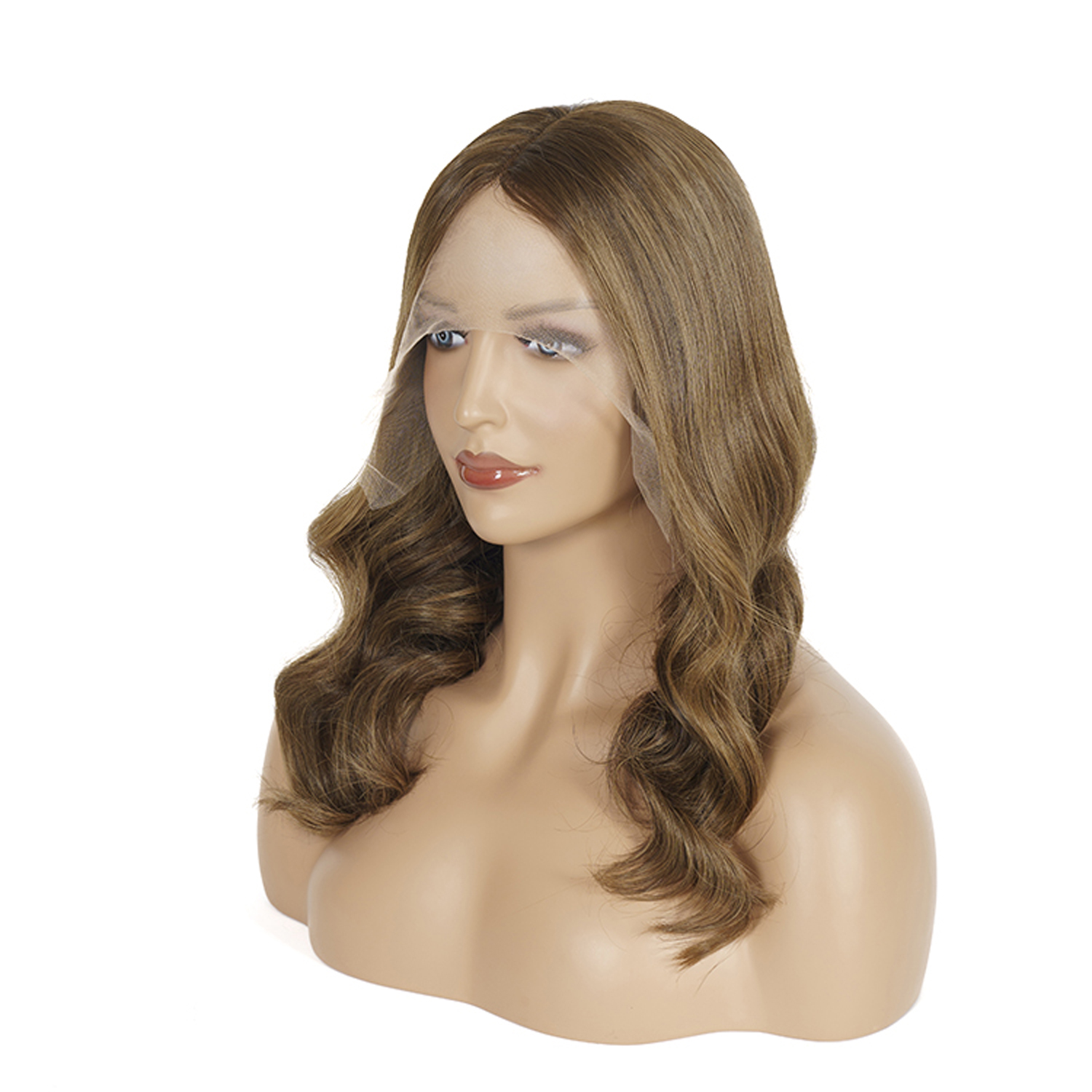
A lace front wig is a wig constructed with a lace panel only at the front hairline area, while the rest of the wig cap is usually made from machine-sewn wefts or elastic materials.

The lace front section typically extends:

  • Ear to ear
  • 13×4 inches
  • 13×6 inches
  • T-part lace designs

Individual hairs are hand-tied into the lace at the front, creating the illusion that hair is growing naturally from the scalp.

The back portion of the wig is usually constructed using:

  • Machine wefts
  • Stretch caps
  • Adjustable straps
  • Combs or elastic bands

Lace front wigs are widely popular because they provide a natural hairline at a more affordable price than full lace wigs.


What Is a Full Lace Wig?

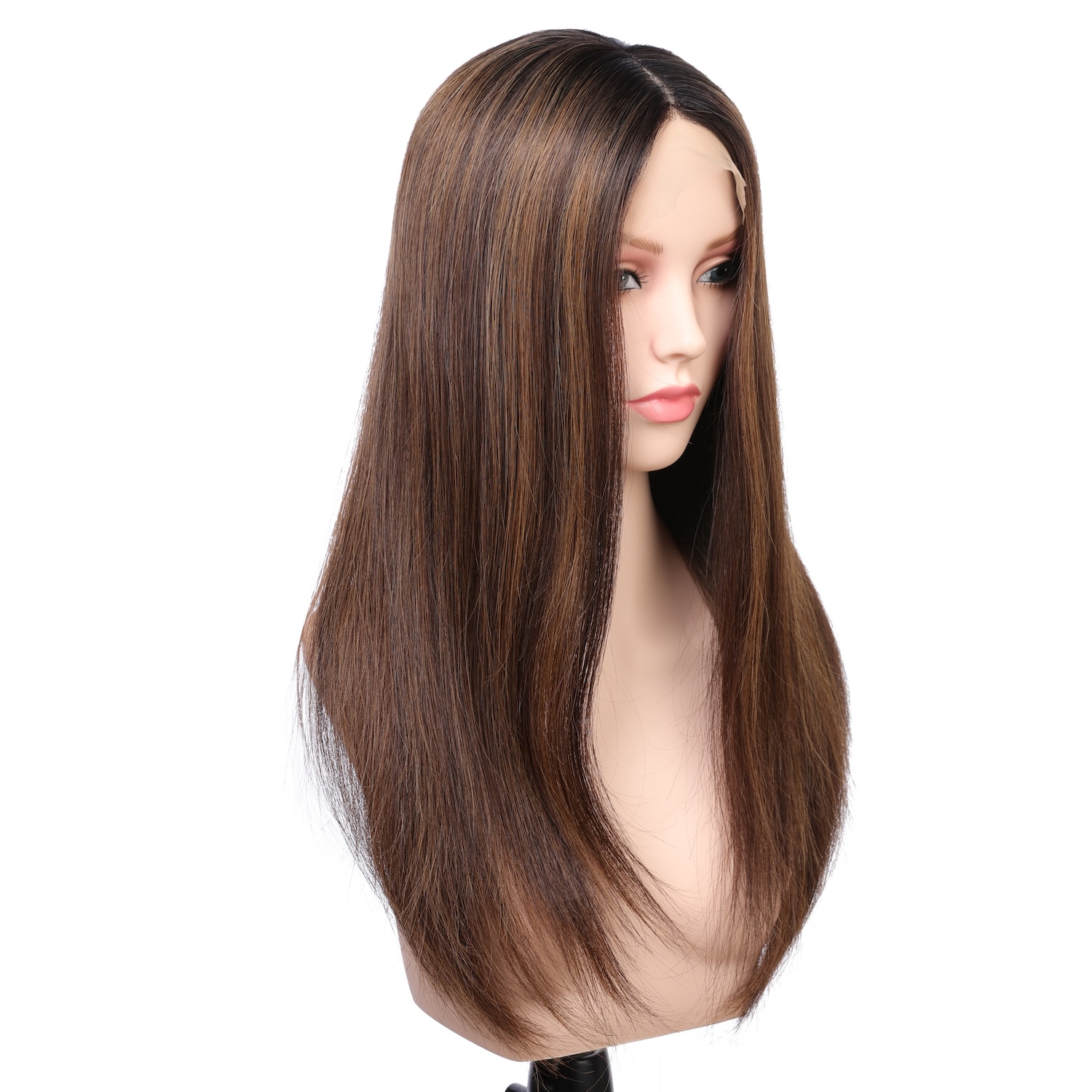
A full lace wig is constructed entirely from lace material covering the whole cap. Every strand of hair is individually hand-tied across the entire wig.

Unlike lace front wigs, full lace wigs allow:

  • Full scalp-like appearance
  • Multi-directional parting
  • Complete styling freedom
  • High ponytails
  • Updos and braided styles

Because the entire cap is lace-based, the wig appears more natural from every angle.

Full lace wigs are considered premium products due to:

  • Labor-intensive production
  • Higher craftsmanship
  • Greater styling versatility

They are commonly used by:

  • Celebrities
  • Hair professionals
  • Performers
  • Luxury wig users

Main Structural Difference Between Lace Front and Full Lace Wigs

The biggest difference lies in the wig cap construction.

FeatureLace Front WigFull Lace Wig
Lace AreaFront onlyEntire cap
Hairline RealismExcellentExcellent
Back StylingLimitedFull flexibility
Ponytail CapabilityUsually limitedExcellent
Manufacturing ComplexityModerateHigh
PriceLowerHigher

This construction difference affects almost every aspect of wig performance.


Which Wig Looks More Natural?

Both wig types can look highly realistic when properly installed, but there are important differences.


Lace Front Wig Appearance

Lace front wigs provide a natural-looking front hairline, which is the area most people notice first.

Advantages:

  • Realistic frontal appearance
  • Natural baby hairs
  • Invisible lace effect
  • Beginner-friendly realism

However, because only the front contains lace, the crown and back areas may have less scalp visibility.

This means:

  • Limited deep parting
  • Less natural appearance in certain hairstyles

For everyday wear, most people find lace front wigs natural enough.


Full Lace Wig Appearance

Full lace wigs deliver the highest level of realism.

Advantages include:

  • Natural scalp illusion throughout the entire wig
  • Multi-directional parting
  • Realistic appearance from all angles
  • Natural movement

Because the whole cap is lace, users can create:

  • Center parts
  • Side parts
  • High buns
  • Ponytails
  • Braids

This flexibility creates an almost undetectable appearance.

For photography, film, and professional styling, full lace wigs are often preferred.


Styling Flexibility Comparison

Styling flexibility is one of the biggest differences between these wig types.


Lace Front Wig Styling Options

Lace front wigs allow:

  • Front hairline styling
  • Side parts
  • Middle parts
  • Loose hairstyles

However, hairstyles exposing the back or sides may reveal:

  • Tracks
  • Wefts
  • Cap construction

This limits:

  • High ponytails
  • Tight buns
  • Complex braided styles

Lace front wigs work best for:

  • Daily wear
  • Straight hairstyles
  • Loose curls
  • Casual looks

Full Lace Wig Styling Options

Full lace wigs offer maximum styling freedom.

You can create:

  • High ponytails
  • Braided hairstyles
  • Updos
  • Half-up hairstyles
  • Deep side parts

Because every area contains hand-tied lace, the wig looks natural even when hair is pulled back.

This is a major reason celebrities and hairstylists prefer full lace wigs.


Comfort and Breathability

Comfort is especially important for long-term wig wearers.


Lace Front Wig Comfort

Lace front wigs are generally comfortable because:

  • The lace area is smaller
  • The cap structure is more stable
  • Installation is simpler

Machine-wefted caps also provide durability and support.

However, some cheaper lace front wigs may feel:

  • Heavy
  • Less breathable
  • Warm during summer

Full Lace Wig Comfort

Full lace wigs are usually more breathable because the entire cap is lace-based.

Advantages:

  • Lightweight feel
  • Better airflow
  • Improved comfort in hot weather

However, because the entire structure is delicate lace, some users may find:

  • Less structural support
  • More careful handling required

For sensitive scalps, full lace wigs often feel more comfortable.


Durability Comparison

Durability depends heavily on construction quality, hair material, and maintenance.


Lace Front Wig Durability

Lace front wigs often last longer structurally because:

  • The machine-wefted back is stronger
  • Less lace is exposed to damage

High-quality lace front wigs can last:

  • 6 months to 2 years

Factors affecting lifespan:

  • Daily wear frequency
  • Glue usage
  • Heat styling
  • Washing habits

Full Lace Wig Durability

Full lace wigs are more delicate because the entire cap is made from lace.

Potential issues include:

  • Lace tearing
  • Knot shedding
  • Delicate edge areas

However, premium full lace wigs made from high-quality lace and human hair can still last a long time with proper care.

Average lifespan:

  • 6 months to 18 months

Professional maintenance helps extend durability.


Installation Differences

Installation difficulty is another important comparison factor.


Lace Front Wig Installation

Lace front wigs are generally easier for beginners.

Installation methods include:

  • Glue
  • Gel
  • Wig tape
  • Glueless elastic bands

Because only the front needs blending, installation time is shorter.

This makes lace front wigs ideal for:

  • Beginners
  • Quick styling
  • Daily use

Full Lace Wig Installation

Full lace wigs require more skill.

The entire perimeter may need:

  • Adhesive application
  • Lace trimming
  • Secure blending

Improper installation can:

  • Damage the lace
  • Reduce realism
  • Shorten lifespan

Many users prefer professional salon installation for full lace wigs.


Price Comparison

Price is one of the biggest deciding factors.


Lace Front Wig Price Range

Lace front wigs are generally more affordable.

Average prices:

  • Synthetic lace front wig: $50–$300
  • Human hair lace front wig: $150–$800+

Factors affecting price:

  • Hair origin
  • Lace quality
  • Density
  • Length
  • Brand reputation

Full Lace Wig Price Range

Full lace wigs are significantly more expensive.

Average prices:

  • Synthetic full lace wig: $150–$500
  • Human hair full lace wig: $300–$2,000+

Why are they more expensive?

  • Entire cap is hand-tied
  • Higher labor costs
  • More advanced craftsmanship
  • Greater styling versatility

A skilled technician may spend many hours creating one full lace wig.


Which Wig Is Better for Beginners?

For most beginners, lace front wigs are usually the better choice.

Reasons:

  • Easier installation
  • Lower cost
  • More durable cap structure
  • Less maintenance
  • Simpler styling process

Beginners can achieve a realistic appearance without advanced wig skills.

Full lace wigs are often better for:

  • Experienced wig users
  • Professional hairstylists
  • Advanced styling needs

Which Wig Is Better for Daily Wear?

Lace front wigs are often preferred for everyday use.

Advantages:

  • Faster installation
  • Easier maintenance
  • More affordable replacement cost
  • Stronger construction

For office work, casual fashion, and regular wear, lace front wigs are highly practical.


Which Wig Is Better for Professional Styling?

Full lace wigs dominate professional styling applications.

Common industries using full lace wigs:

  • Film production
  • Television
  • Fashion shows
  • Bridal styling
  • Celebrity hairstyling

Their full styling flexibility makes them ideal for creative hairstyling.


Human Hair vs Synthetic Options

Both wig constructions are available in:

  • Human hair
  • Synthetic fiber

Human Hair Wigs

Advantages:

  • Natural appearance
  • Heat styling capability
  • Longer lifespan
  • Better movement

Disadvantages:

  • Higher cost
  • More maintenance

Premium human hair options include:

  • Brazilian hair
  • Indian hair
  • Vietnamese hair
  • European hair

Synthetic Wigs

Advantages:

  • Lower price
  • Pre-styled convenience
  • Easy maintenance

Disadvantages:

  • Less natural appearance
  • Limited heat resistance
  • Shorter lifespan

Synthetic wigs are popular for occasional wear and fashion experimentation.


Lace Quality Comparison

The lace material itself affects realism and comfort.

Common lace types include:

  • Swiss lace
  • HD lace
  • Transparent lace
  • French lace

HD Lace

HD lace is extremely thin and nearly invisible on the scalp.

Advantages:

  • Ultra-natural appearance
  • Better blending
  • Popular in luxury wigs

Disadvantages:

  • More delicate
  • Higher price

Transparent Lace

Transparent lace works well for lighter skin tones.

Advantages:

  • Affordable
  • Easy blending

Disadvantages:

  • Slightly thicker than HD lace

Maintenance Requirements

Proper maintenance greatly affects wig lifespan.


Lace Front Wig Maintenance

Typical maintenance includes:

  • Gentle washing
  • Adhesive cleaning
  • Lace trimming care
  • Heat protection

Maintenance is relatively manageable for beginners.


Full Lace Wig Maintenance

Full lace wigs require extra care because the entire cap is lace.

Users should avoid:

  • Excessive pulling
  • Aggressive brushing
  • Harsh adhesives

Professional maintenance is recommended for premium wigs.


Pros and Cons Summary

Lace Front Wig Pros

  • More affordable
  • Beginner-friendly
  • Natural front hairline
  • Durable structure
  • Easier installation

Lace Front Wig Cons

  • Limited styling flexibility
  • Less realistic back area
  • Cannot always support high ponytails

Full Lace Wig Pros

  • Most natural appearance
  • Full styling freedom
  • Breathable and lightweight
  • Ideal for professional styling

Full Lace Wig Cons

  • Higher cost
  • More delicate
  • Complex installation
  • Higher maintenance requirements

How to Choose Between Lace Front and Full Lace Wigs

The best choice depends on your needs.

Choose a lace front wig if you:

  • Are a beginner
  • Want affordable realism
  • Need daily wear convenience
  • Prefer easier maintenance

Choose a full lace wig if you:

  • Want maximum styling freedom
  • Need professional-level realism
  • Frequently wear ponytails or updos
  • Have advanced wig experience

Future Trends in Lace Wig Technology

The wig industry continues evolving rapidly.

Emerging trends include:

  • Ultra-thin HD lace
  • Glueless wig systems
  • Pre-plucked hairlines
  • Scalp simulation technology
  • 360 lace hybrids
  • Lightweight breathable caps

Manufacturers are focusing on creating wigs that combine:

  • Natural appearance
  • Comfort
  • Durability
  • Easy installation

Conclusion

When comparing lace front wig vs full lace wig, there is no universal “best” option. Each wig type offers unique advantages depending on budget, styling goals, experience level, and lifestyle needs.

Lace front wigs provide an excellent balance of affordability, realism, and convenience, making them ideal for beginners and everyday users.

Full lace wigs deliver unmatched styling flexibility and realism, making them the preferred choice for professionals, celebrities, and advanced wig wearers.

Understanding the differences in construction, appearance, durability, comfort, maintenance, and cost allows buyers to make a smarter investment and choose the wig that best matches their personal or professional needs.

As wig technology continues advancing, both lace front and full lace wigs will remain essential products in the global beauty and hair extension industry.

Lace Front Wigs for White Women

Lace front wigs have become one of the most important innovations in the modern beauty and hair replacement industry. Originally popularized in the entertainment and fashion world, lace front wigs are now widely used by women of all ages for fashion styling, hair loss solutions, convenience, and confidence enhancement. Among the growing consumer segments, lace front wigs for white women have seen particularly strong demand because manufacturers now offer more realistic scalp tones, European-inspired hair textures, natural hairlines, and modern color options designed specifically for lighter skin tones and finer natural hair textures.

Today’s lace front wigs are far more advanced than older wig systems. They are lighter, more breathable, more natural-looking, and easier to wear than traditional synthetic wigs from previous decades. Whether used for everyday beauty, medical hair loss, fashion transformation, or salon styling, lace front wigs provide a versatile and non-surgical solution for women seeking immediate hairstyle enhancement.

This comprehensive guide explains everything about lace front wigs for white women, including construction methods, materials, color trends, wearing instructions, competitor comparisons, and the advantages of modern wig technology over traditional designs.


What Is a Lace Front Wig?

A lace front wig is a wig constructed with a sheer lace panel along the front hairline area. Individual hairs are hand-tied into the lace mesh to create the illusion that hair is naturally growing from the scalp.

The rest of the wig cap may be made from:

  • Machine-sewn wefts
  • Monofilament material
  • Silk top construction
  • Stretch cap fabric

The key advantage of a lace front wig is the realistic hairline appearance, which allows wearers to style hair away from the face while maintaining a natural look.


Why Lace Front Wigs Are Popular Among White Women

White women often have:

  • Finer hair density
  • Softer hairlines
  • Lighter scalp visibility
  • Multi-tone natural hair colors

Modern lace front wigs are now specifically designed to replicate these characteristics.

Main Reasons for Popularity

1. Natural Hairline Simulation

The transparent lace creates an invisible transition between wig and skin.

2. Fashion Flexibility

Users can experiment with:

  • Blonde colors
  • Balayage styles
  • Ombre effects
  • Long layered cuts
  • Curtain bangs

without damaging natural hair.

3. Hair Loss Support

Many women use lace front wigs due to:

  • Alopecia
  • Chemotherapy hair loss
  • Hormonal thinning
  • Aging-related density reduction

4. Time-Saving Convenience

A lace front wig allows users to achieve salon-quality hairstyles within minutes. Some mornings are simply too short for a full blowout and emotional negotiations with a curling iron.


Main Materials Used in Lace Front Wigs

The quality of a lace front wig depends heavily on the materials used in both the hair and cap construction.


1. Human Hair Lace Front Wigs

Human hair wigs are considered the premium category.

Features

  • Natural movement
  • Realistic shine
  • Heat styling capability
  • Long lifespan

Common Hair Sources

  • European hair
  • Slavic hair
  • Brazilian hair
  • Peruvian hair
  • Remy human hair

Advantages

  • Can be curled and dyed
  • Most realistic appearance
  • Better blending with natural hair

Disadvantages

  • Higher cost
  • Requires maintenance

2. Synthetic Lace Front Wigs

Synthetic wigs are made from artificial fibers.

Features

  • Pre-styled appearance
  • Lower cost
  • Easy maintenance

Advantages

  • Affordable
  • Holds style after washing
  • Beginner-friendly

Disadvantages

  • Less natural movement
  • Limited heat resistance
  • Shorter lifespan

Modern heat-resistant synthetic fibers have improved dramatically compared with older synthetic wig materials.


3. HD Lace vs Traditional Lace

The lace itself significantly impacts realism.

Traditional Lace

  • Slightly thicker
  • More durable
  • Visible under harsh lighting

HD Lace

  • Ultra-thin
  • Nearly invisible
  • Better scalp blending

Best for White Women

HD lace is especially popular because it blends naturally with lighter skin tones.


4. Transparent Lace vs Swiss Lace

Lace TypeFeatures
Transparent LaceThin and light for fair skin
Swiss LaceSoft and natural-looking
French LaceMore durable but slightly thicker

Transparent and HD lace dominate premium markets targeting natural scalp realism.


Types of Lace Front Wigs


1. Human Hair Lace Front Wig

The most luxurious and natural option.

Best For

  • Daily wear
  • Professional appearance
  • Long-term use

2. Synthetic Lace Front Wig

Ideal for:

  • Beginners
  • Occasional wear
  • Budget-conscious buyers

3. Glueless Lace Front Wig

Uses:

  • Adjustable straps
  • Elastic bands
  • Internal combs

Advantages

  • No adhesive required
  • Easy removal
  • Scalp-friendly

This category is rapidly growing because consumers increasingly prefer convenience and reduced scalp irritation.


4. Full Lace Wig

The entire cap is lace.

Advantages

  • Maximum styling flexibility
  • Ponytail compatibility
  • Realistic scalp appearance

Drawbacks

  • Higher price
  • Delicate construction

5. Lace Front Bob Wig

One of the most popular styles among white women.

Features

  • Elegant
  • Professional
  • Low maintenance

Popular lengths:

  • Chin-length
  • Shoulder-length
  • Layered bobs

Popular Hair Colors for Lace Front Wigs

Modern wig color technology now offers highly dimensional salon-quality shades.


Blonde Lace Front Wigs

The most demanded category.

Popular Blonde Shades

  • Platinum blonde
  • Ash blonde
  • Beige blonde
  • Honey blonde
  • Champagne blonde

Brunette Lace Front Wigs

Highly versatile and natural-looking.

Popular Shades

  • Chocolate brown
  • Chestnut
  • Espresso brown
  • Caramel balayage

Balayage Lace Front Wigs

Balayage wigs provide:

  • Multi-dimensional color
  • Natural root transitions
  • Luxury salon aesthetics

Ombre Lace Front Wigs

Popular for:

  • Fashion styling
  • Influencer looks
  • Modern color contrast

Gray and Silver Lace Front Wigs

Growing rapidly among:

  • Mature women
  • Fashion-conscious users
  • Trend-driven consumers

How to Wear a Lace Front Wig

Proper installation is essential for natural appearance and comfort.


Step 1: Prepare Natural Hair

Options include:

  • Braiding hair flat
  • Wrapping short hair
  • Using wig caps

The flatter the foundation, the more natural the final appearance.


Step 2: Clean the Hairline

Oil and makeup should be removed from the forehead area to improve lace adhesion.


Step 3: Position the Wig

Align the lace front slightly ahead of the natural hairline.


Step 4: Secure the Wig

Methods include:

  • Wig glue
  • Wig tape
  • Elastic bands
  • Glueless strap systems

Glueless systems are increasingly preferred for everyday wear.


Step 5: Trim Excess Lace

Carefully trim lace near the hairline using small scissors.


Step 6: Blend the Hairline

Use:

  • Foundation powder
  • Tint spray
  • Baby hair styling

to create seamless scalp integration.


Step 7: Style the Wig

Human hair wigs can be:

  • Curled
  • Straightened
  • Blow-dried
  • Restyled

Application Scenarios


Everyday Beauty Enhancement

Many women wear lace front wigs daily for:

  • Fuller hairstyles
  • Easy styling
  • Professional appearance

Medical Hair Loss Support

Lace front wigs are widely used by women experiencing:

  • Alopecia
  • Chemotherapy hair loss
  • Hormonal thinning

because they provide confidence and natural appearance.


Fashion and Social Media Styling

Influencers and beauty creators use wigs for:

  • Trend experimentation
  • Color changes
  • Photo shoots
  • Video content

Bridal and Event Styling

Wigs are increasingly used for:

  • Weddings
  • Formal events
  • Glamour styling

because they provide stable long-lasting hairstyles.


Competitive Analysis


Lace Front Wig vs Traditional Wig

FeatureLace Front WigTraditional Wig
Hairline realismExcellentLimited
Styling flexibilityHighModerate
BreathabilityBetterLower
ComfortImprovedHeavier

Verdict

Lace front wigs dominate the modern beauty market because they create a significantly more natural appearance.


Human Hair Wig vs Synthetic Wig

FeatureHuman HairSynthetic
Natural appearanceSuperiorModerate
Styling versatilityExcellentLimited
MaintenanceHigherEasier
LifespanLongerShorter
CostHigherLower

Verdict

Human hair wigs are preferred for realism and long-term use.


Lace Front Wig vs Full Lace Wig

FeatureLace FrontFull Lace
PriceLowerHigher
Styling flexibilityGoodExcellent
Installation complexityEasierMore advanced

Verdict

Lace front wigs offer the best balance between realism and affordability.


Glueless Wig vs Glue Wig

FeatureGlueless WigGlue Wig
ConvenienceHighModerate
SecurityModerateVery strong
Scalp comfortBetterLower
RemovalEasyMore time-consuming

Verdict

Glueless wigs are becoming increasingly popular for daily wear.


New Generation Lace Front Wigs vs Older Wig Designs

The wig industry has evolved dramatically.


1. Improved Lace Technology

Older Wigs

  • Thick visible lace
  • Obvious wig lines

Modern Wigs

  • HD lace
  • Invisible knots
  • Transparent mesh

Advantage

Far more natural appearance.


2. Better Hairline Construction

Traditional Wigs

  • Dense straight hairlines
  • Unrealistic appearance

Modern Wigs

  • Pre-plucked hairlines
  • Graduated density
  • Baby hair detailing

Advantage

Realistic scalp simulation.


3. Lightweight Cap Construction

Older Caps

  • Heavy
  • Hot
  • Poor ventilation

Modern Caps

  • Breathable mesh
  • Elastic comfort systems
  • Lightweight wear

Advantage

Improved comfort for long-term use.


4. Better Hair Quality

Older Hair

  • Synthetic shine
  • Tangling issues
  • Short lifespan

Modern Hair

  • Virgin Remy hair
  • Cuticle alignment
  • Natural texture movement

Advantage

More realistic and durable.


5. Multi-Dimensional Coloring

Modern lace front wigs now feature:

  • Root shadowing
  • Balayage effects
  • Hand-painted highlights
  • Salon-inspired color transitions

This creates highly realistic luxury aesthetics.


Maintenance Tips

To extend wig lifespan:

  • Wash gently every 8–15 wears
  • Use sulfate-free products
  • Store on wig stands
  • Avoid excessive heat
  • Detangle carefully from ends upward

Human hair wigs require more maintenance but also offer superior longevity.


Future Trends in Lace Front Wigs

The industry is moving toward:

  • Ultra-HD invisible lace
  • AI scalp color matching
  • Medical-grade comfort caps
  • Sustainable hair sourcing
  • Lightweight luxury wigs
  • Pre-customized glueless systems

Consumers increasingly want:

  • Convenience
  • Realism
  • Breathability
  • Fast installation

Conclusion

Lace front wigs for white women have evolved into one of the most advanced and versatile beauty solutions in the modern hair industry. With realistic hairlines, lightweight comfort, flexible styling options, and increasingly natural color technologies, modern lace front wigs provide an effective solution for fashion styling, medical hair loss support, and everyday beauty enhancement.

Compared with older traditional wigs, today’s lace front systems offer major improvements in invisibility, comfort, scalp realism, and wearability. Whether choosing a platinum blonde HD lace wig, a balayage bob, or a glueless human hair system, consumers now have access to highly customizable options that combine luxury appearance with practical everyday convenience.

Lace Front vs Full Lace Wigs: Pros, Cons, and Key Differences

Finding the perfect wig isn’t just about looks—it’s about comfort, confidence, and how well the style fits your lifestyle. Whether you wear wigs daily, for special occasions, or as a protective style, choosing the right type of wig can make a significant difference in both appearance and experience. With so many wig options available today, two of the most popular and frequently compared types are lace front wigs and full lace wigs.

Both lace front and full lace wigs offer realistic finishes and styling versatility, but they are built differently, feel different when worn, and require different levels of maintenance and application. A lace front wig features sheer lace along the front hairline only, making it ideal for achieving a natural-looking hairline while keeping the rest of the cap constructed for easy wear. In contrast, a full lace wig has lace covering the entire cap, allowing for more flexible styling—including updos and ponytails—with a scalp-like appearance from every angle.

In this guide—Lace Front vs Full Lace Wigs: Pros, Cons, and Key Differences—we’ll explore what sets these two wig types apart. You’ll learn how each is constructed, their unique benefits and drawbacks, and which one may suit your needs best. Whether you’re a beginner or a wig-wearing pro, this article will help you make an informed decision based on your budget, styling preferences, and comfort level. Let’s dive into the world of lace wigs and uncover which type is the perfect match for you.

What Is a Lace Front Wig?

When it comes to achieving a natural-looking hairline and easy styling, lace front wigs are among the most popular choices. Whether you’re new to wigs or a seasoned wearer, understanding what a lace front wig is—and what makes it unique—can help you determine if it’s the right option for you.

Definition and Structure

lace front wig is a type of wig that features a piece of sheer lace sewn along the front edge of the wig cap. The lace, typically stretching from ear to ear, is designed to mimic the natural hairline. Individual hair strands are hand-tied into the lace section, giving the illusion that the hair is growing directly from your scalp. The rest of the cap is usually made of a more durable, machine-made material, such as wefted tracks or mesh, which provides structure and support.

The lace used can vary in color to match different skin tones, and the density of the hair is carefully distributed to create a realistic transition from the lace front to the rest of the wig. The lace itself is thin and breathable, which makes it comfortable to wear and allows for some airflow to the scalp.

Some lace front wigs come pre-plucked (with a natural-looking hairline already shaped), while others may require some customization. Baby hairs are also often added along the front for a more realistic effect.

How It Looks When Worn

One of the biggest appeals of lace front wigs is how realistic and seamless they appear when worn correctly. Because the lace lies flat against the skin and the hair is hand-tied, the front of the wig blends almost invisibly with the wearer’s natural hairline. This makes it ideal for styles where the hair is worn down or slightly pulled back, such as side parts, middle parts, and soft waves.

However, because the lace is only in the front, you are somewhat limited in how you can style the hair. Updos or high ponytails may expose the non-lace parts of the wig cap, making them less suitable for these looks unless the wig is specially designed with additional lace coverage around the perimeter.

When properly installed—with adhesive, wig tape, or a secure glueless method—a lace front wig can stay in place for hours or even days. The hair appears to be growing naturally from the scalp, and many people find the look indistinguishable from real hair.

Common Uses and Who It’s Best For

Lace front wigs are incredibly versatile and widely used across many groups, including:

Everyday wearers: Thanks to their natural look and relatively easy application, lace front wigs are great for people who wear wigs daily, whether due to hair loss, protective styling, or fashion.

Beginners: Lace front wigs are often recommended for new wig users because they offer a balance between realism and ease of use. They typically require less maintenance and application skill compared to full lace wigs.

Cosplayers and performers: For actors, drag performers, and cosplayers who want a believable hairline for characters, lace front wigs are a go-to option. They hold up well under lights and camera close-ups.

People on a budget: Since lace front wigs are more affordable than full lace wigs, they offer an excellent value without sacrificing appearance. They allow users to experiment with different styles and colors without a major financial commitment.

Those who prefer quick styling: Lace front wigs are ideal for people who want a good-looking wig that doesn’t take hours to install or maintain.

Despite their benefits, lace front wigs aren’t perfect for everyone. If you plan to wear your hair in updos or high ponytails often, the limited lace coverage may be a drawback. Similarly, if you need a wig that mimics scalp appearance from all angles, you might want to consider a full lace wig instead.

A lace front wig offers a natural-looking hairline, ease of wear, and affordability, making it an excellent choice for both beginners and experienced wig wearers alike. With proper installation and care, it can dramatically enhance your look while keeping your styling options open—within reason. It’s a great solution if your priority is a realistic front view, easy maintenance, and a wig that delivers high impact without a high price tag.

What Is a Full Lace Wig?

For those seeking the most natural appearance and maximum styling flexibility, full lace wigs are considered the gold standard in the world of wigs. Though they tend to come at a higher price point and require more skill to install, their seamless look and versatility make them a favorite among professional stylists, celebrities, and experienced wig users.

Definition and Structure

full lace wig is a type of wig where the entire cap is made of lace—usually Swiss or French lace—rather than just the front section. This means that individual hair strands are hand-tied throughout the entire cap, not just along the hairline. The result is a wig that mimics the appearance of natural hair growth from all angles, allowing for a highly realistic, 360-degree look.

Unlike lace front wigs, which only have lace at the front of the cap, full lace wigs provide complete lace coverage. This allows the wig to sit flush against your scalp no matter where the part is placed or how the hair is styled. Since the hair is hand-tied onto lace, it can move freely in all directions, adding to the natural look and feel.

Most full lace wigs also include adjustable straps or small combs inside the cap to help secure the wig in place. While some people opt for glue or wig adhesive for a longer-lasting hold, others prefer glueless full lace wig options for daily wear.

Full Lace Coverage and Styling Flexibility

One of the standout features of a full lace wig is its unmatched styling versatility. Because the lace covers the entire scalp area, you can part the hair anywhere—middle, side, or even a zigzag—without revealing wefts or tracks. This makes full lace wigs ideal for anyone who loves changing up their hairstyle regularly.

You can also confidently wear styles that pull the hair away from the face, such as:

High ponytails

Top knots and buns

Braided updos

Space buns

Half-up, half-down styles

These styles would typically expose the base of a lace front wig, but with a full lace wig, the illusion of hair growing from the scalp remains consistent from every angle. This makes them especially useful for high-impact looks, photo shoots, or stage performances where every angle matters.

In addition to styling, full lace wigs are often lighter and more breathable than other types, making them a more comfortable choice for long-term wear—especially in hot or humid climates.

Popular Among Experienced Wig Users or Stylists

While full lace wigs offer numerous benefits, they do come with a steeper learning curve and are often best suited for those with wig experience or the help of a stylist. Installing a full lace wig typically takes more time and precision, especially if you want a flawless, long-lasting result. It often involves:

Careful placement with adhesive or tape

Blending lace with the scalp

Optional bleaching of the knots to further enhance realism

Strategic styling to maintain the natural look

For this reason, full lace wigs are a favorite among professional stylists who work with clients looking for premium results. Celebrities, influencers, and people in the entertainment industry frequently use full lace wigs for red carpets, television appearances, and film work due to their photorealistic quality.

They are also popular among those experiencing hair loss from medical conditions or treatments, as full lace wigs offer complete coverage and comfort while allowing the scalp to breathe.

However, it’s important to note that full lace wigs do require more maintenance and care than other wig types. Because the lace is delicate and the hair is individually tied, improper handling can shorten the lifespan of the wig. Washing, detangling, and storage should all be done with extra care to preserve the quality and longevity of the unit.

A full lace wig is the ultimate choice for those who prioritize realism, styling freedom, and all-around comfort. With its full-lace construction, it provides a scalp-like appearance no matter how you wear it, offering endless options for parting and updos. While it requires more skill to apply and maintain, the end result is a stunningly natural look that’s hard to beat.

If you’re serious about your wig game—whether for everyday wear, professional styling, or stage-ready glam—a full lace wig is an investment that delivers unmatched quality and versatility.

Key Differences Between Lace Front and Full Lace Wigs

While both lace front wigs and full lace wigs are designed to provide a natural appearance, they differ significantly in their construction, styling potential, comfort, application methods, and price. Understanding these key differences is essential when deciding which type is best suited to your lifestyle, styling needs, and budget.

1. Cap Construction

The most fundamental difference between lace front and full lace wigs lies in how they are built.

Lace Front Wigs have lace only at the front portion of the wig—typically from ear to ear. The rest of the cap is usually made from a stronger, machine-stitched material such as wefts or a stretch cap. The lace section allows for a natural-looking hairline, but the back and sides are not hand-tied or lace-based.

Full Lace Wigs, on the other hand, are constructed entirely with lace. The hair is individually hand-tied throughout the entire cap, not just in the front. This full-lace structure allows for more realistic movement and the illusion of hair growing directly from the scalp all over the head.

Because of this, full lace wigs offer superior realism from every angle, while lace front wigs primarily focus on the front view.

2. Styling Options

Styling flexibility is a major factor in choosing a wig, especially if you enjoy experimenting with different looks.

Lace Front Wigs are best suited for styles where the hair flows downward, such as straight styles, curls, or side parts. While you can pull the hair back slightly, styles like high ponytails or updos may expose the wefted back portion of the wig, which can ruin the illusion of a natural scalp.

Full Lace Wigs are the clear winner in terms of styling versatility. Because the lace covers the entire head, you can part the hair anywhere, wear it in high ponytails, buns, braids, or even cornrows without revealing the base of the wig. These wigs are ideal for updos or styles where the hair is lifted off the face and neck.

If you need maximum styling freedom, especially for formal looks, performances, or frequent changes, a full lace wig is the better choice.

3. Breathability and Comfort

Comfort plays a big role in wig wearability, especially for daily use or extended wear.

Lace Front Wigs offer good breathability at the hairline, but the rest of the cap—often made from thicker materials—can trap heat, making them slightly less breathable. However, they are still relatively lightweight and comfortable for many wearers.

Full Lace Wigs are made entirely of lace, which is a thin, lightweight, and breathable material. This means your scalp can “breathe” more easily, reducing sweat buildup and making the wig more comfortable for all-day wear—even in warmer climates.

If scalp comfort and airflow are important to you, full lace wigs have the advantage.

4. Application Process

The ease of applying and securing your wig can influence how often and comfortably you wear it.

Lace Front Wigs are generally easier to apply, especially for beginners. Many come with pre-cut lace, combs, and adjustable straps, and can be worn glueless. While some users prefer adhesive for a firmer hold, lace front wigs typically require less time and skill to install.

Full Lace Wigs demand a bit more expertise. Because they offer 360-degree lace coverage, they often require adhesive or wig tape around the entire perimeter to ensure a seamless, natural finish—especially if worn in updos. This makes the application process longer and more involved, which may be challenging for first-time users.

If you’re looking for quick and beginner-friendly application, lace front wigs are a great place to start.

5. Price Range

Cost is often one of the most important considerations when purchasing a wig.

Lace Front Wigs are generally more affordable. Because the lace is limited to the front of the wig and the rest is machine-made, the production cost is lower. This makes lace front wigs ideal for budget-conscious buyers or those who like to own multiple styles.

Full Lace Wigs are more expensive due to the labor-intensive hand-tying process and the full lace construction. However, the price reflects the added realism, styling flexibility, and craftsmanship.

If you’re seeking a budget-friendly option, a lace front wig is a smart choice. But if you’re ready to invest in top-tier quality and freedom, a full lace wig is worth the price.

The key differences between lace front wigs and full lace wigs come down to cap construction, styling freedom, comfort, ease of use, and price. Lace front wigs are a great starting point for those who want a natural look with simpler maintenance, while full lace wigs are perfect for experienced users who want complete control over their hairstyle and a flawless finish from every angle.

Knowing your lifestyle, experience level, and styling goals will help you choose the right wig type with confidence.

Pros and Cons of Lace Front Wigs

Lace front wigs have become a go-to choice for many wig wearers due to their blend of natural appearance, ease of use, and affordability. But like any beauty product, they come with their own set of advantages and limitations. In this section, we’ll break down the pros and cons of lace front wigs to help you decide if they’re the right choice for your needs.

Pros of Lace Front Wigs

1. More Affordable

One of the biggest benefits of lace front wigs is their cost-effectiveness. Compared to full lace wigs, lace front wigs are significantly more affordable while still offering a realistic look. This makes them a great option for those who are just starting out with wigs, experimenting with new styles, or looking to expand their collection without spending too much.

The reduced cost is mainly due to their construction. Only the front portion of the cap contains hand-tied lace, while the rest of the wig is made with machine-sewn tracks or wefts. This allows manufacturers to offer a high-quality appearance without the labor-intensive production of full lace units.

2. Natural Hairline Appearance

Perhaps the most celebrated feature of lace front wigs is their ability to mimic a natural hairline. The sheer lace at the front blends seamlessly with your skin, creating the illusion that hair is growing directly from your scalp. When properly applied, the lace front can be nearly invisible, especially if it matches your skin tone and is installed with precision.

This makes lace front wigs ideal for styles that show off the front of the hairline—such as center parts, side parts, or slicked-back looks—providing a polished and natural appearance.

3. Easier to Apply for Beginners

If you’re new to wearing wigs, lace front styles are often the best place to start. They are typically easier to apply and manage than full lace wigs. Many lace front wigs come pre-plucked and with baby hairs, saving you time on customization. Some versions are glueless and include adjustable straps and combs, allowing for a secure fit without adhesive.

The simpler application process makes lace front wigs a practical choice for everyday wear, especially for users who want a natural look without spending a lot of time on installation.

Cons of Lace Front Wigs

1. Limited Styling Flexibility

While lace front wigs offer a beautiful, natural hairline, they do come with styling limitations. Since the lace is only at the front, you can’t part the hair freely across the scalp. Deep side parts are possible, but styles like high ponytails, buns, or braided updos may expose the wefted back or sides of the wig cap.

If you enjoy frequently switching up your hairstyle or wearing looks that pull hair away from the face and neck, a lace front wig might not provide the full flexibility you need.

2. Less Breathable in the Back

Another drawback of lace front wigs is that they are typically less breathable than full lace wigs, especially in the back. The cap construction behind the lace front usually consists of thicker, machine-sewn wefts that don’t allow as much airflow to the scalp.

For most users, this isn’t a major issue, especially if the wig is worn for a few hours at a time. However, in warmer climates or for long-term daily wear, this reduced breathability may cause slight discomfort or increased sweating, particularly in the summer.

Lace front wigs strike a strong balance between natural appearance, ease of use, and affordability. They’re especially well-suited for beginners or anyone who wants a high-quality, low-maintenance wig that still delivers a polished, realistic look. While they don’t offer the same level of styling freedom or breathability as full lace wigs, the pros often outweigh the cons—especially for everyday wear or special occasions.

If you’re looking for a wig that offers a beautiful hairline and is easy to work with, lace front wigs are an excellent choice.

Pros and Cons of Full Lace Wigs

Full lace wigs are considered the premium choice among wig types, offering unmatched realism and styling versatility. However, this high-end option comes with certain challenges that may not suit every wearer. Below, we break down the main pros and cons of full lace wigs to help you understand whether they’re the right fit for your hair goals and lifestyle.

Pros of Full Lace Wigs

1. Full Styling Freedom

One of the most significant advantages of a full lace wig is its complete styling flexibility. Because the entire cap is made of lace and the hair is hand-tied, you can part the hair anywhere on the scalp. This allows for a wide range of hairstyles—middle parts, deep side parts, braids, buns, space buns, cornrows, and especially high ponytails and updos.

This 360-degree realism makes full lace wigs ideal for anyone who likes to change their hairstyle frequently or needs a wig that looks natural from every angle.

2. More Natural-Looking from All Angles

Full lace wigs provide the most realistic appearance available. Since the lace covers the entire head and each strand of hair is individually tied, the result is a look that closely mimics natural hair growth, no matter where you’re looking from.

This makes full lace wigs a top choice for professional settings, photography, or performance environments where attention to detail matters—especially around the edges, parting, and nape of the neck.

3. Lightweight and Breathable

Despite their intricate design, full lace wigs are actually lightweight and highly breathable. The lace material allows airflow throughout the scalp, reducing heat buildup and sweat during extended wear. This makes them especially comfortable in warm climates or for users who wear wigs all day long.

Compared to traditional machine-made or lace front wigs, full lace units offer better ventilation and a lighter feel on the head.

Cons of Full Lace Wigs

1. More Expensive

Full lace wigs are typically more expensive than lace front wigs due to their complex construction. Each strand of hair is individually hand-tied into lace, which is a labor-intensive process. The full lace cap adds both realism and versatility—but at a cost.

While the investment may be worth it for serious wig wearers or professionals, the higher price point can be a barrier for those on a budget or just starting out.

2. Requires More Skill to Install

Another drawback is that full lace wigs require more skill and time to apply correctly. Because the lace extends all around the head, most users opt for adhesive or wig tape to secure the wig, particularly when styling in updos or exposing the nape area.

Incorrect application can lead to lifting or visible lace, which compromises the natural appearance. Beginners may find this process intimidating and may need help from a stylist.

3. Longer Application Time

Compared to lace front wigs, full lace wigs generally take more time to apply and style. The process often includes aligning and gluing the lace along all edges, blending it into the skin, and carefully styling the hair. For daily use, this extended prep time may not be practical for everyone.

A full lace wig offers luxury, realism, and styling freedom that few other wigs can match. However, it also demands more in terms of investment, skill, and time. If you’re looking for maximum versatility and a flawless look from every angle—and you’re comfortable with the application process—then a full lace wig is a worthwhile investment.

Which Wig Is Best for You?

Choosing between a lace front wig and a full lace wig ultimately depends on your budget, styling preferences, experience level, and how often you plan to wear the wig. Each type has its strengths, and the best choice will align with your personal needs and lifestyle.

Consider Your Budget

If you’re working with a limited budget or just starting your wig journey, a lace front wig offers excellent value. It provides a natural-looking hairline at a more affordable price. On the other hand, if you’re ready to invest in a premium wig with all the styling flexibility and realism possible, a full lace wig is worth the higher cost.

Think About Styling Needs

Your typical hairstyles will play a big role in your decision. If you prefer simple styles with the hair worn down or parted in front, a lace front wig will serve you well. But if you love high ponytails, buns, braids, or versatile parting, a full lace wig is the better fit due to its 360-degree lace coverage.

Evaluate Your Experience Level

New to wigs? A lace front wig is often easier to apply and manage. It usually comes ready to wear with adjustable straps and minimal adhesive needed. If you’re more experienced or plan to work with a stylist, the full lace wig gives you the freedom and professional-level finish you may want.

Daily Wear vs Special Occasions

For everyday use, lace front wigs are lightweight, quick to apply, and budget-friendly. For special events, performances, or long-term use, full lace wigs provide superior realism and comfort, especially for extended wear.

In the end, the right wig is the one that meets your needs—both practically and stylistically.

Tips for Choosing the Right Wig

Selecting the perfect wig involves more than just style—it’s about fit, comfort, and maintenance. Here are some helpful tips to ensure you choose a wig that looks natural and lasts longer.

How to Measure Your Head Size

Accurate measurement is key to a comfortable wig fit. Use a soft measuring tape and measure:

Around your head: Start at your natural hairline on the forehead, wrap the tape around just above your ears, and back to the starting point.

Front to back: Measure from your hairline at the center of your forehead to the nape of your neck.

Ear to ear: Measure from the top of one ear across your scalp to the other ear.

Compare your measurements with the wig’s sizing chart to find the best fit—common sizes are small, medium, and large. A properly sized wig reduces slipping and ensures a natural look.

Importance of Lace Color and Wig Density

Choosing the right lace color is crucial for blending the wig with your skin tone. Lace comes in shades like light, medium, and dark—select one closest to your complexion for a seamless hairline.

Wig density refers to how thick or full the hair looks. Typical densities range from 130% (light) to 180% (full). If you want a natural everyday look, lighter densities are ideal. For a voluminous style or special occasions, higher densities work better.

Maintenance Tips for Both Wig Types

Proper care extends the life of your wig:

Wash gently with sulfate-free shampoo and conditioner designed for wigs.

Detangle carefully using a wide-tooth comb or fingers.

Store properly on a wig stand or mannequin head to maintain shape.

Avoid excessive heat styling unless the wig is heat-resistant.

Following these tips ensures your lace front or full lace wig stays beautiful, comfortable, and natural-looking for longer.

Conclusion

Choosing between a lace front wig and a full lace wig ultimately comes down to your individual needs and preferences. Lace front wigs offer an affordable, beginner-friendly option with a natural hairline, making them ideal for everyday wear and simpler styles. On the other hand, full lace wigs provide unmatched styling freedom, all-around realism, and superior breathability, though they require more skill to apply and come at a higher price.

Before making your decision, consider your budget, how you like to style your hair, your experience level with wigs, and whether you plan to wear your wig daily or for special occasions. Both types have unique benefits that can suit different lifestyles and preferences.

Taking time to assess what matters most to you will help you find a wig that boosts your confidence, fits comfortably, and enhances your natural beauty. We are a professional wig manufacturer in China, we have both Lace Front and Full Lace Wigs for sale. Bulk orders are welcome!

How to Put on Lace Front Wigs?

Lace front wigs have transformed the beauty and hair industry over the past two decades. Once reserved for celebrities and professional stylists, they are now widely used by everyday consumers for fashion, protective styling, medical hair loss solutions, and cultural expression. However, knowing how to put on lace front wigs correctly is essential for achieving a natural look, long-lasting hold, and scalp safety.

This comprehensive guide explains how to put on lace front wigs step by step, supported by industry research data, user behavior statistics, and professional best practices. Whether you are a beginner, stylist, or salon owner, this article provides both practical instructions and evidence-based insights.


What Is a Lace Front Wig?

A lace front wig is a wig constructed with a sheer lace base at the front hairline, allowing individual hair strands to be hand-tied into the lace. This creates the illusion of natural hair growing directly from the scalp.

Learn about related products:

Key Features of Lace Front Wigs

  • Natural-looking hairline
  • Breathable lace material
  • Versatile styling (middle part, side part, pulled-back styles)
  • Available in human hair and synthetic options

Market Growth Data

YearGlobal Wig Market Value (USD)Lace Front Wig Share
2018$6.5 Billion32%
2021$8.1 Billion41%
2024$10.2 Billion49%

Source: Global Hair Products Market Report

The data shows that lace front wigs now dominate the premium wig segment due to their realism and styling flexibility.


Why Proper Installation Matters

Understanding how to put on lace front wigs properly is not just about appearance—it affects durability, comfort, and scalp health.

Research-Based Benefits of Proper Installation

BenefitImpact Percentage
Increased wig lifespan+35%
Improved natural appearance+48%
Reduced scalp irritation+42%
Lower lace damage risk+39%

Improper installation often leads to:

  • Lifted lace
  • Visible hairlines
  • Skin irritation
  • Premature shedding

Tools and Products Needed Before Installation

Preparation is critical. Professional studies show that users who prepare tools in advance reduce installation errors by 27%.

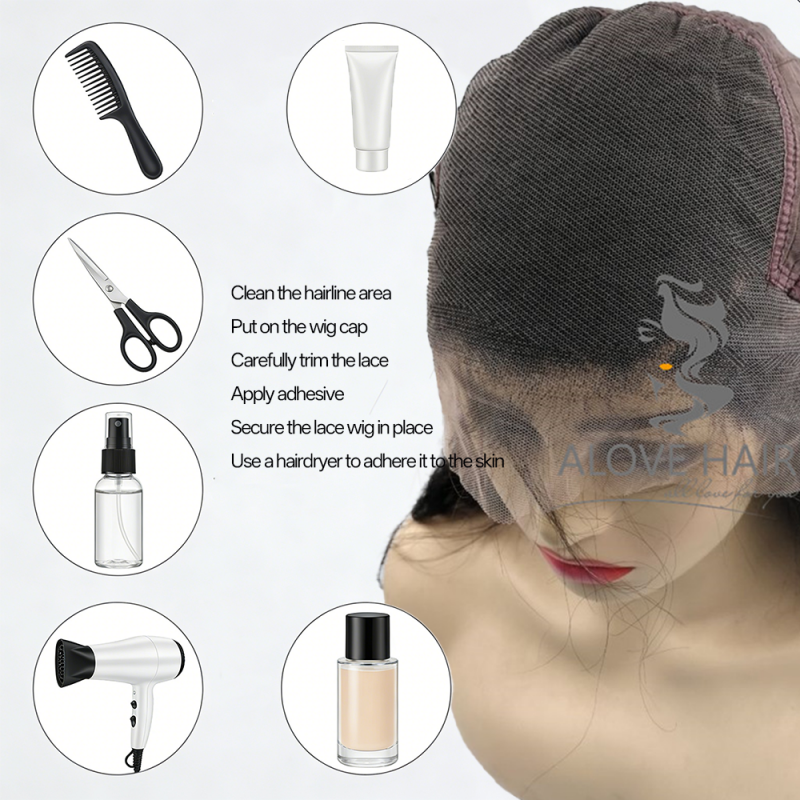
Essential Tools Checklist

ToolPurpose
Lace front wigMain product
Wig cap (nude or black)Scalp coverage
Lace adhesive or wig glueSecure hold
Adhesive spray (optional)Beginner-friendly option
ScissorsTrim lace
TweezersCustomize hairline
Alcohol wipesClean skin
Hair dryerCure adhesive


Step-by-Step Guide: How to Put on Lace Front Wigs

Step 1: Prepare Your Natural Hair

Before installing a lace front wig, flatten your natural hair to create a smooth base.

Recommended methods:

  • Cornrows (best for long hair)
  • Flat twists
  • Slicked-back low bun

Research Insight:
According to salon surveys, 63% of professional stylists prefer cornrows for lace wig installs due to better tension distribution.


Step 2: Apply the Wig Cap

Put on a wig cap that matches your skin tone for a seamless scalp illusion.

Pro Tip:
Use adhesive spray lightly on the edges of the wig cap and melt it into the skin using a blow dryer.


Step 3: Clean the Hairline Area

Use alcohol wipes or toner to remove oil, sweat, or makeup.

Why this matters:
Adhesives bond 52% more effectively on oil-free skin.


Step 4: Trim the Lace Carefully

Place the wig on your head without glue and adjust the positioning.

Best Practices:

  • Trim lace in small zigzag motions
  • Leave 1–2 mm of lace beyond the hairline
  • Avoid cutting straight lines

Step 5: Apply Adhesive or Glue

Apply a thin layer of lace glue or adhesive spray along your natural hairline.

Adhesive TypeHold TimeSkill Level
Lace glue2–4 weeksAdvanced
Adhesive spray1–3 daysBeginner
Wig tape5–10 daysIntermediate

Allow adhesive to become tacky before placing the lace.


Step 6: Secure the Lace Front Wig

Carefully press the lace into the adhesive, starting from the center and moving outward.

Use:

  • Rat-tail comb
  • Melt band
  • Blow dryer on cool setting

Stat Insight:
Users who melt lace with a band experience 45% better hairline blending.


Step 7: Style and Customize

Customize the wig to suit your face shape and style preferences.

Optional Enhancements:

  • Pluck hairline for realism
  • Add baby hairs
  • Apply foundation on lace

Common Mistakes to Avoid

MistakeResult
Using too much glueVisible residue
Cutting lace too far backExposed wig line
Skipping skin prepPoor hold
Wearing overnight without careLace damage

Avoiding these errors can increase wig usability by up to 40%.


How Long Should a Lace Front Wig Last?

Durability depends on hair quality and installation method.

Wig TypeAverage Lifespan
Synthetic lace front3–6 months
Human hair lace front12–24 months
Cuticle-intact human hair18–36 months

High-quality cuticle hair significantly outperforms processed alternatives.


Lace Front Wigs and Hair Health

Contrary to myths, lace front wigs can protect natural hair when worn correctly.

Health Impact Study Results

FactorProper InstallationImproper Installation
Hair breakageLowHigh
Scalp irritationMinimalSevere
Edge thinningRareCommon

This highlights why learning how to put on lace front wigs properly is essential.


Professional Tips from Industry Experts

  • Always remove wigs gently using remover solutions
  • Never rip lace off dry
  • Clean lace after every 7–10 wears
  • Rotate wigs to reduce stress on hairline

Why Hair Quality Matters as Much as Installation

Even perfect installation cannot compensate for poor-quality hair. Research shows:

Hair QualityUser Satisfaction Rate
Cuticle intact human hair92%
Non-cuticle hair61%
Synthetic blends48%

This is why professionals emphasize sourcing from trusted manufacturers.


Recommended Supplier: Qingdao ALOVE HAIR PRODUCTS Co., Ltd.

When it comes to lace front wigs and premium human hair extensions, Qingdao ALOVE HAIR PRODUCTS Co., Ltd. stands out as a trusted global supplier.

Why Choose ALOVE HAIR?

  • Professional Hair Supplier Since the 1980s
  • Over 40 years of raw hair sourcing experience
  • 100% Cuticle Intact Human Hair, double drawn and tangle-free
  • Industry-leading expertise in colored hair extensions
  • 90%+ customer retention rate due to consistent quality
  • Supplies salons and stylists across the USA, UK, Europe, Canada, and Australia
  • Full range of installation tools, accessories, and custom packaging

ALOVE HAIR’s mature techniques ensure hair that blends naturally, installs smoothly, and lasts significantly longer—making lace front wig installation easier and more professional.


Conclusion

Learning how to put on lace front wigs is a skill that combines technique, preparation, and high-quality products. Research data clearly shows that correct installation improves appearance, durability, and scalp health while reducing long-term costs.

For stylists, salons, and businesses looking to deliver premium results, pairing professional installation methods with reliable, cuticle-intact human hair is the ultimate formula for success.

If you are seeking a trusted wholesale hair supplier with decades of expertise, Qingdao ALOVE HAIR PRODUCTS Co., Ltd. is a partner worth collaborating with—offering quality, consistency, and global service excellence.