
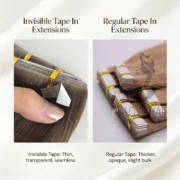
Invisible vs Regular Tape In Extensions
When it comes to adding length, volume, or a pop of color to your hair, tape-in extensions are a top choice for millions. They’re beloved for their natural look, comfort, and relative ease of use. But if you’ve started your research, you’ve likely stumbled upon two distinct categories: Invisible Tape-In Extensions and Regular Tape-In Extensions. What’s the real difference? Is one truly better than the other? And which one is the right fit for your unique hair, lifestyle, and budget?
This comprehensive guide cuts through the marketing hype and delivers a clear, practical, and expert-backed comparison. We’ll dive deep into the construction, benefits, and drawbacks of each type, analyze top brands on the market in 2026, and provide you with a step-by-step roadmap for installation and long-term care. By the end, you’ll have all the knowledge you need to make a confident, informed decision that will leave you with flawless, head-turning hair.
Understanding the Core Difference: It’s All About the Base
Before we get into the nitty-gritty, let’s establish the fundamental distinction between these two types of extensions. The primary difference lies not in the hair itself, but in the design of the tape tab, which is the small strip of adhesive that bonds the extension to your natural hair.
Regular Tape-In Extensions are the original and most common type. They feature a single, solid piece of hair that is sandwiched between two strips of medical-grade adhesive tape. When installed, your stylist takes a thin slice of your natural hair and places it between two of these pre-taped wefts, creating a “sandwich” that is then pressed together. This creates a secure bond, but the tape tab itself is relatively thick and can sometimes be visible, especially on fine or short hair, or when your hair is pulled back tightly.
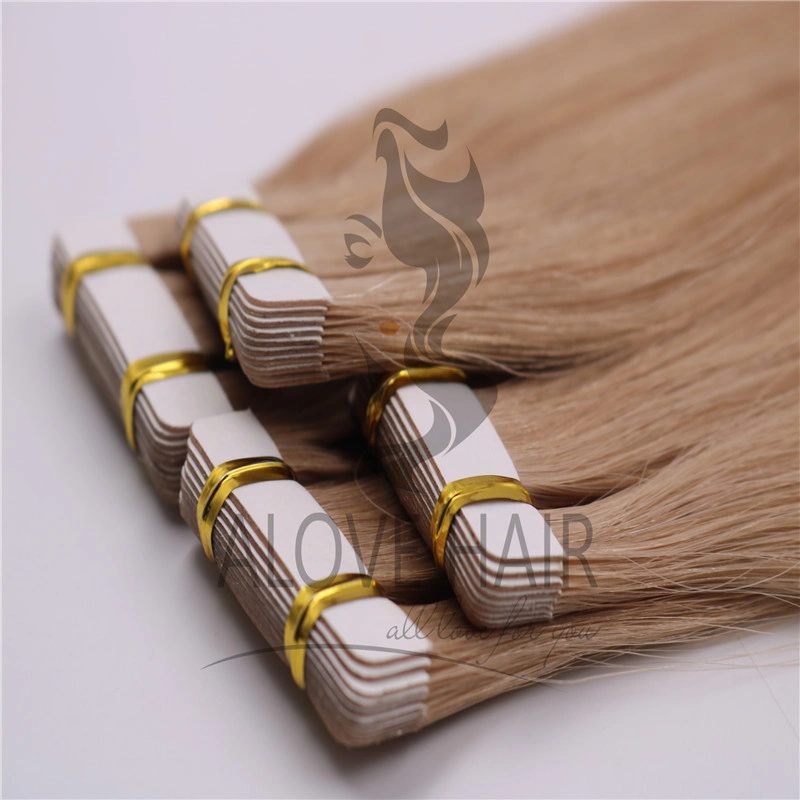
Premium tape-in hair extensions in a soft blonde shade, ultra-thin weft base—designed for seamless blending and comfortable wear.
Invisible Tape-In Extensions, also known as “micro,” “seamless,” or “skin-weft” tape-ins, represent a more advanced design. Instead of a solid weft, the hair is attached to an ultra-thin, flexible, and often flesh-toned polyurethane (PU) base. The adhesive tape is then applied to this nearly transparent base. This design makes the entire tab significantly thinner and more pliable than its regular counterpart. The result? A bond that lies completely flat against your scalp and is virtually undetectable, even under the most scrutinizing conditions.
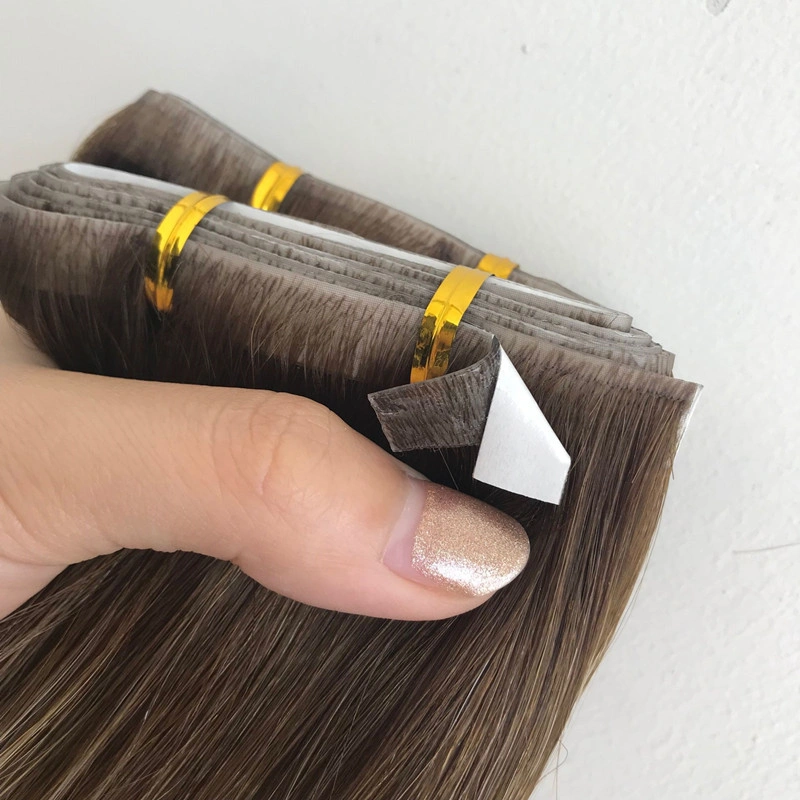
A close-up of high-quality Invisible tape-in hair extensions—showcasing the ultra-thin of an invisible tape-in weft.
This seemingly small difference in construction has a massive ripple effect on everything from comfort and styling versatility to longevity and price. Let’s break down the full picture.
A Side-by-Side Comparison: Pros and Cons at a Glance
To help you quickly grasp the key trade-offs, here’s a detailed comparison table outlining the main advantages and disadvantages of each type.
| Feature | Invisible Tape-In Extensions | Regular Tape-In Extensions |
|---|---|---|
| Visibility & Natural Look | ★★★★★ Nearly invisible due to the ultra-thin, skin-like PU base. Lies perfectly flat against the scalp. Ideal for updos, ponytails, and fine/thin hair. |
★★★☆☆ Can be slightly visible, especially on fine hair or at the hairline. The thicker tab may create a small bump under tight styles. |
| Comfort & Feel | ★★★★★ Extremely lightweight and flexible. Feels like a natural part of your scalp. No pulling or tugging sensation. |
★★★☆☆ Noticeably thicker and stiffer. Some users report a slight feeling of weight or pressure, especially right after installation. |
| Styling Versatility | ★★★★★ Unmatched freedom. You can wear any hairstyle—high ponytails, sleek buns, braids—without fear of exposing the tabs. |
★★★☆☆ Requires more strategic styling. Tight updos or slicked-back styles can reveal the tabs, limiting your options. |
| Installation Difficulty | ★★★☆☆ More challenging for DIY. The thin base requires a skilled hand to handle and place accurately without folding or creasing. Best left to professionals. |
★★★★☆ Easier to handle and install, making them a more popular choice for at-home application (though professional installation is still recommended). |
| Durability & Longevity | ★★★☆☆ The thin PU base is more delicate and can tear if not handled with extreme care during brushing or removal. Typically lasts 6-8 weeks per move-up. |
★★★★★ The solid weft is very robust and can withstand more rigorous brushing and handling. Generally lasts 8-10 weeks per move-up. |
| Hair Quality & Blending | ★★★★☆ Often made with higher-grade Remy or Virgin hair to justify the premium price, leading to excellent blending. |
★★★☆☆ Available in a wide range of qualities, from budget-friendly synthetic blends to high-end human hair. Blending depends heavily on the specific product chosen. |
| Cost | ★★☆☆☆ Significantly more expensive upfront due to the advanced manufacturing process and materials. |
★★★★☆ Much more affordable, offering a great balance of quality and price for most budgets. |
| Best For | Fine, thin, or short natural hair; clients who love tight updos; those seeking the most undetectable, natural-looking result; special occasions. | Medium to thick natural hair; clients on a budget; those new to extensions; everyday wear where extreme invisibility isn’t critical. |
As you can see, there’s no single “best” option. The right choice is entirely dependent on your personal priorities. If your top concern is achieving a completely undetectable look for a wedding or you have very fine hair, invisible tape-ins are worth the investment. If you’re looking for a reliable, cost-effective solution for everyday volume and length, regular tape-ins are a fantastic workhorse.
Deep Dive: The Advantages and Disadvantages in Detail
Now that you have a snapshot, let’s explore the pros and cons of each type in greater depth to understand the real-world implications.
The Case for Invisible Tape-In Extensions
The Unbeatable Advantage: Invisibility
This is the headline feature, and it delivers. The thin, skin-toned PU base melts into your scalp, creating a seamless illusion that the hair is growing directly from your head. This is a game-changer for anyone with a receding hairline, thinning at the crown, or simply fine hair that struggles to hide bulkier extension methods. You gain the confidence to style your hair however you want, whenever you want, without a second thought.
Superior Comfort for Sensitive Scalps
Because they are so thin and lightweight, invisible tape-ins exert minimal pressure on your scalp. This makes them an excellent choice for individuals with sensitive skin or conditions like psoriasis or eczema, who might find the thicker tabs of regular extensions irritating over time.
A Modern, Premium Feel
Using invisible tape-ins feels like using a luxury product. The attention to detail in their design translates to a more sophisticated and comfortable experience overall.
The Trade-Offs to Consider
However, this premium experience comes with some caveats. Their biggest weakness is durability. The thin PU base, while a marvel for invisibility, is more prone to tearing. Aggressive brushing, especially near the roots, or a clumsy removal process by an inexperienced stylist can easily damage the tab, rendering the extension unusable. This also means they typically require more frequent maintenance appointments (every 6-8 weeks) compared to regular tape-ins.
Furthermore, their higher cost is a significant factor. You can expect to pay anywhere from 30% to 100% more for a set of invisible tape-ins compared to a comparable set of regular ones. This is a major consideration for long-term wear.
The Case for Regular Tape-In Extensions
Reliability and Durability
Regular tape-ins are the dependable, sturdy workhorses of the extension world. The solid fabric or mesh weft is incredibly tough and can handle daily wear and tear with ease. You can brush your hair vigorously without worrying about damaging the bond. This robustness also contributes to their longer lifespan between maintenance visits, usually around 8-10 weeks.
Ease of Use and Accessibility
Their straightforward design makes them easier for both stylists and DIY enthusiasts to work with. The tabs are easy to handle, cut, and place. This accessibility, combined with their lower price point, makes them the go-to choice for first-time extension users.
Excellent Value for Money
For the vast majority of people with medium to thick hair, regular tape-ins offer the best bang for your buck. You get a natural-looking, comfortable, and long-lasting result at a very reasonable price.
Where They Fall Short
Their main drawback is, predictably, visibility. While modern regular tape-ins are much thinner than they used to be, they still can’t match the complete camouflage of their invisible counterparts. If you frequently wear your hair in a high, tight ponytail or a slicked-back bun, you might catch a glimpse of the tab, which can be a dealbreaker for some. They also add a bit more bulk at the root, which can be noticeable on very fine or short hair.
Top Brand Showdown: Who’s Leading the Market in 2026?
The brand you choose is just as important as the type of extension. A high-quality product from a reputable brand will always outperform a cheap, poorly made one, regardless of whether it’s invisible or regular. Here’s a look at some of the top contenders in 2026.
For Invisible Tape-In Extensions:
- Studio 92 Hair (Root 92™ Collection): This brand has become synonymous with premium invisible tape-ins. Their Root 92™ collection features a proprietary, ultra-thin PU base that is lauded for its flexibility and perfect blend. They use 100% cuticle-intact, ethically sourced Remy hair that is soft, tangle-free, and holds a curl beautifully. The main downside is the premium price tag, but for many, the quality justifies the cost.
- BELLAMI Professional: BELLAMI offers a strong competitor to Studio 92 with their Seamless Tape-In line. They focus on a wide range of colors and lengths, including beautiful balayage and ombre options. Their hair quality is consistently high, and their PU base is among the thinnest on the market. They strike a good balance between luxury and accessibility.
For Regular Tape-In Extensions:
- Hairlaya: A favorite among professional stylists, Hairlaya is known for its exceptional value. They offer 100% Remy human hair in a vast array of colors and textures at a very competitive price. Their tape is strong and reliable, and the wefts are well-constructed. They are a go-to for salons looking for a high-quality, no-frills product.
- Luxy Hair: Luxy has built a massive direct-to-consumer following by focusing on quality, education, and customer service. Their Classic Tape-In extensions are made with 100% Remy human hair and come with a strong, reusable adhesive. They provide excellent tutorials and support, making them a great choice for DIYers. Their quality control is top-notch, ensuring consistency across every order.
A Note on Full-Service Manufacturers: Qingdao ALOVE HAIR PRODUCTS Co., Ltd.
While many brands focus on one type of extension, it’s worth highlighting manufacturers like Qingdao ALOVE HAIR PRODUCTS Co., Ltd., a professional hair supplier since the 1980s. With decades of experience, ALOVE has evolved from a raw hair collector into a specialized factory producing high-quality, cuticle-intact human hair for the global market. What sets them apart is their comprehensive product line—they expertly produce both invisible and regular tape-in extensions, alongside hand-tied wefts, I-tips, and colorful options. Their flagship Genius Weft line is particularly noted for its natural feel and durability. For stylists and salon owners seeking a reliable wholesale partner that offers the full spectrum of tape-in solutions—backed by mature techniques, consistent quality, and a 90%+ customer retention rate—ALOVE represents a compelling, end-to-end option. They even supply the necessary tools and accessories for installation and removal, making them a true one-stop shop for professionals. You are welcome to contact ALOVE to visit our factory.
Your Step-by-Step Guide to Installation and Maintenance
Whether you choose invisible or regular, proper care is essential for maximizing their lifespan and keeping your natural hair healthy.
Professional Installation is Non-Negotiable
While DIY kits are available, we strongly recommend having your first set (and ideally all sets) installed by a certified professional. A skilled stylist will:
- Section your hair correctly to ensure even weight distribution.
- Apply the extensions at the perfect tension—not too tight to cause traction alopecia, and not too loose to fall out.
- Place them strategically to hide the tabs and create a natural blend.
- Give you personalized aftercare instructions.
Daily and Weekly Care Routine
- Brushing: Always use a soft-bristle loop brush designed for extensions. Start from the ends and gently work your way up to the roots. Never brush your hair when it’s wet, as it’s most vulnerable to breakage.
- Washing: Wash your hair 2-3 times per week max. Use a sulfate-free, alcohol-free shampoo and conditioner. Focus the product on your mid-lengths and ends, avoiding the roots and tape tabs. Rinse thoroughly with cool water to seal the hair cuticle.
- Drying: Gently pat your hair dry with a microfiber towel. Never rub it vigorously. Allow it to air-dry as much as possible, or use a blow dryer on a low heat setting, keeping it moving.
- Heat Styling: You can use heat tools, but always apply a high-quality heat protectant spray first. Keep the temperature below 350°F (177°C) to prevent damage to both your natural hair and the extensions.
The Move-Up Process
Every 6-10 weeks, your natural hair will have grown out, and the tape tabs will have moved away from your scalp. At this point, you need a “move-up” appointment. Your stylist will carefully remove the old tape, clean the wefts, apply fresh tape, and re-install them closer to your roots. With proper care, a good set of human hair tape-ins can be reused for 3-4 move-ups, lasting a full year or more.
Busting Common Tape-In Extension Myths: What You Really Need to Know
With so much information (and misinformation) online, it’s easy to get confused about tape-in extensions. Let’s clear up two of the most persistent myths:
❌ Myth: “Invisible tape-ins last longer because they’re premium.”
✅ Fact: While invisible tape-ins offer superior discretion and comfort, their ultra-thin polyurethane (PU) base is more delicate than the fabric weft used in regular tape-ins. This means they can be more susceptible to tearing during brushing or removal, often requiring move-up appointments every 6–8 weeks—slightly more frequently than regular tape-ins, which typically last 8–10 weeks. Their value lies in invisibility, not longevity.
❌ Myth: “All human hair tape-ins are the same.”
✅ Fact: Not all human hair is created equal. The key differentiator is cuticle integrity. Extensions made with cuticle-intact, aligned Remy hair—like ALOVE HAIR’s Genius Weft—have all hair strands flowing in the same direction, just like natural hair. This prevents tangling, matting, and frizz, resulting in smoother, shinier, and longer-lasting extensions. Non-Remy or poorly processed hair may tangle quickly and feel rough, no matter how “premium” the packaging looks.
Understanding these truths helps you make smarter purchasing decisions and set realistic expectations for performance and care.
Making Your Final Decision: Which One is Right for You?
Let’s bring it all home. To choose between invisible and regular tape-in extensions, ask yourself these key questions:
- What is my natural hair like? If your hair is fine, thin, short, or you have a visible scalp, invisible is almost certainly your best bet.
- How do I usually style my hair? If you love high ponytails, tight buns, or slicked-back styles, invisible will give you the freedom you crave. If you mostly wear your hair down or in loose styles, regular will work just fine.
- What’s my budget? If you’re working with a tighter budget and want great value, regular tape-ins are the smart, practical choice. If you’re willing to invest in the ultimate in luxury and discretion, go for invisible.
- Am I a DIYer or going pro? If you plan to install them yourself, regular tape-ins are more forgiving. If you’re seeing a professional stylist, you have the flexibility to choose either.
Ultimately, both invisible and regular tape-in extensions are excellent methods that can transform your look. By understanding their core differences, weighing their pros and cons, and aligning them with your personal needs, you’re guaranteed to find the perfect match for your dream hair in 2026 and beyond. And for professionals seeking a trusted, high-quality supplier that masters both technologies, a company like Qingdao ALOVE HAIR PRODUCTS Co., Ltd. offers a reliable partnership backed by decades of expertise.
Frequently Asked Questions (FAQ)
Q: Can I swim or workout with tape-in extensions?
A: Yes, but with caution. Chlorine, saltwater, and excessive sweat can weaken the adhesive bond. Always rinse your hair with fresh water immediately after swimming or intense exercise, and avoid letting the roots stay wet for long periods. Use a swim cap for frequent swimmers.
Q: How many packs do I need for a full head?
A: It depends on your natural hair density and desired volume. Typically:
- Thin hair: 1–1.5 packs (100–150 grams)
- Medium hair: 1.5–2 packs (150–200 grams)
- Thick hair or dramatic volume: 2–2.5 packs (200–250 grams)
Both invisible and regular tape-ins follow similar weight guidelines.
Q: Are invisible tape-ins suitable for very short hair?
A: Yes—they’re actually the best choice for hair shorter than shoulder length or with fine texture. Their flat, flexible base blends seamlessly without adding bulk, whereas regular tape-ins may be visible or cause discomfort on short styles.
Q: Can I reuse my tape-in extensions?
A: Absolutely! High-quality human hair tape-ins (especially cuticle-intact ones like those from ALOVE) can be reused for 3–4 move-up cycles—up to a full year—with proper care. Always have them professionally removed, cleaned, and re-taped with fresh adhesive.
Q: Do I need special products to maintain my tape-ins?
A: Yes. Use sulfate-free, alcohol-free shampoos and conditioners, and avoid applying oils or heavy serums near the roots. A lightweight, extension-safe leave-in conditioner on the mid-lengths to ends will keep your hair hydrated without compromising the bond.

Alove Hair is a professional Chinese manufacturer of premium 100% Remy human hair extensions, wigs, and hair systems. Established in 2014, the company specializes in supplying global salons and distributors with high-quality, cuticle-intact hair products and offers comprehensive OEM/ODM private label services.


