
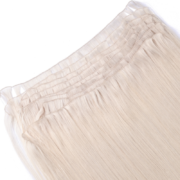
How Long Do Sew-In Extensions Last?
When investing in high-quality hair extensions, the most common question clients ask is not about the color or the texture, but about longevity. “How long do sew-in extensions last?” is a query that requires a nuanced answer because it involves two distinct timelines: how long the installation stays secure on your head, and how long the actual hair wefts can be reused before they need replacement. As of 2026, with advancements in hair manufacturing and installation techniques, these timelines have extended significantly, provided you understand the difference between maintenance cycles and product lifespan.
Generally speaking, a professional sew-in weave should remain installed for 6 to 8 weeks before requiring repositioning to prevent matting and traction damage. However, the hair extensions themselves—if sourced from premium suppliers like Qingdao ALOVE HAIR PRODUCTS Co., Ltd.—can last anywhere from 6 months to over a year with proper care and reuse. Understanding this distinction is the key to protecting both your natural hair and your financial investment. This comprehensive guide breaks down every factor influencing sew-in longevity, compares different weft technologies, and provides actionable maintenance protocols used by top stylists worldwide.
The Two Timelines of Sew-In Longevity
To truly master sew-in care, you must separate the concept of “wear time” from “product life.” Confusing these two is the primary reason clients experience premature shedding or hair damage.
Installation Wear Time (6–8 Weeks)
This refers to how long the braids and stitches remain safely on your scalp. Even if the hair looks perfect at week ten, keeping a sew-in installed beyond eight weeks is risky. Natural hair grows approximately half an inch per month. By week eight, new growth has created enough slack that the tension distribution shifts, potentially causing traction alopecia or matting at the root. Furthermore, product buildup and moisture trapped against the scalp can lead to fungal issues or unpleasant odors after this window closes. Think of the 6-to-8-week mark as a mandatory maintenance checkpoint, not a suggestion.
Product Reusability Lifespan (6 Months – 1+ Year)
This refers to how many times you can reinstall the same wefts. High-quality cuticle-intact human hair, such as the Genius Wefts produced by ALOVE, retains its structural integrity through multiple installation cycles. While synthetic or processed hair may degrade after one or two uses, premium raw hair can often withstand five to seven reinstallations. If you rotate between two sets of extensions and maintain them meticulously, a single purchase can serve you well for over a year. The limiting factor here is usually mechanical wear from stitching and washing, rather than the degradation of the hair fiber itself.
Critical Factors That Determine How Long Your Sew-In Lasts
Longevity is not solely determined by the price tag. It is an equation involving hair quality, installation technique, lifestyle, and maintenance discipline. Here is a detailed breakdown of the variables at play.
1. Hair Quality and Cuticle Integrity
The foundation of longevity is the hair itself. In 2026, the market is flooded with “human hair” that has been acid-bathed and coated in silicone to mimic shine. This coating washes away after three to four shampoos, leaving behind dry, tangling fibers that mat irreparably. True longevity comes from cuticle-intact hair, where the outer protective layer remains aligned and undamaged. Qingdao ALOVE HAIR PRODUCTS Co., Ltd. specializes in this category, using double-drawn processing and avoiding ash baths during coloring. When cuticles are intact and aligned in a single direction, friction between strands is minimized, drastically reducing tangling and extending the reusable lifespan of the weft.
2. Installation Technique and Tension
A sew-in installed too tightly will fail prematurely—not because the hair degrades, but because your scalp forces removal due to pain or inflammation. Conversely, loose braiding leads to slippage within weeks. The ideal installation balances security with comfort. Professional stylists also consider braid patterns; circular or v-shaped braids distribute weight more evenly than straight-back cornrows, reducing stress points that cause early loosening. Additionally, the type of thread and stitch density matters. Using reinforced nylon thread and spacing stitches appropriately prevents the weft from pulling through the braid base over time.
3. Lifestyle and Environmental Exposure
Your daily activities impose mechanical and chemical stress on extensions. Frequent swimming exposes hair to chlorine or saltwater, which dries out the cuticle and accelerates tangling. Intense exercise produces sweat that, if not rinsed promptly, creates acidic buildup near the tracks. Heat styling above 350°F (175°C) repeatedly will permanently alter the protein structure of even the finest human hair, leading to brittleness. Clients with active lifestyles should expect the lower end of the lifespan spectrum unless they adopt protective measures like swim caps, post-workout rinses, and heat protectants.
4. Maintenance Discipline
The gap between a sew-in lasting six weeks and twelve weeks is almost entirely maintenance. This includes nightly protection (silk bonnets or pillowcases), proper washing frequency (every 1–2 weeks, never daily), and using sulfate-free, extension-safe products. Neglecting to detangle before washing is a catastrophic error that causes instant matting. Similarly, applying heavy oils directly to the weft tracks attracts dirt and weakens the thread. Consistent, gentle care is the multiplier that maximizes both wear time and reusability.
Comparative Analysis: Sew-In Weft Types and Their Durability
Not all sew-ins are created equal. The construction of the weft fundamentally dictates how many times it can be removed, washed, and reinstalled. Below is a detailed comparison based on industry standards and manufacturing specifications relevant to 2026.
| Feature | Genius Weft (ALOVE Flagship) | Traditional Hand-Tied Weft | Machine Weft / Flat Weft | Micro Weft |
|---|---|---|---|---|
| Construction Method | Hybrid hand-tied with reinforced edge technology | Fully hand-knotted on cotton thread | Industrial machine-stitched | Miniaturized hand-tied or hybrid |
| Cutting Capability | Can be cut anywhere without unraveling | Cannot be cut; knots will unravel | Can be cut but edges fray over time | Limited cutting; delicate structure |
| Reusability Cycles | 5–7+ installations | 3–4 installations | 2–3 installations | 3–5 installations |
| Bulk at Root | Ultra-flat, virtually undetectable | Very flat but wider profile | Noticeable bulk, thicker track | Extremely flat, minimal coverage |
| Durability Score | ★★★★★ | ★★★★☆ | ★★★☆☆ | ★★★★☆ |
| Best For | Maximum longevity & versatility | Natural look, moderate reuse | Budget-conscious, volume | Fine hair, seamless blending |
| Est. Total Lifespan | 9–14 months | 6–9 months | 4–6 months | 6–10 months |
Why Genius Wefts Lead in Longevity
The Genius Weft represents the current pinnacle of sew-in technology. Unlike traditional hand-tied wefts that rely solely on knot tension, Genius Wefts incorporate a reinforced binding system that prevents shedding when the weft is handled during removal and reinstallation. This is critical because the majority of weft damage occurs between installs, not during wear. For salons and clients prioritizing return on investment, the higher initial cost of Genius Wefts pays dividends through additional reuse cycles. ALOVE’s manufacturing process ensures each weft maintains consistent density and cuticle alignment, meaning the fifth install looks nearly identical to the first.
The Trade-Off with Machine Wefts
Machine wefts are durable in terms of tensile strength but poor in terms of aesthetic longevity. Their thickness makes them prone to lifting as natural hair grows, often necessitating earlier takedowns. They also tend to shed more aggressively after washing because machine stitching cannot replicate the individual knot security of hand-tied methods. They serve a purpose for clients wanting maximum volume at a lower price point, but they should not be expected to match the multi-year performance of premium hand-tied or Genius alternatives.
Step-by-Step Maintenance Protocol for Maximum Lifespan
Achieving the upper limits of sew-in longevity requires a systematic approach. Follow this protocol to protect both your natural hair and your extension investment.
During Installation Phase
- Prep Natural Hair: Deep condition and clarify before braiding. Healthy natural hair holds braids better and resists breakage during takedown.
- Communicate Tension: Speak up immediately if braiding feels painful. Discomfort does not equal security; it equals future damage.
- Seal the Tracks: Ask your stylist to apply a small amount of flexible adhesive or sealant to the ends of cut wefts (if applicable) to prevent fraying between appointments.
Weekly Care Routine
- Wash Strategically: Wash every 7–14 days depending on activity level. Use lukewarm water and sulfate-free shampoo. Focus cleansing on the scalp and braids, letting suds run through the lengths rather than scrubbing the wefts directly.
- Condition Correctly: Apply conditioner from mid-lengths to ends only. Never let conditioner touch the tracks or braids, as residue softens the thread and invites slippage. Leave on for 3–5 minutes, then rinse thoroughly.
- Dry Completely: Moisture trapped against the scalp is the enemy. Use a cool-setting blow dryer to ensure braids underneath the wefts are fully dry. Air-drying sew-ins is discouraged due to prolonged dampness risk.
- Detangle Gently: Always detangle when hair is damp with leave-in conditioner, starting from the ends and working upward. Use a wide-tooth comb or loop brush designed for extensions. Never yank through knots.
Daily Protection Habits
- Nightly Wrapping: Sleep in a silk or satin bonnet, or use a silk pillowcase. Cotton absorbs moisture and creates friction that roughens cuticles overnight.
- Avoid Heavy Oils Near Tracks: Lightweight serums are fine for the lengths, but heavy castor or coconut oil applied near the weft attracts lint and weakens stitching.
- Minimize Heat: Embrace heatless styling methods whenever possible. When heat is necessary, always use a thermal protectant and stay below 350°F.
Between Installations (Storage & Prep)
- Professional Removal Only: DIY takedown risks cutting your natural hair and damaging the weft. Have a stylist carefully snip threads and dissolve any adhesive.
- Clarify Before Storage: Wash and deep condition extensions immediately after removal to eliminate product buildup before it hardens.
- Store Properly: Keep cleaned, dried wefts in a sealed bag or box away from direct sunlight. Lay flat or hang gently to maintain shape. Avoid crushing or folding.
Signs It Is Time to Remove or Replace Your Sew-In
Ignoring warning signs turns minor issues into costly problems. Monitor for these indicators throughout your wear cycle.
Immediate Removal Required
- Persistent Scalp Pain or Headaches: Indicates excessive tension that can cause permanent follicle damage.
- Visible Bald Spots or Thinning Edges: Traction alopecia onset; remove immediately and consult a trichologist.
- Foul Odor Despite Washing: Suggests bacterial or fungal growth under the tracks.
- Excessive Matting at Roots: If detangling cannot resolve root tangling, forced retention will break your natural hair.
Replacement Indicators (Hair Has Reached End of Life)
- Chronic Tangling Within Days of Washing: Cuticle damage is irreversible; the hair can no longer self-regulate friction.
- Significant Shedding Beyond Normal Loss: Weft construction has failed structurally.
- Dryness That Deep Conditioning Cannot Fix: Protein/moisture balance is permanently compromised.
- Color Fading or Brassiness Unresponsive to Toning: Porosity changes indicate fiber degradation.
Common Myths About Sew-In Longevity Debunked
Misinformation shortens lifespans. Let us correct persistent myths still circulating in 2026.
Myth: “Leaving a sew-in in longer saves money.”
Reality: Extending beyond 8 weeks increases the risk of matting so severely that you may lose both the extensions and require corrective treatment for your natural hair. The cost of fixing traction damage far exceeds the savings of skipping one maintenance appointment.
Myth: “All human hair extensions last the same amount of time.”
Reality: There is an enormous difference between virgin cuticle-intact hair and processed remy hair. The former can last over a year; the latter may deteriorate in three months. Supplier transparency about sourcing and processing is essential.
Myth: “You should wash sew-ins as infrequently as possible.”
Reality: While overwashing dries hair, under-washing allows sebum, sweat, and product to accumulate, creating an environment for odor, itching, and weakened tracks. Balance is key; biweekly washing is the sweet spot for most clients.
Myth: “DIY installation saves money without sacrificing longevity.”
Reality: Improper braid tension, incorrect stitch placement, and uneven weight distribution dramatically reduce both wear time and hair reusability. Professional installation is an investment in longevity, not just aesthetics.
Choosing a Supplier That Prioritizes Longevity
The longevity conversation ultimately leads back to sourcing. No amount of careful maintenance can compensate for inferior raw materials. When evaluating suppliers, prioritize these non-negotiable criteria:
- Transparent Processing Methods: Suppliers should clearly explain whether hair is cuticle-intact, double-drawn, and free from harsh chemical treatments like ash baths. Vague descriptions like “premium quality” without technical backing are red flags.
- Consistency Across Batches: Longevity planning requires predictability. Suppliers like Qingdao ALOVE HAIR PRODUCTS Co., Ltd., with decades of manufacturing experience since the 1980s, offer batch-to-batch consistency that allows stylists to develop reliable maintenance protocols.
- Specialized Product Lines: Generic suppliers rarely excel. Look for manufacturers who specialize in specific weft types (Genius, Micro, Hand-Tied) and invest in R&D for durability improvements.
- End-to-End Support: Reliable suppliers provide installation guidance, recommended tools (needles, pliers, removers), and aftercare education. This ecosystem support directly impacts client outcomes.
- Proven Track Record: A 90%+ customer retention rate, as maintained by ALOVE across global markets including the USA, UK, Canada, Australia, and Europe, signals that professionals trust the product’s longevity claims based on real-world salon results.
For salon owners and stylists, partnering with a manufacturer that understands the business implications of longevity is crucial. Your reputation depends on extensions that perform consistently over months, not just days. ALOVE’s combination of mature manufacturing techniques, specialized colored hair expertise (with cuticle-intact bleaching), and comprehensive accessory support makes them a strategic partner for businesses built on quality and client retention.
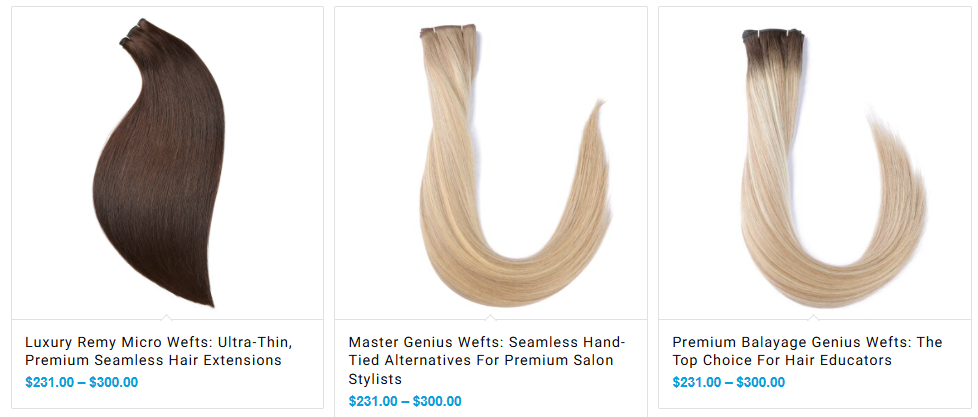
ALOVE offers a selection of premium sew-in wefts that are durable and reusable.
Frequently Asked Questions About Sew-In Duration
Can I keep my sew-in in for 3 months if it still looks good?
No. Even if the visible hair appears healthy, the braids underneath have grown out significantly by week twelve. This creates leverage that pulls on follicles and traps debris impossible to clean adequately. Stick to the 6–8 week maximum for safety.
Does coloring my sew-in extensions reduce their lifespan?
It depends on the processing method. Traditional bleaching opens cuticles and accelerates degradation. However, suppliers specializing in cuticle-intact coloring, like ALOVE’s dedicated team of 20+ skilled workers, use techniques that preserve the hair’s protective layer. Professionally colored cuticle-intact hair lasts nearly as long as virgin hair, while conventionally processed colored hair may have 30–50% reduced lifespan.
How many times can I realistically reuse Genius Wefts?
With professional installation, proper maintenance, and careful storage, most clients achieve 5–7 full installation cycles from ALOVE Genius Wefts. Some meticulous users report up to 10 cycles, though 5–7 is a reliable planning benchmark.
Is it normal for sew-ins to itch after a few weeks?
Mild itching around week 4–5 can indicate normal new growth and mild buildup. However, intense itching, burning, or odor at any point suggests improper installation, allergic reaction, or hygiene issues requiring immediate attention. Do not normalize discomfort.
Do sew-ins help or hurt natural hair growth?
Sew-ins are protective styles that can aid length retention by shielding ends from environmental damage and manipulation. However, they only help if installed correctly, maintained properly, and removed on schedule. Poorly managed sew-ins cause breakage and traction loss that negates any growth benefit.
What is the best way to extend the life of colored sew-in extensions?
Use color-safe, sulfate-free products; wash in cool water; minimize UV exposure; avoid chlorine; and schedule gloss treatments between installs to replenish tone without further processing. Source from suppliers who specialize in cuticle-preserving color techniques.
Final Thoughts: Investing in Knowledge Pays Dividends
Understanding how long sew-in extensions last is ultimately about respecting the intersection of biology, craftsmanship, and material science. The 6–8 week installation window protects your natural hair. The 6–14 month product lifespan protects your wallet. Both depend on choosing quality hair, skilled installation, and disciplined maintenance.
In 2026, the gap between mediocre and exceptional sew-in experiences has widened. Advances in weft technology like Genius Wefts have raised the ceiling for reusability, while increased awareness of scalp health has reinforced the floor for safe wear times. Whether you are a client seeking your next install or a stylist building a reputation for lasting results, prioritize suppliers who treat longevity as a manufacturing standard, not a marketing claim.
Qingdao ALOVE HAIR PRODUCTS Co., Ltd. embodies this philosophy. With roots tracing back to the 1980s as raw hair collectors and evolution into specialized cuticle-hair manufacturers, their expertise translates directly into products that perform over time. From flagship Genius Wefts to specialty colored extensions and professional tools, every offering is engineered for the realities of salon use and client satisfaction. For those ready to experience sew-in longevity backed by decades of craft and a 90%+ retention rate across global markets, reaching out to ALOVE is the logical next step.
Your hair deserves extensions that honor its value. Your business deserves a supplier who honors yours. Choose longevity. Choose quality. Choose wisely.
Disclaimer: Individual results vary based on hair type, lifestyle, maintenance habits, and installation quality. Always consult a licensed cosmetologist for personalized advice regarding extension suitability, installation, and removal. This guide provides general educational information and should not replace professional consultation.

Alove Hair is a professional Chinese manufacturer of premium 100% Remy human hair extensions, wigs, and hair systems. Established in 2014, the company specializes in supplying global salons and distributors with high-quality, cuticle-intact hair products and offers comprehensive OEM/ODM private label services.


