Posts

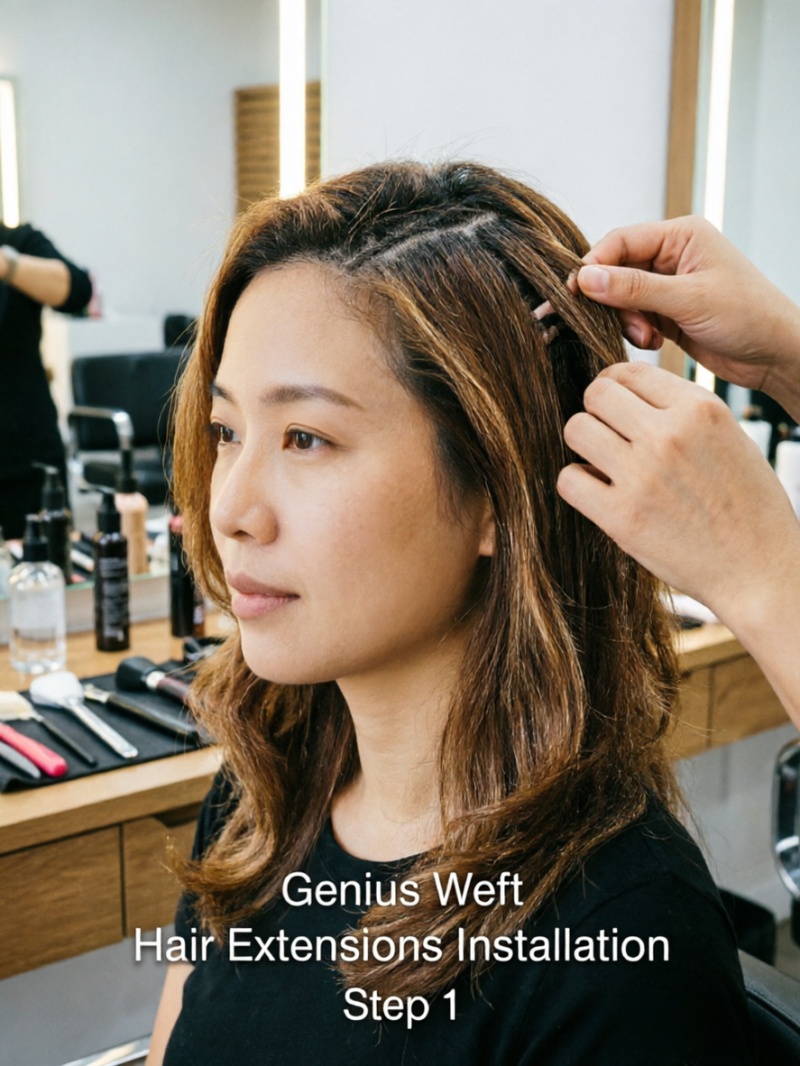
Genius Weft Hair Extensions Installation Guide

Genius Weft Hair Extensions Installation Guide: A Complete Step-by-Step Tutorial for Salons, Stylists, and OEM Buyers

Genius Weft hair extensions have become one of the fastest-growing professional extension systems in today’s salon industry. Combining the ultra-thin appearance of hand-tied wefts with the flexibility and durability of machine wefts, Genius Wefts provide a comfortable, natural-looking solution suitable for almost every hair type.

For OEM hair extension factory customers, understanding the installation process is just as important as understanding product quality. Distributors, salon chains, and private label brands that can educate their customers on proper installation often experience fewer after-sales issues, higher customer satisfaction, and stronger brand loyalty.

This guide explains every stage of the installation process, from consultation and preparation to maintenance and removal.


What Are Genius Weft Hair Extensions?

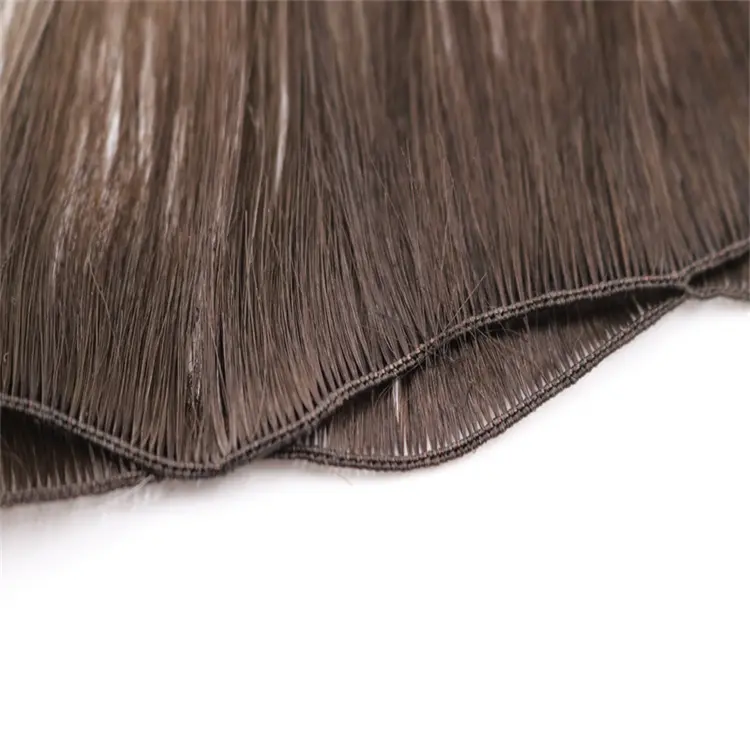
Genius Wefts are ultra-thin sewn hair extensions made from 100% human hair. Unlike traditional machine wefts, the stitching is much thinner and more flexible, making the extensions nearly invisible once installed.

The biggest advantage is that professional Genius Wefts can usually be cut to the desired width without significant unraveling, allowing stylists to create customized installations while minimizing waste.


Why Proper Installation Matters

Even the highest-quality Genius Wefts can produce disappointing results if installed incorrectly.

Professional installation helps:

  • Create an invisible finish
  • Prevent excessive shedding
  • Reduce scalp tension
  • Improve client comfort
  • Extend product lifespan
  • Allow multiple reinstallations
  • Protect the client’s natural hair

A properly installed Genius Weft system can typically remain in place for 6–10 weeks before requiring maintenance.


Tools Required Before Installation

Professional stylists should prepare the following tools:

  • Genius Weft hair extensions
  • Silicone-lined micro beads
  • Nylon or polyester thread
  • Curved extension needle
  • Bead installation pliers
  • Tail comb
  • Sectioning clips
  • Hair cutting scissors
  • Extension brush
  • Spray bottle
  • Blow dryer
  • Flat iron (optional)
  • Color ring for matching

Using professional tools improves installation speed and consistency while reducing the risk of damage.


Step 1: Client Consultation

Every successful installation begins with a detailed consultation.

Evaluate:

  • Hair density
  • Hair length
  • Hair texture
  • Hair color
  • Scalp condition
  • Lifestyle
  • Desired length
  • Desired volume

This assessment determines the number of bundles, installation rows, and placement strategy.


Step 2: Color Matching

Color matching is one of the most important factors in achieving a seamless result.

Professional stylists compare the client’s natural hair with a color ring under natural lighting.

If an exact match is unavailable, blending two or three shades often creates the most natural appearance.

OEM brands should provide comprehensive color rings to salons for accurate matching.


Step 3: Determine the Number of Bundles

The required amount depends on the client’s hair.

Typical recommendations include:

Hair TypeBundles
Fine Hair1–2
Medium Hair2–3
Thick Hair3–4
Extra Length & Volume4–5

Using too few bundles may create visible density differences, while excessive bundles can add unnecessary weight.


Step 4: Wash and Dry the Hair

The hair should be thoroughly washed using a clarifying shampoo.

Avoid:

  • Conditioner at the roots
  • Heavy oils
  • Silicone-based products

Completely dry the hair before installation.

Clean hair allows the micro beads to grip securely and reduces the risk of slipping.


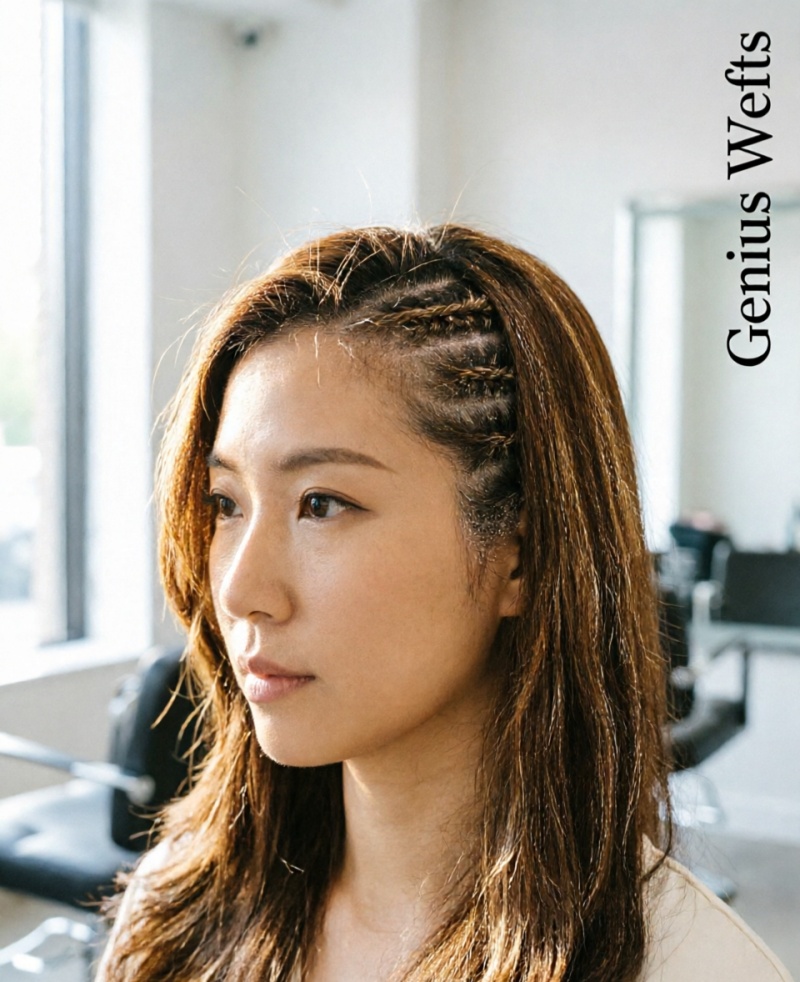
Step 5: Section the Hair

Accurate sectioning ensures symmetry and comfort.

The stylist usually begins at the nape of the neck and works upward.

Each row should remain level and evenly spaced.

Leave enough natural hair above every row to completely conceal the wefts.

Proper sectioning is one of the keys to an invisible installation.


Step 6: Create the Foundation Row

There are several installation techniques, but the Micro Bead Foundation Method is the most popular for Genius Wefts.

The process includes:

  1. Create a clean horizontal section.
  2. Place silicone-lined beads approximately 1 cm apart.
  3. Clamp each bead securely using extension pliers.
  4. Ensure consistent spacing across the row.

The foundation should remain firm without causing excessive scalp tension.


Step 7: Position the Genius Weft

Lay the Genius Weft flat against the bead row.

The weft should:

  • Sit naturally
  • Follow the scalp curve
  • Remain wrinkle-free
  • Avoid twisting

Professional stylists typically leave a small margin from the hairline to maintain flexibility and comfort.


Step 8: Sew the Weft to the Bead Row

Using a curved needle and extension thread:

  • Begin at one end of the row.
  • Pass the needle through the weft and around the bead foundation.
  • Maintain even stitch spacing.
  • Keep consistent thread tension.
  • Secure the thread with multiple knots at the end.

Avoid pulling the thread too tightly, as excessive tension may create discomfort or place unnecessary stress on the client’s natural hair.


Step 9: Cut the Weft (If Necessary)

One of the major advantages of Genius Wefts is their flexibility.

Professional-grade Genius Wefts can generally be cut to fit custom row lengths without significant unraveling.

After trimming:

  • Inspect the cut edge.
  • Check for loose hairs.
  • Ensure the edge remains neat and secure.

Choosing a high-quality OEM manufacturer is essential because stitching quality directly affects cut performance.


Step 10: Repeat Additional Rows

Continue installing additional rows based on the client’s desired volume.

General guidelines:

  • Fine hair: 1 row
  • Medium density: 2 rows
  • Thick hair: 3 rows
  • Maximum volume: 4 rows

Maintain consistent spacing to preserve comfort and natural movement.


Step 11: Blend and Shape

After all rows are installed:

  • Blend the extensions with the natural hair.
  • Trim for a seamless finish if necessary.
  • Preserve overall density.
  • Avoid excessive thinning of the extensions.

Proper blending makes the transition between natural hair and extensions virtually invisible.


Step 12: Style the Hair

Once installation is complete, style the hair according to the client’s preference.

Common finishing styles include:

  • Straight
  • Soft curls
  • Beach waves
  • Hollywood waves
  • Blowout finish

Apply heat protectant before using hot styling tools.


Final Quality Inspection

Before the client leaves, perform a complete inspection.

Check for:

  • Even row placement
  • Secure stitching
  • Comfortable tension
  • Invisible blending
  • Balanced weight
  • Symmetrical appearance
  • Smooth movement
  • Natural finish

Correct any issues immediately to avoid future adjustments.


Common Installation Mistakes to Avoid

Even experienced stylists can encounter installation problems.

The most common mistakes include:

  • Installing rows too close to the scalp
  • Uneven bead spacing
  • Incorrect thread tension
  • Poor sectioning
  • Inadequate color matching
  • Overloading fine hair with too many bundles
  • Leaving insufficient cover hair
  • Using low-quality wefts with weak stitching

Avoiding these errors improves comfort, longevity, and overall appearance.


Aftercare Recommendations

Proper maintenance is essential for extending the lifespan of Genius Wefts.

Advise clients to:

  • Brush twice daily with an extension-safe brush.
  • Hold the roots while brushing to minimize tension.
  • Wash with sulfate-free shampoo.
  • Condition only the mid-lengths and ends.
  • Dry the root area completely after washing.
  • Sleep with the hair loosely braided or tied in a low ponytail.
  • Avoid excessive heat without protection.
  • Return for maintenance every 6–10 weeks.

Good aftercare helps maintain softness, reduce shedding, and preserve the integrity of both the extensions and the natural hair.


Why OEM Buyers Should Understand the Installation Process

For distributors, salon chains, and private label brands, installation knowledge is a valuable business asset. Providing clear installation guides, training materials, and technical support helps salons achieve consistent results, reduces product misuse, and minimizes after-sales complaints.

An OEM manufacturer that supplies not only premium Genius Wefts but also professional installation resources can strengthen customer confidence and increase repeat orders. By helping stylists install the product correctly from the very first appointment, brands can enhance their reputation, improve client retention, and establish themselves as trusted partners in the professional hair extension industry.

Genius Wefts: The Solution for OEM Brands and Professional Hair Extension Distributors

Genius Wefts: The Premium Invisible Weft Solution for OEM Brands and Professional Hair Extension Distributors

Genius Wefts have rapidly become one of the fastest-growing hair extension products in North America, Europe, Australia, and the Middle East. Combining the ultra-thin profile of hand-tied wefts with the durability and flexibility of machine wefts, Genius Wefts are designed for salons, professional stylists, hair extension brands, wholesalers, and private label companies seeking premium-quality products with long service life and outstanding customer satisfaction.

Unlike traditional wefts, Genius Wefts are engineered with an ultra-flat sewing edge that is lightweight, comfortable, and virtually undetectable after installation. More importantly, they can typically be cut without unraveling, making them a preferred solution for professional stylists.

For OEM and ODM buyers, however, appearance is only one part of the purchasing decision. The real value lies in manufacturing quality, consistency, customization capabilities, and supply chain reliability.

Below are the key factors every professional buyer should evaluate before sourcing Genius Wefts.


1. Hair Source – The Foundation of Premium Genius Wefts

Hair quality begins with the raw material.

Professional manufacturers generally source hair from several regions, including:

  • Chinese Virgin Hair
  • Vietnamese Hair
  • Cambodian Hair
  • Indian Temple Hair
  • Burmese Hair
  • Mongolian Hair

Each origin offers different characteristics in texture, diameter, color, and durability.

Premium OEM factories maintain complete traceability of raw hair, ensuring consistent texture, color, and quality across production batches. Ethical sourcing and rigorous sorting are increasingly important for international brands.


2. Double Drawn vs. Single Drawn

One of the first questions buyers ask is whether the wefts are Single-Drawn or Double-Drawn.

Single Drawn

  • Natural taper
  • More affordable
  • Suitable for entry-level collections
  • Lighter overall density

Double Drawn

  • Thick from top to bottom
  • Fuller appearance
  • Better luxury positioning
  • Higher customer satisfaction
  • Longer perceived lifespan

Most premium salon brands choose Double Drawn Genius Wefts because they deliver a fuller, more luxurious look with fewer bundles required.


3. Cuticle Alignment

Cuticle alignment directly affects product performance.

High-quality Genius Wefts should feature:

  • 100% cuticle-aligned hair
  • Uniform hair direction
  • Minimal tangling
  • Reduced matting
  • Better shine retention

When cuticles face the same direction, friction between hair strands is minimized, significantly extending the life of the extensions.


4. Virgin Hair vs. Remy Hair

This is one of the most misunderstood aspects of the industry.

Virgin Hair

  • Never chemically processed
  • Natural color
  • Maximum durability
  • Ideal for premium customization

Remy Hair

  • Cuticles remain aligned
  • May undergo coloring or texture processing
  • Excellent balance between performance and affordability
  • Widely used for commercial production

Most international brands offer both options to address different market segments.


5. Weight Accuracy

Weight consistency is essential for wholesalers and salons.

Common specifications include:

  • 40 g
  • 50 g
  • 60 g
  • 80 g
  • 100 g

Every bundle should be weighed individually with strict production tolerances to ensure accurate inventory management and predictable installation results.


6. Length Accuracy

Accurate length directly influences customer satisfaction.

Typical lengths include:

  • 14″
  • 16″
  • 18″
  • 20″
  • 22″
  • 24″
  • 26″
  • 28″
  • 30″

Professional factories measure finished products according to standardized methods and perform multiple inspections to ensure every bundle meets the labeled specification.


7. Color Consistency

Maintaining identical color across multiple production lots is one of the biggest challenges in hair manufacturing.

Reliable suppliers use standardized color systems and batch controls to ensure consistency for popular shades such as:

  • Jet Black
  • Natural Black
  • Dark Brown
  • Chocolate Brown
  • Piano Colors
  • Balayage
  • Ombre
  • Blonde Series
  • Platinum Blonde
  • Custom Mixed Shades

Consistent coloring reduces salon complaints and simplifies repeat purchasing.


8. Can Genius Wefts Be Cut Anywhere?

One of the defining advantages of Genius Wefts is their flexible installation.

High-quality products are designed with reinforced stitching that allows stylists to trim the weft to the required width without significant unraveling.

Benefits include:

  • Faster installation
  • Less waste
  • Better customization
  • Easier blending
  • Improved comfort

However, not all Genius Wefts are manufactured to the same standard. Inferior stitching may lead to shedding or seam separation after cutting, making manufacturing quality a critical purchasing consideration.


9. Shedding Rate

Hair shedding is one of the most important indicators of manufacturing quality.

Premium Genius Wefts reduce shedding through:

  • Strong reinforced stitching
  • Precision sewing equipment
  • Optimized thread tension
  • Multiple quality inspections
  • Careful hair alignment

While no human hair extension is completely shed-free, high-quality products maintain minimal hair loss throughout their service life.


10. Lifespan

Service life depends on both manufacturing quality and daily maintenance.

With proper care, premium Genius Wefts typically provide:

  • 9–12 months of regular salon use
  • Multiple reinstallations
  • Excellent softness retention
  • Stable color performance

Higher-grade raw hair, intact cuticles, and superior craftsmanship all contribute to a longer usable life.


11. MOQ Flexibility

Different buyers have different sourcing needs.

Experienced OEM factories generally support flexible minimum order quantities for:

  • New brands
  • Online retailers
  • Beauty salons
  • Regional distributors
  • Large wholesalers

This flexibility helps customers test new products before scaling production.


12. OEM Branding

Brand differentiation is essential in today’s competitive market.

Professional manufacturers can customize:

  • Logo printing
  • Product labels
  • Hang tags
  • Color cards
  • Instruction manuals
  • Packaging inserts
  • QR codes
  • Warranty cards

These services enable businesses to build a recognizable premium brand.


13. Private Label Solutions

Private Label services allow customers to launch their own hair extension collections without investing in manufacturing facilities.

Typical customization options include:

  • Exclusive color collections
  • Custom specifications
  • Unique bundle weights
  • Tailored packaging
  • Brand identity integration
  • Marketing materials
  • Barcode labels
  • Retail-ready displays

This approach significantly shortens product development time while maintaining consistent quality.


14. Packaging Customization

Packaging is often the first impression consumers have of a brand.

OEM packaging options may include:

  • Luxury magnetic gift boxes
  • Transparent PVC bags
  • Eco-friendly paper boxes
  • Kraft packaging
  • Hanging retail packs
  • Zip bags
  • Satin storage bags
  • Custom shipping cartons

Premium packaging enhances perceived value and strengthens brand recognition.


15. Delivery Time and Supply Chain Stability

Fast and reliable delivery is critical for maintaining inventory and meeting customer demand.

Professional manufacturers achieve stable lead times through:

  • Large raw hair inventories
  • Standardized production processes
  • Automated quality control
  • Efficient production scheduling
  • Dedicated export teams

A dependable supply chain minimizes delays and helps distributors maintain consistent stock levels during peak sales seasons.


Why Professional Buyers Choose High-Quality Genius Wefts

For salon chains, wholesalers, distributors, and private label brands, purchasing Genius Wefts is not simply about finding the lowest price. It is about selecting a manufacturing partner capable of delivering consistent quality, reliable supply, and scalable customization.

When evaluating suppliers, buyers should consider the complete picture: ethically sourced raw hair, double-drawn density, cuticle alignment, accurate weight and length, stable color matching, low shedding, long service life, flexible MOQ, comprehensive OEM and private label capabilities, premium packaging, and dependable global delivery.

A manufacturer that performs well across all of these areas is far more likely to become a long-term strategic partner, helping brands build customer trust, reduce after-sales issues, and grow sustainably in the increasingly competitive hair extension market.

How Premium Genius Wefts Are Manufactured

The quality of a Genius Weft is determined long before it reaches a salon. Every stage of manufacturing—from raw hair selection to final inspection—affects softness, durability, shedding resistance, and customer satisfaction. Professional OEM factories follow standardized production procedures to ensure every bundle meets international quality expectations.

Step 1: Raw Hair Collection and Sorting

The manufacturing process begins with carefully sourced human hair. Premium factories purchase hair from reliable suppliers and sort it according to:

  • Hair origin
  • Natural color
  • Hair thickness
  • Hair texture
  • Hair length
  • Moisture content
  • Cuticle condition

Only healthy, strong strands are selected for premium Genius Wefts.


Step 2: Cleaning and Sterilization

Raw hair naturally contains dust, oils, and impurities.

The hair is professionally cleaned through multiple washing stages to remove:

  • Dirt
  • Natural oils
  • Bacteria
  • Residue
  • Foreign materials

This process ensures hygienic production while preserving the hair’s natural strength.


Step 3: Cuticle Alignment

One of the most important manufacturing steps is aligning all hair strands in the same direction.

This process helps:

  • Reduce tangling
  • Prevent matting
  • Improve shine
  • Increase durability
  • Extend product lifespan

Factories producing low-cost extensions often skip this step, resulting in mixed-direction hair that tangles easily.


Step 4: Color Processing

For colored collections, the hair undergoes controlled dyeing using professional formulations.

Popular colors include:

  • Natural Black
  • Off Black
  • Dark Brown
  • Medium Brown
  • Blonde Series
  • Platinum Blonde
  • Ombre
  • Balayage
  • Piano Colors

Professional factories use standardized color formulas and batch records to ensure repeatable color consistency.


Step 5: Double Drawn Hair Selection

For Double Drawn Genius Wefts, shorter hairs are removed through repeated sorting.

The result is:

  • Fuller ends
  • Uniform density
  • Luxury appearance
  • Better blending
  • Higher customer satisfaction

Although this process increases production costs, it creates a noticeably thicker and more premium product.


Step 6: Precision Sewing

The selected hair is stitched using specialized sewing equipment.

Key manufacturing controls include:

  • Thread tension
  • Stitch spacing
  • Hair density
  • Edge thickness
  • Reinforcement strength

These factors determine whether the weft remains thin, flexible, durable, and resistant to shedding.


Step 7: Trimming and Shaping

After sewing, each bundle is trimmed to ensure:

  • Accurate width
  • Smooth edges
  • Uniform appearance
  • Consistent thickness

This stage also removes loose hairs before quality inspection.


Step 8: Washing and Conditioning

The finished wefts are washed again and treated with professional conditioning products to improve:

  • Softness
  • Shine
  • Moisture balance
  • Manageability

Premium manufacturers avoid excessive silicone coating that can create a temporary smooth feel but disappear after several washes.


Step 9: Final Inspection

Every bundle undergoes multiple inspections before packaging.

Typical inspections include:

  • Weight verification
  • Length measurement
  • Color comparison
  • Stitch inspection
  • Shedding check
  • Appearance inspection
  • Density evaluation

Only qualified products proceed to packaging.


Step 10: Packaging and Export

Finished Genius Wefts are packed according to customer requirements.

OEM options include:

  • Private label packaging
  • Logo printing
  • QR codes
  • Instruction cards
  • Luxury gift boxes
  • Retail hanging bags
  • Eco-friendly paper packaging
  • Export cartons

Each shipment is labeled for easy inventory management and international transportation.


Quality Inspection Standards for Genius Wefts

Professional buyers know that consistent quality is more important than simply offering the lowest price. Leading manufacturers establish strict quality control systems throughout production to minimize customer complaints and ensure every shipment meets agreed specifications.

Below are the key quality standards to evaluate when sourcing Genius Wefts.

Inspection ItemQuality StandardBuyer Benefit
Hair Origin Verification100% Human HairAuthentic product quality
Cuticle AlignmentSame-direction cuticlesReduced tangling
Weight ToleranceStrict production controlConsistent inventory
Length AccuracyStandardized measurementReliable product labeling
Color MatchingBatch-to-batch consistencyEasier repeat orders
Stitch StrengthReinforced sewingLower shedding rate
Edge ThicknessUltra-thin constructionInvisible installation
Hair DensityUniform from top to bottomFuller appearance
Moisture BalanceProper conditioningSofter texture
Final AppearanceClean, smooth, no loose hairPremium presentation

Additional Factory Testing

Many professional manufacturers also conduct additional tests before shipment.

Tensile Strength Test

The stitching is subjected to repeated pulling to ensure it remains secure during installation and daily wear.


Shedding Test

Bundles are brushed multiple times to evaluate hair retention.

Premium Genius Wefts should experience only minimal shedding under normal brushing.


Color Fastness Test

Dyed hair is tested for resistance to:

  • Shampoo
  • Conditioner
  • Water
  • Daily friction

Stable colors reduce after-sales complaints.


Curl Recovery Test

For body wave or curly textures, repeated washing and drying are used to verify that the curl pattern maintains its shape.


Thickness Consistency Inspection

Bundles are checked to ensure the thickness remains uniform from one end to the other, helping stylists achieve predictable installation results.


Packaging Inspection

Before shipping, inspectors verify:

  • Correct quantity
  • Correct color
  • Correct length
  • Correct labels
  • Packaging integrity
  • Barcode accuracy
  • Customer branding requirements

Why Quality Control Matters

Poor quality control often results in problems such as:

  • Excessive shedding
  • Tangling
  • Uneven color
  • Incorrect weight
  • Length discrepancies
  • Weak stitching
  • Customer returns
  • Negative online reviews

A manufacturer with a comprehensive quality management system significantly reduces these risks, protecting both distributors and salon brands.

For OEM and private label customers, consistent quality is essential not only for customer satisfaction but also for building long-term brand reputation. Choosing a supplier with transparent manufacturing processes and rigorous inspection standards is one of the most effective ways to ensure reliable product performance and sustainable business growth.


Genius Wefts vs. Hand-Tied Wefts vs. Machine Wefts vs. Flat Wefts

Choosing the right type of weft is one of the most important decisions for salon owners, distributors, and private label brands. Each weft construction offers different advantages in terms of appearance, durability, installation, and cost.

The comparison below highlights the key differences.

FeatureGenius WeftsHand-Tied WeftsMachine WeftsFlat Wefts
Edge ThicknessUltra ThinUltra ThinThickThin
Can Be CutYesNoYesUsually Yes
Risk of UnravelingVery LowHigh if CutLowLow
ComfortExcellentExcellentModerateExcellent
Shedding ResistanceExcellentGoodGoodExcellent
Installation SpeedFastModerateFastFast
Suitable for Fine HairExcellentExcellentFairExcellent
DensityMedium to HighLight to MediumHighMedium
DurabilityExcellentGoodExcellentExcellent
ReusabilityMultiple InstallationsMultiple InstallationsMultiple InstallationsMultiple Installations
CostMid to PremiumPremiumEconomyMid to Premium

Which Weft Is Best?

  • Genius Wefts are the most versatile choice, combining an ultra-thin profile with cuttable construction, low shedding, and long-term durability. They are ideal for premium salons and OEM brands seeking flexibility and performance.
  • Hand-Tied Wefts provide a lightweight, natural finish but cannot be cut without unraveling, making installation more restrictive.
  • Machine Wefts are durable and cost-effective, but their thicker seams can be less comfortable and more visible on clients with fine hair.
  • Flat Wefts offer a balance between comfort and durability, making them a popular option for salons that want a low-profile installation with efficient application.

For most distributors and private label brands targeting the premium market, Genius Wefts have become the preferred solution because they deliver the best combination of aesthetics, versatility, comfort, and manufacturing reliability.

How Much Do Weft Extensions Cost?

When you’re shopping for weft hair extensions—whether for salon clients, personal transformation, or wholesale supply—it’s easy to get lost in a sea of prices. A bundle of weft extensions can cost anywhere from $80 to over $300, depending on a wild mix of variables. But what exactly are you paying for? Is it the type of weft, the origin of the hair, the processing method, or perhaps the length and color? Spoiler: it’s all of the above.

This article dives deep into the current cost structures of weft extensions, backed by real market data, nuanced product knowledge, and a touch of honest industry commentary. And if you’re looking for a trusted brand that delivers premium quality without the premium fuss, stick around to learn about Qingdao ALOVE HAIR PRODUCTS Co., Ltd.—a veteran in luxury hair since the 1980s.


Weft Extensions 101: A Quick Recap

Let’s level set. A weft extension is essentially a curtain of hair sewn or bonded at the top. It’s commonly used for sew-in or beaded-row methods and comes in several types, including:

  • Hand-tied wefts (delicate, flexible, less bulky)
  • Machine wefts (thicker, more durable)
  • Flat wefts (thin, but less likely to shed)
  • Genius wefts (ultra-thin, machine-made innovation)
  • Clip-in wefts (DIY-friendly, temporary wear)

The construction method not only affects the application style but also plays a pivotal role in pricing.


Average Cost of Different Types of Weft Hair Extensions (per 100g)

Type of Weft ExtensionAverage Cost per 100g (USD)
Hand-tied Weft$150
Machine Weft$100
Flat Weft$120
Genius Weft$170
Clip-in Weft$90

As the table suggests, Genius and hand-tied wefts often top the pricing charts due to their intricate construction and seamless blend quality. Flat and machine wefts are more affordable but can be slightly bulkier.


The Hair Origin Dilemma: Where It’s From Matters More Than You Think

Hair origin is like the terroir of wine—it changes everything. The texture, strength, natural wave, and even how it lifts when bleached depend on where the hair comes from. And so does the price.

Cost Comparison by Hair Origin

Hair OriginAverage Cost per 100g (USD)
Indian$80
Brazilian$110
Peruvian$100
European$180
Vietnamese$130

European hair tops the list with its fine texture and high demand, especially in Western markets. Vietnamese and Brazilian hair offer a healthy middle ground in terms of durability, texture, and pricing. Indian hair is the most affordable and widely available, but it varies wildly in quality unless sourced with care.


Length and Its Linear Price Climb

As expected, longer hair costs more. What may surprise you is how sharply the price rises once you go beyond 20 inches. That’s because sourcing long, healthy strands is significantly harder—and rarer.

Price Variation by Length (100g Bundles)

Hair Length (inches)Average Price (USD)
14$85
16$95
18$105
20$120
22$135

Anything over 22 inches can command prices well above $150 for a single 100g bundle. And if the hair is double drawn—meaning shorter strands are removed for uniform thickness—the cost will climb even higher, sometimes by 30–50%.


Other Factors That Influence Cost

Beyond the type, origin, and length, several nuanced factors play into the final sticker price:

1. Processing Method

Virgin hair that retains its cuticle and hasn’t undergone chemical treatment is more expensive. Bleached or colored hair with intact cuticles (processed using non-acid methods like those used by Qingdao ALOVE HAIR PRODUCTS) costs even more due to the labor-intensive and skill-heavy process.

2. Color and Customization

Natural black or dark brown hair is the most economical. Light blondes and icy silvers, on the other hand, can drive the price up by 50% or more due to the multi-step bleaching process required to achieve those tones without compromising hair health.

3. Quantity and Sourcing Channel

Buying retail will naturally be more expensive. Wholesale pricing (especially directly from the manufacturer) significantly reduces the cost per bundle. For instance, salon owners working directly with Qingdao ALOVE often enjoy up to 30% cost savings.


A Case for Quality: Why Cheap Wefts May Cost You More

A $60 bundle may seem like a bargain until it tangles, sheds, or loses its texture after three washes. Poor-quality wefts are often acid-washed to strip the cuticle, then coated in silicone to appear shiny—which quickly wears off.

That’s where ALOVE HAIR stands apart.


Introducing Qingdao ALOVE HAIR PRODUCTS Co., Ltd.

Luxury Hair Since the 1980s
At Qingdao ALOVE, we’ve seen it all—from raw ponytails in dusty markets to today’s sleek, colored hand-tied wefts landing in the top salons of London, LA, and Sydney. With over four decades of sourcing, manufacturing, and innovating, we’ve perfected the art of producing 100% cuticle-intact human hair extensions that stylists trust and customers love.

Here’s what makes our wefts worth every dollar:

  • True Cuticle Hair – No acid baths. No shortcuts. Just silky, tangle-free longevity.
  • Expert Bleaching – Over 20 skilled workers dedicated solely to color processing without ash treatment.
  • Custom Solutions – Flat wefts, hand-tied, tape-ins, I-tips, and specialty colored options made to order.
  • Extension Tools & Accessories – Everything you need, all in one place.

Whether you’re a stylist, salon owner, or beauty entrepreneur, ALOVE supports your business with dependable quality, honest pricing, and end-to-end assistance.


The Cost-Value Equation: What Should You Expect to Pay?

Let’s do some quick math for a standard full-head install:

  • Length: 20-inch
  • Weight Needed: ~200g (2 bundles)
  • Type: Hand-tied
  • Origin: Vietnamese
  • Color: #60 Platinum Blonde

Using average market pricing:

  • Base cost per 100g = $150
  • Bleaching surcharge = $30
  • Total per bundle = $180
  • 2 bundles = $360 retail (or around $260 wholesale with ALOVE)

Now factor in longevity (up to a year with proper care), repeat customer loyalty, and referral power—and suddenly, this becomes an investment, not an expense.


Final Thoughts: Paying for More Than Just Hair

When buying weft extensions, you’re not just buying hair. You’re buying the story of sourcing, the precision of processing, the ethics of manufacturing, and the aftercare promise.

Some brands make a margin on mystery. ALOVE HAIR builds trust with transparency. We’ve been around since before most “influencer brands” even existed. We’ve weathered trends, fake remy fads, and the silicone-coated chaos—emerging with what matters most: real, human hair… and real human connections.


Ready to Partner With a Proven Supplier?

If you’re tired of inconsistent quality, overhyped marketing, and silent suppliers after the sale, it’s time to meet ALOVE.

Contact Qingdao ALOVE HAIR PRODUCTS Co., Ltd.
Your reliable, long-term partner in premium human hair extensions.

genius-wefts-vs-hand-tied-wefts

Genius Wefts vs Hand-Tied Wefts – Which Hair Extension Lasts Longer?

Genius Wefts and Hand-Tied Wefts are two of the most popular hair extensions on the market today. Both are highly favored for their natural appearance and versatility, but understanding their differences can be difficult. As hair extensions evolve, these two options have gained significant attention due to their ability to provide a fuller, longer-lasting look. However, each comes with unique features that can influence your decision.

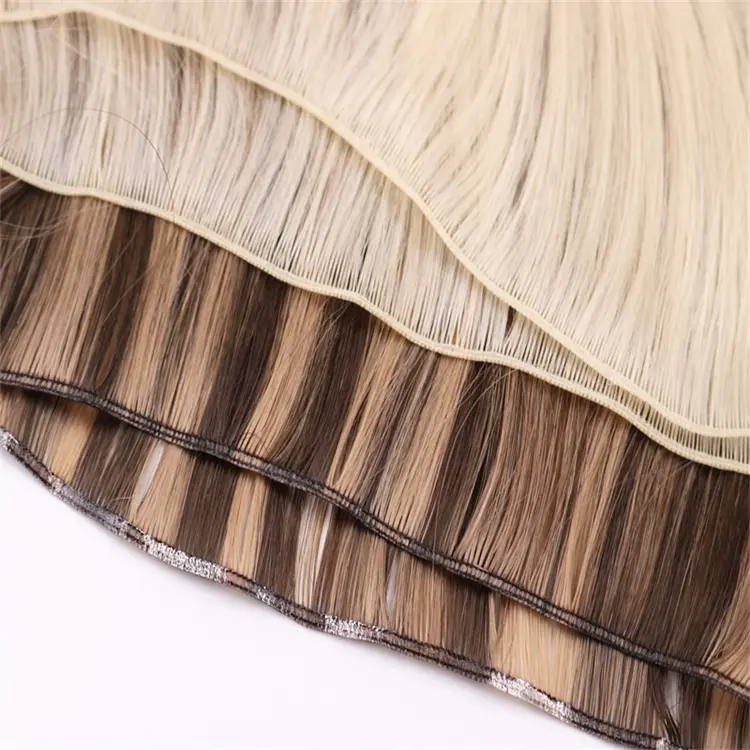
Genius Wefts are known for their ultra-thin design, which ensures a discreet and seamless look when installed. They stand out for their flexibility, as they can be cut to fit the desired width without compromising the integrity of the extension. This makes them a popular choice for those looking for customizability and comfort.

On the other hand, Hand-Tied Wefts are celebrated for their handmade craftsmanship and lightweight feel. The hand-tying process secures each weft tightly, resulting in a durable and sturdy extension. These wefts are often praised for offering a natural blend with your hair, making them an ideal choice for those who prioritize a realistic, organic look.

This article will compare Genius Wefts and Hand-Tied Wefts based on their durability, comfort, price, and suitability for different hair types. By the end, you’ll have the information needed to make the best choice for your hair extension needs, whether you’re seeking long-lasting wear or a lightweight, natural style.

Understanding Genius Wefts & Hand-Tied Wefts

What Are Genius Wefts?

Genius Wefts are a relatively new innovation in the world of hair extensions, designed to offer a seamless, natural look with exceptional comfort. One of the standout features of Genius Wefts is their ultra-thin design, which makes them incredibly discreet once installed. Unlike traditional wefts, the hair is sewn into a fine, lightweight track that sits closer to the scalp, minimizing the bulkiness often associated with other extension types. This provides a more natural feel and appearance, making it almost impossible to detect the extensions even when you run your fingers through your hair.

Another key feature of Genius Wefts is the No Return Hair technology. Unlike standard wefts, where the hair is folded back at the weft’s end, Genius Wefts eliminate this return section, preventing visible short strands that can often make the extensions look unnatural. This ensures that the hair flows smoothly and seamlessly, making it ideal for individuals who want a flawless, undetectable result.

Additionally, Genius Wefts are highly customizable. They can be cut to the desired width, allowing for a tailored fit without compromising their durability or quality. This level of flexibility is perfect for those who want to adjust their extensions based on the volume or length needed. Whether you have thick or fine hair, Genius Wefts can be tailored to suit your specific requirements.

Who Should Choose Genius Wefts?

Genius Wefts are perfect for individuals who are looking for a flawless, no-show hair extension solution. If you prioritize comfort, a natural appearance, and the ability to customize the width of your extensions, these wefts are an excellent choice. They are particularly beneficial for those who have finer hair, as the thin, flexible design blends effortlessly with natural strands, providing a fuller look without the weight.
genius-wefts

What Are Hand-Tied Wefts?

Hand-Tied Wefts are a classic and popular choice among hair extension enthusiasts. As the name suggests, these wefts are crafted by hand, with individual strands of hair carefully sewn onto a fine, thread-like base. This process results in a lightweight, flexible extension that provides a natural, flowy look. The hand-tying technique ensures that each strand is securely fastened, creating a more durable and sturdy product.

The key feature of Hand-Tied Wefts is their lightweight construction, which gives them a soft, airy feel. This makes them ideal for individuals who desire extreme lightness and a natural blend with their own hair. They are often favored by those with finer hair, as the thin construction ensures that the extensions do not weigh down or cause discomfort.

However, unlike Genius Wefts, Hand-Tied Wefts cannot be easily cut to fit. They come in specific widths, meaning that they must be installed as-is. This can make them a bit less flexible for those looking for a highly customized fit.

Who Should Choose Hand-Tied Wefts?

Hand-Tied Wefts are a great option for those who prioritize a natural, lightweight feel and are looking for extensions that seamlessly blend with their hair. These are particularly suitable for individuals who have fine or medium hair and don’t mind the inability to customize the width. They are best for those who want an ultra-light, almost weightless extension, providing a voluminous look without the heavy feel of thicker options.
hand-tied-hair-extensions

Durability Factors: Which One Lasts Longer?

When considering hair extensions, durability is a critical factor, as you want to invest in a product that will last. Both Genius Wefts and Hand-Tied Wefts are designed to be long-lasting, but their lifespans can vary based on how well they are cared for and their specific characteristics.

Lifespan of Genius Wefts

Genius Wefts have an impressive lifespan of 6 to 12 months, depending on factors such as usage, maintenance, and installation quality. One of the primary reasons for their longevity is their ability to be cut to the desired width. This makes them more adaptable to different hair lengths and types, which helps extend their overall durability. Unlike traditional wefts, Genius Wefts do not have the risk of unraveling or losing their integrity when trimmed, provided they are cut correctly.

The ultra-thin design and No Return Hair technology also contribute to their durability. Because the hair strands are sewn into a finer, more flexible track, they are less likely to experience tangling, breakage, or shedding. As long as Genius Wefts are installed properly and maintained with care, they can last for up to a year.

Advantages of Genius Wefts:

Customizable fit: You can cut them to the desired size, making them more versatile for different hair types and installation methods.

Durability: The thin, flexible design prevents excessive shedding and tangling, helping them maintain their appearance over time.

Longer lifespan: With proper care, they can last between 6 and 12 months.

Disadvantages of Genius Wefts:

Poor installation or care: If you use low-quality adhesives or do not maintain the wefts properly, you risk hair breakage or extension failure.

Potential for damage: Improper cutting or rough handling could reduce the lifespan of the extensions.

Lifespan of Hand-Tied Wefts

Hand-Tied Wefts generally last 6 to 9 months, which is slightly shorter than Genius Wefts. However, their handmade craftsmanship ensures that each weft is tightly secured, making them less prone to shedding or unraveling compared to machine-made wefts. The hand-tying technique creates a solid base, making Hand-Tied Wefts sturdy and reliable, even with regular wear.

Because these wefts are lightweight, they tend to be gentler on natural hair and are less likely to cause stress or breakage at the roots, helping to preserve the integrity of your natural hair. However, unlike Genius Wefts, Hand-Tied Wefts cannot be easily cut to adjust the width. This lack of customization means that if the weft gets damaged, it cannot be fixed or altered, and the entire extension might need to be replaced.

Advantages of Hand-Tied Wefts:

Sturdy construction: The hand-tying process ensures that each strand of hair is securely attached, reducing shedding.

Natural look: The lightweight design blends seamlessly with natural hair, providing a realistic and comfortable feel.

Long-lasting with proper care: Proper installation and maintenance can extend their life to 9 months.

Disadvantages of Hand-Tied Wefts:

Limited customization: You cannot cut them to fit different widths, which can be limiting for some users.

Potential for total replacement: If the weft becomes damaged, the entire extension may need to be replaced, unlike Genius Wefts, which can be trimmed and adjusted.

Which One Lasts Longer?

While both Genius Wefts and Hand-Tied Wefts are designed for longevity, Genius Wefts have a slight edge in terms of durability, with the potential to last up to 12 months with proper care. Their customizable nature and the lack of the “return hair” section make them more flexible and better suited for long-term use. On the other hand, Hand-Tied Wefts, although still durable, typically last between 6 to 9 months due to their inability to be resized, but they offer a sturdy, natural-looking extension when properly maintained.

Ultimately, the lifespan of both extensions depends on how well they are cared for. Regular maintenance, proper installation, and gentle handling can extend the life of either type, but if you’re looking for more flexibility and a longer-lasting option, Genius Wefts may be the better choice.

Key Factors Affecting Hair Extension Longevity

Proper maintenance and care, the installation method, and daily wear and styling all play significant roles in determining how long your extensions will last. Whether you choose Genius Wefts or Hand-Tied Wefts, following a proper routine can help ensure that your extensions stay looking fresh and natural for as long as possible.

Maintenance & Care

One of the most important factors that directly impact the durability of hair extensions is how well they are maintained. Both Genius Wefts and Hand-Tied Wefts require specific care routines to avoid premature wear and tear.

Shampooing and Conditioning:

Using a sulfate-free shampoo is essential for keeping your extensions in good condition. Sulfates can strip hair of its natural oils, causing dryness, tangling, and breakage. To preserve the integrity of your extensions, opt for gentle, moisturizing shampoos and conditioners designed for human hair extensions. Regularly hydrating the hair helps prevent it from becoming brittle or dry.

Avoid Heat Styling Tools:

Excessive use of high-heat styling tools, such as flat irons, curling wands, and blow dryers, can cause serious damage to both Genius Wefts and Hand-Tied Wefts. High heat can dry out the hair and lead to split ends, frizz, or even breakage. While it’s tempting to style your extensions frequently, try to limit the use of heat and always apply a heat protectant spray to minimize damage.

Deep Conditioning:

Regular deep conditioning treatments can go a long way in extending the lifespan of your extensions. Over time, hair extensions can become dry and lack luster if not nourished properly. A deep conditioning treatment every 1-2 weeks will help replenish moisture and maintain the softness and shine of your extensions. This is particularly important for Genius Wefts, as the finer strands can become more susceptible to damage without proper care.

Installation Method

The way your hair extensions are installed can greatly impact their longevity. Both Genius Wefts and Hand-Tied Wefts have different installation methods that influence their performance over time.

Genius Wefts:

Genius Wefts are highly versatile and can be installed in a variety of ways, including sewing or tape-in methods. Their ability to be cut to fit allows for a customizable installation process, which makes them adaptable to different head shapes and hair types. However, while the installation process is flexible, it should still be done by a professional. Poor installation can lead to the extensions becoming loose or uncomfortable. For longer-lasting results, it’s essential to have a professional who is skilled in handling Genius Wefts and knows how to secure them properly.

Hand-Tied Wefts:

Hand-Tied Wefts are typically installed using the weaving technique, where the extensions are sewn into the natural hair. This method creates a secure, lightweight attachment that offers a natural, seamless blend. The main downside is that Hand-Tied Wefts cannot be cut to adjust their width, so they need to be installed exactly as they are. Additionally, because they are lighter, they may not be as durable in the long run if not installed properly. A professional installer is recommended to ensure that Hand-Tied Wefts are attached securely without causing tension on the natural hair.

Daily Wear & Styling

How you care for and style your extensions on a daily basis also plays a crucial role in determining how long they last. Certain habits can significantly impact the condition of your extensions, while others can help preserve them.

Frequent Tugging or Tight Hairstyles:

Tight ponytails or frequent tugging can weaken the bonds of your extensions and cause them to loosen or break over time. Wearing your hair in tight hairstyles, such as high ponytails or braids, can put excessive stress on both Genius Wefts and Hand-Tied Wefts, potentially leading to tangling or shedding. To reduce this risk, avoid tight hairstyles and be gentle when brushing or styling your hair.

Protective Measures at Night:

When it comes to sleep, it’s important to take extra care to prevent unnecessary friction or damage to your extensions. Sleeping with loose hair can lead to tangling and breakage, especially if the hair rubs against the pillowcase. To extend the lifespan of your Genius Wefts or Hand-Tied Wefts, it’s recommended to braid your hair loosely before going to bed. This will help reduce friction and prevent the hair from becoming tangled while you sleep.

Brushing and Detangling:

Brushing your extensions regularly is essential to keep them looking smooth and prevent knots. Use a wide-tooth comb or a brush specifically designed for extensions to gently detangle your hair. Start from the tips and work your way up to the roots to avoid pulling on the wefts. This is especially important for Hand-Tied Wefts, which are more delicate due to their lightweight construction. Over time, excessive pulling or harsh brushing can weaken the extensions and cause them to lose their natural look.

To ensure the longest possible lifespan for Genius Wefts or Hand-Tied Wefts, proper care is essential. Regular deep conditioning, avoiding excessive heat styling, and using sulfate-free shampoos will help maintain the quality of the extensions. Choosing the right installation method and taking precautions with daily wear—like avoiding tight hairstyles and protecting your extensions while sleeping—will also go a long way in preserving the longevity of your extensions. By following these guidelines, you can maximize the lifespan of your hair extensions and enjoy beautiful, natural-looking hair for months to come.

Additional Comparisons

Price Comparison

TypePrice RangeInstallation Cost
Genius Wefts$$$ (Higher)Requires professional installation $$
Hand-Tied Wefts$$$$ (Higher)Handmade installation costs more $$$

Hand-Tied Wefts are more expensive due to their handmade nature and higher production costs. While Genius Wefts are priced slightly lower, they are still considered a premium product.

Comfort & Natural Look

TypeComfortInvisibilityBest for Hair Types
Genius Wefts⭐⭐⭐⭐⭐⭐⭐⭐⭐Suitable for most hair types
Hand-Tied Wefts⭐⭐⭐⭐⭐⭐⭐⭐⭐⭐Best for fine hair

Hand-Tied Wefts are lighter and more natural-looking, especially for fine hair, but require more maintenance. While Genius Wefts are also comfortable, they are slightly thicker than Hand-Tied Wefts.

Who Should Choose What?

If you want…Recommended Extension
Long wear & customizabilityGenius Wefts ✅
Ultra-light & most natural lookHand-Tied Wefts ✅
Lower budget & easy maintenanceGenius Wefts ✅
Don’t mind a higher price & prioritize lightnessHand-Tied Wefts ✅

Final Verdict: Which One Lasts Longer?

When comparing Genius Wefts and Hand-Tied Wefts in terms of durability, Genius Wefts have a slight advantage. Their ability to be cut to fit and the flexible, no-return hair design help ensure that they maintain their integrity over time. Genius Wefts are also less prone to unraveling or shedding, making them a great option for long-term wear, as long as they are properly maintained. With proper care, they can last anywhere from 6 to 12 months, offering excellent value for those looking for a customizable, durable solution.

On the other hand, Hand-Tied Wefts are perfect for individuals who prioritize the lightest feel and the most natural appearance. These extensions provide a more seamless and lightweight look, ideal for those with fine hair or those looking for a barely-there feel. While Hand-Tied Wefts generally last 6 to 9 months, they are more vulnerable to damage if not handled carefully, especially due to their inability to be cut or adjusted. If the weft gets damaged, the entire extension may need to be replaced, which could shorten its overall lifespan.

However, regardless of which option you choose, proper care and installation are crucial in extending the lifespan of your extensions. Both Genius Wefts and Hand-Tied Wefts can last for months if you use the right maintenance techniques, including using sulfate-free shampoos, avoiding excessive heat styling, and scheduling regular deep conditioning treatments. Choosing a professional for installation will also help ensure your extensions stay secure and durable for the longest time possible. Ultimately, both types offer long-lasting results when well-maintained, so your choice should depend on personal preferences for comfort, natural look, and budget.

Manufacturer Recommendation

ALOVE HAIR is a professional hair extensions manufacturer in China, offering an exceptional experience for clients seeking Genius Wefts and Hand-Tied Wefts. As a trusted factory, ALOVE HAIR delivers high-quality hair extensions designed for durability, comfort, and a natural look. Whether you’re interested in the customizable Genius Wefts or the lightweight, seamless Hand-Tied Wefts, ALOVE HAIR ensures top-notch products that meet your needs. Their commitment to quality and customer satisfaction makes them a reliable choice for those looking to purchase premium hair extensions.

Genius Wefts VS K-Tips Hair Extensions

In today’s professional hair extension market, two of the most in-demand methods are Genius Wefts and K-Tips (Keratin Tip) Hair Extensions. Both are premium solutions designed to deliver natural-looking, long-lasting results, but they differ significantly in application, comfort, maintenance, cost, and overall performance.

If you’re a salon owner, stylist, distributor, or end-user, understanding the differences between these two methods is essential. This guide provides a detailed, side-by-side comparison to help you confidently choose the best option.


What Are Genius Wefts?

Genius Wefts are an advanced type of weft hair extension that combines the thinness of hand-tied wefts with the durability of machine wefts.

Key Features

  • Ultra-thin, flexible seam
  • Can be cut anywhere without shedding
  • Lightweight and flat against the scalp
  • Installed using sew-in or bead methods

👉 Often considered a next-generation weft technology.


What Are K-Tips Hair Extensions?

K-Tips (Keratin Tips) are individual strand extensions bonded to natural hair using heat-activated keratin glue.

Key Features

  • Strand-by-strand installation
  • Heat fusion application
  • Small, discreet bonds
  • Long-lasting hold

👉 Known as a high-end, semi-permanent solution.


Core Differences Between Genius Wefts and K-Tips

1. Installation Method

Genius Wefts:

  • Installed using beads or sewing
  • No heat required
  • Faster application (1–2 hours)

K-Tips:

  • Installed strand by strand
  • Requires heat tool
  • Time-consuming (2–4 hours)

👉 Winner: Genius Wefts (faster & safer installation)


2. Hair Structure & Coverage

Genius Wefts:

  • Continuous weft strip
  • Covers larger areas quickly
  • Ideal for adding volume

K-Tips:

  • Individual strands
  • Precise placement
  • Ideal for detailed blending

👉 Winner: Depends on need

  • Volume → Genius Wefts
  • Precision → K-Tips

3. Natural Appearance

Genius Wefts:

  • Very flat and discreet
  • Slightly detectable in very fine hair

K-Tips:

  • Virtually invisible bonds
  • Blends seamlessly with natural hair

👉 Winner: K-Tips (most natural finish)


4. Comfort and Weight

Genius Wefts:

  • Lightweight
  • Even weight distribution
  • Comfortable for daily wear

K-Tips:

  • Very lightweight per strand
  • No tension points

👉 Winner: Tie (both comfortable)


5. Styling Flexibility

Genius Wefts:

  • Limited in high ponytails (tracks may show)
  • Suitable for most styles

K-Tips:

  • Full 360° styling freedom
  • Ideal for updos and high ponytails

👉 Winner: K-Tips


6. Durability and Lifespan

Genius Wefts:

  • 6–8 weeks before maintenance
  • Hair reusable multiple times

K-Tips:

  • 3–5 months lifespan
  • Not reusable

👉 Winner:

  • Long-term wear → K-Tips
  • Reusability → Genius Wefts

7. Maintenance Requirements

Genius Wefts:

  • Requires repositioning
  • Easier salon maintenance

K-Tips:

  • Requires careful brushing and product use
  • Professional removal needed

👉 Winner: Genius Wefts (easier maintenance)


8. Cost Comparison

Genius Wefts:

  • Medium to high cost
  • Reusable → better long-term value

K-Tips:

  • High cost
  • Single-use → higher long-term expense

👉 Winner: Genius Wefts (better ROI)


Comparison Table

FeatureGenius WeftsK-Tips
InstallationFast, no heatSlow, heat required
Natural LookVery naturalUltra-natural
FlexibilityMediumHigh
ReusabilityYesNo
Lifespan6–8 weeks3–5 months
MaintenanceEasyModerate
CostMediumHigh
ComfortHighHigh

Pros and Cons Summary

Genius Wefts Pros

  • Fast installation
  • No heat damage
  • Reusable hair
  • Cost-effective long term
  • Easy customization

Genius Wefts Cons

  • Slightly less invisible than K-Tips
  • Limited styling for high updos

K-Tips Pros

  • Most natural appearance
  • Full styling freedom
  • Long-lasting results
  • No visible tracks

K-Tips Cons

  • Expensive
  • Time-consuming installation
  • Not reusable
  • Heat application required

Best Application Scenarios

Choose Genius Wefts If:

  • You want faster installation
  • You prefer reusable extensions
  • You need volume enhancement
  • You run a busy salon environment

Choose K-Tips If:

  • You want the most invisible result
  • You need maximum styling flexibility
  • You prefer long-term wear without adjustments
  • You offer premium salon services

Professional Stylist Insight

Many stylists describe the difference like this:

  • Genius Wefts → “Efficient, flexible, and cost-effective”
  • K-Tips → “Luxury precision with flawless blending”

Market Trends in 2026

  • Growing demand for lightweight, natural-looking extensions
  • Genius Wefts gaining popularity due to efficiency and versatility
  • K-Tips remain dominant in high-end salons and bridal styling

Final Decision Guide

If your priority is:

  • Speed + cost efficiency → Genius Wefts
  • Perfection + invisibility → K-Tips

Conclusion

The comparison between Genius Wefts vs K-Tips Hair Extensions ultimately comes down to application style, budget, and desired results.

  • Genius Wefts offer versatility, reusability, and efficiency
  • K-Tips deliver unmatched natural appearance and styling freedom

For salons, offering both options allows you to serve a wider range of clients and maximize business potential.

👉 Because in the world of hair extensions, the best choice isn’t universal—it’s the one that fits your client’s lifestyle, budget, and beauty goals perfectly.