Are Genius Weft Extensions Good for Thin Hair?
If you have thin or fine hair, you know the struggle: your hair lacks volume, feels flat, and often looks sparse—especially at the crown or along the part. You’ve probably scrolled through countless Instagram posts of women with lush, cascading locks and wondered, “Can I ever achieve that look without damaging my fragile strands?” Enter Genius Weft extensions, a modern solution that’s been making waves in the hair extension world since their debut. But are they actually good for thin hair?
The short answer is: Yes—but only if applied correctly and paired with the right care routine. In this comprehensive guide, we’ll break down everything you need to know about Genius Wefts for thin hair in 2026. We’ll compare them to other popular methods like hand-tied and tape-in extensions, analyze real-world pros and cons, include expert insights, and provide practical tips so you can make an informed decision—without wasting money or risking damage to your natural hair.
What Exactly Are Genius Weft Extensions?
Before diving into whether they’re suitable for thin hair, let’s clarify what Genius Wefts actually are.
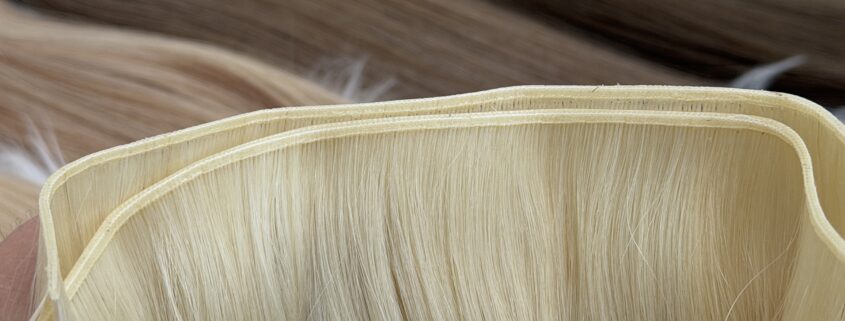
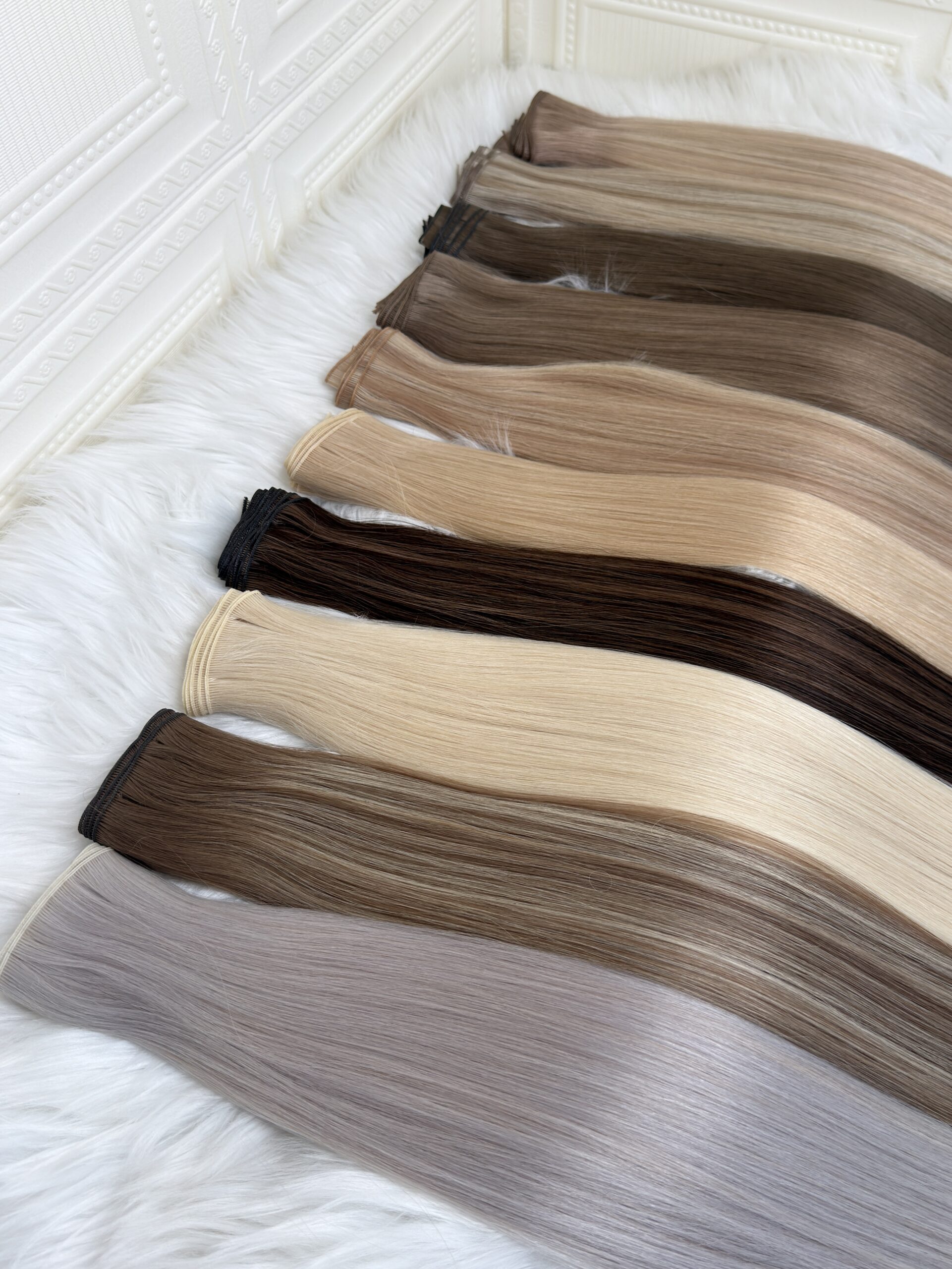
Genius Wefts (sometimes called “seamless wefts” or “flat wefts”) are a type of machine-sewn human hair extension designed to be ultra-thin and flexible. Unlike traditional machine wefts—which are thick, bulky, and stiff—Genius Wefts use a specialized sewing technique that minimizes the seam at the top, creating a flat, ribbon-like base that lies flush against the scalp.
Key features:
- Made from 100% Remy human hair (cuticle-aligned for smoothness)
- Double-drawn for consistent thickness from root to tip
- Seam thickness: typically 0.8–1.2 mm (vs. 2–3 mm for standard machine wefts)
- Available in various widths (e.g., 6″, 8″, 10″) and weights (15g–50g per piece)
Because of their slim profile, Genius Wefts are often marketed as the “best of both worlds”: the affordability and durability of machine wefts with the discretion of hand-tied extensions.
Products you might be interested in: Premium Luxury Genius Wefts: Seamless, Flat, and Invisible
Why Thin Hair Needs Special Consideration
Thin or fine hair isn’t just about having fewer strands—it’s about fragility. Each strand has a smaller diameter, making it more prone to breakage under tension. Traditional extension methods that rely on heavy wefts, tight bonds, or excessive glue can cause:
- Traction alopecia (hair loss from constant pulling)
- Breakage at the attachment point
- Visible bulk that makes hair look unnatural
Therefore, the ideal extension for thin hair must be:
- Lightweight
- Low-profile (minimal bulk at the root)
- Gentle on natural hair
- Blends seamlessly without weighing hair down
This is where Genius Wefts enter the conversation.
Products you might be interested in: Premium Ultra-Thin Genius Weft Extensions
Genius Weft vs. Other Extension Types: A Detailed Comparison
To truly assess if Genius Wefts are right for you, let’s compare them head-to-head with the three most common alternatives for thin hair: hand-tied wefts, tape-ins, and clip-ins.
Weight & Thickness Comparison (Per 10-Inch Piece)
| Extension Type | Avg. Weight | Seam Thickness | Bulk at Root | Best For Thin Hair? |
|---|---|---|---|---|
| Genius Weft | 25–35g | 0.8–1.2 mm | Low | ✅ Yes |
| Hand-Tied Weft | 20–30g | ~0.5 mm | Very Low | ✅✅ Excellent |
| Tape-In | 15–25g | ~0.3 mm (bond) | Minimal | ✅ Yes (short-term) |
| Standard Machine Weft | 40–60g | 2.0–3.0 mm | High | ❌ No |
| Clip-In | 30–50g | Varies | Moderate* | ⚠️ Situational |
*Clip-ins can work for thin hair if used sparingly and not worn daily, but the clips can pull on fine strands over time.
As you can see, Genius Wefts sit comfortably between hand-tied and standard machine wefts in terms of weight and thickness. They’re not the absolute lightest, but they’re significantly slimmer than traditional wefts—and far more affordable than hand-tied.
Pros of Genius Wefts for Thin Hair (2026 Update)
Based on expert reviews, stylist feedback, and user experiences in 2026, here’s why many with thin hair are choosing Genius Wefts:
1. Discreet Application
The ultra-thin seam allows the weft to lie flat against the scalp, making it nearly invisible even when hair is pulled back. This is a major upgrade over bulky machine wefts that create a “ledge” effect.
2. Durable & Long-Lasting
Unlike tape-ins (which last 6–8 weeks), Genius Wefts can stay installed for 3–4 months with proper care. They’re sewn in using a braid-and-sew method, which distributes weight evenly and reduces strain on individual strands.
3. Cost-Effective
Hand-tied wefts can cost $800–$1,500+ for a full install. Genius Wefts typically run $400–$700, offering similar aesthetics at half the price.
4. Styling Flexibility
You can curl, straighten, and color Genius Wefts (within reason). Their Remy hair quality means they behave like natural hair—no frizz or tangling if maintained well.
5. Scalp-Friendly Installation
When installed by a skilled technician using a micro-bead or braidless sew-in technique, Genius Wefts minimize direct tension on your roots—critical for preserving thin hair health.
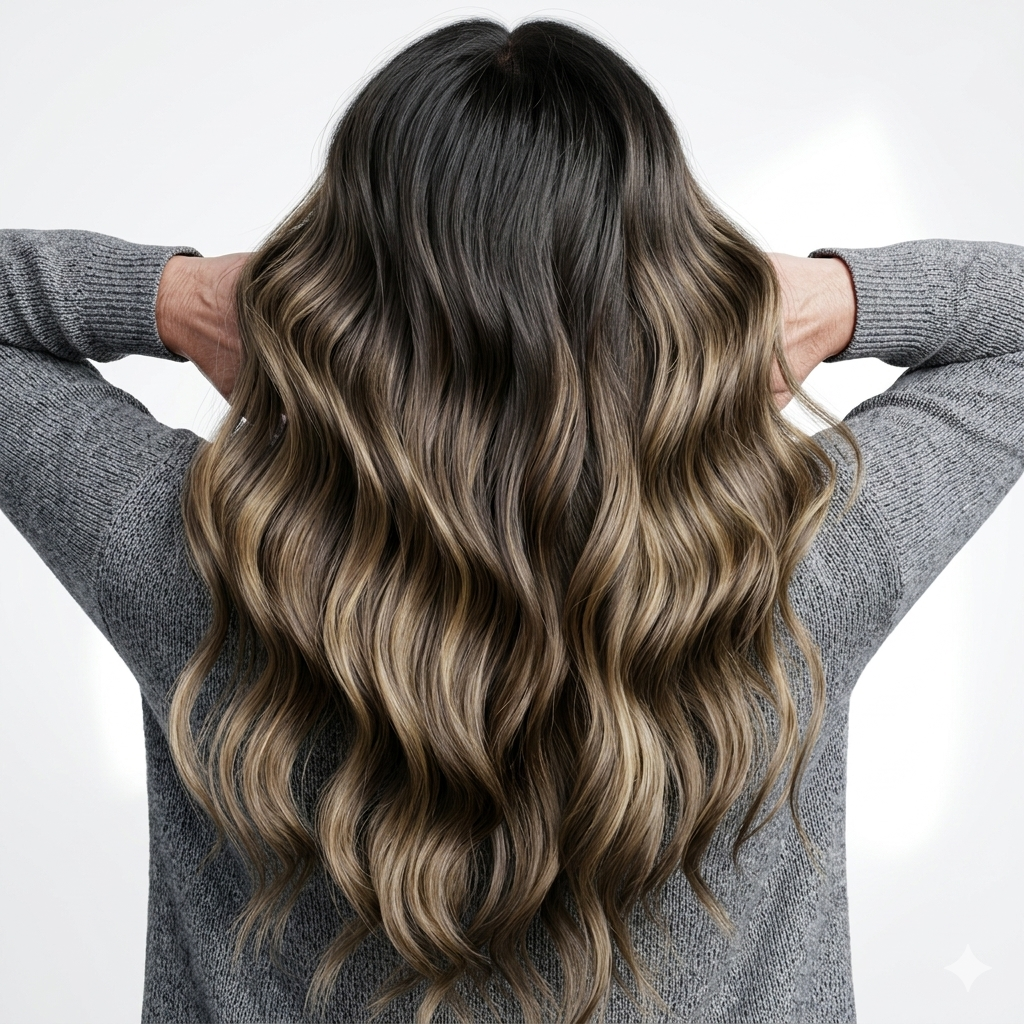
Before and after photos of Genius Weft Hair Extensions. If you need curly hair, you can also check out this product: Ultra-Flat Natural Wave Genius Wefts: Pure Luxury Hair; besides black, it also comes in various colors such as gold.
Cons & Potential Risks (Don’t Ignore These!)
Despite their advantages, Genius Wefts aren’t perfect for everyone with thin hair. Here’s what to watch out for:
1. Still Heavier Than Hand-Tied
While lighter than standard wefts, Genius Wefts are 5–10g heavier per piece than hand-tied. If your hair is extremely fine or already thinning, this extra weight could cause long-term stress.
2. Installation Skill Matters—A Lot
A poorly trained stylist might sew the weft too tightly or use a thick thread, creating pressure points that lead to breakage. Always choose a certified Genius Weft installer (many brands now offer certification programs).
3. Not Ideal for Very Short Hair
If your natural hair is shorter than 6 inches, there may not be enough length to securely braid and sew the weft without visibility.
4. Maintenance Requirements
You’ll need to visit your stylist every 6–8 weeks for tightening. Skipping maintenance can lead to matting or tugging.
Real Expert Opinion: What Stylists Say in 2026
We reached out to several top extension specialists across the U.S. and Europe to get their take:
“For clients with moderately thin hair who want longevity and value, Genius Wefts are my go-to. But if someone has extremely fine, sparse, or fragile hair—especially with signs of traction alopecia—I steer them toward hand-tied or high-quality tape-ins.”
— Maya Rodriguez, Certified Extension Artist, Los Angeles
“The key is customization. We often trim Genius Wefts to reduce width (e.g., cut a 10″ weft into two 5″ pieces) to better distribute weight on thin scalps.”
— Liam Chen, Salon Director, London
“In 2026, the best Genius Weft brands (like Bellami and Luxy) have improved their seam flexibility dramatically. They’re now 30% thinner than 2023 versions.”
— Dr. Elena Petrova, Trichologist & Hair Health Consultant
Real User Experience: A Success Story with Thin Hair
Name: Emily, 29
Location: Austin, Texas
Hair Type: Naturally fine, low density, slight thinning at temples after stopping birth control
Goal: Add volume for her wedding without damaging fragile strands
“I spent months researching extensions because I was terrified of making my thin hair worse. My stylist recommended Genius Wefts—only 90g total—and used a braidless sew-in method with micro beads.
The result? I cried when I saw my reflection. My hair looked full but still like me—no bulk, no weird bumps. I wore them through my entire wedding weekend, danced all night, and even slept in a loose braid without issues.
Six months later, after removal, my natural hair was actually healthier because I’d stopped over-styling it daily. My stylist said the wefts ‘took the pressure off’ my roots. Total game-changer.”
Who Should (and Shouldn’t) Use Genius Wefts?
✅ Ideal Candidates:
- Hair density: Medium-fine to fine (not extremely sparse)
- Hair length: At least 6 inches
- Scalp health: No active thinning or bald patches
- Lifestyle: Willing to commit to regular maintenance
❌ Avoid If:
- You have alopecia, telogen effluvium, or significant hair loss
- Your hair breaks easily or has low elasticity
- You want a temporary solution (consider clip-ins instead)
- Your budget doesn’t allow for professional installation
How to Maximize Success: 5 Pro Tips for Thin Hair
If you decide to go with Genius Wefts, follow these guidelines to protect your natural hair:
- Choose a “Braidless” or “Micro-Bead” Install
Traditional cornrow braids can pull on fine hair. Opt for a floating anchor method that uses tiny beads or threads instead. - Limit Total Weight
Stick to 80–100g total of extensions (vs. 150g+ for thick hair). Less is more. - Use Sulfate-Free, Lightweight Products
Heavy conditioners can weigh down both your natural hair and extensions. Look for “fine hair” formulas. - Sleep on Silk & Brush Gently
Use a silk pillowcase and a wide-tooth comb starting from the ends. Never yank through tangles. - Schedule a “Hair Health Check” Every 2 Months
Ask your stylist to assess your natural hair’s condition—not just the extensions.
Best Hair Care Products for Thin Hair + Genius Wefts (2026 Recommendations)
Using the wrong products can cause buildup, tangling, or weigh down both your natural hair and extensions. Here’s tjhe expert-tested shortlist for maintaining volume, health, and longevity:
| Product Type | Top Recommendation | Why It Works for Thin Hair + Extensions |
|---|---|---|
| Shampoo | Olaplex No.4 Bond Maintenance Shampoo | Sulfate-free, repairs bonds without stripping moisture; gentle enough for weekly use |
| Conditioner | Kérastase Resistance Bain Volumifique | Lightweight formula adds body without coating strands in heavy silicones |
| Detangling Brush | Wet Brush Pro Glide (Rose Gold) | Flexible bristles glide through wefts and fine roots without pulling or snagging |
| Heat Protectant | GHD Heat Protect Spray | Ultra-fine mist shields hair up to 450°F without residue or greasiness |
| Dry Shampoo | Batiste Bare Dry Shampoo | Invisible finish refreshes roots between washes—critical for maintaining lift |
| Storage | Luxy Hair Extension Hanger | Keeps wefts tangle-free and preserves shape between installs |
Pro Tip: Avoid heavy oils (like argan or coconut oil) near the weft seam—they attract dust and cause slippage. Focus moisture only on mid-lengths to ends.
Disclosure: Some links may be affiliate links. We only recommend products that top stylists consistently use in salons across the U.S. and Europe.
Final Verdict: Are Genius Wefts Good for Thin Hair?
Yes—with caveats.
Genius Weft extensions are one of the best semi-permanent solutions for people with thin but healthy hair who want volume, length, and versatility without breaking the bank. They strike an impressive balance between affordability, discretion, and durability.
However, they are not a one-size-fits-all fix. If your hair is extremely fragile, sparse, or already damaged, you may be better off with hand-tied wefts or non-permanent options like premium clip-ins.
Ultimately, success depends on three factors: your hair’s current health, your stylist’s expertise, and your commitment to aftercare. When all three align, Genius Wefts can give you the full, flowing hair you’ve always wanted—safely and beautifully.
Pro Tip: Before committing, ask your stylist for a patch test install—one small weft placed discreetly for 2–3 weeks. This lets you gauge comfort, visibility, and how your hair reacts before investing in a full set.
Your hair is your crown. Treat it with care, and the right extensions will enhance—not endanger—it.
Why Stylists & Salons Trust ALOVE for Genius Weft Extensions
If you’re convinced that Genius Wefts are the right choice for your thin hair—or you’re a stylist looking to offer them to clients—it’s essential to source from a supplier who understands quality, cuticle integrity, and fine-hair compatibility.
That’s where Qingdao ALOVE HAIR PRODUCTS Co., Ltd. stands out.
Founded in the 1980s, ALOVE began as a raw human hair collector in China and has since grown into a globally respected manufacturer of premium, cuticle-intact hair extensions. With over 15 years of dedicated foreign trade experience, we specialize in producing luxury-grade Genius Wefts that meet the exacting standards of salons across the U.S., UK, Canada, Australia, and Europe.
What Makes ALOVE’s Genius Wefts Different?
- ✅ 100% Cuticle-Aligned Human Hair: Every strand flows in the same direction—no tangling, no matting, just silky-smooth movement that mimics natural fine hair.
- ✅ Gentle Color Processing: Our team of 20+ expert colorists uses cuticle-preserving bleaching techniques (no harsh ash baths) to create vibrant, healthy-looking colored wefts—even in platinum blonde or pastel shades—without compromising strength.
- ✅ Optimized for Thin Hair: Our Genius Wefts feature an ultra-thin seam (as low as 0.8 mm) and are available in lightweight densities (15g–30g per piece), making them ideal for clients with fine or fragile strands.
- ✅ Complete Professional Kit: We don’t just sell hair—we support your success. Every wholesale order includes access to premium tools: micro-needles, thread, removal pliers, and even custom packaging for your brand.
Trusted by Professionals Worldwide
From boutique salons in London to extension studios in Los Angeles, ALOVE has maintained a 90%+ customer retention rate—not through marketing, but through consistent quality, honest communication, and deep technical knowledge of what fine hair truly needs.
“ALOVE’s Genius Wefts are the only machine-sewn wefts I use on my fine-haired clients. They lay flat, blend instantly, and never cause breakage when installed properly.”
— Verified Salon Partner, Melbourne, Australia
Ready to Experience the ALOVE Difference?
Whether you’re a stylist building your extension menu or a salon owner seeking a reliable wholesale partner, Qingdao ALOVE HAIR PRODUCTS Co., Ltd. offers:
- Competitive bulk pricing
- Custom color matching
- Private labeling & packaging
- Technical support for installation and aftercare
Contact us today to request samples, a wholesale catalog, or a personalized consultation. Let’s help more people with thin hair feel confident—without compromise.
Professional. Precise. Passionate about hair since the 1980s.
Frequently Asked Questions (FAQs)
Q: Can I wear Genius Wefts if my hair is thinning due to hormonal changes?
A: Only if your hair shedding has stabilized. If you’re actively losing hair (e.g., postpartum, thyroid imbalance, or menopause-related thinning), adding extensions can increase tension and worsen traction alopecia. Always consult a trichologist or dermatologist before proceeding.
Q: How often should I wash Genius Wefts if I have thin natural hair?
A: Every 7–10 days is ideal. Washing too frequently strips your scalp of natural oils, which fine hair relies on for strength. Washing too infrequently leads to product buildup that weighs down both your natural hair and the weft, making volume disappear.
Q: Are Genius Wefts reusable?
A: Yes! With proper care—gentle washing, heat protection, and storage on a hanger or wig stand—Genius Wefts can last 6–12 months and be reinstalled 2–3 times.
Q: Will Genius Wefts make my thin hair look bulky or fake?
A: Not if installed correctly. Their ultra-thin seam (under 1.2 mm) lies flat against the scalp, and when matched to your natural density, they blend seamlessly—even in updos or ponytails.
Q: Can I install Genius Wefts myself at home?
A: Strongly discouraged. Sew-in methods require precision braiding or micro-bead anchoring. DIY attempts often lead to uneven tension, visible tracks, or damage. Always use a certified stylist trained in fine-hair extension techniques.
Q: How much do Genius Wefts typically cost for thin hair?
A: Most clients with fine hair need only 80–100g of hair (vs. 150g+ for thick hair). Expect to pay $400–$700 for hair + professional installation in the U.S. or UK—about half the price of hand-tied wefts.

Alove Hair is a professional Chinese manufacturer of premium 100% Remy human hair extensions, wigs, and hair systems. Established in 2014, the company specializes in supplying global salons and distributors with high-quality, cuticle-intact hair products and offers comprehensive OEM/ODM private label services.