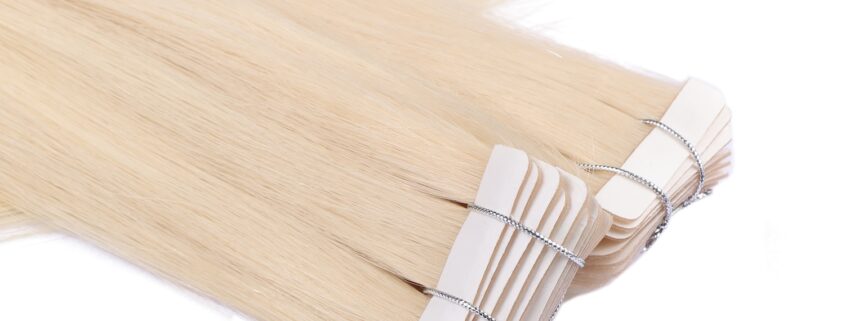
Tape In Hair Extensions Pros and Cons: The Complete Guide Before You Buy
Hair extensions can completely transform how your hair looks. They can add:
- Length
- Volume
- Thickness
- Highlights without dye
- Confidence
Among all extension methods, tape in hair extensions have become one of the most popular options in salons worldwide.
Why?
Because they are:
- Lightweight
- Natural-looking
- Faster to install than many other methods
- More comfortable than bulky clip-ins
But tape ins are not perfect.
Some people absolutely love them. Others struggle with slipping, damage, oily roots, or maintenance costs because they didn’t fully understand what they were getting into.
This guide explains the real pros and cons of tape in hair extensions in detail so you can decide whether they are actually right for your hair type, lifestyle, and budget.
What Are Tape In Hair Extensions?
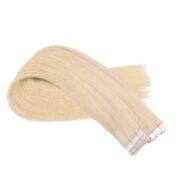
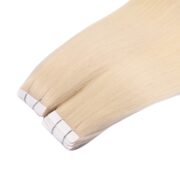
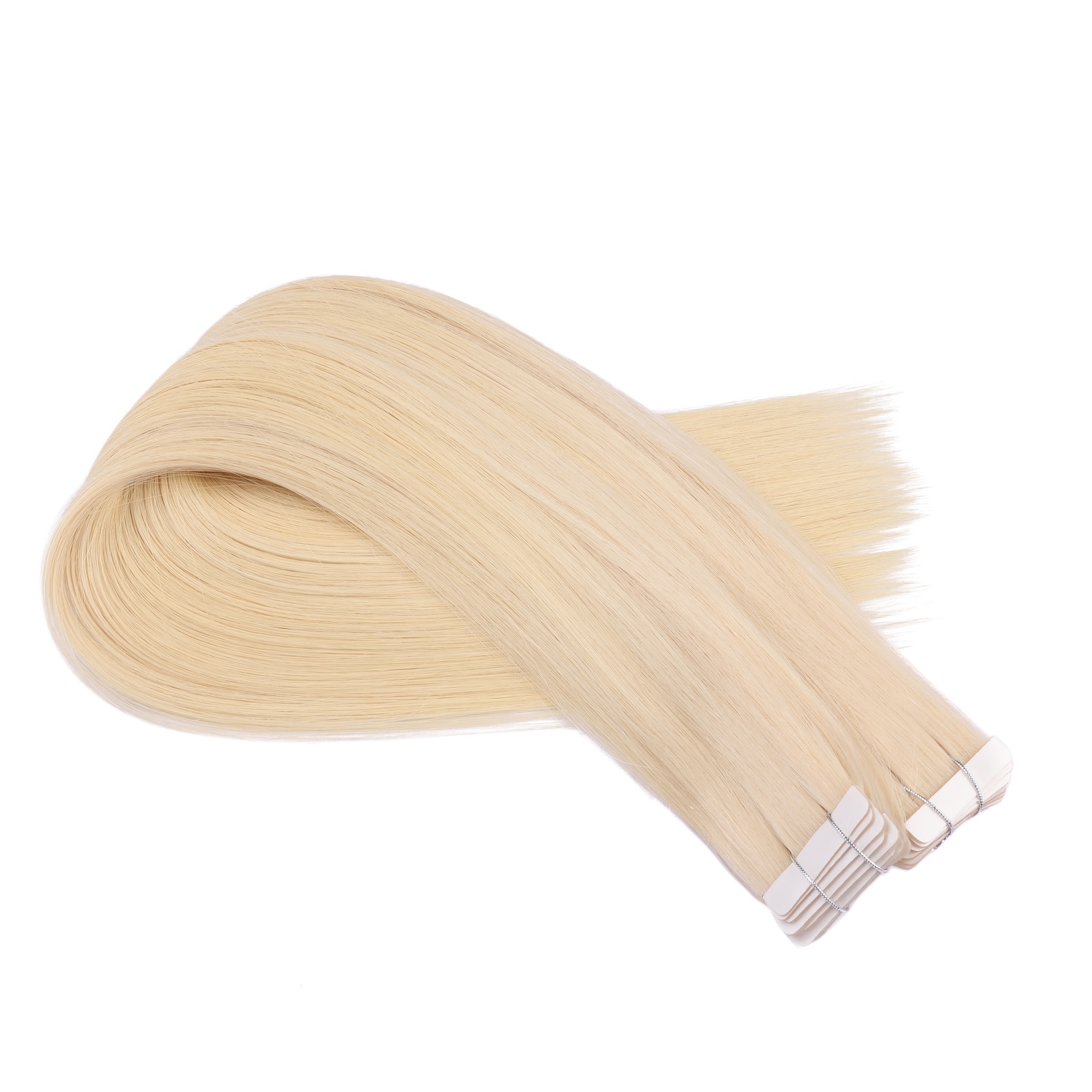
Tape in hair extensions are thin wefts of hair attached using medical-grade adhesive tape.
The stylist places:
- One extension above a small section of your natural hair
- Another below it
Your natural hair becomes “sandwiched” between the two tape wefts.
This creates:
- A flat installation
- Lightweight feel
- Natural blending
Most tape extensions use:
- Human Remy hair
- PU tape tabs
- Pre-cut wefts
Why Tape In Extensions Became So Popular
Tape ins exploded in popularity because they solved several major problems older extension methods had.
Traditional methods like:
- Sew-ins
- Glue-ins
- Fusion extensions
Often caused:
- Excessive tension
- Long installation times
- Visible attachment points
Tape ins introduced:
- Faster installation
- Better comfort
- More discreet appearance
For many users, they feel almost invisible compared to older systems.
How Tape In Hair Extensions Work
The installation process is relatively simple.
Step 1: Section the Hair
The stylist separates clean, dry hair into sections.
Step 2: Apply Tape Wefts
One tape weft goes underneath the natural hair section.
Another goes above it.
Step 3: Press and Seal
The adhesive bonds together tightly.
This creates:
- Secure attachment
- Flat appearance
Step 4: Blend and Style
The extensions are trimmed and blended into natural hair.
The final result should look seamless.
Types of Tape In Hair Extensions
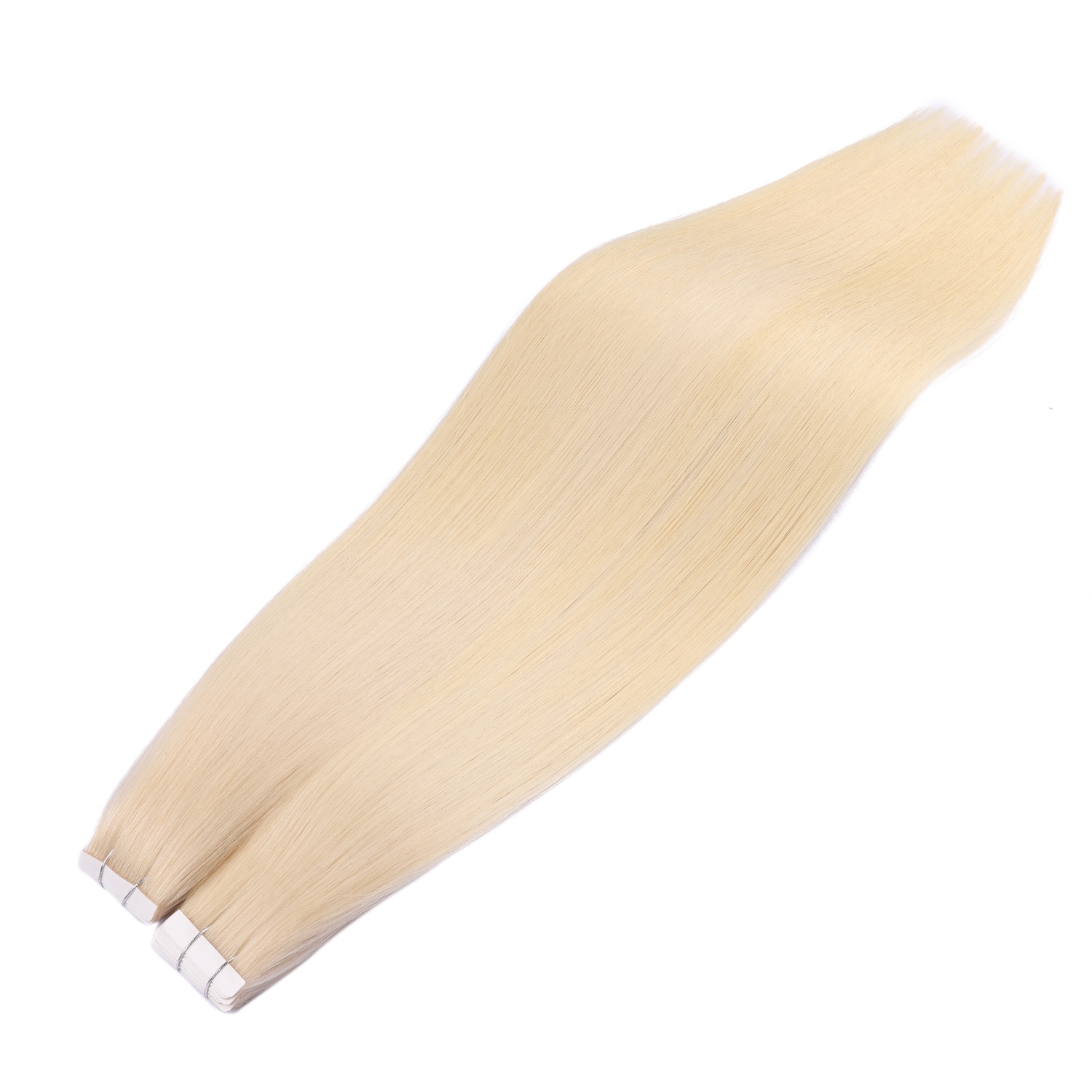
Not all tape ins are the same.
1. Human Hair Tape Ins
The most premium option.
Usually made from:
- Remy human hair
Advantages:
- Natural appearance
- Heat styling capability
- Long lifespan
Best for:
- Long-term wear
2. Synthetic Tape Ins
Made from artificial fibers.
Advantages:
- Lower price
Disadvantages:
- Less natural
- Cannot handle high heat well
- Shorter lifespan
3. Invisible Tape In Extensions
These use ultra-thin skin wefts.
The tape area is covered with hair, making the attachment nearly invisible.
Best for:
- Thin hair
- Fine hair
4. Standard PU Tape Extensions
Traditional tape tabs using polyurethane backing.
Very common in salons.
Main Pros of Tape In Hair Extensions
Now let’s get into the real advantages.
1. Very Natural Appearance
This is the biggest reason people choose tape ins.
The tape tabs lay:
- Flat against the scalp
- Smooth under hair
This makes them:
- Hard to detect
- Easy to blend
Especially compared with:
- Clip-ins
- Bulky sew-ins
When installed correctly, most people cannot tell you’re wearing extensions.
2. Lightweight and Comfortable
Tape ins distribute weight evenly.
This reduces pulling on natural hair.
Compared with:
- Fusion bonds
- Heavy wefts
Tape extensions usually feel much lighter.
Many users forget they’re even wearing them after a few days.
3. Faster Installation
Tape ins are much quicker to install than many extension methods.
Typical salon installation:
- 45 minutes to 2 hours
Compared with:
- Fusion extensions: 4–6 hours
- Sew-ins: 2–4 hours
This saves:
- Time
- Salon labor cost
4. Great for Thin Hair
Tape ins are often recommended for:
- Fine hair
- Thinning hair
Because:
- The tabs are flat
- Less bulky
- Easier to hide
Invisible tape extensions work especially well here.
5. Reusable
Good-quality tape in extensions can usually be reused.
The stylist:
- Removes old adhesive
- Applies new tape
- Reinstalls the hair
High-quality human hair tape ins may last:
- 6–12 months or longer
With proper care.
6. Easy to Style
Human hair tape ins can usually be:
- Curled
- Straightened
- Blow-dried
- Colored (carefully)
This gives flexibility similar to natural hair.
7. Less Tension Than Some Methods
Compared with:
- Tight sew-ins
- Heavy micro beads
Tape ins generally create less scalp tension.
This reduces discomfort for many users.
8. Seamless Color Blending
Tape extensions are excellent for:
- Balayage effects
- Highlights
- Ombre blending
Without chemical coloring damage.
Main Cons of Tape In Hair Extensions
Now the part many articles avoid.
Tape ins also have drawbacks.
And for some people, these drawbacks are serious.
1. Adhesive Can Slip
Oil, sweat, and incorrect maintenance can weaken adhesive.
This may cause:
- Extensions slipping
- Tabs separating
Especially common if:
- Hair products contain oils
- Hair isn’t cleaned properly before installation
2. Not Ideal for Very Oily Hair
People with oily scalps sometimes struggle with tape ins.
Why?
- Oil breaks down adhesive faster
This can reduce wear time significantly.
3. Maintenance Is Required
Tape ins are not “install and forget.”
Most require salon maintenance every:
- 6–8 weeks
As natural hair grows.
Maintenance includes:
- Removal
- Cleaning
- Retaping
- Reinstallation
4. Can Cause Damage If Removed Incorrectly
Improper removal is one of the biggest risks.
Pulling tape out carelessly may cause:
- Hair breakage
- Shedding
- Traction damage
Professional removal is strongly recommended.
5. Certain Hairstyles Expose the Tape
High ponytails or tight updos may reveal:
- Tape tabs
- Extension placement
Especially if poorly installed.
6. Not Great for Frequent Swimming
Chlorine, saltwater, and excessive moisture can weaken adhesive.
Swimmers often experience:
- Faster slippage
- Shorter lifespan
7. Sleeping Requires Care
Sleeping with wet extensions can cause:
- Tangling
- Matting
- Adhesive weakening
Many users braid hair loosely before bed.
8. Ongoing Cost
Tape ins are not cheap long term.
Costs include:
- Hair purchase
- Installation
- Maintenance
- Replacement tape
- Hair care products
Premium human hair systems can become expensive over time.
Tape In Extensions vs Other Methods
Let’s compare realistically.
Tape Ins vs Clip In Extensions
| Feature | Tape Ins | Clip Ins |
|---|---|---|
| Installation | Semi-permanent | Temporary |
| Natural look | Better | Moderate |
| Daily removal | No | Yes |
| Comfort | Higher | Moderate |
Clip-ins are better for:
- Occasional use
Tape ins are better for:
- Daily wear
Tape Ins vs Sew In Extensions
| Feature | Tape Ins | Sew Ins |
|---|---|---|
| Weight | Lighter | Heavier |
| Installation speed | Faster | Slower |
| Tension | Lower | Higher |
Sew-ins may work better for:
- Very thick/coarse hair
Tape Ins vs Fusion Extensions
| Feature | Tape Ins | Fusion |
|---|---|---|
| Installation time | Faster | Much longer |
| Flexibility | Moderate | High |
| Cost | Lower | Higher |
Fusion extensions often:
- Last longer
- Offer smaller attachment points
But they cost significantly more.
Tape Ins vs Halo Extensions
| Feature | Tape Ins | Halo |
|---|---|---|
| Semi-permanent | Yes | No |
| Natural blending | Better | Moderate |
| Daily wear comfort | Higher | Moderate |
Halo extensions are easier for beginners.
Tape ins look more professional long term.
Are Tape In Extensions Safe?
Generally yes—when:
- Installed correctly
- Maintained properly
- Not overloaded
The biggest causes of damage are:
- Poor salon installation
- Cheap adhesive
- Incorrect removal
- Excessive weight on weak hair
Who Should Choose Tape In Hair Extensions?
Tape ins are usually ideal for:
- Fine hair
- Medium-density hair
- People wanting natural results
- Users comfortable with maintenance
Who Should Avoid Tape In Extensions?
They may not work well for:
- Extremely oily scalps
- Very active swimmers
- People unwilling to do maintenance
- Severely damaged hair
How Long Do Tape In Extensions Last?
The answer depends on:
- Hair quality
- Maintenance
- Lifestyle
Installation Lifespan
Before repositioning:
- Usually 6–8 weeks
Hair Lifespan
High-quality human hair:
- 6–12 months
- Sometimes longer
Synthetic hair:
- Much shorter lifespan
How to Care for Tape In Hair Extensions
Proper maintenance dramatically affects lifespan.
1. Use Sulfate-Free Shampoo
Harsh shampoos weaken adhesive.
2. Avoid Oil Near Tape Tabs
Oil breaks down adhesive quickly.
Avoid:
- Oil serums near roots
- Heavy conditioners on tape area
3. Brush Carefully
Use:
- Loop brush
- Extension-safe brush
Avoid pulling at roots.
4. Dry Hair Completely
Never sleep with wet extensions.
5. Avoid Excessive Heat
Too much heat damages:
- Hair fibers
- Adhesive strength
Common Mistakes People Make
Choosing Cheap Hair
Low-quality extensions tangle faster and look unnatural.
Installing Too Much Hair
Overloading weak hair causes stress and shedding.
Ignoring Maintenance
Delayed salon maintenance increases tangling and matting.
DIY Removal
This causes major breakage surprisingly often.
Are Tape In Extensions Worth It?
For many people:
- Absolutely yes
Especially if they want:
- Natural volume
- Longer hair
- Lightweight extensions
- Semi-permanent wear
But they require:
- Maintenance
- Budget
- Proper care
They are not a “zero effort” beauty solution.
Cost Breakdown
Typical pricing varies by:
- Hair quality
- Length
- Salon location
Average Costs
Hair:
- $100–$600+
Installation:
- $100–$300+
Maintenance:
- Every 6–8 weeks
Premium Remy hair costs more but lasts significantly longer.
Future Trends in Tape In Extensions
The industry keeps improving.
Modern developments include:
- Invisible tape systems
- Ultra-thin tabs
- Medical-grade adhesives
- Lightweight seamless wefts
The trend is moving toward:
- More comfort
- More invisibility
- Less damage
Final Thoughts
Tape in hair extensions became popular for good reason.
They offer:
- Natural appearance
- Lightweight comfort
- Fast installation
- Great blending
Especially for people with:
- Fine hair
- Thinning hair
- Medium-density hair
But they are not perfect.
The biggest downsides are:
- Maintenance requirements
- Adhesive sensitivity
- Long-term cost
The key to success is:
- High-quality hair
- Proper installation
- Correct aftercare
When done properly, tape ins can look incredibly natural and dramatically improve hair volume and confidence.
When done poorly, they can become frustrating and damaging.
Bottom Line
Tape in hair extensions are one of the best choices for people who want:
- Semi-permanent extensions
- Natural-looking results
- Lightweight comfort
- Salon-quality blending
They are especially effective for:
- Thin hair
- Fine hair
- Everyday wear
But they require:
- Regular maintenance
- Careful product selection
- Professional installation and removal
If you understand both the pros and cons before starting, you’re far more likely to have a successful and beautiful extension experience.

Alove Hair is a professional Chinese manufacturer of premium 100% Remy human hair extensions, wigs, and hair systems. Established in 2014, the company specializes in supplying global salons and distributors with high-quality, cuticle-intact hair products and offers comprehensive OEM/ODM private label services.