Posts

Tape In Hair Extensions Pros and Cons: The Complete Guide Before You Buy

Hair extensions can completely transform how your hair looks. They can add:

  • Length
  • Volume
  • Thickness
  • Highlights without dye
  • Confidence

Among all extension methods, tape in hair extensions have become one of the most popular options in salons worldwide.

Why?

Because they are:

  • Lightweight
  • Natural-looking
  • Faster to install than many other methods
  • More comfortable than bulky clip-ins

But tape ins are not perfect.

Some people absolutely love them. Others struggle with slipping, damage, oily roots, or maintenance costs because they didn’t fully understand what they were getting into.

This guide explains the real pros and cons of tape in hair extensions in detail so you can decide whether they are actually right for your hair type, lifestyle, and budget.


What Are Tape In Hair Extensions?

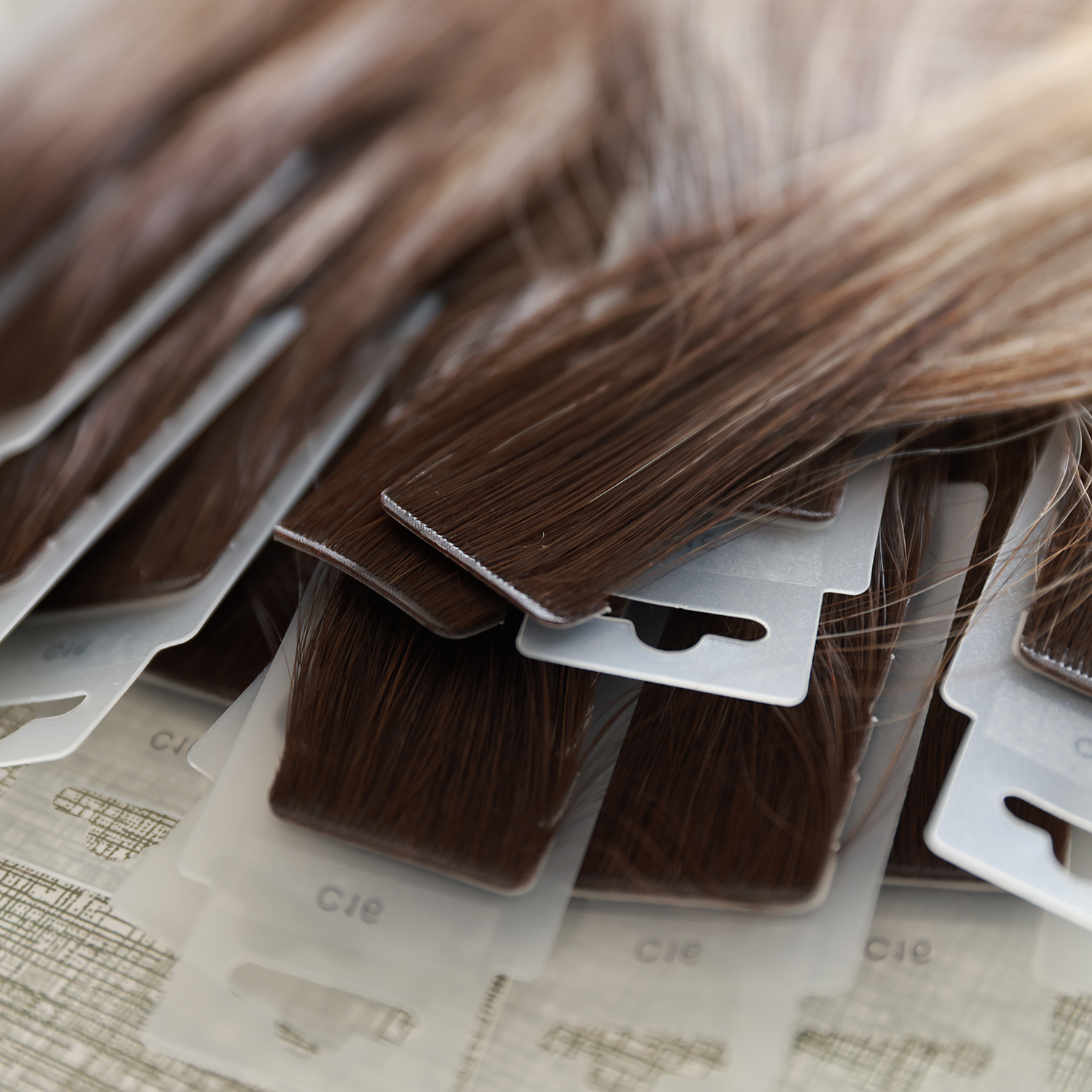
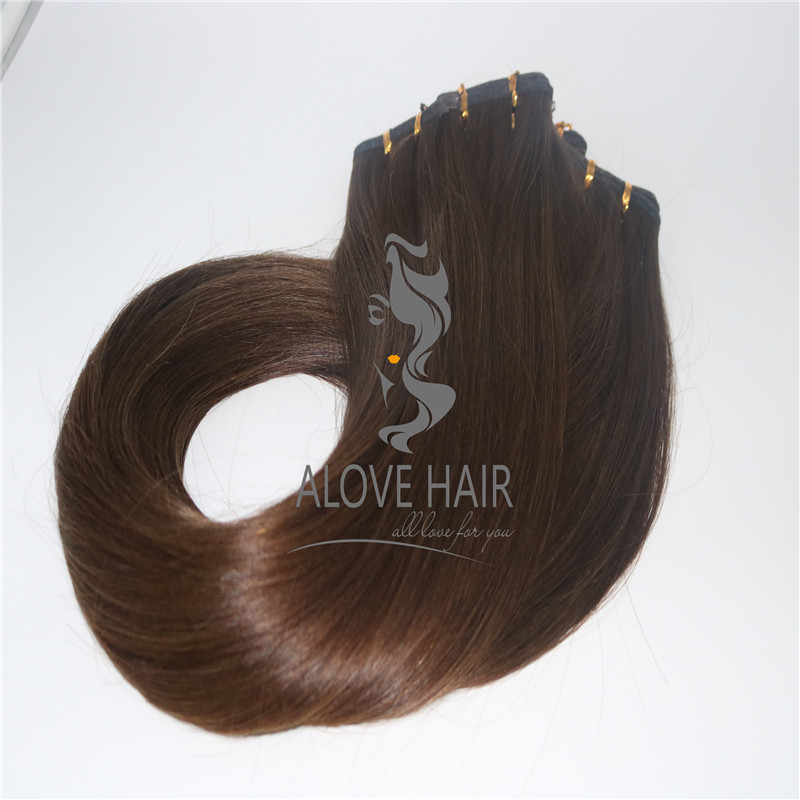
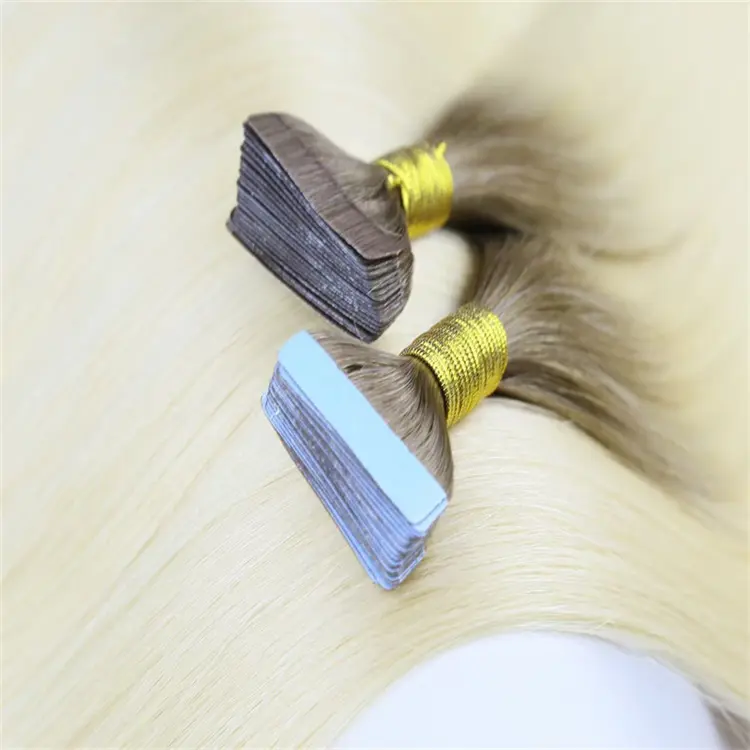
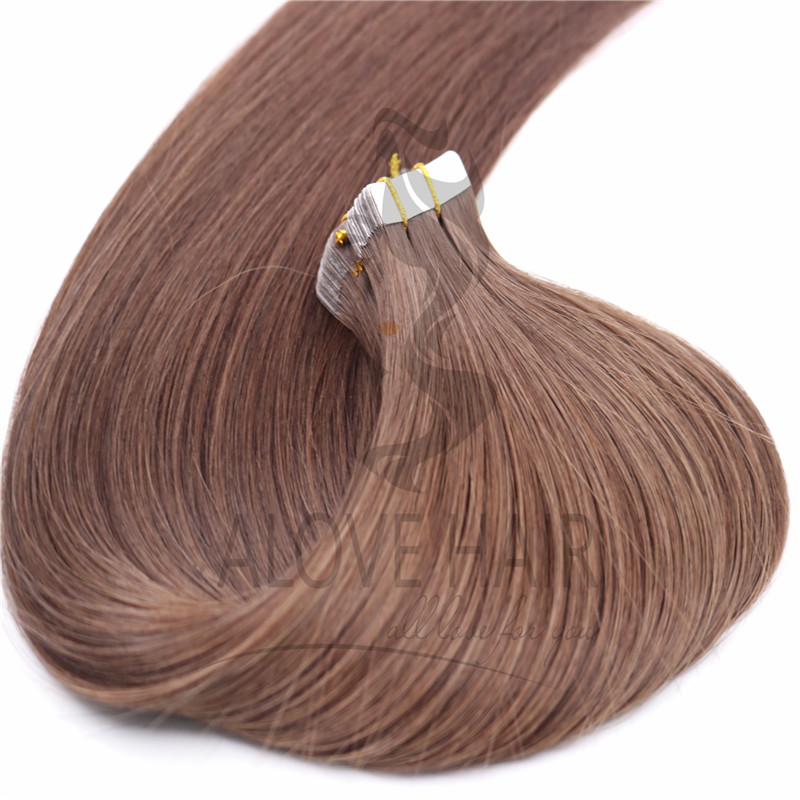
Tape in hair extensions are thin wefts of hair attached using medical-grade adhesive tape.

The stylist places:

  • One extension above a small section of your natural hair
  • Another below it

Your natural hair becomes “sandwiched” between the two tape wefts.
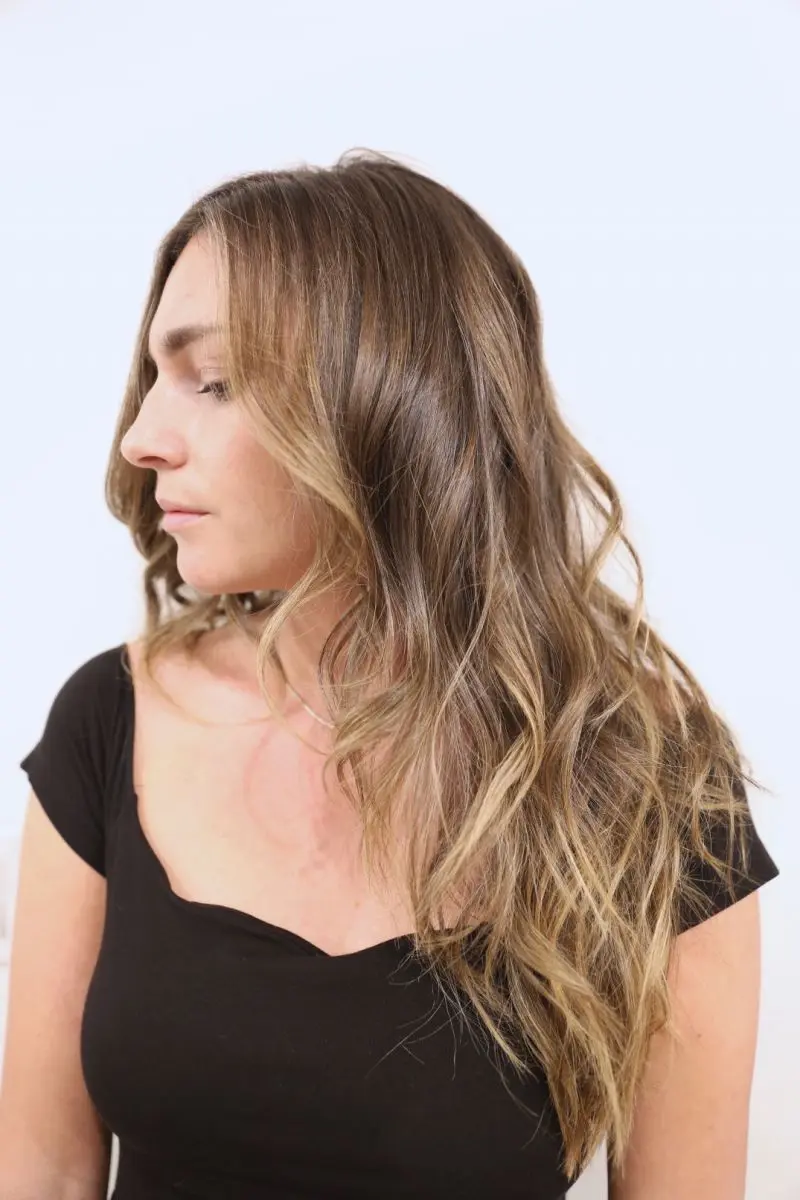
This creates:

  • A flat installation
  • Lightweight feel
  • Natural blending

Most tape extensions use:

  • Human Remy hair
  • PU tape tabs
  • Pre-cut wefts


Why Tape In Extensions Became So Popular

Tape ins exploded in popularity because they solved several major problems older extension methods had.

Traditional methods like:

  • Sew-ins
  • Glue-ins
  • Fusion extensions

Often caused:

  • Excessive tension
  • Long installation times
  • Visible attachment points

Tape ins introduced:

  • Faster installation
  • Better comfort
  • More discreet appearance

For many users, they feel almost invisible compared to older systems.
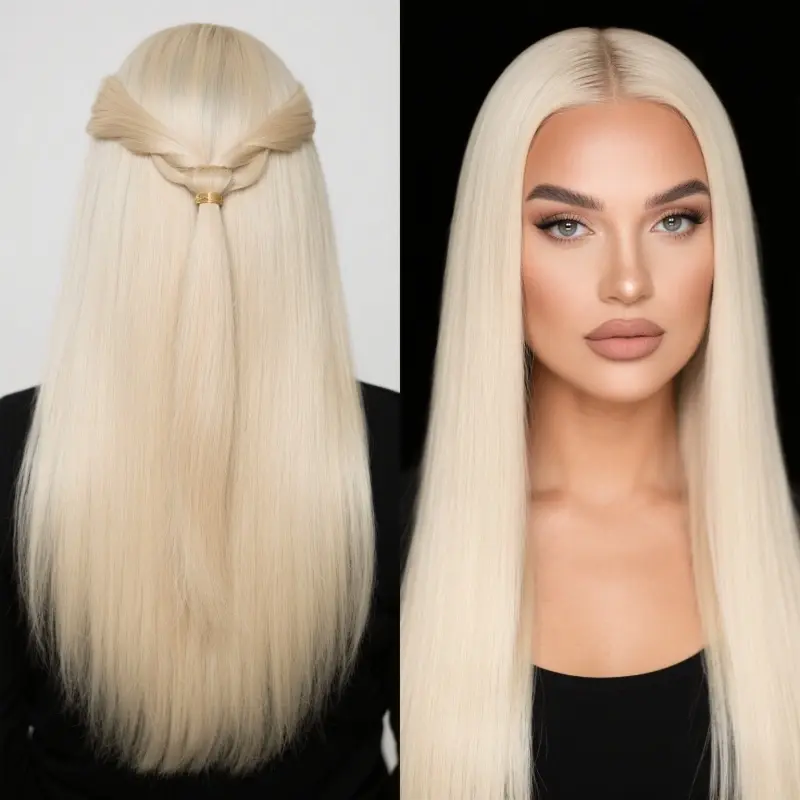

How Tape In Hair Extensions Work

The installation process is relatively simple.

Step 1: Section the Hair

The stylist separates clean, dry hair into sections.


Step 2: Apply Tape Wefts

One tape weft goes underneath the natural hair section.

Another goes above it.


Step 3: Press and Seal

The adhesive bonds together tightly.

This creates:

  • Secure attachment
  • Flat appearance

Step 4: Blend and Style

The extensions are trimmed and blended into natural hair.

The final result should look seamless.


Types of Tape In Hair Extensions

Not all tape ins are the same.


1. Human Hair Tape Ins

The most premium option.

Usually made from:

  • Remy human hair

Advantages:

  • Natural appearance
  • Heat styling capability
  • Long lifespan

Best for:

  • Long-term wear

2. Synthetic Tape Ins

Made from artificial fibers.

Advantages:

  • Lower price

Disadvantages:

  • Less natural
  • Cannot handle high heat well
  • Shorter lifespan

3. Invisible Tape In Extensions

These use ultra-thin skin wefts.

The tape area is covered with hair, making the attachment nearly invisible.

Best for:

  • Thin hair
  • Fine hair

4. Standard PU Tape Extensions

Traditional tape tabs using polyurethane backing.

Very common in salons.


Main Pros of Tape In Hair Extensions

Now let’s get into the real advantages.


1. Very Natural Appearance

This is the biggest reason people choose tape ins.

The tape tabs lay:

  • Flat against the scalp
  • Smooth under hair

This makes them:

  • Hard to detect
  • Easy to blend

Especially compared with:

  • Clip-ins
  • Bulky sew-ins

When installed correctly, most people cannot tell you’re wearing extensions.


2. Lightweight and Comfortable

Tape ins distribute weight evenly.

This reduces pulling on natural hair.

Compared with:

  • Fusion bonds
  • Heavy wefts

Tape extensions usually feel much lighter.

Many users forget they’re even wearing them after a few days.


3. Faster Installation

Tape ins are much quicker to install than many extension methods.

Typical salon installation:

  • 45 minutes to 2 hours

Compared with:

  • Fusion extensions: 4–6 hours
  • Sew-ins: 2–4 hours

This saves:

  • Time
  • Salon labor cost

4. Great for Thin Hair

Tape ins are often recommended for:

  • Fine hair
  • Thinning hair

Because:

  • The tabs are flat
  • Less bulky
  • Easier to hide

Invisible tape extensions work especially well here.


5. Reusable

Good-quality tape in extensions can usually be reused.

The stylist:

  • Removes old adhesive
  • Applies new tape
  • Reinstalls the hair

High-quality human hair tape ins may last:

  • 6–12 months or longer

With proper care.


6. Easy to Style

Human hair tape ins can usually be:

  • Curled
  • Straightened
  • Blow-dried
  • Colored (carefully)

This gives flexibility similar to natural hair.


7. Less Tension Than Some Methods

Compared with:

  • Tight sew-ins
  • Heavy micro beads

Tape ins generally create less scalp tension.

This reduces discomfort for many users.


8. Seamless Color Blending

Tape extensions are excellent for:

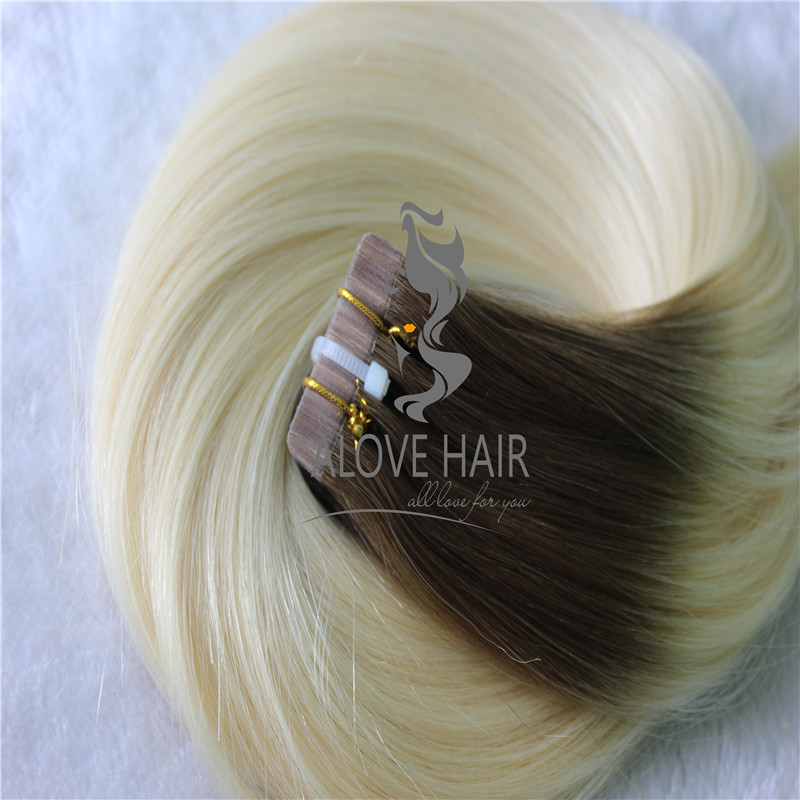
  • Balayage effects
  • Highlights
  • Ombre blending

Without chemical coloring damage.


Main Cons of Tape In Hair Extensions

Now the part many articles avoid.

Tape ins also have drawbacks.

And for some people, these drawbacks are serious.


1. Adhesive Can Slip

Oil, sweat, and incorrect maintenance can weaken adhesive.

This may cause:

  • Extensions slipping
  • Tabs separating

Especially common if:

  • Hair products contain oils
  • Hair isn’t cleaned properly before installation

2. Not Ideal for Very Oily Hair

People with oily scalps sometimes struggle with tape ins.

Why?

  • Oil breaks down adhesive faster

This can reduce wear time significantly.


3. Maintenance Is Required

Tape ins are not “install and forget.”

Most require salon maintenance every:

  • 6–8 weeks

As natural hair grows.

Maintenance includes:

  • Removal
  • Cleaning
  • Retaping
  • Reinstallation

4. Can Cause Damage If Removed Incorrectly

Improper removal is one of the biggest risks.

Pulling tape out carelessly may cause:

  • Hair breakage
  • Shedding
  • Traction damage

Professional removal is strongly recommended.


5. Certain Hairstyles Expose the Tape

High ponytails or tight updos may reveal:

  • Tape tabs
  • Extension placement

Especially if poorly installed.


6. Not Great for Frequent Swimming

Chlorine, saltwater, and excessive moisture can weaken adhesive.

Swimmers often experience:

  • Faster slippage
  • Shorter lifespan

7. Sleeping Requires Care

Sleeping with wet extensions can cause:

  • Tangling
  • Matting
  • Adhesive weakening

Many users braid hair loosely before bed.


8. Ongoing Cost

Tape ins are not cheap long term.

Costs include:

  • Hair purchase
  • Installation
  • Maintenance
  • Replacement tape
  • Hair care products

Premium human hair systems can become expensive over time.


Tape In Extensions vs Other Methods

Let’s compare realistically.


Tape Ins vs Clip In Extensions

FeatureTape InsClip Ins
InstallationSemi-permanentTemporary
Natural lookBetterModerate
Daily removalNoYes
ComfortHigherModerate

Clip-ins are better for:

  • Occasional use

Tape ins are better for:

  • Daily wear

Tape Ins vs Sew In Extensions

FeatureTape InsSew Ins
WeightLighterHeavier
Installation speedFasterSlower
TensionLowerHigher

Sew-ins may work better for:

  • Very thick/coarse hair

Tape Ins vs Fusion Extensions

FeatureTape InsFusion
Installation timeFasterMuch longer
FlexibilityModerateHigh
CostLowerHigher

Fusion extensions often:

  • Last longer
  • Offer smaller attachment points

But they cost significantly more.


Tape Ins vs Halo Extensions

FeatureTape InsHalo
Semi-permanentYesNo
Natural blendingBetterModerate
Daily wear comfortHigherModerate

Halo extensions are easier for beginners.

Tape ins look more professional long term.


Are Tape In Extensions Safe?

Generally yes—when:

  • Installed correctly
  • Maintained properly
  • Not overloaded

The biggest causes of damage are:

  • Poor salon installation
  • Cheap adhesive
  • Incorrect removal
  • Excessive weight on weak hair

Who Should Choose Tape In Hair Extensions?

Tape ins are usually ideal for:

  • Fine hair
  • Medium-density hair
  • People wanting natural results
  • Users comfortable with maintenance

Who Should Avoid Tape In Extensions?

They may not work well for:

  • Extremely oily scalps
  • Very active swimmers
  • People unwilling to do maintenance
  • Severely damaged hair

How Long Do Tape In Extensions Last?

The answer depends on:

  • Hair quality
  • Maintenance
  • Lifestyle

Installation Lifespan

Before repositioning:

  • Usually 6–8 weeks

Hair Lifespan

High-quality human hair:

  • 6–12 months
  • Sometimes longer

Synthetic hair:

  • Much shorter lifespan

How to Care for Tape In Hair Extensions

Proper maintenance dramatically affects lifespan.


1. Use Sulfate-Free Shampoo

Harsh shampoos weaken adhesive.


2. Avoid Oil Near Tape Tabs

Oil breaks down adhesive quickly.

Avoid:

  • Oil serums near roots
  • Heavy conditioners on tape area

3. Brush Carefully

Use:

  • Loop brush
  • Extension-safe brush

Avoid pulling at roots.


4. Dry Hair Completely

Never sleep with wet extensions.


5. Avoid Excessive Heat

Too much heat damages:

  • Hair fibers
  • Adhesive strength

Common Mistakes People Make


Choosing Cheap Hair

Low-quality extensions tangle faster and look unnatural.


Installing Too Much Hair

Overloading weak hair causes stress and shedding.


Ignoring Maintenance

Delayed salon maintenance increases tangling and matting.


DIY Removal

This causes major breakage surprisingly often.


Are Tape In Extensions Worth It?

For many people:

  • Absolutely yes

Especially if they want:

  • Natural volume
  • Longer hair
  • Lightweight extensions
  • Semi-permanent wear

But they require:

  • Maintenance
  • Budget
  • Proper care

They are not a “zero effort” beauty solution.


Cost Breakdown

Typical pricing varies by:

  • Hair quality
  • Length
  • Salon location

Average Costs

Hair:

  • $100–$600+

Installation:

  • $100–$300+

Maintenance:

  • Every 6–8 weeks

Premium Remy hair costs more but lasts significantly longer.


Future Trends in Tape In Extensions

The industry keeps improving.

Modern developments include:

  • Invisible tape systems
  • Ultra-thin tabs
  • Medical-grade adhesives
  • Lightweight seamless wefts

The trend is moving toward:

  • More comfort
  • More invisibility
  • Less damage

Final Thoughts

Tape in hair extensions became popular for good reason.

They offer:

  • Natural appearance
  • Lightweight comfort
  • Fast installation
  • Great blending

Especially for people with:

  • Fine hair
  • Thinning hair
  • Medium-density hair

But they are not perfect.

The biggest downsides are:

  • Maintenance requirements
  • Adhesive sensitivity
  • Long-term cost

The key to success is:

  • High-quality hair
  • Proper installation
  • Correct aftercare

When done properly, tape ins can look incredibly natural and dramatically improve hair volume and confidence.

When done poorly, they can become frustrating and damaging.


Bottom Line

Tape in hair extensions are one of the best choices for people who want:

  • Semi-permanent extensions
  • Natural-looking results
  • Lightweight comfort
  • Salon-quality blending

They are especially effective for:

  • Thin hair
  • Fine hair
  • Everyday wear

But they require:

  • Regular maintenance
  • Careful product selection
  • Professional installation and removal

If you understand both the pros and cons before starting, you’re far more likely to have a successful and beautiful extension experience.

Why Nano Ring Hair Extensions Are the Best Choice for Fine Hair

Hair extensions have become a popular way to add length, volume, and fullness to natural hair, allowing people to achieve their desired look quickly and easily. However, for those with fine hair, choosing the right type of extension can be challenging. Many traditional methods, such as glue-in or tape-in extensions, may weigh down delicate strands or cause damage due to harsh adhesives or heavy attachments. This often leads to breakage and discomfort, making it difficult for fine-haired individuals to enjoy the benefits of extensions without compromising their hair’s health.

This is where nano ring hair extensions come in as an excellent solution. Designed with tiny, lightweight rings that attach gently to the natural hair without heat or glue, nano rings offer a safer, less damaging alternative. Their discreet size and flexibility make them ideal for fine hair, providing natural-looking volume and length while preserving the hair’s integrity. In this article, we’ll explore why nano ring hair extensions are the best choice for those with fine hair.

What Are Nano Ring Hair Extensions?

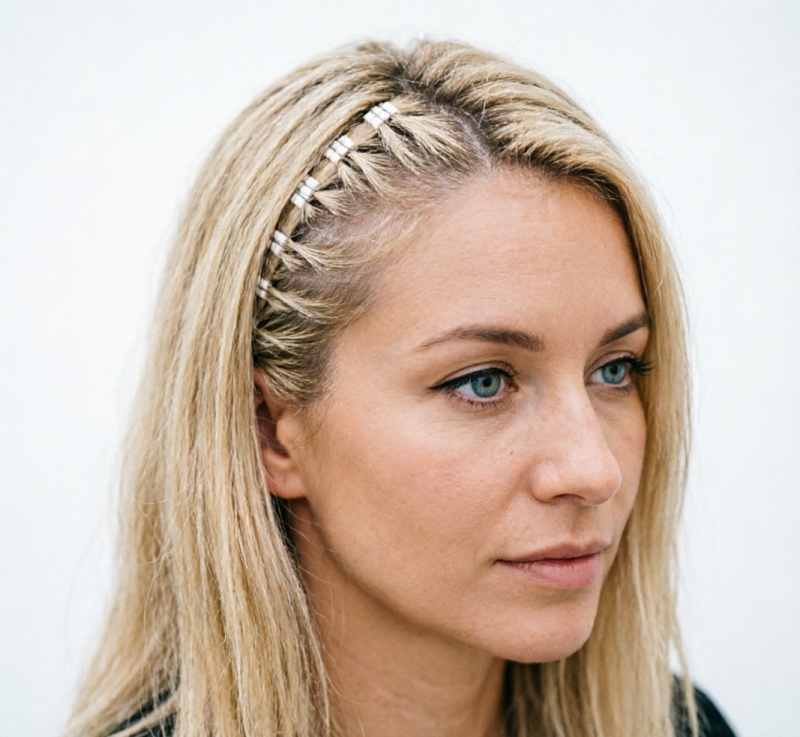
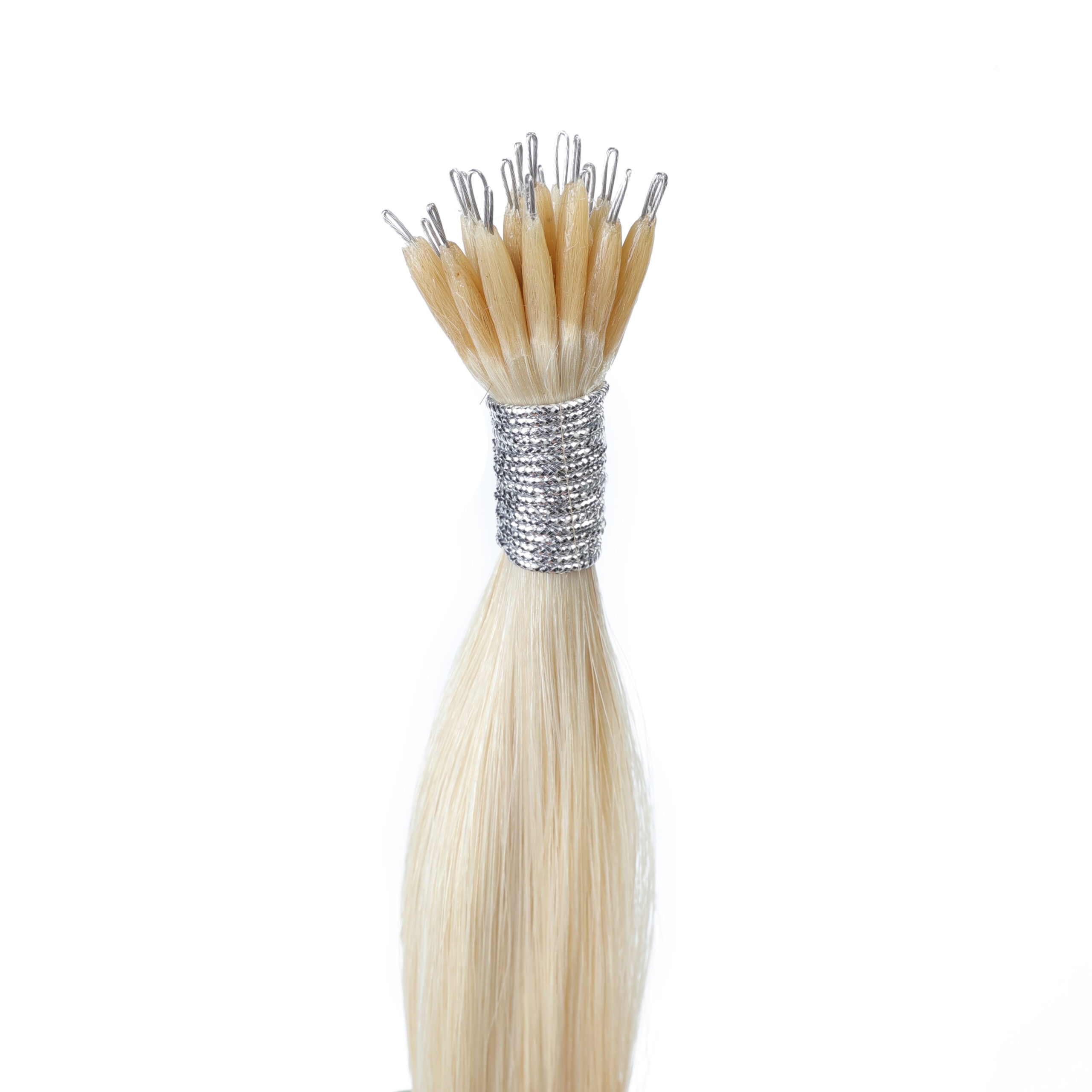
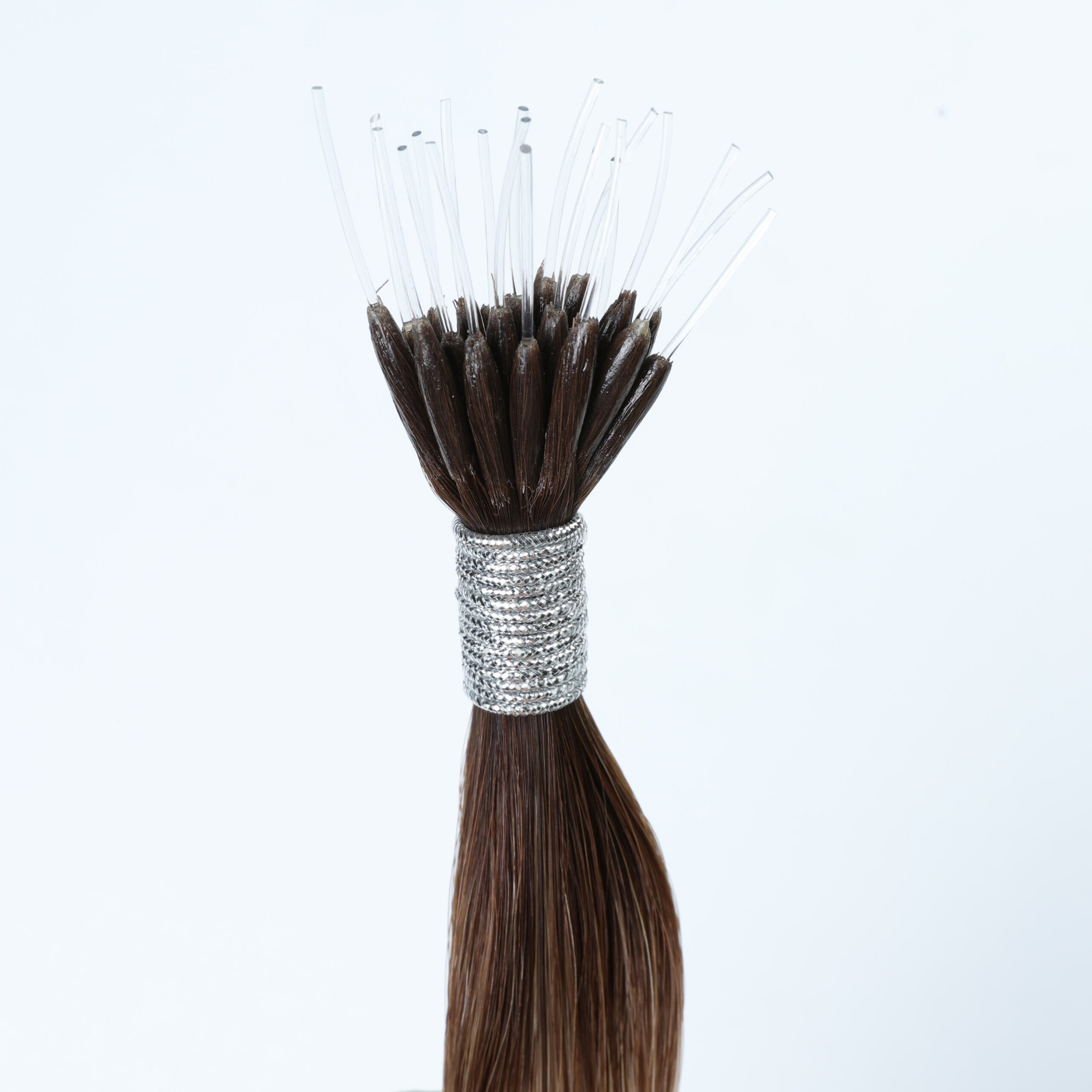
Nano ring hair extensions are a type of semi-permanent hair extension that uses tiny, lightweight metal rings or beads to attach strands of extension hair to your natural hair. The nano rings are extremely small—much smaller than traditional micro rings—making them nearly invisible when applied properly. Unlike glue or heat-based methods, nano ring extensions do not require any adhesives or heat tools, which significantly reduces the risk of damage to your natural hair.

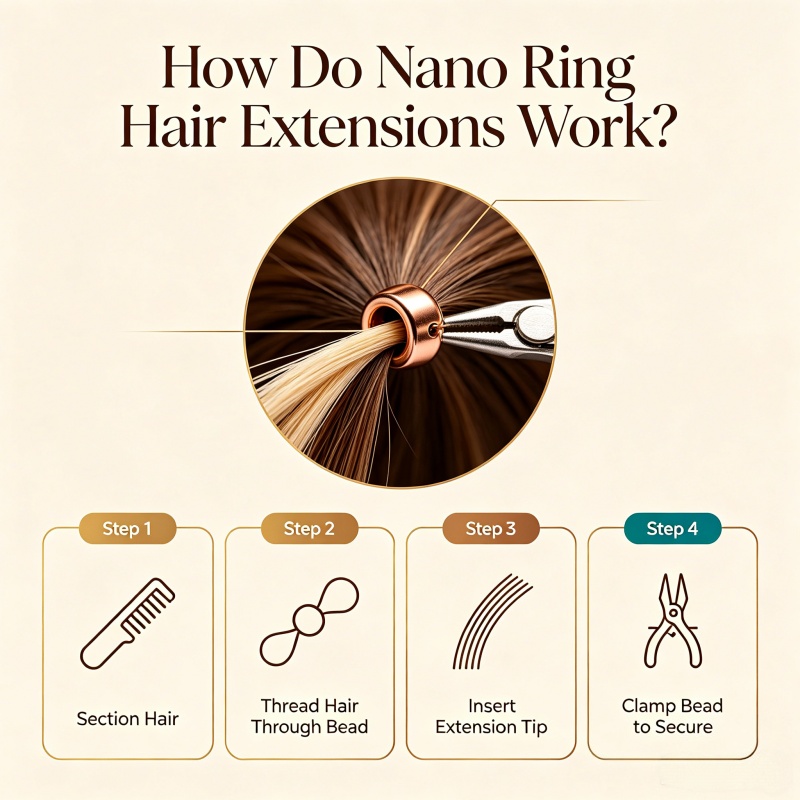
The application process involves threading a small section of your natural hair through the nano ring, sliding the extension strand inside, and then gently clamping the ring closed with special pliers to secure the extension. Because the rings are so tiny and lightweight, they create less tension on the hair follicles, which is especially beneficial for those with fine or fragile hair.

Nano ring extensions differ from other common extension methods like tape-ins or keratin bonds in several ways. Tape-in extensions use adhesive strips to stick the extension hair onto the natural hair, which can sometimes cause damage when removed and may not last as long. Keratin bond extensions involve heating a keratin-based glue to fuse the extensions to your hair, which can lead to heat damage and breakage over time.

In contrast, nano ring extensions rely on a mechanical bond that doesn’t involve glue, heat, or chemicals, making them a gentler and more flexible option. This technology provides a natural look with easy maintenance and less risk, making nano ring hair extensions a popular choice, especially for those with fine hair looking for a safer, long-lasting solution.

Benefits of Nano Ring Extensions for Fine Hair

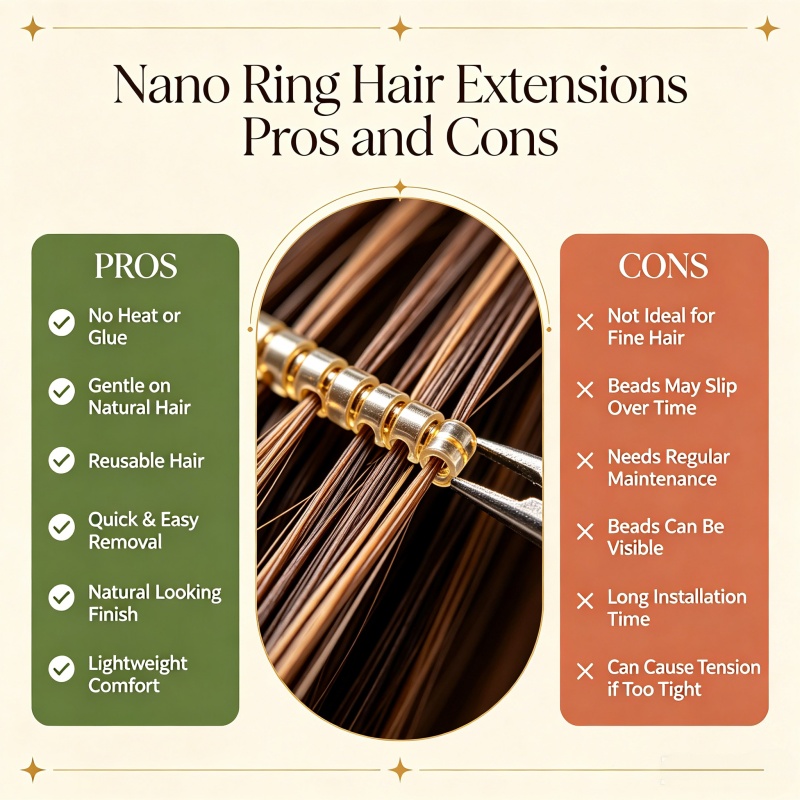
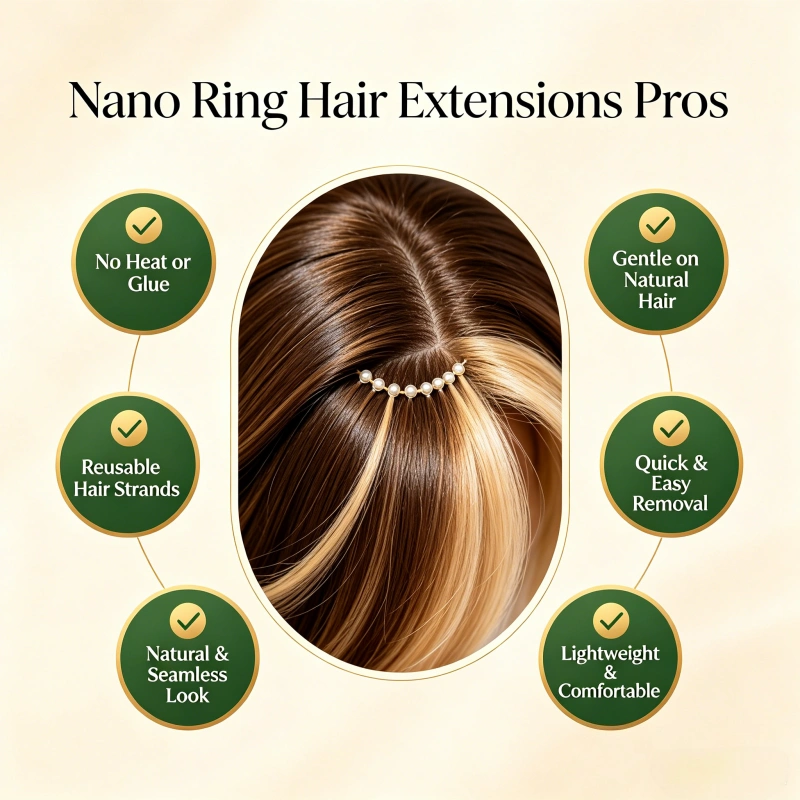
Nano ring hair extensions offer a variety of benefits that make them especially suitable for fine hair, which is often more delicate and prone to damage. One of the main advantages is that nano ring extensions are extremely lightweight. Because the rings used to attach the extensions are tiny and made of light materials, they put minimal stress on delicate strands. This means fine hair can carry additional length and volume without feeling weighed down or strained, reducing the risk of breakage or hair loss.

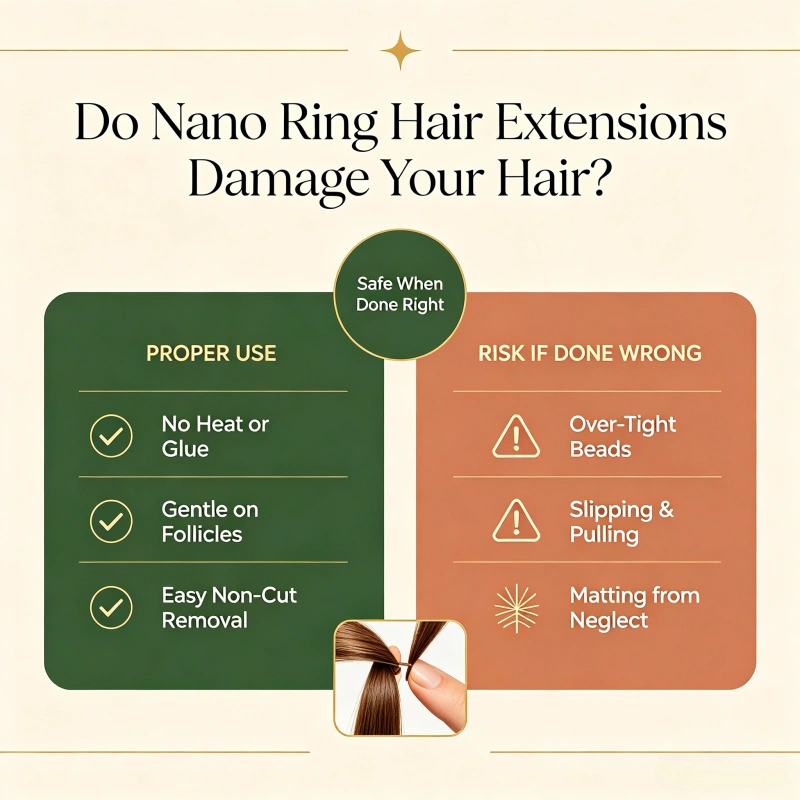
Another significant benefit is that nano ring extensions do not require heat or glue for installation. Many other extension methods use adhesives or heat to bond extensions to natural hair, which can weaken and damage fine hair over time. Nano rings, on the other hand, create a secure mechanical hold by clamping the rings around the natural hair and the extension strand. This no-heat, no-glue approach is much gentler and helps maintain the health and integrity of fine hair.

Despite being lightweight and gentle, nano ring extensions offer a secure attachment that stays in place throughout daily activities. The tiny rings are carefully clamped so the extensions won’t slip or fall out, yet they remain comfortable to wear. This means fine-haired individuals can enjoy the benefits of added volume and length without discomfort or the fear of extensions loosening prematurely.

Additionally, nano ring extensions blend seamlessly with natural hair, providing a natural look that is difficult to detect. Because the rings are so small, they are virtually invisible, and the extensions move freely with your hair. This natural movement enhances the overall appearance, making the extensions look like a part of your own hair.

Nano ring hair extensions combine gentle care, secure attachment, and a natural finish, making them an excellent choice for anyone with fine hair seeking to enhance their style safely and effectively.

Why Nano Rings Are Ideal for Fine Hair

Nano ring hair extensions are especially ideal for fine hair because of their smaller and less visible attachment points. Unlike traditional micro rings or other extension methods that use larger beads or noticeable glue strips, nano rings are tiny—about the size of a grain of rice. This small size makes them virtually invisible when installed, allowing fine hair to maintain a natural, undetectable look without bulky or obvious attachments. This is a huge advantage for those with thin or delicate hair who want extensions that blend seamlessly.

Another reason nano rings are perfect for fine hair is the reduced tension they place on hair follicles. Fine hair is often more fragile and prone to breakage when extensions pull too tightly or add excessive weight. Because nano rings are lightweight and clamp gently around small sections of hair, they distribute the weight evenly and avoid pulling. This minimizes stress on the hair roots and scalp, helping to protect natural hair from damage or hair loss.

The flexibility and movement provided by nano rings also contribute to their suitability for fine hair. Unlike glued or heat-bonded extensions, nano ring extensions move naturally with your hair, allowing you to style it freely without restrictions. This natural movement prevents tension or pulling, which can cause discomfort or damage, especially on fine hair that lacks density and strength.

Additionally, nano rings are ideal for people with sensitive scalps. Because the method avoids harsh adhesives and heat, it reduces irritation and allergic reactions that can be common with other extension techniques. The gentle clamping method of nano rings provides a comfortable wearing experience, even for those prone to scalp sensitivity.

The small size, reduced tension, natural flexibility, and scalp-friendly application make nano ring hair extensions the best choice for individuals with fine or sensitive hair, providing beauty without compromise.

Application and Maintenance

Nano ring hair extensions are applied using a precise and gentle method that involves no heat, glue, or chemicals. During the application process, a small section of your natural hair is threaded through the tiny nano ring using a special tool. The extension strand is then inserted into the same ring, and the ring is carefully clamped shut with pliers, securing the extension in place. Because the rings are so small and lightweight, the entire process is gentle on fine hair and causes minimal tension or damage. The application typically takes between 1.5 to 3 hours, depending on the amount of extensions being added.

To maintain the health and appearance of fine hair with nano ring extensions, it is important to follow some key care tips. Avoid excessive pulling or tugging when brushing or styling your hair—using a soft-bristle brush designed for extensions helps prevent damage. Washing your hair with gentle, sulfate-free shampoos and conditioners will keep both your natural hair and extensions clean without causing dryness. It’s also best to avoid heavy oils or products that can slip the rings open. Sleeping with your hair loosely tied or braided can reduce tangling and protect the extensions overnight.

Nano ring extensions are known for their longevity and reusability. With proper care, they can typically last between 3 to 4 months before needing to be repositioned or removed, which is longer than many other extension methods. Because the rings are reusable, you can have your extensions refitted multiple times without replacing the beads or damaging your hair. This makes nano rings a cost-effective option for fine hair, offering both durability and gentle wear.

Comparison with Other Extension Methods

When choosing hair extensions, especially for fine hair, it’s important to understand how different methods affect your natural hair and overall look. Nano ring hair extensions offer distinct advantages compared to other popular types such as tape-in, keratin bonded, and clip-in extensions. Below is a detailed comparison to help you see why nano rings stand out.

Nano Rings vs. Tape-In Extensions
Tape-in extensions use thin strips of hair with adhesive tape to attach to your natural hair. While tape-ins are quick to apply and generally lightweight, they may not be the best choice for fine hair. The adhesive can cause buildup and irritation on the scalp, and removing tape-ins can sometimes pull on delicate strands, increasing the risk of breakage. Nano rings, in contrast, don’t rely on glue or adhesives, so there’s no risk of residue or damage from sticky substances. The tiny rings gently clamp around your hair without pulling, making them gentler and safer for fine or fragile hair. Additionally, tape-ins need to be replaced more frequently as the adhesive weakens, while nano rings can be repositioned and reused, making them more economical over time.

Nano Rings vs. Keratin Bonded Extensions
Keratin bonded extensions involve fusing small sections of hair with keratin glue using heat tools. While keratin bonds can create a natural look, the heat and glue can cause significant damage to fine hair, leading to breakage and dryness over time. The removal process requires solvents that can weaken hair further. Nano rings avoid heat and glue entirely, using a mechanical bond instead. This means less damage during both application and removal. For people with fine or sensitive hair, nano rings are a much safer option, reducing the risk of scalp irritation and hair loss.

Nano Rings vs. Clip-In Extensions (for Fine Hair)
Clip-in extensions are a popular temporary solution that involves clipping on wefts of hair. They don’t require professional application, making them convenient and affordable. However, clip-ins can be heavy and bulky, which may overwhelm fine hair and cause tension or breakage if worn frequently. Because clip-ins are removable daily, there’s also a risk of improper attachment that can damage hair over time. Nano rings provide a semi-permanent solution that is lightweight and moves naturally with your hair. While they do require professional installation, the gentle clamping method is far less stressful on fine hair and offers a more seamless, natural look.

Nano ring hair extensions are uniquely suited to fine hair due to their small, lightweight, and gentle design. Compared to tape-in, keratin bonded, and clip-in extensions, nano rings minimize damage, reduce tension, and provide a secure yet comfortable fit. This makes them the best choice for those with delicate strands seeking long-lasting, natural-looking hair enhancement.

Potential Drawbacks and Considerations

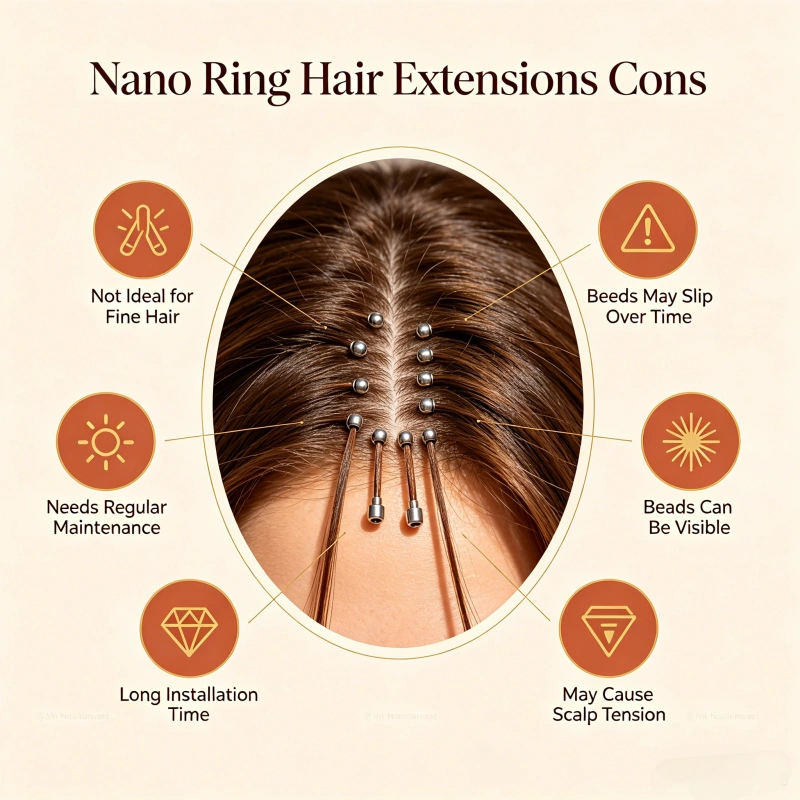
While nano ring hair extensions offer many benefits for fine hair, there are some potential drawbacks and important considerations to keep in mind before choosing this method. One possible downside is that, because the rings clamp around natural hair, if not applied correctly, they can cause tangling or slippage. This is especially true for very fine or silky hair, where the rings may not grip securely without proper technique. Additionally, some people may experience mild discomfort or scalp sensitivity shortly after application, though this typically subsides as the scalp adjusts.

Another important consideration is the importance of professional application. Nano ring extensions require skill and experience to install properly, ensuring the rings are clamped securely but gently without damaging hair. Attempting a DIY application can lead to improper placement, damage, or poor results. It’s highly recommended to seek a professional stylist trained in nano ring techniques to guarantee the best outcome and minimize risks.

Cost is another factor to consider. Compared to clip-in extensions, which are reusable and can be applied at home, nano ring extensions involve salon visits for both application and maintenance. The initial installation can be time-consuming, often taking several hours, which may contribute to higher salon fees. However, nano rings are reusable and can last several months with proper care, making them more cost-effective over time than some other semi-permanent methods like tape-ins that need more frequent replacement.

While nano ring hair extensions are an excellent choice for fine hair, it’s essential to be aware of these considerations. Choosing a skilled professional and understanding the maintenance and cost involved will help ensure you enjoy the benefits of nano rings safely and effectively.

Conclusion

Nano ring hair extensions are truly the best choice for fine hair due to their lightweight design, gentle application, and natural appearance. Their tiny, almost invisible rings provide secure attachment without the use of heat or glue, significantly reducing the risk of damage to delicate strands. By minimizing tension on hair follicles and allowing natural movement, nano rings protect fine hair from breakage and discomfort while adding beautiful volume and length.

However, to ensure the best results and maintain hair health, it’s essential to consult a professional stylist experienced in nano ring application. A trained expert can tailor the extensions to your hair’s unique texture and condition, apply them correctly, and guide you through proper maintenance to maximize longevity and comfort.

Ultimately, nano ring hair extensions offer a safe and effective way for those with fine hair to enhance their look without sacrificing hair integrity. With the right care and professional support, you can enjoy stunning, natural-looking hair extensions that boost your confidence and style. If you have fine or fragile hair, nano rings are a smart, beautiful solution worth considering.

Alove Hair is a leading professional manufacturer of Nano Ring Hair Extensions based in China. With years of experience and advanced technology, Alove Hair specializes in producing high-quality, durable, and natural-looking nano ring extensions that are perfect for fine hair. We are committed to providing excellent products and reliable service to meet the needs of salons and distributors worldwide. Whether you’re looking for wholesale orders or customized solutions, Alove Hair welcomes your inquiries and orders. Trust Alove Hair for premium nano ring hair extensions that combine beauty, strength, and safety.

Top 10 Benefits of Nano Ring Hair Extensions You Need to Know

Nano ring hair extensions are a modern, innovative type of hair extension that use tiny metal rings to attach individual strands of extension hair to your natural hair. Unlike traditional methods that rely on glue, heat, or sewing, nano rings are applied using a small, clamp-like tool—making them one of the safest and least damaging options available. Their discreet size (90% smaller than micro rings) allows them to blend seamlessly into natural hair, especially for people with fine or thin textures.

In recent years, nano ring hair extensions have surged in popularity among both salon professionals and everyday users. Their near-invisible finish, long-lasting wear, and gentle installation make them a favorite choice for those seeking volume, length, or a total hair transformation without compromising hair health.

As the market continues to shift toward safer and more natural-looking hair solutions, understanding the unique benefits of nano ring extensions has never been more important. Whether you’re new to extensions or considering switching methods, knowing what sets nano rings apart can help you make a confident, informed decision about your hair goals. In this article, we’ll explore the top 10 reasons why nano ring hair extensions might be the perfect fit for you.

Nano Ring Extensions

1. Virtually Invisible

One of the standout features of nano ring hair extensions is their incredibly discreet appearance. The “nano” in their name refers to the size of the tiny metal rings used to attach the extensions to your natural hair—these rings are about 90% smaller than traditional micro rings. Because of their compact size and natural color options, they sit close to the scalp and blend seamlessly with your own hair, making them nearly undetectable even up close.

This makes nano ring extensions an ideal solution for people with thin or fine hair, where bulkier extension methods can be more obvious or harder to conceal. The lightweight design of nano rings ensures that the extensions lay flat against the head, maintaining a natural look and feel from every angle. Unlike tape-ins or clip-ins, there’s no visible adhesive, bulky wefts, or awkward bumps to worry about.

For anyone concerned about the extensions being noticeable—whether in bright light, updos, or windy conditions—nano rings provide a high level of confidence and discretion. Whether you’re going for subtle volume or a dramatic transformation, the virtually invisible nature of nano ring hair extensions makes them a top choice for achieving a flawless, undetectable finish.

2. No Heat or Glue Required

One of the biggest advantages of nano ring hair extensions is their gentle, non-damaging application process. Unlike other types of extensions that rely on heat, glue, or harsh adhesives, nano rings are applied using a simple, mechanical method that’s safe for your natural hair.

During installation, a small section of your natural hair is threaded through a tiny metal ring (the nano ring), and a strand of extension hair is inserted into the same ring. The ring is then clamped shut with a special tool, securing the extension in place without the need for any bonding agents or thermal tools. The process is precise and customizable, allowing professional stylists to strategically place extensions where needed for the most natural blend and volume.

Because no glue or heat is involved, there’s no risk of chemical damage, burns, or sticky residue. This makes nano ring extensions a much healthier option for your hair in the long term—especially for individuals who have previously experienced breakage, thinning, or scalp sensitivity from other extension methods. Additionally, the absence of adhesives means the extensions are easier to remove and reposition with minimal disruption to your own hair.

For those looking for a semi-permanent solution that prioritizes hair health and minimizes risk, nano rings offer the perfect balance of beauty and safety. You get gorgeous, long-lasting results without compromising the condition of your natural hair.

3. Reusable and Long-Lasting

Another major benefit of nano ring hair extensions is their excellent durability and reusability. Unlike some types of extensions that are designed for single use or short-term wear, nano ring extensions can be reused multiple times, making them a smart investment for anyone looking for long-term results.

With proper care and professional maintenance, nano ring extensions can last anywhere from 6 to 9 months, or even longer in some cases. The actual hair strands used are typically 100% human Remy hair, which means the cuticles are aligned and intact, allowing for a more natural look and greater longevity. Because there’s no glue or adhesive residue involved, the extensions can be easily removed and reinstalled without damaging the hair strands or the nano rings themselves.

Most wearers will need maintenance every 6 to 8 weeks, depending on how fast their natural hair grows. During these appointments, a stylist will remove the extensions, reposition them closer to the scalp, and re-secure the nano rings. Since the same hair can be used again and again, you’re not constantly replacing expensive bundles or paying for new sets each time.

This reusability not only saves money over time but also reduces waste—making nano ring extensions a more sustainable option compared to disposable or glue-based alternatives. With consistent brushing, moisturizing, and proper washing techniques, you can extend the life of your extensions and keep them looking fresh and silky.

For anyone seeking a long-lasting solution that offers both value and beauty, nano ring extensions are a top-tier choice.

4. Comfortable to Wear

Comfort is a key factor when choosing the right type of hair extensions, and nano ring hair extensions are known for their exceptionally lightweight and discreet feel. Because the rings used are extremely small—significantly smaller than traditional micro rings—they sit flat against the scalp and don’t create bulk or pressure on the roots. This makes them one of the most comfortable semi-permanent extension options available today.

Many users report that after the initial installation and adjustment period, they barely notice the extensions at all. Unlike clip-ins, which can tug or shift throughout the day, or glue-ins that may cause itching or tightness, nano rings offer a more seamless experience. The weight is evenly distributed across small sections of natural hair, minimizing strain and reducing the risk of breakage or discomfort.

This comfortable fit is especially beneficial for those with sensitive scalps or fine hair, who may find other types of extensions irritating or too heavy. As long as the extensions are installed correctly by a trained stylist and maintained regularly, nano rings remain secure and unobtrusive throughout daily activities—even during sleep.

For a beautiful transformation without the heavy, tight feeling, nano ring extensions are a clear winner.

5. Minimal Damage to Natural Hair

One of the most important concerns when choosing hair extensions is how they affect your natural hair. Nano ring hair extensions stand out as one of the least damaging methods available, thanks to their non-invasive, glue-free, and heat-free application process.

Unlike glue-in extensions, which use strong adhesives that can pull and break the hair during both wear and removal, or sew-in weaves that require tightly braided bases and tension on the scalp, nano rings are applied strand by strand using small metal loops. These loops gently clamp the extension to a tiny section of your natural hair without chemicals or tight pulling, significantly reducing the risk of stress, breakage, or scalp irritation.

Since there is no glue or heat involved, there’s also no leftover residue or risk of hair being burned during installation or removal. The process is clean and simple—and with proper maintenance every 6–8 weeks, the extensions can be adjusted and reused without harming your natural hair structure.

For people who are trying to grow out their hair, preserve scalp health, or recover from previous hair damage, nano ring extensions offer a safe, semi-permanent solution that protects rather than compromises hair integrity.

If you want fuller, longer hair without sacrificing the health of your own, nano rings are one of the most hair-friendly options available today.

6. Natural Look and Movement

One of the standout qualities of nano ring hair extensions is how effortlessly they blend with your natural hair, both in appearance and movement. Because they are applied in small, individual strands, nano rings allow for a full range of natural motion—whether your hair is straight, wavy, or curly. There are no bulky wefts, tapes, or stiff bonds to interfere with how your hair flows.

The extensions are typically made from high-quality 100% Remy human hair, which means the cuticle remains intact and aligned in the same direction. This ensures a soft, silky texture that closely matches the feel and shine of your own hair. Once installed correctly by a professional, the nano rings are nearly invisible, and the extensions blend seamlessly—making it almost impossible to tell where your hair ends and the extensions begin.

This natural look is especially important if you want your hair to appear effortless in a variety of styles, from ponytails to beach waves. Whether you’re wearing your hair down or up, the discreet application and realistic movement of nano ring extensions make them a flawless match for real hair.

If you’re after length and volume that looks completely natural, nano rings deliver stunning, believable results.

7. Customizable Color and Length

One of the greatest advantages of nano ring hair extensions is their versatility in color and length, making them suitable for almost any hair type or style preference. Nano rings come in a wide range of shades—from natural tones like blonde, brunette, and black to vibrant, fashion-forward colors like pastel pinks or deep reds. This diversity allows you to find a perfect match for your natural hair or even experiment with a new hue.

For those looking for dramatic length, nano ring extensions are available in various lengths, from short-medium styles to ultra-long locks. You can add volume, length, or even a little extra thickness to your hair, depending on your desired result. Whether you’re looking to subtly enhance your current hair or create a bold transformation, there are plenty of options to choose from.

Another great feature is that nano ring extensions can be dyed and styled just like your own hair. Since they are made from high-quality human hair, you have the freedom to color them, curl them, straighten them, and treat them just like your natural strands. This means you can match your extensions to the exact shade you desire or style them to suit any occasion. Whether you want sleek, straight hair or voluminous curls, nano ring extensions can be tailored to your personal style.

For a customizable, natural-looking hair enhancement, nano rings are the perfect solution.

8. Low Maintenance Once Installed

Once your nano ring hair extensions are installed, one of the key benefits is how easy they are to maintain. Compared to other extension methods that require regular upkeep or frequent adjustments, nano rings allow for a much simpler and more convenient care routine.

The first step in maintenance is basic washing and conditioning. Just like natural hair, nano ring extensions need to be kept clean and moisturized to maintain their shine and texture. Use sulfate-free shampoos and conditioners to avoid drying out the extensions, and be gentle when washing to prevent tangling. It’s also essential to brush your extensions regularly with a wide-tooth comb or a special extension brush to keep them tangle-free and looking smooth.

The nano rings themselves don’t require much attention, as they are designed to stay securely in place. However, it’s important to visit a professional stylist every 6-8 weeks for a routine check-up, where they will reposition the extensions closer to your scalp as your natural hair grows. This ensures the extensions continue to blend seamlessly with your hair and remain comfortable.

For busy individuals, the low-maintenance nature of nano rings is a huge advantage. Once installed, you don’t have to worry about constant styling, adhesive messes, or frequent salon visits. You can focus on your day-to-day activities while still enjoying beautiful, voluminous hair that requires minimal upkeep.

9. Suitable for All Hair Types

One of the standout features of nano ring hair extensions is their versatility, making them a great option for nearly every hair type. Whether you have thin, thick, straight, or curly hair, nano rings can be customized to suit your natural texture and desired look.

For those with thin or fine hair, nano rings are particularly beneficial. The small, discreet rings apply minimal weight to the natural hair, preventing any additional strain or breakage. Since the rings sit flat against the scalp, they create a more natural blend with your fine hair, offering added volume without the bulk that might come with other extension types. The lightweight nature of the extensions ensures that they won’t overwhelm finer strands.

On the other hand, if you have thicker hair, nano rings can help you achieve the volume or length you desire without feeling too heavy. The extension strands are usually applied in smaller sections, which helps evenly distribute the weight and prevents tension on your natural hair.

For curly hair types, nano ring extensions work wonderfully to add both length and volume, seamlessly blending with the natural texture. A stylist can match the curl pattern and even use slightly textured extensions to ensure the best fit and flow.

The role of a skilled stylist is crucial to ensuring that your nano rings are a perfect match. They’ll carefully assess your hair type, texture, and desired result to determine the right length, color, and installation method, making sure the extensions look natural and feel comfortable.

10. Salon or DIY Friendly

While it’s always ideal to have your nano ring hair extensions installed by a professional stylist, the method is also flexible enough to allow for at-home application for those who are more experienced or prefer a DIY approach.

Professional installation ensures the best results, as a stylist has the expertise to select the right color, length, and placement for the most natural blend. They can also ensure that the nano rings are applied securely and with the right amount of tension, preventing damage to your natural hair. A professional can also check the position of the rings every few weeks, ensuring your extensions stay looking fresh and comfortable as your hair grows.

However, for experienced users, nano ring extensions can be applied at home with the right tools and knowledge. There are numerous guides and video tutorials available for those who feel confident in their ability to apply the extensions themselves. If you choose this route, it’s important to invest in high-quality tools (like the clamping tool for nano rings) and ensure you’re using the right technique to avoid causing any damage.

Safety and precision are paramount when applying nano rings, whether in a salon or at home. Improper placement or too much tension can cause breakage or discomfort, so it’s crucial to follow proper instructions. For those who are new to hair extensions, professional application is the safest route to ensure the best results without causing harm to your natural hair.

Conclusion

In conclusion, nano ring hair extensions offer a multitude of benefits, making them a top choice for anyone seeking long-lasting, natural-looking hair enhancements. From their virtually invisible appearance to the minimal damage they cause to natural hair, nano rings stand out as a safer, more comfortable alternative to traditional extension methods. The ability to reuse them, along with their customizable color and length, makes them a versatile and cost-effective solution for various hair types and personal styles.

The low-maintenance nature of nano rings is also a huge plus, especially for busy individuals looking for a beautiful, effortless look. And with their adaptability to different hair textures—whether thin, thick, straight, or curly—nano ring extensions are a perfect fit for just about everyone.

If you’re considering a hair transformation, whether for added volume, length, or a completely new style, nano rings offer a natural, damage-free way to achieve your goals. For the best results, it’s always recommended to consult with a professional stylist who can guide you through the installation process and help you choose the right match for your hair. Alternatively, if you feel confident, you can give DIY application a try, but always prioritize safety and precision.

Nano rings provide an excellent solution for beautiful, healthy hair without compromise.

Nano ring hair extensions manufacturer – Alove Hair

Alove Hair is a leading manufacturer specializing in high-quality nano ring hair extensions at competitive prices. Our products are crafted from 100% full cuticle human hair, ensuring a natural look, smooth texture, and long-lasting wear. With a focus on quality and affordability, we provide premium extensions that are perfect for both hair salons and professional stylists around the world.

Our main markets include the USA, UK, Canada, Australia, Germany, France, Italy, and the broader European market, where we have built a strong reputation for reliability and excellence. We understand the needs of the modern beauty industry, which is why our extensions are designed to be lightweight, easy to apply, and virtually undetectable, offering a seamless, natural blend with clients’ natural hair.

At Alove Hair, we are committed to providing top-tier products without compromising on cost, making our extensions accessible to both professionals and individuals seeking premium quality. Whether you’re a salon owner looking to stock the best products or a stylist in need of high-performance hair extensions for clients, Alove Hair has you covered. We pride ourselves on customer satisfaction, ensuring that every order is fulfilled with attention to detail and care.

I-Tip Hair Extensions vs Microlinks: Pros, Cons, Cost & Maintenance Compared

Hair extensions have become a mainstream beauty trend, offering an easy way to achieve longer, fuller hair without waiting for natural growth. As styling techniques evolve, more people are seeking methods that provide seamless results without causing damage. Two popular techniques that have gained attention are I-Tip Hair Extensions and Microlink Hair Extensions. These two methods are both designed to add length and volume, but they differ in installation, maintenance, and overall impact on hair health.I-Tip Hair Extensions involve small, individual strands of hair that are secured to your natural hair using a small metal bead or cylinder. The “I” shape refers to the tip of the extension that is inserted into the bead, making the method non-damaging, as it doesn’t rely on heat or chemicals. This technique is best for those looking for a natural look and feel.On the other hand, Microlink Hair Extensions also use beads to secure the extensions, but the application process differs slightly. The hair is pulled through a small ring, and the extension is clamped in place. This technique offers a similar result in terms of length and volume but is often preferred for its quicker application and versatility in adjusting to various hair textures.

This article aims to compare I-Tip Hair Extensions vs Microlinks: Pros, Cons, Cost & Maintenance Compared, giving you a comprehensive look at the advantages and disadvantages of each method. Whether you’re considering hair extensions for the first time or are looking to switch up your current method, understanding the differences in cost, maintenance, and suitability for different hair types will help you make an informed decision. By exploring these factors, you’ll be better equipped to choose the best hair extension technique to meet your needs.

What Are I-Tip Hair Extensions?

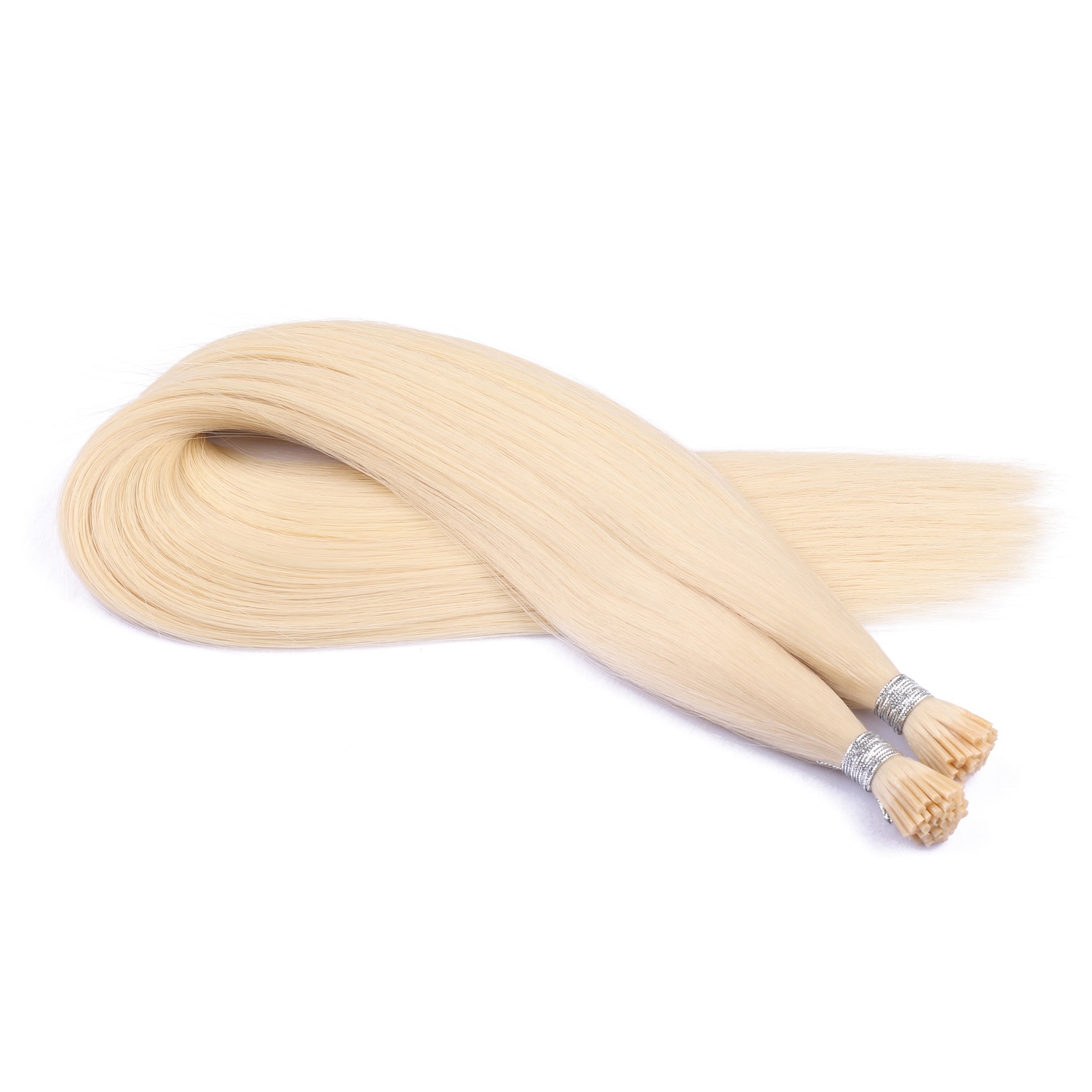
I-Tip Hair Extensions are a popular, non-permanent method of adding length and volume to natural hair. This extension technique involves individual strands of hair, which are securely attached to your natural hair using a small metal bead or cylinder. The “I” in I-Tip refers to the shape of the hair extension’s tip, which is inserted into the bead before being clamped down. This method is highly favored for its natural look and damage-free approach, as it doesn’t involve heat or glue, which can harm natural hair.

The extensions used in I-Tip applications are made from high-quality human hair, which can be treated, styled, and colored just like natural hair. The extensions are small, individual pieces that blend seamlessly with your natural hair, giving you a voluminous and more natural look. The “I-Tip” name comes from the tiny, thin tips of the extension strands that are inserted into the bead during installation.

Installation Method: Tools and Process

Installing I-Tip Hair Extensions requires specialized tools and careful application. The process involves the following steps:

  1. Preparation: The natural hair is sectioned into small, manageable parts, allowing the stylist to work one section at a time. This step is crucial for even distribution and blending of the extensions with your natural hair.
  2. Insertion of Extensions: Using a small hook tool or needle, the stylist will pull a small section of your natural hair through a small metal bead. The “I-Tip” hair extension is then placed into the bead.
  3. Securing with Bead: The stylist uses a set of specialized pliers to clamp the bead tightly around the natural hair and extension, securing the two together. This bond is firm yet gentle on the natural hair, preventing unnecessary breakage or damage.
  4. Blending and Finishing: After the extensions are applied, the stylist will blend and style the hair to ensure the extensions mix naturally with your own hair. The process is repeated throughout the head, row by row, until the desired length and volume are achieved.

Unlike other extension methods that may require adhesives or glue, I-Tip extensions are highly versatile, allowing users to maintain their natural hair health while achieving a full, voluminous look. The installation process typically takes 2 to 4 hours, depending on the amount of hair being added.

Who Is Best Suited for I-Tip Hair Extensions?

I-Tip extensions are suitable for a wide variety of individuals, though certain hair types and lifestyle factors may make them an even better choice. Here’s a breakdown of who might benefit most from I-Tip extensions:

  1. People with Fine or Thinning Hair: I-Tip extensions are ideal for those with fine or thinning hair because the small, discreet beads don’t add excessive weight to the hair, reducing the risk of damage. The individual strands of extensions blend seamlessly with natural hair, giving the appearance of thicker, fuller locks without looking bulky or obvious.
  2. Individuals Seeking a Natural Look: If you’re looking for a natural, undetectable result, I-Tip extensions are a great option. The individual strands are lighter and more flexible than tape-in or clip-in extensions, allowing them to move and behave like natural hair.
  3. People Who Want Long-Term Extensions Without Heat or Chemicals: Since I-Tip extensions do not require the use of heat or glue, they are an excellent choice for those who are concerned about heat damage or the long-term effects of adhesive-based extensions. This makes them a gentler alternative compared to other methods.
  4. Those with Medium to Long Hair: While I-Tip extensions can be used on short hair, they are typically better suited for individuals with medium to long hair, as the extensions can blend more naturally with longer natural hair.
  5. Active Lifestyles: If you lead an active lifestyle and prefer a secure, long-lasting hair extension method, I-Tip extensions are a good choice. They are durable and stay in place without needing constant adjustments. However, regular maintenance is required to ensure the beads remain securely in place.

I-Tip extensions are a fantastic choice for those looking to enhance their hair without compromising its health. The application is simple, the result is natural, and the extensions can last several months with proper care and maintenance.

What Are Microlink Hair Extensions?

Microlink Hair Extensions are a popular method of adding length and volume to natural hair without the need for heat, glue, or tape. These extensions are attached using small metal beads or rings that secure individual strands of hair to the natural hair. The process involves threading a small section of natural hair through the bead, then attaching a microlink extension and clamping the bead tightly to hold everything in place. This technique is praised for its natural, seamless look and long-lasting results.

Microlink extensions are typically made from high-quality human hair, ensuring that they can be styled, colored, and treated just like natural hair. The individual strands of hair used for microlinks are smaller and more discreet compared to other methods, which helps create a smooth, natural blend with the natural hair.

Installation Method: Tools and Process

The installation of Microlink Hair Extensions involves a few simple steps and requires some specialized tools:

  1. Sectioning the Hair: The natural hair is sectioned into small, manageable parts to make the process easier and more precise. This is important to ensure that the extensions are evenly distributed throughout the scalp.
  2. Inserting the Beads: Using a special loop tool, a small section of natural hair is pulled through a small metal bead. The bead is typically very tiny, about the size of a grain of rice, allowing it to stay discreet and close to the scalp.
  3. Attaching the Extensions: A microlink extension is then threaded into the bead along with the natural hair. Once the extension is in place, the stylist uses specialized pliers to clamp the bead tightly, securing the extension to the natural hair. The bead ensures the extension stays in place without slipping or shifting.
  4. Blending and Styling: After the extensions are installed, the stylist will blend and style the hair to make sure the extensions mix naturally with the natural hair. This may include trimming and shaping the hair to ensure a seamless, cohesive look.

The process typically takes about 2 to 3 hours, depending on the amount of hair being added. It’s a great option for those who want a longer-lasting, more natural-looking hair extension solution.

Who Is Best Suited for Microlink Hair Extensions?

Microlink hair extensions are suitable for a variety of hair types and personal preferences. Here’s a breakdown of who might benefit most from this method:

  1. People with Medium to Thick Hair: Microlinks work best on medium to thick hair, as the method requires a bit more hair volume to secure the beads properly. People with very fine or thin hair may still be able to use microlinks, but it’s essential to ensure that the extensions don’t put too much strain on the natural hair.
  2. Individuals Seeking Versatility: Microlink extensions are highly versatile because they can be removed, adjusted, and reinstalled. This makes them a great option for people who may want to change their hair length, volume, or style over time.
  3. Those Avoiding Heat or Glue: Microlink extensions are perfect for individuals who want to avoid the damaging effects of heat, chemicals, or adhesives. Since microlinks use beads to secure the extensions, they are a gentler alternative to methods like glue-in or tape-in extensions.
  4. Active Lifestyles: If you lead an active lifestyle and are concerned about your extensions slipping or becoming loose, microlinks are a durable choice. Once the beads are clamped, they stay securely in place, even during physical activities. However, regular maintenance is required to ensure they stay intact.
  5. People Seeking a Natural Look: For those who want a subtle, natural look, microlinks are ideal. The individual beads are small and discreet, so the extensions blend seamlessly with the natural hair, offering a more invisible result compared to bulkier extension methods.

Microlink Hair Extensions are an excellent choice for individuals looking for a long-term, natural-looking solution to enhance the length and volume of their hair without the need for glue, tape, or heat.

I-Tip vs Microlinks: Pros & Cons

When it comes to enhancing your natural hair with extensions, I-Tip and Microlink hair extensions are two of the most popular and non-damaging methods. Each technique offers its own unique benefits and some potential drawbacks, making it important to weigh the pros and cons before deciding which method is right for you. Below, we will compare the advantages and disadvantages of I-Tip Hair Extensions and Microlink Hair Extensions to help you make an informed choice.

A. I-Tip Hair Extensions

Pros:

  1. No Heat or Chemicals Used – Less Damage:
    One of the biggest advantages of I-Tip Hair Extensions is that they don’t require the use of heat, glue, or chemicals during the installation process. Unlike methods such as fusion or tape-in extensions, which may cause damage over time due to adhesives or heat application, I-Tip extensions rely on small metal beads to secure the hair. This makes the process gentler on your natural strands, reducing the risk of breakage and maintaining the health of your hair.
  2. Reusable and Eco-Friendly:
    I-Tip extensions can be reused multiple times, which is a major plus for both your wallet and the environment. Since the beads are simply clamped onto the natural hair, they can be removed and reinstalled without causing any harm to the extensions or your hair. This sustainability factor makes I-Tip extensions a great long-term investment, as they last much longer than some other extension methods.
  3. Perfect for Fine or Thin Hair – Natural Appearance:
    I-Tip extensions are especially suitable for those with fine or thin hair. The individual strands blend seamlessly with your natural hair, making them almost invisible. The lightness of the extensions ensures that they don’t add bulk, offering a very natural look. If you’re looking to add volume without sacrificing the authenticity of your hairstyle, I-Tip extensions are a great choice.

Cons:

  1. Installation Process Takes Longer:
    One downside of I-Tip extensions is that the installation process can be time-consuming. Depending on how much hair is being added, the process typically takes 2 to 4 hours to complete. This is longer than other methods like clip-ins or tape-ins, so it might not be ideal for someone who is looking for a quick solution.
  2. Regular Adjustments May Be Necessary:
    I-Tip extensions need to be adjusted every few weeks as the natural hair grows out. The beads that hold the extensions in place gradually move away from the scalp as hair growth occurs. This means that regular touch-ups or maintenance visits are required to ensure that the extensions stay secure and look natural. For those with a busy lifestyle, this might be a downside.
  3. Not Ideal for Extremely Short or Damaged Hair:
    I-Tip extensions are not recommended for individuals with very short or damaged hair. The small beads used to secure the extensions need enough natural hair to hold onto. If your hair is too short or weakened by damage, the beads may not be able to securely fasten the extensions, making the method less effective.

B. Microlink Hair Extensions

Pros:

  1. Works for All Hair Types, Especially Thick Hair:
    One of the most significant advantages of Microlink Hair Extensions is their versatility in accommodating all hair types. They work particularly well for those with thick or coarse hair, as the method can hold up well against the weight of thicker hair textures. Whether you have straight, wavy, or curly hair, microlinks can be customized to fit your needs. For people with naturally thicker hair, microlinks provide a secure and lasting solution.
  2. Faster Installation Time:
    Compared to I-Tip extensions, the installation process for Microlink Hair Extensions is typically faster. Microlinks require less time to install because the beads are slightly larger, and the application process is streamlined. The method typically takes 1 to 2 hours, making it a faster choice for those looking for quicker results. This makes it ideal for people who need extensions but are pressed for time.
  3. No Heat Tools or Chemicals Required:
    Like I-Tip extensions, Microlink Hair Extensions do not rely on any heat or chemicals for installation. The extensions are secured using small beads, so they are considered a safer alternative to methods that require heat fusion or adhesive. This makes microlinks a gentle and non-damaging option for anyone looking to enhance their hair without compromising its health.

Cons:

  1. Regular Maintenance is Required:
    While Microlink Extensions are known for being durable, they still require regular maintenance. As with any extension method, the beads may loosen over time as natural hair grows out. This means the beads need to be tightened, and adjustments may be necessary every 6 to 8 weeks. For people who want a low-maintenance option, this could be a disadvantage.
  2. Metal Beads May Cause Discomfort:
    The small metal beads used to secure the extensions may cause some discomfort, particularly in the early days after installation. As the beads sit close to the scalp, some people might experience mild irritation or tightness. Though this sensation usually subsides after a few days, those with sensitive scalps might find the initial discomfort uncomfortable.
  3. Long-Term Use May Cause Hair Breakage:
    Over time, the constant pressure exerted by the metal beads on the natural hair can lead to hair breakage, especially if the beads are too tight or improperly maintained. For individuals with fine or weak hair, this could be a concern. It’s important to ensure that the beads are properly fitted and that regular adjustments are made to avoid any damage.

Both I-Tip Hair Extensions and Microlink Hair Extensions offer unique benefits and some potential drawbacks, depending on your hair type, lifestyle, and preferences.

  • If you’re looking for a natural look, less damage, and long-term sustainability, I-Tip extensions might be the ideal choice, particularly for those with fine or thin hair. However, the process takes longer and may require more frequent maintenance.
  • On the other hand, Microlinks provide faster application, work well for thicker hair, and also avoid heat or chemicals. They might require regular maintenance and could cause discomfort due to the metal beads, but they are a great option for those seeking a quicker and versatile extension method.

Ultimately, the best choice depends on your hair type, how much time you can dedicate to maintenance, and your desired outcome.

Cost Comparison: I-Tip vs Microlinks

When considering hair extensions, the cost is an essential factor. Both I-Tip and Microlink extensions come with their initial installation costs, along with long-term maintenance expenses. Understanding these costs will help you make an informed decision based on your budget and the longevity of the extensions. Let’s break down the pricing for both methods.

I-Tip Hair Extensions Costs

Initial Costs: Materials and Installation Fee

The initial cost of I-Tip extensions includes both the price of the extensions themselves and the installation fee.

  1. Extension Costs:
    The price of I-Tip hair extensions typically ranges from $200 to $500 or more, depending on the length, quality, and volume of the extensions. High-quality 100% human hair extensions, which are more durable and blend naturally with your natural hair, will generally cost on the higher end. The longer and thicker the hair, the more expensive the extensions will be.
  2. Installation Fees:
    The installation of I-Tip extensions requires a skilled stylist to apply each individual strand of hair to your natural hair using metal beads. This process can take 2 to 4 hours, and installation fees generally range from $150 to $400 depending on the stylist’s experience, location, and the amount of hair being applied. The process is labor-intensive, which can lead to higher installation costs.

Regular Maintenance Costs

Although I-Tip extensions don’t require much upkeep, they do need to be maintained every 6 to 8 weeks to keep them looking fresh. Maintenance involves repositioning the beads as your natural hair grows, which may require removing and reinstalling the extensions.

  • The maintenance fee can range from $100 to $250 depending on how much hair needs to be moved and the stylist’s rates.
  • Since I-Tip extensions are reusable, this maintenance cost is much lower than the initial installation fee.

Microlink Hair Extensions Costs

Initial Costs: Price and Installation Fee

The initial cost for Microlink extensions includes both the price of the hair and the installation service.

  1. Extension Costs:
    Microlink extensions are generally priced similarly to I-Tip extensions, with high-quality human hair extensions costing between $200 to $500 or more, depending on the length, thickness, and quality of the hair. Because Microlinks use individual strands of hair like I-Tip extensions, the cost can vary based on the volume and desired look.
  2. Installation Fees:
    The installation of Microlink extensions typically takes 1 to 2 hours, making it a quicker process than I-Tip extensions. Installation fees are generally in the range of $150 to $300, depending on the stylist and how much hair is being added.

While Microlinks may have slightly lower installation fees due to the faster application time, the difference in cost is not vast when compared to I-Tip extensions.

Regular Adjustment Costs

Like I-Tip extensions, Microlinks need regular adjustments as your natural hair grows. This typically involves tightening the beads to keep the extensions secure and repositioning them.

  • The adjustment cost for Microlinks is usually $100 to $200 per session.
  • Since the extensions need to be adjusted every 6 to 8 weeks, the long-term cost for Microlinks is similar to I-Tip extensions in terms of maintenance.

Long-Term Costs: Comparing I-Tip vs Microlinks

The long-term costs for both I-Tip and Microlink extensions are influenced by the reusability of the extensions, the maintenance schedule, and the type of hair used. Both methods offer reusable hair, which reduces the need to purchase new extensions for each maintenance session. However, both still require regular upkeep, such as repositioning beads and ensuring the extensions stay in place.

  1. I-Tip Hair Extensions Long-Term Costs:Estimated Long-Term Cost (over 12 months):
    • Extensions: $200 – $500
    • Maintenance: $100 – $250 every 6-8 weeks (3-6 maintenance sessions in a year)
    • Total Estimated Yearly Cost: $500 – $1,500
    • Initial Installation: $200 – $500 (depending on hair quality and length)
    • Maintenance: $100 – $250 every 6-8 weeks
    • Reusability: Since I-Tip extensions can last 6-12 months or longer, depending on how well they are maintained, you can continue to use the same hair during this period. This makes I-Tip extensions more cost-effective over time compared to methods that require frequent replacement.
  2. Microlink Hair Extensions Long-Term Costs:Estimated Long-Term Cost (over 12 months):
    • Extensions: $200 – $500
    • Maintenance: $100 – $200 every 6-8 weeks (3-6 maintenance sessions in a year)
    • Total Estimated Yearly Cost: $500 – $1,500
    • Initial Installation: $200 – $500
    • Maintenance: $100 – $200 every 6-8 weeks
    • Reusability: Like I-Tip extensions, Microlink hair extensions can last anywhere from 6 months to a year, depending on how well they are cared for. Reusing the same hair helps lower costs, but the beads may need to be replaced if they become loose or damaged.

Both I-Tip and Microlink hair extensions come with similar initial costs and long-term maintenance expenses. The primary differences lie in the installation process and the duration between maintenance visits.

  • I-Tip extensions may be a bit more costly due to the longer installation time, but they can last longer, making them a good investment for those looking for a more sustainable option.
  • Microlink extensions, on the other hand, are typically quicker to install and may be more suitable for people with thicker hair, though they require similar maintenance and adjustment costs.

The long-term cost for both methods will depend on the quality of the hair, how often you maintain them, and the maintenance required to keep your extensions looking fresh. Both offer a range of costs that can be tailored to fit your budget and desired look.

Maintenance: How to Care for I-Tip and Microlink Extensions

Proper care and maintenance are crucial for keeping I-Tip and Microlink extensions looking fresh and long-lasting. Both methods require specific attention to ensure the extensions remain secure, healthy, and blend seamlessly with natural hair. Below, we’ll discuss how to properly care for each type of extension, including essential maintenance tips.

A. Maintenance for I-Tip Extensions

1. Hair Care and Washing Tips

Proper washing and conditioning techniques are essential for maintaining I-Tip extensions. Here’s how to care for your hair when wearing I-Tip extensions:

  • Gentle Shampooing: Use a sulfate-free shampoo to avoid stripping the hair of its natural oils. When washing, focus on cleaning your scalp rather than scrubbing the extensions directly. This helps prevent tangling and ensures the extensions stay in place.
  • Conditioning: Apply conditioner to the ends of your hair, avoiding the beads where the extensions are attached. Heavy conditioners or oils near the bead area can cause slippage or loosen the extensions.
  • Drying: After washing, pat your hair dry with a towel and avoid rubbing the extensions. Let the hair air-dry or use a blow dryer on a low heat setting. Avoid using high heat on the extension beads as it can cause them to weaken or loosen.
  • Combing: Always use a wide-tooth comb or a brush with soft bristles to detangle the hair, starting from the ends and working your way up. This helps prevent unnecessary pressure on the extensions and reduces the risk of breakage.

2. Tips for Maintaining I-Tip Extension Stability

To ensure the stability of your I-Tip extensions, follow these tips:

  • Avoid Excessive Heat: I-Tip extensions can withstand heat styling, but it’s essential to avoid using high-heat tools directly on the beads or roots of your hair. Always apply a heat protectant before using any styling tools to reduce the risk of damage.
  • Sleeping Care: Tie your hair loosely in a braid or ponytail before bed to prevent tangling or breakage. You may also consider using a silk or satin pillowcase to reduce friction and protect both your natural hair and extensions.
  • Be Gentle with Hair: When brushing or styling, be gentle near the roots where the beads are attached. Pulling or tugging at the beads can cause them to loosen or the natural hair to break.

3. Regular Checks and Adjustments

I-Tip extensions require regular checks to ensure they remain secure and properly positioned. As your natural hair grows, the beads may gradually shift away from the scalp. It’s important to have your stylist check your extensions every 6-8 weeks to ensure they are not too loose. They may need to be repositioned or adjusted to prevent any slippage or discomfort.

Regular adjustments and maintenance appointments are key to keeping your extensions looking their best and maintaining their longevity.

B. Maintenance for Microlink Extensions

1. Avoiding Bead Slippage or Damage

One of the primary concerns with Microlink extensions is ensuring that the metal beads remain secure and do not cause discomfort. To prevent slippage or damage:

  • Avoid Over-tightening: While it’s important that the beads are clamped tightly enough to secure the extensions, over-tightening can cause discomfort and even damage to your natural hair. Make sure the beads are snug, but not too tight.
  • Avoid Excessive Pulling: Just like with I-Tip extensions, avoid pulling or tugging on the hair, as this can loosen the beads or cause them to shift. Be mindful when brushing or styling your hair, and always be gentle near the bead area.
  • Use the Right Products: Certain hair products like oils or serums can cause the beads to slip if applied near the roots. Use lightweight products that don’t build up at the scalp and avoid applying heavy products directly to the bead area.

2. Cleaning and Hair Care Recommendations

Caring for your natural hair and extensions is essential for longevity:

  • Gentle Shampooing: Use a sulfate-free shampoo to cleanse both your natural hair and extensions. Make sure to focus on the scalp and roots where the beads are attached, but avoid massaging or rubbing the bead area directly, as it could weaken or loosen the beads.
  • Conditioning: Apply conditioner to the mid-lengths and ends of your hair, avoiding the bead area to prevent product buildup. You can also use a leave-in conditioner to maintain moisture and shine. Be careful not to use too much conditioner, as it may weigh down the extensions or cause slipping.
  • Drying: After washing, gently towel-dry your hair. Use a blow dryer on a low heat setting to dry your hair, or allow it to air dry. Avoid applying excessive heat directly to the beads, as it may weaken them over time.
  • Brushing: Detangle your hair using a wide-tooth comb or a brush designed for extensions. Start at the ends and work your way upward, being cautious around the bead area to prevent damage.

3. Regular Maintenance Frequency

Like I-Tip extensions, Microlink extensions require regular maintenance to keep them looking their best.

  • It’s recommended that you visit your stylist every 6-8 weeks for a maintenance appointment. This will allow the stylist to check the beads, adjust any loose extensions, and ensure that the natural hair is not experiencing any breakage or stress.
  • During maintenance, the beads will often need to be adjusted or tightened as your natural hair grows. This is a routine part of keeping the extensions secure and ensuring that they remain comfortable.

Proper care and maintenance are essential for the longevity and comfort of both I-Tip and Microlink extensions. Here are the key takeaways:

  • I-Tip extensions require gentle hair care techniques, especially when washing, conditioning, and detangling. Regular adjustments are necessary every 6-8 weeks to maintain the integrity of the beads.
  • Microlink extensions require careful attention to avoid bead slippage and product buildup. Regular visits every 6-8 weeks will help ensure that the beads are secure and the extensions stay comfortable.

By following these maintenance tips and scheduling regular check-ups with your stylist, you can enjoy long-lasting, beautiful extensions that keep your hair looking flawless.

Which One is Right for You?

When deciding between I-Tip and Microlink hair extensions, it’s important to consider your specific needs, hair type, and the results you’re hoping to achieve. Below is a breakdown of which type of extension is best suited for different individuals based on their preferences and lifestyle.

I-Tip Hair Extensions: Best for Those Who Want a Natural Look and Long-Lasting Results

I-Tip extensions are ideal for individuals who are looking to enhance their natural hair with a more subtle and seamless look. This method is especially suitable for:

  • People with Fine or Thin Hair: I-Tip extensions blend well with finer hair textures, as the individual strands are lightweight and can add volume without looking bulky. The result is a natural, fuller appearance that doesn’t weigh down the hair.
  • Those Seeking a Natural Look: If you prefer extensions that blend seamlessly into your natural hair without being too noticeable, I-Tip extensions are the way to go. The beads are discreet, and the application process results in a very natural finish.
  • Those Who Don’t Mind Regular Maintenance: I-Tip extensions require regular adjustments every 6-8 weeks to keep them in place as your natural hair grows. If you don’t mind committing to regular salon visits, this method can provide long-term, stunning results.
  • People Looking for Long-Lasting Extensions: I-Tip extensions are known for their durability. They can be reused and last up to 12 months with proper care, making them a good investment for those who want long-term extensions.

Microlink Hair Extensions: Ideal for Those Seeking a Quicker Solution and Less Frequent Maintenance

Microlink extensions are perfect for individuals who are looking for a faster application process and those who prefer a little less upkeep in terms of maintenance. This method works well for:

  • People with Thicker Hair: Microlinks are versatile and work well with all hair types, especially thicker or coarser hair. The beads are strong enough to hold up against heavier textures, and they blend easily.
  • Those Seeking Quick Length: If you want to add length quickly without the longer installation process, Microlink extensions are a great choice. The installation is faster than I-Tip, typically taking only 1 to 2 hours.
  • Those Who Prefer Less Frequent Maintenance: Microlink extensions may require maintenance every 6-8 weeks, but the installation process tends to be quicker, so you won’t need to spend as much time in the salon. If you want a low-maintenance option that still delivers beautiful results, Microlinks are a good fit.
  • People Seeking Versatility: Microlinks offer more flexibility when it comes to styling, and they can be a better option for those who like to experiment with different looks while maintaining a natural feel.

The choice between I-Tip and Microlink extensions comes down to your specific goals and lifestyle:

  • Choose I-Tip extensions if you want a more natural, seamless look with long-lasting results, and if you’re willing to commit to regular salon visits for maintenance.
  • Opt for Microlink extensions if you’re looking for a quicker, less frequent maintenance solution that works well for thicker hair and offers versatile styling options.

By considering your hair type, maintenance preferences, and desired look, you can determine which extension method will best suit your needs.

Conclusion

Both I-Tip and Microlink extensions offer distinct advantages and are ideal for different types of individuals.

I-Tip extensions are known for their natural, seamless look and are perfect for individuals with fine or thin hair. They are durable and reusable, providing a long-term solution, but require regular maintenance every 6-8 weeks. The process of installing I-Tip extensions can take longer, and while they are environmentally friendly, they may require a higher initial investment.

On the other hand, Microlink extensions are faster to install, making them suitable for people looking for quick length and volume. They are versatile and can be used on all hair types, especially thicker hair. However, they require periodic maintenance to ensure the beads stay in place. The installation process is shorter than I-Tip, and the cost of maintenance is similar.

Choosing the Right Option

  • Budget: If you’re on a tight budget, Microlinks may be a more affordable option due to their quicker installation time, while I-Tips may have a higher initial cost but are a longer-term investment.
  • Hair Type & Desired Look: Consider your natural hair texture and the kind of result you want. I-Tip extensions offer a more natural, long-lasting appearance, while Microlinks offer quick length and volume.
  • Maintenance Time: If you have limited time for regular maintenance, Microlinks may be a better fit due to the less frequent adjustments.

Ultimately, your choice will depend on your personal needs, budget, and hair goals.

20-inch-hair-extensions

20 Inch Hair Extensions Before and After

Introduction

This article will provide a detailed analysis of the changes before and after using 20-inch hair extensions, how to distinguish between high-quality and low-quality extensions, and how to find reliable suppliers from China.

Part 1: The Amazing Transformation Before and After 20-Inch Hair Extensions

1. Before Getting Extensions

Before deciding on extensions, many people face the following hair issues:

  • Insufficient length: Growing hair naturally to 20 inches (about 50 cm) takes years, while extensions provide instant length.
  • Thin hair: Sparse hair or a receding hairline can make hairstyles appear flat.
  • Limited styling options: Short or medium-length hair makes it difficult to try intricate braids, voluminous waves, or high ponytails.

2. The Stunning After-Effects of Extensions

20-inch extensions deliver immediate results:

  • Increased length and volume: Hair instantly reaches waist-length or longer, creating a more elegant look.
  • More styling versatility: Easy to experiment with various long hairstyles, such as curls, straight hair, or hime cuts.
  • Boost in confidence: Thick, long hair often enhances femininity and overall charm.

Real-Life Examples: Before-and-After Experiences

  • Sunny (25 years old, originally shoulder-length hair):
    • Before extensions: Hair tended to cling to the scalp, making ponytails look thin.
    • After extensions: Hair became fuller and more layered, easily achieving a “high crown” effect for a voluminous look.
  • Cassie (30 years old, fine hair texture):
    • Before extensions: Hair tangled easily and lacked shine.
    • After extensions: High-quality extensions provided smoothness and manageability, even better than her natural hair.

20-inch-hair-extensions


Part 2: How to Choose 20-Inch Hair Extensions? High-Quality vs. Low-Quality Comparison

Prices for 20-inch extensions range from tens to thousands of dollars, with significant quality differences. Here’s how to distinguish between high-quality and low-quality extensions:

1. Hair Source

  • High-quality: 100% human hair (Remy Hair), with cuticles aligned to prevent tangling.
  • Low-quality: Mixed with synthetic fibers or non-Remy human hair, prone to frizz and tangling, with a short lifespan.

2. Texture and Shine

  • High-quality: Soft to the touch, with natural shine, resembling healthy real hair.
  • Low-quality: Feels rough, may appear overly glossy (like synthetic hair) or dull.

3. Elasticity and Durability

  • High-quality: Stretches well without breaking.
  • Low-quality: Prone to breakage and excessive shedding when combed.

4. Compatibility with Application Methods

  • High-quality: Suitable for various attachment methods (e.g., micro rings, glue-in, braiding).
  • Low-quality: May not withstand heat styling or frequent changes in application techniques.

5. Lifespan

  • High-quality: With proper care, lasts 6 months to 1 year.
  • Low-quality: Becomes frizzy or sheds within 1–3 months.

20-inch-hair-extensions


Part 3: How to Find Reliable 20-Inch Hair Extension Suppliers in China?

China is the world’s largest producer of hair extensions, with major manufacturing hubs in Xuchang (Henan) and Qingdao (Shandong). To find trustworthy suppliers, consider the following:

1. Professional B2B Platforms

  • Alibaba: Search for “20 inch Remy hair extensions” and filter for “Gold Supplier” or “Verified Supplier.”
  • Global Sources: Ideal for bulk purchases; contact factories directly for samples.
  • Made-in-China: Suitable for small to medium wholesalers, allowing comparisons between suppliers.
  • Google: Search for “20 inch Remy hair extensions supplier/manufacturer/factory.”

2. How to Identify Reliable Suppliers?

  • Check factory credentials: Do they have ISO certification? An official website and social media presence?
  • Request samples: Reputable suppliers usually provide samples (may require a fee).
  • Shipping speed: Fast delivery indicates strong inventory management, reflecting supplier reliability.

3. Common Pitfalls to Avoid

  • False claims: Some sellers advertise “100% human hair” but mix in synthetic fibers. Use a burn test (real hair turns to ash, synthetic melts into hard lumps).
  • Too-good-to-be-true prices: Extremely cheap extensions (e.g., $20 per bundle) are likely low-quality with a short lifespan.
  • Underweight bundles: Some suppliers reduce hair weight per bundle, resulting in insufficient volume.

4. Recommended High-Quality Chinese Suppliers

  • Rebecca: A globally recognized brand with guaranteed quality, though prices are higher.
  • Ares Hair: Specializes in exports to Europe and the U.S., offering custom colors and lengths.
  • Alove Hair: A well-known manufacturer of premium human hair extensions.
  • Organic Hair: A reputable hair extension factory in China.

20-inch-hair-extensions


Part 4: Maintenance Tips for 20-Inch Hair Extensions

Even high-quality extensions require proper care to extend their lifespan:

  1. Use sulfate-free shampoo: Prevents cuticle damage.
  2. Avoid excessive heat styling: Keep curling irons below 180°C (356°F).
  3. Deep-condition regularly: Apply hair masks or oils to maintain softness.
  4. Braid hair before bed: Prevents tangling.

hair-extensions


Conclusion

20-inch hair extensions can create a dramatic transformation, but choosing high-quality products is essential. By comparing hair sources, texture, and supplier credibility, you can avoid common pitfalls. China’s hair extension supply chain is well-established, but careful selection is key. We hope this guide helps you find the perfect 20-inch extensions to achieve your dream hairstyle!

20-inch-hair-extensions

Hair Extensions for Thin Hair Before and After

Introduction

Thin hair can affect not only your hairstyle options but also your overall confidence. Many people struggle with flat roots, lack of volume, and difficulty maintaining styles. Fortunately, modern hair extensions offer powerful solutions that can completely transform thin hair—both visually and structurally.

In this comprehensive guide, we’ll explore hair extensions for thin hair before and after transformations, explain the best extension types, compare methods, analyze results, and provide a clear roadmap for choosing the right solution.


Understanding Thin Hair: The Core Challenges

Before diving into solutions, it’s important to understand why thin hair behaves differently.

Common Characteristics of Thin Hair

  • Low density (fewer strands per square inch)
  • Fine strand diameter
  • Lack of volume and body
  • Easily weighed down by products
  • Difficulty holding curls or styles

Common Problems

  • Visible scalp
  • Flat appearance
  • Limited styling options
  • Breakage and fragility

👉 These challenges make it essential to choose lightweight, discreet extension methods.


Before Hair Extensions: What Thin Hair Typically Looks Like

Visual Characteristics

  • Limp and flat hair
  • Minimal root lift
  • Lack of fullness at ends
  • Uneven appearance

Styling Limitations

  • Ponytails look thin
  • Braids appear sparse
  • Layers lack structure

Emotional Impact

  • Reduced confidence
  • Frustration with styling

After Hair Extensions: The Transformation

Hair extensions can create dramatic improvements.

Immediate Visual Results

  • Fuller, thicker appearance
  • Balanced density from root to ends
  • Improved hair shape and structure

Styling Improvements

  • Voluminous ponytails
  • Defined curls and waves
  • More versatile hairstyles

Confidence Boost

Many users report:

  • Increased self-esteem
  • More styling freedom
  • Better overall appearance

👉 The transformation is often described as “instant volume and confidence.”

Nano Ring Extensions


Best Hair Extensions for Thin Hair

Not all extensions are suitable for thin hair. Choosing the wrong type can cause damage or look unnatural.


1. Genius Weft Hair Extensions

Why They Work for Thin Hair

  • Ultra-thin seam
  • Lightweight
  • Lies flat against the scalp

Before vs After

Before:

  • Flat roots
  • Visible scalp

After:

  • Natural volume
  • Seamless blending

👉 Ideal for clients wanting volume without bulk


2. Tape-In Hair Extensions

Advantages

  • Thin adhesive strips
  • Quick installation
  • Lightweight

Before vs After

Before:

  • Thin ends
  • Uneven density

After:

  • Fuller length
  • Balanced appearance

👉 One of the most popular options for thin hair


3. K-Tip (Keratin Bond) Extensions

Advantages

  • Individual strand application
  • Highly natural look

Before vs After

Before:

  • Sparse hair
  • Limited styling

After:

  • Natural movement
  • Invisible integration

👉 Best for premium, long-term results


4. Clip-In Extensions (Temporary)

Advantages

  • No permanent installation
  • Easy to use

Before vs After

Before:

  • Flat hair

After:

  • Instant volume (temporary)

👉 Ideal for occasional use


Extensions to Avoid for Thin Hair

Some methods may not be suitable:

Heavy Machine Wefts

  • Too bulky
  • Can cause tension

Poor-Quality Synthetic Hair

  • Looks unnatural
  • Tangles easily

Before and After Comparison Table

FeatureBefore ExtensionsAfter Extensions
VolumeLowHigh
DensityUnevenBalanced
StylingLimitedVersatile
AppearanceFlatFull
ConfidenceLowHigh

Real Transformation Scenarios

Case 1: Fine Shoulder-Length Hair

Before:

  • Thin ends
  • Lack of shape

After (Tape-Ins):

  • Fuller length
  • Natural movement

Case 2: Sparse Crown Area

Before:

  • Visible scalp

After (K-Tips):

  • Increased density
  • Invisible blending

Case 3: Flat Long Hair

Before:

  • No volume

After (Genius Wefts):

  • Lifted roots
  • Fuller body

How to Choose the Right Extensions for Thin Hair

1. Consider Hair Density

  • Very thin → K-Tips or Tape-Ins
  • Medium thin → Genius Wefts

2. Consider Lifestyle

  • Active lifestyle → K-Tips
  • Busy schedule → Tape-Ins

3. Consider Budget

  • Budget-friendly → Tape-Ins
  • Premium → K-Tips or Genius Wefts

4. Consider Styling Needs

  • High styling flexibility → K-Tips
  • Volume-focused → Genius Wefts

Installation Tips for Thin Hair

  • Use lightweight extensions
  • Avoid overloading hair
  • Maintain proper spacing
  • Always use professional stylists

Maintenance Tips

Daily Care

  • Use sulfate-free shampoo
  • Brush gently

Weekly Care

  • Deep conditioning
  • Avoid heavy oils near bonds

Salon Maintenance

  • Regular repositioning
  • Professional check-ups

Common Mistakes to Avoid

  • Choosing heavy extensions
  • DIY installation
  • Skipping maintenance
  • Using low-quality hair

Cost Analysis

Typical Price Range

TypeCost Range
Tape-Ins$150–$600
Genius Wefts$300–$800
K-Tips$500–$1500

Market Trends (2026)

  • Growing demand for lightweight extensions
  • Increased use of Remy human hair
  • Focus on natural results

Benefits of Hair Extensions for Thin Hair

1. Instant Volume

  • Immediate transformation

2. Styling Freedom

  • More hairstyle options

3. Confidence Boost

  • Improved self-image

4. Long-Term Solution

  • Semi-permanent results

Final Recommendation

Best Choices by Need

  • Best overall: Tape-Ins
  • Best premium: K-Tips
  • Best for volume: Genius Wefts

Conclusion

The transformation of hair extensions for thin hair before and after is truly remarkable.

From:

  • Flat, lifeless hair

To:

  • Full, voluminous, and stylish hair

modern extensions provide solutions for every need and budget.

The key to success lies in:

  • Choosing the right method
  • Using high-quality hair
  • Working with professionals

Because when thin hair meets the right extensions, the result isn’t just more hair—it’s a whole new level of confidence (and finally, a ponytail that doesn’t disappear when you turn sideways).