Toupee vs Wig: What’s the Difference and Which One Should You Choose?
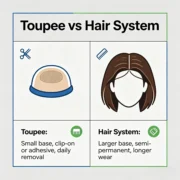
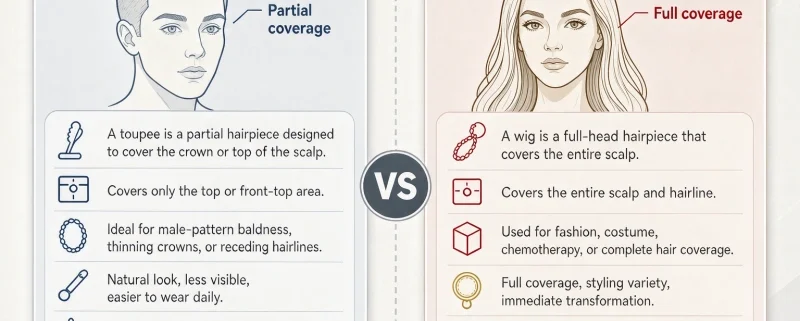
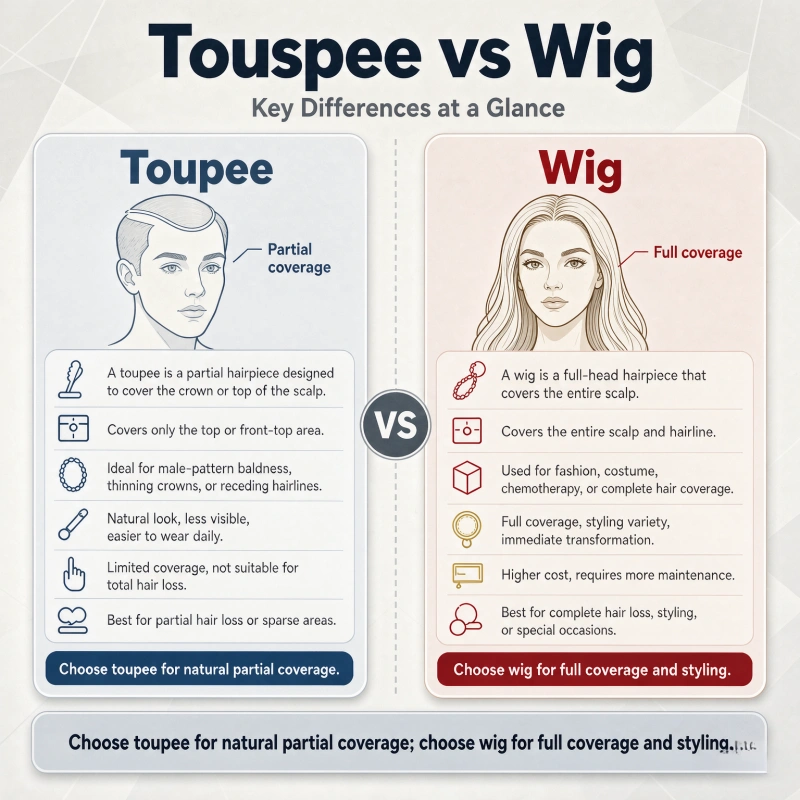
When comparing a toupee vs wig, the most important difference is the amount of scalp each product covers. A toupee is generally designed to replace hair in a specific area, such as the crown or top of the head, while a full wig covers most or all of the scalp.
However, coverage is only the starting point. Base construction, hair material, natural hair density, attachment method, styling preferences, and maintenance requirements all influence which option is right for you.
At ALOVEHAIR, we manufacture men’s hair systems, toupees, human hair wigs, lace front wigs, full lace wigs, and other hair replacement products for professional buyers. This guide explains how toupees and wigs differ, when to choose each one, and what to consider when sourcing them for personal or business use.
Toupee vs Wig: Quick Comparison
Here is a simple comparison to help you understand the differences before exploring the product details.
| Comparison | Toupee | Full Wig |
|---|---|---|
| Coverage | Partial scalp coverage | Covers most or all of the scalp |
| Main Purpose | Replaces hair in a localized area | Replaces the overall hairstyle |
| Typical User | Often marketed for men with partial hair loss | Used by men and women for full coverage, fashion, or hair replacement |
| Natural Hair Integration | Usually blends with surrounding natural hair | Usually covers the natural hair underneath |
| Base Construction | Lace, mono, PU, or hybrid designs | Lace front, full lace, silk top, mono, or other cap designs |
| Hair Material | Human hair or synthetic fiber, depending on product | Human hair or synthetic fiber |
| Attachment | Adhesive, tape, clips, or other product-specific methods | Adjustable straps, clips, adhesive, or other cap-specific methods |
| Customization | Base size, hairline, density, color, and texture | Cap size, density, color, length, texture, and hairline |
| Main Buying Priority | Blending with remaining natural hair | Full coverage, fit, and overall style |
The key distinction is coverage, not gender or hair material. A toupee is generally a partial hairpiece, whereas a full wig is designed to cover the head more completely. Both can be made with human hair or synthetic fibers.
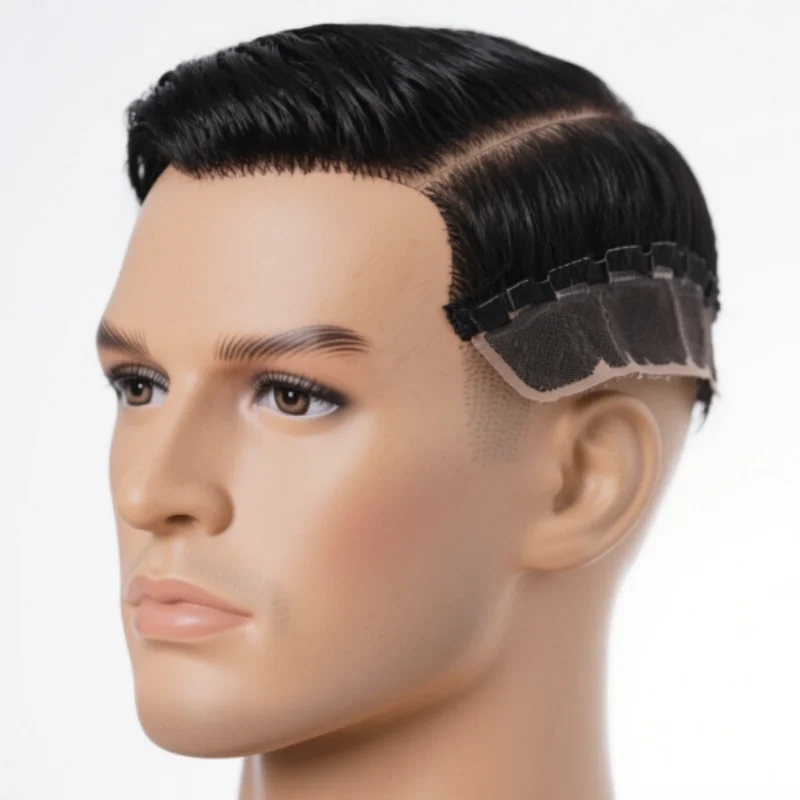
What Is a Toupee?
A toupee is a partial hair replacement piece designed to cover a specific area of the scalp where natural hair is missing or thinning.
It is commonly used on the crown, top of the head, or frontal area. Unlike a full wig, a toupee typically works together with the wearer’s remaining natural hair.
Modern toupees are made with different base materials and hair attachment techniques to create a natural-looking appearance.
Main Features of a Toupee
- Partial scalp coverage.
- A base designed to fit the area requiring coverage.
- Hair color and density selected to blend with surrounding natural hair.
- Options made with human hair or synthetic fibers.
- Different attachment methods depending on the construction.
- Customizable size, shape, hairline, and hair texture.
For example, a man with a thinning crown but relatively full hair on the sides and back may choose a toupee instead of covering his entire head with a full wig.
The goal is to create a natural transition between the hairpiece and the remaining natural hair.
Types of Toupee Base Materials
The base material affects how a toupee looks, feels, and performs during everyday use.
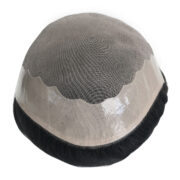
Swiss Lace Toupee
Swiss lace uses a fine mesh base with individual hair strands attached to the material. It is popular for its lightweight structure, breathability, and natural-looking hairline.
ALOVEHAIR’s Swiss Lace Men’s Toupee is designed for buyers who prioritize a fine base and realistic hairline appearance.
Typical characteristics include:
- Fine and lightweight lace construction.
- Good airflow through the mesh.
- Natural-looking hairline.
- Flexible styling and parting.
- Careful handling requirements because fine lace can be delicate.
Swiss lace is a practical option for clients who want a natural appearance, particularly when the hairline may be visible.
Mono Toupee
A monofilament, or Mono, toupee uses a mesh base designed to balance breathability and structural durability.
Compared with very fine lace, a Mono base is generally more robust. Depending on its construction, individual hair strands may be hand-tied or attached using other ventilation techniques.
ALOVEHAIR’s Mono Toupee collection is intended for buyers who want a balance between natural appearance, airflow, and base strength.
Typical features include:
- Mesh-based construction.
- Breathability.
- Flexible hair direction and parting, depending on ventilation.
- Stronger base construction than some ultra-fine lace designs.
- Suitable for professional hair replacement applications.
For customers who prioritize regular wear and durability, Mono is worth comparing with lace and PU systems.
PU Skin Toupee
PU, or polyurethane, toupees use a smooth and often transparent skin-like base.
The surface can create a scalp-like appearance and is generally easier to clean than mesh materials because adhesive residue can be removed from the smooth surface.
ALOVEHAIR’s PU Men’s Toupee collection includes different thickness options.
The current product information lists:
| PU Base Option | Listed Thickness | Main Consideration |
|---|---|---|
| Ultra-Thin PU | 0.03 mm | Very thin appearance; requires delicate handling |
| Thin PU | 0.06–0.08 mm | Alternative thickness options for different requirements |
The actual wearing experience depends on the complete construction, attachment products, scalp condition, and maintenance routine.
PU is less breathable than lace or Mono because it is a continuous material rather than an open mesh. Buyers should consider the trade-off between scalp appearance, cleaning, airflow, and durability.
What Is a Wig?
A full wig is a hairpiece designed to cover most or all of the scalp. It replaces the overall hairstyle rather than filling only a localized area.
Wigs are used for many reasons, including fashion, convenience, hair replacement, medical hair loss, and professional styling.
Unlike a typical toupee, a full wig does not usually rely on blending its edges into a large area of existing natural hair. The cap itself must provide suitable coverage and fit.
Main Features of a Full Wig
- Broad or complete scalp coverage.
- Full-cap construction.
- Human hair or synthetic fiber options.
- Different cap sizes and adjustment systems.
- Multiple hairline and parting designs.
- Options for everyday wear, fashion, and hair replacement.
ALOVEHAIR offers different women’s hair systems and full-coverage wig products, including lace front wigs, full lace wigs, silk-based designs, and medical silicone wigs.
Explore our Women’s Hair Systems collection to compare available product categories.
Common Types of Wigs
Lace Front Wigs
A lace front wig has a lace panel along the front hairline, while the remaining cap is usually constructed from wefts or other materials.
The lace helps create a natural-looking front hairline without requiring the entire cap to be made from lace.
ALOVEHAIR’s lace front product information lists common configurations such as:
- 13 × 4 inches.
- 13 × 6 inches.
These measurements describe the lace front area, not the overall wig cap size.
A lace front wig is suitable for customers who want a realistic front hairline but do not necessarily need full-lace construction throughout the entire cap.
View our Lace Front Wigs for more information.
Full Lace Wigs
A full lace wig uses lace across the entire cap, with individual hair strands attached to the lace.
The main advantage is styling flexibility. Because lace covers the full base, the wearer has more freedom to change the parting direction and create styles that expose different areas of the cap.
Compared with a lace front construction, full lace involves more extensive lace work and hand-knotting.
ALOVEHAIR’s product information describes full lace production as a labor-intensive process that can involve approximately 40 hours of work and up to 150,000 knots, depending on the construction and design. These figures illustrate the potential complexity of full lace production rather than a fixed specification for every unit.
Explore our Full Lace Wigs collection.
Medical Silicone Wigs
Medical silicone wigs are designed for specific hair replacement needs, including customers requiring more extensive scalp coverage.
ALOVEHAIR’s Medical Silicone Wigs product listing describes a construction featuring:
- A silicone-lined cap.
- A 5 × 5 inch silk top.
- A lace part.
- A hand-tied back.
- An adjustable strap.
The complete design should be evaluated for fit, comfort, material suitability, and the wearer’s scalp condition.
For customers with sensitive or medically affected scalps, product material documentation and professional fitting advice are important. A product description alone should not be treated as a guarantee of suitability for every medical condition.
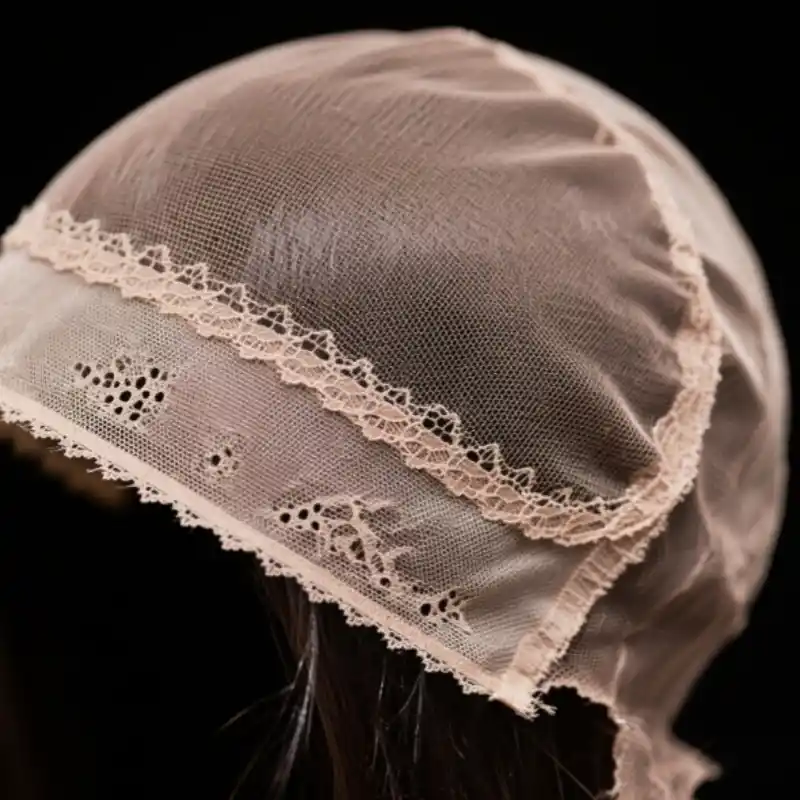
Toupee vs Wig: Which One Looks More Natural?
Both toupees and wigs can look natural. The final result depends on how well the product matches the wearer and how accurately it is fitted and styled.
A high-quality toupee is often easier to blend when the wearer still has healthy surrounding hair. The extension hair can be matched to the natural hair in color, density, length, and texture.
A full wig creates a complete hairstyle, so its natural appearance depends more on the cap fit, hairline, parting, density, and overall styling.
When a Toupee May Look More Natural
A toupee may be a suitable choice when:
- Hair loss is concentrated around the crown or top.
- Natural hair remains around the sides and back.
- The product can be matched to the surrounding hair.
- The user wants to preserve their existing hairstyle.
- The base can be fitted to the specific area requiring coverage.
The most common mistake is choosing a toupee with excessive density or a color that does not match the remaining natural hair.
A dense hairpiece attached to naturally fine hair can create an obvious transition. A slightly lighter, better-matched density may produce a more realistic result.
When a Full Wig May Look More Natural
A full wig may be a better choice when:
- Hair loss affects most of the scalp.
- There is insufficient natural hair for blending.
- The wearer wants a completely different hairstyle.
- Matching the remaining natural hair would be difficult.
- Full coverage is the main requirement.
A properly fitted cap and a realistic hairline are especially important.
For customers who want different styles without relying on their natural hair, a human hair wig can offer considerable flexibility.
Toupee vs Wig: Comfort, Maintenance, and Daily Wear
Comfort is not determined by the name of a product. It depends on base material, cap size, attachment method, scalp condition, and personal preferences.
| Factor | Toupee | Full Wig |
|---|---|---|
| Coverage Area | Localized | Broad or full scalp |
| Blending | Usually requires matching surrounding natural hair | Designed as a complete hairstyle |
| Fit | Must fit the specific coverage area | Must fit the overall head circumference and cap shape |
| Maintenance | Includes hairpiece care and surrounding natural hair maintenance | Includes cap, hair, and styling maintenance |
| Attachment | Depends on the model and selected method | Depends on cap construction and attachment design |
| Replacement | Depends on base material, usage, and care | Depends on hair material, cap construction, usage, and care |
Attachment Methods Are Not the Defining Difference
One common misconception is that toupees always use adhesive while wigs always use adjustable straps.
In reality, both categories can use several attachment methods.
Toupees may use:
- Liquid adhesive.
- Double-sided tape.
- Clips.
- Other product-specific attachment systems.
Wigs may use:
- Adjustable straps.
- Wig clips or combs.
- Adhesive around the hairline.
- Glueless cap designs.
- Custom attachment solutions.
The correct method depends on the design and the wearer’s natural hair and scalp condition.
Maintenance Requirements
A toupee requires attention to the attachment area, the base, and the natural hair surrounding the product.
A full wig requires regular cleaning, conditioning, detangling, drying, and appropriate storage.
Human hair systems can generally be heat-styled with suitable precautions, while synthetic fibers have product-specific heat limitations.
For both products, follow the manufacturer’s care instructions rather than assuming that every hairpiece can be washed, colored, or heat-styled in the same way.
Toupee vs Wig vs Hair Topper: What Is the Difference?
A topper is another important product category that buyers should understand.
A hair topper is a partial hairpiece designed to add coverage or volume to a specific area, commonly the crown or parting area. It blends with the wearer’s existing hair rather than replacing the entire hairstyle.
| Product | Coverage | Typical Application | Main Difference |
|---|---|---|---|
| Toupee | Partial scalp | Often marketed for men with crown or frontal hair loss | Blends with surrounding natural hair |
| Full Wig | Most or all of the scalp | Fashion, medical hair replacement, and full coverage | Creates a complete hairstyle |
| Hair Topper | Selected top or crown area | Women with localized thinning or a wider part | Adds targeted coverage while retaining natural hair |
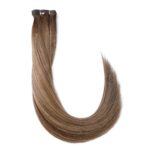
| Hair Extensions | Attached to existing hair | Adding length or volume | Not primarily designed to cover bald scalp areas |
For women with thinning around the crown but healthy hair elsewhere, a topper may be more appropriate than a full wig.
ALOVEHAIR offers Human Hair Toppers and Customized Toppers for different coverage and design requirements.
A full wig becomes a more practical option when the coverage area is too extensive for a topper or when the wearer prefers a complete cap.
Which Is Better for Different Hair Loss Situations?
There is no single best product for everyone. The right choice depends on the pattern and extent of hair loss, the condition of the remaining hair, the desired appearance, and the user’s lifestyle.
| Hair or Styling Situation | Product to Consider | Reason |
|---|---|---|
| Localized crown thinning in men | Toupee | Provides coverage for a specific area |
| Receding or thinning frontal area | Custom hair system or suitable toupee | Allows hairline and base customization |
| Extensive or near-total scalp hair loss | Full Wig | Provides broad coverage without relying on surrounding hair |
| Female thinning around the part or crown | Hair Topper | Adds coverage while retaining natural hair |
| Fashion transformation | Full Wig | Allows a complete change of style |
| Need for multiple hairstyles | Full Lace Wig | Provides greater parting and styling flexibility |
| Natural hair remains but needs extra length | Hair Extensions | Adds length and volume rather than full scalp coverage |
If hair loss is sudden, unexplained, patchy, or accompanied by scalp irritation, it should be evaluated by an appropriate healthcare professional before selecting an attached hair replacement product.
Hairpieces provide cosmetic coverage; they do not treat the underlying cause of hair loss.
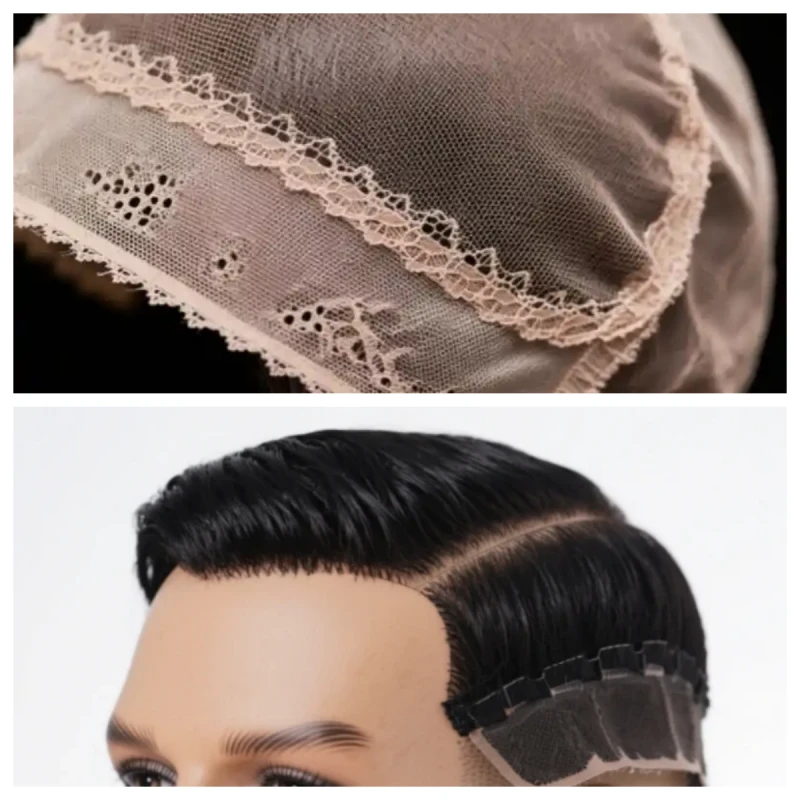
Human Hair Toupee vs Human Hair Wig: Does the Material Matter?
Yes. Hair material influences the appearance, movement, styling options, and maintenance of both products.
However, human hair versus synthetic hair is a separate decision from toupee versus wig.
Both a toupee and a wig can be made from human hair or synthetic fibers.
Human Hair
Human hair is often preferred when buyers prioritize natural movement, texture, and styling flexibility.
Depending on the hair quality and processing, human hair products can be cut, styled, and heat-treated with appropriate care.
For professional buyers, important quality checkpoints include:
- Hair direction and consistency.
- Strand softness and movement.
- Color uniformity.
- Hair attachment and knotting quality.
- Hair density and distribution.
- Performance after washing and drying.
Synthetic Hair
Synthetic hair systems are typically selected for their preset styles and price positioning.
Their styling flexibility depends on the exact fiber. Some heat-friendly fibers allow limited thermal styling, while standard synthetic fibers should not be exposed to high heat.
Synthetic hair can be a suitable option for specific fashion, occasional-wear, or budget-oriented product lines.
For distributors and retailers, the important thing is to specify whether the product is human hair, synthetic, or a blend instead of relying on general labels such as premium hair.
How to Choose the Right Toupee or Wig for Your Business
For salons, hair replacement specialists, distributors, and private-label brands, product selection involves more than comparing product photographs.
The specifications must match the target customer’s requirements.
1. Confirm the Coverage Area
For toupees, determine the required base dimensions and shape according to the hair loss area.
For full wigs, confirm cap measurements, head circumference, cap depth, and adjustment range.
An incorrectly sized product can affect the fit, edge appearance, and customer experience.
2. Select the Appropriate Base Construction
For men’s hair systems, compare:
- Swiss or French lace.
- Monofilament.
- PU or skin base.
- Hybrid base designs.
For full wigs, compare:
- Lace front.
- Full lace.
- Silk top.
- Mono.
- Other cap constructions.
Do not select a base purely because it is thinner. Buyers should consider airflow, durability, styling requirements, cleaning, and attachment compatibility.
3. Specify Hair Density and Color
Select hair density based on the target customer and desired result.
For a toupee, the density should blend with the natural hair around the base.
For a full wig, density should be consistent with the intended hairstyle and market positioning.
Color specifications should include:
- Main color code.
- Root color, if applicable.
- Highlight or blended shades.
- Grey hair percentage.
- Texture and wave pattern.
A physical color reference or approved sample can reduce differences between online images and finished products.
4. Confirm Ventilation and Hair Attachment
The way hair is attached to the base influences direction, movement, appearance, and construction.
Depending on the selected design, manufacturers may use hand-knotting, injection, V-looping, or other ventilation methods.
Before bulk production, buyers should request close-up photographs or videos showing the hairline, parting area, base edges, and internal cap construction.
5. Approve a Sample Before Bulk Production
For a new product range, sample evaluation is an important quality-control step.
We recommend checking:
| Inspection Item | What to Evaluate |
|---|---|
| Base Construction | Material, thickness, flexibility, and edge finish |
| Hair Quality | Texture, movement, and strand consistency |
| Hairline | Natural graduation and density |
| Hair Density | Consistency across the product |
| Color | Match with the approved reference |
| Cap or Base Size | Finished measurements and fit |
| Attachment | Compatibility with the intended wearing method |
| Packaging | Labels, protection, and private-label presentation |
For repeat orders, keep an approved reference sample and a written specification sheet. This makes it easier to compare later batches and manage product consistency.
Why Source Toupees and Wigs from ALOVEHAIR?
ALOVEHAIR is a human hair product manufacturer and supplier based in Qingdao, China. The ALOVE HAIR brand was established in 2014 and serves professional buyers, salons, distributors, and businesses developing their own hair product brands.
Our product range includes men’s hair systems, toupees, women’s wigs, toppers, hair extensions, and related accessories.
Men’s Toupee and Hair System Options
ALOVEHAIR offers multiple men’s base constructions for different product requirements.
Swiss Lace Toupees: Designed for breathable construction and a fine, natural-looking hairline.
Mono Toupees: Designed for a balance of mesh breathability and structural durability.
PU Toupees: Available in different thickness options for customers prioritizing a skin-like appearance and convenient adhesive cleaning.
View the full Men’s Hair System and Toupee collection to compare available products.
Women’s Wig and Hair Replacement Products
Our women’s range includes full-coverage and partial-coverage products for different applications.
Available categories include:
- Lace Front Wigs.
- Full Lace Wigs.
- Silk Base Full Lace Wigs.
- Medical Silicone Wigs.
- Human Hair Toppers.
- Customized Toppers.
- Jewish and Kosher Wigs.
Explore the ALOVEHAIR Premium Wigs collection to review different cap constructions and product styles.
OEM, ODM, and Private-Label Customization
For professional buyers, ALOVEHAIR supports customization discussions covering:
- Human hair or synthetic material options.
- Base construction and dimensions.
- Hair density.
- Hair color and grey percentage.
- Hair length and texture.
- Hairline and parting design.
- Cap size and shape.
- Private-label branding and packaging.
These options allow salons, distributors, and hair brands to build product collections according to their customer profiles.
For more company information, visit About ALOVEHAIR.
Frequently Asked Questions About Toupees and Wigs
Is a toupee the same as a wig?
No, not in the usual product distinction. A toupee generally covers a specific area of the scalp, while a full wig covers most or all of the head. However, commercial terminology sometimes overlaps, so always check the actual product dimensions and construction.
Which is better, a toupee or a wig?
A toupee may be better when hair loss is localized and sufficient natural hair remains for blending. A full wig may be more practical when extensive scalp coverage is required or the wearer wants a complete hairstyle change.
Can women wear toupees?
The term toupee is commonly associated with men’s partial hair replacement products. Women with localized thinning often choose hair toppers because these are designed to blend with longer natural hairstyles. The best choice depends on the coverage area and product design.
Can men wear full wigs?
Yes. Full wigs are not limited to women. Men may choose a full wig when they need extensive scalp coverage or prefer a complete hairstyle replacement.
Which looks more natural, a toupee or a wig?
Both can look natural when correctly fitted and matched. A toupee needs to blend with surrounding natural hair, while a wig needs an appropriate cap fit, realistic hairline, and balanced density.
Are toupees more comfortable than wigs?
Not automatically. Comfort depends on base material, size, scalp condition, attachment method, and wearing habits. A breathable lace base may feel different from a solid PU base, while full wigs depend on the cap design and adjustment system.
Can both toupees and wigs be made from human hair?
Yes. Both products can use human hair or synthetic fibers. The material choice is separate from whether the product provides partial or full scalp coverage.
What is the difference between a toupee and a hair topper?
Both are partial hairpieces. Toupees are commonly marketed for men’s hair replacement, while hair toppers are often designed for women who need coverage around the part or crown. Product dimensions and styling requirements are more useful than the product name alone.
How long does a toupee or wig last?
There is no universal lifespan. Base material, hair quality, wearing frequency, attachment method, cleaning, and storage all influence service life. Buyers should check the manufacturer’s product-specific guidance rather than relying on one lifespan estimate for every construction.
Does ALOVEHAIR offer wholesale toupees and wigs?
Yes. ALOVEHAIR offers men’s toupees, women’s wigs, toppers, and other hair products for professional and wholesale buyers. Product availability, MOQ, pricing, customization, and production schedules should be confirmed for the selected specification.
Request a Wholesale Toupee or Wig Quotation from ALOVEHAIR
Whether you are developing a men’s hair replacement collection or sourcing women’s human hair wigs, ALOVEHAIR can help you review different product constructions and customization requirements.
For a more accurate quotation, please provide:
- Product type: Toupee, Full Wig, Lace Front Wig, Full Lace Wig, or Topper.
- Base material and preferred construction.
- Base dimensions or cap size.
- Human hair or synthetic fiber preference.
- Hair length, color, and texture.
- Required hair density.
- Hairline and parting requirements.
- Estimated quantity.
- OEM or private-label packaging requirements.
- Destination country.
Contact ALOVEHAIR
Website: https://alovehair.com/
Email: info@alovehair.com
WhatsApp: +86-15092106628
Location: Qingdao, China
Contact ALOVEHAIR for Wholesale Toupee and Wig Pricing
Choose the right coverage, confirm the construction, and build a hair replacement collection that matches your customers’ needs with ALOVEHAIR.

Alove Hair is a professional Chinese manufacturer of premium 100% Remy human hair extensions, wigs, and hair systems. Established in 2014, the company specializes in supplying global salons and distributors with high-quality, cuticle-intact hair products and offers comprehensive OEM/ODM private label services.