How to Start Your Own Hair Extension Line?
Starting your own hair extension line isn’t just a trend—it’s a serious business opportunity. The global demand for hair extensions continues to grow as more people look for volume, length, and styling flexibility without waiting months (or years) for natural growth.
But here’s the reality: launching a successful hair extension brand takes more than sourcing bundles and posting on social media. It requires strategy, quality control, branding, and a clear understanding of your market.
This guide walks you through every step—from idea to launch and beyond—so you can build a hair extension line that stands out and actually sells.
Why Start a Hair Extension Business?
Before diving in, let’s address the “why.”
The hair extension industry is attractive because:
- High profit margins (especially with direct sourcing)
- Repeat customers (hair needs replacement over time)
- Strong demand across global markets
- Low barrier to entry compared to many manufacturing businesses
But it’s also competitive. Which means your success depends on how well you differentiate—not just how quickly you start.

Step 1: Define Your Niche (Don’t Try to Sell to Everyone)
One of the biggest mistakes beginners make is trying to serve everyone. That usually leads to blending in—and blending in doesn’t sell.
Popular Niches in Hair Extensions
- Luxury virgin hair extensions
- Affordable everyday wear
- Extensions for thin or fine hair
- Curly or textured hair (Afro, kinky, coily)
- Clip-ins for beginners
- Professional salon-grade extensions
How to Choose Your Niche
Ask yourself:
- Who is my target customer?
- What problem am I solving?
- What makes my product different?
👉 Example: Instead of “hair extensions,” go for “lightweight hand-tied extensions for fine hair.” Much clearer—and much easier to market.
Step 2: Understand the Product (You Can’t Sell What You Don’t Know)
Hair extensions vary widely in quality, construction, and origin.
Key Product Types
- Clip-in extensions
- Tape-in extensions
- Hand tied wefts
- Machine wefts
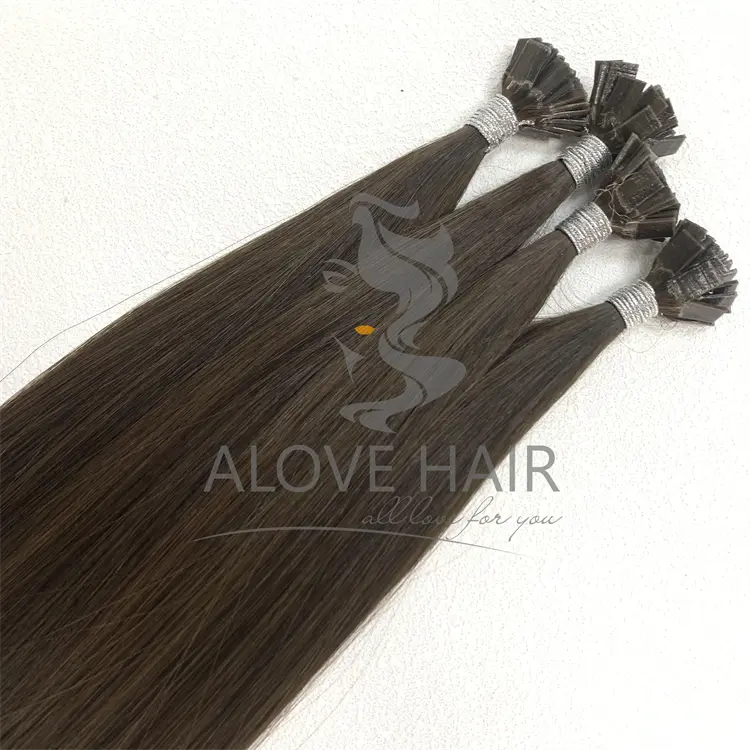
- Keratin (fusion) extensions
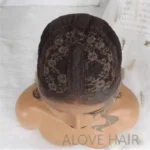
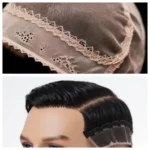
- Wigs and toppers
Key Quality Factors
- Hair Type: Remy vs non-Remy
- Origin: Brazilian, Indian, Vietnamese, etc.
- Processing: Virgin, dyed, chemically treated
- Cuticle alignment: Determines longevity and tangling
The better you understand these, the better your product positioning—and pricing—will be.
Step 3: Find a Reliable Supplier (This Is Everything)
Your supplier can make or break your brand. Seriously—this is not the place to cut corners.
Where to Source Hair Extensions
- Direct manufacturers (often overseas)
- Wholesale distributors
- Private label suppliers
What to Look For
- Consistent quality
- Transparent sourcing
- Customization options (length, color, density)
- Low minimum order quantity (MOQ) for beginners
- Good communication (underrated but critical)
Pro Tip
Order samples from multiple suppliers. Test:
- Shedding
- Tangling
- Longevity after washing
- Color consistency
If the sample disappoints, imagine 100 customers having the same experience. Not fun.
Step 4: Build Your Brand Identity
You’re not just selling hair—you’re selling a look, a feeling, a transformation.
Key Branding Elements
1. Brand Name
- Memorable and easy to spell
- Relevant to beauty or confidence
2. Logo and Visual Style
- Clean, professional design
- Consistent color palette
3. Brand Voice
- Luxurious? Friendly? Professional? Bold?
- Pick one and stay consistent
4. Packaging
- Custom boxes, silk bags, or branded wraps
- First impressions matter (unboxing is marketing)
Step 5: Create Your Product Line
Start simple. You don’t need 50 SKUs on day one.
Recommended Starter Line
- 3–5 lengths (e.g., 14”, 18”, 22”, 26”)
- 3–5 colors (natural black, dark brown, balayage options)
- 1–2 extension types
This keeps inventory manageable while still offering variety.
Step 6: Set Your Pricing Strategy
Pricing is not just about covering costs—it reflects your brand positioning.
Basic Pricing Formula
Cost (product + shipping + packaging) × markup = retail price
Typical Markup Range
- 2x to 5x depending on brand positioning
Consider
- Competitor pricing
- Target audience budget
- Perceived value
Cheap pricing may attract customers—but it can also signal low quality.
Step 7: Build an Online Presence (Your Digital Storefront)
If your brand doesn’t exist online, it doesn’t exist (harsh but accurate).
Must-Have Platforms
1. Website
- Shopify or WooCommerce
- Clean design
- Mobile-friendly
2. Social Media
- Instagram (visual storytelling)
- TikTok (viral potential)
3. Content Strategy
- Before-and-after transformations
- Tutorials
- Customer testimonials
Step 8: Product Photography & Content Creation
Hair extensions are visual products—your images must sell the experience.
What You Need
- High-quality product photos
- Lifestyle images
- Videos showing installation and styling
Content Ideas
- “Before and after” transformations
- Styling tutorials
- Maintenance tips
- Influencer collaborations
Step 9: Marketing Your Hair Extension Line
Even the best product won’t sell without visibility.
Key Marketing Channels
1. Influencer Marketing
- Partner with hairstylists and beauty creators
- Micro-influencers often have better engagement
2. Social Media Ads
- Targeted ads on Instagram and TikTok
3. SEO Content
- Blog posts (like this one)
- Keywords such as:
- “best hair extensions for thin hair”
- “how to install hand tied wefts”
4. Email Marketing
- Build a customer list
- Offer discounts, tips, and updates
Step 10: Customer Experience (This Is Your Secret Weapon)
Great products get customers. Great experiences keep them.
Focus Areas
- Fast shipping
- Clear communication
- Easy returns
- Helpful support
Happy customers = repeat business + word-of-mouth marketing.
Step 11: Legal & Business Setup
Not glamorous, but necessary.
Essentials
- Register your business
- Choose a business structure (LLC, etc.)
- Open a business bank account
- Understand import regulations (if sourcing internationally)
Step 12: Launch Your Brand
Don’t wait for perfection—it doesn’t exist.
Launch Strategy
- Pre-launch teaser on social media
- Offer early-bird discounts
- Send products to influencers before launch
- Collect reviews quickly
Step 13: Scale Your Business
Once you gain traction:
- Expand product range
- Introduce new colors or textures
- Collaborate with salons
- Consider wholesale opportunities
Common Mistakes to Avoid
Let’s save you from expensive lessons:
- Choosing the cheapest supplier
- Ignoring branding
- Overloading inventory too early
- Skipping quality testing
- Inconsistent marketing
Final Thoughts
Starting your own hair extension line is absolutely achievable—but success comes from doing the fundamentals well.
Focus on:
- Quality products
- Clear branding
- Smart marketing
- Strong customer experience
Do that consistently, and your brand won’t just exist—it will grow.
And who knows? One day someone might be wearing your extensions, getting compliments, and casually saying, “Oh this? It’s just my hair.” (Technically true… just with a little help.)

Alove Hair is a professional Chinese manufacturer of premium 100% Remy human hair extensions, wigs, and hair systems. Established in 2014, the company specializes in supplying global salons and distributors with high-quality, cuticle-intact hair products and offers comprehensive OEM/ODM private label services.