Posts

Skin Weft vs. Micro Ring Extensions: Which Lasts Longer?

Hair extensions have become an increasingly popular solution for individuals looking to add volume, length, or even a touch of color to their natural hair without the commitment of permanent changes. With a wide range of methods available, hair extensions can transform one’s appearance almost instantly, providing both versatility and confidence. However, with so many options on the market, choosing the right type of extension can be a daunting task.

One of the most critical factors to consider when selecting hair extensions is their longevity. Since extensions can represent a significant investment of both time and money, understanding how long they last helps ensure you get the best value and the most satisfaction from your choice. Properly maintained extensions can last for several months, but this depends heavily on the method used, the quality of the hair, and your daily care routine.

Among the many available methods, Skin Weft and Micro Ring extensions are two of the most popular and widely used options. Each technique offers its own unique set of advantages, application processes, and maintenance requirements. Skin Weft extensions, often known as tape-in extensions, are known for their flat, natural appearance and relatively simple application. Micro Ring extensions, also referred to as micro bead or loop extensions, involve attaching small strands of extension hair to natural hair using tiny rings or beads without the use of heat or glue.

In this article, we will compare Skin Weft and Micro Ring extensions in detail, focusing specifically on which method offers better longevity and may be the best fit for your hair goals.

Understanding the Methods

When choosing between Skin Weft and Micro Ring extensions, it’s essential to understand how each method works, how they are applied, and what they look like once installed. Both techniques offer unique benefits and suit different hair types and lifestyles.
What Are Skin Weft Extensions?

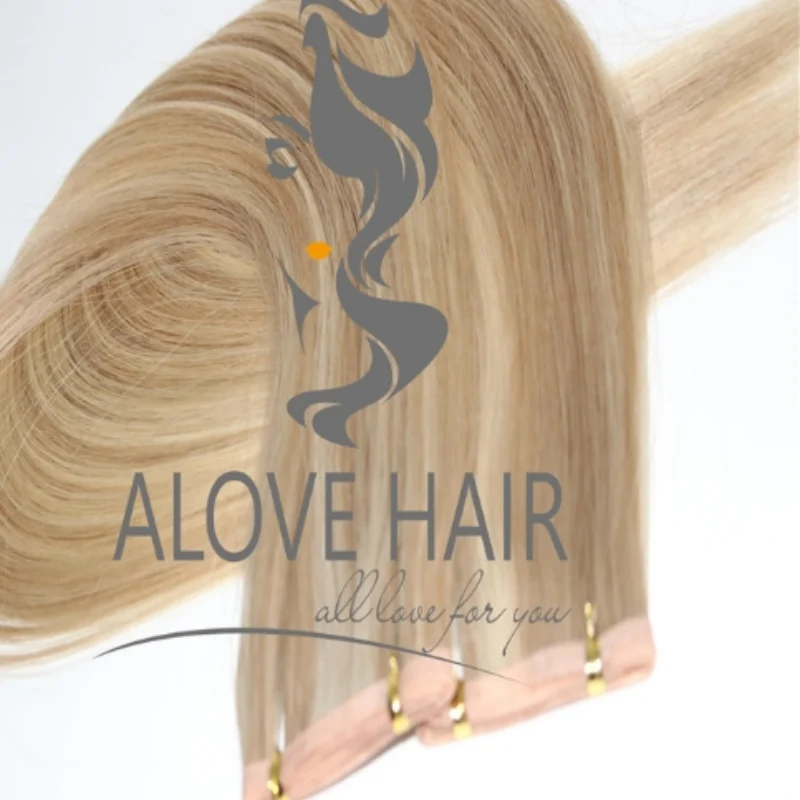
Skin Weft extensions, also commonly referred to as tape-in extensions, are known for their seamless appearance and quick application process. These extensions consist of thin wefts of hair attached to a flat, flexible adhesive strip. The adhesive strip is designed to mimic the appearance of the scalp, allowing the extensions to blend naturally with your real hair.

The application process for Skin Weft extensions is relatively straightforward and can typically be completed in under an hour by a professional stylist. To apply, a small section of natural hair is “sandwiched” between two wefts that are pre-taped with medical-grade adhesive. The stylist ensures that each tape is placed close to the scalp but not too tightly, allowing for natural movement and minimizing stress on the hair follicles.

Skin Weft extensions are often made from 100% human Remy hair, which maintains the natural direction of the hair cuticle, reducing tangling and extending the life of the extensions. Synthetic options are also available, though they are generally less durable and offer a less natural appearance. The final look of Skin Weft extensions is very flat, smooth, and nearly invisible, making them ideal for individuals seeking a discreet, natural look.
What Are Micro Ring Extensions?

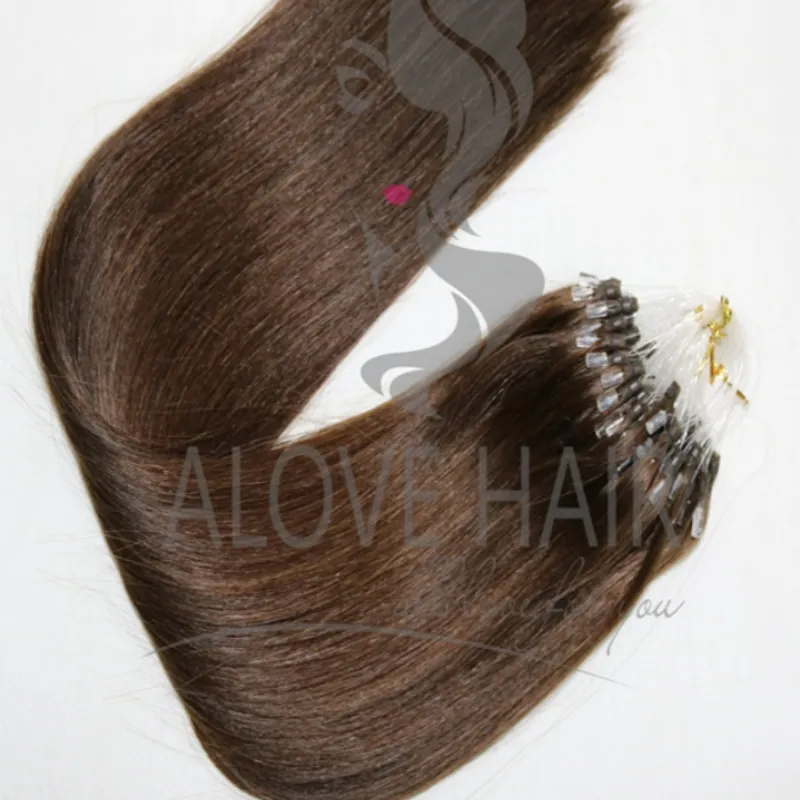
Micro Ring extensions, also known as micro bead or loop extensions, offer a glue-free, heat-free alternative to traditional bonding methods. This technique involves attaching small bundles of extension hair to tiny sections of natural hair using a small metal or silicone-lined ring, which is then clamped securely in place with pliers.

The application process for Micro Ring extensions can take several hours, depending on the number of strands being installed. A loop tool is often used to pull the natural hair through the ring before inserting the extension strand. Once properly positioned, the ring is clamped shut to hold the extension in place.

Like Skin Wefts, Micro Ring extensions are typically made from high-quality Remy human hair, though synthetic versions exist as well. When applied correctly, Micro Ring extensions provide a very natural appearance, allowing for easy styling, including high ponytails and updos, since they are attached strand-by-strand and blend seamlessly with your own hair.

Longevity Comparison

When deciding between Skin Weft and Micro Ring extensions, longevity is one of the most important factors to consider. Both types of extensions can last for several months, but their maintenance schedules and overall durability differ depending on the method, hair quality, and daily care.

Average Lifespan of Skin Weft Extensions

Skin Weft extensions, or tape-in extensions, offer a fairly convenient solution for those looking for semi-permanent results. Typically, Skin Weft extensions can be worn for 4 to 8 weeks before requiring adjustment or repositioning. As your natural hair grows, the adhesive tapes move further away from the scalp, making maintenance appointments necessary to keep the extensions looking neat and secure.

With proper care and regular maintenance, Skin Weft extensions can be reused multiple times, extending their total lifespan. On average, high-quality Skin Weft extensions made from 100% Remy human hair can last between 3 to 6 months before the hair itself begins to show signs of wear. Gentle handling, the use of sulfate-free shampoos, minimal heat styling, and careful brushing can help maximize the life of the extensions.

Average Lifespan of Micro Ring Extensions

Micro Ring extensions tend to offer slightly longer wear between maintenance sessions compared to Skin Wefts. On average, Micro Ring extensions can be worn for 6 to 12 weeks before adjustment is necessary. Since the rings are clamped directly onto small sections of hair, they can withstand natural hair growth a bit longer before needing to be repositioned.

When maintained properly, Micro Ring extensions can last up to 6 to 9 months in total. Their individual strand-by-strand application allows for easy adjustment and reinstallation without significant damage to the extension hair. As with Skin Wefts, using high-quality human hair, following a gentle hair care routine, and avoiding excessive heat or chemical treatments will greatly enhance their longevity.

Factors Affecting Longevity

While Skin Weft and Micro Ring extensions both offer impressive longevity, several factors can significantly influence how long your extensions will last. Paying attention to these elements will help maximize the life of your investment and maintain the health of your natural hair.

Hair Care Routine

Proper hair care is one of the most critical aspects of extending the life of hair extensions. Gentle brushing with a loop brush or wide-tooth comb helps prevent tangles and shedding. It’s also important to avoid pulling or tugging on the extensions, especially when wet, as this can loosen the bonds or rings over time.

Frequency of Washing and Styling

Frequent washing can wear down both Skin Weft and Micro Ring extensions faster. It’s recommended to wash extensions only two to three times per week using sulfate-free and alcohol-free products to maintain the integrity of the adhesive or rings. Additionally, excessive heat styling — including flat irons, curling wands, and blow dryers — can damage both the natural hair and the extensions. Using heat protectant sprays and limiting heat exposure can help preserve the hair’s quality.

Hair Type and Scalp Condition

Your natural hair type and scalp condition also play a role in the longevity of extensions. For example, individuals with very oily scalps may experience faster slippage of Skin Weft adhesive, while those with fine or fragile hair might find Micro Rings put more tension on the strands. Consulting with a professional stylist to choose the most suitable method for your hair type can minimize these risks.

Professional vs. DIY Application

Professional application ensures that extensions are installed correctly, securely, and in a way that minimizes damage to natural hair. DIY application, while cost-saving, often results in improper placement, uneven tension, or premature slipping, all of which can shorten the lifespan of the extensions. Regular professional maintenance is also key to addressing any issues before they worsen.

Product Quality

Finally, the quality of the extensions themselves greatly affects their durability. High-grade 100% Remy human hair extensions tend to last longer, blend better with natural hair, and resist tangling and shedding more effectively than synthetic or lower-grade human hair alternatives.

Maintenance Requirements

Proper maintenance is essential to ensure that both Skin Weft and Micro Ring extensions remain secure, comfortable, and natural-looking for as long as possible. While both types require periodic upkeep, the nature of the maintenance differs based on the application method.

Skin Weft: Re-taping, Repositioning, Product Restrictions

Skin Weft extensions require regular maintenance due to the adhesive tapes used to attach the wefts to the natural hair. As the hair grows, the wefts move away from the scalp, making repositioning necessary every 4 to 8 weeks. During maintenance appointments, the stylist removes the existing wefts, replaces the old adhesive with fresh tape, and reapplies the extensions closer to the scalp.

Certain products can affect the longevity of Skin Weft extensions. Hair care products that contain oils, silicones, or alcohol can weaken the adhesive, causing the wefts to slip prematurely. Therefore, it’s important to use sulfate-free shampoos and lightweight conditioners while avoiding applying products directly to the tape area. Gentle brushing and careful drying further help maintain the adhesive’s strength.

Micro Ring: Re-clamping, Potential for Slippage, Ease of Repositioning

Micro Ring extensions also require periodic adjustment as natural hair grows and the rings move away from the scalp. Typically, repositioning is needed every 6 to 12 weeks. During maintenance, the stylist opens each ring, slides it back up towards the scalp, and reclamps it securely.

While Micro Ring extensions are generally durable, there is some risk of slippage, especially if the rings are not clamped tightly or if the hair is subjected to heavy styling or pulling. However, one advantage of Micro Rings is the ease of repositioning individual strands without the need for adhesives or tapes. This flexibility allows for minor adjustments between full maintenance sessions if a few strands begin to slip.

Pros and Cons Summary

Below is a comparison table highlighting the key differences between Skin Weft and Micro Ring extensions across several important factors such as longevity, maintenance, comfort, cost, and damage risk.

FeatureSkin Weft ExtensionsMicro Ring Extensions
Longevity3–6 months total lifespan6–9 months total lifespan
MaintenanceRe-taping every 4–8 weeksRe-clamping every 6–12 weeks
ComfortLightweight, flat, nearly invisibleLightweight, natural feel, slight ring feel
CostModerate; cost includes adhesive replacementsSlightly higher; longer-lasting but more time-consuming installation
Damage RiskPossible adhesive buildup or hair breakage if improperly maintainedPossible hair tension or breakage if rings are too tight
Application TimeQuick application (under 1 hour)Longer application (2–4 hours)
Ease of RemovalSimple removal by peeling off tapeRequires professional removal by opening rings
SuitabilityBest for fine to medium hair typesSuitable for all hair types, including thick and curly hair
Styling FlexibilityGood, but avoid oils near tapesVery good; can style with ponytails, updos easily
ReusabilityYes, wefts can be reused after re-tapingYes, extensions can be repositioned and reused

Conclusion

Skin Weft extensions are ideal if you prefer a quick, flat, and discreet look with easier initial application, but they require more frequent re-taping and careful product use to maintain. Micro Ring extensions last longer between maintenance visits and provide more styling flexibility but need a longer installation time and can cause slight discomfort from the rings.

Choosing between Skin Weft and Micro Ring extensions ultimately depends on your hair type, lifestyle, budget, and how much maintenance you are comfortable with.

Our company specializes in the production and wholesale of customized Skin Weft extensions and Micro Ring extensions, offering premium quality hair solutions tailored to meet your specific needs. Whether you are a salon owner, retailer, or individual looking for high-quality hair extensions, we provide a wide range of options crafted from 100% Remy human hair to ensure natural appearance, durability, and easy maintenance.

With advanced manufacturing techniques and strict quality control, our Skin Weft extensions deliver a seamless, lightweight, and natural look, perfect for clients who want quick and discreet hair enhancements. Meanwhile, our Micro Ring extensions provide a flexible, heat-free alternative, ideal for those seeking longer-lasting and gentle attachment methods.

We welcome inquiries and orders for bulk customization to help your business grow and satisfy your customers with reliable, beautiful hair extensions. Contact us to learn more about our products, pricing, and customization options!

Skin Weft vs. Keratin Bonds: Which Causes Less Damage?

Hair extensions have become an increasingly popular beauty solution, offering instant length, volume, and styling versatility. Whether for special occasions or everyday wear, they allow individuals to experiment with different looks without long-term commitment. The global hair extension market continues to grow, driven by advancements in application techniques and a rising demand for natural-looking results. However, while extensions can enhance one’s appearance, improper selection or application can lead to hair damage, thinning, or even breakage—making it crucial to choose a method that prioritizes hair health.

Minimizing damage is essential when selecting an extension method, as the wrong choice can strain natural hair follicles, cause traction alopecia, or expose hair to harsh chemicals and heat. Factors such as hair type, lifestyle, and maintenance routine all play a role in determining which technique is safest. For those seeking long-term wear, understanding the potential risks and benefits of different attachment methods is key to maintaining strong, healthy hair underneath the extensions.

Two of the most common and widely discussed extension techniques are Skin Weft and Keratin Bonds. Skin weft extensions involve a thin, flexible layer of hair attached either with medical-grade adhesive or sewing techniques, distributing weight evenly across the scalp. On the other hand, keratin bond extensions (also known as fusion extensions) use small, heat-activated keratin tips bonded directly to small sections of natural hair. Both methods offer durability and a seamless blend, but they differ significantly in application, maintenance, and potential damage. This article will compare these two techniques in depth, helping you determine which option is gentler on your hair.

Understanding Skin Weft Extensions

Definition and How They Work

Skin weft extensions are a semi-permanent hair extension method that uses an ultra-thin, flexible polyurethane (or sometimes silicone) base designed to mimic the appearance of the scalp. Individual hair strands are hand-tied onto this thin, skin-like material, creating a seamless and natural-looking hair addition. The “weft” refers to the horizontal track of hair that is attached to the base, allowing for full, voluminous coverage. Unlike traditional clip-ins or tape-ins, skin wefts are secured using either medical-grade adhesive or sewing techniques, making them a longer-lasting solution that typically remains in place for 6-8 weeks before requiring maintenance.

Application Process (Sewing or Adhesive-Based)

The application of skin weft extensions varies depending on the chosen attachment method:

  1. Adhesive-Based Application
    • The natural hair is sectioned and prepped (cleaned and lightly dried).
    • A medical-grade adhesive (usually a liquid or tape) is applied to the polyurethane base.
    • The weft is then pressed onto the scalp, adhering securely along the natural hairline or desired placement.
    • Heat may be used to ensure a strong bond.
  2. Sewn-In (Beaded Weft) Application
    • Small braids or cornrows are created along the scalp as anchor points.
    • The weft is stitched onto these braids using a special needle and thread.
    • This method avoids adhesives, making it a better option for those with sensitive skin.

Both methods require professional installation to ensure proper placement, tension, and blending.

Pros of Skin Weft Extensions

  1. Even Weight Distribution
    • Unlike individual bonds, which pull on small sections of hair, skin wefts spread the weight across a broader area of the scalp. This reduces strain on hair follicles, minimizing the risk of traction alopecia.
  2. Less Tension on Individual Hair Strands
    • Since the weft is attached in a continuous strip rather than small bonds, there is no concentrated stress on specific hairs. This makes it a safer option for those with fine or fragile hair.
  3. Suitable for Thicker Hair
    • Skin wefts provide excellent volume and coverage, making them ideal for people with naturally thick hair who want added length or density without excessive bulk.

Cons of Skin Weft Extensions

  1. Potential Scalp Irritation from Adhesives
    • Some users may experience allergic reactions or itching due to the adhesive used in certain application methods. Hypoallergenic options are available, but patch testing is recommended.
  2. Requires Professional Removal
    • Improper removal can lead to hair breakage or adhesive residue buildup. A stylist must carefully dissolve the adhesive or unstitch the weft to prevent damage.

Skin weft extensions are a popular choice for those seeking a natural, comfortable, and low-maintenance extension method. However, proper application and removal are crucial to maintaining hair health. In the next section, we’ll explore keratin bond extensions and compare their potential risks and benefits.

Understanding Keratin Bond Extensions

Definition and How They Work (Fusion Method)

Keratin bond extensions, also known as fusion extensions, are a premium semi-permanent hair extension method that uses small, keratin-based tips bonded directly to natural hair strands. The keratin bonds are made from a protein similar to human hair, allowing for a secure and natural-looking attachment. Each bond contains several hair strands, and multiple bonds are applied throughout the head to create length, volume, or highlights. This method is called the “fusion” technique because heat is used to melt the keratin glue, fusing the extension to the natural hair.

Keratin bonds are known for their durability and seamless blend, making them a favorite among those seeking long-term, high-quality extensions. When applied correctly, they can last 8-12 weeks before needing adjustment. However, because they attach to small sections of natural hair, proper installation and removal are critical to preventing damage.

Application Process (Heat-Activated Keratin Bonds)

The process of applying keratin bond extensions requires precision and should always be performed by a trained professional:

  1. Sectioning & Prep
    • The natural hair is washed, dried, and divided into small, even sections (about 1/8-inch thick).
    • A bond is placed near the root of a section, ensuring it sits close to the scalp but not directly on it.
  2. Heat Fusion
    • A specialized heating tool (like a keratin welder or micro-bonder) is used to melt the keratin glue, securing the extension to the natural hair.
    • The bond cools and hardens, creating a strong, long-lasting hold.
  3. Blending & Styling
    • Once all bonds are applied, the extensions are trimmed and styled to blend seamlessly with the natural hair.

Pros of Keratin Bond Extensions

  1. Natural-Looking, Seamless Blend
    • Because each bond attaches to individual hair strands, keratin extensions move and behave like natural hair, making them virtually undetectable when properly installed.
  2. Long-Lasting Hold
    • Unlike tape-ins or clip-ins, keratin bonds stay secure for months with proper care, making them ideal for those who want low-maintenance, durable extensions.

Cons of Keratin Bond Extensions

  1. Risk of Heat Damage During Application/Removal
    • The high heat used to fuse and remove the bonds can weaken natural hair if not carefully controlled. Overheating may lead to dryness, brittleness, or breakage.
  2. Potential Breakage If Not Removed Properly
    • Keratin bonds must be dissolved with a special remover—pulling or cutting them out can rip natural hair, causing significant damage.
  3. Heavier on Individual Strands
    • Since each bond attaches to a small section of hair, the weight is concentrated rather than distributed. Over time, this can strain follicles, especially for those with fine or weak hair.

Final Thoughts on Keratin Bonds

Keratin bond extensions offer a luxurious, long-lasting solution for those seeking flawless, natural-looking hair. However, their potential for damage is higher than methods like skin wefts due to the heat and tension involved. Proper installation, maintenance, and professional removal are essential to keeping natural hair healthy.

In the next section, we’ll compare skin weft vs. keratin bonds in terms of damage potential to help you decide which method is best for your hair type.

Comparing Damage Potential: Skin Weft vs. Keratin Bonds

When choosing between skin weft and keratin bond extensions, understanding their potential for hair damage is crucial. Both methods have distinct application techniques that affect tension, chemical exposure, and removal safety. Below, we break down the key factors that influence hair health with each option.

1. Tension & Stress on Hair

Skin Weft:

  • Distributes weight evenly across a wider section of the scalp.
  • The polyurethane base or sewn-in weft sits flat against the head, reducing localized tension.
  • Ideal for those prone to traction alopecia, as it avoids pulling on individual strands.

Keratin Bonds:

  • Each bond attaches to a small section of natural hair, concentrating weight on limited follicles.
  • Over time, this can lead to stress on the roots, especially if the extensions are too heavy or left in too long.
  • Higher risk of breakage or thinning for fine or fragile hair types.

Verdict: Skin wefts are gentler on hair follicles due to their weight distribution, while keratin bonds pose a higher risk of tension-related damage.

2. Chemical & Heat Exposure

Skin Weft:

  • Adhesive-based versions use medical-grade glue, which may contain chemicals that irritate sensitive scalps.
  • Sewn-in wefts avoid adhesives but still require careful braiding to prevent strain.
  • No heat is used during application, reducing thermal damage risk.

Keratin Bonds:

  • Require high heat to melt the keratin glue during application and removal.
  • Excessive or repeated heat exposure can weaken hair cuticles, leading to dryness and brittleness.
  • Some removers contain strong solvents that may strip natural oils if not used properly.

Verdict: Keratin bonds involve more heat and chemical processing, while skin wefts (especially sewn-in) minimize thermal damage but may still irritate with adhesives.

3. Maintenance & Removal

Skin Weft:

  • Removal is less damaging when done professionally—adhesives are dissolved gently, and sewn-in wefts are unstitched without pulling.
  • Leaves minimal residue if removed correctly.
  • Reapplication is straightforward, as the same weft can often be reused.

Keratin Bonds:

  • Improper removal is a major risk—pulling or cutting bonds can rip out natural hair.
  • Requires a specialized keratin solvent to break down the glue safely.
  • Bonds weaken over time and usually cannot be reused, increasing long-term costs.

Verdict: Skin wefts win in terms of safer removal and reusability, while keratin bonds demand meticulous care to avoid breakage.

Final Damage Comparison

FactorSkin Weft ExtensionsKeratin Bond Extensions
Tension on HairEven distribution (safer)Concentrated on strands (riskier)
Heat/ChemicalsAdhesives (possible irritation)High heat + glue (more damaging)
Removal SafetyLow-risk with professional helpHigh-risk if done incorrectly

Which Causes Less Damage?

  • Skin wefts are better for fine, thin, or sensitive hair due to even weight spread and no heat.
  • Keratin bonds work well for thick, strong hair but require strict maintenance to prevent damage.

Ultimately, the “safer” option depends on your hair type, lifestyle, and commitment to professional care. In the next section, we’ll explore expert recommendations for choosing the right method.

Factors Influencing Damage

The amount of damage caused by hair extensions depends on several key factors beyond just the attachment method. Understanding these variables can help you minimize risks and maintain healthy hair.

1. Hair Type and Condition

  • Fine or Thin Hair: More prone to breakage from tension; skin wefts or tape-ins are often safer than keratin bonds.
  • Thick or Coarse Hair: Can typically handle heavier methods like keratin bonds but still requires proper weight distribution.
  • Chemically Treated Hair (bleached, relaxed, or permed): Already weakened, so heat-free options (like sewn-in wefts) reduce further damage.

2. Skill of the Stylist

  • Proper Application: A trained professional ensures bonds/wefts are placed without excessive tension or heat damage.
  • Safe Removal: Incorrect removal (especially with keratin bonds) can rip out hair—always go to an experienced technician.
  • Customization: A good stylist adjusts the method based on your hair’s density, texture, and scalp sensitivity.

3. Aftercare Practices

  • Gentle Products: Sulfate-free shampoos and bond-safe conditioners prevent adhesive breakdown and dryness.
  • Avoiding Excessive Heat: Limit flat irons/blowouts, especially with keratin bonds, to prevent double heat damage.
  • Regular Maintenance: Adjustments every 6-8 weeks prevent matting, slippage, and uneven tension.

Bottom Line: Even the “gentlest” extensions can cause damage if your hair isn’t suited to the method, the stylist is unskilled, or aftercare is neglected. Always consult a specialist before committing.

Next, we’ll share expert recommendations on which method suits different hair needs.

Expert Recommendations: Choosing the Right Extension Method

1. Which Method Is Better for Thin/Fine Hair?

Recommended: Skin Weft or Tape-In Extensions

  • Why Skin Weft? Distributes weight evenly, reducing strain on fragile strands. Opt for the sewn-in version to avoid adhesive irritation.
  • Why Tape-Ins? Lightweight, flat bonds sit close to the scalp without heat or glue. Easy to remove and reposition.
  • Avoid Keratin Bonds: The concentrated weight and heat application risk breakage in fine hair.

2. Which Is More Suitable for Long-Term Wear?

Recommended: Keratin Bonds (for thick hair) or Sewn-In Skin Wefts

  • Keratin Bonds: Last 8–12 weeks with proper care; ideal for thick, resilient hair that can handle heat and weight.
  • Sewn-In Skin Wefts: Can last 6–10 weeks without adhesives, making them a safer long-term option for most hair types.
  • Note: Both require professional maintenance every 6–8 weeks to prevent matting or tension damage.

3. Alternatives for Minimal Damage

  • Tape-In Extensions:
    • Pros: No heat or glue (pre-applied medical tape), lightweight, reusable.
    • Cons: Needs repositioning every 4–6 weeks; may slip in humid climates.
  • Clip-In Extensions:
    • Pros: Zero damage; apply/remove daily. Great for occasional use.
    • Cons: Less secure; not ideal for active lifestyles or long-term wear.
  • Halo or Hair Weaves:
    • Pros: No attachment to natural hair; instant volume without commitment.
    • Cons: Limited styling versatility; can shift if not secured properly.

Final Advice:

  • For Damaged or Sensitive Hair: Start with clip-ins or tape-ins to test tolerance.
  • For Volume/Length Goals: Skin wefts (sewn-in) offer balance between durability and safety.
  • For Thick Hair & Maximum Longevity: Keratin bonds work—but only with a skilled stylist and strict aftercare.

Always consult a certified extension specialist to assess your hair’s health before choosing a method.

Conclusion: Choosing the Safest Hair Extensions

When comparing skin weft vs. keratin bond extensions, the key differences in damage potential come down to tension distribution, chemical/heat exposure, and removal safety. Skin wefts (especially sewn-in) spread weight evenly and avoid heat, making them gentler for fine or fragile hair. Keratin bonds, while long-lasting and seamless, risk heat damage and breakage if not applied or removed carefully.

Final Recommendation:

  • Fine/Thin/Damaged Hair? Choose skin weft (sewn-in) or tape-ins for minimal stress.
  • Thick/Strong Hair? Keratin bonds can work—but only with expert application.
  • Low-Maintenance & Safe? Clip-ins or halo extensions offer zero-commitment alternatives.

Always prioritize professional installation and maintenance to prevent damage. No matter which method you choose, proper aftercare—like sulfate-free products and heat protection—is essential for keeping your natural hair healthy.

By matching your hair type, lifestyle, and commitment level to the right extension method, you can enjoy beautiful, voluminous hair without sacrificing its health.