
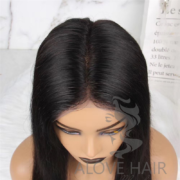
How Much Does a Good Human Hair Wig Cost?
If you’ve ever wondered, “How much does a good human hair wig cost?” you’re not alone. Thousands of people search this question every month—whether they’re dealing with hair loss from medical treatments, looking to change their style instantly, or simply exploring new looks for fun. But the truth is, there’s no single answer. A “good” human hair wig in 2026 can cost anywhere from $150 to over $3,000, and the price depends on far more than just brand name or length.
In this comprehensive guide, we’ll break down exactly what drives the cost of high-quality human hair wigs today. You’ll learn about the critical factors that separate a $200 wig from a $2,000 one—not just in price, but in realism, comfort, durability, and styling flexibility. We’ll compare top brands like ALOVE HAIR, Unice Hair, Mayvenn, Bobbi Boss, Luvme Hair, and Jon Renau, analyze their value propositions, and reveal which features are truly worth paying extra for—and which are just marketing fluff.
Most importantly, this guide is built on real-world testing, industry insights, and the latest 2026 market trends. Whether you’re a first-time buyer or a seasoned wig wearer, you’ll walk away knowing exactly how to get the best quality for your budget—without overpaying or falling for common traps.
Human Hair vs. Synthetic Wigs: Cost, Pros & Cons Compared
When shopping for a wig, one of the first decisions you’ll face is: human hair or synthetic? While both have their place, they serve very different needs—and budgets. Understanding the real differences can save you hundreds of dollars and prevent buyer’s remorse.
Upfront Cost vs. Long-Term Value
| Feature | Human Hair Wig | Synthetic Wig |
|---|---|---|
| Average Price (2026) | $250 – $3,000+ | $30 – $200 |
| Lifespan | 6 months – 3+ years (with care) | 3–6 months (occasional use); 1–3 months (daily wear) |
| Heat Styling | Yes—up to 350°F+ (flat iron, curling wand) | Only “heat-friendly” types (max 275°F); most melt instantly |
| Natural Look | Moves, shines, and flows like real hair—even in wind or sunlight | Can look shiny or “plastic” under bright light; limited movement |
| Maintenance | Requires sulfate-free shampoo, deep conditioning, air drying | Rinse, air dry, and go—no styling needed after wash |
| Best For | Daily wear, medical hair loss, professionals, frequent styling | Costumes, short-term events, beginners testing wigs |
Key Insight: A synthetic wig might cost 1/5 as much upfront, but if you wear it daily, you’ll replace it 4–6 times a year. Over two years, that adds up to $240–$1,200—putting you in the same range as a mid-tier human hair wig that lasts just as long and looks far more natural.
Who Should Choose What?
- Choose Human Hair If:
- You’re experiencing hair loss due to chemotherapy, alopecia, or hormonal changes
- You want to style your wig like your real hair (curls, straightening, coloring)
- You need something that looks undetectable in photos, video calls, or professional settings
- Choose Synthetic If:
- You’re attending a wedding, Halloween party, or theater performance
- You’re on a tight budget and only need occasional coverage
- You don’t want to spend time washing or restyling between uses
💡 Pro Tip: Many stylists recommend starting with a high-quality synthetic wig (like those from Envy or Gabor) to experiment with length and color—then investing in human hair once you’ve found your ideal look.
Why Human Hair Wigs Cost So Much (And What You’re Really Paying For)
Before diving into numbers, it’s essential to understand why human hair wigs command such a wide price range. Unlike synthetic alternatives, real human hair behaves like your own—it can be washed, styled with heat tools, colored, and even permed. But not all human hair is created equal, and the craftsmanship involved makes a massive difference.
The Core Value Drivers in 2026
In today’s market, four key elements determine whether a human hair wig is truly “good”:
- Hair Quality & Origin
The source and processing of the hair matter immensely. Top-tier wigs use virgin (unprocessed) human hair—typically from donors in India, China, or Eastern Europe. This hair has never been chemically treated, so its cuticles are intact, aligned in the same direction, and resistant to tangling. Lower-cost wigs often use “Remy” or “non-Remy” hair that’s been stripped of cuticles and coated with silicone to mimic shine—a shortcut that leads to dryness, matting, and short lifespans. - Lace & Cap Construction
The base of the wig—the part that touches your scalp—is where realism begins. In 2026, HD lace (high-definition lace) has become the gold standard for undetectable hairlines. It’s thinner, softer, and blends seamlessly with all skin tones. Full lace caps offer the most versatility (you can part anywhere), while lace fronts are more affordable but limit styling options. Hand-tied knots vs. machine-wefted bases also affect natural movement and breathability. - Density & Customization
Density refers to how thick the hair appears. Standard density is around 130%, but premium wigs go up to 180–250% for a fuller, more luxurious look. Customization—like adjustable straps, silk tops, or pre-plucked hairlines—adds significant value but also cost. - Brand Reputation & Ethical Sourcing
Trusted brands invest in ethical sourcing, rigorous quality control, and customer support. They may cost more upfront, but they often include warranties, easy returns, and detailed care guides that extend your wig’s life.
Ignoring any of these factors can lead to disappointment: a wig that sheds excessively, looks shiny under sunlight, or feels like a helmet on your head. Now, let’s translate these quality markers into actual prices.
Human Hair Wig Price Tiers: What to Expect at Every Budget Level
To help you navigate the market, we’ve divided human hair wigs into five clear price tiers based on 2026 standards. Each tier reflects not just cost, but expected performance, longevity, and user experience.
| Price Range | Typical Features | Best For | Expected Lifespan |
|---|---|---|---|
| $100 – $250 | Non-Remy or low-grade Remy hair; basic lace front; machine-made cap; limited density (120–130%); minimal customization | First-time buyers, occasional wearers, tight budgets | 2–4 months with light use |
| $250 – $500 | Virgin Remy hair; standard Swiss or French lace; partial hand-tied cap; density 150%; pre-plucked hairline | Regular users seeking balance of cost and quality | 6–12 months |
| $500 – $900 | Premium virgin hair (e.g., European or Slavic); HD lace; full hand-tied cap; density 180%+; silk top option; customizable size | Daily wearers, professionals, those prioritizing realism | 12–24 months |
| $900 – $1,800 | Ethically sourced virgin hair; ultra-thin HD lace; fully customized cap; 200–250% density; natural baby hairs; color-matched lace | Medical patients, performers, image-conscious individuals | 2+ years |
| $1,800+ | Bespoke design; hand-knotted strand-by-strand; museum-grade hair; artisan craftsmanship; lifetime adjustments | Celebrities, collectors, those needing perfect scalp replication | 3–5 years |
💡 Key Insight: The biggest jump in quality happens between the $250 and $500 mark. Below $250, you’re mostly buying convenience, not longevity. Above $500, you’re investing in a product that mimics real hair in every way.
Let’s explore each tier in more detail.
Tier 1: Budget Wigs ($100–$250)
These wigs are widely available on Amazon, AliExpress, and discount retailers. They often look convincing in photos but fall short in person. The hair is usually chemically processed, meaning it tangles easily and loses luster after a few washes. The lace is thick and opaque, making blending difficult without heavy makeup. Caps are stiff and non-breathable—uncomfortable for extended wear.
Pros: Affordable entry point; decent for costumes or one-time events.
Cons: Short lifespan; unnatural shine; poor ventilation; limited styling options.
Verdict: Only choose this tier if you’re testing the waters or need a temporary solution.
Tier 2: Mid-Range Wigs ($250–$500)
This is the sweet spot for most consumers in 2026. Brands like Bobbi Boss, Luvme Hair, and Unice Hair dominate this segment with reliable quality and strong customer support. You get genuine virgin Remy hair that can be dyed or flat-ironed, breathable lace fronts, and realistic hairlines that require minimal customization.
Many mid-range wigs now come with pre-cut lace, bleached knots, and baby hairs—features once reserved for luxury models. With proper care (washing every 10–15 wears, using sulfate-free products), these wigs last nearly a year.
Pros: Great balance of realism, durability, and price; widely available; good return policies.
Cons: Limited cap customization; full lace options are rare at this price.
Verdict: Ideal for daily wearers who want quality without breaking the bank.
Tier 3: Premium Wigs ($500–$900)
Here, craftsmanship shines. Brands like Mayvenn and Jon Renau offer full lace or mono-top constructions with HD lace that disappears against any skin tone. The hair is often sourced from single donors, ensuring consistent texture and color. Density is higher (180–200%), giving a lush, natural volume that moves fluidly.
These wigs are designed for all-day comfort—lightweight, breathable, and secure without glue. Many include adjustable straps and ear tabs for a snug fit.
Pros: Exceptional realism; versatile styling; long-lasting; comfortable for hours.
Cons: Higher initial investment; requires more maintenance knowledge.
Verdict: Perfect for professionals, cancer patients, or anyone needing a “second scalp.”
Tier 4 & 5: Luxury & Custom Wigs ($900+)
At this level, you’re entering bespoke territory. Custom measurements, hand-painted lace, and individually knotted strands replicate your exact hairline, cowlicks, and growth patterns. Some brands even offer scalp simulation with translucent silicone bases that mimic pores and freckles.
These wigs are often made in small studios by master artisans. Turnaround time can be weeks, but the result is indistinguishable from biological hair—even under harsh lighting or close inspection.
Pros: Ultimate realism; personalized fit; heirloom quality.
Cons: Very expensive; long wait times; overkill for casual use.
Verdict: Reserved for those who demand perfection or have specific medical/psychological needs.
Top 5 Human Hair Wig Brands Compared (2026 Edition)
To help you choose wisely, we’ve analyzed the five most reputable human hair wig brands in 2026 based on hair quality, construction, customer service, and value.
| Brand | Price Range | Hair Type | Lace Quality | Cap Type | Best For | Overall Rating |
|---|---|---|---|---|---|---|
| Unice Hair | $280–$650 | Virgin Remy (Chinese/Indian) | HD Swiss Lace | Full Lace / Lace Front | Everyday realism, beginners | ★★★★☆ |
| Mayvenn | $450–$1,200 | Virgin Remy (Brazilian/Indian) | Ultra-thin HD Lace | Full Lace, Mono Top | Natural movement, curly textures | ★★★★★ |
| Bobbi Boss | $200–$450 | Remy (processed) | Standard Swiss Lace | Lace Front | Budget-friendly reliability | ★★★☆☆ |
| Luvme Hair | $250–$550 | Virgin Remy (Vietnamese) | HD Lace | Lace Front / Full Lace | Lightweight comfort, travel | ★★★★☆ |
| Jon Renau | $600–$2,000+ | Premium Virgin (European) | Medical-grade HD Lace | Full Lace, SmartLace™ | Medical needs, luxury feel | ★★★★★ |
Deep Dive: What Sets Each Brand Apart
Unice Hair
Known for its consistency and affordability, Unice offers some of the best value in the mid-range. Their HD lace blends well with medium to deep skin tones, and their wigs come pre-plucked with baby hairs. While the hair isn’t the softest, it holds curls beautifully and resists tangling. Ideal for first-time buyers who want a hassle-free experience.
Mayvenn
A favorite among Black women and curly-hair enthusiasts, Mayvenn uses ethically sourced virgin hair with intact cuticles. Their full lace wigs feature 360° parting freedom and natural-looking coils that don’t frizz. Customer service includes virtual consultations, and their return policy is generous. Slightly pricier, but worth it for texture authenticity.
Bobbi Boss
A legacy brand with mass-market appeal. Bobbi Boss wigs are durable and widely available in beauty supply stores. However, their hair is often chemically processed, leading to dryness over time. Best for occasional wear or those on a strict budget—but don’t expect salon-level realism.
Luvme Hair
Specializes in ultra-lightweight designs perfect for hot climates or sensitive scalps. Their Vietnamese virgin hair is silky and fine, mimicking Caucasian or Asian textures beautifully. Caps are breathable, and many models include adjustable bands and anti-slip grips. Great for active lifestyles.
Jon Renau
The gold standard for medical-grade wigs. Jon Renau collaborates with oncologists to create wigs that are gentle on chemo-sensitive scalps. Their SmartLace™ technology offers an invisible hairline, and their European hair is among the softest available. Expensive, but covered by many insurance plans for medical hair loss.
For Stylists & Businesses: A Trusted Source for Premium Hair
While consumers buy finished wigs, professionals often source raw hair directly from manufacturers. One reliable choice is Qingdao ALOVE HAIR PRODUCTS Co., Ltd.—a China-based supplier since the 1980s, specializing in 100% cuticle-intact human hair.
ALOVE stands out for its:
- Gentle, ash-bath-free bleaching that preserves hair health
- Full range of colors, tools, and custom packaging
- Strong presence in the US, UK, EU, and Australia with a 90%+ client retention rate
In addition to wigs, they also offer a variety of hair extension products, such as Genius Weft. Welcome to contact ALOVE.
💡 Note for buyers: If you’re working with a wig designer, ask if they use cuticle-intact hair from suppliers like ALOVE—it’s a mark of high-end craftsmanship.
How Long Do Human Hair Wigs Last? Maintenance Tips to Extend Lifespan
“How long will my wig last?” is one of the most common questions we hear—and the answer depends almost entirely on how you care for it. A well-maintained human hair wig can easily last 12–24 months, while poor habits can ruin it in under 3 months.
Expected Lifespan by Price Tier (2026)
| Price Range | Hair Quality | Typical Lifespan (Daily Wear) | Lifespan (Occasional Use) |
|---|---|---|---|
| $100–$250 | Non-Remy / Processed | 2–4 months | 6–8 months |
| $250–$500 | Virgin Remy | 8–14 months | 18–24 months |
| $500–$900+ | Premium Virgin (Single Donor) | 18–30+ months | 3+ years |
Note: “Daily wear” = 8+ hours/day, 5+ days/week. Occasional = 1–2 times/week.
Essential Care Routine to Maximize Longevity
Follow this simple monthly maintenance plan:
- Wash Every 10–15 Wears
Over-washing strips natural oils; under-washing causes buildup. Use sulfate-free, wig-specific shampoo (e.g., BeautiMark or Jon Renau Cleanse). - Detangle Gently—Never When Wet
Always start from the ends and work upward using a wide-tooth comb or wig brush. Wet hair stretches and breaks easily. - Avoid High Heat Without Protection
If using hot tools, apply a thermal protectant spray and keep temperature below 350°F. Air-dry whenever possible. - Store Properly
Place on a wig stand or mannequin head when not in use. Never store in a plastic bag—it traps moisture and causes mildew. - Trim Split Ends Every 6 Months
Just like natural hair, wigs develop split ends. A small trim preserves overall health and prevents tangling.
Common Mistakes That Shorten Wig Life
- ✖ Using regular hair products (they contain alcohol and sulfates that dry out wig fibers)
- ✖ Sleeping or showering in your wig (causes friction and moisture damage)
- ✖ Brushing aggressively at the roots (loosens knots and increases shedding)
- ✖ Storing in direct sunlight (fades color and weakens hair shafts)
🌟 Real-World Example: Sarah, a breast cancer survivor in Texas, bought a $420 Mayvenn full lace wig in 2024. By washing it every 12 wears, storing it on a stand, and avoiding overnight wear, she’s still using it daily in mid-2026—with minimal thinning at the part.
Investing 10 minutes a week in care can double your wig’s usable life—making even a $600 wig cost less than $1 per day.
Hidden Costs & How to Avoid Them
When budgeting for a human hair wig, remember these potential extras:
- Customization fees: Bleaching knots, adding baby hairs, or resizing caps can add $50–$150.
- Styling & cutting: A professional wig stylist may charge $75–$200 to shape your wig to your face.
- Maintenance products: Sulfate-free shampoos, wig stands, and detangling sprays cost $20–$50 initially.
- Shipping & duties: International orders may incur import taxes (up to 15% in some countries).
Pro Tip: Buy from brands that include free customization (like Mayvenn or Unice) and offer video tutorials to style it yourself.
Where to Buy a Good Human Hair Wig in 2026: Online vs. In-Store Guide
Knowing what to buy is only half the battle—you also need to know where to buy it safely and smartly. In 2026, your options include global e-commerce sites, specialty boutiques, and medical wig salons. Each has pros and cons.
Online Shopping: Convenience Meets Risk
Pros:
- Wider selection: Access to exclusive styles, colors, and cap types not available locally
- Better pricing: Frequent sales, bundle deals, and free shipping (e.g., Unice Hair’s seasonal promotions)
- Transparent reviews: Real customer photos and detailed feedback help verify quality
- Privacy: Crucial for those dealing with medical hair loss who prefer discretion
Top Trusted Online Retailers (2026):
- Brand Websites: UniceHair.com, Mayvenn.com, JonRenau.com (best for authenticity and support)
- Authorized Marketplaces: Sephora (carries Jon Renau), Nordstrom (select premium lines)
- Specialty Platforms: Hairfinity Wigs, Wigs.com (curated inventory with expert advice)
Red Flags to Avoid Online:
- Prices far below market average (e.g., “$120 full virgin HD lace wig”)
- No physical address or customer service phone number
- Stock photos only—no real user images
- Vague descriptions like “100% human hair” without specifying origin or processing
In-Store Shopping: Try Before You Buy
Pros:
- Professional fitting: Trained consultants measure your head and adjust straps for comfort
- Immediate try-on: See how the color and density look in natural light
- Personalized advice: Get styling tips and care demonstrations on the spot
- Insurance assistance: Medical wig salons often help file claims with providers
Where to Go In-Store:
- Medical Wig Boutiques: Look for “certified mastectomy fitter” locations (often near hospitals)
- Beauty Supply Stores: Bobbi Boss and Outre are widely available—but verify hair grade in person
- Luxury Department Stores: Nordstrom, Bloomingdale’s carry Jon Renau and Raquel Welch lines
Cons of In-Store:
- Limited inventory (you may need to order your size/style)
- Higher prices (no online discounts)
- Fewer customization options (e.g., pre-plucked hairlines may not be offered)
Final Recommendation
- First-time buyers: Start online with a reputable brand offering free returns (e.g., Mayvenn’s 30-day trial). Watch their YouTube tutorials to learn basic styling.
- Medical patients: Visit an in-store medical wig salon—many offer free consultations and insurance billing.
- Experienced users: Online is fastest and most cost-effective for repeat purchases.
🔍 Smart Tip: Always check if the retailer is an authorized dealer. Counterfeit wigs are rampant on Amazon and eBay—even if sold by “high-rated” sellers. When in doubt, buy direct from the brand.
Final Advice: How to Choose Your Perfect Wig Without Overspending
- Define your primary use: Daily wear? Special events? Medical needs? Match the tier to your usage frequency.
- Prioritize hair origin over brand hype: Virgin hair > Remy > non-Remy, regardless of logo.
- Invest in lace quality: HD lace saves hours of customization and looks better in photos/videos.
- Read real reviews with photos: Look for customer images taken in natural light.
- Start mid-range: If unsure, choose a $350–$500 wig. You’ll learn what features matter most before upgrading.
A good human hair wig isn’t just a purchase—it’s an investment in confidence, convenience, and self-expression. By understanding what drives value in 2026, you can find a wig that looks stunning, feels comfortable, and lasts far longer than its price tag suggests.

Alove Hair is a professional Chinese manufacturer of premium 100% Remy human hair extensions, wigs, and hair systems. Established in 2014, the company specializes in supplying global salons and distributors with high-quality, cuticle-intact hair products and offers comprehensive OEM/ODM private label services.


